


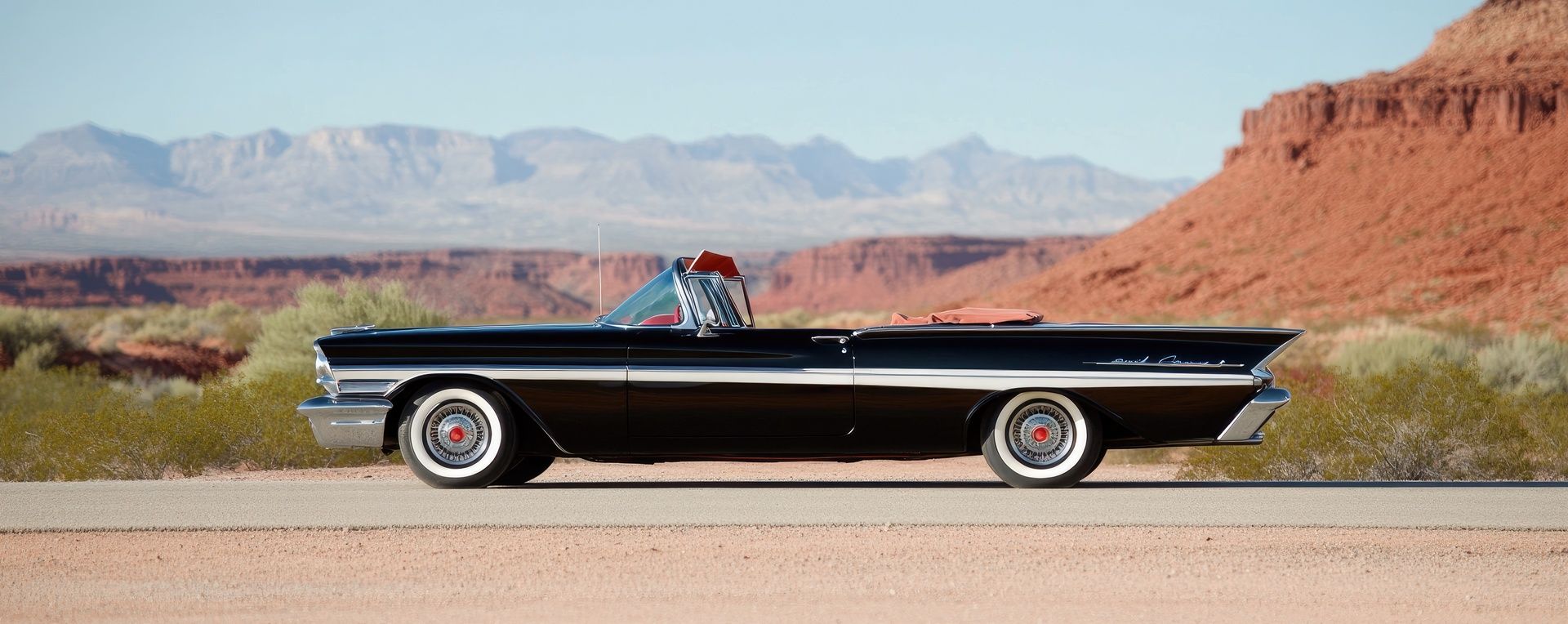
Discover the iconic 1936–1953 Buick Roadmaster, a symbol of classic American design and engineering. This guide helps budget-conscious buyers understand its history, styling, and restoration potential.
Introduction to the 1936 Buick Roadmaster
The 1936 Buick Roadmaster is more than just a vintage car — it’s an American classic that represents style, power, and craftsmanship from a bygone era. For budget-conscious buyers, understanding why this model stands out helps in appreciating its value and spotting a good deal at auctions or private sales.
Why the 1936 Roadmaster Stands Out
The 1936 Roadmaster was known for its smooth ride, powerful straight-eight engine, and elegant design. Unlike many cars of the 1930s, it combined performance and luxury, making it a symbol of status and quality. Its sweeping fenders, chrome accents, and spacious interior made it instantly recognizable on the road. For a budget-minded buyer, spotting a well-maintained Roadmaster or even a project car at an auction can be a rewarding investment — both for restoration and potential resale.
Positioning in Buick’s Lineup of the 1930s
In the 1930s, Buick offered several models, but the Roadmaster sat at the top of the lineup, positioned above the Special and Century models. It was designed for buyers seeking more luxury, power, and comfort without venturing into Cadillac territory. This meant that even early on, the Roadmaster had features that set it apart, such as premium materials, larger engines, and advanced suspension for a smoother ride. For budget buyers, understanding its place in Buick’s lineup helps when evaluating auctions or salvage options — knowing which features are essential and which can be overlooked in a project car.
Design and Styling Features
The Buick Roadmaster of 1936–1953 is celebrated not just for its performance, but also for its timeless design and luxurious details. Understanding its styling helps budget-conscious buyers identify models that are visually appealing, easier to restore, and retain value over time.
Exterior Styling and Body Lines
The Roadmaster is instantly recognizable thanks to its long, flowing fenders, bold grille, and sweeping body lines. Chrome accents and signature Buick portholes add to its classic look. Over the years, the car evolved with sleeker lines and more aerodynamic shapes, reflecting the changing tastes of the 1940s and early 1950s. For budget buyers, knowing these features can help spot cars with original bodywork versus those heavily modified — crucial for restoration and resale.
Interior Comfort and Materials
Inside, the Roadmaster was spacious and comfortable, with cushioned seats and high-quality materials for its time. Early models featured cloth or leather upholstery, wood trim, and well-laid dashboards. Many budget buyers looking at auctions or salvage listings often prioritize interior condition, because restoring upholstery and trim can be costly. Recognizing which interior details are original helps in evaluating the car’s overall value.
Trim Levels and Custom Coachbuilt Versions
Buick offered the Roadmaster in several trim levels and body styles, including sedans, convertibles, and coupes. Some buyers even commissioned custom coachbuilt versions, which added unique styling touches and higher-end finishes. For budget-conscious collectors, standard trims often offer the best combination of affordability and authenticity, while coachbuilt or rare versions can be collectible — but usually come with higher purchase and restoration costs.
Models of the 1936 Buick Roadmaster
The 1936 Buick Roadmaster came in several distinct models, each offering different levels of luxury, style, and practicality. For budget-conscious buyers, understanding the differences helps identify which model offers the best combination of affordability and restoration potential.
Buick Series 80 Roadmaster Sedan
The Series 80 Roadmaster Sedan was the most common model and a practical choice for families or daily driving. It offered spacious seating for up to five passengers, a durable chassis, and the signature Buick straight-eight engine. For budget buyers, the sedan is often easier to find at auctions or private sales and can be restored without breaking the bank. Its solid structure also makes it a reliable starting point for restoration projects.
Buick Series 80 Roadmaster Convertible Phaeton
The Convertible Phaeton added flair to the Roadmaster lineup with a retractable soft top, making it perfect for enjoying sunny drives. While rarer than the sedan, it offers more style and collector appeal. For budget buyers, these models can be more expensive upfront, and restoring the convertible top can be a costly process, but they hold value well once restored.
Buick Series 80 Roadmaster Brewster Town Car
The Brewster Town Car represented the pinnacle of luxury, often used by executives or wealthy individuals. It featured custom coachwork, extended wheelbases, and premium interior finishes, sometimes even tailored to the buyer’s specifications. For budget-conscious collectors, the Brewster Town Car is typically the most expensive and challenging to restore, but spotting a project model at auction could be a rare opportunity to own a piece of automotive history.
Engine and Performance
The 1936–1953 Buick Roadmaster wasn’t just about luxury and style — it was also known for its smooth, reliable performance. Understanding its engine and driving characteristics helps budget-conscious buyers make smart choices when looking for auctions or project cars.
Inline-8 Engine Specifications
The Roadmaster was powered by Buick’s straight-eight (inline-8) engine, known for durability and smooth operation. Depending on the year, the engine displacement ranged from roughly 248 to 320 cubic inches, delivering dependable performance for its era. For budget buyers, these engines are relatively easy to maintain, and replacement parts are often available through classic car suppliers or online auctions.
Horsepower and Driving Experience
The early Roadmasters produced around 100–135 horsepower, which was impressive for the 1930s and 1940s. While not fast by modern standards, the car offered a smooth, comfortable ride, ideal for leisurely drives. Budget-conscious buyers often appreciate that these engines are forgiving and don’t require high-octane fuel, making running costs manageable.
Transmission and Handling Characteristics
Most Roadmasters came with a 3-speed manual transmission, although later models introduced optional automatic transmissions. The handling was steady and predictable, with a suspension designed for comfort rather than sporty performance. While steering is heavier than modern cars, the Roadmaster’s wide wheelbase and well-balanced chassis make it stable on the road. For budget buyers, this means the car can be driven safely without costly suspension upgrades, though some restoration projects may involve minor steering or brake improvements.
Innovations and Engineering Highlights
The 1936–1953 Buick Roadmaster wasn’t just stylish — it featured engineering advances that made it stand out in its era. Understanding these innovations helps budget-conscious buyers appreciate the car’s value and make smarter restoration decisions.
Suspension and Ride Quality
Buick’s Roadmaster was famous for its smooth and comfortable ride, thanks to its independent front suspension and solid rear axle with leaf springs. These systems absorbed bumps better than many competitors, making long drives easier and more enjoyable. For budget buyers, this means that even older models can provide a comfortable driving experience without extensive suspension upgrades, though checking for worn bushings or springs is important when inspecting a car.
Braking System of the Era
Roadmasters used mechanical drum brakes in the 1930s, with later models incorporating hydraulic brakes for better stopping power. While not as responsive as modern braking systems, these brakes were reliable for the roads of their time. Budget-conscious buyers should check brake condition carefully, as restoring or upgrading to modern hydraulic systems can improve safety without requiring a full rebuild.
Early Advancements in Buick Engineering
Buick incorporated several innovative features in the Roadmaster, including:
- Valve-in-head (overhead valve) engines for smoother power delivery.
- Automatic choke systems in later models, making cold starts easier.
- Streamlined body design that improved aerodynamics and fuel efficiency for its era.
These early engineering advancements make the Roadmaster more than just a classic car — they show why it was considered a top-tier vehicle in its day. For budget buyers, understanding these features helps identify models that are easier to maintain, more reliable, and worth restoring.
Place in Buick Roadmaster Generations
The Buick Roadmaster holds a special place in automotive history, spanning multiple generations from 1936 to 1953. Understanding its evolution helps budget-conscious buyers recognize which models are affordable, collectible, and easier to restore.
The Beginning of the Roadmaster Legacy (1936–1939)
The first Roadmasters, introduced in 1936, set the standard for luxury, performance, and style in Buick’s lineup. These early models featured the straight-eight engine, sweeping fenders, and elegant interiors, establishing the Roadmaster as a top-tier choice above the Special and Century models. For budget buyers, 1936–1939 models can often be found at reasonable prices, especially project cars, offering a chance to own a classic with historical significance without paying collector-level prices.
Comparison with Later Roadmasters (1938, 1940, 1949)
- 1938–1940 Roadmasters: These years saw minor styling updates, including sleeker body lines, more chrome detailing, and optional features like improved interiors. Mechanically, the cars remained largely the same, with smooth inline-8 engines and reliable suspension. Budget-conscious buyers may find these slightly newer models more appealing if they want subtle improvements while keeping costs reasonable.
- 1949 Roadmaster: After World War II, the 1949 Roadmaster was redesigned with a more modern look, wider body, and improved braking and suspension systems. While slightly more expensive, these postwar models are still accessible for buyers who want a mix of classic charm and improved drivability.
Market Value and Collectibility Today
The 1936–1953 Buick Roadmaster is a sought-after classic, but prices vary widely depending on condition, originality, and model. Understanding the current market helps budget-conscious buyers spot good deals and avoid overspending.
Current Auction Prices for 1936 Buick Roadmaster
Auction prices for a 1936 Roadmaster can range from $15,000 for a project car to over $60,000 for a fully restored model. Sedans and common body styles are usually more affordable, while rare convertibles or Brewster Town Cars can command higher prices. For budget buyers, keeping an eye on auctions and being ready to bid on a fixer-upper is often the best way to own one without breaking the bank.
Factors That Affect Value (Condition, Originality, Rarity)
Several factors influence a Roadmaster’s value:
- Condition: Cars in good running order or partially restored fetch higher prices. Rust, engine issues, or damaged interiors lower the cost.
- Originality: Models with original parts, matching numbers, and authentic interiors are more collectible. Budget buyers may choose cars with some non-original parts to save money.
- Rarity: Convertibles, limited-run trims, and coachbuilt versions are rare and expensive. Sedans are more common and easier to restore on a budget.
Tips for Buyers on a Budget
- Focus on project cars: Auctions often list Roadmasters that need minor or moderate restoration at lower prices.
- Check for parts availability: Inline-8 engines and standard Roadmaster components are easier to source, reducing restoration costs.
- Compare similar models: Knowing the price range for sedans, convertibles, and Brewster Town Cars helps you identify bargains.
- Inspect thoroughly: Rust, mechanical issues, or missing trim can add unexpected costs. A careful inspection ensures your investment remains budget-friendly.
By understanding market trends and knowing where to look, budget-conscious buyers can enjoy the charm and prestige of a Buick Roadmaster without overspending.
Restoration and Maintenance Insights
Owning a 1936–1953 Buick Roadmaster is exciting, but restoration and maintenance require planning, especially for budget-conscious buyers. Knowing common challenges, parts availability, and realistic project goals can save time and money.
Common Challenges with 1930s Classics
Classic cars from the 1930s, including the Roadmaster, often have issues like rusted body panels, worn suspension, and aging wiring. Mechanical components like the straight-eight engine and drum brakes may need attention. Budget buyers should be prepared for these typical challenges and consider them when estimating restoration costs. Choosing a car with solid floors and minimal rust can significantly reduce expenses.
Parts Availability and Reproduction Options
Fortunately, many Roadmaster parts are still available through classic car suppliers, online auctions, and reproduction specialists. Engines, trim pieces, and interior components can often be sourced without paying collector-level prices. For budget buyers, mixing original and high-quality reproduction parts is a practical way to restore a car while keeping costs manageable.
Is a 1936 Roadmaster a Good Project Car?
The 1936 Roadmaster can be a great project car for budget-conscious buyers because:
- Sedans are relatively affordable and easier to restore than rare convertibles or Brewster Town Cars.
- The straight-eight engine is durable and simple compared to modern engines.
- Parts are available or can be reproduced, making restoration achievable without overspending.
With careful planning, a realistic budget, and a willingness to work on the car gradually, even beginners can turn a 1936 Roadmaster into a stunning classic without paying top-dollar for a fully restored model.
The 1936 Buick Roadmaster in Popular Culture
The Buick Roadmaster isn’t just a classic car — it’s an icon of American style and luxury, frequently featured in media and inspiring future automotive designs. Understanding its cultural impact helps budget-conscious buyers appreciate its historical and collectible value.
Appearances in Movies and Shows
The 1936 Roadmaster has made appearances in period films and TV shows set in the 1930s and 1940s, often representing elegance and status. Its sweeping fenders, chrome grille, and distinctive body lines make it instantly recognizable on screen. For budget buyers, spotting a Roadmaster with a cinematic appearance or “movie-ready” aesthetics can add collectible appeal without paying a premium for rarity.
Influence on Later Buick Designs
The Roadmaster’s design language — long, elegant body lines, chrome accents, and spacious interiors — influenced Buick models for decades. Elements like signature portholes, grille styling, and comfortable ride quality were carried into postwar Roadmasters and other Buick series. For budget-conscious collectors, owning a 1936 Roadmaster means having a car that shaped the brand’s identity while still being accessible as a restoration or project car.
FAQ
How many 1953 Buick Roadmasters were made?
In 1953, Buick produced approximately 20,000 Roadmasters, including sedans, convertibles, and coupes. This makes the 1953 models rarer than some earlier Roadmasters, but still reasonably accessible for budget-conscious buyers looking for a postwar classic with strong design and engineering.
What was the best selling car in 1936?
The best-selling car in the U.S. in 1936 was the Ford V8, thanks to its affordability and performance. While the Buick Roadmaster was more expensive and positioned as a luxury vehicle, it offered superior comfort and style, making it appealing for buyers willing to invest a bit more for a high-quality classic.
What was the best Buick ever made?
The “best Buick” often depends on personal preference. Many enthusiasts consider the Roadmaster series from 1936–1953 among the finest due to its combination of elegant design, reliable straight-eight engines, and historical significance. For budget buyers, earlier models offer classic appeal without the high price of later collector editions.
Is the Buick Roadmaster considered a classic?
Yes, the Roadmaster is widely regarded as a classic American car. Its iconic styling, engineering innovations, and historical significance make it a favorite among collectors and restoration enthusiasts. Budget-conscious buyers can still find project cars or moderately restored models that capture this classic charm without paying top-tier prices.
Conclusion: Why the 1936 Buick Roadmaster Still Matters
The 1936–1953 Buick Roadmaster remains a symbol of classic American automotive design. Its combination of style, engineering, and historical significance makes it a timeless choice for collectors and enthusiasts alike. Understanding its value and potential helps budget-conscious buyers make smart decisions when sourcing or restoring one.
Legacy of Style and Engineering
The Roadmaster set the standard for luxury and performance in its era. Its sweeping fenders, chrome accents, and spacious interiors defined American automotive elegance, while the straight-eight engine and advanced suspension showcased Buick’s commitment to engineering excellence. Even today, these features are admired by collectors and car enthusiasts, highlighting why the Roadmaster continues to be relevant in the classic car world.
Advice for Enthusiasts and Collectors
For those looking to own a Roadmaster on a budget:
- Start with project cars or sedans for more affordable entry points.
- Check engine and body condition carefully to avoid costly surprises.
- Consider parts availability and reproduction options to simplify restoration.
- Attend auctions and monitor online listings to spot bargains before they’re gone.
By combining an understanding of its history, careful inspection, and realistic restoration goals, even budget-conscious buyers can enjoy the charm, prestige, and driving experience of the 1936–1953 Buick Roadmaster — a true classic American icon.
Are you interested in buying a vehicle from Online Auto Auctions?
With this being said – you can still export vehicles and save up a few thousand dollars with Bidndrive. We have an inventory of over 150k plus vehicles with titles you can export for you to choose from. Once you have placed your bid and won the auction a Bill of Sale document is then emailed to you as proof of purchase – after full payments have been made.
To gain access and get started on your purchase, sign up for free.