


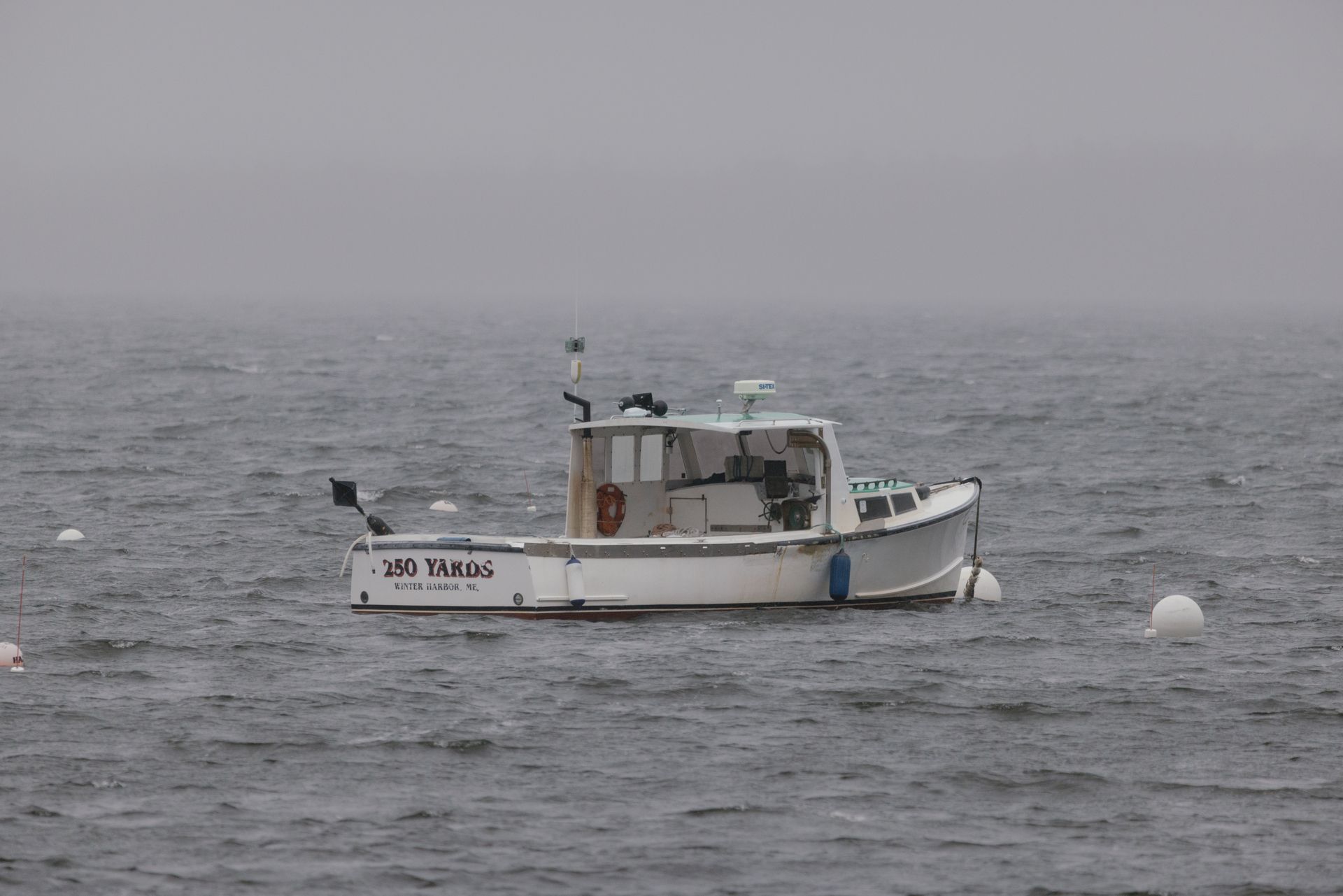
Thinking about buying a boat but worried about high prices? Salvage boat auctions can be a great way to get a vessel on a budget. This guide covers three important things to consider before you dive in—what salvage boats really are, how to ensure your purchase is safe, and what to expect during the auction process. With these tips, you’ll be better prepared to make smart, confident decisions and save money on your next boat.
What Is a Salvage Boat and Why Should You Consider Buying One?
A salvage boat is a vessel that has been damaged in some way—maybe from an accident, storm, flood, or fire—and has received a "salvage title." This title means the boat has been declared a total loss by an insurance company or its previous owner because the cost to repair it was higher than the boat’s value at that time.
But here’s the important part: a salvage title doesn’t mean the boat is useless or beyond repair. In fact, many salvage boats can be fixed up and made seaworthy again. For buyers on a tight budget, salvage boats can be a smart choice because they usually sell for much less than similar boats with clean titles.
Some people buy salvage boats to repair them for personal use, while others might purchase them for parts—especially if they own a similar model. Even if you don’t plan to fully restore the boat, salvage vessels can serve well for fishing, leisure, or as a project if you enjoy hands-on repairs.
For example, imagine you want a boat but don’t have the funds for a brand-new or used vessel with a clean title. Buying a salvage boat at an auction allows you to get a bigger or better-quality boat than you might otherwise afford. Even with repair costs, you can often save a lot compared to market prices.
Is It Safe to Buy a Salvage Boat?
Buying a salvage boat can feel risky, especially if you’re new to the world of salvage auctions. The word “salvage” often raises concerns about safety and hidden problems. So, is it really safe to buy a salvage boat? The short answer is: yes, but only if you do your homework.
First, it’s important to understand why a boat has a salvage title. Common reasons include damage from accidents, storms, floods, or even fires. Each type of damage affects the boat differently. For example, flood damage might cause long-term issues with the engine or electrical system, while collision damage could mean structural repairs are needed. Knowing the cause of damage helps you evaluate the potential risks and repair costs.
Before bidding on any salvage boat, make sure to check the vessel’s history report. This report will give you detailed information about past incidents, ownership, and title status. Some auction sites, including BidNDrive, offer access to such reports or links to trusted providers. This information is crucial to avoid surprises later.
Another key step is having a professional inspection. If you can’t see the boat in person, consider hiring a marine surveyor or mechanic near the auction yard. For a relatively small fee, they can check the boat’s condition and identify any hidden problems. This investment can save you thousands by preventing you from buying a boat with costly or unsafe issues.
Here’s a real example: A buyer named Mike wanted a fishing boat but had a limited budget. He found a salvage boat at a BidNDrive auction. Before bidding, Mike hired a marine surveyor who discovered that the boat’s hull was in great shape but the engine needed minor repairs. Mike factored in the repair costs and still won the auction at a good price. After fixing the engine, the boat was safe and ready to use, saving Mike a lot compared to buying a non-salvage boat.
What Should You Know About the Auction Process and Costs?
Buying a salvage boat at an online auction like BidNDrive is a straightforward way to get a good deal, but it’s important to understand how the process works and what costs you might face beyond the winning bid.
First, you start by browsing the auction listings. BidNDrive offers detailed information on each salvage boat, including photos, damage reports, and sometimes inspection notes. Take your time to compare different vessels, their conditions, and prices. Narrow down your options to the boats that fit your needs and budget.
When you find a boat you like, you place your bid during the auction. Bidding is competitive — you’re essentially competing with other buyers who want the same boat. It’s important to set a maximum bid beforehand to avoid overspending in the heat of the moment. If your bid is the highest when the auction ends, congratulations — you’ve won the boat!
After winning, the next step is arranging payment and delivery. Online auction platforms like BidNDrive provide clear instructions on how to pay safely and securely. Once payment is made, you’ll coordinate how to get the boat from the auction yard to your location. Depending on where you live, transportation costs can vary significantly. You may need to hire a boat transport company, which adds to the total expense.
Beyond the auction price and transport, remember that salvage boats often require repairs or maintenance before they’re ready to use. These costs can range from minor fixes like cleaning and cosmetic work to major repairs on the engine or hull. It’s a good idea to get an estimate for repairs before bidding, so you have a full picture of your total investment.
Don’t forget about paperwork, either. After purchase, you’ll need to handle the boat’s title transfer, registration, and insurance. These administrative steps may involve fees and time, but they are essential to legally own and operate your boat.
For example, Sarah won a salvage sailboat at BidNDrive. She paid $5,000 at auction but spent another $2,000 on repairs and $1,000 on transport and paperwork. In total, she invested $8,000 for a boat that would have cost $15,000 if bought new or with a clean title. Sarah planned her budget carefully and was happy with her purchase.
Are you interested in buying a car from Online Auto Auctions?
With this being said – you can still export vehicles and save up a few thousand dollars with Bidndrive. We have an inventory of over 150k plus vehicles with titles you can export for you to choose from. Once you have placed your bid and won the auction a Bill of Sale document is then emailed to you as proof of purchase – after full payments have been made.
To gain access and get started on your purchase, sign up for free.