


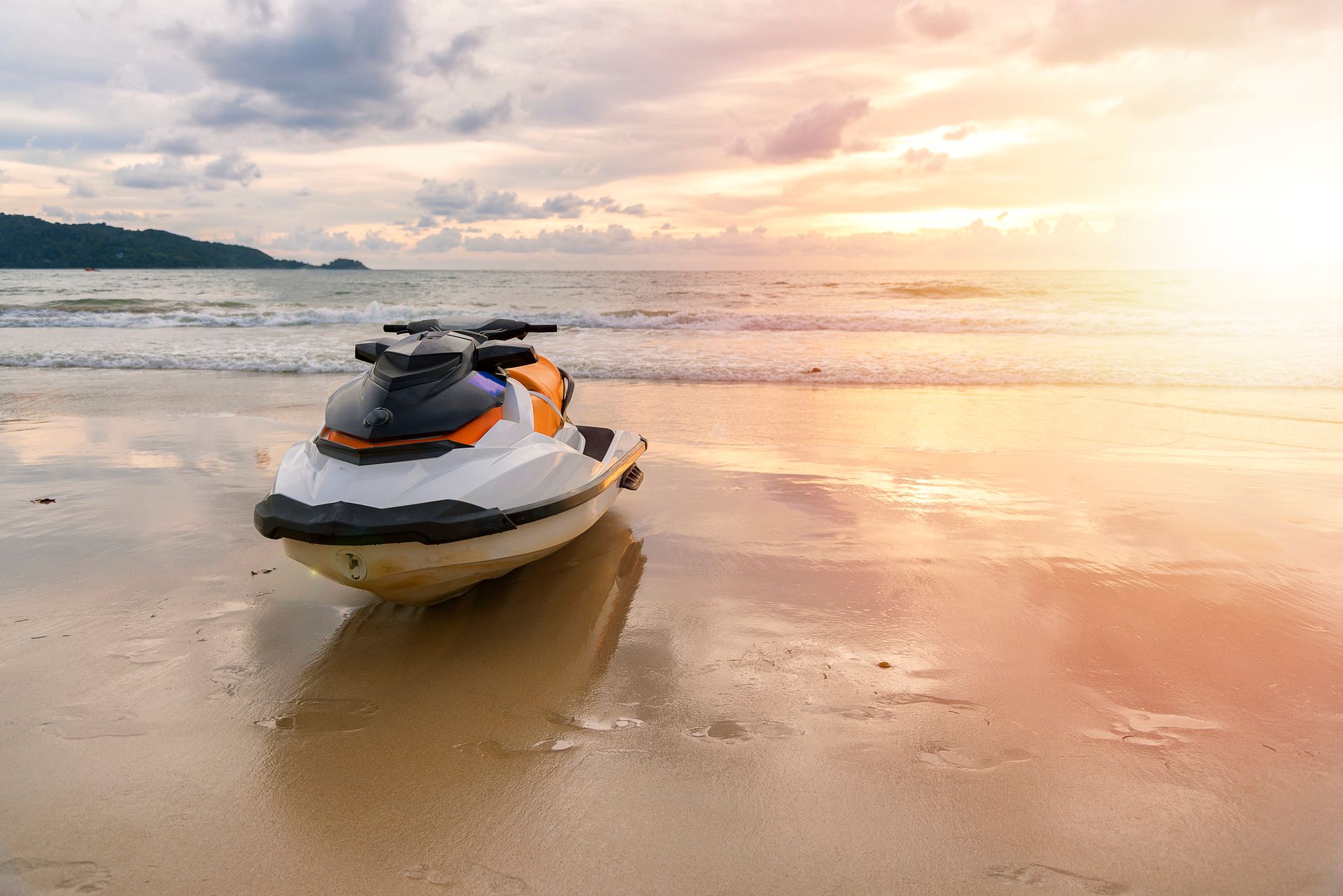
Starting a jet ski rental business can be a great way to dive into the water sports industry with a limited budget. This guide helps you understand the key factors to consider before you begin, from choosing the right location to managing costs and safety. By knowing these essentials, you’ll be better prepared to build a successful and affordable rental business that attracts customers and keeps operations running smoothly.
How Can You Choose the Best Location for Your Jet Ski Rental Business?
Choosing the right location is one of the most crucial decisions when starting a jet ski rental business. Your profitability and long-term success heavily depend on finding a spot that attracts steady customer traffic and offers favorable conditions for water sports activities.
The Importance of Location
A great location ensures a consistent flow of customers, especially during peak seasons. Coastal areas or lakeside locations with a high influx of tourists are particularly ideal. These areas often see a demand for water sports, making them a natural fit for jet ski rentals. However, not every waterfront location is suitable for business. Legal and environmental considerations, such as protected areas or restricted water use zones, must also be factored into your decision.
Key Factors to Consider
- Tourist Traffic:
Look for areas known for their tourism activities. Beaches, lakes, or coastal towns that attract vacationers are prime locations. Pay attention to popular vacation periods and local events that could draw additional visitors. - Demand for Water Sports:
Research whether the area has an existing demand for water sports. A location with kayaking, paddleboarding, or boating businesses indicates a customer base that’s already interested in activities on the water. - Environmental and Legal Regulations:
Before committing to a location, ensure you are familiar with the regional laws governing watercraft. Some areas may prohibit certain activities or enforce strict environmental regulations. Federal and state restrictions could limit your operational scope, so it’s essential to verify the rules in advance.
What Are the Benefits of Investing in Salvage Jet Skis?
Starting a jet ski rental business can be costly, especially when it comes to purchasing your initial fleet. One smart way to save money without sacrificing quality is by investing in salvage jet skis. Buying salvage jet skis through platforms like BidNDrive offers a cost-effective alternative that can help you launch your business while staying within a tight budget.
Cost-Effectiveness of Salvage Jet Skis
Salvage jet skis are often available at a fraction of the price of brand-new models. For example, a new jet ski can cost anywhere from $2,500 to $10,000 depending on the brand and model. On the other hand, a salvage jet ski typically sells for about half that price. This significant cost reduction allows budget-conscious entrepreneurs to purchase multiple jet skis or invest more funds into other essential parts of their business, such as insurance or marketing.
Real Savings with Salvage Jet Skis
Imagine you need a fleet of five jet skis to start your rental service. Buying new could cost you upwards of $25,000 to $50,000 just for the equipment. Choosing salvage jet skis from BidNDrive could cut that cost down to roughly $12,500 to $25,000, freeing up thousands of dollars for repairs, storage, or operational expenses.
How Can Insurance Protect Your Business?
Insurance is one of the most important safeguards for your jet ski rental business. Because you are renting out powerful watercraft to customers, accidents and equipment damage are always a possibility. Having comprehensive insurance coverage protects your business from unexpected financial losses and helps you operate with peace of mind.
Importance of Comprehensive Insurance
Your insurance should cover two main areas: liability and equipment. Liability insurance protects you if a customer is injured while using your jet skis or if you cause damage to third parties or property. This is crucial because legal claims or medical expenses could otherwise cost you thousands or even more.
Equipment coverage, on the other hand, protects your jet skis themselves. Jet skis can get damaged during use, transported incorrectly, or even stolen. Without proper insurance, the cost of repairs or replacement could seriously hurt your business financially. Comprehensive insurance helps you manage these risks so you don’t have to pay all costs out of pocket.
Challenges Without Industry Experience
One tricky part about getting insurance for a jet ski rental business is that most insurance companies require you to have at least 36 months of experience in the industry. This is because renting jet skis involves certain risks that insurers want you to understand and manage well. Without prior experience, it can be hard to get affordable or even any insurance coverage at all.
What Overhead Costs Should You Prepare For?
Starting a jet ski rental business means more than just buying equipment and renting it out. There are several ongoing costs—some obvious, others less so—that you need to plan for to keep your business running smoothly and profitably.
Storage Costs
Jet skis need a safe place to stay when not in use. Ideally, this means a fenced and secure storage area close to the water for easy access. However, real estate near popular lakes, beaches, or coastal spots can be expensive. Don’t overlook the cost of renting or owning storage space—it can quickly add up and impact your budget. If you’re working with a tight budget, look for affordable storage options a bit further from the water but still accessible, or share space with other water sport businesses.
Fuel Costs
Fuel is a major ongoing expense in a jet ski rental business. While you can charge customers for fuel, fluctuating fuel prices mean your costs will vary. One month you might benefit from low prices, but an unexpected spike can cut into your profits. It’s important to track fuel expenses closely and build some flexibility into your pricing or budget to accommodate these changes.
Maintenance Costs
Jet skis, especially if you buy salvage models, require regular maintenance to stay in good shape and safe to use. Repairs can include engine tune-ups, replacing worn-out parts, and fixing any damage from regular wear or accidents. Maintenance can be unpredictable — sometimes minor repairs cost little, but other times you may face expensive fixes. It’s smart to set aside a contingency fund, or “rainy day” money, to cover unexpected repairs without disrupting your cash flow.
When Is the Right Time to Operate Your Business?
Running a jet ski rental business means understanding that your operating schedule isn’t the same every day of the year. Water sports are heavily influenced by seasons, weather, and safety concerns, so knowing when to open and close your business each day or season is crucial.
Seasonal Considerations
Jet skiing is mostly a warm-weather activity. In many places, the best months are late spring through early fall when water temperatures and weather conditions are pleasant. During colder months or rainy seasons, demand often drops dramatically because fewer people want to be out on the water. It’s important to recognize these natural business cycles so you can plan your operating hours, marketing efforts, and budget accordingly.
If you try to operate year-round in a colder region, you may end up losing money on days when few customers show up. Instead, focus your resources on peak seasons and consider closing or limiting hours during the off-season to reduce unnecessary overhead costs.
Safety Protocols and Weather Monitoring
Customer safety must be your top priority every time you open for business. Water sports carry risks, especially if conditions become dangerous. You should have clear safety rules in place, such as marking safe zones with buoys or flags to show where customers can ride. These boundaries protect riders from hazards like strong currents, boat traffic, or shallow waters.
Additionally, constantly monitor weather forecasts and water conditions. High winds, storms, or rough waters mean it’s time to pause operations until it’s safe again. This protects your customers and reduces your liability risk.
Why Safety Comes First
Protecting customers isn’t just the right thing to do—it’s essential for your business reputation and success. Accidents can lead to lawsuits, expensive insurance claims, and damage to your brand. When customers see you prioritize their safety, they feel more confident renting from you and are more likely to return or recommend your service.
Clear communication about when and why you close due to weather or safety concerns builds trust. Make sure your staff is trained to enforce safety rules firmly and professionally.
Are you interested in buying a car from Online Auto Auctions?
With this being said – you can still export vehicles and save up a few thousand dollars with Bidndrive. We have an inventory of over 150k plus vehicles with titles you can export for you to choose from. Once you have placed your bid and won the auction a Bill of Sale document is then emailed to you as proof of purchase – after full payments have been made.
To gain access and get started on your purchase, sign up for free.