


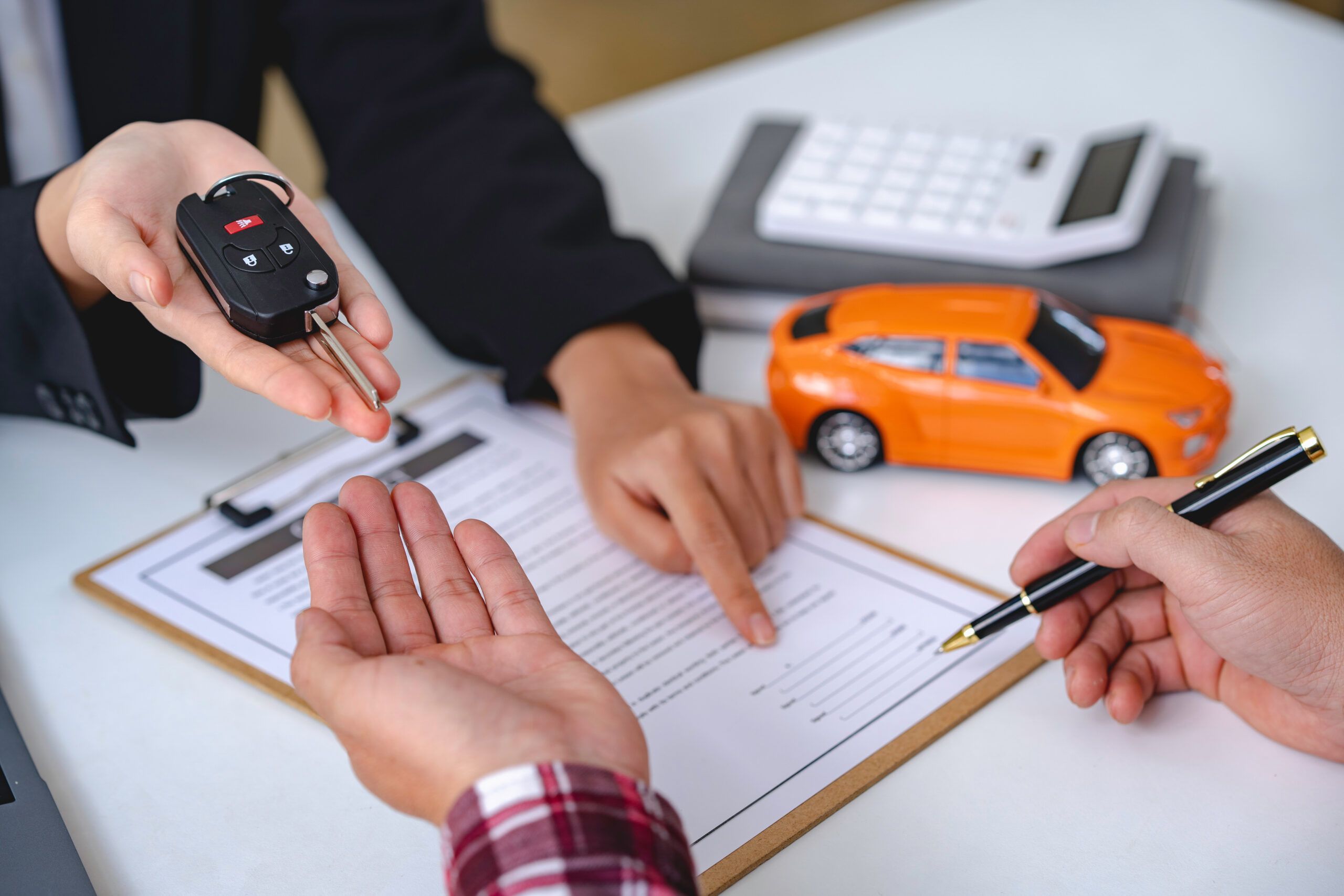
Buying a used car can be tricky, especially if you're trying to stay within a budget. That's why it's essential to do your homework before making any decisions. In this guide, we've rounded up the top 5 websites you need to check before buying a used car. These sites will help you find reliable information on pricing, vehicle history, and reviews, making your car-buying process smoother and more informed.
Why Should You Check Edmunds Before Buying a Used Car?
When you're in the market for a used car, making sure you're getting the best deal possible requires research—and that's where Edmunds comes in. This site has been a trusted resource for car buyers for decades, providing a comprehensive overview of both new and used vehicles. It's one of the most reliable tools for budget-conscious buyers looking to make informed decisions without the pressure of a dealership.
One of the key benefits of using Edmunds is that it offers a complete picture of the car market. Whether you're comparing prices, reading detailed reviews, or searching for tips on car buying, Edmunds has it all in one place. This means you can save time by not having to hop between different websites to gather information. For someone on a budget, time is often just as valuable as money.
Pricing Insights
When it comes to pricing, Edmunds offers tools that help you understand true market value. It shows you what other buyers have paid for the same make and model, helping you get a clearer idea of whether you're overpaying. This is especially useful if you're negotiating with a seller or dealing with an auction, where having knowledge of the car’s actual worth could save you hundreds—or even thousands—of dollars. Edmunds also breaks down total ownership costs, such as insurance, fuel, and maintenance, so you're not caught off guard by unexpected expenses.
Detailed Reviews and Tips
In addition to pricing, Edmunds provides detailed reviews for virtually every car model on the market. These reviews cover everything from performance to comfort to reliability, giving you a better understanding of whether the car you're considering meets your needs. For example, if you're buying a used car because you're on a tight budget, reading about the fuel economy and repair history of a model could be crucial in helping you make the best long-term choice. Plus, the site offers expert tips on negotiating prices, comparing different models, and even understanding loan options.
Financing and Insurance
One often overlooked aspect of car buying is financing and insurance options, both of which Edmunds covers in depth. If you're planning to finance your purchase, the site provides tools that allow you to calculate loan payments based on your credit score, down payment, and loan term. This helps you figure out whether you can comfortably afford the monthly payments for your chosen car. On the insurance side, Edmunds can guide you toward finding the best coverage without breaking the bank, so you're protected from day one.
Rankings and Reviews by Car Categories
Lastly, Edmunds offers a unique feature where you can browse rankings and reviews by car categories. If you're unsure which type of car is right for you—whether it's a sedan, SUV, or pickup truck—Edmunds makes it easy to compare models within a category. This is especially helpful if you have specific needs, such as a family car with high safety ratings or a fuel-efficient vehicle for daily commuting. For budget-conscious buyers, these rankings can be a lifesaver, guiding you toward vehicles that are not only affordable but also reliable and efficient.
How Can Kelly Blue Book Help You Determine a Fair Price?
When you're trying to decide how much to pay for a used car, Kelly Blue Book (KBB) is one of the most trusted tools at your disposal. For over 90 years, KBB has been the go-to guide for car buyers and sellers alike, helping them understand the real value of a vehicle. It's a must-check resource if you're looking to get a fair price on your next used car, especially if you're on a budget and want to avoid overpaying.
Why Kelly Blue Book is Essential
One of the most significant challenges when buying a used car is figuring out how much a vehicle is really worth. Sellers often have different price points in mind, and it can be hard to know if you're getting a good deal. Kelly Blue Book simplifies this by providing accurate market data based on actual car sales. It pulls information from various sources, including dealership transactions, private party sales, and auction data, to calculate fair prices for both new and used vehicles.
By entering just a few details—like the make, model, year, and mileage of the car you're interested in—KBB gives you a clear estimate of what you should expect to pay. This value takes into account factors such as the car's condition, local market demand, and available inventory. For budget-conscious buyers, this means you can avoid the guesswork and go into negotiations with confidence, knowing you're armed with reliable pricing information.
Total Car Value and Price Breakdown
Kelly Blue Book doesn't just stop at giving you an overall price. It breaks down the total value of a car into different categories: trade-in value, private party value, and dealer retail price. This is crucial because the price of the car can vary depending on who is selling it and how you’re buying it. For example, a dealer might charge more than a private seller because they usually offer warranties or inspections that a private seller does not.
- Trade-in Value: If you're planning to trade in your current car as part of the deal, KBB will help you figure out how much you can expect a dealership to offer. This gives you leverage during negotiations, as you’ll know whether the dealer’s offer is fair.
- Private Party Value: If you're buying directly from another individual, KBB provides insight into what the average private seller might ask for the car. Knowing this value helps you determine whether you're paying a reasonable price, avoiding inflated costs.
- Dealer Retail Price: If you're buying from a dealer, KBB shows you the average price a dealership might charge for the car, including any markups for inspections, warranties, or other services.
Having this range of values makes it easier to understand the true cost of the car, so you’re better prepared for whichever buying scenario you find yourself in. It’s especially helpful if you're trying to stick to a tight budget, as it helps you avoid spending more than necessary.
A Baseline for Negotiations
One of the most powerful ways you can use Kelly Blue Book is as a baseline for negotiations. Car prices aren't always fixed, especially when you're dealing with private sellers or dealerships that are willing to make a deal. Having the KBB value in your pocket gives you a strong starting point to negotiate a lower price. For example, if a seller is asking for more than the car's KBB value, you can confidently point this out and use it to negotiate the price down.
This is particularly beneficial for buyers who want to stretch their dollars. Since KBB takes the car's condition, mileage, and other specifics into account, it gives you a fair, unbiased estimate that reflects what the car is actually worth. Armed with this information, you can avoid paying more than you should, keeping your budget intact while still getting the car you need.
What Vital Information Can You Find with AutoCheck and Carfax?
Before buying a used car, it’s crucial to know as much as possible about its history—and that’s where AutoCheck and Carfax come in. These two platforms specialize in providing vehicle history reports, offering buyers the vital insights needed to make informed decisions. By using AutoCheck and Carfax, you can uncover hidden details about the car you’re interested in, which could save you from unexpected issues and costly mistakes down the road.
Why Vehicle History Reports Matter
When you're buying a used car, what you see on the surface doesn't always tell the full story. Even if the car looks great and runs well, it may have been through serious accidents, sustained flood damage, or had previous mechanical issues that aren't immediately noticeable. This is where vehicle history reports come into play. They provide a comprehensive snapshot of the car’s past, giving you key details such as accident history, title status, previous owners, mileage, and more.
This information is vital because it helps you understand the true condition of the car and whether it’s worth your investment. For budget-conscious buyers, knowing a vehicle’s history can prevent you from buying a car that may seem like a bargain but ends up costing more in repairs and maintenance over time.
Accident History
One of the most significant insights you can get from AutoCheck and Carfax is whether the car has been involved in any accidents. Accident history is essential because it can affect the car's performance, safety, and resale value. Even if repairs have been made, cars that have been in accidents are often prone to further mechanical issues. Vehicle history reports detail the severity of any accidents, so you can decide whether you're comfortable with the car's past or if you should keep looking.
Knowing this information ahead of time helps you avoid buying a car that may require extensive repairs in the future. For example, a car that’s been involved in a major collision may have hidden structural damage that could affect its performance or safety features. By using AutoCheck or Carfax, you can get peace of mind, knowing that the car you're purchasing hasn't been compromised by a significant accident.
Title Status
The title status is another critical piece of information provided by AutoCheck and Carfax. A car’s title indicates its legal status and whether it’s clear, salvaged, or rebuilt. A clear title means that the car has no significant legal issues and is safe to purchase. However, a salvage title suggests that the vehicle was declared a total loss by an insurance company, typically due to severe damage. While salvaged cars are often sold at lower prices, they may come with serious safety concerns or hidden problems.
Having this information at your disposal allows you to make a more informed decision about whether the car is a good investment. A car with a clear title will typically have a higher resale value and be easier to insure than one with a salvage or rebuilt title. On the other hand, knowing that a car has a salvage title gives you the opportunity to negotiate a lower price or avoid the car altogether if it poses too many risks.
Previous Owners and Mileage Verification
AutoCheck and Carfax also provide information about previous owners and mileage verification, both of which can offer valuable insights. Knowing how many owners the car has had can tell you a lot about its past. For instance, if the car has had several owners in a short period, it might indicate underlying issues that previous buyers weren't willing to deal with. On the other hand, a car with one long-term owner may have been better maintained and cared for.
Mileage verification is equally important because it ensures that the odometer reading is accurate and hasn't been tampered with. A car with unusually low mileage for its age could be a red flag, as odometer fraud is a common issue in the used car market. Vehicle history reports verify mileage records, helping you avoid scams and ensuring that you're getting a fair deal.
Why You Shouldn’t Skip Vehicle History Reports
Skipping a vehicle history report when buying a used car can be a costly mistake. Without it, you could end up with a car that has hidden problems, legal complications, or even safety issues that aren’t immediately apparent. For buyers on a budget, investing in an AutoCheck or Carfax report is a small price to pay for the confidence of knowing exactly what you're buying.
These reports offer a level of transparency that empowers you to make smart, informed decisions. Whether you’re purchasing from a dealership or a private seller, having a vehicle history report in hand gives you leverage in negotiations and ensures that you’re not walking into the deal blind.
Why Are Vehicle History Reports So Important?
When you’re buying a used car, there’s always an element of the unknown. Sure, the vehicle might look good and run well during a test drive, but what about its past? This is where vehicle history reports come into play. These reports act like a car’s medical records, providing vital information about its history, including any previous accidents, ownership changes, and title status. Understanding this background is critical for making a smart, informed purchase and avoiding hidden problems down the road.
Key Information Revealed in Vehicle History Reports
The true value of a vehicle history report lies in the comprehensive details it offers. These reports can tell you if the car has been in any accidents, how many owners it’s had, whether its mileage has been verified, and if the car’s title is clear or carries a salvage designation. This level of detail is invaluable, especially when buying a used vehicle, where unknown issues can cost you more in the long run.
For example, a car may look perfectly fine, but if it was involved in a major accident, it could have hidden structural damage that compromises its safety. Likewise, if a vehicle has a salvage title, it means the car was declared a total loss by an insurance company, typically due to severe damage. Even if it was repaired, a salvaged car is often harder to insure and may have lower resale value. Vehicle history reports uncover these critical details, helping you avoid vehicles with serious issues.
Additionally, ownership history provides insight into how well the car was maintained. A vehicle that has had many owners in a short period could be a red flag, indicating potential underlying issues that previous owners weren’t willing to deal with. Conversely, a car with one long-term owner may have been better cared for, making it a more reliable choice.
Accident History and Title Status
One of the first things most buyers want to know is whether a car has been involved in any accidents. Accidents can have lasting effects on a vehicle’s performance and safety, even if the car has been repaired. Vehicle history reports from platforms like AutoCheck and Carfax provide detailed accident records, including the severity of the collision and the repairs made. This allows you to assess whether the vehicle is still worth purchasing or if it might pose future risks.
Title status is another key piece of information you’ll find in these reports. A clear title indicates that the car has no major legal issues and is safe to buy. On the other hand, a salvage title or rebuilt title means the car has suffered significant damage in the past, which could affect its safety and longevity. Knowing the title status upfront protects you from buying a car that may be difficult to insure, expensive to repair, or risky to drive.
Mileage Verification and Odometer Fraud
A crucial part of a vehicle history report is the verification of mileage. This ensures that the odometer reading is accurate and hasn't been tampered with. Odometer fraud, where sellers roll back the mileage to make a car appear less used, is a common scam in the used car market. A vehicle history report compares the current odometer reading with previous records, helping you avoid falling victim to this type of deception. Accurate mileage records allow you to properly gauge the car’s wear and tear, giving you a clearer picture of its value.
Free Vehicle History Reports
While many vehicle history reports come with a fee, some online car auction platforms, like Auto Auction Mall, offer free reports to registered users. This makes it easier and more affordable for buyers to access critical information about the car they’re interested in. For example, Auto Auction Mall provides up to ten free reports, allowing you to research multiple vehicles without the added cost. This perk is especially beneficial for budget-conscious buyers who want to ensure they’re getting a good deal without spending extra money on multiple reports.
The Importance of Being Informed
In the end, vehicle history reports are one of the most important tools you can use when purchasing a used car. They give you the power to make informed decisions, preventing unpleasant surprises and costly repairs in the future. Skipping this step can leave you vulnerable to buying a car with hidden damage, title issues, or odometer fraud, all of which can end up costing you more than the initial savings you thought you were getting.
How Can Consumer Reports Help You Avoid Surprises?
When it comes to buying a used car, the last thing you want is to be blindsided by unexpected issues. Consumer Reports is one of the most trusted resources available to help buyers avoid these surprises by providing unbiased reviews, detailed ratings, and reliable information on vehicles of all kinds. With Consumer Reports, you can dig deep into the specifics of a car’s safety, reliability, and overall satisfaction from real owners, all while gaining insight into maintenance costs and long-term value.
Unbiased Vehicle Reviews and Ratings
What makes Consumer Reports stand out is its commitment to independent and unbiased reviews. Unlike some sites that may be influenced by advertisers or manufacturers, Consumer Reports is known for conducting thorough, data-driven evaluations of vehicles. This ensures that you’re getting honest feedback about the car you’re considering, without any hidden agendas.
These reviews are especially helpful for used car buyers, as they cover critical aspects such as safety performance, mechanical reliability, and long-term owner satisfaction. Whether you’re concerned about the likelihood of mechanical issues or want to make sure the vehicle has a solid safety record, the ratings on Consumer Reports give you an accurate sense of what to expect. You can filter these reviews by year, make, and model, making it easy to compare different vehicles within your budget.
Finding the Right Vehicle for Your Needs
One of the greatest advantages of using Consumer Reports is the ability to search for vehicles based on specific criteria. Whether you’re looking for a fuel-efficient sedan, a reliable family SUV, or a sturdy truck, you can narrow your search by year, make, and model to find cars that meet your needs. This is incredibly useful for budget-conscious buyers who want to ensure they’re making a smart choice without overpaying.
For example, if you’re interested in a particular year and model, you can quickly access detailed reports on how that specific vehicle performs in real-world conditions. This information is especially useful if you’re deciding between different used cars or trying to figure out if a slightly older model is worth the savings compared to a newer one.
Safety, Reliability, and Owner Satisfaction
Three of the most important factors to consider when buying a used car are safety, reliability, and owner satisfaction. Consumer Reports excels at providing in-depth assessments of each of these areas. Safety ratings take into account crash test results, accident avoidance features, and overall vehicle stability. Reliability scores are based on real-world data from owners who report issues such as engine failures, electrical problems, and transmission troubles over time. Owner satisfaction reflects how happy people are with their purchase—whether the car lived up to their expectations in terms of performance, comfort, and value for money.
These insights can help you avoid vehicles that might seem like a good deal but have a history of reliability issues or poor owner satisfaction. For instance, a car might be priced attractively, but if it has a low reliability score, you could end up spending more on repairs down the line. Similarly, if a vehicle has poor owner satisfaction, it could indicate that the car doesn’t live up to its promises in areas like ride quality or maintenance costs.
Pricing and Maintenance Insights
Beyond safety and reliability, Consumer Reports also offers valuable insights into pricing and maintenance costs. For budget-conscious buyers, it’s crucial to know not just the upfront price of a used car but also the long-term costs associated with ownership. Consumer Reports provides pricing guides that help you understand whether a vehicle is priced fairly, based on its condition, mileage, and market trends. This is particularly useful for negotiating a fair price when buying from a dealership or private seller.
In addition to pricing, maintenance reviews shed light on the potential costs of keeping the car running smoothly over time. Some vehicles may require more frequent repairs, or their parts may be more expensive to replace, which can lead to higher ownership costs. By using Consumer Reports, you can anticipate these expenses and factor them into your overall budget. This helps you avoid nasty surprises, like discovering that your “affordable” car requires constant expensive repairs.
Vehicle Rankings and Comparisons
Another powerful tool within Consumer Reports is its vehicle rankings. These rankings allow you to see how different cars stack up against each other in terms of performance, safety, fuel economy, and owner satisfaction. For instance, if you’re torn between two similar vehicles, the rankings can help you quickly identify which one offers better value and fewer risks. This makes it easier to compare cars side by side and choose the best option for your needs and budget.
Making Informed Decisions
Ultimately, Consumer Reports empowers buyers to make informed decisions when purchasing a used car. By providing access to objective data, detailed reviews, and reliable rankings, the site helps you steer clear of unreliable vehicles and select a car that will serve you well in the long run. This is especially important for budget-conscious buyers who want to get the most out of their purchase without overspending on repairs or maintenance.
In conclusion, checking these 5 essential sites before buying a used car can save you time, money, and potential headaches. By researching pricing, vehicle history, and reviews, you'll make a more informed decision and avoid surprises. Now that you're equipped with the right tools, it's time to take action—register on bidndrive.com, explore a wide selection of cars, place your bids, and drive away with a great deal!
Are you interested in buying a car from Online Auto Auctions?
With this being said – you can still export vehicles and save up a few thousand dollars with Bidndrive. We have an inventory of over 150k plus vehicles with titles you can export for you to choose from. Once you have placed your bid and won the auction a Bill of Sale document is then emailed to you as proof of purchase – after full payments have been made.
To gain access and get started on your purchase, sign up for free.