


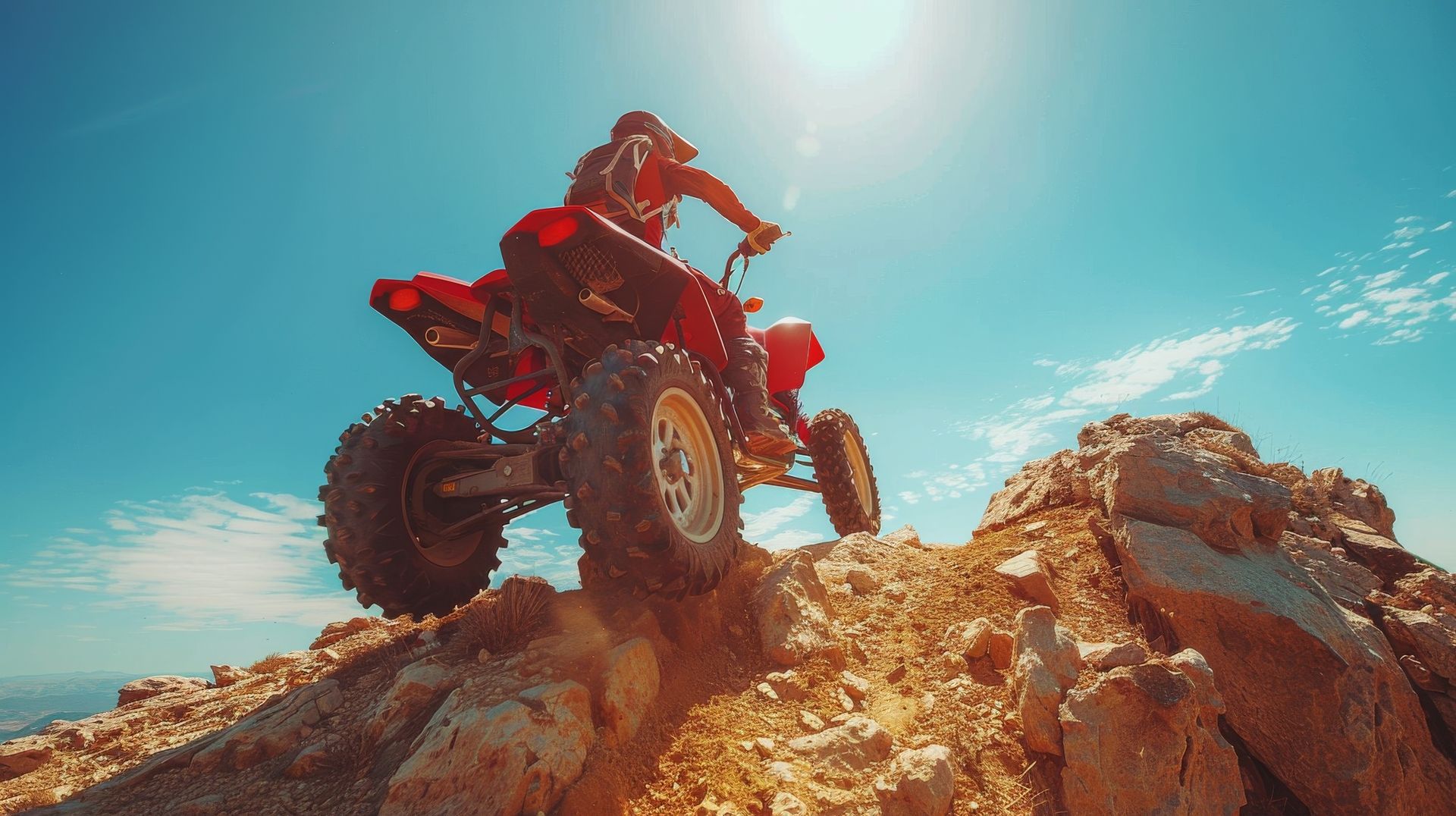
Buying your first ATV can be exciting but also a bit overwhelming, especially if you’re on a budget. This guide will help you understand the basics—from choosing the right size and type to picking trusted brands and safety gear. Whether you want an ATV for fun or work, these simple tips will make your purchase smarter and safer, so you get the best ride without breaking the bank.
How Do Age and Experience Affect Your ATV Choice?
When buying your first ATV, matching the engine size to the rider’s age and experience is one of the most important decisions you can make. An ATV with too much power can be difficult to control, increasing the risk of accidents and injuries—especially for beginners or younger riders. Starting with the right size helps build confidence and keeps riding safe and enjoyable.
The Consumer Product Safety Commission (CPSC) offers clear guidelines to help buyers choose the appropriate engine size based on age. For example, children aged 6 to 11 should ride ATVs with engines no larger than 70cc. For riders aged 12 to 15, models with engine sizes between 90cc and 110cc are recommended. Only adults with proper experience should handle ATVs with engines larger than 110cc.
What’s the Main Purpose of Your ATV?
Before buying your first ATV, it’s important to think about how you plan to use it. The intended purpose plays a big role in deciding which type of ATV will fit your needs best. Different activities demand different features, engine sizes, and designs, so knowing what you want to do will help you make a smarter, more cost-effective choice.
If you’re buying an ATV mainly for fun—like exploring trails, riding through forests, or just enjoying weekend adventures—a lightweight, entry-level model with a smaller engine (around 125 to 250cc) is usually enough. These ATVs are easier to handle and perfect for beginners who want a good balance of power and control.
For those interested in racing or more aggressive riding, sport ATVs are designed for speed, sharp handling, and agility. They typically have higher-performance engines and suspension systems built to handle jumps and fast turns.
If your goal is hunting, farming, or other outdoor work, a Utility Terrain Vehicle (UTV) might be a better fit. UTVs are larger and more powerful than standard ATVs, offering features like cargo beds for hauling gear, towing capabilities, and room for passengers. These vehicles are built to handle tough terrain and heavy loads, making them ideal for chores on the farm or long days outdoors.
Which Engine Size Is Best for Fun and Leisure?
If you’re buying an ATV mainly for fun—like riding trails, exploring forests, or just enjoying the outdoors—a model with an engine size between 125cc and 250cc is usually the best choice. This range offers enough power to handle most recreational activities without overwhelming new riders.
For beginners, control and comfort are key. An ATV in this engine size category provides smooth acceleration and manageable speed, making it easier to learn how to ride confidently. You won’t have to worry about the machine being too fast or too heavy, which helps reduce the chance of accidents or losing control on tricky terrain.
Besides being easier to handle, these ATVs are typically more affordable—not just to buy, but also to maintain. Smaller engines often mean better fuel efficiency and lower repair costs, which is important when you’re starting out and watching your budget.
Why Choose a UTV for Work Purposes?
When it comes to tough jobs like farming, hunting, or hauling heavy loads, a Utility Terrain Vehicle (UTV) often outperforms a traditional ATV. UTVs are built with work in mind—they offer power, space, and versatility that make outdoor tasks easier and more efficient.
One of the biggest advantages of a UTV is its powerful engine, designed to handle rough terrain while towing trailers or carrying heavy equipment. Unlike most ATVs, UTVs typically feature a spacious cargo bed at the back, perfect for transporting tools, supplies, game, or firewood. Plus, they usually have seating for two or more passengers, so you can bring a partner, your dog, or extra helpers along for the ride.
UTVs also stand out for their comfort and customization options. Many models come with cab kits that protect you from wind, rain, and dust—important when you’re spending long hours outside. Additional features like LED lighting help improve visibility in low-light conditions, and in-cab heaters keep you warm during chilly mornings or winter work. Some even have stereo systems to make those long days more enjoyable.
Which ATV Brands Should You Consider?
When shopping for your first ATV, choosing a reliable brand can make all the difference in terms of performance, durability, and resale value. Some of the top names in the ATV world are Kawasaki, Polaris, Honda, and Yamaha—each offering a wide range of models suited for beginners and experienced riders alike.
Kawasaki is known for its rugged build and smooth handling. Their KFX90 is a popular choice for young riders or beginners looking for a smaller engine size. For adults, Kawasaki offers models with larger engines and advanced features to match different skill levels.
Polaris stands out with its diverse lineup, from youth models like the Outlaw 50 and Outlaw 90 to powerful machines like the Sportsman 450 and Sportsman 525. Polaris ATVs are often praised for their comfortable ride and strong towing capabilities, making them a great choice for work or recreation.
Honda has a reputation for reliability and low maintenance. Models like the TRX90 are perfect for beginners, while the FourTrax Rancher series offers more power and versatility for those who want to take on tougher terrain or heavier tasks.
Yamaha offers sportier and utility models, with the Raptor 90 being a favorite for young or new riders. Their utility ATVs, like the Grizzly, are built to handle demanding jobs and rough trails alike.
For those new to ATVs, it’s smart to start with low-end or entry-level models within these brands. These smaller, simpler machines are easier to control, less expensive, and ideal for building riding skills. Once you’ve gained experience and confidence, you can always upgrade to a more powerful or feature-rich ATV that fits your evolving needs.
What Gear Do You Need Before Riding?
Before you hit the trails on your ATV, gearing up properly is essential for your safety. Riding off-road can be unpredictable—uneven terrain, branches, rocks, and sudden bumps are all part of the experience. Wearing the right protective gear helps prevent injuries and keeps you comfortable throughout your ride.
The most important piece of safety equipment is a helmet designed specifically for ATV or motocross riding. It protects your head from impacts and is often required by law in many places. Along with a helmet, a chest protector or body armor shields your torso from flying debris, branches, or falls.
Your feet and legs need protection too. Choose sturdy, over-the-ankle boots that offer support and guard against twisting injuries. Durable riding pants help protect your skin from scrapes, cuts, and the heat from the ATV’s engine or exhaust. Don’t forget goggles—they keep dirt, dust, and insects out of your eyes, ensuring clear vision and reducing the risk of accidents.
Wearing this gear might seem like extra effort, but it greatly reduces the chances of serious injuries. In rough terrain or unexpected situations, protective equipment acts as a first line of defense. For beginners especially, it provides peace of mind, allowing you to focus on learning and enjoying your ride safely.
How Can You Stay Safe While Riding?
Riding an ATV is a thrilling experience, but safety should always come first—especially for first-time riders or those still learning the ropes. Following some basic safety rules can protect you from accidents and make your time on the trails both fun and injury-free.
First and foremost, avoid riding ATVs on paved roads. These vehicles are designed for off-road terrain, and riding on asphalt or concrete can lead to loss of control because ATVs don’t handle well at high speeds or on slick surfaces. Plus, many states have laws restricting ATV use on public roads.
Never let children ride adult-sized ATVs. The size and power of these machines can easily overwhelm young riders. Follow age and engine size recommendations closely to keep kids safe. For example, kids under 16 should only ride youth models designed for their age group.
Always wear proper safety gear—helmet, goggles, boots, gloves, and protective clothing—to minimize injuries if you fall or encounter obstacles. Wearing the right gear is one of the simplest and most effective ways to stay safe.
Pay attention to the ATV’s passenger limits. Most ATVs are designed for a single rider. Carrying extra passengers or exceeding the weight limit can cause instability and increase the risk of rollovers or crashes.
Are you interested in buying a car from Online Auto Auctions?
With this being said – you can still export vehicles and save up a few thousand dollars with Bidndrive. We have an inventory of over 150k plus vehicles with titles you can export for you to choose from. Once you have placed your bid and won the auction a Bill of Sale document is then emailed to you as proof of purchase – after full payments have been made.
To gain access and get started on your purchase, sign up for free.