


Looking to explore the country at your own pace without breaking the bank? Buying an RV can give you freedom, comfort, and adventure on the road. This guide helps budget-conscious travelers understand different RV types, costs, and features so you can make a smart purchase. Learn how to choose the right RV, save money, and enjoy worry-free trips from weekend getaways to long cross-country journeys.
What Types of RVs Can You Buy?
When it comes to RVs, there’s no one-size-fits-all solution. Different types of RVs cater to different travel styles, group sizes, and budgets. Understanding the options can help you make the best choice for your adventures. Here’s a clear breakdown:
Class A Motorhome
These are the big, luxurious RVs that feel more like a home on wheels. They come with a full living room, kitchen with fridge, dishwasher, microwave, a bedroom with closet space, and a bathroom with a shower and flushing toilet. Class A motorhomes are ideal for families who plan long trips and want all the comforts of home. Keep in mind, these RVs are expensive and cost more to maintain and fuel.
Class B Motorhome (Camper Van)
Smaller and easier to drive, Class B RVs are perfect for 2–3 travelers. They include a kitchen, TV, and bathroom, but space is limited compared to Class A. If you and your partner enjoy weekend road trips or short vacations, a Class B motorhome is maneuverable, fuel-efficient, and budget-friendly.
Class C Motorhome
Class C RVs strike a balance between size and comfort. They are easy to drive, offer plenty of sleeping space, and often include slide-outs to expand living areas. Families or small groups planning weekend getaways or even longer trips will find Class C motorhomes practical and comfortable.
Travel Trailer
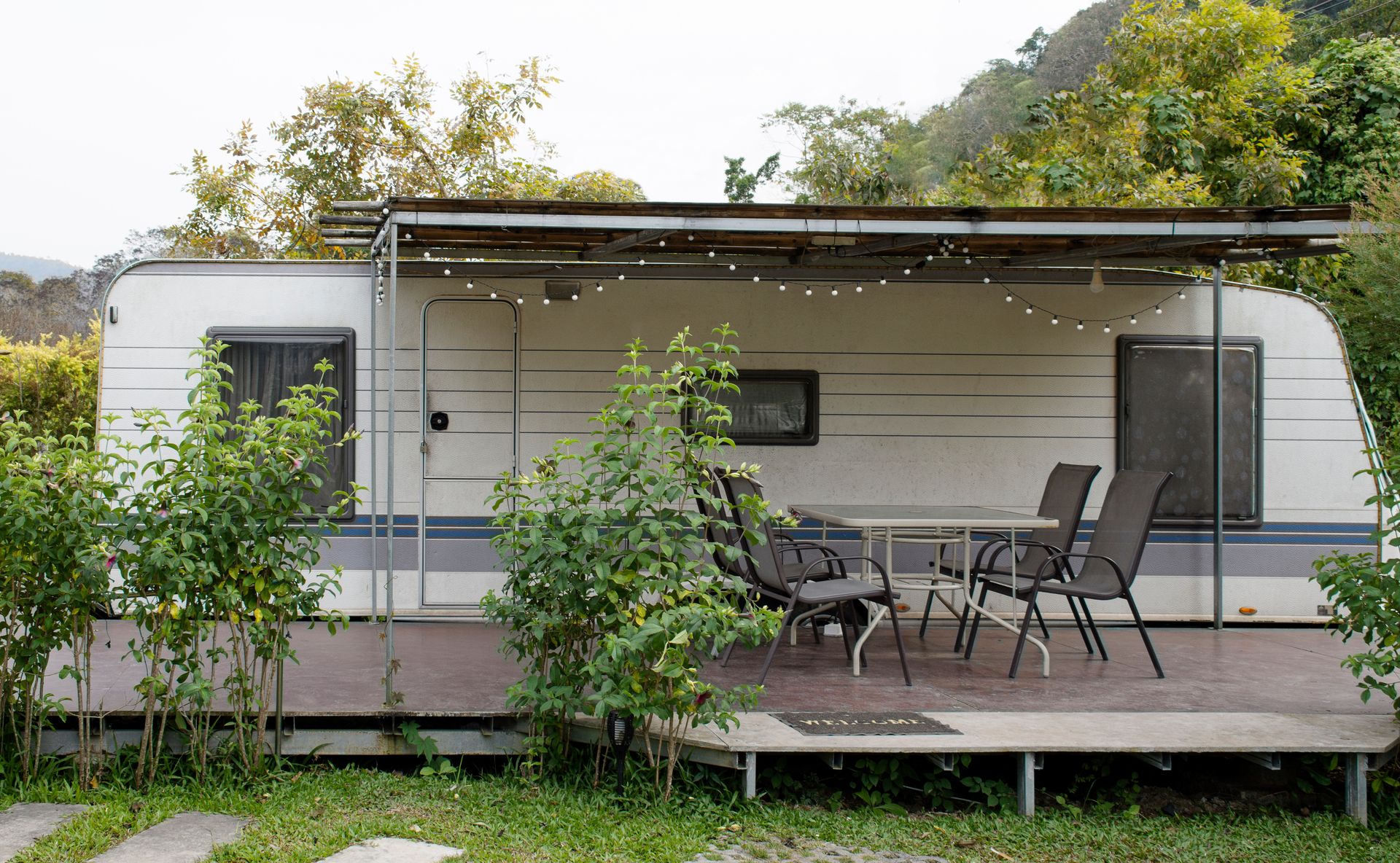
Travel trailers are lightweight and can be towed by SUVs, minivans, or standard pickup trucks. Modern travel trailers often come with bunk beds, satellite TV, and built-in generators. This type is great for families who already own a suitable towing vehicle and want the flexibility to detach the trailer at campsites.
Fifth-Wheel Trailer
These trailers attach to a hitch mounted in the bed of a heavy-duty pickup truck, offering extra stability. Fifth-wheel trailers are easy to park at campsites and perfect for mountainous or uneven terrains. They suit travelers looking for a large, stable trailer without investing in a Class A motorhome.
Pop-up Trailer
Pop-up or folding trailers are lightweight, compact, and affordable. They can be towed with a minivan, making them ideal for couples or small families who take short trips. Despite being small, they include a toilet, shower, and kitchen essentials. If you only take weekend trips with your partner or friends, a pop-up trailer is often the most budget-friendly choice.
Truck Camper
Truck campers mount directly onto the bed of a pickup truck. They are designed for rough terrains, steep hills, and off-road adventures where larger RVs or trailers can’t go. A truck camper often includes a toilet, shower, and small kitchen, making it perfect for off-road enthusiasts who want mobility and independence.
Example for Budget-Conscious Travelers:
- Solo traveler: Class B motorhome or pop-up trailer for easy handling and low fuel costs.
- Couple: Pop-up trailer for weekend trips or a Class B camper van for more comfort.
- Family: Travel trailer or Class C motorhome for extra space without breaking the bank.
- Off-road enthusiast: Truck camper or fifth-wheel trailer for rugged terrains.
Choosing the right type of RV depends on your travel style, the number of travelers, and your budget. Understanding the differences ensures you get the best RV for your adventures without overspending.
How Does Size Affect Your RV Choice?
When choosing an RV, size isn’t just about space—it affects comfort, driving ease, and maintenance costs. Understanding how size impacts your experience will help you pick an RV that fits both your travel style and budget.
Comfort vs. Maintenance
Larger RVs, like Class A motorhomes or fifth-wheel trailers, offer more living space, bigger kitchens, multiple sleeping areas, and full bathrooms. They are perfect for long trips or family vacations where comfort is a priority. However, more space comes with more maintenance. Bigger RVs have larger engines, more appliances, and more systems to monitor, meaning repairs and upkeep can be costlier.
Storage Space and Amenities
Size also determines how much you can carry. Bigger RVs provide ample storage for luggage, camping gear, and extra amenities like washers, dryers, or large refrigerators. Smaller RVs, such as pop-up trailers or Class B camper vans, have limited storage, so you need to pack efficiently. If you only travel with essentials and minimal gear, a smaller RV may suit your lifestyle and save money.
Towing Requirements and Maneuverability
Large RVs often require powerful vehicles to tow safely. For example, a fifth-wheel trailer needs a heavy-duty pickup truck, while a travel trailer can be towed by a standard SUV or minivan. Maneuverability is another factor: smaller RVs are easier to drive through cities, park at campsites, and navigate winding roads. Bigger RVs can be challenging for first-time owners, especially in tight spots or steep inclines.
Examples for Budget-Conscious Travelers:
- A family planning long cross-country trips might choose a Class A motorhome for comfort but should budget extra for fuel, insurance, and maintenance.
- A couple who enjoys weekend getaways may prefer a pop-up trailer or Class B camper van, which are easier to tow, park, and maintain.
- Solo travelers who want flexibility and low costs might go for a compact truck camper, which is light, off-road capable, and efficient.
In short, bigger isn’t always better. Consider how much space you truly need, what your vehicle can tow, and how much time and money you’re willing to spend on upkeep. Balancing size, comfort, and practicality ensures your RV adventure stays enjoyable without unexpected costs.
What Should You Know About Fuel Economy and Running Costs?
Fuel economy and running costs are crucial factors when buying an RV, especially for budget-conscious travelers. Unlike regular cars, RVs are larger, heavier, and less aerodynamic, which means they consume more fuel and can quickly increase your travel expenses.
Average Gas Mileage
Most RVs get between 8 to 20 miles per gallon (mpg), depending on size and type. Large Class A motorhomes are on the lower end, around 8–12 mpg, while smaller Class B camper vans or pop-up trailers can reach closer to 18–20 mpg. Knowing your RV’s fuel efficiency helps you estimate fuel costs for your trips and plan your budget accordingly.
Impact on Travel Budgets
Fuel costs can add up fast on long trips. For example, driving a 10,000-mile cross-country trip in a Class A motorhome getting 10 mpg will require about 1,000 gallons of fuel. At $4 per gallon, that’s $4,000 just for gas. A smaller Class B motorhome with 18 mpg for the same distance would only need about 555 gallons, costing around $2,220—a significant saving.
Other Running Costs
Running costs aren’t limited to fuel. Maintenance, insurance, campground fees, and repairs all affect your budget. Bigger RVs require more maintenance: larger engines, multiple appliances, and more plumbing systems need regular attention. Campground fees also tend to be higher for larger RVs, especially if you need full hookups for water, electricity, and sewer.
Examples for Budget-Conscious Travelers:
- Weekend travelers using a pop-up trailer may spend very little on fuel, often just $20–$50 per trip.
- Families taking a week-long road trip in a Class C motorhome might budget around $300–$500 for gas, plus an extra $100–$200 for campground fees.
- Long-term travelers in Class A motorhomes need to plan carefully, as fuel and maintenance costs can exceed $4,000 for cross-country trips.
By understanding fuel economy and running costs, you can make smarter choices about which RV to buy and how to plan your trips. Smaller, fuel-efficient RVs may save money upfront and on the road, while larger models provide comfort but require a higher budget.
How Does Insurance Impact Your Budget?
Insurance is an often-overlooked cost when buying an RV, but it can have a big impact on your travel budget. Just like cars, RV insurance protects you against accidents, theft, and damage—but the size, type, and value of your RV determine how much you’ll pay.
Bigger RVs Cost More to Insure
Large RVs, such as Class A motorhomes or fifth-wheel trailers, typically have higher insurance premiums. This is because they are more expensive to repair or replace, have more features, and are at greater risk during long trips. Smaller RVs like Class B camper vans, pop-up trailers, or truck campers are generally cheaper to insure, making them attractive options for budget-conscious travelers.
Budget-Friendly Insurance Tips
- Compare Multiple Providers: Don’t settle for the first quote. Comparing several insurance companies can save you hundreds of dollars a year.
- Bundle Policies: If you already have auto or home insurance, check if your provider offers discounts for bundling RV coverage.
- Choose the Right Coverage: For occasional travelers, a liability-only policy might be enough. For frequent travelers or those with expensive RVs, full coverage is safer.
- Increase Deductibles: A higher deductible lowers your premium but requires you to pay more out of pocket in case of a claim. Decide what balance works for your budget.
- Maintain a Clean Driving Record: Safe driving and experience handling your RV can reduce premiums over time.
Examples for Budget-Conscious Travelers:
- A couple buying a pop-up trailer for weekend trips may pay around $200–$400 annually in insurance.
- A family investing in a Class C motorhome might pay $800–$1,200 per year, depending on coverage and location.
- Owners of Class A motorhomes should be prepared for $1,500–$3,000 or more per year in premiums, especially if full coverage is chosen.
Insurance costs can feel overwhelming, but planning ahead and choosing the right type of RV for your needs helps you stay within budget. Smaller RVs or used models not only reduce upfront costs but also keep insurance expenses manageable, leaving more money for travel and upgrades.
Do You Need Connectivity and Entertainment Features?
For many travelers, staying connected on the road isn’t just a luxury—it can make trips safer, easier, and more enjoyable. Modern RVs offer a variety of features like Wi-Fi boosters, satellite TV, mobile internet, and GPS, but not all of them are essential, especially if you’re trying to stick to a budget.
Wi-Fi Boosters and Mobile Internet
Wi-Fi boosters help you get a stronger signal at campgrounds or public hotspots, while mobile internet allows you to stay online anywhere using cellular networks. These are useful if you work remotely, need navigation updates, or want to stream entertainment. However, for weekend travelers or short trips, a smartphone hotspot may be sufficient, avoiding extra costs.
Satellite TV
Satellite TV provides access to hundreds of channels, making long trips more enjoyable. While it’s great for families or RVers who spend weeks on the road, it’s optional for budget-conscious travelers who can rely on streaming apps or local channels using an antenna.
GPS and Navigation Tools
A reliable GPS system or navigation app is essential for all RV owners, especially if you’re driving a larger vehicle or exploring unfamiliar routes. It helps avoid low bridges, restricted roads, and traffic delays. For smaller RVs, smartphone navigation may be enough, but dedicated GPS systems are safer for bigger rigs.
Balancing Essentials vs. Extras
- Essential: GPS, basic mobile internet for maps and emergencies, and functional lighting/charging setups.
- Optional: Wi-Fi boosters, satellite TV, or premium mobile internet packages for constant streaming.
Example for Budget-Conscious Travelers:
- A couple on weekend trips might skip satellite TV and rely on free streaming or downloaded content, keeping costs low.
- Families planning longer vacations may invest in a Wi-Fi booster or mobile internet to keep kids entertained.
- Solo travelers exploring remote trails could prioritize a GPS device over entertainment features to ensure safety and navigation.
Choosing the right connectivity and entertainment features depends on your travel habits and budget. Focusing on essentials first ensures you stay connected and safe without overspending on features you may rarely use.
Should You Buy a New or Used RV?
One of the biggest decisions when buying an RV is whether to go for a new model or a used one. Both options have their advantages and drawbacks, and understanding them can help budget-conscious travelers make the smartest choice.
New RVs: Pros and Cons
New RVs come with the latest features, modern designs, and full warranties, which means fewer worries about repairs in the first few years. They also allow you to pick exactly what you want, from interior finishes to appliances. However, new RVs are expensive, and they depreciate quickly—meaning they lose value the moment you drive them off the lot. For travelers on a tight budget, this can make a new RV a less practical option.
Used RVs: Pros and Cons
Used RVs are significantly cheaper and offer great value for first-time buyers. With a careful inspection, you can find models that are still in good condition and save thousands of dollars compared to buying new. The money saved can be used for upgrades, customizations, or essential repairs to make the RV feel like your own. The main drawback is that older RVs may require more maintenance or minor repairs, but these costs are often manageable, especially if you buy from a trusted platform like BidNDrive.
Why Used RVs Are Ideal for Beginners
For first-time RV owners, used models are often the smartest choice. They allow you to explore RV life without committing a large portion of your budget. You can learn what features matter most to you, understand driving and maintenance needs, and gradually invest in upgrades that enhance comfort and convenience.
Example for Budget-Conscious Travelers:
- A couple planning weekend trips could buy a lightly used pop-up trailer for a fraction of the cost of a new one and still enjoy all the essential features.
- A family wanting a Class C motorhome might find a 3–5 year-old model with a functioning kitchen and bathroom, then use saved funds to add a Wi-Fi booster or replace worn mattresses.
- Solo travelers could purchase a used Class B camper van and invest in custom storage solutions or energy-efficient appliances.
Buying a used RV allows you to start your adventures while keeping costs low, and with some careful planning, you can make it feel almost like new with targeted upgrades.
Where Can You Find Affordable RVs for Sale?
Finding the right RV at a price that fits your budget can feel overwhelming, but online platforms like BidNDrive make the process much easier. Whether you’re looking for a lightly used motorhome or a salvage RV to customize, BidNDrive provides a wide selection of options for budget-conscious buyers.
Why BidNDrive?
BidNDrive specializes in online auctions for vehicles, including RVs, giving you access to listings across the United States without leaving your home. The platform is designed to make it simple to search, compare, and bid on RVs that match your travel needs and budget. By exploring BidNDrive, you can find models that might be out of reach at traditional dealerships.
Finding Deals on Salvage or Used RVs
Used and salvage RVs are often the best choice for first-time buyers looking to save money. Salvage RVs may have minor damage but can be repaired or customized to suit your preferences. Used RVs provide immediate functionality at a lower cost than new models. On BidNDrive, you can filter listings by type, price, year, or location, helping you quickly identify deals that fit your requirements.
Practical Tips for Bidding Safely
- Research the RV Thoroughly: Check the vehicle history, photos, and description carefully. Look for signs of major damage, engine issues, or missing parts.
- Set a Budget: Decide your maximum bid before participating to avoid overspending in the excitement of an auction.
- Inspect if Possible: If you can, visit the RV or hire a professional inspector to assess its condition.
- Understand Auction Terms: Know the fees, payment requirements, and pickup or shipping options before bidding.
- Start Small: If you’re new to auctions, practice with lower-priced listings to get comfortable with the process.
Example for Budget-Conscious Travelers:
- A couple looking for a weekend pop-up trailer can find several used or salvage options under $10,000, then invest a few hundred dollars in minor repairs or customizations.
- A family seeking a Class C motorhome might identify a 5-year-old used model with full amenities, saving thousands compared to buying new.
By using BidNDrive wisely and following simple bidding strategies, you can secure an RV that fits your travel dreams without stretching your budget. With careful planning, the RV of your choice can be just a few clicks away.
What Are the Key Considerations Before Making a Purchase?
Before you make the final decision on buying an RV, it’s important to review all the factors that will impact your travel experience and budget. By thinking through size, type, running costs, insurance, features, and your personal travel habits, you can choose an RV that fits your needs without surprises.
Size and Type
Decide how much space you truly need. Larger RVs like Class A motorhomes offer comfort and storage but cost more to maintain, tow, and insure. Smaller options, such as pop-up trailers or Class B camper vans, are easier to drive, park, and fuel, making them ideal for couples or solo travelers.
Fuel and Running Costs
Estimate how much you will spend on fuel, maintenance, and campground fees. Bigger RVs use more gas, while smaller models are more fuel-efficient. Understanding your typical trip length and frequency will help you calculate realistic expenses.
Insurance
Check insurance premiums for the type and size of RV you’re considering. Larger, newer RVs usually cost more to insure, while used or smaller RVs are more budget-friendly. Don’t forget to compare providers and explore discounts.
Connectivity and Features
Decide which features are essential versus optional. GPS and basic mobile internet are generally must-haves for safety and navigation. Extras like Wi-Fi boosters, satellite TV, or advanced entertainment systems can be added later if your budget allows.
Budget
Factor in both upfront costs and ongoing expenses. Used RVs often provide the best value for beginners, allowing you to invest saved money into upgrades or repairs without overspending.
Mini Checklist for Choosing Your RV:
- Who will travel with you: solo, couple, or family?
- How long will your trips be: weekend, week-long, or cross-country?
- Do you need full amenities or just basic essentials?
- Can your vehicle tow the RV safely?
- What is your maximum budget for purchase, fuel, and insurance?
- Are you comfortable with maintenance and repairs, or prefer a newer, low-maintenance model?
By reviewing these considerations and using the checklist, you can confidently choose an RV that matches your travel style, budget, and comfort preferences. Careful planning upfront ensures your adventures on the road are smooth, enjoyable, and stress-free.
Are you interested in buying a vehicle from Online Auto Auctions?
With this being said – you can still export vehicles and save up a few thousand dollars with Bidndrive. We have an inventory of over 150k plus vehicles with titles you can export for you to choose from. Once you have placed your bid and won the auction a Bill of Sale document is then emailed to you as proof of purchase – after full payments have been made.
To gain access and get started on your purchase, sign up for free.