


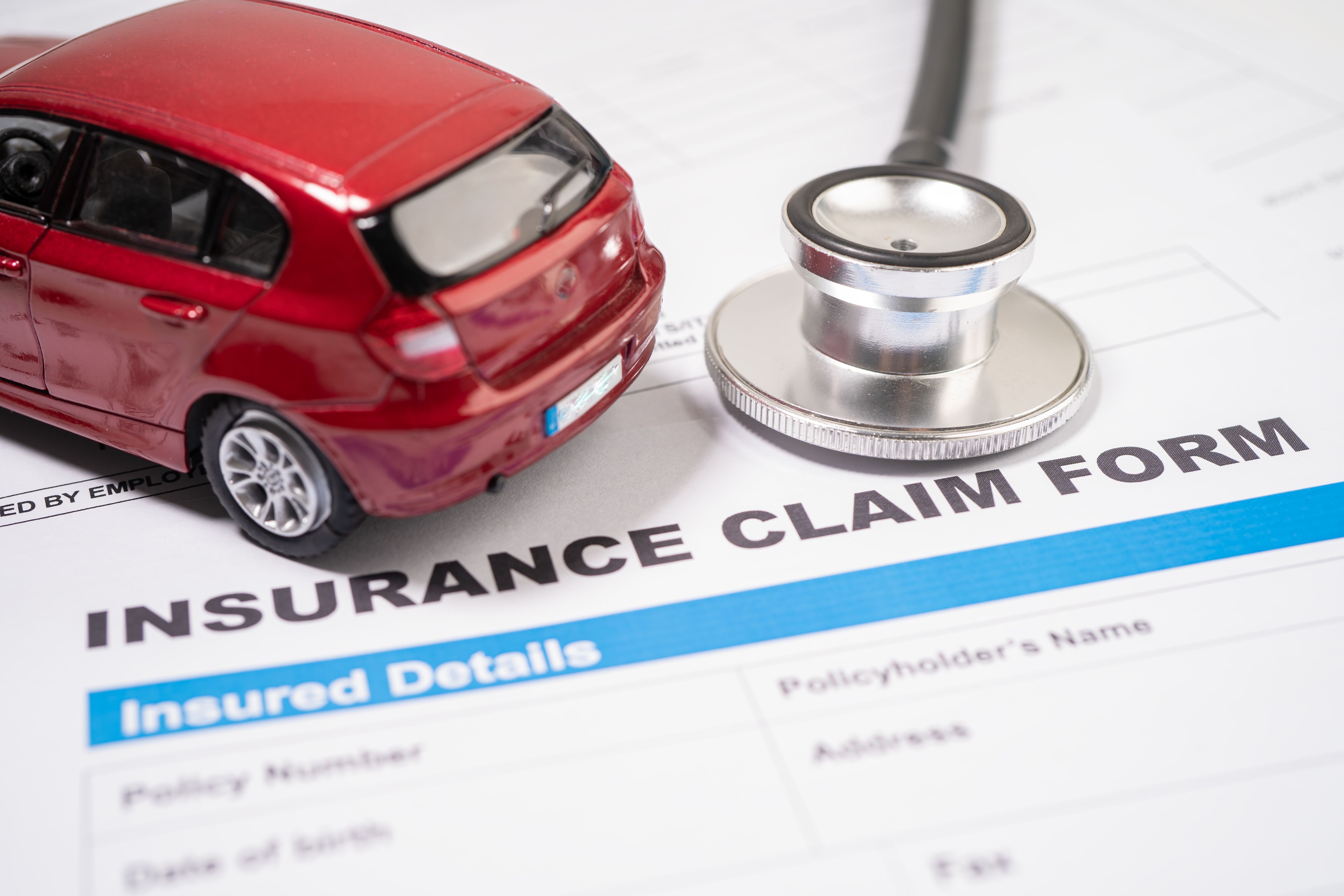
Choosing the right car insurance can be overwhelming with so many options available. This guide will break down the different types of car insurance coverages, helping you understand what each one covers and how they protect you. Whether you’re looking for basic protection or full coverage, this guide will help you make an informed decision and choose the best insurance for your needs and budget.
What Are the Legal Insurance Requirements in Your State?
When it comes to car insurance, one of the first things you need to consider is the legal requirements in your state. Each state in the U.S. has its own laws that dictate the minimum level of insurance coverage you must carry. These requirements are put in place to ensure that drivers are financially protected in case of an accident. Understanding what your state mandates can help you avoid fines, penalties, and potential legal issues while also making sure you're adequately covered.
Minimum Coverage Requirements
The most common types of coverage that are legally required in most states include Liability Insurance, which covers bodily injury and property damage to others if you're at fault in an accident. However, the minimum limits for liability insurance can vary significantly from state to state. For example, one state might require you to carry at least $25,000 in bodily injury coverage per person, while another state may require $50,000.
In addition to liability coverage, some states also require Personal Injury Protection (PIP) or Uninsured/Underinsured Motorist Coverage. PIP helps cover medical expenses for you and your passengers, no matter who is at fault in an accident, while Uninsured/Underinsured Motorist Coverage protects you if the other driver is either uninsured or doesn’t have enough insurance to cover your damages.
How State Laws Differ
While some states have a "no-fault" insurance system, others follow a "fault" system, which means your insurance requirements can vary depending on where you live. In a no-fault state, drivers are required to carry Personal Injury Protection (PIP), which covers medical expenses and lost wages, even if the accident was your fault. On the other hand, in a fault state, you would typically rely on liability coverage to pay for damages and injuries that you cause to others.
Some states, like California, have very specific requirements for how much liability coverage you need to carry, while others, such as New Hampshire, don’t require car insurance at all if you can prove you have the financial means to cover any damages or injuries you cause in an accident. This highlights the importance of checking your state’s specific requirements before selecting your insurance policy.
Why It’s Important to Understand Your State's Laws
Understanding the legal insurance requirements in your state is critical to avoid unnecessary fines and penalties. Driving without the proper insurance coverage can lead to severe consequences, including losing your driver’s license or being hit with steep fines. In some states, failure to meet the minimum coverage can even result in your vehicle being impounded. Additionally, if you are found at fault in an accident and your coverage doesn’t meet the legal requirements, you could be financially responsible for the costs of the accident out-of-pocket.
It's also important to note that while you must meet the minimum requirements, it’s often a good idea to purchase additional coverage. The minimum required insurance may not fully cover all of the damages in the event of a serious accident, leaving you with large out-of-pocket expenses. For example, in the case of a severe collision, medical bills and vehicle repairs can quickly exceed the limits of basic coverage, so having a more comprehensive policy could provide you with better financial protection.
Before purchasing insurance, always research your state’s insurance laws to ensure you're compliant. Many online tools and resources can help you understand what your state requires, and insurance companies typically provide state-specific information to help guide
What Is Auto Repair Insurance?
Auto Repair Insurance is a type of coverage that helps cover the cost of repairs to your vehicle caused by normal wear and tear over time. Unlike insurance policies that cover accidents or damages caused by external factors, Auto Repair Insurance is specifically designed to address the gradual deterioration of parts and components in your car as you drive it regularly. Essentially, it’s an added layer of protection to ensure that you don’t have to pay out-of-pocket for the inevitable repairs that come with owning a car.
What Does It Cover?
Auto Repair Insurance generally covers repairs and replacements of car parts that wear down due to regular use, rather than an accident or external event. For example, this type of insurance can help pay for:
- Brake pads: These wear down over time from frequent use, and replacing them can be expensive. With Auto Repair Insurance, the cost of replacing worn brake pads may be covered.
- Tires: Like brake pads, tires naturally wear out with use. Auto Repair Insurance can help cover the cost of replacing them, especially when they reach the end of their useful life.
- Battery replacement: Car batteries typically last 3-5 years, and once they wear out, replacing them can be costly. Auto Repair Insurance helps alleviate the financial burden of this necessary repair.
- Suspension components: The suspension system of your car absorbs the shock from road bumps, and over time, components such as shock absorbers and struts will need replacing due to wear.
- Alternators and starters: These vital components can wear out over time, causing issues with starting your car. Auto Repair Insurance can help cover the costs to repair or replace them.
How It Helps Drivers
For car owners on a budget, the idea of having to pay for repairs out of pocket can be daunting. Auto Repair Insurance can provide peace of mind, knowing that the cost of these inevitable repairs is covered.
For example, imagine you’ve been driving your car for several years, and you start noticing that it’s taking longer to brake, or your car’s handling feels off. You take it to the shop, and the mechanic tells you that your brake pads need replacing, a routine repair that’s needed due to the normal wear from regular use. Without Auto Repair Insurance, you’d need to pay for the brake pad replacement out of pocket, which can cost upwards of a few hundred dollars. However, with Auto Repair Insurance, you can significantly reduce the cost of this repair, making it more manageable.
Another situation where Auto Repair Insurance can be valuable is when your car's battery gives out unexpectedly. If you're on a tight budget, the sudden cost of replacing a car battery might put a strain on your finances. With this insurance, the battery replacement cost could be covered, helping you avoid an unplanned expense.
Is It Worth It?
Auto Repair Insurance can be a great option if you're someone who wants to protect themselves from the financial strain of ongoing repairs. If your vehicle is older or has high mileage, this type of coverage becomes especially useful. It helps you maintain your car in good working order without the fear of unexpected repair bills.
However, it's important to consider the cost of the policy itself. Depending on your car’s age, condition, and the insurance provider, the cost of Auto Repair Insurance can vary. For some, it may not be necessary, especially if their car is new and still under warranty. But for those who own older cars or cars with higher mileage, this coverage can be a worthwhile investment to keep your car running smoothly without breaking the bank.
What Is Collision Insurance?
Collision Insurance is a type of car insurance that helps cover the cost of repairs to your vehicle if it's damaged in an accident, regardless of who is at fault. Whether you collide with another vehicle, a stationary object, or even a guardrail, Collision Insurance is designed to help pay for the damage to your own car. Unlike Liability Insurance, which only covers damage to others when you’re at fault, Collision Insurance ensures that your own vehicle is protected after an accident, making it an essential type of coverage for drivers concerned about unexpected repair costs.
How Does Collision Insurance Work?
When you're involved in a car accident, the first question to consider is who is responsible for the damages. With Collision Insurance, this question becomes less of a concern because it focuses on covering the damage to your own car. Whether the accident is your fault or another driver’s, Collision Insurance will pay for the repair or replacement costs of your vehicle, minus your deductible.
For example, imagine you’re driving and you accidentally rear-end another car at a stoplight. Your car sustains some damage to the front bumper, while the other vehicle only has minor scratches. Regardless of who caused the accident, your Collision Insurance will pay for the repairs to your bumper, so you don’t have to cover the costs yourself. This is particularly valuable when the accident involves significant damage to your car, and you’re not financially prepared for the repair bills.
What Is a Deductible?
One important aspect of Collision Insurance is the deductible—the amount you must pay out of pocket before the insurance coverage kicks in. For example, if your car's repair costs after an accident total $2,000, and you have a deductible of $500, your insurance would cover the remaining $1,500, and you would need to pay the first $500. The deductible is set when you purchase your policy, and it typically ranges from $250 to $1,000, though higher deductibles can lower your monthly premium.
It’s crucial to understand the deductible requirement when choosing your Collision Insurance policy. A higher deductible usually means lower monthly payments (premiums), but it also means that you'll have to pay more out of pocket if you do have an accident. Conversely, a lower deductible means higher premiums but less out-of-pocket expense in the event of a claim. Striking the right balance between your deductible and premium cost is key to managing both your monthly payments and potential out-of-pocket expenses.
Why Is Collision Insurance Important?
Collision Insurance is an essential coverage if you're worried about the financial impact of accidents, especially if your car is worth a significant amount or if you're in an area with high traffic and frequent accidents. For example, if you live in a city where accidents are more common due to heavy traffic, having Collision Insurance can give you peace of mind knowing that, in the event of an accident, your car's repairs will be covered.
Even if you don’t drive in high-traffic areas, if your car is financed or leased, the lender or leasing company will usually require you to have Collision Insurance. This ensures that the vehicle's value is protected and that the lender won't lose money if your car is damaged or totaled in an accident.
When Should You Consider Collision Insurance?
While Collision Insurance is an excellent option for many drivers, it’s not always necessary for everyone. For example, if your car is older and has a lower market value, you may decide that the cost of Collision Insurance isn’t worth the benefit. In these cases, the cost of coverage might exceed the potential payout for repairs. However, if your vehicle is newer or has a higher value, Collision Insurance becomes a more worthwhile investment, as the cost of repairs after an accident can be significant.
It’s also important to consider your financial situation when deciding whether to include Collision Insurance in your policy. If you’re unable to afford costly repairs out of pocket, having this coverage can help you avoid significant financial strain after an accident.
What Does Comprehensive Insurance Cover?
Comprehensive Insurance is a type of car insurance that helps cover the costs of damage to your vehicle caused by incidents that aren’t related to a collision. Unlike Collision Insurance, which covers damage resulting from accidents with other vehicles or objects, Comprehensive Insurance protects your car from a wide range of non-collision events. These include theft, fire, vandalism, natural disasters, falling objects, and even animal collisions. Essentially, it covers everything that is outside of your control and not related to a crash.
What Does Comprehensive Insurance Include?
Here’s a breakdown of what Comprehensive Insurance covers:
- Theft: If your car is stolen or vandalized, Comprehensive Insurance will cover the cost of replacing it or repairing any damages. This is especially important for drivers in areas where car theft is more common.
- Fire Damage: In the unfortunate event that your car catches fire—whether from an electrical malfunction or a natural disaster—Comprehensive Insurance will help pay for repairs or replacement.
- Natural Disasters: Comprehensive coverage includes damage caused by natural events like floods, tornadoes, earthquakes, or hurricanes. For example, if a tree falls on your car during a storm, Comprehensive Insurance can help pay for the repairs or the total loss if the car is totaled.
- Vandalism: If someone damages your car intentionally, such as by breaking windows, slashing tires, or spraying graffiti, Comprehensive Insurance will help cover the costs of repairs.
- Animal Collisions: If you hit an animal, such as a deer or a raccoon, while driving, Comprehensive Insurance will help cover the cost of repairs. This is important, especially in rural or wooded areas where animal encounters are more likely.
- Falling Objects: Damage caused by falling objects—whether it’s a tree branch, debris from another vehicle, or a sign—can be covered under Comprehensive Insurance.
How Does Comprehensive Insurance Relate to Collision Insurance?
While both Collision Insurance and Comprehensive Insurance protect your car, they cover different types of incidents. Collision Insurance kicks in when your car is damaged in an accident, whether you collide with another car, a stationary object, or even a guardrail. On the other hand, Comprehensive Insurance covers all the incidents that aren’t related to collisions, such as theft, natural disasters, and vandalism.
Together, these two types of coverage offer broader protection for your vehicle. For example, if you’re involved in an accident and your car crashes into another vehicle (Collision Insurance), and then the same car is damaged by a hailstorm later that year (Comprehensive Insurance), both types of insurance will help cover the costs, depending on the nature of the damage.
For a well-rounded insurance policy, many drivers choose to combine both Collision and Comprehensive Insurance. This combination gives you peace of mind knowing that your car is protected in almost every scenario—whether it’s a fender bender or a tree falling on your windshield.
Is Comprehensive Insurance Necessary?
While Comprehensive Insurance isn’t required by law (except in specific cases where the car is financed or leased), it’s highly recommended for drivers who want full protection against a wide range of potential damage. If your car is newer or holds significant value, Comprehensive Insurance can save you a lot of money in the long run if something unexpected happens. It’s also a great option if you live in an area prone to natural disasters or high rates of car theft.
For example, if you live in a flood-prone area or one with frequent hailstorms, Comprehensive Insurance will protect your vehicle from damage caused by these events. Similarly, if you live in a city with a high rate of car theft, having Comprehensive coverage can help you recover the value of your vehicle if it’s stolen.
What’s the Cost of Comprehensive Insurance?
The cost of Comprehensive Insurance depends on several factors, such as the make and model of your vehicle, where you live, and the amount of coverage you choose. Generally, Comprehensive Insurance tends to be more affordable than Collision Insurance, but it still provides valuable protection for unexpected events.
The deductible for Comprehensive Insurance typically ranges from $100 to $1,000. Just like with Collision Insurance, the higher your deductible, the lower your premium will be. However, it’s important to choose a deductible that you can comfortably afford in the event that you need to file a claim.
What Is a Damage Waiver?
A Damage Waiver (also known as a Collision Damage Waiver or CDW) is an optional type of insurance coverage commonly offered by rental car companies. It provides protection against damage to a rental car in the event of an accident or other incidents, but it functions a little differently compared to standard car insurance policies like Collision Insurance and Comprehensive Insurance.
What Does a Damage Waiver Cover?
A Damage Waiver covers damage to the rental car in the case of an accident, theft, vandalism, or certain types of other incidents, much like Collision and Comprehensive Insurance would cover damage to a personal vehicle. However, it’s important to note that it doesn’t work in exactly the same way as traditional insurance policies.
The key features of a Damage Waiver include:
- Accidents: If you’re involved in an accident while driving the rental car, the Damage Waiver typically covers the cost of repairs to the vehicle, avoiding the need for you to pay for repairs or replacement out of pocket, as long as the accident isn’t caused by reckless or illegal behavior.
- Theft: If the rental car is stolen, the Damage Waiver will often cover the cost of replacing the car. However, this may vary based on the rental company’s policy and the circumstances surrounding the theft.
- Vandalism and Other Damage: Similar to Comprehensive Insurance, a Damage Waiver may cover damage caused by vandalism, or even falling objects (like a tree branch). It can also cover damage caused by certain natural events.
How Does a Damage Waiver Compare to Collision and Comprehensive Insurance?
While both Damage Waivers and standard insurance policies like Collision and Comprehensive coverage protect you from financial responsibility in the event of damage to your vehicle, there are some important differences:
- Collision Insurance and Comprehensive Insurance are typically part of a car owner’s regular insurance policy and cover personal vehicles, including any accidents, theft, or damage caused by external factors (fire, vandalism, etc.). You pay for these policies annually, and they require a deductible to be met before coverage kicks in.
- A Damage Waiver, on the other hand, is a temporary insurance option provided when renting a car. It is generally more limited in scope compared to full Collision and Comprehensive Insurance. Damage Waivers often cover only physical damage to the rental car itself and don’t extend to other vehicles or any bodily injury coverage. Furthermore, unlike traditional car insurance, it’s not subject to a deductible, which can be more appealing to renters.
Why Do Rental Car Companies Offer Damage Waivers?
Damage Waivers are offered by rental car companies primarily as a way to reduce their liability in the event that their car is damaged or stolen during the rental period. For the renter, it can be an attractive option because it provides a way to avoid high repair bills or replacement costs for the vehicle.
However, rental car companies usually charge a daily fee for the Damage Waiver, which can add up quickly over the course of a rental. The cost of the Damage Waiver can vary based on factors such as the type of car you’re renting, your rental period, and the rental company itself. While it might seem like an additional expense, many renters choose to accept the waiver to avoid having to deal with potential out-of-pocket expenses in case something goes wrong.
What Doesn’t a Damage Waiver Cover?
It’s important to understand that a Damage Waiver is not all-encompassing. It doesn’t cover everything. Some common exclusions include:
- Negligence: If the rental car is damaged due to reckless or illegal behavior (such as driving under the influence or participating in a high-speed chase), the Damage Waiver will likely not cover the costs.
- Third-Party Damage: Unlike traditional insurance, Damage Waivers generally don’t cover damages to other vehicles involved in the accident. You would still be responsible for any third-party damages, so it’s important to make sure you have proper liability coverage in place.
- Personal Injury: A Damage Waiver doesn’t cover personal injuries or medical expenses. It’s strictly for damage to the vehicle itself.
- Non-covered Incidents: If the car is damaged outside the rental period, or if it is used in a way that violates the rental agreement (e.g., off-roading or allowing an unauthorized driver to use the car), the Damage Waiver may be voided.
Do You Really Need a Damage Waiver?
Whether or not you need to purchase a Damage Waiver depends on your current insurance coverage and how comfortable you are with potential risks. If you already have Collision and Comprehensive Insurance on your personal car, your current insurance might cover rental cars as well, potentially rendering the Damage Waiver unnecessary. However, it's always a good idea to check with your insurance provider before renting a car to see if you’re already covered.
Additionally, if you’re planning on renting a car for an extended period or driving in unfamiliar or higher-risk areas, a Damage Waiver can provide peace of mind knowing you won’t be financially responsible for unexpected damage.
What Does "Full" Coverage Really Mean?
When people talk about having "Full" coverage for their car, they often assume it means they’re fully covered in every possible scenario. However, the term "Full Coverage" can be a bit misleading. It typically refers to a combination of several types of insurance, but it doesn’t necessarily cover every situation. To understand what "Full Coverage" really means, let’s break it down.
What Is "Full" Coverage?
"Full Coverage" is commonly used as a shorthand way of describing an insurance policy that includes Collision Insurance, Comprehensive Insurance, and sometimes Liability Insurance. These three types of coverage provide a broader level of protection than just the basic liability coverage required by law in most states.
- Collision Insurance: This covers damages to your vehicle if you're involved in a crash, regardless of who’s at fault. If you hit another car or object, Collision Insurance pays for the repairs or replacement of your vehicle, minus your deductible.
- Comprehensive Insurance: Comprehensive insurance covers damages to your vehicle that aren't caused by a collision. This includes incidents like theft, vandalism, fire, natural disasters, and damage from falling objects (like tree branches). Like Collision Insurance, it’s subject to a deductible.
- Liability Insurance (sometimes included): Liability coverage is required by law in most states, and it helps cover the costs if you're found responsible for an accident that causes damage to someone else’s vehicle or property. It also covers medical expenses if others are injured in the accident. However, Liability Insurance does not cover damage to your own car or any medical expenses for your injuries.
The Limitations of "Full" Coverage
While "Full Coverage" provides a solid level of protection, it’s important to understand that it’s not all-encompassing. There are still gaps that could leave you vulnerable. Here are some of the limitations:
- Not All Uncovered Events Are Included: Even with Collision and Comprehensive coverage, certain events might not be covered. For example, damage caused by driving under the influence or reckless driving is not covered under these policies. Additionally, "Acts of God" like earthquakes or certain weather conditions might not be fully covered by your comprehensive policy, depending on the specifics of your insurance agreement.
- Your Deductible: One of the key features of "Full Coverage" is the deductible. Both Collision and Comprehensive insurance policies have a deductible that you’ll have to pay out of pocket before your insurance starts covering the repair costs. Depending on the deductible amount you’ve chosen, this could mean a significant out-of-pocket cost if you need to make a claim.
- No Coverage for Personal Injuries: "Full Coverage" doesn’t usually include Personal Injury Protection (PIP) or Medical Payments Coverage. These are separate policies designed to cover your medical expenses if you’re injured in an accident, no matter who is at fault. If you're looking for coverage for your own injuries, you'll need to add PIP or another form of medical insurance to your policy.
- Doesn’t Cover Everything: "Full Coverage" does not mean it covers everything that could happen. For instance, uninsured motorist coverage, which protects you if you’re in an accident with someone who doesn’t have insurance, is not automatically included in all "Full Coverage" policies. If you want that protection, you’ll have to add it as a separate option.
Potential for Uncovered Events
Even with "Full Coverage," you might face situations that aren't covered by your insurance. Common examples include:
- Non-collision damages that happen due to your own negligence or illegal activities, like if you’re driving while under the influence of alcohol or drugs. Insurance won’t cover you in this case, and you may face legal consequences as well.
- Personal belongings: If your personal belongings inside the car are damaged or stolen, they typically won’t be covered under your Collision or Comprehensive Insurance policies. You might need renters or homeowners insurance to cover these types of damages.
- Custom Parts and Accessories: If you have after-market parts or custom accessories on your vehicle, like a new stereo system or rims, they might not be covered by your standard policy. It’s often necessary to add special coverage for these types of items.
What Should You Know About "Full" Coverage?
While "Full Coverage" offers a significant level of protection, it’s important to remember that it doesn't protect against all possible risks. It’s always a good idea to carefully review the specifics of your policy to ensure you have the coverage you need. If you're on a limited budget, it’s essential to consider whether you need all of the coverage offered in a "Full Coverage" policy or if you can tailor your coverage to meet your needs without overpaying.
Before settling on "Full Coverage," ask yourself the following questions:
- What’s my risk level? If you live in an area with high traffic or severe weather, you might want to consider the full range of protection to avoid out-of-pocket costs.
- Can I afford the deductible? If the deductible on your "Full Coverage" policy is too high, you may want to adjust it to make it more manageable in the event of an accident.
- Do I need additional coverage? Check if you need things like Personal Injury Protection, uninsured motorist coverage, or roadside assistance, as these might not be included in the basic "Full Coverage" plan.
What Is GAP Insurance and Why Is It Important?
When you buy a car and take out a loan, the car’s value starts to depreciate as soon as you drive it off the lot. Unfortunately, the amount you owe on your loan doesn’t decrease at the same pace, which can create a gap between the car’s current value and what you still owe. This is where GAP Insurance comes in. It’s a type of insurance that covers the difference, or "gap," between what your car is worth at the time of an accident and what you owe on your loan.
Understanding GAP Insurance
GAP Insurance (Guaranteed Asset Protection) is specifically designed for situations where your car is totaled or stolen and your insurance payout doesn’t cover the remaining balance of your auto loan. Typically, the insurance company will only pay out the current market value of your car, which is often much less than the amount you owe if you bought the car on a loan.
Here’s why this can become a problem: New cars lose value very quickly. In fact, within the first few years, a car can depreciate by as much as 20-30%. This means if you owe more than your car is worth, a simple accident could leave you still paying for a car you no longer own.
How GAP Insurance Works
In the event of a total loss, your regular auto insurance will cover the market value of the car at the time of the accident. However, if that value is less than what you owe on your loan, you’d still be responsible for paying the remaining balance out of pocket. GAP Insurance steps in to cover that difference, ensuring you aren’t left with a large bill and no vehicle to show for it.
For example, if you buy a car for $25,000 and after a few months the car’s value drops to $17,000, but you still owe $20,000 on your loan, your regular insurance policy will pay you $17,000. Without GAP Insurance, you would still have to pay the remaining $3,000 to the lender, even though you no longer have the car. GAP Insurance covers this $3,000, ensuring you don’t have to pay out-of-pocket.
A Detailed Example of How GAP Insurance Can Prevent Financial Hardship
Imagine you purchased a new car for $30,000 and financed it with a loan. After a year of driving, you get into an accident, and the car is declared a total loss. The insurance company evaluates the car and determines it’s worth $18,000 at the time of the accident. However, you still owe $25,000 on your loan.
In this case, your regular auto insurance will cover the $18,000, leaving you with a $7,000 balance to pay off on the loan. Without GAP Insurance, you would be stuck paying that $7,000 out of pocket, despite no longer having the car.
Here’s where GAP Insurance makes a difference. If you have GAP Insurance, it will cover the $7,000 difference between your insurance payout and your loan balance, saving you from having to pay for a car that no longer exists.
Why GAP Insurance Is Important
GAP Insurance is especially valuable in certain situations:
- When You Have a High Loan Balance: If you finance a large portion of your car purchase, there’s a bigger chance the car will depreciate faster than the loan balance decreases. GAP Insurance can protect you in these cases, especially in the first few years of owning the car.
- If You Made a Small Down Payment: A smaller down payment means you’re financing a larger portion of the car’s value. This creates a higher risk of being upside down on your loan (owing more than the car is worth) if you were to get into an accident.
- Leasing a Vehicle: Many people who lease cars are often upside down from the beginning since lease agreements typically require lower down payments. GAP Insurance is often required for leased vehicles and helps ensure you're not financially responsible for the lease balance if your car is totaled.
- New or Recently Purchased Cars: New cars lose value the fastest in the first few years. If you recently purchased a new car, GAP Insurance can provide extra peace of mind in case of an accident.
Is GAP Insurance Worth It?
For most drivers, GAP Insurance can be a wise investment, particularly if you’re financing a new or expensive vehicle. It prevents financial hardship in case of an accident and ensures you don’t end up paying for a car you no longer have. Keep in mind, however, that GAP Insurance is optional and might not be necessary if your car is older, has already depreciated significantly, or if you have paid off a large portion of your loan.
What Does Liability Insurance Cover?
Liability Insurance is one of the most essential types of car insurance required by law in most states. It protects you financially in case you're at fault in an accident that causes harm to others. While it doesn’t cover your own injuries or vehicle damage, it can provide critical protection against the costs of medical bills, property damage, and legal fees that might arise from an accident you caused.
What Does Liability Insurance Cover?
- Bodily Injury to Others Liability Insurance typically covers the medical expenses and rehabilitation costs for other people involved in an accident where you are at fault. This can include the following:
- Hospitalization: If the other driver or passengers are injured, their hospital bills would be covered.
- Medical Treatments: This can also include doctor visits, surgeries, and rehabilitation for injuries sustained in the accident.
- Lost Wages: If the other party cannot work due to injuries sustained in the accident, Liability Insurance can help cover their lost income.
- Pain and Suffering: In some cases, Liability Insurance can also cover compensation for emotional distress or pain caused by the accident.
- For example, if you rear-end another car at a stoplight, your Liability Insurance would help pay for the medical bills of the other driver and any passengers who might have been injured, as long as you're found to be at fault.
- Property Damage to Others Liability Insurance also covers property damage that results from an accident you cause. This includes damages to other vehicles, structures, or any other property that may be affected by the crash.
- Vehicle Damage: If you crash into someone’s car, the cost of repairing or replacing their vehicle would be covered.
- Other Property: This can include fences, street signs, utility poles, buildings, or anything else that gets damaged during the accident.
- For instance, if you accidentally drive into someone’s garage door or bump into a parked car, your Liability Insurance will pay for repairs to that property, saving you from having to pay for it out of pocket.
What Liability Insurance Doesn’t Cover
While Liability Insurance provides essential protection for other people involved in an accident, it has clear limitations. Here’s what it does not cover:
- Your Own Injuries Liability Insurance will not cover any medical expenses for injuries you sustain in an accident. If you want coverage for your medical costs, you would need additional insurance, such as Personal Injury Protection (PIP) or Health Insurance.
For example, if you’re injured in the accident you caused, your Liability Insurance won’t pay for your hospital bills. You would need other coverage to pay for these expenses. - Your Vehicle Damage Liability Insurance doesn’t cover any repairs or replacement costs for your own car if it is damaged in the accident. To protect your vehicle, you would need Collision Insurance or Comprehensive Insurance. These types of coverage help pay for the repair or replacement of your vehicle after an accident, regardless of who is at fault.
So, if you total your car in the same accident where you damage someone else’s vehicle, your Liability Insurance would cover the other person’s vehicle, but it wouldn’t cover your own car’s damage. - Intentional Damage Liability Insurance does not cover damage that you cause on purpose. If you're found to have caused an accident intentionally—such as in a road rage incident or if you deliberately crash into someone’s car—your insurance will likely not cover the damages, and you could be held personally responsible.
- Rental Car Coverage If you're renting a car and you cause an accident, Liability Insurance on your personal car may not extend to the rental vehicle. In many cases, rental companies offer their own coverage or you can purchase additional rental car insurance to protect yourself while using the rental.
Why Liability Insurance is Essential
Liability Insurance is not just a legal requirement in most states; it’s also a smart financial decision. If you cause an accident, you could face significant costs related to the injuries and property damage of others. Without adequate coverage, you may have to pay for these costs out of your own pocket, which could quickly lead to financial ruin.
For example, if you cause a serious accident that results in significant bodily injury to multiple people, you could be liable for hundreds of thousands of dollars in medical bills and compensation. Liability Insurance ensures that you don’t have to bear this burden alone.
In addition to protecting your finances, Liability Insurance can also help protect you legally. If someone sues you as a result of the accident, your Liability Insurance can help cover your legal defense costs and any settlements you may be required to pay.
What Is Personal Injury Protection (PIP)?
Personal Injury Protection (PIP) is a type of auto insurance designed to cover your medical expenses and certain other costs after a car accident, regardless of who is at fault. Often referred to as "no-fault insurance," PIP provides immediate financial assistance for your injuries, which can help reduce the financial strain in the aftermath of an accident. This coverage can be especially beneficial if you're unable to work or need medical treatments following a crash.
What Does PIP Cover?
- Medical Expenses
PIP is primarily focused on covering the medical bills resulting from a car accident. It helps pay for immediate medical care, such as:- Emergency Room Visits: After an accident, you may need to go to the hospital for emergency care. PIP can help cover those costs.
- Hospital Stays: If you're admitted to the hospital, PIP helps pay for room charges, surgeries, treatments, and any follow-up care required.
- Doctor’s Visits: PIP can also cover doctor’s appointments related to injuries sustained in the accident.
- Physical Therapy: If you're injured and need rehabilitation, PIP can help with the costs of physical therapy and recovery.
For example, if you’re in a car crash and sustain a broken arm, PIP will cover your doctor’s visits, hospital stay, physical therapy sessions, and other related treatments, ensuring you don't have to pay out-of-pocket for these expenses.
- Lost Wages
Another important benefit of PIP is that it can cover lost income if you're unable to work due to injuries from the accident. For instance, if you're a freelance worker or have limited paid sick days, PIP can help you stay afloat financially while you recover from your injuries.
Imagine that you break your leg in a car accident, and you're unable to work for several weeks. PIP would help replace some of the income you lose during that recovery period, which can ease the financial burden while you're unable to work. - Other Expenses
PIP can also cover additional expenses that arise as a result of the accident, such as:- Household Assistance: If your injuries prevent you from performing daily tasks like cleaning or cooking, PIP can cover the cost of hiring someone to help with household chores.
- Funeral Costs: In the unfortunate event that a fatal accident occurs, PIP can assist with funeral expenses.
PIP and Fault
Unlike traditional car insurance, which typically covers costs based on who is at fault in an accident, Personal Injury Protection is designed to provide coverage no matter who caused the crash. This "no-fault" aspect means you won’t have to worry about proving who is responsible for the accident in order to receive medical care or lost wages compensation. Whether you caused the accident or not, PIP ensures that you have access to the necessary funds for treatment and recovery.
For example, if you're involved in a collision caused by another driver and you’re injured, you won’t have to wait for the other driver’s insurance to cover your medical bills. Instead, your own PIP coverage will kick in and pay for your care. This makes the process faster and more streamlined, especially if the other driver is uninsured or underinsured.
How Does PIP Vary by State?
One important thing to note is that Personal Injury Protection coverage and its benefits can vary significantly depending on where you live. In some states, PIP is mandatory, while in others, it may be optional. Additionally, the amount of coverage provided and the specific benefits can differ from state to state.
In no-fault states like Florida, Michigan, and New Jersey, PIP is required and typically covers a broader range of expenses. However, in fault states like California, PIP may be an optional add-on, and drivers are more likely to rely on health insurance or other coverage types to handle medical costs after an accident.
Here’s a quick example:
- In New York, PIP is mandatory and covers up to $50,000 in medical expenses for injuries, regardless of fault. The coverage also includes lost wages and other accident-related costs.
- In California, PIP is optional, and drivers may choose to purchase it for added protection, but it is not a legal requirement.
To ensure you understand how PIP works in your state, it’s important to check your state’s specific insurance laws and guidelines. You can do this by visiting your state’s department of insurance website or speaking with an insurance agent who can help clarify the rules in your area.
How to Check State Guidelines
Since PIP coverage can vary so much by state, it’s crucial to know what your state’s requirements are. Here are a few steps to help you check the guidelines for your state:
- Visit State Insurance Websites: Most state insurance departments provide detailed information about auto insurance requirements, including PIP. Look for any “no-fault insurance” or “Personal Injury Protection” sections.
- Contact Your Insurance Provider: If you already have auto insurance, reach out to your provider to ask about your state’s PIP laws and whether you’re required to carry it.
- Speak with an Expert: If you're unsure or want to know more about how PIP applies to you, consider consulting with an insurance agent who can guide you through the process and help you make an informed decision.
Understanding the various types of car insurance coverage is essential for making the right choice for your needs and budget. By knowing what each coverage offers, you can ensure you're properly protected. Now that you have a clearer understanding, it's time to take the next step: register, browse vehicles, place your bids, and win your next car at bidndrive.com! Don't miss out on great deals and the right protection for your journey.
Are you interested in buying a car from Online Auto Auctions?
With this being said – you can still export vehicles and save up a few thousand dollars with Bidndrive. We have an inventory of over 150k plus vehicles with titles you can export for you to choose from. Once you have placed your bid and won the auction a Bill of Sale document is then emailed to you as proof of purchase – after full payments have been made.
To gain access and get started on your purchase, sign up for free.