



Want to grow in the auto industry or simply buy cars cheaper? This quick guide shows how automotive networking events help you find better deals, avoid costly mistakes, and build valuable connections. You’ll learn where to network, how to do it effectively, and how to turn contacts into real savings—especially if you’re working with a limited budget.
What Are Automotive Networking Events?
If you want to grow in the auto industry—or simply buy cars cheaper—you need more than just a website and a budget. You need connections. Automotive networking events are where those connections happen in real life. These events help people meet, share information, and find better opportunities that are often not visible online.
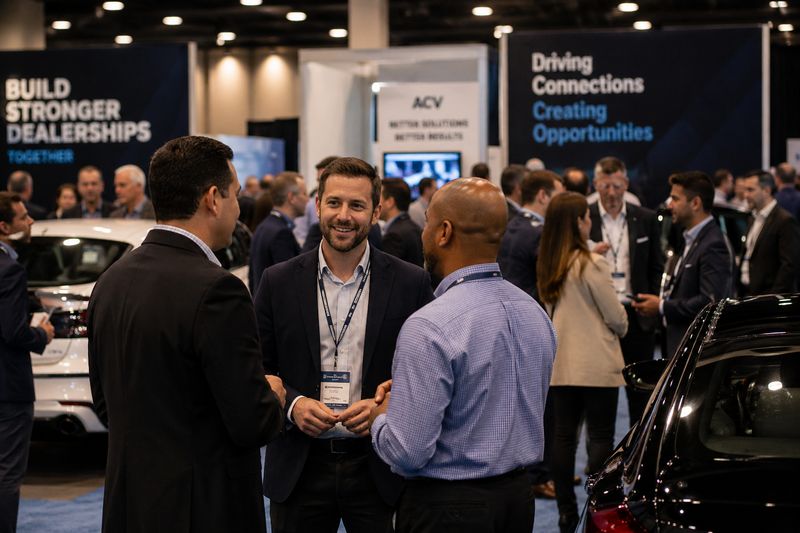
Definition of automotive networking events
Automotive networking events are gatherings where people in the car industry meet to build relationships, exchange knowledge, and create business opportunities. These can include dealers, auction brokers, exporters, transport companies, and even individual buyers.
The main goal is simple: connect with the right people. For example, instead of blindly bidding on a car online, you might meet someone who can tell you which auctions have better inventory or which vehicles to avoid. That kind of insight can save you thousands.
Difference between networking events and general auto events
Not every car event is about networking.
A general auto event—like a car show or a public expo—is usually focused on showcasing vehicles. People come to look, take photos, and enjoy the experience. There’s little real business happening behind the scenes.
Networking events are different. They are more focused on:
- building relationships
- discussing deals
- sharing insider information
For example, at a regular car show, you might see a nice car. At a networking event, you might meet the person who can help you buy similar cars at auction prices.
Why these events matter for dealers, exporters, and buyers
The auto industry runs heavily on trust and connections. This is especially true when you are dealing with auctions, salvage cars, or international shipping.
- Dealers use networking to find better inventory and reliable partners
- Exporters build relationships with logistics companies and buyers from other countries
- Buyers (especially budget-focused ones) get access to insider tips, better deals, and trusted sellers
Imagine a buyer with a limited budget trying to get a good deal at an auction. Without connections, they rely only on photos and basic reports. With the right contacts, they might get:
- honest feedback about a vehicle’s real condition
- recommendations on which lots are undervalued
- help avoiding risky purchases
That’s a big difference in both cost and risk.
Examples of networking opportunities in the automotive space
Networking in the automotive world happens in many formats, not just big conferences. Some of the most common opportunities include:
- Auction-related events — meet brokers, learn how bidding works, understand hidden fees
- Dealer meetups — local or regional gatherings where dealers share sourcing strategies
- Logistics and shipping events — connect with transport companies and reduce delivery costs
- Industry conferences — learn trends and meet large-scale buyers and sellers
- Private buyer groups and small meetups — often the best place to get real, honest advice
Why Networking Matters in the Automotive Industry
The automotive business is not just about cars—it’s about people. Prices, deals, and opportunities often depend on who you know and how well you communicate. Whether you’re a dealer, exporter, or someone trying to buy a car on a tight budget, networking can directly impact how much you pay, what risks you take, and how fast you grow.
How networking drives career growth and visibility
In the auto industry, skills matter—but visibility matters just as much. You can be great at spotting good cars or managing deals, but if no one knows you, your growth will be slow.
Networking helps you:
- get noticed by experienced players
- learn faster from real-world situations
- open doors to better roles or partnerships
For example, a beginner working with online auctions might struggle at first—overbidding, missing hidden damage, or choosing the wrong lots. But after meeting experienced buyers at events or in small groups, they start learning shortcuts:
- which auctions are more reliable
- how to read listings more accurately
- when to wait instead of rushing into a bid
Over time, this knowledge builds confidence—and people start trusting you more, which leads to more opportunities.
Building trust in a relationship-driven industry
The automotive market, especially auctions and export, is built on trust. You often deal with cars you haven’t seen in person, sellers you don’t know, and logistics across long distances.
That’s why relationships matter.
When you know the right people:
- you get honest opinions instead of guesswork
- you can verify information before making a decision
- you reduce the chances of costly mistakes
For example, instead of relying only on photos, you might message a contact and ask:
“Is this yard known for clean cars or risky ones?”
That small interaction can save you from buying a problem vehicle.
Without trust, every deal feels risky. With trust, you move faster and safer.
Access to exclusive deals, auctions, and partnerships
Not all good deals are public. Many of the best opportunities in the auto industry are shared inside networks.
Through networking, you can get:
- early access to vehicles before they become popular
- tips about undervalued lots
- introductions to reliable brokers
- partnerships with transport and export companies
For someone with a limited budget, this is critical.
Imagine two buyers:
- One bids only based on what they see online
- The other gets a message: “This lot is underrated—low competition expected”
The second buyer has a clear advantage.
Networking also helps you find better service providers. For example, instead of overpaying for shipping, you might connect with a logistics partner offering better rates through a referral.
Importance for budget-focused buyers and resellers
If your goal is to save money, networking is not optional—it’s a strategy.
Budget buyers often face the same problems:
- limited funds
- fear of hidden damage
- high competition at auctions
- expensive transportation
Networking helps solve all of them.
For example, a first-time buyer might plan to spend $5,000 on a car but ends up overpaying due to lack of knowledge. After connecting with more experienced buyers, they learn:
- how to set a strict bidding limit
- which vehicles are cheaper to repair
- how to avoid cars with expensive hidden issues
Resellers benefit even more. A small reseller can grow faster by:
- finding consistent supply sources
- getting better prices through contacts
- reducing costs with trusted partners
Benefits of Automotive Networking Events
Automotive networking events are not just about meeting people—they are about gaining real advantages that can save you money, reduce risks, and help you grow faster. For someone working with a limited budget, these benefits are even more important. One good connection or piece of advice can easily make the difference between a bad deal and a profitable one.
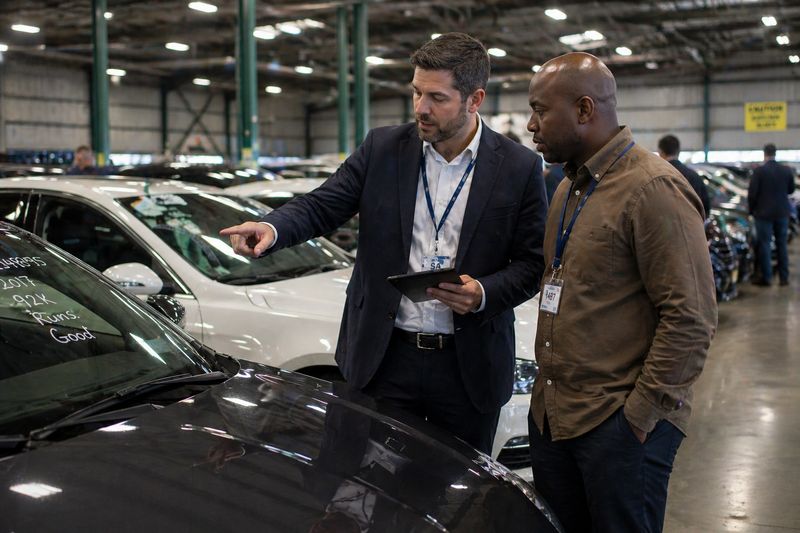
Growing your career through connections
In the auto industry, progress often comes from who you meet, not just what you know. Networking events put you in the same room with dealers, brokers, exporters, and experienced buyers.
This helps you:
- learn faster from real situations
- get introduced to new opportunities
- build your reputation over time
For example, a beginner who attends a few events and stays in touch with people may get invited into small buyer groups or private chats. These groups often share deals, auction tips, and warnings about risky vehicles.
Instead of figuring everything out alone (and making expensive mistakes), you grow through shared experience.
Finding mentors and expert guidance
One of the biggest advantages of networking is access to people who have already been through the same challenges.
A mentor can help you:
- understand how auctions really work
- avoid common beginner mistakes
- choose better vehicles based on real experience
Imagine you’re about to bid on a salvage car that looks like a good deal. Without guidance, you might miss hidden damage. But if you know someone more experienced, you can ask:
“Would you bid on this?”
A short answer from an expert can save you thousands in repair costs.
For budget-focused buyers, this kind of guidance is extremely valuable because every mistake hits harder.
Staying updated on trends and innovations
The automotive market changes quickly. Prices shift, certain vehicle types become more popular, and new risks appear (like flood-damaged cars after storms).
At networking events, people share what’s happening right now:
- which auctions have better inventory
- which car models are easier to resell
- what problems are showing up in the market
For example, you might hear:
“Hybrid cars are moving fast this month”
or
“Be careful—there’s a wave of water-damaged cars coming from this region”
This kind of real-time information helps you adjust your strategy and avoid bad decisions.
Discovering better sourcing options (auctions, suppliers)
Many beginners rely on just one platform or source. That limits your options and often leads to higher prices.
Networking helps you discover:
- new auction platforms
- smaller suppliers with less competition
- alternative ways to source vehicles
For example, instead of competing with thousands of bidders on popular listings, you might learn about less crowded auctions where prices are lower.
You may also meet brokers who can:
- bid on your behalf
- recommend better lots
- help you access inventory you wouldn’t find alone
This expands your buying options and increases your chances of finding a good deal.
Learning cost-saving strategies in car buying and logistics
Saving money in the auto industry is not just about buying cheap—it’s about making smart decisions at every step.
Networking events are full of practical tips, such as:
- when to bid (timing affects price)
- which locations have lower competition
- how to avoid cars with expensive hidden damage
- how to reduce shipping and logistics costs
For example, you might learn that shipping from one port is significantly cheaper than another, or that combining shipments can lower your cost per vehicle.
A buyer with a tight budget might save hundreds—or even thousands—just by applying these strategies.
Buy Cars Like Industry Insiders — Not Like Everyone Else
The best deals in auto auctions are rarely obvious. With BidNDrive, you don’t rely only on listings — you get access to real auction data, vehicle history, and insights that help you spot undervalued cars and avoid costly mistakes.
- ✅ Free vehicle history reports with past sales and photos
- ✅ Access to Copart, IAAI, and dealer-only auctions
- ✅ Real sold price data to understand market value
- ✅ Support for beginners and experienced buyers
Types of Automotive Networking Events
Not all networking events in the automotive world look the same. Some are large international shows, others are small local meetups. Each type offers different opportunities depending on your goals—whether you want to find cheaper cars, meet reliable partners, or learn how the market really works. Understanding these types helps you choose where to spend your time and money.
Trade shows and auto expos
Trade shows and auto expos are large-scale events where manufacturers, dealers, and service providers showcase vehicles and technologies.
These events are often crowded and public, but they still offer networking opportunities if you approach them the right way. You can:
- meet dealership representatives
- talk to suppliers and service providers
- observe pricing trends and popular models
For a budget-focused buyer, this is a good place to understand what cars are in demand. For example, if you see certain models getting a lot of attention, you know they may resell faster later.
However, keep in mind: these events are more about exposure than deals. The real value comes from conversations, not purchases.
Automotive summits and conferences
These events are more business-focused and less about showing cars. They bring together industry professionals to discuss trends, strategies, and market changes.
At conferences, you can:
- learn from experienced speakers
- understand how pricing and supply chains work
- meet decision-makers and serious buyers
For example, you might attend a session about auction trends and learn which regions currently have lower prices or better inventory.
Compared to expos, these events are more valuable for long-term growth and strategy. They help you think smarter, not just act faster.
Dealer-only and auction events
These are some of the most valuable events for anyone looking to save money or grow in the auto business.
Dealer-only and auction events are usually limited to licensed participants, brokers, or invited guests. This creates a more focused environment with real opportunities.
Here you can:
- meet auction representatives
- connect with brokers who can bid for you
- learn how auctions really operate behind the scenes
For example, instead of guessing how bidding works, you can talk directly to someone who deals with auctions every day. They might explain:
- when competition is lowest
- which listings are often undervalued
- how to avoid overpaying
For budget buyers, this type of networking can lead directly to better deals.
Model reveal and showcase events
These events focus on launching new models or showcasing specific vehicles. They are often organized by manufacturers or large dealerships.
At first glance, they may seem less useful for someone trying to save money. But they still provide insights:
- what features are becoming standard
- which models may drop in price soon
- what buyers are excited about
For example, when a new model is released, older versions often become cheaper. If you understand this timing, you can buy at the right moment and save money.
Networking here is more informal, but you can still meet industry insiders and gather useful information.
Driving and lifestyle experiences
These events include test drive experiences, track days, and lifestyle-focused automotive gatherings.
They are more relaxed and less formal, which actually makes networking easier. People are more open to conversations, and you can build connections naturally.
At these events, you might:
- meet enthusiasts who also buy from auctions
- talk to small resellers
- exchange real-life experiences about repairs, costs, and deals
For example, someone might casually share how they bought a damaged car cheap, fixed it, and resold it for profit. These practical insights are often more valuable than formal presentations.
Local meetups and community events
Local meetups are often overlooked, but they can be one of the most useful types of networking—especially for beginners.
These are small, informal gatherings of dealers, buyers, or car enthusiasts in your area.
Benefits include:
- easy access (no high travel costs)
- direct, honest conversations
- building long-term relationships
For a budget-conscious buyer, this is where you can ask real questions without pressure:
- “Which auctions do you trust?”
- “Have you had issues with this seller?”
- “What’s the cheapest way to ship a car from this location?”
You may even find someone willing to help you with your first purchase or connect you with a reliable broker.
Top Automotive Networking Events to Know
Not all events are worth your time—especially if you’re working with a limited budget. Some events give you real access to people, deals, and insider knowledge. Others are more about entertainment. If your goal is to save money on cars or grow in the auto industry, you need to focus on the events that offer practical value.
Below are the key types of automotive networking events you should know about—and how they can actually help you.
International auto shows (global exposure)
International auto shows are large-scale events where major manufacturers present new models, concepts, and technologies. Well-known examples include the Geneva International Motor Show and the Detroit Auto Show.
These events attract global attention and bring together thousands of industry professionals.
For networking, they help you:
- understand global trends
- see which models are gaining popularity
- connect with international dealers and suppliers
For a budget-focused buyer, the value is indirect but important. For example, when new models are introduced, older versions often drop in price. If you track this trend early, you can plan your purchases better and avoid overpaying.
Auction industry events (Copart, IAAI, Manheim)
If your goal is to buy cars cheaper, this is one of the most important categories.
Major auction platforms like Copart, IAA, and Manheim regularly host industry events, training sessions, and partner meetups.
These events give you access to:
- real auction insights
- experienced brokers and buyers
- strategies for bidding and vehicle selection
For example, instead of guessing why you keep losing bids or overpaying, you can learn directly:
- when auctions have lower competition
- how to identify undervalued vehicles
- which locations are more выгодные (better priced)
For someone with a tight budget, this kind of knowledge can significantly improve results and reduce costly mistakes.
Logistics and transport conferences
Buying a car cheap is only part of the process. Shipping and logistics can quickly increase your total cost if you’re not careful.
That’s why logistics-focused events are extremely valuable.
These conferences bring together:
- transport companies
- freight brokers
- export specialists
At these events, you can:
- compare shipping options
- find better rates through direct contacts
- understand how to avoid delays and hidden fees
For example, a beginner might pay high shipping costs simply because they don’t know better options exist. After networking, they may discover:
- cheaper routes
- better ports
- companies offering discounts for regular customers
This directly impacts your final price per vehicle.
Regional dealer and buyer meetups
These are smaller, more local events—but often more useful than large shows.
Regional meetups connect:
- local dealers
- small resellers
- independent buyers
The biggest advantage is real, honest communication. People are more open and practical.
For example, you might hear things like:
- “Avoid this auction yard this month”
- “These models are selling fast locally”
- “This broker is reliable, this one is not”
For budget buyers, this kind of information is gold. It helps you:
- avoid bad deals
- find better opportunities
- build long-term connections
And since these events are local, you don’t need a big budget to attend.
Online and hybrid networking events
Not all networking requires travel. Online and hybrid events have become more popular and accessible.
These include:
- webinars
- virtual conferences
- online auction training sessions
- private groups and live discussions
The main advantage is low cost and easy access. You can learn and connect from anywhere.
For example, a first-time buyer can join an online session about auction strategies and immediately improve their approach:
- set better bidding limits
- understand fees
- avoid common beginner mistakes
While online events may not fully replace in-person connections, they are a great starting point—especially if your budget is limited.
Automotive Event Ideas for Businesses
You don’t have to wait for big industry events to start networking. Many successful dealers, brokers, and exporters create their own events—and often get better results because they control the audience and the message. Even simple, low-budget events can help you build trust, attract buyers, and create long-term relationships that lead to repeat deals.
Hosting your own networking event
Hosting your own event may sound complicated, but it doesn’t have to be large or expensive. Even a small, well-organized meetup can bring real value.
You can invite:
- local buyers and resellers
- auction beginners
- partners like mechanics or transport providers
The goal is to create a space where people can talk openly and learn from each other.
For example, a small dealer could host a “How to Buy from Auto Auctions” session. You explain the basics, share real examples, and answer questions. In return, people start trusting you—and when they’re ready to buy, they come back to you.
This approach works especially well for budget-focused audiences who are looking for guidance, not just a product.
Organizing customer appreciation events
Customer appreciation events are a simple but powerful way to build loyalty.
Instead of always focusing on selling, you create an experience for people who already worked with you. This can include:
- small gatherings or BBQ events
- exclusive previews of new inventory
- Q&A sessions about car buying or auctions
For example, you invite past buyers and show them a few new vehicles before listing them publicly. This gives them a feeling of priority access—and increases the chances of repeat purchases.
For budget buyers, this is valuable because they get early opportunities, often before competition drives prices up.
Creating small private buyer meetups
Not all networking should be public. Small, private meetups can be even more effective.
These are invite-only sessions with a limited number of participants, such as:
- serious buyers
- small resellers
- trusted partners
In this environment, people are more open and willing to share real information.
For example, in a small group, someone might openly say:
“I bought three cars from this auction yard—two had hidden issues. Be careful.”
This level of honesty is rare in large events but extremely valuable.
For your business, these meetups help you:
- build stronger relationships
- position yourself as a trusted expert
- create a loyal network of repeat clients
Partnering with logistics or export companies
One of the smartest ways to organize an event is by partnering with companies that complement your business.
For example:
- dealers + logistics companies
- auction brokers + export services
- resellers + repair shops
This creates a more complete experience for attendees.
Imagine an event where:
- you explain how to buy a car
- a logistics partner explains shipping costs
- an export expert explains documentation
For a buyer, this answers all key questions in one place. It also builds trust because they see a full ecosystem of reliable partners.
For your business, it means:
- shared audience
- stronger credibility
- more value without much extra cost
Using events to showcase inventory or services
Events are also a great way to present what you offer in a more personal and convincing way.
Instead of just listing cars online, you can:
- show selected vehicles in person or via live presentation
- explain their condition and potential
- walk buyers through the real buying process
For example, you might present a recently purchased auction car:
- show photos before repair
- explain the total cost (purchase + repair + shipping)
- show the final resale value
This kind of transparency builds trust and helps buyers understand how to make smarter decisions.
For budget-focused customers, this is especially important. They don’t just see a price—they understand the full picture.
Ways to Network Effectively at Automotive Events
Attending an event is not enough. Many people go, walk around, collect a few contacts—and leave with no real results. If you want networking to actually help you save money, find better deals, or grow in the auto industry, you need a clear approach.
The good news: you don’t need to be outgoing or experienced. You just need to be prepared and intentional.
Preparing before attending an event
Good networking starts before the event even begins.
First, define your goal. Ask yourself:
- Do I want to find cheaper cars?
- Do I need a reliable broker?
- Am I looking for better shipping options?
Without a goal, you’ll just wander and miss opportunities.
Second, do a bit of research:
- check who will attend
- identify auction representatives, dealers, or logistics companies
- note a few people or companies you want to talk to
For example, if you’re struggling with high shipping costs, plan to speak with transport companies instead of spending time at general booths.
Also, prepare a simple introduction. You don’t need anything fancy. Just be clear:
“I’m looking to buy cars from auctions and keep my costs low. I’m trying to understand how to do it better.”
This makes conversations easier and more productive.
How to start conversations and build rapport
Many people overthink this part. In reality, most conversations at events are simple and casual.
Start with something natural:
- “What do you usually buy at auctions?”
- “Have you had good experience with this platform?”
- “Are prices better this month or not really?”
People in the auto industry are used to these questions.
The key is to listen, not just talk. Let the other person share their experience. That’s where the value is.
For example, a short conversation might turn into:
“Honestly, I stopped buying from that location—too many hidden issues lately.”
That one sentence can save you money and trouble.
Also, don’t try to “sell yourself” too hard. Focus on being genuine. People remember simple, honest conversations more than aggressive pitches.
Asking the right questions
The quality of your networking depends on the questions you ask.
Avoid vague questions like:
- “Any advice?”
Instead, ask specific and practical questions:
- “Which auctions have less competition right now?”
- “Do you avoid certain vehicle types?”
- “What’s the biggest mistake beginners make?”
- “How do you keep shipping costs low?”
These questions lead to real answers you can use immediately.
For example, a budget buyer might ask:
“What’s one thing you wish you knew before your first auction purchase?”
This often leads to honest and valuable insights.
Good questions show that you are serious—and people are more willing to help.
Following up after the event
Most people forget this step—and lose all the value of networking.
After the event, follow up with the people you met:
- send a short message
- remind them who you are
- thank them for the conversation
For example:
“Hi, we spoke at the event about auction buying. You mentioned avoiding certain yards—really helpful. Thanks again!”
This keeps the connection alive.
Later, you can:
- ask follow-up questions
- share your progress
- build a real working relationship
Over time, these contacts can turn into:
- deal opportunities
- partnerships
- reliable advice when you need it
Common networking mistakes to avoid
Many beginners make simple mistakes that limit their results.
Here are the most common ones:
1. Talking only about yourself
People lose interest quickly. Focus on listening and learning.
2. Trying to sell too fast
Networking is about relationships first, not immediate deals.
3. Not asking questions
If you don’t ask, you don’t learn. And you miss valuable insights.
4. Ignoring follow-up
A good conversation means nothing if you never reconnect.
5. Expecting instant results
Networking is a long-term game. The real benefits come over time.
For example, you might meet someone today, stay in touch, and months later they send you a great deal or warn you about a risky purchase.
That’s how real value builds.
Online Automotive Networking Opportunities
You don’t have to attend expensive events or travel to start building connections in the auto industry. Today, a large part of networking happens online—and for budget-focused buyers, this is a huge advantage. You can learn, connect, and find deals without leaving your home.
The key is to use the right platforms and stay active. Online networking may feel less personal, but it can still lead to real opportunities if you approach it the right way.
Using social media platforms (LinkedIn, Facebook groups)
Social media is one of the easiest ways to start networking in the automotive space.
Platforms like LinkedIn and Facebook host thousands of groups and communities focused on:
- car auctions
- reselling
- exporting vehicles
- logistics and transport
In these groups, people regularly share:
- available vehicles
- auction results
- warnings about risky deals
- tips for saving money
For example, you might see a post like:
“Prices at this auction location dropped this week—less competition than usual.”
That kind of insight can help you plan your bids and avoid overpaying.
To get value, don’t just scroll. Ask questions, comment, and engage. Even simple interactions can lead to useful conversations.
Joining automotive forums and communities
Forums and niche communities are often more detailed and honest than social media.
These spaces are filled with people who:
- share real experiences
- discuss repairs and costs
- break down deals step by step
For example, someone might post:
“I bought this salvage car for $3,500, repairs cost me $1,200, here’s what I missed.”
This level of transparency helps you understand the full picture—not just the purchase price.
For a budget buyer, forums are extremely useful because they highlight:
- hidden costs
- common mistakes
- realistic expectations
You can learn from other people’s losses instead of making your own.
Participating in webinars and virtual events
Webinars and virtual events are like online versions of networking sessions or training workshops.
They often focus on:
- how auctions work
- bidding strategies
- logistics and export processes
The advantage is simple:
- low or no cost
- easy access from anywhere
- focused, practical information
For example, a beginner might join a webinar about auction bidding and learn:
- how to set a maximum bid
- how fees affect the final price
- when to walk away from a deal
These small improvements can save a lot of money over time.
Some webinars also include live Q&A sessions, where you can ask direct questions and get expert answers.
Building a personal brand online
Online networking becomes much more powerful when people recognize you.
Building a personal brand doesn’t mean becoming an influencer. It simply means:
- sharing your experience
- posting what you learn
- being active and consistent
For example, you might:
- share a recent auction purchase
- explain what went right or wrong
- post tips for other beginners
Over time, people start to see you as someone involved in the industry. This leads to:
- more connections
- direct messages with opportunities
- trust from other buyers and partners
For a budget-focused buyer or small reseller, this can open doors to:
- better deals
- reliable partners
- insider information
Make Data-Driven Decisions — Not Guesswork
Connections are powerful, but data makes the difference. BidNDrive gives you the tools to analyze vehicles, track real auction prices, and set smart bidding limits — so you don’t overpay or take unnecessary risks.
- ✅ Real auction results and price history
- ✅ Tools to estimate true vehicle cost
- ✅ Better control over your bidding strategy
- ✅ Reduced risk when buying salvage cars
How Automotive Networks Work Behind the Scenes
From the outside, buying a car—especially from auctions—can look simple: you find a vehicle, place a bid, and arrange delivery. But in reality, most successful deals happen through networks that operate behind the scenes.
These networks connect people, information, and services. If you understand how they work, you can access better deals, avoid risks, and make smarter decisions—especially when your budget is limited.
Key components of an automotive network
An automotive network is not just one group—it’s a system of connected players.
The main components include:
- buyers (individuals and resellers)
- dealers and inventory holders
- auction platforms and representatives
- brokers who help place bids
- logistics and transport companies
Each part plays a role in how deals happen.
For example, a buyer may not directly access certain auctions but can work through a broker. That broker might have better insight into which vehicles are worth bidding on.
Without understanding these connections, you’re only seeing part of the market.
Role of dealers, brokers, exporters, and logistics companies
Every participant in the network adds value—and also affects your final cost.
- Dealers provide inventory and often have early access to vehicles
- Brokers help you participate in auctions and guide your bidding decisions
- Exporters handle documentation, compliance, and international shipping
- Logistics companies manage transport from auction to port or final destination
For example, a budget buyer might try to handle everything alone to save money. But without the right contacts, they may:
- overpay at auction
- choose the wrong shipping option
- face delays or unexpected fees
With a network, each step becomes more efficient. You rely on people who already know the process.
How information and deals flow within networks
One of the biggest advantages of being part of a network is access to information that is not public.
In strong networks, people share:
- which vehicles are undervalued
- where competition is low
- which sellers or locations to avoid
Deals often move through private channels before they become widely known.
For example:
- a dealer may notify trusted buyers about incoming inventory
- a broker may recommend a specific lot before others notice it
- a logistics partner may offer better rates to regular clients
This creates a flow of opportunities that is not visible to the average buyer browsing listings alone.
For someone with a limited budget, this is critical. You’re no longer competing blindly—you’re making informed decisions.
Why strong networks lead to better pricing and access
Better pricing doesn’t happen by luck—it comes from access and timing.
Strong networks give you:
- early information about deals
- reduced competition on certain vehicles
- better service rates through trusted partners
For example, two buyers may be interested in the same type of car:
- One sees it late, after many bidders are already involved
- The other hears about similar vehicles early through a contact
The second buyer has a clear advantage and is more likely to get a better price.
Networks also help reduce hidden costs. Instead of paying standard rates, you may:
- get discounted shipping through referrals
- avoid costly mistakes by checking with experienced contacts
- choose better vehicles with fewer repair surprises
How Networking Helps You Save Money on Cars
If your main goal is to buy cars cheaper, networking is one of the most powerful tools you can use. It’s not about luck or guessing—it’s about access to better information, better timing, and better people.
Many buyers lose money because they rely only on what they see online. But those who build connections often pay less, avoid bad deals, and reduce extra costs at every step.
Finding below-market deals through connections
Not all good deals are visible to everyone. Many of them circulate inside small groups, private chats, or direct contacts.
When you have connections, you may get:
- early alerts about undervalued vehicles
- recommendations on low-competition listings
- direct offers before cars become popular
For example, a beginner might bid on cars that already have high interest and end up overpaying. Meanwhile, someone with connections hears:
“This lot hasn’t attracted attention yet—good chance to win cheap.”
That small advantage can mean saving hundreds or even thousands on a single purchase.
Access to insider auction information
Auction platforms show basic details—but they don’t tell you everything.
Through networking, you can learn:
- which auction locations are more reliable
- when bidding activity is usually lower
- which types of cars are currently overlooked
For example, instead of guessing why prices seem high, you might learn:
“This week is busy—wait a few days, prices should drop.”
Or:
“Be careful with this yard—recent cars had hidden issues.”
This kind of insider information helps you:
- time your bids better
- avoid risky purchases
- make more confident decisions
For a budget-focused buyer, this reduces costly trial and error.
Reducing risks when buying salvage or used vehicles
One of the biggest risks in buying cars—especially salvage—is hidden damage.
Without experience or guidance, it’s easy to:
- underestimate repair costs
- miss serious issues in photos
- buy vehicles that are hard to resell
Networking helps reduce these risks.
You can:
- ask experienced buyers for a second opinion
- learn which damage types are safer to deal with
- avoid vehicles with known problem histories
For example, before bidding, you might send a link to someone more experienced and ask:
“Would you take this one?”
A quick response like:
“Too risky—frame damage looks worse than listed”
can save you from a bad investment.
Better shipping and logistics pricing through partners
Even if you buy a car at a great price, high shipping costs can cancel your savings.
Networking gives you access to:
- trusted logistics partners
- better pricing through referrals
- more efficient shipping routes
For example, instead of paying standard rates, you might hear:
“This company offers better prices if you ship regularly”
or
“Shipping from this location is cheaper—use that route instead.”
You may also learn how to:
- combine shipments to reduce cost per vehicle
- avoid unnecessary storage fees
- choose faster and more reliable transport options
For a buyer working with a limited budget, these savings add up quickly.
How to Choose the Right Automotive Event
Not every automotive event will give you real value. Some are worth your time and money, while others may leave you with nothing but brochures and wasted hours. If you’re working with a limited budget, choosing the right event is critical.
The goal is simple: attend events that help you save money, learn faster, or build useful connections—not just ones that look impressive.
Matching events to your goals (buying, selling, learning)
Before choosing an event, you need to be clear about your goal.
Ask yourself:
- Am I trying to buy cars cheaper?
- Do I want to sell or resell vehicles?
- Am I here to learn how auctions and logistics work?
Different events serve different purposes.
For example:
- If your goal is to buy cheaper cars, focus on auction-related or dealer events
- If you want to learn, conferences and webinars are better
- If you’re trying to build partnerships, networking meetups are more useful
A common mistake is attending a large auto show expecting deals. In reality, those events are more about display than real opportunities.
When your goal is clear, your decisions become much easier—and more effective.
Evaluating event size and audience
Bigger is not always better.
Large events:
- have more people
- offer more exposure
- but can be less personal
Smaller events:
- allow deeper conversations
- make it easier to build real connections
- often provide more practical value
For example, at a big expo, you might talk briefly to many people but not build real relationships. At a small meetup, you might have a 15-minute conversation that leads to a useful contact or even a deal.
Also pay attention to the type of audience:
- Are they dealers, brokers, or general visitors?
- Are they experienced or beginners?
- Are they relevant to your goals?
If the audience doesn’t match your needs, the event won’t help you much.
Cost vs value of attending
Some events are free, others can be expensive. But price alone doesn’t tell you if an event is worth it.
Think in terms of value:
- Will I learn something that saves me money later?
- Will I meet people who can help me avoid mistakes?
- Will I get access to better deals or opportunities?
For example, paying for a small industry event might seem expensive at first. But if you learn how to avoid one bad purchase or find a better supplier, you can easily recover that cost.
On the other hand, even a free event can be a waste if it doesn’t provide useful connections or insights.
For budget-focused buyers, the best events are those that:
- offer practical knowledge
- connect you with experienced people
- help reduce future costs
Tips for first-time attendees
If it’s your first event, keep things simple and focus on learning.
Here are practical tips:
1. Don’t try to do everything
Focus on a few meaningful conversations instead of rushing through the event.
2. Be honest about your situation
You don’t need to pretend to be experienced. Saying
“I’m just starting and trying to avoid costly mistakes”
often leads to more helpful advice.
3. Listen more than you talk
People share valuable insights if you give them space.
4. Take notes
You’ll hear useful tips—don’t rely on memory.
5. Start small if needed
Local or online events are a great starting point if you’re not ready for bigger ones.
For example, a first-time buyer might attend a small meetup, ask a few questions, and leave with:
- a better understanding of auctions
- a contact who can help later
- a clearer strategy for their next purchase
That’s already a strong result.
Future Trends in Automotive Networking
The way people connect in the automotive industry is changing fast. Traditional in-person events are still important, but new tools and formats are making networking more accessible, faster, and more data-driven.
For budget-focused buyers and small resellers, these changes create new opportunities. You no longer need a big budget or years of experience to build valuable connections—you just need to understand where the industry is going.
Growth of digital and hybrid events
More automotive networking is moving online, and this trend is only getting stronger.
Digital and hybrid events combine:
- online webinars and live streams
- virtual meetings and Q&A sessions
- smaller in-person gatherings
This makes networking more flexible and affordable.
For example, instead of traveling to a different state or country, you can join an online session about auction strategies or logistics and get practical knowledge immediately.
Hybrid formats also allow you to:
- attend key sessions online
- connect with speakers or participants afterward
- continue conversations without time pressure
For someone with a limited budget, this removes one of the biggest barriers—travel cost—and opens access to industry knowledge that was previously harder to reach.
Increased role of global connections
The automotive market is becoming more global every year. Buyers, sellers, and service providers are no longer limited to one region.
Through networking, you can now:
- buy cars in one country and ship them to another
- work with international brokers and exporters
- access a wider range of inventory
For example, a buyer may find that certain vehicles are cheaper in one region but in high demand in another. With the right connections, they can take advantage of this price difference.
Global networking also helps you:
- compare markets
- understand international demand
- find better opportunities beyond your local area
For budget buyers, this means more options—and often better pricing.
Technology and data-driven networking
Networking is no longer just about conversations. Data and technology are playing a bigger role in how people connect and make decisions.
Today, you can use:
- auction data to track price trends
- analytics tools to understand demand
- platforms that match buyers with sellers
For example, instead of guessing which cars are a good deal, you can combine:
- insights from your network
- real auction price data
This leads to smarter decisions.
Technology also helps you stay organized:
- track contacts
- follow conversations
- manage deals more efficiently
For someone trying to save money, this reduces guesswork and improves consistency.
Impact of AI and automation on relationships
Artificial intelligence and automation are starting to change how networking works—but they don’t replace human relationships.
AI can help with:
- analyzing vehicle data
- predicting pricing trends
- filtering good deals from bad ones
For example, instead of manually reviewing hundreds of listings, you might use tools that highlight:
- undervalued cars
- risky listings
- patterns in auction results
Automation can also support communication:
- follow-up messages
- notifications about new inventory
- reminders about events or opportunities
But the key point is this:
technology supports networking—it doesn’t replace trust.
Even with advanced tools, people still rely on:
- recommendations
- real experience
- trusted contacts
For budget-focused buyers, the best approach is to combine both:
- use technology to analyze and filter
- use networking to confirm and validate
Conclusion
Networking in the automotive industry is not just a “nice to have”—it’s one of the most practical ways to save money, reduce risks, and grow faster. Whether you are a first-time buyer, a small reseller, or someone exploring auto auctions, the right connections can completely change your results.
Key takeaways
The biggest idea is simple: people give you access that platforms alone cannot.
Here’s what matters most:
- good connections help you find better deals before others
- real conversations give you insights you won’t see in listings
- trusted contacts reduce the risk of bad purchases
- strong networks lead to lower costs in buying, repair, and shipping
For example, instead of guessing which car is worth bidding on, you can rely on someone who has already seen similar vehicles. That alone can save you from expensive mistakes.
In a budget-focused strategy, networking is not extra—it’s a core advantage.
How to start networking in the automotive industry today
You don’t need experience or a big budget to start. The key is to take simple, consistent steps.
Start with:
- joining online groups and communities
- attending small local or virtual events
- asking practical questions and learning from others
- connecting with brokers, dealers, and logistics providers
For example, a beginner can start by joining a Facebook group about auto auctions, asking a few questions, and slowly building contacts. Then, over time, move to small meetups or webinars.
You don’t need to know everything—you just need to be active and open to learning.
Final tips for building long-term connections
Networking is not about collecting contacts—it’s about building relationships.
To make it work long-term:
- stay in touch after the first conversation
- share your experience and progress
- be honest about your goals and limitations
- offer value when you can, even in small ways
For example, if someone helped you avoid a bad deal, you can later share useful information or opportunities with them. This creates a two-way relationship.
Also remember:
- trust builds over time
- consistency matters more than intensity
- even one strong connection can change your results
In the end, networking turns random decisions into informed ones. And for anyone trying to buy cars smarter and cheaper, that difference is what leads to real savings and long-term success.
Access Auto Auctions Without a Dealer License
You don’t need years of connections to start buying cars smarter. With BidNDrive, you get direct access to major U.S. auctions, full support, and the tools you need to compete with experienced buyers from day one.
- ✅ Access 200,000+ vehicles across all major auctions
- ✅ Bid online from anywhere in the world
- ✅ Help with vehicle selection and bidding
- ✅ Support from purchase to delivery
Further Reading:
The Ultimate Guide to Online Car Auctions: From Beginner to Expert
How Do Online Car Auctions Work? A Beginner’s Guide to Smart Bidding
Advantages of Buying at an Online Auto Auction
Why Are Cars Sold at Auctions?
Frequently Asked Questions
- Do I really need networking to buy cars from auctions cheaper?
- What is the best type of automotive event for beginners?
- Can online networking really help me find better deals?
- How long does it take to see results from networking?