



Looking for a reliable car without breaking the bank? Used Toyota vehicles are known for their longevity, low maintenance costs, and strong resale value. This guide helps budget-conscious buyers find the best Toyota models to buy used, highlighting options for daily driving, family needs, fuel efficiency, and even off-road adventures. Make an informed choice and get the most value from your next car purchase.
Why Toyota Is One of the Most Trusted Car Brands
When people look for a used car that won’t break the bank, Toyota is often the first name that comes up. There’s a reason for that. Toyota has built a reputation over decades for making cars that last, cost less to maintain, and hold their value. For budget buyers, this combination is hard to beat.
Reputation for Reliability and Longevity
Toyota is known for building cars that keep running even after years of use. It’s common to see models with 200,000+ miles still on the road. For example, you might find a 10-year-old sedan with high mileage, but it still starts every morning and drives without major issues. That kind of reliability gives buyers confidence, especially when shopping at auctions where history may not always be perfect.
Low Maintenance and Ownership Costs
One of the biggest advantages of owning a Toyota is how affordable it is to maintain. Parts are widely available, and repairs are usually simple compared to more complex brands. This means fewer unexpected expenses. Imagine buying a used car on a tight budget—you don’t want surprise repair bills every month. With Toyota, routine maintenance like oil changes, brakes, and filters stays relatively cheap.
Strong Resale Value
Toyota cars tend to hold their value better than many competitors. Even after years of use, they are still in demand. This is important if you plan to sell the car later. For example, you might buy a used Toyota for a good price today and still get a solid return when you decide to upgrade. That makes it a safer financial choice compared to cars that lose value quickly.
Wide Range of Models for Every Need
Toyota offers something for almost every type of driver. Need a simple daily commuter? There are compact sedans. Looking for a family car? There are spacious SUVs. Want something tough for work? There are pickup trucks. This variety makes it easier to find a model that fits your budget and lifestyle. Whether you drive in the city, travel long distances, or need extra cargo space, there’s likely a Toyota that matches your needs without overspending.
What Makes Toyota Cars Stand Out
Toyota cars are popular not just because of the name, but because they deliver real value where it matters most—reliability, cost savings, and ease of ownership. For buyers on a budget, these are not just nice features, they are essential. Let’s break down what really makes Toyota stand out from other brands.
High Reliability and Long Lifespan
Toyota vehicles are built to last. Many owners drive them for years without major issues, even with high mileage. This is especially important if you’re buying used. You might be choosing between a newer car from another brand or an older Toyota—many buyers go with Toyota because they trust it will keep running longer.
This reliability also means fewer breakdowns and less stress. If you depend on your car for work or daily errands, you need something you can count on every day.
Fuel Efficiency Across All Segments
Toyota is known for making fuel-efficient cars, no matter the category. Whether it’s a compact sedan, a midsize SUV, or even a pickup, Toyota models often use less fuel than competitors.
For someone on a budget, this makes a big difference over time. Saving even a small amount on each fill-up adds up quickly. If you commute daily or drive long distances, a fuel-efficient Toyota can help you cut monthly expenses without sacrificing comfort.
Simple and Proven Technology
One of Toyota’s biggest strengths is its approach to technology. Instead of adding complex systems that may fail over time, Toyota focuses on proven, reliable solutions.
For used car buyers, this is a huge advantage. Less complicated technology means fewer things can go wrong. You’re less likely to deal with expensive electronic issues or confusing systems. Everything is designed to work smoothly and consistently, which makes ownership easier.
Affordable Parts and Repairs
Another reason Toyota stands out is how affordable it is to fix. Replacement parts are easy to find and usually cost less than parts for luxury or less common brands.
Think about a common situation: your car needs new brake pads or a suspension repair. With Toyota, these repairs are typically straightforward and don’t require expensive specialized parts. That keeps your overall ownership cost low, which is exactly what budget buyers need.
Safety and Driver Assistance Features
Toyota also focuses heavily on safety. Many models come with reliable safety features, even in older versions. Newer models include driver assistance systems like lane departure warning, adaptive cruise control, and automatic emergency braking.
For families or daily drivers, this adds peace of mind. You’re not just saving money—you’re also driving a car designed to protect you and your passengers. Even if you’re buying used, you can often find a Toyota with solid safety features at a reasonable price.
Check the Real History Before You Bid
Even reliable cars like Toyota can hide past issues—especially at auctions. Before placing a bid, review real auction history reports with photos, mileage records, and previous sale data. This helps you avoid costly mistakes and choose a car that truly fits your budget.
- ✅ Free auction history reports with past photos
- ✅ Previous sale prices to spot real market value
- ✅ Mileage and condition tracking over time
- ✅ Helps avoid cars with hidden problems
How to Choose the Best Toyota for Your Needs
Choosing the right Toyota is not just about picking the most popular model. It’s about finding a car that fits your lifestyle, driving habits, and budget. If you’re buying used—especially from an auction—you need to think practical. The right choice can save you thousands, while the wrong one can lead to extra costs.
Sedan vs Hatchback vs SUV vs Pickup
Start with the type of vehicle you actually need. Sedans are usually the cheapest option. They are great for daily commuting, easy to park, and fuel-efficient. If you just need a car to get to work and back, a sedan is often the smartest choice.
Hatchbacks are similar but more practical. You get extra cargo space, which helps if you carry groceries, tools, or travel bags often.
SUVs give you more space and a higher driving position. They are a good option for families or drivers who need room for passengers and cargo.
Pickup trucks are built for work. If you need to haul materials, tow trailers, or handle rough conditions, a pickup makes sense. But keep in mind—they usually cost more to buy and maintain.
Gas vs Hybrid vs Electric Options
Toyota offers different power options, and each has its pros and cons.
Gas-powered cars are the simplest and usually the cheapest to buy and repair. If you’re on a tight budget, this is often the safest choice.
Hybrid models are more fuel-efficient and can save you money over time, especially if you drive a lot. They cost more upfront, but lower fuel expenses can make up for it.
Electric options are still limited in Toyota’s lineup, especially on the used market. They can be cheap to run but may come with higher upfront costs and concerns about battery condition. For many budget buyers, hybrids are a more balanced option than full electric vehicles.
Budget Considerations for Used Buyers
Your budget should include more than just the purchase price. Think about total ownership cost. That includes insurance, maintenance, fuel, and possible repairs.
For example, you might see a low price at an auction and feel tempted to bid. But if the car needs immediate repairs, it can quickly become expensive. It’s often better to pay a bit more for a well-maintained vehicle than to fix a cheap one later.
Also, set a clear maximum budget before bidding—and stick to it. It’s easy to overspend in a competitive auction environment.
Daily Driving vs Long-Distance Travel
Think about how you will actually use the car. If most of your driving is short city trips, you don’t need a large engine or a big SUV. A compact or hybrid Toyota will be more efficient and easier to handle.
If you often drive long distances, comfort becomes more important. You’ll want a car with a smooth ride, good fuel economy, and enough space to stay comfortable on the highway.
Choosing the right car for your driving habits helps you avoid overpaying for features you don’t really need.
City Driving vs Off-Road Capability
Where you drive matters just as much as how you drive.
For city driving, smaller cars are easier to park and more fuel-efficient. They handle traffic better and usually cost less to maintain.
If you live in an area with rough roads, snow, or dirt trails, you may need something more capable. SUVs or trucks with all-wheel drive or four-wheel drive can handle these conditions better.
Best Toyota Cars (Top 10 Models Ranked)
When you’re shopping for a used Toyota, some models stand out more than others. These cars have proven themselves over time with strong reliability, low costs, and practical performance. Below are some of the best Toyota models that make the most sense for budget buyers.
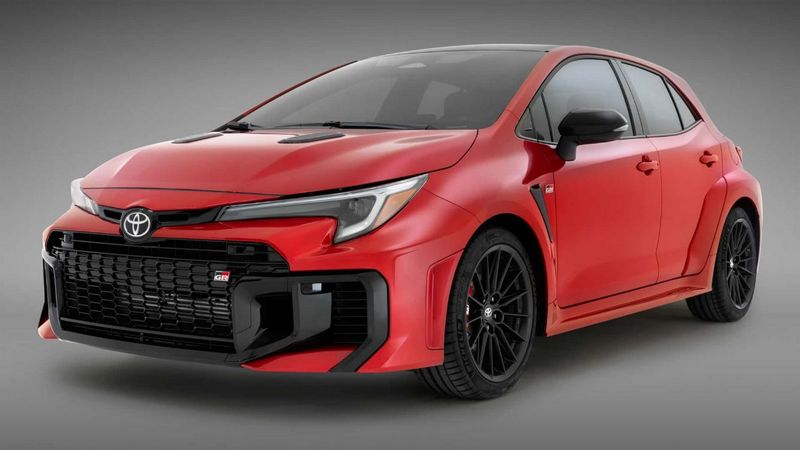
Toyota Corolla: The Ultimate Reliable Daily Driver
Overview and Key Features
The Toyota Corolla is one of the most popular cars in the world, and for good reason. It’s simple, dependable, and easy to live with. Most used Corollas come with basic but functional features, making them perfect for drivers who just want a car that works every day without hassle.
Fuel Efficiency and Maintenance Costs
Corolla models are known for excellent fuel economy. Even older versions can save you money at the pump. Maintenance is also affordable, with widely available parts and straightforward repairs. This makes it a top choice for buyers who want to keep ongoing costs low.
Pros
- Extremely reliable, even with high mileage
- Low fuel consumption
- Cheap and easy to maintain
- Strong availability in the used market
Cons
- Basic interior and features
- Not the most powerful or exciting to drive
- Limited space compared to larger vehicles
Best For
Drivers who need a simple, affordable daily car for commuting, errands, and city driving.
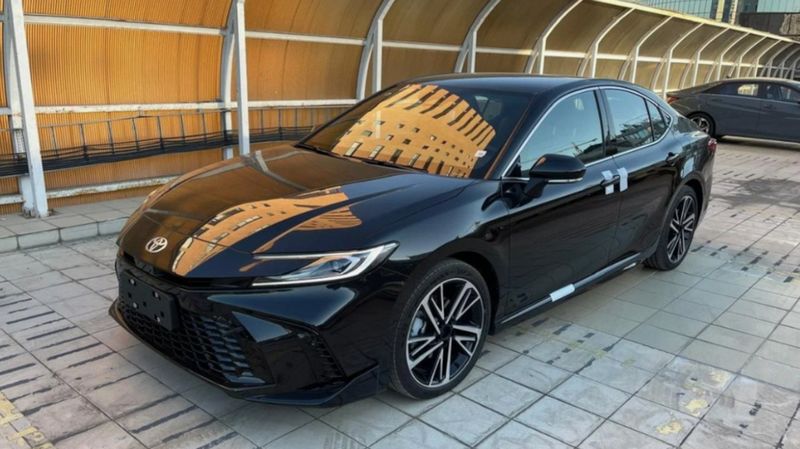
Toyota Camry: Comfortable and Long-Lasting Sedan
Overview and Key Features
The Toyota Camry is a step up from the Corolla in terms of size and comfort. It offers a smoother ride, more interior space, and better overall driving experience. Many used Camrys come with upgraded features, making them feel more premium without a high price.
Ride Comfort and Highway Performance
The Camry is especially strong on the highway. It handles long-distance driving well, with a quiet cabin and stable ride. If you spend a lot of time commuting or traveling, this makes a noticeable difference.
Pros
- Comfortable and spacious interior
- Reliable engine and transmission
- Good balance between performance and efficiency
- Holds value well
Cons
- Slightly higher purchase price than Corolla
- Higher fuel consumption (compared to compact cars)
- Not as easy to park in tight city spaces
Best For
Buyers who want a comfortable daily driver with extra space for passengers or long trips.
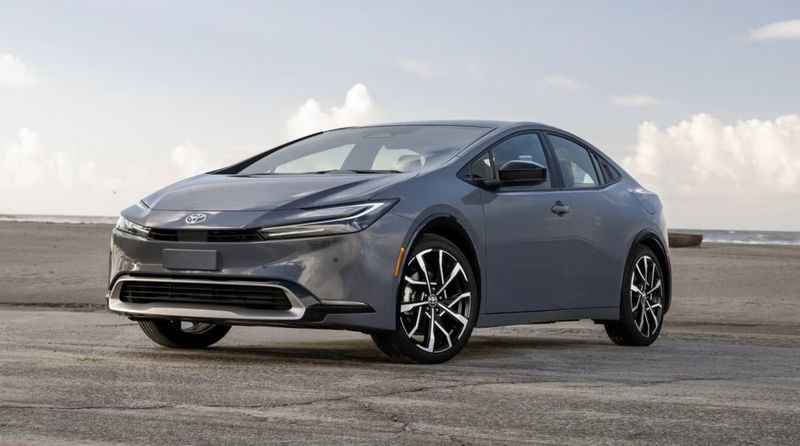
Toyota Prius: The Iconic Hybrid Choice
Overview and Key Features
The Toyota Prius is one of the most well-known hybrid cars. It combines a gasoline engine with an electric motor to reduce fuel consumption. Even older Prius models are popular because of their efficiency and proven hybrid system.
Fuel Economy and Hybrid Technology
The biggest advantage of the Prius is fuel savings. It uses significantly less fuel than traditional cars, especially in city driving. Toyota’s hybrid technology is also known for being reliable, which helps reduce concerns about long-term ownership.
Pros
- Excellent fuel economy
- Reliable hybrid system
- Lower fuel costs over time
- Ideal for city driving
Cons
- Higher upfront price than similar gas cars
- Battery replacement can be expensive (though rare)
- Less powerful and not performance-focused
Best For
Drivers who want to save on fuel costs, especially those who drive frequently in the city or have long daily commutes.
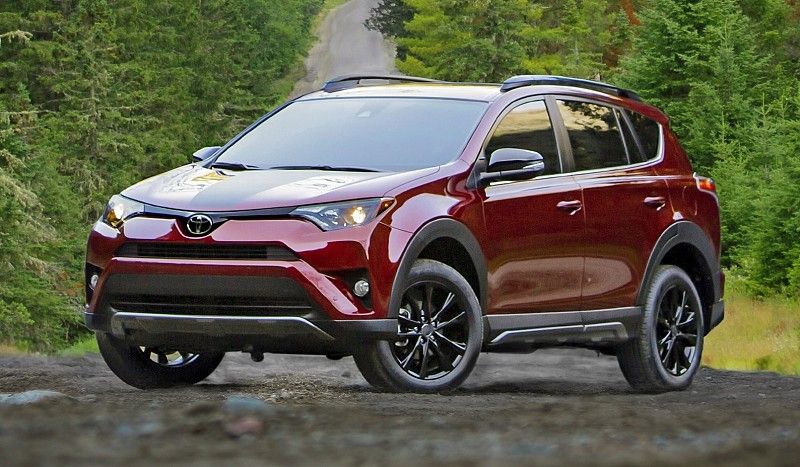
Toyota RAV4: The Most Popular Toyota SUV
Overview and Key Features
The Toyota RAV4 is one of the best-selling SUVs for a reason. It offers a strong balance of size, comfort, and reliability. It’s not too big, not too small—making it a practical choice for everyday use. Many used RAV4 models come with features like all-wheel drive, good cargo space, and modern safety systems.
Practicality and Fuel Efficiency
The RAV4 is built for real life. It has enough room for groceries, luggage, or even small furniture. At the same time, it remains fuel-efficient compared to larger SUVs. This makes it a great option if you want extra space but still care about fuel costs.
Pros
- Reliable and widely available
- Good balance between size and efficiency
- Optional all-wheel drive
- Strong resale value
Cons
- More expensive than sedans
- Not as fuel-efficient as compact cars
- Base models can feel basic
Best For
Drivers who want a practical SUV for daily use, small families, or occasional road trips.
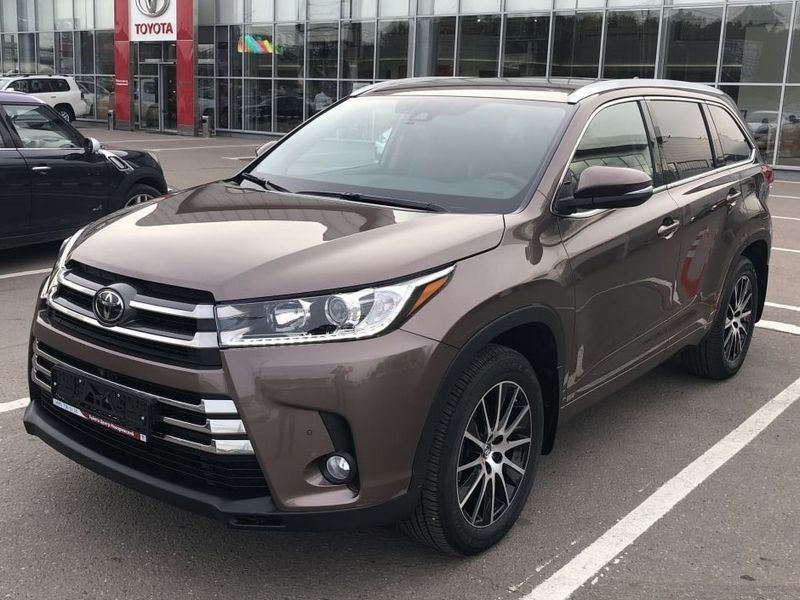
Toyota Highlander: Family-Friendly Midsize SUV
Overview and Key Features
The Toyota Highlander is a larger SUV designed with families in mind. It offers three rows of seats, more interior space, and a smoother ride. Many models come with advanced safety features and comfort upgrades, making it a solid choice for long-term ownership.
Space, Comfort, and Safety
The Highlander stands out for its interior space. You can fit multiple passengers comfortably, along with plenty of cargo. It’s also built with safety in mind, often including driver assistance features even in used models. For families, this adds a lot of value.
Pros
- Spacious interior with three rows
- Comfortable ride quality
- Strong safety features
- Reliable for long-term use
Cons
- Higher purchase price
- More expensive to maintain than smaller cars
- Lower fuel efficiency
Best For
Families or buyers who need extra space for passengers, road trips, or daily school runs.
Toyota Land Cruiser: Legendary Off-Road Capability
Overview and Key Features
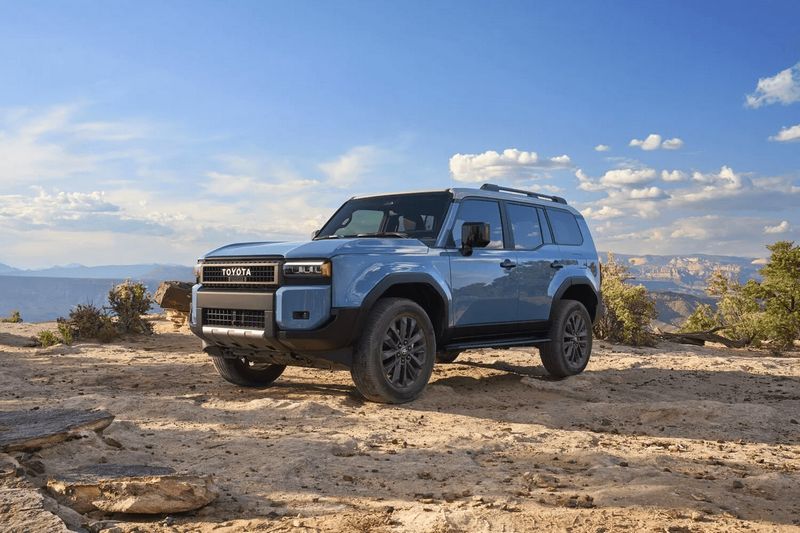
The Toyota Land Cruiser is known worldwide for its durability and off-road strength. It’s built to handle tough conditions, from rough terrain to extreme weather. Even older models are highly respected for their build quality and long lifespan.
Durability and Off-Road Performance
This SUV is designed to go where most vehicles can’t. It has powerful engines, strong suspension, and advanced four-wheel-drive systems. If you live in an area with плохие дороги, snow, or off-road conditions, the Land Cruiser can handle it with ease.
Pros
- Extremely durable and long-lasting
- Excellent off-road capability
- High-quality build
- Strong reputation worldwide
Cons
- Expensive to buy, even used
- High fuel consumption
- Higher maintenance costs
Best For
Buyers who need a tough, reliable SUV for off-road driving, harsh conditions, or long-term durability.
Toyota Tundra: Full-Size Power and Capability
Overview and Key Features
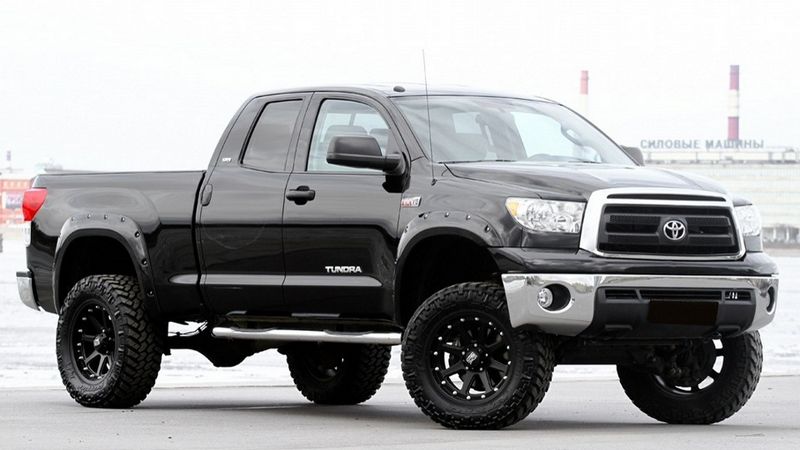
The Toyota Tundra is a full-size pickup truck built for heavy-duty tasks. It’s known for its strong engine options, durable frame, and long-term reliability. Even older Tundra models are valued for their ability to handle tough jobs without constant repairs.
Towing and Engine Performance
The Tundra is designed for power. It can tow trailers, boats, and heavy equipment with ease. If you need a vehicle for work or hauling, this is where it stands out. The engines are strong and built to last, though they do consume more fuel than smaller vehicles.
Pros
- Powerful engines and high towing capacity
- Durable and long-lasting
- Good for work and heavy use
- Strong reputation for reliability
Cons
- High fuel consumption
- Expensive compared to smaller vehicles
- Large size makes city driving harder
Best For
Buyers who need a reliable truck for work, towing, or heavy-duty use.
Toyota GR Supra: Performance and Driving Fun
Overview and Key Features
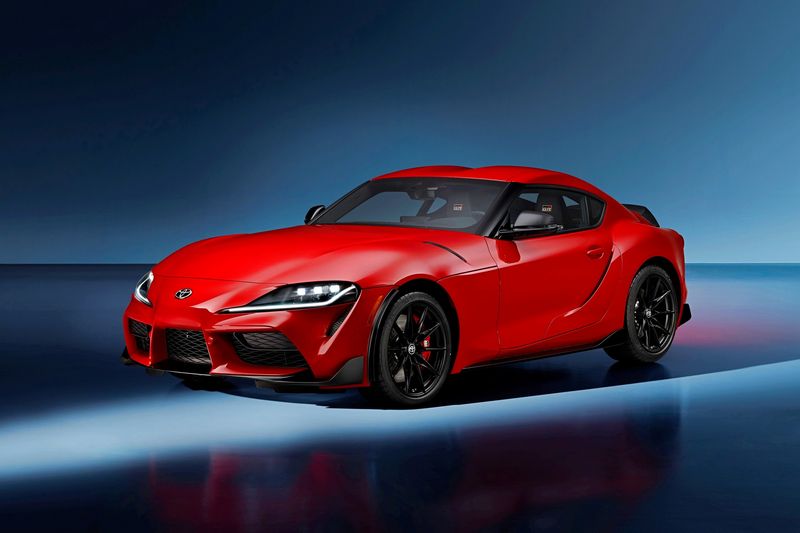
The Toyota GR Supra is a sports car focused on performance and driving enjoyment. It’s very different from typical Toyota models, offering a sleek design, powerful engine, and sporty handling. While not the most practical option, it delivers excitement behind the wheel.
Engine Performance and Handling
The Supra is built for speed and agility. It accelerates quickly, handles corners well, and feels responsive on the road. This makes it ideal for drivers who want more than just basic transportation.
Pros
- Strong performance and acceleration
- Sporty design and driving feel
- High-quality interior
- Fun to drive
Cons
- Expensive to buy and maintain
- Not practical for daily needs
- Limited cargo and passenger space
Best For
Drivers who want a fun, performance-focused car and are willing to sacrifice practicality.
Toyota Yaris: Compact and Budget-Friendly City Car
Overview and Key Features
The Toyota Yaris is one of the most affordable cars in the lineup. It’s small, simple, and easy to drive. For budget buyers, it’s often one of the cheapest ways to get a reliable Toyota.
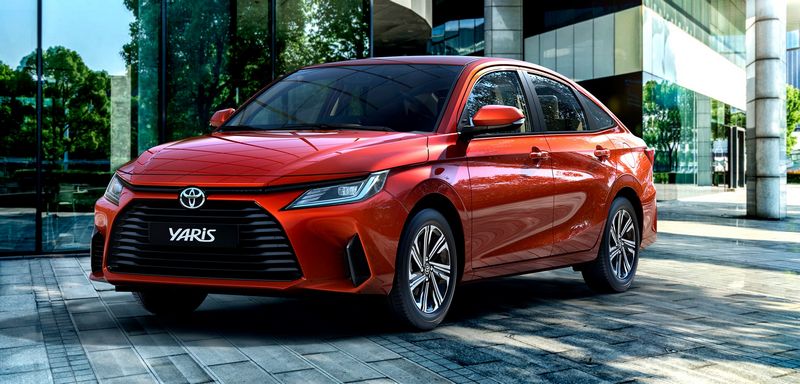
Fuel Efficiency and Affordability
The Yaris stands out for its low fuel consumption and low purchase price. It’s cheap to run and maintain, making it a great option if you’re trying to minimize expenses. Insurance costs are usually lower as well.
Pros
- Very affordable purchase price
- Excellent fuel economy
- Easy to park and drive in the city
- Low maintenance costs
Cons
- Limited interior space
- Basic features
- Less power for highway driving
Best For
City drivers and first-time buyers looking for a cheap, reliable, and easy-to-own car.
Toyota C-HR: Stylish Urban Crossover
Overview and Key Features
The Toyota C-HR is a compact crossover with a unique design. It stands out visually compared to other Toyota models and is built mainly for urban driving. It offers a higher seating position than a sedan but remains compact.
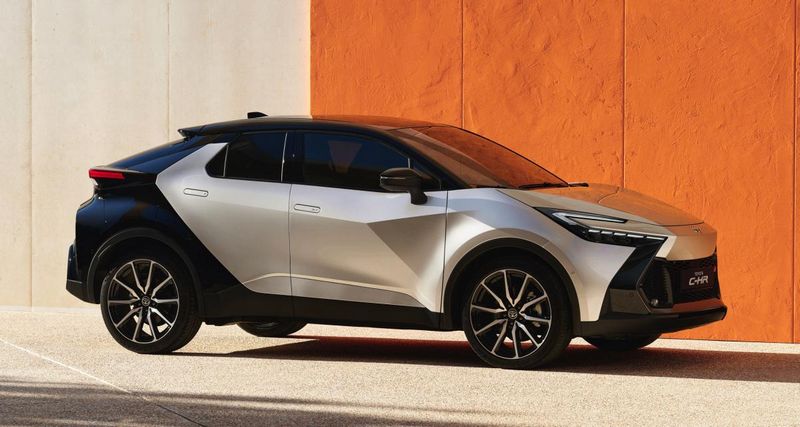
Design and City Driving Comfort
The C-HR is ideal for city life. It’s easy to maneuver, comfortable in traffic, and offers decent visibility. While it doesn’t have the space of larger SUVs, it works well for daily commuting and short trips.
Pros
- Stylish and modern design
- Easy to drive in the city
- Comfortable ride for daily use
- Good safety features
Cons
- Limited rear visibility
- Smaller cargo space
- Not suitable for off-road use
Best For
Urban drivers who want a compact crossover with a modern look and practical daily usability.
Buy at Auction Without Overpaying
Auction prices can be lower—but only if you know how to bid correctly. With BidNDrive, you get access to dealer-only auctions and support to help you stay within budget, avoid emotional bidding, and calculate the true total cost before you commit.
- ✅ Access to IAA and other major U.S. auctions
- ✅ Clear breakdown of fees before bidding
- ✅ Support with bidding strategy and limits
- ✅ Help calculating total purchase cost
Are Used Toyota Cars Worth Buying?
For many budget buyers, used Toyota cars are one of the safest choices on the market. They combine reliability, affordability, and long-term value. But like any used vehicle, they are not perfect. Understanding both the benefits and potential risks will help you make a smarter decision—especially if you’re buying through an auction.
Advantages of Buying Used Toyota Models
The biggest advantage is reliability. Toyota vehicles are known for lasting a long time, even with high mileage. This means you can buy an older car and still expect years of use.
Another major benefit is lower ownership cost. Maintenance is usually affordable, and parts are easy to find. You don’t need a large budget to keep the car running.
Depreciation also works in your favor. A used Toyota has already lost most of its value, so you avoid the steep price drop that comes with new cars. For example, instead of paying a premium for a brand-new vehicle, you can get a reliable used model for much less—and still enjoy similar performance for daily driving.
Common Issues to Watch For
Even though Toyotas are reliable, used cars can still have problems. The most common issues are related to wear and tear. High-mileage vehicles may need suspension work, brake replacements, or minor engine repairs.
Another thing to check is maintenance history. A poorly maintained Toyota can still become expensive. For example, skipped oil changes or neglected repairs can lead to bigger issues over time.
If you’re buying from an auction, be extra careful. Some vehicles may have hidden damage or past accidents. Always review the vehicle history report and, if possible, get an inspection before buying.
Best Mileage Range for Used Toyotas
Toyota cars can handle high mileage, but choosing the right range can help you avoid extra costs.
A good balance for most buyers is between 60,000 and 120,000 miles. Cars in this range are usually more affordable than low-mileage options, but still have plenty of life left.
Lower mileage cars (under 60,000 miles) are often more expensive but may require fewer repairs in the short term. On the other hand, very high mileage vehicles (over 150,000 miles) can still be reliable, but you should be prepared for more frequent maintenance.
Tips for Buying a Used Toyota at Auction
Buying a Toyota at an auto auction can save you a significant amount of money—but only if you approach it the right way. Auctions move fast, and it’s easy to make costly mistakes if you’re not prepared. The goal is simple: find a reliable car at a lower price without taking unnecessary risks.
Why Auctions Offer Better Prices
Cars at auctions are often cheaper than dealership prices. This is because many vehicles come from lease returns, trade-ins, or insurance companies. Dealers buy from the same auctions and then resell at a higher price—so when you buy directly, you skip that markup.
For example, you might find a Toyota that would cost $10,000 at a dealership listed for several thousand less at auction. That price difference is where your savings come from. However, lower prices also mean you need to do more research on your own.
How to Check Vehicle History
Before placing a bid, always check the vehicle history report. This will tell you important details like previous accidents, title status, mileage records, and ownership history.
If you see red flags—such as major accidents, flood damage, or inconsistent mileage—it’s better to walk away. A cheap price doesn’t mean a good deal if the car has serious hidden problems.
Also, look for signs of regular maintenance. A well-documented service history is often a good indicator that the car was properly cared for.
What to Inspect Before Buying
If possible, inspect the vehicle carefully before bidding. Even if you can’t see the car in person, review all available photos and condition reports.
Pay attention to key areas:
- Engine condition and any visible leaks
- Signs of body damage or poor repairs
- Tire wear and suspension condition
- Interior condition (heavy wear can indicate rough use)
For example, uneven tire wear might suggest alignment or suspension issues. Small details like this can lead to bigger repair costs later.
Avoiding Common Auction Mistakes
One of the biggest mistakes is bidding without a clear limit. It’s easy to get caught up in the moment and overpay. Always set a maximum budget and stick to it.
Another common issue is ignoring additional costs. Auction fees, transportation, and possible repairs can quickly add up. Make sure you factor everything into your total budget before bidding.
Cost of Ownership for Toyota Cars
When buying a used Toyota, it’s important to consider the total cost of ownership, not just the purchase price. Even a reliable car can become expensive if fuel, maintenance, insurance, or depreciation aren’t accounted for. Understanding these factors helps you choose a model that fits your budget and keeps long-term expenses low.
Fuel Costs and Efficiency
One of the biggest ongoing expenses is fuel. Toyota cars are known for their efficiency, which helps budget-conscious buyers save a lot over time.
Sedans like the Corolla and Camry typically offer excellent mileage for daily commuting, while hybrids such as the Prius can reduce fuel costs even further. Even small SUVs like the RAV4 are designed to balance space with fuel economy.
For example, if you drive 15,000 miles per year, a Corolla that gets 30 mpg will cost roughly half as much in fuel as a larger, less-efficient SUV. Choosing the right model based on your driving habits can make a noticeable difference in your monthly budget.
Maintenance and Repairs
Toyotas are famous for low maintenance costs. Routine services such as oil changes, brakes, and tire rotations are affordable, and parts are widely available. This is especially helpful for budget buyers who want a dependable car without breaking the bank.
Even when repairs are needed, Toyota’s simple and proven engineering often keeps costs lower than other brands. For example, replacing a water pump or alternator on a Corolla is usually straightforward and cheaper than on many European vehicles.
Buying a used Toyota with a good service history further reduces unexpected costs. A well-maintained car often lasts longer and avoids expensive repairs down the road.
Insurance and Depreciation
Insurance for Toyotas tends to be reasonable because they are safe, reliable, and inexpensive to repair. Models like the Yaris or Corolla are particularly budget-friendly for insurance, while high-performance or larger vehicles may cost a bit more.
Depreciation is another factor to consider. While new cars lose value quickly, used Toyotas have already gone through the steepest part of depreciation. This means you can buy a reliable vehicle at a fraction of the new price and lose less value over the next few years.
For instance, a 3- to 5-year-old Camry can offer almost all the benefits of a new car but cost thousands less, making it an excellent option for buyers who want reliability without overspending.
Final Thoughts: Which Toyota Is the Best for You?
Choosing the right Toyota ultimately depends on your lifestyle, budget, and driving needs. If you’re looking for a reliable daily driver that’s affordable to maintain, the Corolla or Yaris are excellent choices. They offer great fuel efficiency, low ownership costs, and a proven track record of longevity.
For those who want a bit more comfort and space for family or long-distance driving, the Camry or Highlander provide a smooth ride, safety features, and room for passengers and cargo. SUVs like the RAV4 or Highlander also give you versatility for weekend trips or carrying sports gear.
If you’re focused on fuel savings and eco-friendly driving, the Prius or other hybrid options stand out. These cars combine Toyota reliability with hybrid efficiency, making them perfect for city commuting or long highway drives without breaking the budget at the pump.
For buyers who crave adventure or performance, the Land Cruiser or GR Supra deliver specialized experiences—whether it’s off-road capability or thrilling handling—but they typically come at a higher price and maintenance commitment.
Ultimately, the best Toyota for you balances reliability, budget, and your specific driving needs. By considering factors like fuel efficiency, maintenance, space, and resale value, you can find a used Toyota that not only fits your lifestyle but also saves you money in the long run.
Find Your Toyota at the Right Price
Whether you’re looking for a Corolla, Camry, or RAV4, the best deals are often found at auctions—not dealerships. With BidNDrive, you can browse thousands of vehicles, check real history data, and buy directly without paying dealer markups.
- ✅ 200,000+ vehicles available across U.S. auctions
- ✅ Free access to auction inventory
- ✅ No dealer license required to start
- ✅ Full support from selection to purchase
Further Reading:
Top 10 Used Cars You Can Buy for Under $3,000 in 2026
5 Reliable Cars to Buy from Online Car Auctions for Less
Best Used Cars Under $5,000: Smart Picks for Budget Buyers
5 Best Used Cars for City Driving That Fit Your Budget
Frequently Asked Questions
- What is Toyota's most reliable car?
- Which is Toyota's most successful car?
- Is Toyota or Nissan best?
- Who is better, Toyota or Ford?