


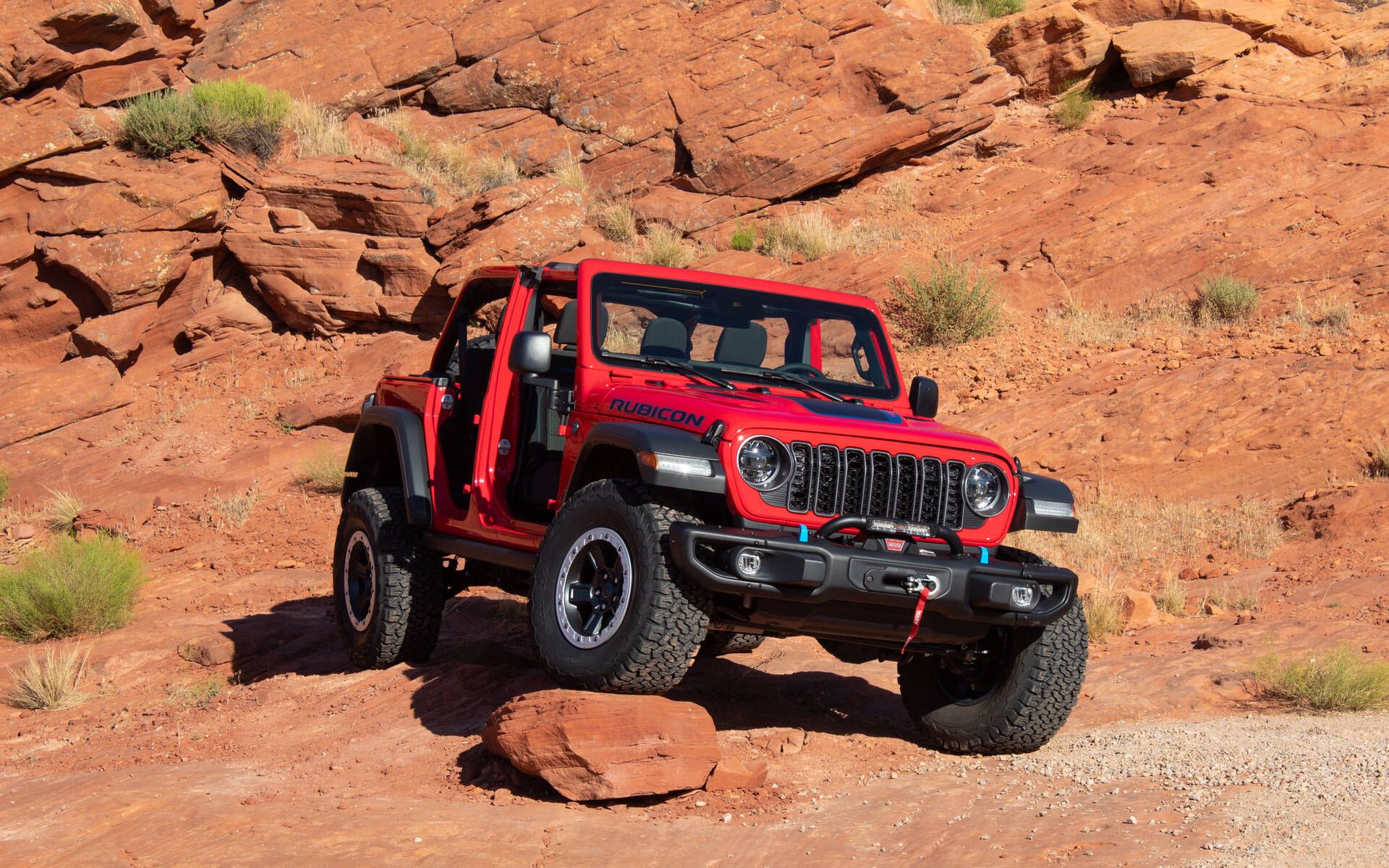
Are you considering buying a salvage Jeep Wrangler from an auction? This guide is here to help you navigate the exciting yet challenging world of salvage vehicles. From understanding the benefits of purchasing a salvage title Wrangler to assessing damage and finding the best auctions, we cover it all. Whether you're a first-time buyer or a seasoned enthusiast, this article will equip you with essential tips and insights to make an informed purchase, ensuring you get the most value for your investment. Get ready to hit the road with your dream Jeep!
Why is the Jeep Wrangler a Popular Choice?
The Jeep Wrangler has built a strong reputation as one of the most beloved vehicles in America, and for good reason. Known for its safety, reliability, and versatility, the Wrangler appeals to a broad range of drivers, from urban commuters to rugged off-road enthusiasts. Let’s explore what makes this iconic vehicle a top choice for so many.
Safety and Reliability
When it comes to safety, the Jeep Wrangler stands out. It is designed with robust construction and advanced safety features that help protect occupants in various driving conditions. The high ground clearance and solid frame offer stability and confidence on both rough terrains and city streets. Furthermore, the Wrangler consistently receives favorable ratings in crash tests, earning it a reputation as a dependable vehicle for families and adventurers alike.
Many drivers appreciate the peace of mind that comes with owning a Jeep Wrangler. Its reliability is not just a marketing slogan; it’s backed by years of performance. Jeep’s dedication to engineering durable vehicles means that a well-maintained Wrangler can serve its owner for many years, making it a wise investment for those who value longevity.
Appeal to Diverse Audiences
The Jeep Wrangler’s appeal transcends demographics. Whether you’re a city dweller needing a practical car for daily commutes or an outdoor enthusiast looking for a vehicle that can tackle challenging terrains, the Wrangler fits the bill. Its unique combination of ruggedness and style attracts a wide range of buyers, including young professionals, families, and retirees.
In urban environments, the Wrangler’s compact design and agility allow it to navigate crowded streets and tight parking spaces with ease. Drivers love its ability to transform from a daily driver to an adventurous off-roader with just a few modifications or a simple change of tires. On the other hand, rural drivers appreciate the Wrangler’s off-road capabilities, making it an ideal choice for exploring trails, beaches, and mountains.
Versatility for Every Lifestyle
What truly sets the Jeep Wrangler apart is its remarkable versatility. The vehicle is built to adapt to various driving needs, seamlessly transitioning from city to country and back again. With its removable doors and roof, drivers can enjoy an open-air experience during warm months, making it perfect for summer road trips or weekend getaways.
Moreover, the Wrangler is equipped to handle a range of conditions. Whether you're driving on snow-covered roads, navigating muddy trails, or cruising down the highway, the Wrangler's four-wheel-drive system and powerful engine options provide the performance necessary to tackle any situation.
This adaptability has led to a loyal following among Jeep enthusiasts who love customizing their vehicles. From lift kits to all-terrain tires, the Wrangler can be personalized to meet individual preferences, enhancing both its aesthetic appeal and off-road capabilities. This culture of customization has created a vibrant community of owners who share tips, modifications, and experiences, further solidifying the Wrangler’s popularity.
What Are the Different Generations of the Jeep Wrangler?
The Jeep Wrangler has a rich history, with each generation bringing its own unique features and enhancements that cater to the evolving preferences of drivers. Since its debut, the Wrangler has become an icon of off-road capability and rugged design, appealing to both outdoor enthusiasts and everyday drivers. Here’s an overview of the different generations of the Jeep Wrangler, highlighting key features and selling points from the YJ to the current JL generation.
Jeep Wrangler YJ (1986-1995)
The first-generation Wrangler, known as the YJ, was introduced in 1986 and marked a significant departure from its predecessor, the Jeep CJ. The most noticeable change was the introduction of rectangular headlights, which helped modernize its appearance. The YJ maintained the classic Jeep character with its separate body and frame, offering solid off-road capabilities while improving on-road comfort.
Key features of the YJ included:
- Anti-Roll Bars: Enhanced stability and safety, especially during sharp turns.
- Improved Suspension: The YJ was equipped with a more refined suspension system, providing a smoother ride compared to earlier models.
- Powerful Engine Options: The introduction of the AMC inline 6-cylinder engine in 1991 provided increased horsepower and torque.
This generation successfully appealed to a wider audience by combining ruggedness with comfort, making it suitable for both off-road adventures and daily commutes.
Jeep Wrangler TJ (1997-2006)
The TJ generation, introduced in 1997, represented a redesign that incorporated feedback from previous models. The most notable change was the return to round headlights, which gave the Wrangler a more classic look. The TJ was built on a stiffer frame, enhancing its safety and stability on rough terrain.
Key features of the TJ included:
- Coil Spring Suspension: This provided a more comfortable ride and improved handling, especially off-road.
- Increased Interior Comfort: The TJ featured a more refined interior with better ergonomics and storage options.
- Removable Doors and Fold-Down Windshield: True to its heritage, the TJ maintained the Wrangler’s off-road-friendly features, allowing for an open-air driving experience.
The TJ became popular among off-road enthusiasts, solidifying the Wrangler’s reputation as a capable vehicle for adventure.
Jeep Wrangler JK (2007-2017)
The JK generation marked a significant evolution in the Wrangler's design and capabilities. Introduced in 2007, the JK featured a more spacious interior and the option of a four-door model, appealing to families and those needing extra cargo space.
Key features of the JK included:
- Four-Door Variant: The introduction of the Unlimited model expanded the Wrangler’s appeal, making it more practical for everyday use.
- Enhanced Safety Features: The JK came equipped with advanced safety technologies, including stability control and traction control, enhancing driver confidence on all terrains.
- Modern Technology: The JK featured updated infotainment systems, Bluetooth connectivity, and improved sound insulation, providing a more comfortable ride.
The JK generation combined traditional Jeep capabilities with modern comforts, attracting a diverse range of buyers.
Jeep Wrangler JL (2018-Present)
The current generation, the JL, was unveiled in 2018 and represents the most advanced Wrangler to date. It retains the classic Jeep look while incorporating modern technology and performance enhancements that meet the needs of today’s drivers.
Key features of the JL include:
- Improved Fuel Efficiency: The JL offers a more efficient engine lineup, including a turbocharged four-cylinder option, improving fuel economy without sacrificing power.
- Advanced Technology: Features such as an available 8.4-inch touchscreen infotainment system, smartphone integration, and safety technologies like blind-spot monitoring and adaptive cruise control are standard in newer models.
- Enhanced Off-Road Capabilities: The JL boasts improved suspension systems and options for more advanced four-wheel-drive configurations, making it one of the most capable off-road vehicles available today.
This generation has been designed with the modern driver in mind, balancing rugged off-road performance with everyday usability.
How Does the Market Demand Affect Salvage Jeep Wrangler Prices?
The market for vehicles is constantly influenced by various factors, including supply and demand dynamics. This relationship plays a significant role in determining the prices of salvage Jeep Wranglers. Understanding how market demand affects these prices can help potential buyers make informed decisions when considering a salvage title vehicle.
The Relationship Between Demand for New Vehicles and Salvage Titles
In recent years, the demand for new vehicles has been on the rise, driven by factors such as economic growth, increased consumer confidence, and evolving automotive technology. When new vehicle sales increase, it often leads to a corresponding shift in the used car market. As more buyers opt for new vehicles, the availability of used cars, including salvage vehicles, may decline.
This is particularly relevant for the Jeep Wrangler, a vehicle known for its iconic design and off-road capabilities. When demand for new Wranglers is high, potential buyers of used Wranglers—especially those on a budget—may turn to salvage vehicles as a more affordable alternative. Consequently, this shift can affect the prices of salvage Jeep Wranglers.
Affordability of Salvage Wranglers Compared to Used Counterparts
One of the primary reasons buyers consider salvage titles is the significant cost savings they offer. Salvage Jeep Wranglers, which have been previously declared as a total loss by insurance companies due to accidents, floods, or other damages, are often available at much lower prices compared to their used counterparts. Here’s how the affordability factor plays out:
-
Lower Initial Cost: Salvage vehicles are typically priced 20% to 40% lower than similar used vehicles without salvage titles. This price difference can make a salvage Jeep Wrangler an attractive option for budget-conscious buyers who still want the ruggedness and style of a Wrangler.
-
Potential for Restoration: Many salvage Wranglers may only require minor repairs to return them to roadworthy condition. Savvy buyers can invest in repairs and upgrades, ultimately creating a customized vehicle that meets their specific needs, all while keeping costs down.
-
Market Sentiment: While there can be a stigma associated with salvage titles, the growing acceptance of these vehicles has led to an increase in demand. As more buyers recognize the value of salvage titles, prices can stabilize or even increase, depending on market conditions.
Impact of Economic Trends
Economic factors, such as inflation, interest rates, and fuel prices, also impact the demand for both new and used vehicles, including salvage Wranglers. For example:
-
Economic Downturns: During economic recessions, consumers may be less willing to invest in new vehicles, leading to increased interest in used and salvage cars as more affordable alternatives. This spike in demand can raise salvage Wrangler prices, even amidst economic challenges.
-
Fuel Prices: Fluctuating fuel prices can influence consumer preferences. If gas prices rise, buyers may seek more fuel-efficient vehicles, which could shift some interest away from traditional SUVs like the Wrangler. Conversely, if fuel prices stabilize or drop, interest in rugged, versatile vehicles may surge, impacting demand for salvage Wranglers.
What Should You Consider Before Buying a Salvage Jeep Wrangler at Auction?
Purchasing a salvage Jeep Wrangler at an auction can be an exciting opportunity to own a rugged and versatile vehicle at a reduced price. However, navigating the salvage market requires careful consideration and research to ensure that you make a sound investment. Here are some essential factors to keep in mind before bidding on a salvage Jeep Wrangler.
1. Budgeting for Repairs
When buying a salvage Jeep Wrangler, it's crucial to understand that the purchase price is only part of the total investment. Salvage vehicles often come with hidden costs related to repairs and restoration. Here are some budgeting considerations:
-
Repair Estimates: Before you place a bid, obtain repair estimates for the specific damages reported on the vehicle. Look for a trusted mechanic who has experience with Jeep Wranglers to assess the extent of repairs needed. This assessment will help you understand the total cost involved.
-
Parts Availability: Consider the availability and cost of replacement parts. While many parts for Jeep Wranglers are widely available due to the vehicle's popularity, certain components might be harder to find or more expensive. Research whether you can source these parts easily to keep your repair costs manageable.
-
Tools and Labor: If you plan to do some repairs yourself, factor in the cost of tools and materials. If you are hiring professionals, ensure you have quotes for labor costs to get a realistic picture of the overall expenditure.
2. Identifying the Right Model
The Jeep Wrangler has undergone several generations, each with unique features and specifications. Identifying the right model that meets your needs and budget is critical. Here are some points to consider:
-
Model Variations: Familiarize yourself with the different Wrangler models, from the classic CJ to the current JL generation. Each model has distinct characteristics, such as engine types, comfort features, and safety enhancements. Understanding these differences can help you choose a model that fits your preferences.
-
Usage Needs: Consider how you plan to use your Jeep Wrangler. If you intend to use it for off-roading, prioritize models with off-road capabilities. If your primary use is daily commuting, look for features that enhance comfort and fuel efficiency.
-
Resale Value: Some Wrangler models retain their value better than others. If you plan to resell the vehicle in the future, consider models with a strong resale history. The popularity of certain generations may also impact demand in the used car market.
3. Understanding the Extent of Damage
A thorough understanding of the extent of damage is essential when considering a salvage Jeep Wrangler. Not all salvage vehicles are created equal, and the type and severity of damage can vary significantly. Here are key aspects to assess:
-
Inspection Reports: Obtain a detailed inspection report that outlines the specific damages the vehicle has sustained. Look for damages related to the frame, engine, and structural components, as these can be costly and complex to repair.
-
Type of Damage: Understand the cause of the salvage title. Vehicles with flood damage may have electrical issues, while those involved in accidents could have frame or body damage. Different types of damage may require varying levels of expertise and resources to repair.
-
Test Drive: If possible, arrange to inspect and test drive the Jeep Wrangler before the auction. This firsthand experience can provide valuable insights into the vehicle's overall condition and performance.
How Can You Assess the Damage of a Salvage Jeep Wrangler?
Assessing the damage of a salvage Jeep Wrangler is a critical step in determining whether the vehicle is a worthwhile investment. Understanding the extent of damage can help you gauge repair costs and potential issues down the line. Here’s a comprehensive guide on evaluating the severity of damage, focusing on key areas like frame integrity, undercarriage condition, and necessary mechanical repairs.
1. Frame Integrity
The frame of a Jeep Wrangler is crucial to its overall safety and performance. A compromised frame can lead to significant safety hazards and expensive repairs. Here’s how to assess frame integrity:
-
Visual Inspection: Start with a thorough visual inspection of the frame. Look for any visible bends, cracks, or rust. Pay special attention to weld points and joints, as these areas can be weak spots if damaged.
-
Frame Measurements: If possible, use a tape measure to check for any discrepancies in frame alignment. A misaligned frame can indicate that the vehicle has been in a serious accident. Comparing measurements from both sides of the vehicle can help you identify any issues.
-
Professional Evaluation: For a more in-depth assessment, consider taking the Jeep to a certified mechanic who specializes in bodywork. They can perform a frame alignment test and give you a better idea of the frame's condition.
2. Undercarriage Condition
The undercarriage of a Jeep Wrangler is exposed to various elements, particularly if the vehicle has been used for off-roading. Damage to this area can affect the vehicle's performance and safety. Here’s how to evaluate the undercarriage:
-
Visual Inspection: Use a flashlight to inspect the undercarriage for signs of rust, corrosion, or damage. Look for any hanging components, such as exhaust parts or suspension elements, which could indicate previous accidents or rough use.
-
Check for Leaks: Look for any signs of fluid leaks, including oil, transmission fluid, or coolant. Leaks can be indicative of significant issues within the engine or transmission systems, which can be costly to repair.
-
Suspension and Drivetrain: Inspect the suspension components and drivetrain for wear and tear. Look for any broken or worn-out parts, such as shocks, springs, and axles. A thorough check of these elements will help you understand the vehicle’s overall condition.
3. Mechanical Repairs Needed
Understanding the mechanical condition of the Jeep Wrangler is essential for assessing its overall viability. Here’s how to evaluate the mechanical repairs that may be necessary:
-
Engine and Transmission Check: Start the engine and listen for any unusual sounds, such as knocking or grinding. Pay attention to how the engine idles and accelerates. If possible, have a mechanic perform a diagnostic check to identify any error codes or issues with the engine or transmission.
-
Brake System Inspection: Inspect the brake components, including rotors, pads, and lines. A compromised braking system can lead to safety hazards, so it’s essential to evaluate its condition thoroughly.
-
Electrical System Evaluation: Check the electrical system, including lights, indicators, and battery condition. Make sure all electrical components are functioning properly, as repairs in this area can be intricate and costly.
-
Test Drive: If possible, take the Jeep for a test drive. Pay attention to how it handles, brakes, and accelerates. Any unusual behavior during the drive may indicate underlying mechanical issues that need addressing.
Why is Vehicle History Important When Buying a Salvage Jeep?
When it comes to purchasing a salvage Jeep, understanding the vehicle's history is crucial. This is particularly true for models like the Jeep Wrangler, which are often used for off-roading and adventure. The vehicle's history can provide valuable insights that impact both the restoration process and the overall safety and reliability of the vehicle. Here’s why checking a Jeep Wrangler’s history is essential, especially for those that have endured tough terrains and conditions.
1. Understanding Previous Damage
A salvage title typically indicates that the vehicle has been declared a total loss by an insurance company due to significant damage. However, the specifics of that damage can vary widely. By reviewing the vehicle's history report, you can uncover details about:
-
Accident Reports: Knowing the type and extent of previous accidents can help you assess whether the damage was structural or cosmetic. Structural damage can affect the frame integrity, while cosmetic damage might be less of a concern.
-
Previous Repairs: Understanding what repairs were performed and whether they were completed by professionals or DIY enthusiasts can inform you about the quality of the restoration. Poorly done repairs may lead to future issues.
-
Off-Road Usage: Many Jeep Wranglers are used for off-roading, which can result in wear and tear not typically associated with regular driving. If the history report indicates that the vehicle was frequently taken off-road, it’s essential to consider how that usage could impact its current condition.
2. Impact on Restoration Plans
The vehicle history can significantly influence your restoration plans. Knowing the Jeep’s past can help you make informed decisions about what repairs are necessary and which upgrades will be beneficial:
-
Identifying Weak Points: A detailed history can reveal common issues that other owners have faced with similar vehicles. This knowledge can help you focus your restoration efforts on areas that need attention, ensuring you address potential weak points proactively.
-
Budgeting for Repairs: Understanding the history of damage can help you estimate repair costs more accurately. For example, if the vehicle has sustained severe damage in the past, you may need to budget more for repairs or upgrades than if it had only minor cosmetic issues.
-
Parts Availability: If you know the specific model and year of the Jeep, you can research the availability of parts for any necessary repairs or modifications. A comprehensive history can also highlight if any aftermarket parts were previously installed, which may affect your options for restoration.
3. Assessing Safety and Reliability
A thorough vehicle history can help you gauge the safety and reliability of the salvage Jeep Wrangler you’re considering. This is especially important given that off-road vehicles can face unique challenges:
-
Recalls and Safety Issues: By checking the vehicle's history, you can identify any recalls that may have been issued for that model year. Ensuring that any necessary recall repairs were completed can help you avoid safety hazards down the road.
-
Maintenance Records: If available, maintenance records can provide insight into how well the vehicle was cared for by previous owners. A well-maintained Jeep is likely to be more reliable, while a lack of maintenance could indicate potential future problems.
-
Inspection for Red Flags: If the vehicle has a history of multiple accidents, frequent repairs, or off-road damage, it may not be the best candidate for purchase. Knowing these red flags can save you from making a regrettable investment.
How Do You Repair a Jeep Wrangler with a Salvage Title?
Buying a Jeep Wrangler with a salvage title can be an exciting opportunity for budget-conscious buyers, but it also comes with its share of responsibilities. Repairing a salvage Jeep requires a keen understanding of the vehicle's structure and mechanics. Here, we’ll outline the critical areas of focus for repairs, ensuring you can restore your Wrangler to optimal condition while prioritizing safety and performance.
1. Frame Inspection and Repair
The frame is the backbone of any vehicle, and this is especially true for off-road vehicles like the Jeep Wrangler.
-
Importance: A damaged frame can compromise the vehicle's structural integrity and safety. It's crucial to inspect for bends, cracks, or signs of previous repairs.
-
Repair Tips: If you discover frame damage, consider taking the vehicle to a professional frame shop. They can assess whether repairs can be made or if a replacement is necessary. Make sure to document all repairs, as this will be vital for future resale and insurance purposes.
2. Undercarriage Assessment
The undercarriage of a Jeep Wrangler is often exposed to harsh conditions, especially if it has been used for off-roading.
-
Importance: This area is susceptible to rust, damage from rocks, and debris. Assessing the undercarriage is essential for both safety and performance.
-
Repair Tips: Inspect for signs of rust or damage to critical components like the fuel tank, exhaust system, and suspension parts. Rust can often be treated with rust-inhibiting products, but severe damage may require replacement parts. Additionally, consider applying undercoating to protect against future corrosion.
3. Modifications
Many Jeep Wranglers come with aftermarket modifications that enhance their off-road capability. However, these modifications can also pose repair challenges.
-
Importance: Assessing the quality and condition of modifications is crucial to ensure they’re safe and functional.
-
Repair Tips: Check that modifications, such as lift kits, winches, or off-road tires, are installed correctly and don’t compromise the vehicle’s safety. If you're unsure, consult a professional mechanic who specializes in Jeep modifications. Be prepared to remove or replace any poorly installed aftermarket parts.
4. Leaks and Fluid Levels
Leaking fluids can indicate serious issues that need immediate attention. Common areas to check include the engine, transmission, and differentials.
-
Importance: Addressing leaks promptly can prevent more extensive damage and costly repairs down the line.
-
Repair Tips: Inspect all fluid levels regularly and look for signs of leaks. If you find any leaks, identify the source before proceeding with repairs. Common culprits include gaskets, seals, and hoses that may need replacement.
5. Tire Condition and Alignment
Tires play a crucial role in your Jeep's performance, especially when tackling rough terrain.
-
Importance: Damaged or worn tires can affect handling and safety. Proper alignment is also necessary for optimal performance.
-
Repair Tips: Inspect tire tread for wear and check for any visible damage like cuts or bulges. Ensure the tires are appropriately inflated and consider replacing them if they show signs of excessive wear. After any repairs or modifications, always have the vehicle's alignment checked to ensure smooth driving.
6. Rust Treatment
Rust is a common issue for older vehicles, especially those used off-road.
-
Importance: Rust can weaken structural components and lead to more significant issues if not addressed.
-
Repair Tips: Inspect the body panels, frame, and undercarriage for rust spots. Small areas of surface rust can often be treated with sandpaper and rust-inhibiting paint. For larger rust issues, you may need to cut out the affected area and weld in new metal or replace entire panels. Consider applying a rustproofing treatment after repairs to help prevent future rust issues.'
Can You Insure a Salvage Title Jeep Wrangler?
Insuring a Jeep Wrangler with a salvage title can present unique challenges compared to insuring a vehicle with a clean title. While it is possible to obtain coverage, there are several factors to consider, including the types of insurance available, the implications for resale, and potential limitations on coverage.
1. Understanding Salvage Titles
A salvage title indicates that a vehicle has been deemed a total loss by an insurance company due to significant damage from an accident, theft, or other incidents. While salvage vehicles can often be repaired and returned to the road, the title status affects their insurability and overall value.
2. Challenges of Insuring a Salvage Title Jeep Wrangler
-
Limited Coverage Options: Not all insurance companies offer full coverage for salvage title vehicles. Many insurers provide only liability coverage, which protects against damage you may cause to others but does not cover your own vehicle in the event of an accident. Some companies may offer limited comprehensive or collision coverage, but this is often subject to strict underwriting guidelines.
-
Higher Premiums: Insurers may charge higher premiums for salvage vehicles due to the increased risk associated with covering a vehicle that has a history of significant damage. This is especially true for models like the Jeep Wrangler, which are often used for off-roading and may be more prone to accidents.
-
Valuation Concerns: Insurers typically determine the value of a salvage title vehicle based on its pre-damage condition, which can be significantly lower than its repaired value. If you need to file a claim, the payout may not reflect the amount you invested in repairs, leading to potential financial loss.
3. Options for Existing Clients
If you already have an insurance policy with a provider, reaching out to them can provide more insight into your options.
-
Discussing Policy Changes: Some insurers may allow you to add a salvage title vehicle to your existing policy, especially if you’ve built a good relationship with them over time. They may offer more flexible terms or lower premiums than new clients seeking coverage for a salvage vehicle.
-
Specialized Insurers: Consider contacting companies that specialize in insuring salvage title vehicles. These insurers may have more experience and willingness to provide coverage tailored to the unique circumstances surrounding salvage titles.
4. Implications for Resale
When it comes to selling a Jeep Wrangler with a salvage title, insurance considerations can also impact potential buyers.
-
Buyer Hesitation: Many buyers may be hesitant to purchase a vehicle with a salvage title, especially if they plan to finance the purchase. Lenders typically require full coverage insurance, which may be hard to obtain for salvage vehicles. This can limit your pool of potential buyers.
-
Disclosure Requirements: When reselling a salvage title vehicle, you are legally obligated to disclose its title status to potential buyers. This can affect the vehicle's market value and lead to a lower selling price compared to similar vehicles with clean titles.
-
Potential for Rebuilt Title: If you successfully repair the Jeep and pass the necessary inspections, you might be able to apply for a rebuilt title. A rebuilt title indicates that the vehicle has been restored to a roadworthy condition and may open up additional options for insurance and resale. However, buyers may still be cautious and may request detailed documentation of the repairs performed.
How Can Salvage Auctions Provide Affordable Parts for Jeep Wranglers?
Salvage auctions have become a valuable resource for Jeep Wrangler enthusiasts and owners seeking affordable parts. Whether you’re looking to repair, modify, or restore your vehicle, these auctions can offer a wealth of options at significantly lower prices compared to traditional retail outlets. Here’s a closer look at how buyers can benefit from salvage auctions for Jeep Wrangler parts and the potential cost savings involved.
1. Access to a Wide Range of Parts
Salvage auctions typically feature vehicles that have been damaged in accidents or other incidents. Many of these vehicles, including Jeep Wranglers, are still equipped with usable parts. Buyers can find everything from:
- Body Panels: Fenders, doors, hoods, and bumpers that can be repaired or repainted to match your Wrangler.
- Mechanical Components: Engines, transmissions, axles, and suspension parts that are often still in good working condition.
- Interior Features: Seats, dashboards, and other interior components that can enhance the aesthetics and functionality of your Jeep.
The diversity of available parts means that you can often find what you need without having to visit multiple sources.
2. Significant Cost Savings
One of the most attractive aspects of salvage auctions is the potential for substantial cost savings. Here’s how these savings manifest:
-
Lower Prices: Parts obtained from salvage auctions are generally much cheaper than those purchased new from dealerships or retail stores. Prices at auctions can be a fraction of retail costs, sometimes as low as 50-70% off.
-
Reduced Labor Costs: By sourcing parts from salvage auctions, you may also save on labor costs. If you're a DIY enthusiast, you can take on repairs and modifications yourself, using affordable parts to keep expenses low.
-
Less Competition: Unlike traditional auto parts suppliers, salvage auctions often attract fewer buyers. This can lead to lower bidding competition, allowing you to secure parts at even more favorable prices.
3. Eco-Friendly Choice
Using parts from salvage auctions not only saves money but is also an environmentally friendly option. By repurposing used parts, you contribute to reducing waste and the environmental impact of manufacturing new components. This sustainable approach aligns well with the off-road community’s values, where preserving the environment is often a priority.
4. Ability to Purchase in Bulk
For those who may be restoring multiple vehicles or working on projects that require numerous parts, salvage auctions often allow buyers to purchase in bulk. This can lead to additional discounts and lower per-unit costs. Being able to source multiple components at once can streamline your repair process and save both time and money.
5. Networking Opportunities
Salvage auctions can also serve as a hub for networking with other Jeep enthusiasts and professionals. Building relationships with fellow buyers, mechanics, and salvage yard operators can lead to future opportunities for parts sourcing and advice. Engaging with the community can help you learn more about your vehicle, find hidden gems in the auction, and discover trusted sources for future parts needs.
6. The Auction Experience
Participating in salvage auctions can be an exciting experience. Understanding the auction process, including bidding strategies, can help you get the best deals on parts.
-
Researching Vehicles: Before attending, it's beneficial to research the vehicles available for auction. Familiarize yourself with the parts you need, their retail values, and which vehicles might offer them.
-
Inspecting Parts: Many auctions allow potential buyers to inspect the vehicles beforehand. Take advantage of this opportunity to assess the condition of the parts you’re interested in, ensuring they meet your quality standards.
Should You Buy a Crashed Jeep Wrangler?
Buying a crashed Jeep Wrangler can be a tempting prospect, especially for budget-conscious buyers looking to save money. However, it's essential to approach this decision with caution. While the potential for a great deal exists, assessing the damage and evaluating repair costs is crucial to ensure you’re making a wise investment. Here’s a structured decision-making process to help you navigate the considerations involved in purchasing a crashed Wrangler.
1. Assess the Damage
Before deciding to buy a crashed Jeep Wrangler, the first step is to thoroughly assess the extent of the damage. This assessment should include both visual inspections and mechanical evaluations.
-
Visual Inspection: Start by examining the exterior for visible signs of damage. Look for dents, scratches, and misalignments in the body panels. Pay close attention to the following areas:
- Frame Integrity: Check for any bends or cracks in the frame, which can indicate serious structural damage.
- Undercarriage Condition: Inspect the undercarriage for rust, dents, or any other signs of wear. Damage to the undercarriage can affect handling and safety.
- Body Condition: Look for damage to fenders, doors, and bumpers. Determine whether these parts can be repaired or need replacement.
-
Mechanical Inspection: In addition to exterior damage, evaluate the mechanical components:
- Engine and Transmission: Check for any signs of leaks or damage to these crucial components.
- Suspension and Steering: Assess the suspension system and steering mechanisms for signs of damage, as these can significantly impact vehicle performance.
- Electrical System: Inspect wiring and electrical components, especially if the vehicle was in a collision that could have affected them.
2. Get a Professional Opinion
If you're not confident in your ability to assess the damage, consider hiring a professional mechanic or body shop to conduct a thorough inspection. They can identify hidden issues that may not be immediately apparent to an untrained eye. This step can save you from unforeseen expenses down the line.
3. Evaluate Repair Costs
Once you’ve assessed the damage, the next step is to evaluate the potential repair costs. Create a comprehensive list of needed repairs based on your inspection and the professional assessment.
-
Parts and Labor Costs: Research the costs of replacement parts and labor. Online forums and local auto parts stores can provide insight into prices for Jeep Wrangler parts. Don’t forget to include costs for painting and finishing, if necessary.
-
Potential for Hidden Costs: Consider that repairs can sometimes uncover additional issues, particularly in a vehicle with a salvage title. Factor in a buffer for unexpected expenses that may arise during the repair process.
-
DIY vs. Professional Repairs: If you’re handy and can perform some repairs yourself, calculate the savings. However, for complex repairs, it may be more cost-effective to hire professionals.
4. Determine the Vehicle's Value
To make an informed decision, compare the total estimated costs of repairs to the vehicle’s potential market value once repaired. Research comparable Jeep Wranglers for sale in your area to gauge their value. If the repair costs are close to or exceed the potential resale value, it may be wise to reconsider the purchase.
5. Consider Your Purpose
Reflect on your reasons for buying a crashed Jeep Wrangler. Are you planning to restore it for personal use, or are you looking to flip it for profit? If it’s for personal use, weigh the emotional and practical aspects of owning a vehicle with a crash history. If it’s for resale, consider the potential challenges in selling a repaired vehicle and whether the market demand supports your investment.
6. Understand the Risks
Purchasing a crashed Jeep Wrangler carries inherent risks. The vehicle may have underlying issues that could affect performance, safety, and reliability. Be prepared for the possibility that it may not be as easy to repair or resell as anticipated. Make sure you’re comfortable with the risks involved and have a plan for addressing potential issues.
Where Can You Find Salvage Jeep Wrangler Auctions?
If you're on the hunt for a salvage Jeep Wrangler, knowing where to find auctions is crucial. Salvage auctions can be a treasure trove of opportunities, offering vehicles at significantly reduced prices compared to traditional sales. Here's a comprehensive guide on locating salvage Jeep Wrangler auctions, highlighting public versus dealer-only options and the advantages of working with BidNDrive.
1. Understanding Salvage Auctions
Before diving into the different auction types, it's essential to understand what salvage auctions are. These auctions feature vehicles that have been deemed a total loss by insurance companies due to damage from accidents, flooding, theft, or other incidents. While these vehicles often require repairs, they can be purchased at a fraction of their market value, making them an appealing option for budget-conscious buyers.
2. Public vs. Dealer-Only Auctions
When looking for salvage Jeep Wrangler auctions, you’ll encounter two primary categories: public auctions and dealer-only auctions. Each type has its pros and cons.
-
Public Auctions:
- Accessibility: Public auctions are open to anyone, meaning that anyone can participate and place bids. This inclusivity makes them a great option for private buyers and enthusiasts.
- Variety of Vehicles: Public auctions often feature a wide range of vehicles, including those from various manufacturers. While you can find a diverse selection, availability may vary based on location and timing.
- Transparency: These auctions typically provide detailed vehicle information, allowing you to assess the condition before bidding.
-
Dealer-Only Auctions:
- Exclusive Access: As the name suggests, dealer-only auctions are restricted to licensed dealerships. This exclusivity can result in lower competition for dealers, but it means private buyers can’t participate directly.
- Quality Vehicles: Dealers often have access to higher-quality salvage vehicles that they can repair and sell. However, this comes at a cost, as dealers may mark up prices to cover their expenses.
- Potential for Negotiation: If you have connections with dealerships, you might be able to negotiate better deals on salvage vehicles.
3. Where to Locate Salvage Auctions
Now that you understand the types of auctions available, here are several reliable places to locate salvage Jeep Wrangler auctions:
-
Online Auction Platforms: Websites like Copart and IAAI specialize in salvage vehicles and host regular online auctions. You can filter searches by make, model, and vehicle condition, making it easier to find specific models like the Jeep Wrangler.
-
Local Auction Houses: Many local auction houses host salvage vehicle auctions. Check your community bulletin boards or online listings for upcoming auctions in your area. Attending these auctions in person can provide a better understanding of the vehicles and the bidding process.
-
Government Auctions: Federal, state, and local government agencies often sell surplus and salvage vehicles through auctions. Websites like GSA Auctions or GovDeals can be great resources for finding government-owned Jeep Wranglers.
-
Salvage Yards: Many salvage yards and auto recyclers auction off vehicles they cannot repair. Contact local salvage yards to inquire about their auction schedules or if they can notify you when salvage Jeep Wranglers become available.
4. The Benefits of Working with BidNDrive
One of the best ways to navigate salvage auctions is by working with BidNDrive. Here are several benefits of using this platform:
-
User-Friendly Interface: BidNDrive provides an easy-to-use platform that simplifies the auction process. You can easily browse available vehicles, including salvage Jeep Wranglers, with detailed descriptions and photos.
-
Expert Guidance: With years of experience in the industry, BidNDrive offers valuable insights and guidance throughout the auction process. Their team can help you understand vehicle history, assess damage, and navigate bidding strategies.
-
Competitive Pricing: By leveraging the extensive network of auction sources, BidNDrive helps ensure that you find competitive prices on salvage vehicles, allowing you to maximize your budget.
-
Transparency and Trust: BidNDrive is committed to providing transparency in the auction process. You can trust that you’re getting honest information about the vehicles, including their condition and history.
How Do You Get Started Buying a Salvage Jeep Wrangler?
BidNDrive simplifies the process of buying salvage jeep wrangler by offering a user-friendly platform that guides you through every step of the auction process.
1. Registration:
The first step to participating in a car auction is to register on our platform. Creating an account is quick and easy. Simply provide your basic information and agree to the auction terms and conditions to get started.
2. Deposit $600 or 10%:
Before you can place a bid, you'll need to make a deposit. This is either a flat $600 or 10% of your intended maximum bid amount, whichever is greater. The deposit serves as a commitment to your bid and ensures that all participants are serious buyers.
3. Place Your Bid:
Once registered and your deposit is made, you're ready to start bidding. Browse through our extensive inventory of salvage jeep wranglers for sale and select the ones you're interested in. Place your bids directly through our online platform, either by participating in live auctions or setting your maximum bid for a specific vehicle.
4. Winning the Auction:
If your bid is the highest when the auction closes, congratulations—you’ve won the auction! You'll be notified of your winning bid, and the final steps of the transaction will begin. The amount of your deposit will be applied toward the purchase price.
5. Delivery:
After finalizing payment, it’s time to arrange for the delivery or pickup of your newly purchased vehicle. We offer various delivery options to make the process as convenient as possible. Whether you want the car shipped directly to your location or prefer to pick it up from the auction site, we’ll help facilitate the transfer.
In conclusion, buying a salvage Jeep Wrangler from an auction can be a rewarding experience if you approach it with the right knowledge and strategy. By understanding the market, assessing damage, and knowing what to look for, you can find an incredible deal on a vehicle that suits your needs. Don’t miss out on the opportunity to own your dream Jeep at an affordable price. Register today at bidndrive.com, explore the available vehicles, place your bids, and win the perfect salvage Wrangler that’s ready for adventure!
Are you interested in buying a car from Online Auto Auctions?
With this being said – you can still export vehicles and save up a few thousand dollars with Bidndrive. We have an inventory of over 150k plus vehicles with titles you can export for you to choose from. Once you have placed your bid and won the auction a Bill of Sale document is then emailed to you as proof of purchase – after full payments have been made.
To gain access and get started on your purchase, sign up for free.