


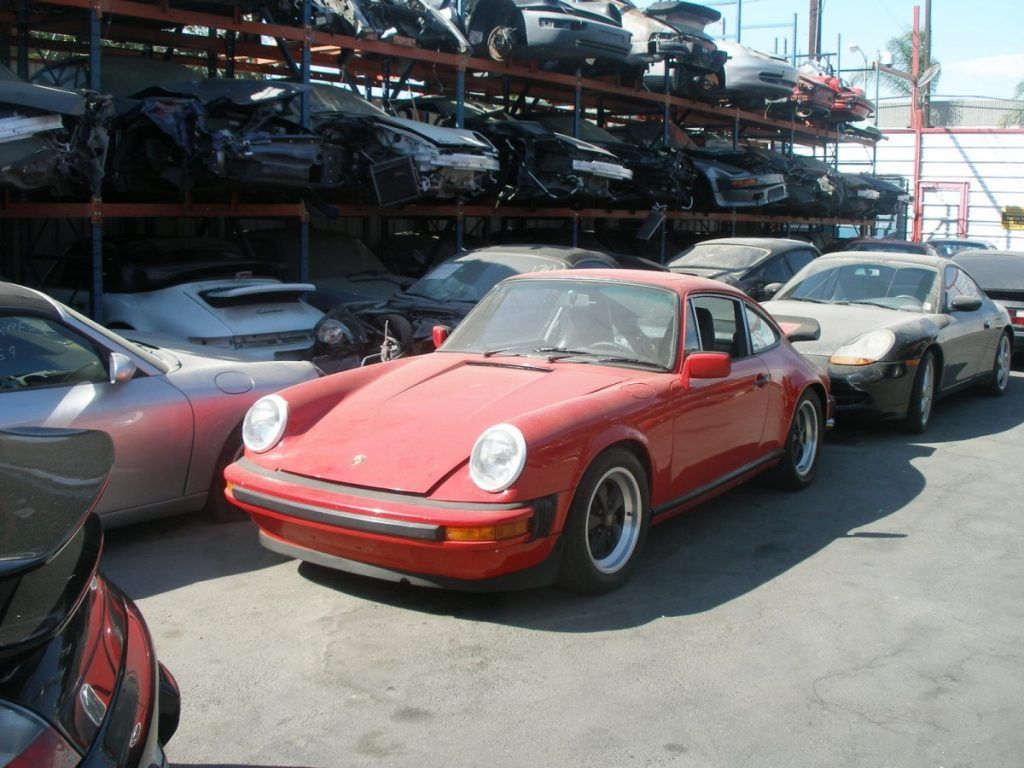
Purchasing a salvage Porsche at auction can be a fantastic way to own a luxury car at an affordable price. This brief guide will help you understand what salvage titles are, how the auction process works, and what to look for when selecting a vehicle. You’ll discover the benefits, potential risks, and repair tips, enabling you to make an informed decision and avoid common pitfalls. Get ready for an exciting journey into the world of restored Porsches!
What Makes Porsche a Desirable Brand?
Porsche is synonymous with luxury and performance, making it one of the most coveted automotive brands in the world. Established in 1931, the German manufacturer has built a reputation for crafting high-quality sports cars that combine cutting-edge engineering with timeless design. For many, owning a Porsche is a dream that symbolizes success, sophistication, and a passion for driving. But what makes Porsche particularly appealing to budget-conscious buyers is the unique opportunity to experience this luxury at a fraction of the price through the salvage vehicle market.
A Legacy of Excellence
Porsche’s history is rich with innovation and excellence. Models like the iconic Porsche 911 have not only become symbols of performance but also benchmarks for the automotive industry. The brand’s commitment to quality and performance is evident in every vehicle they produce. From the sleek curves of the Porsche 718 to the powerful lines of the Cayenne SUV, each model is crafted with meticulous attention to detail and a focus on delivering an exhilarating driving experience.
The Allure of Performance
One of the key attractions of Porsche vehicles is their performance. Each model is engineered to offer unmatched handling, acceleration, and speed. For example, the Porsche 911 Carrera can accelerate from 0 to 60 mph in just 4.0 seconds, delivering an adrenaline rush that only a few cars can match. This level of performance is what draws driving enthusiasts to the brand, making it more than just a vehicle; it’s an experience.
Impressive Sales Statistics
Porsche's popularity in the United States is underscored by impressive sales figures. In 2018, the company sold a record 57,202 units in the U.S., marking a 3.2% increase from the previous year. The continuous rise in sales reflects the growing demand for luxury vehicles and the effectiveness of Porsche's marketing strategies. Additionally, projections for 2019 estimated the Porsche market in the U.S. to be worth around $5.7 billion, solidifying its status as the largest market for Porsche globally. These statistics not only highlight Porsche's appeal but also indicate the brand's resilience in a competitive automotive landscape.
Resale Value and Budget Appeal
For budget-conscious buyers, the allure of a Porsche extends beyond initial purchase price. While new luxury cars tend to depreciate rapidly, Porsches have been consistently ranked among the top luxury brands with the best resale value by Kelley Blue Book. This means that when purchasing a used or salvage Porsche, buyers can potentially save significantly compared to buying a new model. The depreciation that affects luxury cars can work in the favor of savvy buyers looking for high-quality vehicles at more accessible prices.
Additionally, buying a salvage Porsche can provide an even greater opportunity for savings. Although the initial investment may be lower than a new model, buyers can often restore these vehicles to their former glory, experiencing the prestige of owning a Porsche without breaking the bank.
Why Consider a Salvage Porsche?
When it comes to purchasing a luxury vehicle like a Porsche, the idea of buying a salvage car might raise some eyebrows. However, there are compelling reasons to consider this option, especially for budget-conscious buyers who dream of owning a high-performance sports car. Understanding the concept of salvage titles, how luxury vehicles depreciate, and the potential for significant savings can help you make an informed decision.
Understanding Salvage Titles
A salvage title indicates that a vehicle has been deemed a total loss by an insurance company due to damage, theft, or other significant issues. Typically, a car receives a salvage title if the cost of repairs exceeds 75% of its market value. This designation can occur after accidents, natural disasters, or other severe incidents. While the title signals that the vehicle has experienced some form of substantial damage, it doesn’t necessarily mean it’s beyond repair. Many salvage-titled cars can be restored to excellent condition with the right expertise and investment.
The Depreciation of Luxury Vehicles
Luxury vehicles, including Porsches, are notorious for their steep depreciation rates. On average, a new luxury car can lose around 20% of its value as soon as it’s driven off the lot, with additional depreciation occurring in the subsequent years. This rapid drop in value can be particularly significant for high-end brands like Porsche, which combine luxury with performance.
For instance, according to industry statistics, the depreciation rates for various Porsche models can differ dramatically. The Porsche 718 Boxster typically loses about 16% of its value after three years, while the 718 Cayman loses around 13%. In contrast, the Porsche 911 experiences a more substantial depreciation of 42-48% within the same period. This variance underscores how certain models maintain their value better than others, offering different opportunities for buyers depending on the model they choose.
The Potential for Significant Savings
For budget-conscious buyers, opting for a salvage Porsche presents a unique opportunity to enjoy a luxury vehicle at a significantly reduced price. Salvage-titled Porsches are often available for a fraction of their market value, allowing buyers to acquire a high-performance vehicle that would otherwise be out of reach. For example, while a new Porsche 911 may retail for upwards of $100,000, a salvage-titled version could be available for less than half that price, depending on the extent of the damage and the repairs needed.
Moreover, the savings don’t stop at the purchase price. Because salvage vehicles often come with a lower initial investment, buyers can allocate more resources to repairs and modifications, customizing their car to meet personal preferences. This flexibility allows buyers to invest in the aspects of the vehicle that matter most to them, whether that’s enhancing performance, upgrading the interior, or simply restoring the car to its original condition.
What Should You Know About Pricing?
When considering the purchase of a salvage Porsche, understanding pricing is crucial to making a wise investment. While the allure of acquiring a luxury vehicle at a fraction of its original cost can be enticing, there are several important factors to keep in mind regarding pricing. Here are some tips on comparing prices for salvage Porsches, the challenges in determining their value, and the importance of researching average market prices.
Comparing Prices for Salvage Porsches
The first step in the pricing process is to compare prices of similar salvage Porsche models. Given the wide range of models, ages, and conditions, it’s essential to look at multiple listings to get a sense of the market. Here are some strategies to help you compare prices effectively:
-
Identify Comparable Models: Look for Porsche models that are similar in terms of year, model, and condition. For instance, if you’re interested in a salvage Porsche 911, compare it with other 911s of similar age and mileage. This comparison will help you gauge a fair price range.
-
Consider Location: Prices can vary significantly based on geographic location. For example, a salvage Porsche in a region with a high demand for luxury vehicles may command a higher price than in an area where luxury cars are less sought after. Keep this in mind when evaluating listings from different locations.
-
Evaluate Condition and Damage: Not all salvage vehicles are created equal. Assess the extent of damage each vehicle has sustained and how that affects its price. A Porsche with minor cosmetic damage may be priced similarly to one with major structural issues. Always prioritize understanding the specific repairs needed to restore the vehicle.
Challenges in Determining Value
Determining the exact value of a salvage Porsche can be challenging for several reasons:
-
Lack of Standardization: Unlike clean-title vehicles, there is no standardized pricing guide for salvage cars. This lack of uniformity means that you might find similar models listed at vastly different prices. This inconsistency can make it difficult to know whether you're getting a good deal or overpaying.
-
Hidden Costs: Salvage vehicles can come with hidden costs that affect their overall value. For instance, if a car requires extensive repairs or parts that are hard to find, the total cost of ownership can increase significantly. It's crucial to factor in these potential expenses when considering the price.
-
Insurance and Resale Concerns: Salvage-titled vehicles often face difficulties with insurance coverage and resale. Some insurance companies may only offer limited coverage for salvage vehicles, impacting their overall value. Additionally, when it comes time to sell, buyers may be hesitant to purchase a vehicle with a salvage title, which can further complicate pricing.
Importance of Researching Average Market Prices
To navigate these challenges effectively, thorough research is essential. Here are some tips for researching average market prices for salvage Porsches:
-
Use Online Auction Platforms: Websites like BidNDrive, which specialize in auto auctions, can provide valuable insights into the pricing of salvage vehicles. You can view past auction results to see how much similar Porsche models have sold for, helping you set a reasonable budget.
-
Check Automotive Valuation Tools: While salvage vehicles may not have standardized values, tools like Kelley Blue Book or NADA Guides can provide a baseline for pricing clean-title vehicles. You can use these values as a reference point to understand how much a salvage vehicle might be worth after accounting for its title status.
-
Join Online Forums and Communities: Engaging with other Porsche enthusiasts in online forums can offer insights into pricing trends and the experiences of others who have purchased salvage vehicles. Community members often share their buying experiences, including what they paid and the challenges they faced, which can provide valuable guidance.
-
Consult with Professionals: If you’re uncertain about the value of a specific salvage Porsche, consider consulting with a mechanic or an automotive appraiser who specializes in luxury vehicles. Their expertise can help you assess the condition of the car and estimate repair costs, which will further inform your pricing decisions.
Are You Buying for Personal Use or Resale?
Deciding whether to buy a salvage Porsche for personal use or resale significantly impacts your purchasing strategy. Each scenario has its own set of considerations that can influence your choice of model, the extent of repairs needed, and the overall budget. Understanding these differences is crucial to making an informed decision and maximizing your investment.
Buying for Personal Use
If your goal is to fix a salvage Porsche for personal use, your approach can be more flexible. Here are some key considerations:
-
Choosing the Right Model: When buying for personal use, you should focus on the models that appeal to you and fit your driving preferences. For instance, if you love sporty driving and performance, the Porsche 911 or Porsche 718 Boxster might be ideal choices. These models are known for their excellent handling and thrilling performance, making them enjoyable to drive daily.
-
Budget for Repairs: Consider the level of repairs you’re willing to undertake. For personal use, you can prioritize which repairs are most important for your enjoyment and safety. You might choose to fix cosmetic issues gradually while ensuring the car is mechanically sound for regular driving. This flexibility allows you to spread out costs over time.
-
Customization Options: If you plan to keep the car long-term, think about any customization you might want. Personalizing the interior, upgrading the sound system, or enhancing performance features can make your Porsche feel uniquely yours. These modifications can add to your enjoyment but should be balanced against the overall budget.
Buying for Resale
On the other hand, if you intend to fix and sell the car for profit, a more strategic approach is necessary. Here are some important factors to consider:
-
Market Demand: When buying for resale, it’s vital to choose models that are in high demand. The Porsche 911, for instance, has a strong resale market due to its iconic status and performance credentials. Other models, such as the Porsche Cayenne, can also be appealing for resale because of their popularity among buyers looking for luxury SUVs. Understanding current trends and buyer preferences can help you select the right model for resale.
-
Repair Costs and Return on Investment: Assess the cost of repairs against the potential resale value. For example, if you find a salvage Porsche 911 that requires significant repairs, ensure that the total investment (purchase price plus repairs) will allow you to sell it for a profit. Conduct thorough research on recent sales of similar models to gauge their resale value and adjust your repair plans accordingly.
-
Resale Appeal: When purchasing a salvage Porsche for resale, focus on models that have a broad appeal. Features like low mileage, a clean accident history, and desirable options (like upgraded wheels or technology packages) can significantly enhance a vehicle’s resale value. Ensuring the car is in excellent condition when it goes to market can help attract buyers and command a higher price.
-
Timing the Market: Consider the timing of your sale. The resale market can fluctuate based on seasons and economic factors. For instance, demand for convertibles like the Porsche 718 Boxster often increases during the spring and summer months. Monitoring market trends can help you choose the optimal time to list your vehicle for sale.
Examples of Popular Porsche Models in the Resale Market
Certain Porsche models tend to retain their value better than others, making them prime candidates for resale:
-
Porsche 911: Often regarded as a classic sports car, the 911 consistently holds its value well. Its performance, brand prestige, and history contribute to strong demand in the resale market.
-
Porsche Cayenne: As one of Porsche's most popular models, the Cayenne appeals to buyers looking for a luxury SUV. Its practicality and performance make it a sought-after vehicle, leading to strong resale values.
-
Porsche Macan: This compact SUV has gained popularity for its blend of luxury and sporty performance. Its smaller size and versatility attract a broad range of buyers, making it a solid choice for resale.
-
Porsche Boxster: Known for its agile handling and convertible experience, the Boxster remains appealing, particularly in good condition. Its relative affordability compared to other Porsche models can also attract budget-conscious buyers.
How Do Insurance Options Work for Salvage Titles?
When considering the purchase of a salvage-titled Porsche, understanding insurance options is crucial. Unlike vehicles with clean titles, salvage cars come with unique challenges that can complicate the insurance process. Here’s a detailed look at how insurance works for salvage titles, the types of coverage available, and why it’s important to assess your insurance options before making a purchase.
The Challenges of Insuring a Salvage Title
-
Limited Insurance Options: One of the primary challenges with salvage-titled vehicles is that not all insurance companies are willing to provide coverage. Many traditional insurers are hesitant to insure salvage vehicles due to their history of significant damage or total loss status. This reluctance can limit your choices and potentially result in higher premiums.
-
Types of Coverage Available: Salvage vehicles typically qualify for more limited insurance coverage than vehicles with clean titles. The types of coverage you may find include:
- Liability Insurance: This is the minimum coverage required by law and covers damages to other vehicles or property if you are at fault in an accident. It generally does not cover any damage to your salvage Porsche.
- Comprehensive Coverage: Some insurers may offer basic comprehensive coverage for salvage vehicles, which protects against theft, vandalism, or natural disasters. However, this coverage may come with exclusions or limitations.
- Collision Coverage: Obtaining collision coverage for a salvage-titled Porsche can be more difficult. If available, it might only cover damages resulting from accidents and may have higher deductibles due to the car's salvage status.
-
Higher Premiums: Even if you can find an insurer willing to cover a salvage-titled Porsche, expect to pay higher premiums. Insurance companies view salvage vehicles as higher risks, and as a result, they may charge more to provide coverage. This factor is especially critical for budget-conscious buyers who need to consider ongoing insurance costs when calculating the total expense of owning a salvage vehicle.
Importance of Assessing Insurance Options Before Purchasing
-
Financial Considerations: Before buying a salvage Porsche, assess the total cost of ownership, including potential insurance premiums. Higher premiums can significantly affect your overall budget, making it essential to factor these costs into your decision. If insurance costs are prohibitively high, you might need to reconsider your purchase or explore other models.
-
Comparing Insurance Providers: Take the time to research and compare insurance providers that specialize in salvage titles. Some companies focus on insuring salvage vehicles and may offer more competitive rates and better coverage options. Getting quotes from multiple insurers can help you find a policy that meets your needs while remaining affordable.
-
Documenting Repairs: Keeping thorough records of all repairs made to a salvage Porsche is vital. Insurers may require proof that the vehicle has been repaired to a safe and roadworthy condition before they are willing to provide coverage. Having receipts, photos, and a detailed repair history can aid in negotiations with insurance companies and help secure more comprehensive coverage.
-
Understanding State Regulations: Insurance regulations for salvage titles can vary by state. It’s important to familiarize yourself with the rules and requirements in your state regarding insurance for salvage vehicles. This knowledge can help you navigate the insurance process more effectively and ensure compliance with local laws.
-
Exploring Options for Full Coverage: If you’re looking for full coverage, investigate specialized insurance providers that cater to salvage vehicles. Some companies are more willing to insure salvage titles and may offer comprehensive coverage options. This coverage can provide peace of mind, ensuring you are protected against significant financial losses.
What Are the Possible Repair Costs?
When contemplating the purchase of a salvage Porsche, it’s essential to have a clear understanding of the potential repair costs involved. While buying a salvage vehicle can lead to significant savings, the expenses associated with restoring it to roadworthy condition can vary widely based on several factors. Here’s an in-depth examination of the potential costs involved in repairing a salvage Porsche and the importance of establishing a realistic budget for these repairs.
Factors Influencing Repair Costs
-
Extent of Damage: The primary determinant of repair costs is the extent of the damage the vehicle has sustained. Salvage Porsches may have minor cosmetic issues or significant structural damage. For instance, if a Porsche has been in a minor fender bender, the repairs might only involve replacing a bumper and repainting. Conversely, if the car has experienced frame damage or significant engine issues, repairs can quickly escalate into thousands of dollars.
-
Model and Parts Availability: The specific model of Porsche you are considering can also impact repair costs. Some models, like the Porsche 911, are more common and may have readily available parts, while others, such as limited-edition models, may require sourcing rare parts that can be expensive. Always research the availability and cost of parts for the specific Porsche model you're interested in, as this can significantly affect your overall repair budget.
-
Labor Costs: Labor costs can vary greatly depending on where you live and the mechanic’s expertise. Porsche repairs often require specialized knowledge and tools, so choosing a mechanic experienced in luxury vehicles is crucial. Labor costs for high-end repairs can be significantly higher than average, and this should be factored into your budget. Obtaining multiple quotes from different repair shops can help you gauge a reasonable labor cost for your repairs.
-
Upgrades and Modifications: Many Porsche enthusiasts choose to upgrade or modify their vehicles during repairs. While enhancements like improved suspension, new brakes, or performance exhaust systems can enhance the driving experience, they can also add to the overall repair costs. It’s essential to balance your desire for upgrades with the budget you have available for repairs.
-
Hidden Issues: One of the biggest risks with salvage vehicles is the potential for hidden problems. A car may look clean externally but could have unseen mechanical issues, such as engine problems or electrical failures. It's advisable to conduct a thorough inspection by a trusted mechanic before finalizing the purchase to identify any potential hidden costs that may arise after buying the vehicle.
Establishing a Realistic Repair Budget
-
Create a Detailed Repair Plan: Once you have a clearer understanding of the condition of the salvage Porsche, create a detailed repair plan. Break down the costs into categories such as parts, labor, and upgrades. This approach will help you visualize the total expenditure and allow for better financial planning.
-
Account for Contingencies: When budgeting for repairs, it's wise to include a contingency fund for unexpected costs. A common guideline is to set aside an additional 10-20% of your total budget to cover unforeseen issues that may arise during repairs. This buffer can prevent you from feeling overwhelmed by unexpected expenses.
-
Prioritize Repairs: Not all repairs are equally urgent. Identify which repairs are essential for the vehicle to be safe and roadworthy and which can be postponed. Prioritizing necessary repairs can help you manage your budget more effectively, ensuring that critical safety issues are addressed first.
-
Research Average Costs: To get a sense of what repairs may cost, research average repair costs for the specific Porsche model you’re considering. Online forums, repair databases, and automotive websites can provide valuable insights into typical repair expenses. This information will help you set a realistic budget based on industry standards.
-
Consider DIY Repairs: If you have some mechanical knowledge and skills, consider tackling minor repairs yourself. This approach can significantly reduce labor costs, allowing you to invest more in critical repairs or upgrades. However, be cautious and only attempt repairs you are confident in completing safely and effectively.
How Can You Research the Vehicle’s History?
When considering the purchase of a salvage Porsche, one of the most crucial steps you can take is to thoroughly research the vehicle's history. Understanding the car's background not only helps you assess its current condition but also provides valuable insights into potential repair costs and long-term reliability. Here’s a comprehensive guide on how to effectively research a salvage Porsche’s history and why it’s essential for making an informed buying decision.
Importance of Checking the Vehicle's History
-
Assessing Prior Accidents: One of the primary reasons for a vehicle to receive a salvage title is that it has been involved in an accident deemed too costly to repair. By checking the car's accident history, you can determine the severity of any past collisions. This information is critical because it can impact the vehicle's structural integrity and safety features. For example, a Porsche that has sustained significant frame damage may require extensive repairs, making it less safe and more expensive to restore.
-
Understanding Maintenance Records: A well-maintained vehicle is often more reliable and requires fewer repairs. When researching a salvage Porsche, request any available maintenance records to gauge how diligently previous owners cared for the car. Consistent oil changes, routine inspections, and timely repairs indicate that the vehicle was well looked after, reducing the likelihood of hidden issues. Conversely, a lack of maintenance records may signal neglect, potentially leading to more significant problems down the line.
-
Identifying Title Issues: Verifying the vehicle's title history can help you avoid potential legal complications. A car with a salvage title may have undergone significant damage, but it could also have a clean title restored after repairs. Researching the title history ensures that there are no discrepancies or fraudulent activities associated with the vehicle, providing peace of mind before making a purchase.
-
Evaluating Repair Costs: Knowing the vehicle's history can give you a clearer picture of what to expect in terms of repair costs. For example, if the car has a history of engine problems or transmission issues, you can factor those potential expenses into your budget. Understanding past repairs can help you prioritize what needs attention and avoid unexpected financial burdens after the purchase.
How to Research the Vehicle's History
-
Vehicle History Reports: One of the most effective ways to gather information about a vehicle’s history is through a vehicle history report (VHR). Services like Carfax or AutoCheck compile data from various sources, including insurance companies, repair shops, and law enforcement agencies. These reports typically include information about previous accidents, title changes, mileage discrepancies, and service history. While there is usually a fee for accessing these reports, they can provide invaluable insights and help you make a more informed decision.
-
VIN Check: Every vehicle has a unique Vehicle Identification Number (VIN) that can be used to access its history. You can perform a VIN check through various online platforms, which can reveal important information about the vehicle’s past. Entering the VIN into websites that provide free or paid services can help you uncover details such as accident reports, title records, and service history.
-
Inspection by a Professional Mechanic: Hiring a qualified mechanic to conduct a pre-purchase inspection is a wise investment. A mechanic can identify potential issues that may not be apparent in vehicle history reports. They can also assess the overall condition of the vehicle, helping you gauge repair costs more accurately. This inspection is particularly crucial for salvage vehicles, as they may have hidden damage or wear that requires attention.
-
Researching Online Forums and Communities: Online forums, social media groups, and enthusiast communities can be excellent resources for learning more about specific Porsche models. Many experienced Porsche owners share their insights and experiences regarding repairs, maintenance, and reliability. Engaging with these communities can provide valuable information about common issues and tips for addressing them.
-
Contacting Previous Owners: If possible, try to reach out to previous owners of the salvage Porsche. They can provide firsthand accounts of the car’s history, including how it was maintained and any issues they encountered. This direct insight can be particularly valuable in understanding the vehicle's condition and making an informed purchase decision.
-
Checking with Insurance Companies: Insurance companies often maintain records of claims made on vehicles. By contacting the relevant insurance provider, you can inquire about any claims associated with the salvage Porsche. This information can help you assess the nature of any past accidents and the extent of the damage the car has experienced.
Which Porsche Models Are Best to Buy at Auction?
When considering a salvage Porsche, knowing which models offer the best value at auction can significantly impact your purchasing decision. Certain models have proven to be more popular among buyers, have better resale potential, and often come with more affordable repair options. Below is an overview of some of the most sought-after Porsche models, including the iconic 911, Panamera, Boxster, and Cayenne, along with reasons why they are worth considering at auction.
1. Porsche 911
The Porsche 911 is often regarded as the quintessential sports car, embodying the brand's heritage and engineering excellence. This model has a long history of performance and reliability, making it a desirable option for buyers at auction.
-
Why Buy? The 911 maintains its value well over time, even in salvage condition. Enthusiasts appreciate its classic design and performance capabilities, making it a strong candidate for restoration. Its popularity in the resale market can lead to a good return on investment if you decide to sell later.
-
Models to Consider: Look for earlier models from the 1990s and early 2000s, like the 996 or 997 generations. These can often be found at lower prices and offer great performance potential with the right repairs.
2. Porsche Panamera
The Porsche Panamera blends luxury and performance, making it an appealing option for buyers who want a high-end vehicle with everyday usability.
-
Why Buy? The Panamera is known for its spacious interior and advanced technology, making it a practical choice for families or those who appreciate comfort. Its depreciation rates can be steeper than other models, meaning you might find great deals on salvage titles.
-
Models to Consider: Focus on the first-generation Panamera (2010-2016). These vehicles have a strong reputation for reliability, and repair parts are often more accessible, which can ease the restoration process.
3. Porsche Boxster
The Porsche Boxster is an excellent entry point for those new to the Porsche brand. Known for its mid-engine layout, it offers a unique driving experience and spirited performance.
-
Why Buy? The Boxster generally has lower ownership costs compared to other Porsche models, making it a more budget-friendly option. It is also a popular model among enthusiasts, which can enhance its resale potential.
-
Models to Consider: The 987 generation (2005-2012) offers a great balance of performance and price, making it a smart choice for those looking to invest in a salvage Porsche that still delivers a thrilling drive.
4. Porsche Cayenne
The Porsche Cayenne is a luxury SUV that combines practicality with the brand’s performance pedigree. It's an excellent option for buyers looking for a vehicle that can accommodate family needs without sacrificing driving excitement.
-
Why Buy? The Cayenne has seen significant depreciation, especially in its earlier generations, which can lead to great auction deals. Its popularity in the SUV market means that well-maintained models can retain good resale value.
-
Models to Consider: The first-generation Cayenne (2003-2010) is worth considering, as it offers a range of engine options and has been praised for its reliability. Finding a salvage title from this generation can lead to substantial savings.
5. Porsche Macan
While not as historically significant as the 911 or Cayenne, the Porsche Macan has quickly gained popularity in the compact luxury SUV segment.
-
Why Buy? The Macan’s combination of sporty handling and practicality makes it attractive to a broad audience. As it’s relatively new, salvage titles might be rare, but when they appear, they can offer excellent value compared to new models.
-
Models to Consider: Look for the 2015-2020 models. These vehicles are relatively recent, meaning they often come equipped with modern technology and safety features, making them appealing to a wide range of buyers.
What Should You Look for When Repairing a Salvage Porsche?
Repairing a salvage Porsche can be an exciting yet challenging venture. The allure of restoring a luxury vehicle like a Porsche at a fraction of its retail price is compelling, but it also requires a clear understanding of the common types of damage, the costs involved, and how to prioritize repairs effectively. Here’s a guide on what to look for when undertaking this project.
1. Understanding Salvage Titles and Damage Types
A salvage title indicates that a vehicle has sustained significant damage, typically due to accidents, flooding, or theft. The first step in assessing a salvage Porsche is understanding the nature of the damage. Common types of damage to look for include:
-
Structural Damage: This includes any damage to the frame or body of the car. A bent frame can affect the car's handling and safety, making it crucial to have this evaluated by a professional.
-
Cosmetic Damage: Scratches, dents, and paint imperfections can often be repaired relatively easily. While these repairs may not affect the vehicle's performance, they can impact its resale value.
-
Mechanical Damage: This pertains to the engine, transmission, brakes, and suspension. Pay special attention to any warning lights on the dashboard, as they can indicate underlying issues. A thorough mechanical inspection is essential.
-
Electrical Damage: Modern Porsches come equipped with complex electrical systems. Check for any issues related to the battery, wiring, and electronic components. Electrical repairs can be costly, so it's important to identify any potential problems early.
-
Water Damage: If the vehicle has been involved in flooding, check for signs of rust, mold, or corrosion. Water damage can be particularly insidious, affecting both mechanical and electrical components.
2. Assessing the Overall Condition
Once you identify the types of damage, assess the overall condition of the vehicle. Here are some key factors to consider:
-
Mileage: Higher mileage can indicate wear and tear, which might impact the vehicle's performance and future repair costs. However, a well-maintained Porsche with high mileage can still be a worthwhile investment.
-
Maintenance History: Review any available service records to understand the vehicle's past care. A well-documented history can provide insight into how the car was treated and any recurring issues.
-
Previous Repairs: If the vehicle has had prior repairs, evaluate the quality of those repairs. Poor workmanship can lead to more problems down the line.
3. Prioritizing Repairs
When it comes to repairs, not all issues are created equal. Prioritizing which repairs to tackle first can help manage costs and time more effectively. Here’s a breakdown of how to approach this:
-
Safety First: Address any repairs that affect the safety and drivability of the vehicle as a top priority. This includes structural damage, brakes, tires, and critical engine components.
-
Mechanical Repairs: Once safety concerns are handled, focus on essential mechanical repairs that affect performance, such as the engine, transmission, and suspension. Getting the car running smoothly is key before diving into cosmetic fixes.
-
Cosmetic Enhancements: After addressing safety and mechanical issues, you can start on cosmetic repairs. This includes bodywork, paint, and interior detailing. While these are important for aesthetics and resale value, they can often be tackled later in the process.
-
Upgrades and Modifications: If you’re considering any upgrades or modifications, evaluate whether they will improve performance or resale value. This could include enhancements to the suspension, exhaust system, or interior features. Prioritize these based on your budget and goals for the vehicle.
4. Budgeting for Repairs
Having a realistic budget is critical when repairing a salvage Porsche. Make sure to account for both expected and unexpected costs. Here are some tips for budgeting:
-
Get Estimates: Before starting repairs, obtain estimates from multiple mechanics or body shops, especially for significant repairs like frame straightening or engine work.
-
Factor in Parts Costs: Porsche parts can be expensive. Research the availability and costs of parts specific to your model to avoid surprises.
-
Contingency Fund: Set aside a contingency fund for unexpected repairs that may arise during the restoration process. This will help you avoid going over budget.
Can You Insure a Salvage-Titled Porsche?
Purchasing a salvage-titled Porsche can be an attractive option for budget-conscious buyers looking to own a luxury vehicle at a lower price. However, one of the key concerns for potential owners is insurance. Insuring a salvage-titled car presents unique challenges and considerations that buyers should be aware of before making a purchase.
Understanding Salvage Titles
A salvage title indicates that a vehicle has sustained significant damage—typically due to an accident, theft, or flood—and has been deemed a total loss by an insurance company. Once repaired, the car can be put back on the road, but the salvage title remains, affecting the car's insurability and its overall value.
Insurability of Salvage-Titled Vehicles
While it is possible to insure a salvage-titled Porsche, many traditional insurers may be hesitant to offer coverage or might impose certain limitations. Here’s a closer look at what you need to know:
-
Types of Insurance Coverage Available:
- Liability Insurance: This is the minimum coverage required by law and protects against damages to other vehicles and injuries to others if you're at fault in an accident. Most insurers will offer liability coverage for a salvage-titled car.
- Collision and Comprehensive Coverage: Insuring a salvage vehicle with these coverages can be more complicated. Some insurers might not offer these options, while others may charge higher premiums or apply specific limitations.
- Limited or High-Risk Insurance: Some specialized insurers focus on high-risk vehicles and may offer coverage for salvage-titled cars. These companies often have more experience handling unique cases but might also charge higher premiums.
-
Factors Insurers Consider:
- Condition of the Vehicle: Insurers will closely examine the repairs made to the Porsche. They will assess whether the vehicle has been restored to a safe and roadworthy condition. Comprehensive inspections may be required.
- Repair Records: Maintaining detailed records of all repairs, parts used, and services performed is crucial. These documents help demonstrate the car’s condition and can positively influence the insurer’s decision. Without clear records, obtaining insurance could be challenging, as insurers may doubt the quality of repairs.
- Market Value: Insurers will consider the market value of the salvage Porsche. Since these vehicles typically have a lower resale value due to their salvage title, insurers may adjust their premiums accordingly.
-
Documentation Required:
- Title and Registration: Provide the salvage title and any documentation related to the vehicle's history. This includes the initial salvage report and any inspection results post-repair.
- Repair Documentation: Submit all records of repairs and maintenance to prove that the vehicle has been properly restored and maintained. This information is vital for both the insurer and any future resale efforts.
Importance of Repair Records
Keeping meticulous repair records is crucial for anyone looking to insure a salvage-titled Porsche. Here are a few reasons why these records matter:
- Proving Quality of Repairs: Clear documentation shows that repairs were done by reputable professionals and that the vehicle meets safety standards. This can ease the insurer's concerns and facilitate the approval process.
- Future Resale Value: Detailed records not only help with insurance but also enhance the resale value of the car. Prospective buyers are more likely to trust a vehicle with a documented repair history.
- Legal Compliance: In some states, proof of repairs may be necessary to obtain a rebuilt title or to register the vehicle for road use. Having thorough records ensures compliance with local regulations.
Are Salvage Auctions Good for Finding Cheap Porsche Parts?
For Porsche owners looking to save money on repairs or upgrades, salvage auctions can be an attractive option for sourcing affordable parts. These auctions offer a unique way to purchase components from damaged vehicles, but like any option, they come with their own set of benefits and risks. Here’s an in-depth look at whether salvage auctions are a good source for cheap Porsche parts.
Benefits of Purchasing Parts from Salvage Auctions
-
Significant Cost Savings:
- Lower Prices: One of the most appealing aspects of salvage auctions is the potential for significant cost savings. Parts sourced from salvage vehicles are typically much cheaper than those available through traditional retail outlets. This is particularly beneficial for high-end vehicles like Porsches, where parts can often be prohibitively expensive.
- Bulk Purchases: Many salvage auctions allow buyers to purchase multiple parts from a single vehicle. This can lead to additional savings, especially if you need several components for repairs or upgrades.
-
Availability of Rare or Discontinued Parts:
- Hard-to-Find Components: Older Porsche models may have parts that are no longer produced or are hard to find in retail markets. Salvage auctions can be a treasure trove for enthusiasts seeking rare components to restore or upgrade their vehicles.
- Original Equipment Manufacturer (OEM) Parts: Many salvage vehicles still have OEM parts that can be reused. Purchasing these parts ensures that you’re getting high-quality components designed specifically for your Porsche.
-
Environmental Benefits:
- Sustainability: By purchasing parts from salvage auctions, you contribute to a more sustainable approach to vehicle repair. Reusing parts helps reduce waste and the environmental impact of manufacturing new components, making it a responsible choice for eco-conscious buyers.
Risks Involved with Salvage Auctions
-
Unknown Condition:
- Quality Concerns: The condition of parts sold at salvage auctions can vary widely. While some components may be in excellent condition, others could be damaged or worn beyond repair. It’s essential to inspect parts whenever possible or research their condition thoroughly before bidding.
- Limited Warranty: Most salvage auction parts come with little to no warranty or return policy. This lack of assurance can be a significant risk, especially if you purchase a part that turns out to be defective.
-
Potential Compatibility Issues:
- Fitment Problems: Not all parts from salvage vehicles will fit every Porsche model perfectly. Compatibility issues can arise, especially with older models or modified vehicles. Always verify that the part you're interested in will fit your specific model before making a purchase.
- Changes in Specifications: Manufacturers may change specifications over time, meaning parts from different model years may not be interchangeable. Researching the part numbers and specifications beforehand is crucial.
-
Bidding Wars and Pricing Uncertainty:
- Competitive Bidding: At salvage auctions, prices can escalate quickly due to competitive bidding. While you may start with the intention of getting a great deal, the final auction price may exceed what you would pay at a retail store. It's important to set a budget and stick to it to avoid overspending in the heat of the moment.
- Unpredictable Availability: The selection of parts at salvage auctions can be inconsistent. You may not always find what you need when you need it, making it more challenging to rely solely on this source for parts.
Should You Buy a Crashed Porsche?
Buying a crashed Porsche can be an appealing option for budget-conscious buyers looking to own a luxury vehicle without breaking the bank. However, this decision comes with significant considerations that require careful evaluation. Here’s a comprehensive guide to help you navigate the process of purchasing a crashed Porsche, including assessing damage, understanding repair costs, and making an informed decision.
Assessing Damage
-
Evaluate the Extent of Damage:
- Exterior Inspection: Start with a thorough visual inspection of the car's exterior. Look for dents, scratches, and signs of structural damage. Pay close attention to areas like the frame, doors, and fenders. A significant impact may compromise the vehicle's integrity, leading to more expensive repairs down the line.
- Under the Hood: Open the hood to examine the engine and associated components. Look for signs of oil leaks, damaged belts, or cracked hoses. If the engine has been impacted, it might need extensive repairs or replacement, significantly affecting the overall cost.
-
Consider the Type of Damage:
- Cosmetic vs. Structural: Distinguish between cosmetic damage (such as scratches and dents) and structural damage (like frame bends or suspension issues). Cosmetic damage is generally easier and cheaper to fix, while structural damage can be costly and may require professional repair services.
- Electrical System: Check the electrical components, including lights, wiring, and sensors. A crash can lead to electrical malfunctions that might not be immediately visible but could result in substantial repair costs later.
-
Request a Professional Assessment:
- Hire a Mechanic: If you're serious about purchasing a crashed Porsche, consider hiring a qualified mechanic to perform a comprehensive inspection. A professional can identify potential issues that may not be apparent to an untrained eye, giving you a clearer picture of what repairs are necessary.
Understanding Potential Repair Costs
-
Get Repair Estimates:
- Cost of Parts and Labor: Once you have a better understanding of the damage, seek estimates for repairs. Contact local auto shops or dealerships to inquire about the costs associated with parts and labor specific to Porsche models. Be sure to account for both OEM (Original Equipment Manufacturer) and aftermarket parts in your estimates.
- Comparison Shopping: It’s advisable to get multiple repair estimates to ensure you're getting a fair price. Some shops may specialize in luxury vehicles and could offer better service or pricing than others.
-
Factor in Hidden Costs:
- Unexpected Repairs: Crashed vehicles can come with unforeseen repair costs that surface after the initial inspection. Budget for potential surprises, especially if structural damage is involved, as these repairs often exceed initial estimates.
- Insurance and Registration Fees: Don’t forget to factor in the cost of insuring a salvage or rebuilt title vehicle, as insurance premiums can vary based on the car’s condition and history. Additionally, consider registration fees, which may be higher for vehicles with salvage titles.
Weighing the Pros and Cons
-
Pros:
- Lower Purchase Price: The most significant advantage of buying a crashed Porsche is the potential for a drastically reduced purchase price compared to a similar vehicle in good condition.
- Opportunity for Customization: If you enjoy working on cars, purchasing a crashed Porsche gives you a chance to customize it according to your preferences, turning it into a unique project.
-
Cons:
- High Repair Costs: Depending on the extent of the damage, repair costs can quickly escalate, potentially making the total investment exceed that of buying a similar model in good condition.
- Resale Challenges: Reselling a repaired crashed Porsche can be more difficult, as many buyers are wary of vehicles with a history of significant damage. This may impact the vehicle's long-term value.
How Can You Find a Salvage Porsche Near You?
Finding a salvage Porsche can be an exciting venture, especially if you're looking to own a luxury vehicle at a more affordable price. Salvage titles indicate that the car has been damaged and deemed a total loss by an insurance company, but many of these vehicles can be restored to excellent condition. Here are some effective tips for locating salvage Porsches near you, including various auction options and resources like BidNDrive.
1. Explore Public Auctions
Local Government and Public Auctions:
- Many counties and municipalities hold public auto auctions where vehicles, including salvage titles, are sold. Check your local government's website or contact them to find information about upcoming auctions. These events can be a treasure trove of vehicles at lower prices.
Online Auction Platforms:
- Websites like eBay Motors often feature salvage Porsches from private sellers and dealerships. You can filter search results by location to find cars nearby. Always verify the vehicle's title status and ask for additional photos or information before bidding.
2. Check Dealer-Only Auctions
Licensed Dealerships:
- Some dealerships participate in dealer-only auctions, where salvage vehicles are sold exclusively to licensed car dealers. While these auctions are not open to the public, you can still leverage the knowledge of a dealer. Building a relationship with a reputable dealership can provide access to exclusive deals or insider information on upcoming auctions.
Insurance Auctions:
- Insurance companies frequently auction off totaled vehicles, including luxury brands like Porsche. While these are often dealer-only, some auctions may be accessible to the public through specialized auction companies. Research local auction houses that handle insurance sales.
3. Utilize Online Resources Like BidNDrive
BidNDrive:
- BidNDrive is an online platform designed to help buyers find and purchase salvage vehicles directly from the comfort of their homes. With a focus on budget-conscious individuals, BidNDrive offers a user-friendly interface to search for salvage Porsches based on your criteria, including model, year, and location.
How to Use BidNDrive:
- Create an Account: Start by signing up for a free account on BidNDrive to gain access to a wide range of salvage listings.
- Search for Porsches: Use the search feature to filter results specifically for Porsche models. You can narrow down your search based on factors such as location, price range, and condition.
- View Detailed Listings: Each listing provides important details about the vehicle's history, condition, and auction starting price. Take advantage of the additional images and descriptions to assess whether a car meets your requirements.
4. Network with Automotive Enthusiasts
Join Online Forums and Groups:
- Many Porsche enthusiasts share information about salvage cars and upcoming auctions on dedicated forums and social media groups. Platforms like Facebook, Reddit, or Porsche-specific forums can be excellent resources for tips, leads, and firsthand experiences from other buyers.
Attend Local Car Shows and Meetups:
- Engaging with the local car community can yield valuable information about salvage opportunities. Car shows, meetups, and automotive clubs often have members who are knowledgeable about the salvage market and may even know of available Porsches.
5. Conduct Thorough Research
Vehicle History Reports:
- Once you find a salvage Porsche that interests you, it's crucial to conduct thorough research. Use services like Carfax or AutoCheck to obtain vehicle history reports, which can provide insight into previous accidents, repairs, and the car's overall condition.
Cost of Repairs and Restoration:
- Before making a purchase, assess the potential repair costs associated with restoring the vehicle. Consider consulting a mechanic to evaluate the car and provide estimates for any necessary repairs.
How Do You Get Started Buying a Salvage Porsche?
Entering the world of salvage vehicles can be both exciting and daunting, especially when it comes to high-end brands like Porsche. A salvage Porsche offers the chance to own a luxury car at a fraction of its original price, but it also comes with unique considerations. Here’s a step-by-step guide to help you navigate the process effectively.
Step 1: Educate Yourself About Salvage Titles
Understanding Salvage Titles:
- A salvage title indicates that a vehicle has been declared a total loss by an insurance company, usually due to significant damage from accidents, theft, or other events. However, many salvage cars can be repaired and restored to a drivable condition. Familiarize yourself with the terminology and implications of buying a salvage vehicle to make informed decisions.
Research Porsche Models:
- Learn about the various Porsche models available in the market. Each model has different characteristics, and some may have higher resale values or better repair prospects than others. Popular models like the 911, Boxster, and Cayenne have established communities and availability of parts, making them worth considering.
Step 2: Set a Budget
Determine Your Overall Budget:
- Establish how much you’re willing to spend on the purchase and any potential repairs. Keep in mind that while salvage Porsches are typically cheaper, repair costs can vary widely depending on the extent of the damage.
Include Hidden Costs:
- Remember to factor in additional costs such as registration fees, insurance premiums, and potential repair costs. A realistic budget will help you avoid surprises down the line.
Step 3: Start Your Search
Utilize Online Auction Sites:
- Begin your search by visiting online auction platforms that specialize in salvage vehicles, such as BidNDrive. Create an account to access listings tailored to your preferences. Use filters to narrow your search by model, location, and price range.
Explore Local Auctions:
- Attend local government or charity auctions where salvage vehicles might be available. These events can provide opportunities to find a Porsche at a lower price.
Step 4: Inspect the Vehicle
Do Thorough Research on Listings:
- Before placing any bids, carefully examine the auction listings. Look for detailed descriptions, photos, and vehicle history reports. Pay attention to the type of damage reported and assess whether it's something you can handle.
Consider an Inspection:
- If possible, arrange for a professional inspection of the vehicle. A trusted mechanic can identify hidden issues that might not be immediately visible in photos, giving you a clearer picture of the car's condition and repair needs.
Step 5: Review Insurance Options
Check Insurability:
- Before finalizing your purchase, investigate insurance options for salvage-titled vehicles. Some companies may offer limited coverage or higher premiums for salvage cars. It's important to understand your insurance options to avoid unexpected costs later.
Maintain Repair Records:
- Keeping thorough records of repairs will not only help with insurance claims but can also improve the vehicle's resale value in the future.
Step 6: Make Your Purchase
Bid Strategically:
- When participating in an auction, have a clear bidding strategy. Set a maximum bid in advance to avoid emotional spending and stick to it. Monitor the auction closely to gauge interest and adjust your bidding strategy if necessary.
Complete the Transaction:
- Once you win the auction, follow the platform's instructions for completing the purchase. Ensure you receive all necessary documents, including the title, bill of sale, and any repair records.
Step 7: Plan for Repairs
Assess Repair Needs:
- After purchasing your salvage Porsche, evaluate the necessary repairs. Create a list of tasks and prioritize them based on safety and functionality.
Source Quality Parts:
- Research where to find quality replacement parts at competitive prices. Salvage auctions can be an excellent resource for affordable parts, but always ensure they meet Porsche standards.
Step 8: Enjoy Your Porsche
Embrace the Experience:
- Once your salvage Porsche is repaired and road-ready, enjoy the satisfaction of owning a luxury car without breaking the bank. Joining Porsche clubs or online communities can enhance your ownership experience, providing support, resources, and camaraderie with fellow enthusiasts.
In conclusion, buying a salvage Porsche from an auction offers an incredible opportunity to own a high-end vehicle without breaking the bank. By understanding salvage titles, assessing repair costs, and selecting the right model, you can navigate this process confidently. Now that you’re equipped with the knowledge to make informed decisions, it’s time to take action! Register at BidNDrive, explore our wide selection of salvage Porsches, place your bids, and seize the chance to drive home your dream car today!
Are you interested in buying a car from Online Auto Auctions?
With this being said – you can still export vehicles and save up a few thousand dollars with Bidndrive. We have an inventory of over 150k plus vehicles with titles you can export for you to choose from. Once you have placed your bid and won the auction a Bill of Sale document is then emailed to you as proof of purchase – after full payments have been made.
To gain access and get started on your purchase, sign up for free.