


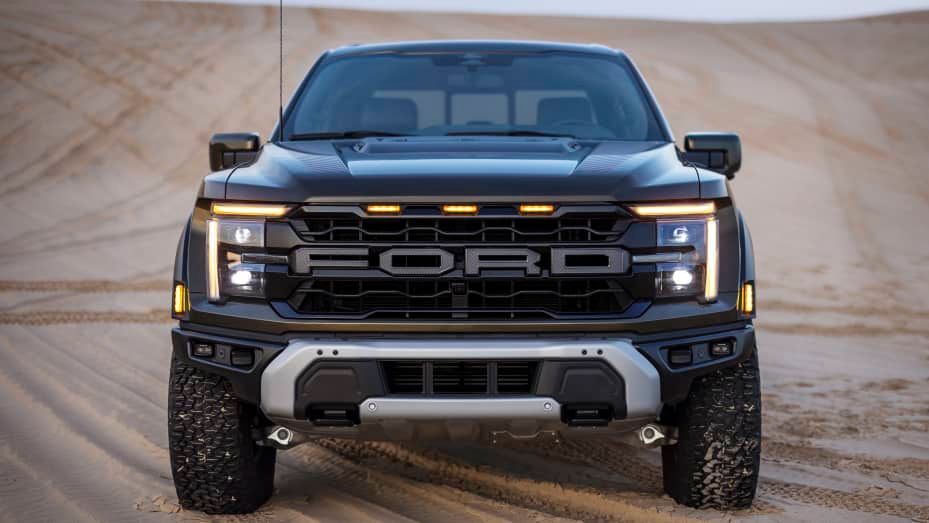
Ever thought about snagging a great deal on a car? Buying a Ford at a salvage auction might just be the ticket. Salvage auctions offer a unique opportunity to purchase vehicles at significantly lower prices. Among the most sought-after cars in these auctions are Ford models, known for their reliability, variety, and performance. But how do you navigate the complex world of salvage auctions to find your dream car? Let's dive in and explore everything you need to know.
Understanding Salvage Auctions
What Are Salvage Auctions?
Salvage auctions are marketplaces where damaged vehicles, often deemed total losses by insurance companies, are sold to the highest bidder. These vehicles can range from slightly dinged-up cars to heavily damaged ones.
How Salvage Auctions Work
The process is straightforward. Vehicles are listed with detailed descriptions, and potential buyers place bids. The highest bidder wins the car, often at a fraction of its market value. These auctions can be held both online and in person, giving buyers flexibility.
Types of Vehicles Available at Salvage Auctions
From slightly used to severely damaged, salvage auctions feature a broad spectrum of vehicles. You'll find everything from compact cars to luxury SUVs and everything in between.
Benefits of Buying Ford Models at Salvage Auctions
Cost Savings
One of the biggest draws is the cost savings. Ford models, like the F-150 or Mustang, can be acquired at a much lower price compared to their market value.
Variety of Models
Salvage auctions offer a variety of Ford models, catering to different needs and preferences, whether you’re looking for a sturdy truck or a sleek sedan.
Potential for Repair and Resale
With some elbow grease and the right repairs, you can restore a salvage Ford to its former glory and even resell it for a profit.
Risks Involved in Salvage Auctions
Possible Hidden Damages
Not all damages are visible. Some vehicles may have underlying issues that aren't immediately apparent.
Uncertainty of Vehicle History
The history of salvage vehicles can be murky. They might have been in severe accidents or suffered flood damage.
Legal and Financial Implications
Buying a salvage vehicle comes with legal and financial responsibilities, including dealing with salvage titles and potential difficulties in getting insurance.
How to Prepare for a Salvage Auction
Researching the Auction Process
Understand how the auction works. Familiarize yourself with the terms and conditions, and know what to expect on auction day.
Understanding Auction Terminology
Learn the lingo. Terms like "as-is," "reserve price," and "buyer's premium" are crucial to understand.
Setting a Budget
Determine how much you're willing to spend, not just on the purchase, but also on potential repairs and additional fees.
Finding the Right Salvage Auction
Online vs. Physical Auctions
Both have their pros and cons. Online auctions offer convenience, while physical auctions allow for in-person inspections.
Reputable Salvage Auction Websites
Websites like Copart, IAAI, and Auto Auction Mall are popular platforms where you can find reliable listings.
Local Salvage Auction Houses
Check out local options as well. They might offer better deals and the chance to see the vehicle up close.
Evaluating Ford Models at Salvage Auctions
Checking the Vehicle’s History Report
A vehicle history report can reveal past accidents, ownership history, and any title issues.
Inspecting the Vehicle in Person
Whenever possible, inspect the vehicle yourself or hire a professional to do so. Look for signs of damage and assess the overall condition.
Assessing Repair Costs
Get an estimate for repair costs to ensure you're making a financially sound decision.
Bidding Strategies
Setting a Maximum Bid
Know your limit. Set a maximum bid and stick to it to avoid overspending.
Understanding Bidding Increments
Be aware of how bidding increments work so you can plan your strategy accordingly.
Avoiding Bidding Wars
Stay calm and avoid getting caught up in bidding wars that could lead to paying more than you intended.
Winning the Auction
Finalizing the Purchase
Once you win, you'll need to finalize the purchase by completing the necessary paperwork and payment.
Arranging Transportation for the Vehicle
Plan how you'll get the vehicle from the auction site to your location, considering both cost and convenience.
Necessary Paperwork
Ensure all paperwork is in order, including the bill of sale and title transfer documents.
Repairing Your Salvage Ford Model
Finding a Reputable Mechanic
A good mechanic can make all the difference. Look for one experienced in working with salvage vehicles.
Sourcing Affordable Parts
Search for affordable parts from junkyards, online stores, or specialized suppliers to keep costs down.
Estimating Total Repair Costs
Calculate the total repair costs, including parts and labor, to ensure the project remains within budget.
Registering a Salvage Vehicle
State Regulations for Salvage Titles
Each state has different regulations for salvage titles. Research the requirements in your state to ensure compliance.
Completing Necessary Inspections
Salvage vehicles often need to pass specific inspections before they can be registered for road use.
Obtaining a Rebuilt Title
Once repairs are complete, you'll need to apply for a rebuilt title, which allows the vehicle to be legally driven again.
Insurance Considerations for Salvage Vehicles
Challenges of Insuring a Salvage Car
Insuring a salvage car can be tricky. Some insurers may refuse coverage, while others offer limited policies.
Finding the Right Insurance Policy
Shop around for insurers that specialize in salvage vehicles to find the best coverage.
Understanding Insurance Premiums
Expect higher premiums due to the vehicle's salvage history, but compare rates to find the most affordable option.
Reselling a Salvage Ford Model
Enhancing Resale Value
Make sure the vehicle is in top condition and consider upgrades that could increase its resale value.
Marketing Your Vehicle
Use effective marketing strategies to attract potential buyers, such as online listings and social media.
Negotiating with Potential Buyers
Be prepared to negotiate with buyers and have a clear idea of the minimum price you're willing to accept.
Success Stories
Real-Life Examples of Successful Salvage Car Purchases
Learn from others who have successfully bought and restored salvage cars. Their experiences can provide valuable insights.
Tips from Experienced Buyers
Seasoned buyers often have tips and tricks that can help you navigate the process more effectively.
Conclusion
Buying a Ford model at a salvage auction can be a rewarding experience if you do your homework and prepare adequately. While there are risks involved, the potential benefits, such as significant cost savings and the satisfaction of restoring a car, can make it worthwhile. So, why not give it a shot?
FAQs
What is a salvage title?
A salvage title is a designation given to a vehicle that has been damaged to the point where the insurance company deems it a total loss.
How can I find out the history of a salvage vehicle?
You can obtain a vehicle history report from services like Carfax or AutoCheck to learn about the car's past.
Is it worth buying a car from a salvage auction?
It can be, especially if you're looking for a bargain and are willing to invest in repairs.
What are the common pitfalls to avoid?
Avoid hidden damages by thoroughly inspecting the vehicle and checking its history. Also, be wary of overbidding.
Can I finance a salvage vehicle?
Financing options for salvage vehicles are limited, but some lenders specialize in this type of financing.
Are you interested in buying a car from Online Auto Auctions?
With this being said – you can still export vehicles and save up a few thousand dollars with Bidndrive. We have an inventory of over 150k plus vehicles with titles you can export for you to choose from. Once you have placed your bid and won the auction a Bill of Sale document is then emailed to you as proof of purchase – after full payments have been made.
To gain access and get started on your purchase, sign up for free.