


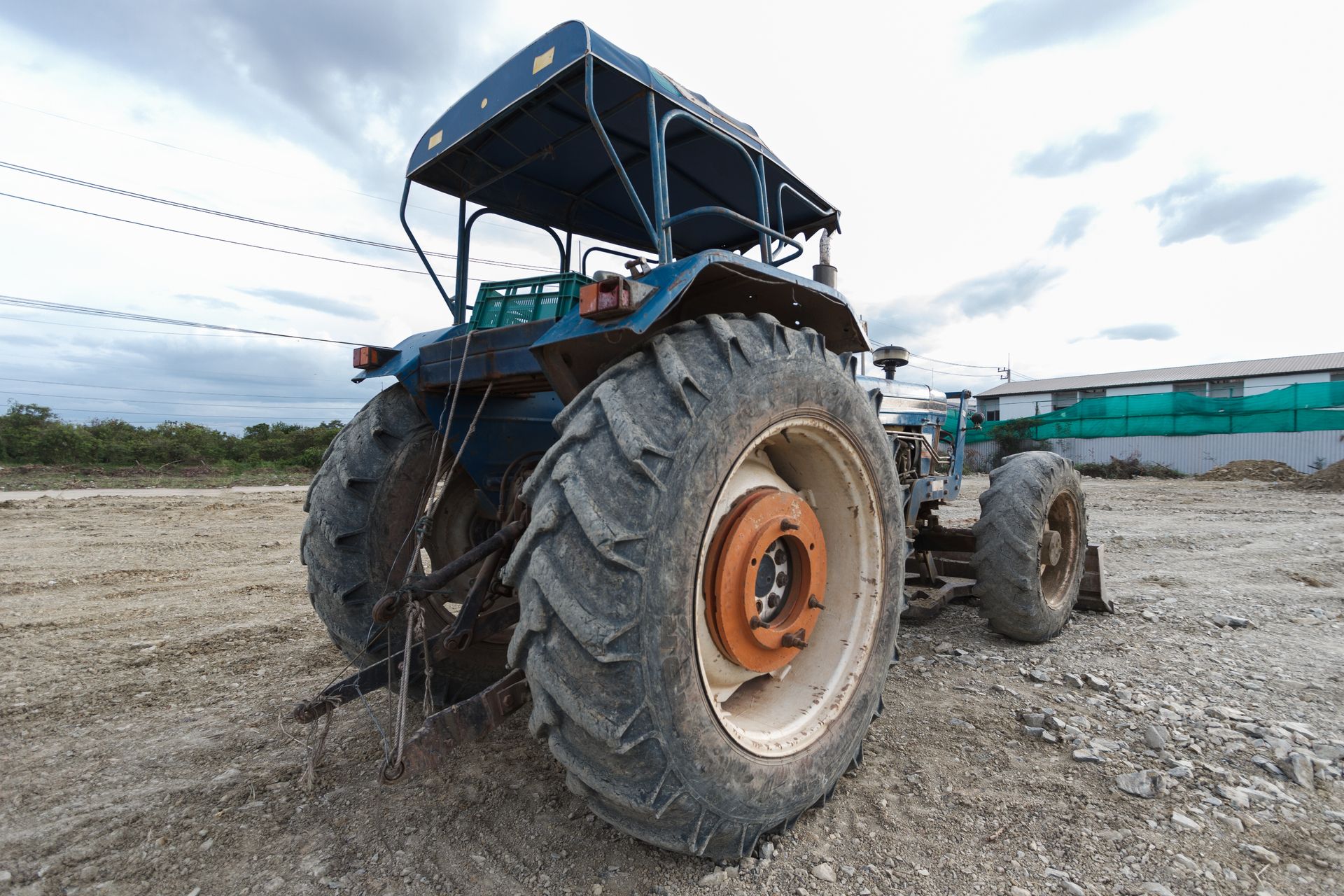
Buying a used tractor can save you money, but hidden issues can turn a bargain into a costly mistake. This quick guide gives you a clear inspection checklist, so you can spot problems, avoid expensive repairs, and confidently choose a reliable tractor that fits your budget.
How Do You Spot Structural Damage?
When buying a used tractor, spotting structural damage early can save you thousands in future repairs. One of the first things to watch for is hidden rust or patchy paint. Often, tractors are spot-painted to cover up corrosion or other damage, so any uneven paint is a warning sign that there may be more serious issues beneath the surface.
Focus on key components like the linkage arm adjuster, blade push-up arms, and trunnion and cap. Excessive play or rust in these parts can indicate heavy wear and potential failure. Next, carefully inspect the undercarriage — it should be uniform, without uneven wear or bent components.
Don’t forget the moving parts that keep the tractor stable. Check the top and bottom rollers, idlers, track frames, sway bars, and stabilizers for signs of excessive wear or damage. Worn-out structural parts can compromise performance and safety, so a thorough inspection of these areas is essential before making a purchase.
Why Is Oil Leakage a Red Flag?
Oil leaks are one of the most common issues in used tractors and can quickly become expensive if ignored. When inspecting a tractor, start with the hydraulic cylinders — look for dents, scratches, or wet spots that indicate leaking fluid. Next, open the engine panels and carefully check for any oil seepage around seals, gaskets, and joints. Don’t forget the remote hydraulics; leaks here can affect attachments like loaders or plows and impact the tractor’s overall performance.
Another clear warning sign is oil streaks on the tires or hubs. These streaks often show that fluid has been leaking for some time, which may point to poorly maintained components. Even small leaks can turn into major repairs if left unchecked, as hydraulic and engine systems rely on proper fluid levels to function efficiently.
What Should You Look for in the Steering Assembly?
A faulty steering assembly can be one of the most expensive problems to fix on a used tractor, making it crucial to inspect carefully before buying. Start by testing the free play in the steering wheel. Sit in the driver’s seat and gently turn the wheel from side to side — too much looseness or “slop” can indicate worn components that may need costly replacement.
Next, check the differential locks by navigating a turn. They should engage smoothly and provide proper traction without any unusual resistance. Also, ensure all steering linkages and connections to the steering column are tight and secure. Loose or floppy linkages can affect control and lead to unsafe handling.
Finally, assess the overall smoothness and responsiveness of the steering. The wheel should turn evenly without grinding noises or jerky movements. A tractor that handles well not only improves safety but also makes work in the field more efficient and less tiring.
How Important Are Tires and Rims?
The condition of a tractor’s tires and rims is crucial for both performance and safety. Worn or damaged tires can reduce traction, affect handling, and even lead to accidents when working on uneven or muddy terrain. When inspecting a used tractor, carefully look for cracks, cuts, or bulges in the tires. Also, check the tread depth — it should be sufficient to provide proper grip, and uneven wear may indicate alignment or suspension issues.
The rims are just as important. Make sure they are free of deep scratches, bends, or cracks, which could compromise structural integrity and lead to costly replacements.
A useful tip is to check the pedals, mats, and operator area for wear. Less wear often suggests lower tractor hours, meaning the vehicle may have been lightly used and maintained better. Together, these checks help ensure that the tractor is safe to operate and won’t require immediate tire or rim replacements.
How Can You Test the Gearbox and Clutch?
Test-driving a used tractor is essential because the gearbox and clutch are some of the most expensive components to repair or replace. Start by shifting through all the gears, both low and high, and pay attention to how smoothly the shifter moves. Any grumbling noises, grinding, or resistance can indicate worn gears or internal damage that may require costly repairs.
To check the clutch, try taking off in a higher gear. If the tractor struggles to move smoothly or the engine revs without proper acceleration, this may signal clutch slip, meaning the clutch plate is worn and may need replacement soon.
Be alert for signs like the tractor jumping out of gear, difficulty engaging gears, or harsh grinding sounds. These are red flags that the gearbox or clutch is not in optimal condition. Ensuring these systems are working properly will save you from expensive repairs and give you confidence that your used tractor can handle daily farm work reliably.
Are you interested in buying a car from Online Auto Auctions?
With this being said – you can still export vehicles and save up a few thousand dollars with Bidndrive. We have an inventory of over 150k plus vehicles with titles you can export for you to choose from. Once you have placed your bid and won the auction a Bill of Sale document is then emailed to you as proof of purchase – after full payments have been made.
To gain access and get started on your purchase, sign up for free.