


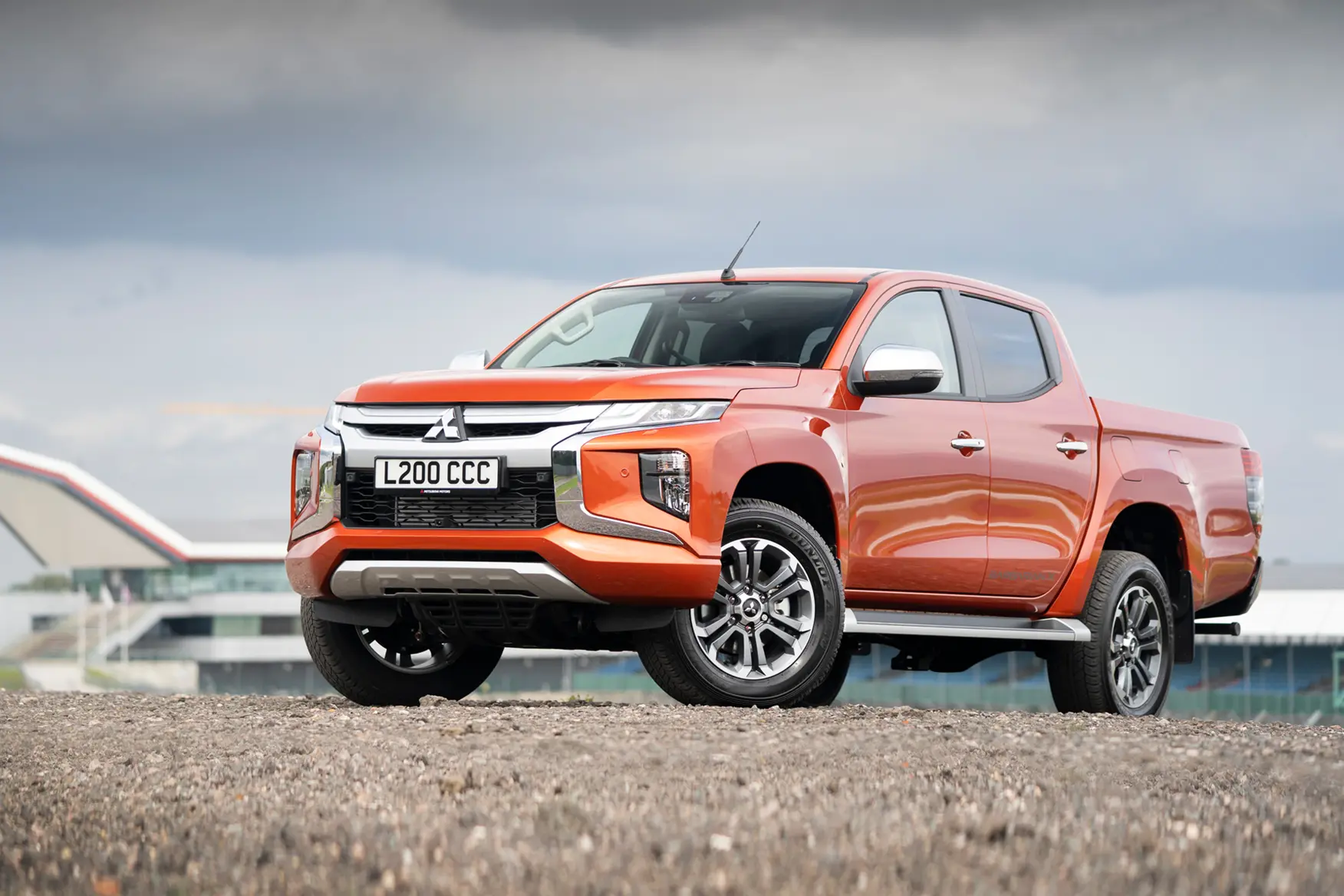
Purchasing salvage Mitsubishi vehicles offers an affordable and practical way to own a reliable, high-performance car. Mitsubishi has a long-standing reputation for producing durable, efficient, and versatile vehicles that cater to a wide range of drivers. Salvage vehicles, often available at a fraction of their market price, can be an excellent choice for those looking to save money on repairs while still enjoying the benefits of owning a Mitsubishi.
Why Should You Choose a Mitsubishi Vehicle?
Mitsubishi vehicles have gained global popularity for their reliability, innovative features, and affordability. Whether you’re looking for a compact car for daily commutes or a powerful SUV for family adventures, Mitsubishi offers a range of models designed to meet diverse needs. Salvage Mitsubishi vehicles, in particular, provide an opportunity to own these high-quality cars at a significantly reduced cost, making them a practical choice for budget-conscious buyers.
What Makes Mitsubishi a Popular Brand?
Mitsubishi is a brand that has stood the test of time, known for its innovation, quality, and value. Several factors contribute to its enduring popularity:
- Reliability: Mitsubishi vehicles are built to last, with many models earning top ratings for dependability. Owners often praise their cars for requiring minimal maintenance and delivering consistent performance over the years.
- Versatility: From fuel-efficient compact cars like the Mitsubishi Mirage to rugged SUVs like the Outlander and Montero, Mitsubishi offers a wide variety of vehicles to suit different lifestyles and preferences. The brand’s focus on versatility makes it a favorite among families, adventurers, and urban commuters alike.
- Advanced Technology: Mitsubishi is at the forefront of automotive innovation, integrating cutting-edge technology into its vehicles. Features like the Super All-Wheel Control (S-AWC) system, hybrid powertrains, and advanced safety features enhance the driving experience and offer peace of mind.
- Affordability: One of Mitsubishi’s biggest strengths is its affordability. The brand offers competitive pricing on new and used vehicles, making it an accessible choice for many buyers. With salvage Mitsubishi vehicles, the cost savings become even more significant, providing exceptional value for money.
Benefits of Owning a Mitsubishi Vehicle
Owning a Mitsubishi vehicle comes with a host of advantages that make it a smart investment for drivers:
- Fuel Efficiency: Mitsubishi cars are known for their impressive fuel economy, especially models like the Mirage and Outlander PHEV. This makes them an excellent choice for drivers looking to save on fuel costs without compromising performance.
- Durability: Mitsubishi vehicles are engineered to withstand the test of time, with robust construction and reliable components. Whether it’s navigating city streets or tackling rough terrains, Mitsubishi cars are built to handle it all.
- Stylish Design: Mitsubishi vehicles combine functionality with eye-catching design. Sleek lines, bold grilles, and modern interiors create a stylish look that appeals to a wide range of drivers.
- Resale Value: Thanks to their reliability and popularity, Mitsubishi vehicles tend to hold their value well over time. Even a used or salvage Mitsubishi can be a worthwhile investment due to its strong resale potential.
- Eco-Friendly Options: Mitsubishi is a leader in producing environmentally friendly vehicles, with hybrid and electric models that reduce carbon emissions. The Outlander PHEV, for instance, is one of the most popular plug-in hybrid SUVs on the market, combining efficiency with performance.
What Parts of Mitsubishi Vehicles Are Commonly Replaced?
When purchasing a salvage Mitsubishi vehicle, understanding which parts are commonly replaced can help you plan for repairs and ensure the car is restored to optimal condition. Mitsubishi vehicles are known for their durability, but like any vehicle, they have components that experience wear and tear over time. Some replacement parts are more frequently needed, and their costs can vary based on availability and demand.
Commonly Needed Parts for Mitsubishi Vehicles
Several parts of Mitsubishi vehicles are prone to wear and may require replacement during repairs or regular maintenance. These include:
- Brake Components: Items like brake pads, rotors, and calipers are among the most commonly replaced parts due to natural wear from daily use. Keeping your brakes in good condition is essential for safety and performance.
- Suspension Components: Parts such as shock absorbers, struts, and control arms can wear out over time, especially in vehicles used for rough terrain or heavy loads. Replacing these ensures a smooth and stable ride.
- Engine Components: Salvage vehicles often require engine repairs or replacements. Common parts include timing belts, spark plugs, and fuel injectors, which are essential for maintaining engine efficiency and performance.
- Transmission Parts: Components like clutches, transmission gears, and seals may need attention, particularly in older Mitsubishi models or vehicles with high mileage.
- Body Panels and Lights: Salvage Mitsubishi vehicles often have exterior damage. Body panels like bumpers, fenders, and doors, along with headlights and taillights, are frequently replaced during restoration.
- Electrical Components: Modern Mitsubishi vehicles feature advanced electronics, and parts like sensors, wiring harnesses, and alternators may require repairs or replacement.
Why Are Replacement Parts Expensive?
The cost of Mitsubishi replacement parts can sometimes be higher than expected, especially for specific models or specialized components. Several factors contribute to the expense:
- Limited Availability: Mitsubishi is a global brand, but some parts, particularly those for older or less common models, can be harder to find. This scarcity often drives up the price.
- OEM Quality Standards: Original Equipment Manufacturer (OEM) parts are designed to meet strict quality and performance standards. While they ensure a perfect fit and durability, they are typically more expensive than aftermarket alternatives.
- Advanced Technology: Modern Mitsubishi vehicles feature advanced systems, such as hybrid powertrains, Super All-Wheel Control (S-AWC), and integrated infotainment systems. The complexity of these components can make them more costly to replace or repair.
- Import Costs: Many Mitsubishi parts are manufactured overseas and need to be imported. Shipping fees, tariffs, and currency exchange rates can increase the final cost of these parts.
- Labor Costs: In some cases, replacing parts requires specialized knowledge or tools, leading to higher labor costs if the work is done by a professional mechanic.
Can You Save Money by Buying Used Parts for Your Mitsubishi?
Purchasing used parts for your Mitsubishi can be a cost-effective solution for repairs and maintenance, especially if you own a salvage vehicle. Many high-quality used parts are available at a fraction of the cost of new ones, making them a smart choice for budget-conscious car owners. Whether you need essential components or cosmetic upgrades, used parts offer excellent value without compromising functionality.
How Used Parts Can Save You Money
- Lower Cost Compared to New Parts: Used parts are significantly cheaper than brand-new ones. This is particularly helpful when dealing with expensive components like transmissions, engines, or body panels. By opting for used parts, you can complete necessary repairs without overspending.
- Availability of OEM Parts: Used parts often include Original Equipment Manufacturer (OEM) components, ensuring a perfect fit and reliable performance. These parts are typically salvaged from vehicles that are no longer in operation but still have intact, high-quality components.
- Reduced Repair Expenses: Sourcing used parts from salvage yards or online platforms allows you to avoid the premium prices charged by dealerships. Additionally, many sellers offer warranties on used parts, giving you peace of mind and reducing the risk of unexpected costs.
- Sustainability: Buying used parts not only saves money but also supports eco-friendly practices by reducing waste and the need for manufacturing new components. This makes it a win-win for your wallet and the environment.
- Flexibility for DIY Repairs: If you’re comfortable handling basic repairs, buying used parts can save you labor costs as well. Many Mitsubishi owners find that sourcing and installing used parts themselves is both economical and rewarding.
What Parts Are Available as Salvage?
The variety of parts available as salvage is vast, allowing you to address almost any repair or upgrade for your Mitsubishi. Commonly available salvage parts include:
- Body Panels and Exterior Components: Doors, bumpers, fenders, hoods, and mirrors are often salvaged from vehicles with minor cosmetic damage. These parts are perfect for restoring a salvage Mitsubishi with exterior issues.
- Engines and Transmissions: Salvage yards frequently stock fully functional engines and transmissions from vehicles that were written off due to accidents or other non-mechanical issues. These components can significantly extend the lifespan of your car.
- Suspension and Steering Parts: Items like control arms, shocks, and steering racks are widely available and can help improve your vehicle's handling and ride quality.
- Interior Features: Salvage vehicles often yield high-quality seats, dashboards, infotainment systems, and other interior parts. These components are ideal for upgrading or replacing worn-out features.
- Electrical Components: Salvage yards stock a variety of electrical parts, including alternators, starter motors, and sensors, which are essential for keeping your Mitsubishi running smoothly.
- Wheels and Tires: Many salvage vehicles have wheels and tires in excellent condition, providing an affordable way to replace or upgrade your current set.
How to Find and Buy Salvage Mitsubishi Vehicles Online
Buying salvage Mitsubishi vehicles online is an accessible and budget-friendly way to own a reliable car while significantly reducing upfront costs. Online platforms and auctions provide a vast selection of vehicles, making it easier than ever to find a Mitsubishi model that fits your needs and budget. By understanding the process and potential benefits, you can make an informed purchase that maximizes value.
Why Buying Entire Salvage Vehicles is Beneficial
Purchasing a complete salvage Mitsubishi vehicle offers several advantages that make it an attractive option for savvy buyers:
- Lower Purchase Price: Salvage vehicles are typically sold at a fraction of their market value. This makes them a cost-effective option for buyers looking to repair and drive the car or for those interested in reselling it after restoration.
- Access to High-Quality Parts: A salvage vehicle provides a wealth of OEM parts that can be used for repairs or upgrades. Even if the car isn’t fully restored, its components may have significant value for other projects or resales.
- Customization Opportunities: Salvage vehicles allow you to start with a blank slate. Whether you want to rebuild a Mitsubishi to factory specifications or customize it for a unique look or performance, salvage vehicles offer flexibility.
- Variety of Options: Online auctions and salvage platforms offer a wide selection of Mitsubishi models, from compact cars like the Mirage to SUVs like the Outlander. This variety increases your chances of finding a vehicle that suits your preferences and goals.
- Learning Experience: For car enthusiasts, restoring a salvage Mitsubishi can be an enjoyable and educational project. It’s a great way to learn more about automotive repairs and gain hands-on experience.
How to Save Money with Salvage Vehicles
Salvage Mitsubishi vehicles can be a cost-effective investment, especially if you approach the purchase strategically:
- Set a Clear Budget: Determine how much you’re willing to spend, including the vehicle's price, repairs, and any additional expenses like shipping or registration. Having a budget ensures you don’t overspend.
- Research the Market: Compare prices on different online platforms to find the best deals. Websites specializing in salvage auctions often list vehicles with detailed descriptions and photos, making it easier to evaluate options.
- Inspect Vehicle Histories: Look for vehicles with minor damage or repairable issues. Check the Vehicle Identification Number (VIN) to review the car’s history and avoid models with hidden problems.
- Source Affordable Repairs: Save money by purchasing used or aftermarket parts for repairs. You can also consider working with a local mechanic or doing some of the restoration yourself to reduce labor costs.
- Plan for Long-Term Savings: Once repaired, salvage Mitsubishi vehicles can provide years of reliable performance at a fraction of the cost of a new car. You’ll also save on depreciation, as the vehicle’s value is already adjusted for its salvage title.
How Can Mechanics and Body Shops Benefit from Buying Salvage Mitsubishi Vehicles?
For mechanics and body shops, purchasing salvage Mitsubishi vehicles is more than just a cost-effective strategy—it’s a way to enhance services, reduce expenses, and increase profits. Salvage cars provide access to a treasure trove of genuine parts and create new opportunities to offer affordable solutions to customers. Let’s explore how these businesses can benefit.
Savings on Parts and Repairs
- Affordable Source of OEM Parts: Salvage Mitsubishi vehicles often come with functioning OEM (Original Equipment Manufacturer) parts that can be reused. Buying these vehicles is a cost-efficient way to stock high-quality components without the hefty price tag of ordering new ones.
- Reduced Procurement Costs: Instead of sourcing individual parts at premium prices, purchasing an entire salvage vehicle provides access to multiple components in one transaction. This saves both time and money for mechanics and body shops.
- Minimal Investment for Rare Parts: For older or less common Mitsubishi models, parts can be hard to find or expensive to source. Salvage vehicles often have these rare components intact, allowing businesses to serve a wider range of customers.
How It Enhances Business Profits
- Higher Margins on Repairs: By using parts salvaged from Mitsubishi vehicles, shops can reduce the cost of materials while maintaining or increasing their service charges. This results in better profit margins for each repair job.
- Increased Customer Satisfaction: Offering affordable repair options by utilizing salvaged parts attracts cost-conscious customers and builds loyalty. Satisfied customers are more likely to recommend the shop to others, generating more business.
- Opportunities for Vehicle Resales: Some salvage Mitsubishi vehicles can be repaired and sold at a profit. By restoring these cars, body shops can add an additional revenue stream beyond traditional repair services.
- Competitive Edge: Businesses that use salvage vehicles to lower costs can pass some of those savings on to customers, allowing them to offer competitive pricing and attract more clients.
Having a Constant Supply of Genuine Parts
- Steady Inventory: Buying salvage Mitsubishi vehicles ensures a constant supply of genuine parts that can be used as needed. This is particularly valuable for high-demand components like engines, transmissions, and body panels.
- Reduced Dependence on Suppliers: Salvage vehicles minimize reliance on external suppliers for parts. This independence can reduce delays and improve efficiency when completing repairs.
- Flexibility for Immediate Repairs: Having a stock of parts from salvaged vehicles allows mechanics to perform repairs quickly, enhancing customer satisfaction and improving workflow.
- Recycling Opportunities: Even components that can’t be directly reused, such as damaged panels or worn-out parts, can often be recycled or sold as scrap, providing additional financial benefits.
Are There Any Risks to Buying Salvage Mitsubishi Vehicles?
While buying salvage Mitsubishi vehicles can be a cost-effective option, it’s essential to understand the potential risks involved. By being informed and taking the right precautions, you can minimize these risks and make a successful purchase that aligns with your goals.
What Are the Risks of Buying Salvage Cars?
- Unknown Extent of Damage: Salvage vehicles are often sold as-is, meaning you might not have a clear understanding of the full extent of the damage or the repairs needed. Hidden mechanical or structural issues could lead to unexpected costs.
- Limited Warranty or No Guarantee: Salvage vehicles typically don’t come with warranties, leaving buyers solely responsible for any repairs or replacements. This lack of coverage increases financial risk.
- Insurance Challenges: Insuring a salvage vehicle can be complicated. Some insurance companies may offer only limited coverage, or the premiums may be higher compared to a clean-title vehicle.
- Difficulty in Resale: Salvage vehicles often have a lower resale value, even after repairs. Finding a buyer willing to purchase a rebuilt salvage car can be challenging.
- Potential for Fraud: In rare cases, salvage vehicles might have inaccurate or misleading descriptions, making it crucial to verify the vehicle’s history and condition.
How to Mitigate Risks When Buying Salvage Vehicles
- Research the Vehicle’s History: Use the Vehicle Identification Number (VIN) to obtain a comprehensive history report. This can provide insights into the type of damage the car sustained and whether it has been involved in previous accidents.
- Understand the Damage: Ask for detailed photos and descriptions of the vehicle’s current condition. If possible, consult with a trusted mechanic to assess the potential costs of repairs.
- Buy from Reputable Sources: Stick to well-known auction platforms or salvage dealers with positive reviews. These platforms often provide detailed information about the vehicles and ensure transparent transactions.
- Set a Budget for Repairs: Include repair costs in your budget to avoid overspending. Knowing how much you’re willing to invest can help you avoid costly mistakes.
- Inspect Certifications: If the vehicle has been repaired, check if it comes with a rebuilt title or has passed inspections required in your state. This ensures it meets safety standards.
How to Inspect Salvage Vehicles Online
- Request Comprehensive Photos: High-quality photos from multiple angles, including the interior, exterior, and under the hood, can help you gauge the vehicle’s condition.
- Look for Auction Descriptions: Reputable auction sites often provide detailed descriptions of the damage, including specifics about which parts are salvageable and which need replacement.
- Video Inspections: Some sellers offer video walkarounds of the vehicle, providing a clearer picture of its condition. This is especially useful for assessing dents, rust, or other visible damage.
- Ask for a Professional Assessment: Many auction platforms allow third-party inspectors to examine the vehicle before purchase. Their reports can help you make an informed decision.
- Check the Vehicle’s Title Status: Review whether the vehicle has a salvage or rebuilt title. Understanding the title status is crucial to avoid legal or financial complications later.
Why Should You Choose Pre-Owned Over New Mitsubishi Vehicles?
Choosing a pre-owned Mitsubishi over a new one is a smart move for budget-conscious buyers and eco-conscious individuals alike. Pre-owned vehicles offer excellent value, lower costs, and a positive environmental impact. Here’s why a used Mitsubishi might be the better choice for you.
Save Money on Purchase Price and Depreciation
- Significant Cost Savings: Pre-owned Mitsubishi vehicles are typically priced much lower than their brand-new counterparts. This allows buyers to afford higher-end trims or models with advanced features without overspending.
- Avoid Steep Depreciation: New cars lose a substantial portion of their value within the first few years of ownership, often up to 20-30% in the first year alone. Pre-owned vehicles, having already undergone most of their depreciation, retain their value better over time.
- Access to Quality Options: With Mitsubishi’s reputation for durability, many pre-owned models are in excellent condition, offering long-term reliability at a fraction of the cost of a new car.
Lower Registration Fees and Insurance Premiums
- Reduced Registration Costs: In many states, vehicle registration fees are tied to the car’s age and value. Since pre-owned vehicles are older and less expensive than new ones, the registration costs are considerably lower.
- Affordable Insurance Rates: Insurance premiums for pre-owned vehicles are generally lower because their replacement cost is less than that of a new car. This means additional savings over the life of the vehicle.
- Savings on Taxes: In some regions, taxes on vehicle purchases are based on the purchase price. A lower-priced pre-owned Mitsubishi means you’ll pay less in sales tax compared to a new model.
How Pre-Owned Vehicles Are Environmentally Friendly
- Reduced Manufacturing Impact: Buying a pre-owned Mitsubishi reduces demand for new car production, which is resource-intensive and contributes to carbon emissions. Opting for a used vehicle is a sustainable choice that helps conserve raw materials and energy.
- Extending Vehicle Lifespan: By choosing a pre-owned vehicle, you’re giving it a second life, reducing the waste associated with scrapping older cars and manufacturing new ones.
- Lower Energy Consumption: Manufacturing and transporting new vehicles require significant energy. When you purchase a pre-owned car, you indirectly reduce the overall energy footprint associated with car production.
- Potential for Fuel Efficiency: Many pre-owned Mitsubishi models are equipped with efficient engines and technologies, making them an eco-friendly option for daily driving.
Are you interested in buying a car from Online Auto Auctions?
With this being said – you can still export vehicles and save up a few thousand dollars with Bidndrive. We have an inventory of over 150k plus vehicles with titles you can export for you to choose from. Once you have placed your bid and won the auction a Bill of Sale document is then emailed to you as proof of purchase – after full payments have been made.
To gain access and get started on your purchase, sign up for free.