


When buying a used car, understanding the type of title it carries is crucial. Terms like "clean title" and "clear title" are often used interchangeably, but they have specific meanings that can impact your decision. Whether you're shopping through online auctions like BidnDrive or exporting cars with companies like Auto4Export, knowing the difference can save you time, money, and future headaches.
What is a Vehicle Title and Why Does It Matter?
A vehicle title is more than just a piece of paper—it’s a legal document that defines the car’s ownership history and status. It ensures transparency in buying and selling cars, offering insights into the vehicle’s past that can protect you from unexpected issues.
Overview of Vehicle Titles
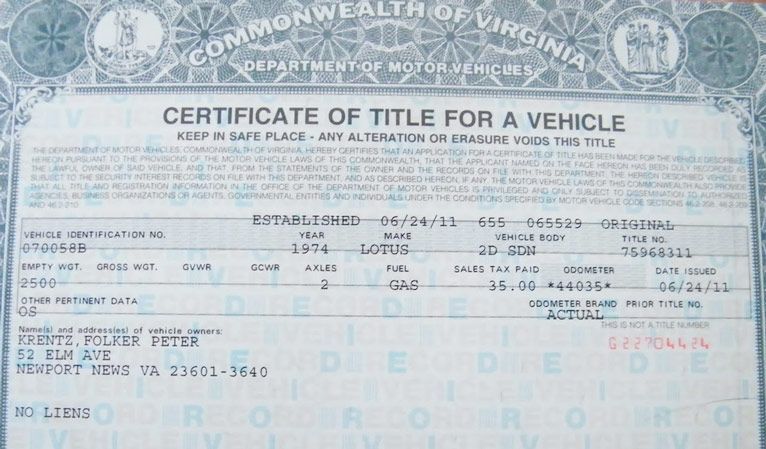
A vehicle title serves as proof of ownership and records vital information such as the car's make, model, year, and Vehicle Identification Number (VIN). It also details the ownership chain, ensuring there’s no dispute over who legally owns the car. Depending on the car’s history, the title may include labels like “clean,” “salvage,” “rebuilt,” or even “clear.” Each designation affects the car’s value and potential risks for buyers.
For instance, a "clean" title indicates that the vehicle has not suffered significant damage or been written off by insurance. On the other hand, a "salvage" title signifies that the car has been severely damaged and declared a total loss by an insurer. Understanding these distinctions is critical when navigating car auctions or purchasing from sellers.
How Titles Impact Buying and Selling Cars
The type of title a car holds can significantly influence its marketability and price. Buyers prefer vehicles with clean or clear titles, as they signify minimal risk. In contrast, cars with salvage or rebuilt titles often sell at a lower price but may come with hidden repair costs or insurance challenges.
What Does a Clean Title Mean?
A clean title is often considered the gold standard when buying a used car. It means the vehicle has never been severely damaged, declared a total loss by an insurer, or rebuilt after significant repairs. For many buyers, a clean title provides peace of mind and a sense of security, but it’s essential to understand its full implications before making a purchase.
Definition and Key Characteristics
A clean title indicates that a car has no major damage history and has not been classified as salvage or rebuilt. This type of title is issued when the vehicle has a clear record of ownership and has not been involved in severe accidents, floods, or other events that would compromise its structural integrity. A clean title may also include a note if the vehicle has a lien, meaning the owner still owes money to a lender, but this doesn’t affect its “clean” status.
Advantages of a Clean Title
Assured Safety Standards
Vehicles with clean titles have generally been free from major accidents or repairs, ensuring they meet safety standards set by manufacturers. This makes them a reliable choice for buyers concerned about long-term performance and safety.
Simplified Insurance Process
Insurance companies typically offer straightforward coverage options for cars with clean titles. Since these vehicles haven’t undergone extensive repairs or rebuilds, insurers are less likely to charge higher premiums or impose restrictions on coverage.
High Resale Value
Clean title vehicles retain their value better than those with salvage or rebuilt titles. Buyers trust that a car with a clean title hasn’t experienced severe damage, making it easier to sell at a competitive price in the future.
Easy Vehicle Registration
Registering a car with a clean title is typically hassle-free. Since the car hasn’t been flagged for major damage or ownership complications, state agencies process registrations quickly, saving time and reducing paperwork.
Disadvantages of a Clean Title
Higher Initial Cost
The biggest downside to buying a car with a clean title is the cost. These vehicles are in high demand due to their reliability and lack of major repair history, which often drives up their price compared to cars with salvage or rebuilt titles.
Potential False Security
While a clean title suggests a car has no significant damage history, it doesn’t guarantee perfection. Some sellers may conceal minor accidents or repairs that weren’t reported to insurance, leaving potential risks undisclosed. Always inspect the car thoroughly or hire a professional before purchasing, even with a clean title.
What Does a Clear Title Mean?
A clear title is essential for ensuring a smooth and legally sound car purchase. Unlike a clean title, which refers to the vehicle’s condition, a clear title specifically addresses ownership and legal standing. Understanding this distinction can help you avoid complications, especially when buying through platforms like BidnDrive or exporting vehicles with Auto4Export.
Definition and How It Differs From a Clean Title
A clear title means that the vehicle has no legal encumbrances, such as outstanding loans, liens, or ownership disputes. It guarantees that the seller has full, undisputed ownership of the car and the legal right to transfer it to the buyer.
The key difference between a clear and clean title lies in what they represent. A clean title speaks to the car’s accident and damage history, while a clear title focuses on the ownership and legal status. A car can have both a clean and clear title, but it’s possible for a clean-titled car to lack a clear title if it has unresolved financial or legal claims.
Advantages of a Clear Title
Free of Legal Disputes
A clear title ensures there are no legal challenges to the vehicle’s ownership. This means you won’t face surprise claims from a previous owner or lender after purchasing the car, giving you confidence in your investment.
No Outstanding Liens
Vehicles with clear titles are free from liens, meaning the previous owner doesn’t owe any money on the car to a bank or financing company. This eliminates the risk of having to pay off someone else’s debt to secure full ownership.
Ready for Ownership Transfer
A clear title simplifies the transfer process. Since the title is free of any legal or financial issues, state agencies can process ownership changes without delays, allowing you to drive away without complications.
Disadvantages of a Clear Title
May Still Require Additional Verification
While a clear title indicates the car is free from legal issues, it doesn’t provide details about the vehicle’s physical condition. A car with a clear title may still have hidden damage, so a pre-purchase inspection is essential to ensure you’re getting a reliable vehicle.
Often Confused With Other Titles
The term “clear title” is frequently confused with “clean title,” leading to misunderstandings. This confusion can result in buyers making assumptions about the car’s condition or ownership status, which might affect their purchasing decision. To avoid this, always ask for clarification and verify the title’s details before committing to a purchase.
Clean Title vs. Clear Title: Key Differences
While clean titles and clear titles are often mentioned together, they address distinct aspects of a vehicle's history and status. Knowing the differences is critical, especially when purchasing cars through platforms like BidnDrive or exporting them with Auto4Export. Let’s break down the key differences to help you make informed decisions.
Ownership History
A clean title focuses on the vehicle’s physical condition and accident history. It indicates that the car has not suffered severe damage or been classified as salvage or rebuilt. However, it does not necessarily confirm the absence of liens or ownership disputes.
In contrast, a clear title ensures that the vehicle has no unresolved legal or financial claims, such as outstanding loans or liens. It confirms that the seller has full authority to transfer ownership to the buyer. While a car can have both a clean and clear title, these terms are not interchangeable, as they address entirely different aspects of the vehicle’s history.
Insurance and Legal Considerations
Insurance companies value clean titles because they signify a car has not been involved in major incidents. Vehicles with clean titles are easier to insure, and policies for them typically cost less than for those with salvage or rebuilt titles. However, a clean title alone does not guarantee that the vehicle is free from legal complications, such as liens or disputes over ownership.
A clear title, on the other hand, focuses on eliminating legal risks. Buyers of vehicles with clear titles are less likely to encounter problems with ownership transfers or unexpected financial obligations. While insurers may not consider a clear title as heavily as a clean title, the legal assurance it provides is invaluable during the purchasing process.
Vehicle Value Implications
Both clean and clear titles contribute to a vehicle’s resale value, but in different ways. A clean title boosts a car’s marketability by confirming it hasn’t undergone significant repairs or damage, which reassures buyers about its reliability.
A clear title ensures the car is free from legal complications, which also adds to its desirability. However, a clean title typically has a more direct impact on the car’s valuation. For buyers, understanding these distinctions is vital to ensure you’re paying a fair price and not overlooking critical details.
How to Check If a Vehicle Has a Clean or Clear Title
Before purchasing a car, especially through auctions or resale platforms like BidnDrive or exporting with Auto4Export, it's essential to confirm its title status. Checking whether a vehicle has a clean or clear title can help you avoid legal and financial pitfalls. Here’s how to ensure you’re making an informed purchase.
Using VIN Reports to Verify Titles
The Vehicle Identification Number (VIN) is the key to uncovering a car’s title history. By entering the VIN into trusted services like Carfax or AutoCheck, you can access a detailed report that includes:
- Accident history: Confirms if the vehicle has been in major accidents that might affect its clean title status.
- Title status: Indicates whether the car has a clean, salvage, or rebuilt title.
- Ownership records: Highlights any liens or unresolved claims, helping to verify if the title is clear.
- Maintenance records: Offers insights into how well the vehicle has been cared for over time.
These reports provide transparency and can reveal red flags, such as title washing (where a car’s title history has been fraudulently altered). Always prioritize checking the VIN before proceeding with a purchase.
Understanding the Information on Vehicle Titles
Reading and interpreting a vehicle title is crucial for verifying its clean and clear status. Key details to review include:
- Title Type: Look for terms like “clean,” “salvage,” or “rebuilt.” A clean title means no significant damage history, while salvage or rebuilt titles indicate prior major repairs.
- Lienholder Information: A clear title will not list any lienholders. If a lien is mentioned, the current owner likely owes money on the vehicle, and the lien must be resolved before transfer.
- Odometer Reading: Check for consistency with the car’s condition and service history to avoid discrepancies that might suggest fraud.
- Branding Notes: Look for additional notes, such as “flood damage” or “insurance loss,” which can impact the title’s cleanliness or clarity.
Reviewing this information carefully ensures you’re fully aware of the car’s status before committing to a purchase.
Signs to Watch For When Inspecting Documentation
While VIN reports and title documents provide valuable insights, there are other signs to watch for that may indicate issues:
- Incomplete or Missing Information: Titles that lack essential details like the VIN or owner signatures can be a red flag for potential fraud or legal complications.
- Inconsistencies in Records: Discrepancies between the VIN report and the physical title (e.g., different branding or ownership details) warrant further investigation.
- Unusual Alterations: Look for erasures, white-outs, or other modifications on the title document. These could suggest attempts to hide the vehicle’s history.
- Seller Hesitation: If a seller is unwilling to provide the title or delays sharing information, it could indicate unresolved legal or financial issues with the car.
By thoroughly inspecting documentation and using reliable VIN-checking tools, you can confirm whether a vehicle has a clean and clear title, ensuring a safer and more secure purchase.
Pros and Cons: Clean Title vs. Clear Title
When deciding between a clean title and a clear title, understanding their unique benefits and drawbacks can help you make the best choice for your needs. Both play significant roles in determining a vehicle's suitability for purchase, resale, or long-term ownership.
Which Title is Better for Buyers?
Factors Based on Usage Needs
The better title depends on what you’re looking for in a vehicle. If safety and reliability are your top priorities, a clean title is ideal, as it ensures the car hasn’t undergone major damage or repairs. This is especially important if you plan to use the vehicle for daily commuting or family transportation.
On the other hand, a clear title is essential if you want legal and financial peace of mind. For buyers exporting vehicles through Auto4Export or planning to resell them, a clear title guarantees there are no outstanding liens or ownership disputes that could complicate the process.
Long-Term Value Considerations
A clean title adds value by certifying the car’s accident-free history, which reassures future buyers. However, a clear title’s value lies in its simplicity and the absence of financial obligations. If you’re looking to maintain or increase the car’s resale value over time, aim for a vehicle with both clean and clear titles.
Which Title Offers Better Resale Opportunities?
For resale, both clean and clear titles play crucial roles. A clean title enhances a vehicle's marketability by confirming its pristine condition, making it easier to sell at a higher price. Buyers often prioritize cars with clean titles because they feel more confident in their safety and performance.
A clear title, while not as heavily focused on the vehicle’s condition, ensures a smooth and legally sound transaction. Vehicles with clear titles are more likely to attract serious buyers who don’t want to deal with lien payments or ownership disputes. Ultimately, the best resale opportunities come from vehicles that possess both clean and clear titles, as they combine reliability with legal assurance.
What to Do if the Vehicle Doesn’t Match the Title
If a vehicle’s condition or ownership history doesn’t align with the title provided, proceed with caution. Here’s what you should do:
- Request Additional Documentation: Ask the seller for repair records, accident reports, or proof of lien clearance. This helps verify the discrepancies and provides a clearer picture of the vehicle’s history.
- Contact the DMV or Title Agency: Reach out to your local Department of Motor Vehicles (DMV) to investigate the title further. They can confirm its authenticity and address any concerns about liens or branding.
- Consult a Professional: Hire a mechanic to inspect the car for hidden damage or fraud signs. Legal advice may also be beneficial if you suspect title tampering.
- Avoid the Purchase if Necessary: If the title issues remain unresolved or the seller cannot provide satisfactory explanations, it’s best to walk away. Platforms like BidnDrive and Auto4Export can help you find alternative vehicles with verified titles.
Are you interested in buying a car from Online Auto Auctions?
With this being said – you can still export vehicles and save up a few thousand dollars with Bidndrive. We have an inventory of over 150k plus vehicles with titles you can export for you to choose from. Once you have placed your bid and won the auction a Bill of Sale document is then emailed to you as proof of purchase – after full payments have been made.
To gain access and get started on your purchase, sign up for free.