


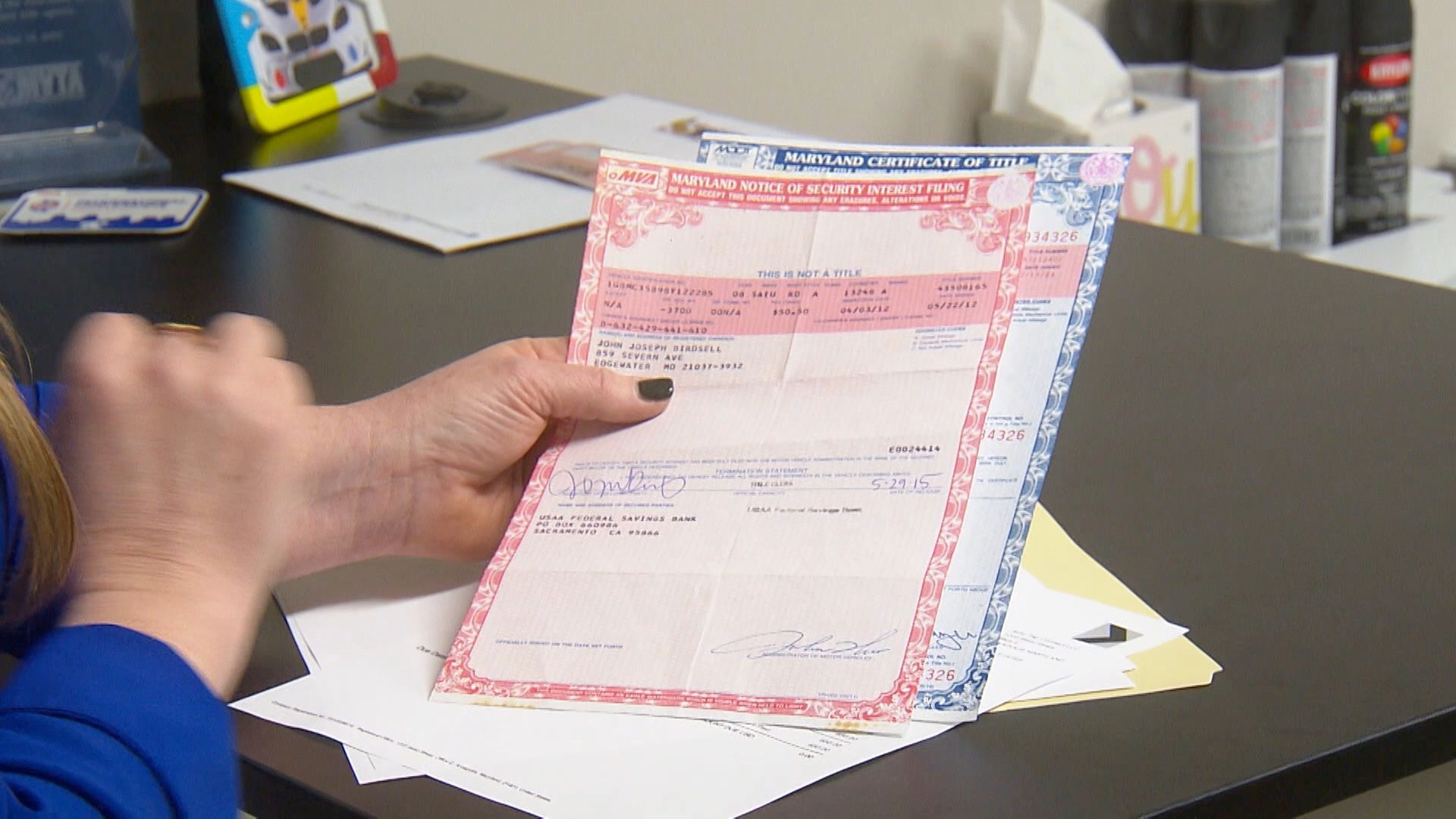
When shopping for a used car, you’ll often hear terms like “clean title” and “salvage title.” These terms refer to the vehicle's history and legal status, which can significantly impact its value, safety, and insurability. Knowing the difference between these titles is crucial, especially if you’re looking to save money by buying from an auto auction. This guide will explain the basics, helping you make an informed decision.
What is a Vehicle Title and Why Does It Matter?
A vehicle title is more than just a piece of paper—it’s proof of ownership and a record of the car’s history. Whether you’re buying or selling a car, the type of title it holds can influence its price, legal standing, and future resale value. Let’s dive deeper into what vehicle titles mean and why they’re essential.
Understanding Vehicle Titles
A vehicle title is a legal document issued by the state’s Department of Motor Vehicles (DMV) or similar authority. It provides detailed information about the car, including:
- Ownership details: The current owner’s name and address.
- Vehicle specifics: Make, model, year, and Vehicle Identification Number (VIN).
- Title status: Whether it’s a clean title, salvage title, or another designation.
The title also tracks major events in the car’s life, such as accidents, flood damage, or theft recovery. Clean titles indicate that the vehicle has a relatively trouble-free history, while salvage titles signal significant damage or past issues.
Why Titles Are Important for Buyers and Sellers
For buyers, titles are a critical tool for assessing a car’s condition and value. A clean title often means the car is safe, reliable, and has had no severe incidents, making it easier to finance and insure. Salvage titles, on the other hand, warn of major damage that may require expensive repairs or indicate safety concerns.
For sellers, having a clean title can attract more buyers and fetch a higher price. Conversely, a salvage title might lower the car’s value, but it can appeal to budget-conscious buyers or mechanics looking for a project. Understanding the title status helps both parties make fair and informed deals.
What Does a Clean Title Mean?
A clean title indicates that a vehicle has no significant issues in its history that would affect its structural integrity or safety. It’s the gold standard of titles, reassuring buyers that the car hasn’t been through catastrophic damage or events. Let’s explore what defines a clean title and why it’s highly valued in the car market.
Definition and Key Features
A clean title is a vehicle’s record free from major incidents such as total loss, severe accidents, flood damage, or theft recovery. Vehicles with clean titles meet these criteria:
- No salvage or rebuilt status: The car hasn’t been declared a total loss by an insurance company.
- Accident-free (or minimal damage): While minor repairs may exist, there are no records of major structural or safety system failures.
- Clear ownership history: The vehicle’s ownership transfers have been legally documented without disputes or fraud.
A clean title assures potential buyers that the vehicle is reliable and has a straightforward history, making it a preferred option at auctions and dealerships alike.
Advantages of a Clean Title
Clean title vehicles come with multiple benefits, providing peace of mind and convenience to buyers. Here’s why choosing a car with a clean title can be a smart decision:
Safety Assurance
Cars with clean titles haven’t experienced major structural damage, ensuring they are safer to drive. Unlike salvage-title vehicles, they are less likely to have hidden flaws in essential systems like brakes, airbags, or the engine. This reduces the risk of unexpected mechanical failures.
Easier Insurance Coverage
Insurance companies are more willing to offer coverage for clean-title cars at standard rates. Salvage-title vehicles, by contrast, often require specialized or limited policies, which can be expensive and restrictive. With a clean title, buyers avoid these complications and secure comprehensive insurance quickly.
Better Resale Value
A clean title ensures a higher resale value compared to cars with salvage or rebuilt titles. Buyers trust clean-title vehicles more, meaning they sell faster and command better prices. If you plan to resell your car in the future, a clean title will work in your favor.
Simple Registration Process
Clean-title vehicles are hassle-free to register. Since they have no history of being written off or extensively repaired, the DMV processes the paperwork quickly, avoiding delays or additional inspections. This makes getting on the road much faster and easier.
Potential Downsides of a Clean Title
While a clean title is often seen as a mark of quality, it’s not without its drawbacks. Buyers should approach clean-title vehicles with a clear understanding of potential downsides to ensure they’re making the best decision for their needs and budget.
False Security
A clean title doesn’t always mean the car is in perfect condition. Some vehicles with clean titles may have been in accidents that weren’t reported to insurance companies, leaving no official record. Additionally, minor repairs or cosmetic issues might not show up on the title, which can give buyers a false sense of security about the car’s history.
To avoid surprises, always request a vehicle history report and have a trusted mechanic inspect the car before purchase. This helps uncover any hidden problems that a clean title alone won’t reveal.
Higher Purchase Price
Clean-title vehicles typically cost more than those with salvage or rebuilt titles. The higher price reflects the car’s perceived reliability and better resale value. However, for budget-conscious buyers, this premium can stretch their finances.
If you’re looking for a deal and are willing to invest time and money into repairs, a salvage-title car may offer better upfront savings, even though it comes with risks. Clean titles are a safer bet, but they may not always be the most cost-effective option for everyone.
What Does a Salvage Title Mean?
A salvage title indicates that a vehicle has experienced significant damage, such as from an accident, flood, fire, or theft, and has been deemed a total loss by an insurance company. While these cars may not appeal to every buyer, understanding what a salvage title means can help you decide whether it’s worth considering for your budget and needs.
Definition and How It Differs From a Clean Title
A salvage title is assigned to a vehicle that has been declared a total loss by an insurance company. This typically means that the repair costs exceeded the car’s market value. Unlike a clean title, which indicates a trouble-free history, a salvage title signals that the vehicle has undergone significant repairs or may still need them.
Key differences between clean and salvage titles include:
- History: Salvage-title vehicles have documented major damage, while clean-title cars do not.
- Value: Salvage-title vehicles are worth significantly less due to their history.
- Use: Salvage cars may be repaired and returned to the road but can face restrictions, such as limited insurance options or additional inspections.
Advantages of Buying a Salvage Title Vehicle
Despite the concerns, salvage-title cars can offer unique benefits to buyers willing to take on the risks. Here’s why some people choose salvage-title vehicles:
Lower Purchase Price
The most obvious advantage of a salvage-title car is the lower cost. These vehicles can be priced 20% to 50% less than their clean-title counterparts, making them an attractive option for budget-conscious buyers. For someone who needs a functional car without a hefty price tag, salvage-title vehicles can provide an affordable solution.
Transparency in Damage History
Unlike some clean-title cars with hidden issues, salvage-title vehicles come with a clear acknowledgment of past damage. Buyers know upfront that the car has a history of significant repairs, which can lead to better-informed decisions. Many sellers provide detailed records of the damage and repairs, helping buyers understand exactly what they’re getting.
Affordable Parts for Repairs
If you’re mechanically inclined or have access to a reliable repair shop, salvage-title vehicles can be a great opportunity to save money. These cars are often used as sources for affordable parts, either for personal projects or to restore another vehicle. For buyers who enjoy working on cars, a salvage-title vehicle can double as a practical purchase and a rewarding hobby.
Disadvantages of a Salvage Title
While salvage-title vehicles can be appealing due to their lower prices, they come with several notable risks. Understanding these disadvantages can help you decide whether a salvage-title vehicle is worth pursuing, or if it might be better to stick with a clean title.
High Repair Costs
Although a salvage-title car may seem like a great deal upfront, the cost of repairs can quickly add up. Some vehicles labeled as salvage may have sustained severe damage that is expensive to fix, particularly if structural or mechanical components were compromised. Even if you’re able to handle repairs yourself, sourcing high-quality parts and ensuring the car meets safety standards can be costly.
Limited Usability
Salvage-title vehicles may face restrictions on their use. Some states require an inspection and re-certification process before allowing the car to be driven on the road. Even once approved, some salvage-title cars are not eligible for certain forms of registration, such as for commercial use. Additionally, repairs may have only partially restored the car’s original functionality, meaning it might not perform as reliably as a clean-title vehicle.
Challenges in Getting Insurance
One of the biggest hurdles for salvage-title cars is insurance. Many traditional insurers are reluctant to offer comprehensive or collision coverage for vehicles with a salvage title, and if they do, premiums can be high. In some cases, you may only be able to get liability insurance, leaving you without financial protection for repairs if the car is damaged again. Special insurance policies for salvage-title vehicles are often more limited and expensive, which is something to consider when weighing your options.
Safety Concerns
Salvage-title vehicles were often involved in significant accidents, floods, or other events that may have affected their safety. Even with repairs, there’s always the risk that the car hasn’t been restored to its original safety standards. For example, a car that’s been in a severe collision may have structural damage that isn’t immediately visible but could compromise its ability to protect you in another accident. Buyers should carefully assess whether the car has been properly repaired to meet safety requirements before considering it as a long-term option.
How to Identify if a Vehicle Has a Clean or Salvage Title
Knowing whether a vehicle has a clean or salvage title is crucial for making an informed purchase, especially when buying from an auto auction or a private seller. There are several ways to verify a car’s title status before making a decision. Here’s how you can easily identify whether a vehicle is clean or salvage.
Checking the VIN
The Vehicle Identification Number (VIN) is your first step in determining a car’s title status. Every vehicle has a unique VIN, which is typically located on the dashboard, near the windshield, or inside the driver’s side door frame. By running a VIN check through online services like Carfax or AutoCheck, you can uncover crucial details about the car, including its title history.
These reports will show whether the car has been involved in major accidents, declared a total loss, or marked as salvage. They may also provide information about any flood or theft reports, helping you avoid vehicles with hidden issues. Always make sure to verify the VIN before purchasing to ensure it matches the title documents.
Reviewing Vehicle History Reports
A detailed vehicle history report is one of the most reliable ways to confirm whether a car has a clean or salvage title. These reports, which are available through services like Carfax or AutoCheck, compile data from various sources, including insurance companies, repair shops, and government agencies.
By reviewing a history report, you can find:
- Previous title status: Whether the car ever had a salvage or clean title.
- Accident or damage history: Information about any major incidents that might not be obvious during a visual inspection.
- Odometer readings: To check for potential rollback or fraud.
A comprehensive report can offer transparency and peace of mind, ensuring you aren’t buying a car with undisclosed damage or a misleading title history.
Visual Inspection Tips for Buyers
A visual inspection can reveal important clues about a vehicle's title status, especially for buyers who are not relying solely on reports. Here are some tips to help you spot potential salvage-title cars:
- Check for mismatched parts: Salvage vehicles may have been repaired using parts from different cars. Look for mismatched paint colors, non-original parts, or inconsistent panel gaps.
- Inspect the frame: A bent or damaged frame can indicate severe accident damage. If the frame looks like it’s been welded or altered, the car might have been in a serious crash.
- Examine the undercarriage: Check for signs of rust, excessive wear, or damage under the car, which could point to past flooding or a severe accident.
- Look for airbag deployment signs: If the airbags have been deployed and not properly replaced, it may suggest that the car had significant front-end damage.
A careful visual inspection can give you a better idea of whether a car’s title is accurate, though it’s always best to combine it with a vehicle history report and, if possible, a professional inspection.
Clean Title vs. Salvage Title: Which One Should You Choose?
Choosing between a clean title and a salvage title vehicle depends on several factors, including your budget, the vehicle’s intended use, and your ability to manage potential repairs. Both types of titles have their pros and cons, and understanding these differences will help you make the best decision for your needs. Here's what you need to consider before buying either type of car.
Factors to Consider Before Deciding
Before committing to a clean-title or salvage-title vehicle, it’s important to weigh several key factors. These will help guide your decision and ensure that you’re getting the best value for your purchase, both in terms of cost and practicality.
Intended Use of the Vehicle
One of the first questions to ask yourself is how you plan to use the vehicle. If you need a reliable car for daily commuting or long trips, a clean-title vehicle is likely the better choice. Clean-title cars are generally safer, more reliable, and easier to maintain, making them ideal for regular use.
However, if the car is intended for occasional use, a project car, or a vehicle for off-road driving, a salvage-title car might be a suitable option. In this case, the lower purchase price can justify the time and money you’ll invest in repairs. For example, if you're restoring a car for a hobby or looking for a cheap car to fix up, a salvage-title vehicle can offer you the chance to get a great deal.
Your Budget and Repair Skills
Your budget plays a significant role in determining whether a clean or salvage-title car is right for you. Salvage-title vehicles are often much cheaper, but they come with the potential for costly repairs. If you have the mechanical skills to repair the car yourself, a salvage-title vehicle might be a good fit, allowing you to save money on repairs and learn something along the way.
On the other hand, if you don’t have the tools, skills, or time for extensive repairs, a clean-title vehicle may be a better option. While it may cost more upfront, the car will generally require less maintenance, saving you money and stress in the long run.
Insurance Availability
Insurance is another crucial factor to consider. Clean-title cars typically have no trouble securing full coverage from most insurance providers. In contrast, salvage-title vehicles may be harder to insure, and many insurers won’t offer full coverage. If you can only get liability insurance on a salvage vehicle, you’ll be left without coverage for damage or theft.
If having comprehensive insurance is important to you, a clean-title car will likely be your best option. However, if you’re okay with limited coverage and are comfortable taking on the risks, a salvage-title vehicle can still be a worthwhile purchase, especially if it offers significant savings.
Are you interested in buying a car from Online Auto Auctions?
With this being said – you can still export vehicles and save up a few thousand dollars with Bidndrive. We have an inventory of over 150k plus vehicles with titles you can export for you to choose from. Once you have placed your bid and won the auction a Bill of Sale document is then emailed to you as proof of purchase – after full payments have been made.
To gain access and get started on your purchase, sign up for free.