


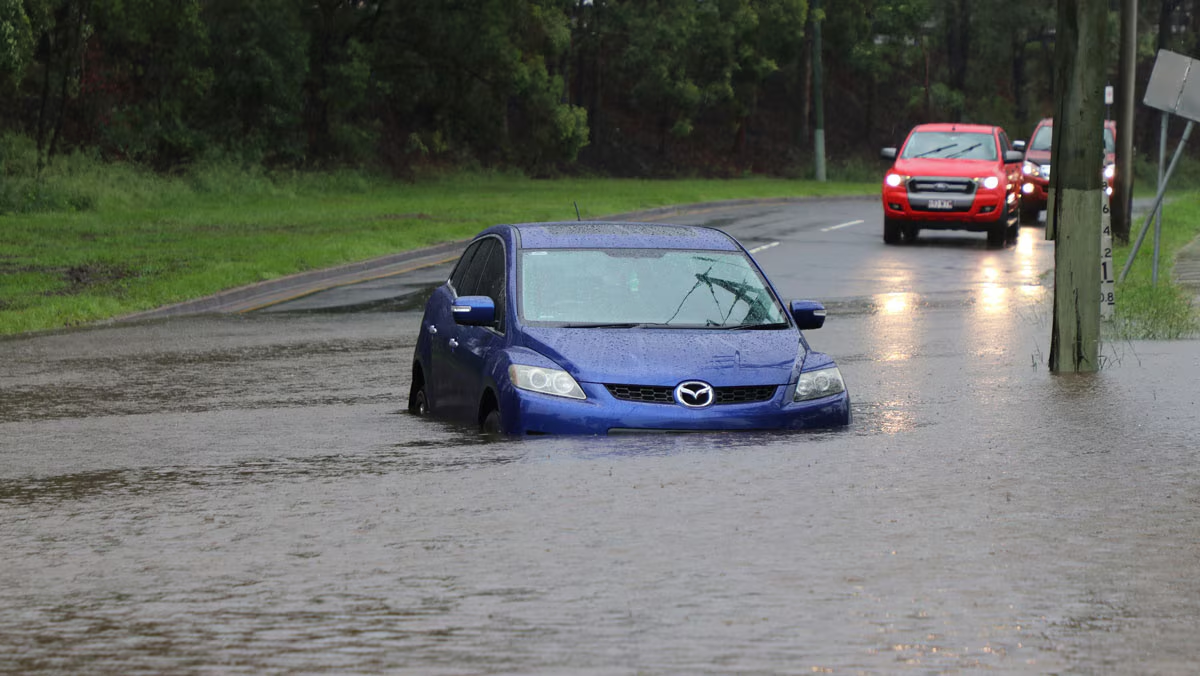
Flood damage can be a hidden threat to used cars, causing costly repairs and safety concerns. This guide will help you identify common symptoms of flood damage, such as rust, musty odors, and electrical malfunctions. Knowing these signs can save you from buying a car with hidden issues, ensuring you make a smarter, more informed purchase. Stay ahead and protect your investment with these simple inspection tips.
What Are the Symptoms of Flood Damage in a Car?
Flood damage in a car can leave behind a trail of telltale signs that, when identified, can save you from costly repairs and unexpected issues. Understanding these symptoms is crucial, especially if you’re shopping for a used car. Here are the most common indicators of flood damage to watch for:
-
Rust on the Undercarriage: One of the first places to check for flood damage is the undercarriage. Prolonged exposure to water often leads to rust and corrosion on metal components, including the exhaust system, suspension parts, and frame. Even if the car looks clean on the outside, rust underneath is a strong red flag.
-
Musty Odors: A persistent musty or damp smell inside the car often signals water damage. This odor is caused by mold and mildew growth, which thrive in damp environments like the upholstery, carpets, and air conditioning vents.
-
Water Stains: Look for discoloration or watermarks on the seats, door panels, and carpeting. These stains are usually irregular and can appear in places that would otherwise stay dry under normal conditions, such as under the dashboard or behind trim panels.
-
Dampness Under Carpets: Even if the carpets appear dry, moisture might be lurking underneath. Press down firmly on the floor to check for damp spots or squishy areas. Dampness in these places can lead to mold growth and weaken the car’s interior over time.
-
Foggy Headlights and Taillights: Moisture trapped inside the headlights or taillights is another common symptom of flood exposure. This can cause reduced visibility and may require replacement of the light assemblies.
-
Malfunctioning Electronics: Water damage wreaks havoc on a car’s electrical systems. Watch for erratic behavior in the dashboard lights, radio, power windows, and other electronic components. In severe cases, the car might fail to start due to damage to the wiring or electrical connections.
How Does Flood Damage Affect a Car’s Performance?
Flood damage can significantly impact a car’s performance, often creating issues that may not be immediately visible but can lead to long-term problems. When water intrudes into critical systems like the engine, transmission, and electrical components, the car's reliability and functionality can deteriorate quickly. Here’s how flood damage affects these key areas:
Engine Damage
The engine is one of the most vulnerable parts of a car during a flood. Water entering the engine can cause what's known as hydrolock—a condition where water fills the combustion chamber, preventing the pistons from moving. This can lead to severe internal damage, such as bent rods, cracked cylinders, and even complete engine failure. Additionally, water exposure can contaminate the engine oil, reducing lubrication and accelerating wear and tear.
Transmission Issues
Floodwaters can infiltrate the transmission system, leading to significant problems. Automatic transmissions rely on fluid to function properly, and when water mixes with this fluid, it can lose its viscosity and effectiveness. This contamination often results in erratic shifting, slipping gears, or complete transmission failure. Repairing or replacing a water-damaged transmission is both time-consuming and expensive.
Electrical System Failures
The electrical system in modern cars is highly complex, with numerous sensors, wiring, and computerized components. Water exposure can short-circuit these systems, causing malfunctions in critical areas like the ignition, lighting, or power windows. Corrosion on connectors and terminals exacerbates the problem, leading to intermittent faults or permanent damage. In severe cases, the vehicle’s computer modules may need replacement, which can be costly.
Corrosion and Weakened Structure
Floodwaters often contain salt, mud, and debris, which can corrode the car's metal components. This corrosion affects the undercarriage, suspension, and even structural elements of the vehicle. Over time, this weakens the car's frame, making it less safe and reducing its lifespan. Rust and corrosion are particularly problematic in areas with high humidity or where floodwaters linger for extended periods.
Performance Defects
Flood damage can lead to various performance issues, including reduced power, poor fuel efficiency, and unpredictable handling. These defects stem from compromised components, such as clogged air filters, contaminated fuel systems, or damaged exhaust systems. Even after repairs, a flood-damaged car may never perform as reliably as it did before.
How Can You Inspect a Car for Flood Damage Before Buying?
When buying a used car, especially from areas prone to flooding, it’s essential to perform a thorough inspection to avoid costly repairs later. Flood damage can often be hidden, so careful attention to detail during a pre-purchase evaluation is key. Here’s how you can identify signs of flood damage before making a purchase:
1. Check for Damp Carpets and Mold Growth
Water exposure often leaves telltale signs in a car’s interior.
- Lift the Carpets: Feel for dampness or water residue under the carpets, especially near the edges or underneath the seats. Even if the surface seems dry, moisture could be trapped below.
- Look for Mold: Examine corners, seat crevices, and trunk linings for mold or mildew. Mold growth typically appears as discolored patches with an unpleasant musty smell.
2. Inspect the Headlights and Taillights for Trapped Moisture
Flooded cars may have water trapped inside the headlights or taillights.
- Look for Fogging: Examine the light covers for condensation or foggy streaks.
- Check for Waterlines: Waterlines or sediment inside the light housing indicate previous water intrusion.
3. Examine the Engine Bay for Mud or Debris
The engine bay can reveal whether a car has been submerged.
- Inspect for Dirt and Mud: Look for unusual mud, sand, or debris around the engine components, air filters, or under the hood.
- Check for Corrosion: Corroded metal parts, bolts, and connectors often indicate prolonged water exposure.
4. Look for Water Stains and Discoloration
Floodwaters leave stains that can be hard to remove.
- Inspect Upholstery and Door Panels: Check for uneven color, blotches, or watermarks. Focus on hard-to-clean areas like the corners of seats or under the dashboard.
- Examine the Trunk: Inspect the spare tire compartment for water residue or rust, as this area is often overlooked during cleaning.
5. Test the Electrical Systems
Flood damage often impacts a car’s electronics.
- Turn on All Systems: Check the radio, headlights, power windows, air conditioning, and dashboard lights for consistent operation. Flickering, delays, or malfunctions could indicate water-damaged circuits.
- Inspect Wiring: Look under the dashboard and seats for corroded wiring or unusual repairs.
6. Smell for Musty Odors
Flooded cars often retain a persistent musty or earthy smell.
- Perform a Sniff Test: Sit inside the car with the doors and windows closed to detect any lingering odors.
- Beware of Overpowering Air Fresheners: Strong scents might be used to mask water damage.
7. Press Down on Flooring for Soft Spots
Prolonged exposure to water can warp or weaken the car’s flooring.
- Test for Softness: Gently press down on the floor mats and underneath them. Soft or spongy areas may indicate prolonged dampness or water damage.
8. Examine Hidden Areas for Residue
Floodwaters often leave behind sticky or gritty residue.
- Feel Around Door Seals: Check for sticky grime or dirt along the door seals and windows.
- Inspect Under Seats: Run your hand along hidden areas for unusual textures or residue.
What’s on the Checklist for Spotting Flood Damage?
Spotting flood damage in a car requires a keen eye and attention to detail. Flood damage can affect multiple aspects of a vehicle, from its structure to its systems. Here’s a detailed checklist to guide you through identifying potential signs of flood exposure:
1. Look for Water Stains and Discoloration
Floodwaters leave stains that are often challenging to remove.
- Inspect the Upholstery: Look for irregular discoloration, blotches, or waterlines on seats and fabric.
- Check the Ceiling and Door Panels: Pay attention to areas near windows or sunroofs where water may have seeped through.
- Examine the Trunk and Spare Tire Compartment: Water damage often leaves visible marks in these overlooked areas.
2. Check for Rust on Metal Components
Rust is a significant indicator of water exposure, particularly in areas that are not prone to moisture under normal conditions.
- Undercarriage: Inspect the frame, exhaust system, and suspension for unusual corrosion.
- Door Hinges and Bolts: Look for rust around the edges of doors, seat mounts, and under the dashboard.
- Engine Bay: Examine engine components and brackets for signs of rust.
3. Detect Persistent Musty Odors
Flooded cars often retain a damp, musty smell that can be difficult to mask.
- Interior Sniff Test: Sit inside the car and close the windows to detect any lingering odors.
- Be Cautious of Strong Air Fresheners: Overpowering scents could be used to cover up the smell of mold or mildew.
4. Test for Electrical Malfunctions
Flooding can wreak havoc on a car’s electrical systems, leading to malfunctions.
- Operate All Electronics: Test headlights, taillights, turn signals, power windows, and dashboard displays.
- Listen for Strange Noises: Water damage can cause irregular noises in the sound system or other electronic components.
- Inspect Wiring: Look under the dashboard for brittle, corroded, or discolored wiring.
5. Feel for Warped or Damp Flooring
Water trapped inside the vehicle can warp the flooring or leave residual dampness.
- Press Down on the Floor: Check for soft spots or areas that feel uneven.
- Lift the Carpets: Inspect for moisture, discoloration, or mold underneath.
6. Inspect for Mud or Debris in Hidden Areas
Floodwaters often deposit sediment in hard-to-reach areas.
- Air Vents: Look for dirt or debris trapped inside the air conditioning vents.
- Under Seats and Around Crevices: Examine these areas for sand, mud, or unusual residue.
- Headlights and Taillights: Check for trapped sediment or condensation inside the light housings.
7. Look for Signs of Recent Repairs or Cleaning
Some sellers may attempt to hide flood damage by cleaning or replacing parts.
- Uneven Cleaning: Look for inconsistencies, such as overly clean carpets but dirty corners.
- New Interior Components: Be wary of cars with brand-new upholstery or floor mats, which might indicate an attempt to conceal damage.
8. Examine the Vehicle History Report
A history report can provide additional clues about potential flood damage.
- Look for Red Flags: Check for flood titles or repeated sales shortly after a major flooding event in the car’s location.
- Verify Ownership Changes: Multiple ownership changes in a short period might indicate the vehicle was sold to hide flood damage.
How Can You Avoid Buying a Flood-Damaged Car?
Purchasing a car that has been damaged by flooding can lead to countless issues down the road. From mechanical failures to persistent electrical malfunctions, the risks far outweigh the initial savings. To protect yourself from buying a flood-damaged car, follow these comprehensive tips:
1. Check the Vehicle History Report
One of the first steps is to research the car’s past. Vehicle history reports, such as those from CARFAX or AutoCheck, can reveal vital details about the car’s background.
- Flood Title or Salvage History: Look for any indications that the car was declared a total loss due to flooding.
- Location Clues: Pay attention to where the car has been registered. Cars from areas prone to flooding, such as coastal regions or places recently affected by hurricanes, warrant extra scrutiny.
- Service Records: Check for inconsistent maintenance records, as gaps might indicate attempts to hide past damage.
2. Inspect for Mismatched or Replaced Parts
Repaired flood-damaged vehicles often have mismatched or new components that stand out.
- Interior Components: Examine the upholstery, carpeting, and headliner for inconsistencies in color or material.
- Electrical Systems: Look for replaced buttons, knobs, or dashboard components that don’t match the rest of the car.
- Under the Hood: Check for shiny new parts, such as alternators or wiring, that seem out of place in an otherwise older vehicle.
3. Conduct a Thorough Visual Inspection
A careful inspection can reveal signs of flood damage that are not immediately apparent.
- Look for Corrosion: Inspect hinges, door locks, and seat tracks for rust. These areas should not normally corrode unless exposed to water.
- Examine Sealed Areas: Check the headlights, taillights, and dashboard for trapped moisture or sediment.
- Inspect Hidden Spaces: Open the glove compartment, lift floor mats, and check under seats for dirt, debris, or discoloration.
4. Smell for Musty or Overpowering Odors
Flood-damaged cars often have a persistent musty smell caused by lingering moisture and mold.
- Sniff the Interior: Spend some time inside the car with windows closed to detect any damp or musty odors.
- Beware of Overpowering Scents: Strong air fresheners may be used to mask unpleasant smells.
5. Get a Professional Mechanic’s Inspection
Having a trusted mechanic inspect the car before purchase is one of the best ways to avoid buying a flood-damaged vehicle.
- Comprehensive Checkup: A mechanic can check the engine, transmission, brakes, and electrical systems for hidden issues caused by water exposure.
- Advanced Tools: Professionals often use diagnostic tools to detect problems that might not be visible during a visual inspection.
- Cost Assessment: A mechanic can provide an estimate for any necessary repairs, helping you determine if the car is worth the investment.
6. Be Cautious of Suspiciously Low Prices
Flood-damaged cars are often sold at prices much lower than market value to lure unsuspecting buyers.
- Research Market Values: Use online resources to determine the fair market price of the car you’re considering.
- Avoid Deals That Seem Too Good to Be True: If a car is priced well below similar models with no clear explanation, it’s worth investigating further.
7. Verify the Seller’s Credibility
The seller’s reputation can also provide clues about the car’s condition.
- Private Sellers: Be wary of sellers who refuse to let you perform inspections or rush the sale process.
- Dealerships: Choose reputable dealerships with positive reviews and established business practices.
- Avoid Auctions Without Guarantees: Cars sold “as-is” at auctions may come with hidden flood damage, so approach these purchases cautiously.
8. Use Your State’s Flood Damage Resources
In the U.S., many states maintain databases or resources to help identify flood-damaged vehicles.
- Flood Damage Registries: Check if the car is listed in databases for vehicles exposed to flooding.
- Insurance Company Records: Some insurers provide information about totaled vehicles, including those damaged by floods.
Is It Possible to Check a Car’s History for Flood Damage?
Yes, it is possible to check a car’s history for signs of flood damage using several reliable methods. These steps can help you uncover crucial details about the vehicle’s past and prevent costly mistakes. Here’s how to verify a car’s flood history:
1. Use the VIN to Obtain a Vehicle History Report
The Vehicle Identification Number (VIN) is your key to accessing a car’s detailed history.
- Vehicle History Services: Use reputable platforms such as CARFAX, AutoCheck, or the National Motor Vehicle Title Information System (NMVTIS). These services compile data from insurance companies, DMVs, and repair shops to provide a comprehensive record of the car.
- Check for Flood Titles: Look for designations like “flood title” or “water damage” in the report, which indicate the vehicle was declared a total loss due to flooding.
- Look for Location History: Pay attention to registrations in flood-prone areas or regions recently affected by hurricanes, as these are red flags for potential flood exposure.
2. Review Maintenance and Service Records
Regular maintenance records can provide clues about whether the car has experienced water damage.
- Service Notes: Look for mentions of flood-related repairs, such as replacing water-damaged components or cleaning interiors due to flooding.
- Service Gaps: Be cautious of irregular or incomplete service histories, as this may indicate attempts to hide significant damage.
- Mechanic Locations: Check if the vehicle was serviced in regions known for heavy rainfall or flooding.
3. Inspect the National Insurance Crime Bureau (NICB) Database
The NICB offers a free service to check a vehicle’s flood history.
- VIN Lookup Tool: Use the NICB’s VINCheck tool to see if the car has been reported as flood-damaged or stolen by insurance companies.
- Insurance Claims: This tool reveals if the car has been declared a total loss due to water damage.
4. Consult Professional Vehicle Inspectors
If you suspect the car might have flood damage or want expert verification, hiring a professional inspector is a smart move.
- Specialized Inspections: Some mechanics and inspection services specialize in detecting flood damage, including hidden issues in the engine, transmission, and electrical systems.
- Diagnostic Equipment: Professionals use advanced tools to uncover problems not visible during a basic inspection.
- Written Reports: Many inspectors provide detailed assessments, which can help you negotiate with the seller or decide to walk away.
5. Use State and Regional Resources
Many states maintain databases to track vehicles affected by flooding.
- Flood-Damage Registries: Some states require flood-damaged vehicles to be registered as such. Check with your local DMV for access to these records.
- Disaster Declarations: After natural disasters, states may release lists of vehicles reported as damaged during floods.
6. Cross-Reference Auction Records
Flood-damaged cars are often sold through auctions, and some auction companies disclose this information.
- Search Online Auctions: Look for past listings of the car on auction platforms to see if it was advertised as flood-damaged.
- Inspect the Seller’s Description: Auction records often include details about the car’s condition, which can be a valuable resource.
7. Trust Your Instincts During the Process
Even if the car’s history appears clean, trust your instincts if anything feels suspicious.
- Ask Questions: Directly ask the seller if the car has been exposed to flooding. A hesitant or evasive response could be a warning sign.
- Inspect the Vehicle: Perform a thorough inspection yourself, looking for visible signs of water damage like rust, musty odors, or warped flooring.
8. Be Prepared to Walk Away
If you discover any evidence of flood damage in the car’s history, don’t hesitate to move on to another vehicle. The risks and potential costs of owning a flood-damaged car far outweigh any upfront savings.
Should You Consider Repairing a Flood-Damaged Car?
Repairing a flood-damaged car can be a complicated and expensive decision. While it might seem like a cost-saving option initially, the challenges and risks often outweigh the benefits. Here’s an in-depth look at the factors you should consider before committing to repairs:
1. The High Cost of Repairs
Flood damage can affect multiple systems in a car, leading to significant repair bills.
- Engine Damage: Water intrusion can cause severe damage to the engine, including hydro-lock, corrosion, and failure of internal components. Repairing or replacing an engine is one of the most expensive fixes.
- Electrical Systems: Modern vehicles rely heavily on electronics, and water can wreak havoc on these systems. Repairing or replacing damaged wiring, sensors, and computers can quickly add up to thousands of dollars.
- Interior Restoration: If water has soaked the seats, carpets, or headliner, restoration can involve replacing these components and addressing mold or mildew.
2. Potential Hidden Issues
Flood damage often leaves behind problems that are not immediately visible, even after extensive repairs.
- Corrosion: Water exposure accelerates rusting, particularly on the undercarriage, suspension, and metal parts. Over time, this can weaken the car’s structure and compromise its safety.
- Transmission Problems: Water can seep into the transmission, causing internal damage that may not be evident until later.
- Residual Moisture: Even after repairs, moisture can remain trapped in hard-to-reach areas, leading to mold growth and unpleasant odors.
3. Factors to Consider Before Repairing
Deciding whether to repair a flood-damaged car depends on several critical factors:
- Extent of Damage: A professional inspection can help determine whether the car’s damage is repairable or if it’s beyond saving.
- Repair Costs vs. Value: Compare the repair costs with the car’s current market value. If the repairs exceed the value, it’s rarely worth the investment.
- Insurance Coverage: Check whether your insurance will cover any of the repair costs. However, most policies exclude flood damage unless you have comprehensive coverage.
- Intended Use: If the car is for occasional or secondary use, investing in repairs might make more sense than if you need it as a reliable daily driver.
4. Challenges After Repairing
Even if you repair a flood-damaged car, there are long-term challenges to be aware of:
- Reduced Resale Value: A history of flood damage significantly lowers a car’s resale value, even if repairs were made.
- Reliability Issues: Flood-damaged vehicles are more prone to future breakdowns, as water exposure can weaken components that may fail later.
- Difficulty Getting Insurance: Some insurance companies may refuse coverage or offer limited policies for cars with a history of flood damage.
5. When Repairs Might Be Worth It
In rare cases, repairing a flood-damaged car can make sense:
- Minimal Damage: If the water exposure was limited and didn’t reach critical systems like the engine or electronics, repairs might be manageable.
- Special Circumstances: Classic or rare cars with sentimental or collector value might justify the effort and expense of restoration.
- Skilled DIY Repairs: If you have the expertise and tools to handle repairs yourself, you might save on labor costs.
Can You Insure a Flood-Damaged Car?
Insuring a flood-damaged car can be a tricky process, but it's possible, depending on the type of coverage you choose and the extent of the damage. Understanding the nuances of insurance for flood-damaged vehicles is essential to avoid surprises down the road. Here’s what you need to know:
1. Comprehensive Coverage is Essential
If you're looking to insure a flood-damaged car, comprehensive coverage is crucial. This type of insurance covers damage to your vehicle that occurs due to non-collision events, including flood damage. Without comprehensive coverage, most standard policies will not cover the costs of repairs related to flooding.
- Flood Damage Protection: Comprehensive insurance will help you recover the financial losses from a flooded vehicle by covering repairs or, in some cases, replacement of the car if the damage is deemed total.
- Policy Requirements: However, insurers might hesitate to offer comprehensive coverage on a vehicle with a history of flood damage, as it is deemed a higher risk.
2. Higher Premiums for Flood-Damaged Cars
Even if you’re able to secure insurance for a flood-damaged vehicle, be prepared for higher premiums. Insurers are aware of the increased risk associated with these cars, which is why they may charge more for coverage.
- Risk Assessment: Insurance companies base premiums on the risk they take on, and a flood-damaged car is considered a higher risk for future issues, such as electrical malfunctions, corrosion, and potential breakdowns.
- Premium Increase: Because of these risks, your insurance rates could be significantly higher than if the car had no flood history. In some cases, insurers may also impose stricter limits on the coverage they provide.
3. Potential Limitations and Exclusions
Flood-damaged cars may face additional limitations on the type of coverage available. Insurers might place restrictions on coverage, particularly if the car’s flood damage is severe.
- Exclusions for Future Flood Damage: Some insurance policies will only offer limited coverage or exclude certain types of damage caused by water exposure. This means that if the vehicle is flooded again, you may not be fully covered.
- Loss of Full Coverage: Many insurers will only offer basic liability coverage for flood-damaged cars, meaning that they won’t cover repairs to your vehicle in the event of another flood or similar incident.
- Salvage Title Vehicles: If the car has been branded with a salvage or rebuilt title due to its flood history, getting any insurance might be more difficult, and the options available could be very limited.
4. How to Protect Yourself When Insuring a Flood-Damaged Car
If you're determined to insure a flood-damaged vehicle, take the following steps to ensure you're adequately covered:
- Disclose the Flood History: When applying for insurance, be upfront about the flood history of the car. Failure to disclose this could lead to your policy being voided later on.
- Get Multiple Quotes: Shop around for insurance quotes from different providers. Some may offer better rates or more comprehensive coverage for flood-damaged cars than others.
- Consider Third-Party Insurance: Some specialized insurers focus on high-risk vehicles, including flood-damaged cars. These insurers may offer better terms, although premiums might still be higher.
5. Is It Worth Insuring a Flood-Damaged Car?
The decision to insure a flood-damaged car depends on a few key factors:
- Repair Costs vs. Insurance Premiums: If the vehicle requires ongoing repairs and you’re already facing high repair bills, adding expensive insurance premiums might not be cost-effective in the long run.
- Intended Use of the Car: If the car is a short-term investment or a secondary vehicle, it might not make sense to insure it with comprehensive coverage, especially considering the higher premiums.
- Insurance vs. Vehicle Value: Consider whether the insurance costs are worth the value of the car. If the car’s value is low and it’s already flood-damaged, you might be better off saving the money spent on premiums for future repair costs.
In conclusion, being aware of common flood damage symptoms can help you avoid costly mistakes when buying a used car. Always inspect the car carefully for rust, mold, water stains, and electrical issues before making a purchase. At Bidndrive.com, you can find reliable cars and bid with confidence. Register now, choose your ideal vehicle, place your bids, and win the car of your dreams at the best price!
Are you interested in buying a car from Online Auto Auctions?
With this being said – you can still export vehicles and save up a few thousand dollars with Bidndrive. We have an inventory of over 150k plus vehicles with titles you can export for you to choose from. Once you have placed your bid and won the auction a Bill of Sale document is then emailed to you as proof of purchase – after full payments have been made.
To gain access and get started on your purchase, sign up for free.