


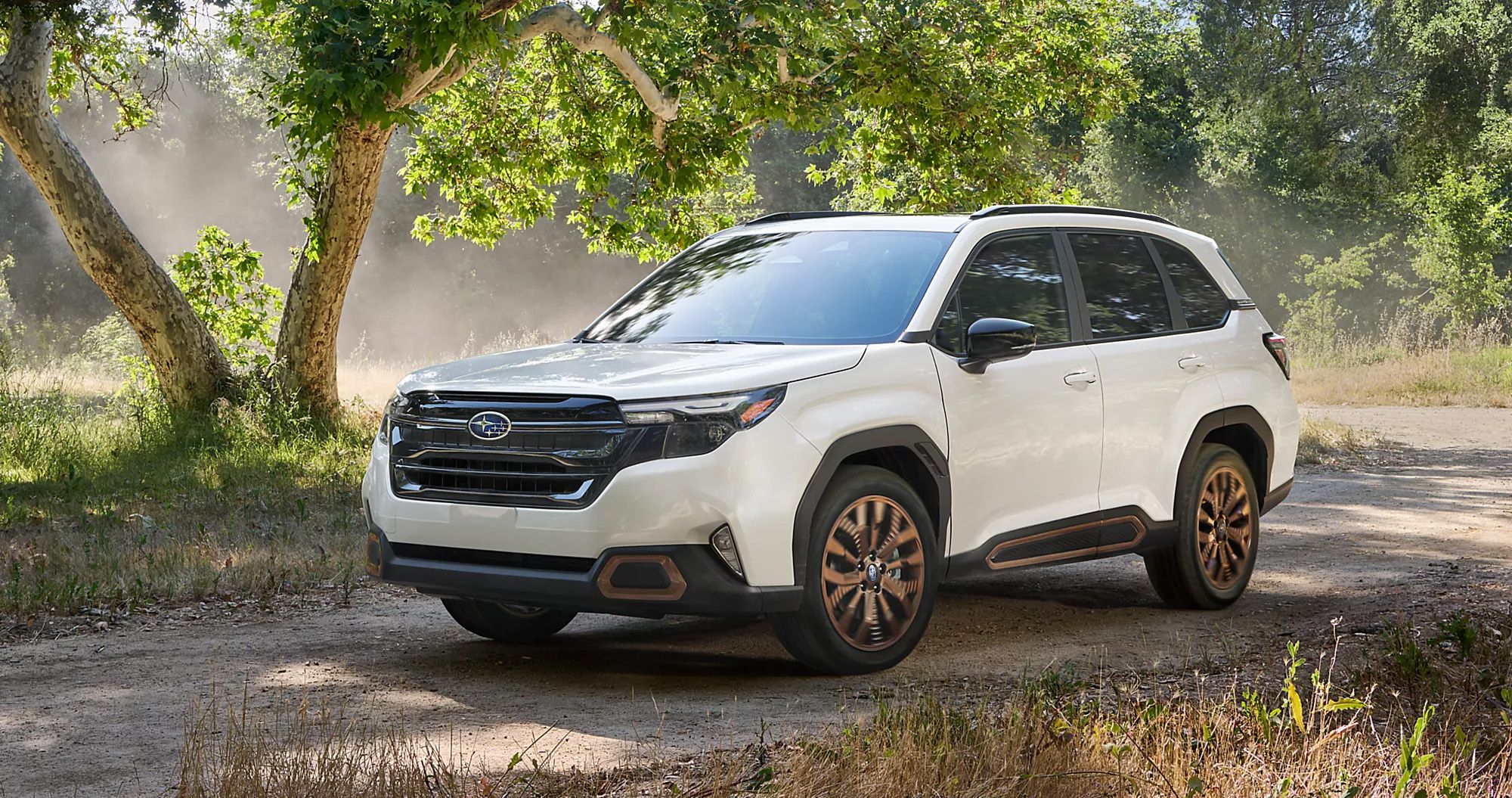
Looking to purchase a salvage Subaru Forester? This guide will provide you with essential tips to help you find a reliable vehicle at a fraction of the cost of a new one. From conducting thorough inspections to understanding the importance of key documents, we’ll walk you through the process of buying a salvage Forester with confidence. Whether you’re on a budget or looking for a project car, these tips will ensure you make a smart purchase.
Why Consider a Salvage Subaru Forester?
The Subaru Forester has become a top choice for families, and it’s easy to see why. This compact SUV offers a perfect balance of comfort, safety, and efficiency, making it a popular option for anyone in need of a reliable family vehicle. Known for its spacious interior, the Forester ensures that all passengers, whether adults or kids, have ample legroom. It’s also equipped with a generous cargo space, perfect for road trips, grocery runs, or carrying sports gear.
One of the key selling points of the Subaru Forester is its safety features. With standard all-wheel drive and advanced safety technologies like Subaru’s EyeSight Driver Assist system, it provides stability and peace of mind, especially in difficult weather conditions. In addition, the Forester has earned high safety ratings from various organizations, making it a top choice for families who prioritize security.
Another attractive feature of the Forester is its fuel efficiency. While it may not be as fuel-efficient as compact sedans, it still stands out in its class, making it a practical choice for both city driving and long-distance trips. Its reputation for longevity also makes it an appealing option for buyers looking for a car that will serve them well for many years.
However, new Subaru Foresters come with a high price tag, which can be a barrier for many potential buyers. This is where purchasing a salvage Subaru Forester becomes a smart, budget-friendly alternative. Salvage vehicles are typically available for a fraction of the cost of a new car, allowing you to enjoy all the benefits of owning a Forester without the hefty price. You might be able to find a salvage Forester that has been gently used, with only minor damage that can be repaired, offering excellent value for your money.
For those with a limited budget, purchasing a salvage Forester can be an excellent way to get behind the wheel of a vehicle known for its durability and safety features. With proper research, inspections, and repairs, a salvage Subaru Forester can provide years of reliable service at a significantly reduced cost. Plus, buying a salvage vehicle allows you to put your money toward other upgrades or accessories that enhance your driving experience, such as new tires or a custom spoiler.
How to Conduct a Thorough Inspection of a Salvage Forester
When purchasing a salvage Subaru Forester, conducting a thorough inspection is crucial to ensure you're making a sound investment. Salvage vehicles, although priced lower, often come with hidden issues that might not be immediately apparent. A detailed inspection can help you identify potential problems and avoid costly repairs down the road. Here's how to conduct a comprehensive inspection of a salvage Forester:
1. Examine the Exterior for Visible Damage
The first step in your inspection should be to assess the car's exterior. Look for signs of major accidents or repairs that may have been made poorly. Check for any dents, scratches, or misalignments in the body panels. If the car was in a collision, the frame could be bent, which could lead to alignment issues and increased repair costs. Pay attention to any paint mismatches, which may indicate that parts have been replaced after an accident.
2. Inspect the Underbody for Structural Damage
One of the most important areas to examine is the underbody. This is where structural damage might be hidden from view. Look for signs of rust, cracks, or bends in the frame. Structural issues can compromise the vehicle's safety and could be expensive to fix. If the car has been in a serious accident, there may also be damage to the suspension system or steering components that could affect its handling and ride quality.
3. Check the Engine and Transmission
The engine and transmission are the heart of any vehicle, so it's vital to focus on them during your inspection. First, check the engine for leaks, cracks, or signs of overheating. Look at the oil and coolant levels to ensure they are within normal ranges. A mechanic should also check the engine’s internal components, as major issues might not be visible to the untrained eye.
Check the transmission by shifting through all the gears and noting any rough transitions or delays. The Forester's all-wheel-drive system should be in good working order, as it’s one of the vehicle’s key selling points. Any issues with the drivetrain or transmission can be costly to repair.
4. Examine the Interior for Wear and Functionality
While the exterior and engine are the most critical, don’t neglect the interior. Inspect the dashboard for warning lights, unusual sounds, or malfunctioning electronics. Ensure that the air conditioning, heater, lights, and stereo system are all working. In the Subaru Forester, the interior is generally well-built, but check for any signs of water damage, especially if the vehicle has been in a flood or heavy rain.
Look at the condition of the seats, upholstery, and carpets. If the car has been in an accident, the interior might show signs of excessive wear or damage from repairs. In some cases, salvage cars are repaired with non-original parts, which could lead to mismatched or low-quality materials being used inside.
5. Review the Vehicle’s Documentation
Before finalizing the purchase, ensure that you thoroughly review the vehicle’s documentation. The vehicle's history report is crucial, as it provides information about past accidents, repairs, and previous ownership. Check the VIN (Vehicle Identification Number) to verify that it matches the vehicle’s registration documents and ensure it’s not stolen or involved in any legal issues.
Additionally, examine the salvage title itself. This document will give you insight into the extent of the damage and why the vehicle was deemed salvageable. Make sure that the insurance payout and the vehicle's prior damages are fully disclosed.
6. Consider an Appraisal from a Professional
While doing a visual inspection is essential, it’s also advisable to get a professional appraisal, especially if you're not experienced with evaluating vehicle conditions. An experienced mechanic or appraiser can check for hidden issues that might not be immediately obvious to the average buyer. They’ll also assess the cost of any necessary repairs and give you an idea of whether the vehicle is worth the investment.
If you're not confident in your ability to inspect the vehicle properly, involving an expert can save you from making a poor purchase. A professional mechanic familiar with Subaru models, especially the Forester, will know what to look for and can identify any potential red flags.
7. Check for Past Repairs
Look closely at the history of past repairs. Were they done with quality parts, or were low-quality aftermarket components used? Poor-quality repairs or the use of stolen parts could lead to more problems down the line. If possible, request receipts or documentation of repairs that were made after the car was declared salvage. This can give you a better idea of the work that was done and whether it was done correctly.
8. Test Drive the Vehicle
Once the visual and mechanical inspection is done, it’s essential to take the car for a test drive. This will help you get a feel for the Forester’s handling, braking, and overall performance. Pay attention to any unusual noises, vibrations, or hesitation when accelerating. The test drive is also your opportunity to ensure that the car is functioning as a "Run and Drive" vehicle, meaning that it can start, shift gears, and move forward smoothly.
What Documents Should You Research Before Buying a Salvage Subaru Forester?
When purchasing a salvage Subaru Forester, it’s essential to thoroughly review the vehicle's documents. Salvage cars often come with a lot of paperwork, and understanding this paperwork is critical to ensuring you're making a smart investment. Checking these documents not only helps verify the vehicle's identity but also ensures that you avoid potential legal or financial issues. Here’s a breakdown of the key documents you should research:
1. Vehicle Identification Number (VIN)
The VIN is one of the most important pieces of documentation when buying any vehicle, and this is especially true for a salvage car. The VIN is a unique 17-character code that identifies the vehicle, and it appears on various parts of the car, including the dashboard, the driver’s side door frame, and the engine bay.
Before you proceed with the purchase, compare the VIN on the vehicle with the one listed on the title and the vehicle registration. This helps ensure that the car you’re looking at is not stolen or mismatched with another vehicle. It also allows you to check the car’s history using services like Carfax or AutoCheck, which can provide details about past accidents, ownership, and whether the car has been reported as a total loss by insurance companies.
2. Engine Number
The engine number is another crucial identification code. It is similar to the VIN but specifically identifies the engine installed in the car. This number is important for verifying that the engine in the Forester is original to the vehicle, especially in the case of salvage cars where parts may have been swapped during repairs.
Make sure that the engine number matches the one in the paperwork and that the engine is the correct model for the year and make of the vehicle. If the engine has been replaced, it could indicate that the car was in a severe accident, which might affect its overall value or future repair costs.
3. Body Registration
The body registration provides information about the vehicle’s body structure and any significant changes that may have been made, such as repairs or replacements. This document is particularly important for salvage cars, as it verifies the extent of damage to the vehicle's body before it was declared salvageable.
You should ensure that the body registration matches the current condition of the car. If the car was previously involved in an accident, the body registration will give you insight into what repairs were made and whether the vehicle was rebuilt to an acceptable standard. This information helps you avoid cars that may have been poorly repaired or restored using substandard materials.
4. Transmission Registration
Just like the engine and body, the transmission is a key part of the vehicle that should be registered and documented. The transmission registration shows the type of transmission in the car and whether it has been replaced or repaired. For a Subaru Forester, having a reliable transmission is crucial, as it affects the vehicle's overall performance, especially since many Foresters come with all-wheel drive.
Verify that the transmission registration matches the transmission in the car. If the transmission was replaced, inquire about the reasons for the replacement and check the quality of the replacement parts. Poorly repaired or replaced transmissions can lead to costly issues down the road.
5. Salvage Title
The salvage title is perhaps the most important document when purchasing a salvage vehicle. It is issued when an insurance company deems the vehicle a total loss, typically due to significant damage from an accident, fire damage, or natural disaster. The salvage title indicates that the vehicle has been declared unfit for normal use, but it doesn’t necessarily mean the car is beyond repair.
When reviewing the salvage title, make sure it includes a detailed description of the damage and any repairs that have been completed. If the car has a “rebuilt” or “repaired” title, this means that the vehicle was inspected and repaired to meet safety standards before it was allowed to be driven again. Be cautious if the car doesn’t have a rebuilt title, as this could indicate that it has not been repaired properly.
6. Insurance Documents
Insurance documents for a salvage vehicle can provide valuable insight into how much the car was worth before it was deemed a total loss and how the insurance company assessed the damage. Reviewing these documents will give you an idea of whether the car was involved in a minor or major accident.
Additionally, check the payout amount from the insurance company. This helps you determine the vehicle’s pre-accident value, which can be useful for comparison when deciding whether the salvage vehicle is worth the asking price. Also, some insurance documents may list specific damage that was not repaired, which could affect the vehicle’s safety and functionality.
7. Repair and Maintenance Records
When buying a salvage Subaru Forester, it’s essential to review any repair and maintenance records provided by the seller or repair shop. These records offer insight into the work that has been done to restore the vehicle and whether the repairs were completed correctly. A car that has undergone high-quality repairs is more likely to be safe and reliable than one that has been poorly patched up.
Look for receipts or documentation that show the type of parts used in the repairs, the reputation of the repair shop, and the work completed. High-quality parts and professional repairs can greatly increase the longevity and performance of a salvage vehicle, while low-cost, subpar repairs can lead to future headaches.
8. Title History Report
A title history report is an essential document that shows the complete history of the vehicle’s title, including any liens, previous owners, and whether the car has been salvaged before. This report can reveal if the car has had multiple owners or if it has been in an accident multiple times.
You can obtain a title history report from online services like Carfax or AutoCheck. This report can help you avoid buying a vehicle with a questionable history or legal issues that might complicate the ownership process.
9. State Regulations and Local DMV Requirements
Finally, it’s important to research your state’s regulations regarding salvage titles and the registration process. Different states have varying rules about how salvage vehicles can be sold, repaired, and registered. In some states, salvage vehicles must pass a specific inspection before they can be driven legally.
Make sure that the salvage Forester you're considering meets all the requirements for registration in your state. If you’re unsure, consult with your local DMV or a legal expert to ensure that the vehicle can be legally driven and registered in your area.
Why is the Engine the Most Important Component to Inspect?
When purchasing a salvage Subaru Forester, or any vehicle for that matter, the engine should be your primary focus during the inspection. While it’s easy to be distracted by the vehicle’s exterior appearance or interior features, the condition of the engine plays a crucial role in determining the car's overall value, performance, and future reliability. Here’s why the engine is the most important component to inspect and how to assess its condition.
1. The Engine is the Heart of the Vehicle
The engine is the driving force of any car. It powers all the essential functions of the vehicle, from moving the car forward to ensuring that electrical systems are operating. In a salvage vehicle, the engine's condition can significantly impact the overall usability of the car. A well-functioning engine means that the car has a good foundation and can provide many years of service with the right repairs. A damaged or faulty engine, on the other hand, can lead to high repair costs and potentially render the vehicle useless.
2. Engine Damage Can Be Expensive to Repair
When a Subaru Forester is involved in an accident or sustains damage, the engine is often the most vulnerable component. It’s the most complex and costly part to repair or replace. Even minor engine damage can lead to expensive repairs, while major engine failures could require a complete engine replacement. For a vehicle on a budget, this could quickly make the car unaffordable.
By carefully inspecting the engine, you can determine whether the damage is superficial or whether it affects key parts like the cylinder head, crankshaft, or valves. If the engine is severely damaged, it might not be worth the investment, as repairs can exceed the value of the vehicle itself.
3. Checking for Leaks and Fluid Condition
When inspecting the engine, pay attention to any signs of leaks or fluid issues. Engine oil leaks, coolant leaks, or transmission fluid leaks can indicate significant problems that could require expensive repairs. For example, an oil leak could mean that the gaskets or seals need replacing, while a coolant leak could point to a more serious issue like a cracked radiator or warped cylinder head.
Checking the condition of the engine oil is also a good indicator of the engine's health. Clean oil generally means the engine has been well-maintained, while dirty or sludge-filled oil can signal neglect or internal engine problems. Similarly, checking the coolant for any contamination or signs of rust can provide insights into the overall state of the engine.
4. Listen for Unusual Noises
Starting the engine and listening carefully for any unusual noises is another important step during the inspection. A properly functioning engine should run smoothly without making knocking, ticking, or grinding sounds. If you hear unusual noises, such as a knocking sound, it could be a sign of internal damage, like a worn-out piston or damaged bearings. Ticking noises might suggest issues with the valves or lifters.
When purchasing a salvage vehicle, these sounds should be carefully considered. If you hear any unusual noises, it may indicate more extensive damage that could require costly repairs or even a full engine replacement.
5. Engine Compression Test
An engine compression test is one of the best ways to assess the internal condition of the engine. This test measures the pressure generated within the engine’s cylinders when they move, and it can help identify potential issues such as worn piston rings, leaking valves, or other internal engine problems. A compression test is relatively easy to perform and can reveal significant problems that may not be visible to the naked eye.
If the engine has low compression in one or more cylinders, it’s an indication of internal damage, which could be costly to fix. Conversely, if the engine has good compression across all cylinders, this is a positive sign that the engine is in good working condition and likely to last longer.
6. Evaluate the Timing Belt or Chain
The timing belt or chain is another critical component of the engine. It ensures that the engine’s valves open and close at the right time to match the movement of the pistons. If the timing belt or chain is damaged or has slipped, the engine could experience significant damage. In some cases, a broken timing belt can cause the engine to seize or fail completely.
Before purchasing a salvage Subaru Forester, ask about the age and condition of the timing belt or chain. If it’s been replaced recently, that’s a good sign. If it’s close to needing replacement, this could be an additional cost to factor into your decision.
7. Assessing the Engine’s Overall Appearance
When inspecting the engine, take note of its overall appearance. A well-maintained engine will be clean and free of excessive dirt or grime. However, if the engine is covered in thick layers of dirt, oil, or corrosion, this could indicate that the car has not been well-maintained or that there have been leaks that have not been properly addressed.
Excessive rust around the engine components could also be a red flag, especially if it’s present on critical parts like the exhaust manifold or the timing components. Rust can compromise the integrity of the engine and may be costly to fix.
8. The Engine’s Age and Mileage
The age and mileage of the engine are also essential factors to consider. A high-mileage engine may have more wear and tear, even if it has been properly maintained. On the other hand, a newer engine with low mileage might be in better condition, but it’s essential to ensure that it hasn’t been involved in any accidents or sustained any damage. Always ask for the vehicle’s service history and verify that the mileage is accurate.
How to Prepare for the Auction: What to Look for and Photograph?
When purchasing a salvage Subaru Forester (or any vehicle) at an auction, preparation is key to making a smart purchase. Auctions can be competitive, and without the proper preparation, it’s easy to make a hasty decision that could lead to unforeseen expenses or regrets. One of the most important things you can do before the auction is thoroughly inspect the vehicle in person, document it with detailed photographs, and know what to look for. Here’s a comprehensive guide on how to prepare effectively:
1. Arrive Early for a Thorough Inspection
To ensure you have ample time to assess the vehicle, arrive at the auction site early. This allows you to examine the Subaru Forester without feeling rushed or pressured by other bidders. Take your time to walk around the car and get a full view of its exterior, interior, and key components.
2. Check the Exterior for Damage
While the engine and internal components are the most critical parts to inspect, the vehicle's exterior condition can tell you a lot about its history. Look for any signs of body damage, rust, or misaligned panels. Check for dents, scratches, or areas where the paint may have been poorly reapplied. Body damage could indicate that the vehicle has been in a serious accident or that it’s been poorly repaired. Take note of any inconsistencies, as they could also affect the vehicle's overall structural integrity.
3. Inspect the Engine Bay
The engine is the heart of the vehicle, and inspecting it is essential before making any decisions. Look for any visible signs of leaks, excessive dirt, or rust around critical parts like the engine block, radiator, and hoses. Listen for unusual sounds when the engine is running—this could indicate potential mechanical issues. It's also helpful to check the engine fluid levels, such as oil and coolant, to get a sense of how well the vehicle has been maintained. If you notice any signs of neglect, it could be a red flag.
Take clear and close-up photos of the engine bay, including the engine itself, radiator, belts, hoses, and any other visible components. These pictures will be useful if you need a second opinion from a mechanic or if you want to reference them later when assessing repair costs.
4. Photograph the Dashboard and Interior
Next, take a look at the dashboard and interior of the Subaru Forester. While this may not be as crucial as the engine, it still provides valuable information about the vehicle’s condition. Check for any warning lights that might be illuminated on the dashboard and ensure that the car's electronics, such as the radio, air conditioning, and window controls, are functioning properly.
Be sure to photograph the dashboard, odometer, and any other visible components in the cabin, such as seats, upholstery, and the steering wheel. A clean, well-maintained interior may indicate that the car was cared for, while a neglected cabin could suggest more extensive issues that may be harder to address.
5. Take Photos of the VIN and Engine Number
The vehicle identification number (VIN) and engine number are essential when verifying the authenticity and history of a car. Before bidding on a salvage Subaru Forester, be sure to photograph the VIN on both the dashboard and the engine block. These numbers will help you cross-check the vehicle’s registration documents and verify that the car has not been reported as stolen or tampered with.
If possible, also take pictures of other key parts like the transmission and body registration numbers. These details can serve as a backup in case there are any discrepancies with the vehicle’s paperwork.
6. Document the Condition of the Tires and Suspension
The condition of the tires and suspension can affect the vehicle’s safety and performance. Inspect the tires for wear, cuts, or punctures, as these could indicate that the car has been driven hard or has not been well-maintained. Uneven tire wear can also point to suspension issues or alignment problems.
Take photographs of the tire tread and any visible damage. Additionally, examine the suspension system, paying attention to any signs of damage or corrosion on the shocks, struts, or springs. These components are essential for the car’s handling, so it’s important to ensure that they are in good condition.
7. Check the Vehicle’s Registration and Documentation
Before you place a bid, review all the available paperwork for the salvage Subaru Forester. Make sure the car’s registration documents, title, and insurance papers are in order. Pay special attention to the title status, as a salvage title indicates that the car has been declared a total loss by an insurance company. Check that the VIN and engine number match the documents and that the paperwork is clear and complete.
If there’s any discrepancy or if the documents appear incomplete or suspicious, it may be a sign that the car has a complicated history, which could make it harder to register or insure.
8. Take Note of the Auction Site’s Details
When preparing for the auction, it’s not only the vehicle you need to inspect but also the auction environment. Look around the auction site to gauge its reliability and professionalism. Ensure that the vehicles being auctioned are clearly documented and that the staff is helpful in answering your questions. Some auction sites, such as BidNDrive, provide detailed vehicle histories, which can give you peace of mind and ensure that you’re bidding on a car that meets your expectations.
9. Consider Using a Professional Mechanic for Inspection
If you’re unsure about certain aspects of the vehicle or the inspection process, consider hiring a professional mechanic to help you. A mechanic can provide a more in-depth evaluation of the car’s internal condition, particularly the engine and transmission. They can also spot issues that might not be immediately apparent to an untrained eye. If you’re serious about purchasing the vehicle, investing in a mechanic’s expertise can save you money in the long run by avoiding costly repairs.
How to Compare the Salvage Forester’s Value with a New Car?
When considering purchasing a salvage Subaru Forester, one of the key factors to evaluate is whether the price you're paying for the salvage vehicle is a good deal compared to buying a brand-new car. While salvage vehicles offer significant cost savings, it's essential to compare the price of the salvage Forester with the value of a new car to ensure that you’re making a financially sound decision. Here’s a step-by-step guide on how to approach this comparison:
1. Research the Price of a New Subaru Forester
The first step is to determine the cost of a brand-new Subaru Forester. Prices for a new Forester can vary based on the trim level, features, and the dealership you purchase it from, but you can generally expect a new Forester to range from $25,000 to $35,000 or more, depending on the model year and specifications.
Start by looking up the latest pricing for a new Forester on the official Subaru website or visit local dealerships to get an accurate price quote for a new model. Once you know the price of a new Forester, you can compare it to the price of a salvage Forester.
2. Evaluate the Salvage Forester’s Purchase Price
Next, look at the price of the salvage Subaru Forester you’re considering. A salvage vehicle’s price is typically much lower than that of a new or even used car, as it's been deemed unfit for the road due to accident damage or other issues. However, even though the upfront cost is lower, you need to take into account any additional costs that may arise during repairs.
If the salvage Forester is priced significantly lower than a new vehicle (usually a fraction of the price), that could indicate a good deal, but be sure to factor in any repair costs before deciding.
3. Factor in Repair and Restoration Costs
Salvage vehicles often require repairs before they can be driven safely and legally. Some repairs are cosmetic, such as replacing body panels or repainting the car, while others may be more critical, like fixing the engine, suspension, or brakes.
Here’s how to assess whether the cost of repairs makes the salvage vehicle a good deal:
- Obtain Repair Estimates: Have a mechanic inspect the car and give you an estimate for the necessary repairs. This could range from a few hundred dollars for minor cosmetic fixes to several thousand dollars for major mechanical repairs.
- Calculate Total Repair Costs: Add up the estimated costs for all necessary repairs. Include parts, labor, and any additional fees for things like registration, inspection, and legal documentation to ensure the car can be legally driven.
- Compare Repair Costs with New Car Price: Once you know how much you’ll need to spend on repairs, compare the total amount of the salvage Forester’s price plus repairs with the cost of a new Subaru Forester. If the total is still significantly lower than the cost of a new vehicle, the salvage Forester could be a good deal.
4. Consider the Vehicle’s Condition After Repairs
When comparing the salvage Forester with a new car, remember that after repairs, the salvage vehicle may not hold the same value as a new car. A new Subaru Forester will come with a manufacturer’s warranty, brand-new components, and no history of damage. In contrast, the salvage Forester may have a diminished value even after being repaired, as it has a salvage title and a history of damage.
Ask yourself if you’re comfortable with the idea of owning a vehicle that may have a lower resale value down the line. Also, consider the potential difficulty in selling the salvage vehicle in the future, as some buyers may be wary of purchasing cars with a salvage title.
5. Consider Your Budget and Long-Term Costs
Another important factor to consider is your own budget. If you’re on a tight budget and can’t afford the high upfront cost of a new Subaru Forester, purchasing a salvage vehicle can make sense. It allows you to own a car that may still provide many years of service at a fraction of the price.
However, keep in mind that while the upfront costs of a salvage vehicle are lower, you may face higher repair costs and potential maintenance issues down the road. New cars, on the other hand, are less likely to require significant repairs in the first few years and come with warranties to cover unforeseen issues.
6. Other Costs to Consider
Beyond the price and repairs, there are other costs to consider when comparing a salvage Subaru Forester with a new car:
- Insurance: Insurance premiums for a salvage vehicle may be higher than for a new car due to the risks associated with its previous damage. Check with your insurance company for a quote before committing to a purchase.
- Registration and Taxes: Depending on the state you live in, registering a salvage vehicle might involve additional steps or inspections. You may also face higher taxes on a new vehicle compared to a salvage one.
- Fuel Efficiency and Maintenance: New cars generally offer better fuel efficiency and lower maintenance costs over the first few years. If you’re buying a salvage Subaru Forester, you may have to budget for repairs or replacement parts that could be more expensive as the vehicle ages.
7. Consider Resale Value
While new cars generally retain better resale value, salvage vehicles tend to depreciate much faster. A salvage Subaru Forester will likely have a lower resale value than a new one, even after repairs. If you plan to sell the car in a few years, take this into consideration when comparing the value of a new versus salvage vehicle.
Why is it Important to Buy Additional Accessories with Your Salvage Subaru Forester?
When purchasing a salvage Subaru Forester, the focus is often on getting a good deal and ensuring that the vehicle is in good working condition. However, one aspect that many buyers overlook is the value of purchasing additional accessories to enhance the functionality, aesthetics, and overall driving experience of the vehicle. While the primary goal is to repair and restore the car to a safe, usable condition, adding the right accessories can elevate the Forester’s performance, appearance, and long-term value.
1. Improving Aesthetics
Salvage vehicles, including Subaru Foresters, may have some cosmetic imperfections, such as scratches, dents, or worn-out parts. While repairs will address these issues, accessories like spoilers, custom body kits, and upgraded wheels can significantly enhance the car's exterior. A sleek spoiler, for example, not only adds a sporty look to the Forester but can also help improve aerodynamics by reducing drag.
Customizing the vehicle with accessories can give it a fresh, personalized appearance, helping to restore some of its charm after the damage it sustained before being declared a salvage vehicle. Accessories like chrome trims, window tinting, or custom decals can completely transform the car’s look, making it stand out on the road and boosting its resale potential.
2. Enhancing Functionality
In addition to aesthetics, accessories can also improve the functionality and performance of your Subaru Forester. Some of the most popular functional accessories include upgraded suspension systems, improved headlights, and roof racks. These accessories can make the Forester more practical and comfortable, especially if you're using the vehicle for specific purposes such as road trips, carrying heavy loads, or off-roading.
For example, if you plan to use your Forester for outdoor activities, adding a roof rack or cargo carrier can significantly increase its cargo capacity, allowing you to carry bikes, kayaks, or camping gear. If you plan to take the Forester on off-road adventures, upgrading the suspension system will improve the vehicle’s handling and stability on uneven terrain.
3. Improving Safety Features
Some accessories can also enhance the safety features of your salvage Subaru Forester. Adding things like backup cameras, parking sensors, or lane-assist technology can make driving the vehicle easier and safer, particularly when reversing or parking in tight spaces. While newer vehicles may come with these safety features as standard, adding them to a salvage car can greatly improve its functionality and provide peace of mind, especially if you're planning to drive it with your family.
For example, many salvage Foresters may lack modern safety features like a rearview camera, which is now standard on newer models. Installing such accessories could improve safety when reversing, reducing the likelihood of accidents and ensuring that the vehicle is as safe as possible.
4. Boosting Performance
Accessories don’t just enhance a vehicle’s looks and functionality—they can also boost performance. Upgrades to the exhaust system, air intake, or engine components can improve engine efficiency, enhance acceleration, and provide better fuel economy. While a salvage Subaru Forester may require engine repairs, adding performance-enhancing accessories could help it run smoother and perform better than a stock model.
For example, replacing the stock air filter with a high-performance one can improve airflow to the engine, potentially increasing horsepower and fuel efficiency. Similarly, upgrading the exhaust system can help optimize engine performance and provide a more aggressive sound, giving your Forester a unique edge.
5. Long-Term Value and Resale Potential
While some accessories may seem like an added expense, they can significantly increase the resale value of your salvage Subaru Forester. By enhancing the vehicle’s looks, safety features, and functionality, you make it more attractive to potential buyers if you ever decide to sell it in the future. Accessories like upgraded wheels, a custom spoiler, or a new sound system can give the Forester an upgraded feel, making it worth more in the eyes of potential buyers.
For instance, many buyers are drawn to vehicles that have added features like a premium sound system or advanced safety features. These accessories not only improve the driving experience but also raise the resale value, allowing you to recoup some of your initial investment when it's time to sell.
6. Cost-Effective Upgrades
When purchasing a salvage vehicle, you may be able to secure accessories at a more affordable price compared to those added to a new car. Since salvage vehicles often have a lower initial price, you may have more room in your budget to purchase accessories that enhance the vehicle’s performance, aesthetics, and functionality. Accessories can often be purchased individually, and you can upgrade your Subaru Forester gradually as your budget allows.
For example, you could start with functional accessories, like new tires or a roof rack, and later add cosmetic upgrades such as a new grille or custom interior details. Spreading out these purchases can make upgrading your salvage Subaru Forester more financially manageable.
How Can BidNDrive Help You Find a Quality Salvage Subaru Forester?
When it comes to purchasing a salvage vehicle, finding a reliable platform to help you navigate the process is essential. BidNDrive makes it easy for buyers to find high-quality salvage Subaru Foresters at online auctions, offering a secure and convenient way to purchase your next vehicle without the stress of traditional car buying methods. Here's how BidNDrive can assist you every step of the way.
1. Access to a Wide Selection of Salvage Subaru Foresters
BidNDrive offers access to a diverse range of salvage Subaru Foresters, giving you plenty of options to choose from. Whether you're looking for a Forester that only needs minor repairs or one that requires more extensive work, BidNDrive connects you with auctions featuring vehicles in various conditions. The platform's wide selection ensures that you can find a Subaru Forester that suits both your budget and needs, whether you’re looking for a model that's ready for a few repairs or one that’s close to perfect.
2. User-Friendly Interface
BidNDrive’s platform is designed to be simple and easy to navigate, even for those new to online car auctions. The website is intuitive, allowing you to search for a salvage Subaru Forester based on your preferences, such as make, model, condition, or price range. The search function lets you narrow down results to find exactly what you're looking for, saving you time and effort. Additionally, detailed listings with photos and descriptions provide you with all the information you need about the vehicle, including its damage, condition, and repair potential.
3. Comprehensive Vehicle Information
When you browse through vehicles on BidNDrive, you get more than just a basic listing. Each salvage Subaru Forester is accompanied by in-depth details about its history, current condition, and any past repairs. This transparency helps you make an informed decision before placing a bid. You’ll also find auction details such as the starting bid, bidding period, and vehicle location, so you’re always fully aware of the auction process. With all the information at your fingertips, you can confidently choose a Subaru Forester that meets your expectations.
4. Security and Trust
BidNDrive prioritizes the safety and security of its users. The platform works with trusted auction houses and verifies the integrity of the vehicles listed. Each vehicle undergoes a detailed inspection before being placed in the auction, ensuring that the listings accurately reflect the condition of the vehicles. BidNDrive also offers secure payment options and a reliable customer support team to assist you throughout the auction process. Whether you're a first-time buyer or an experienced car enthusiast, you can trust BidNDrive to provide a safe, transparent, and straightforward auction experience.
5. Bidding Made Easy
Once you’ve found the right salvage Subaru Forester, placing a bid is quick and easy. BidNDrive allows you to place bids on your desired vehicle directly through the platform. The bidding process is straightforward, and you can track your bid’s progress in real-time. If you’re successful in winning the auction, BidNDrive helps guide you through the next steps, ensuring that you understand all the necessary details of the purchase and delivery process.
6. Vehicle Delivery to Your Location
One of the standout features of using BidNDrive is the convenience of vehicle delivery. After winning an auction for your salvage Subaru Forester, you don’t have to worry about how to get it to your location. BidNDrive arranges for the vehicle to be delivered directly to your address, saving you the hassle of having to transport it yourself. This door-to-door service makes purchasing a salvage car at an online auction incredibly convenient, particularly for those who may be purchasing a vehicle from out of state.
7. Expert Guidance and Support
If you're unfamiliar with the process of buying a salvage vehicle or need help deciding whether a particular Subaru Forester is worth bidding on, BidNDrive’s expert team is available to offer advice and support. From helping you understand the auction process to providing tips on vehicle inspections, BidNDrive ensures that you have all the resources you need to make a confident decision. Whether you have questions about the specific vehicle or need assistance with any part of the bidding process, the support team is always ready to help.
8. Cost-Effective Deals
For those on a budget, BidNDrive offers an excellent way to find salvage Subaru Foresters at significantly lower prices than buying new or used vehicles from traditional dealerships. By purchasing through BidNDrive’s online auction platform, you have the opportunity to save money and get a vehicle that’s still in great condition, with potential for easy repairs. Whether you're a DIY mechanic looking for a project car or simply want to save money on a reliable Subaru Forester, BidNDrive helps you access affordable options.
In conclusion, purchasing a salvage Subaru Forester can be a smart and budget-friendly choice if you follow the right steps. From conducting thorough inspections to reviewing key documents, these tips will help you make an informed decision. Ready to find your perfect salvage Forester? Register on BidNDrive, browse available vehicles, place your bids, and win your dream car at an unbeatable price!
Are you interested in buying a car from Online Auto Auctions?
With this being said – you can still export vehicles and save up a few thousand dollars with Bidndrive. We have an inventory of over 150k plus vehicles with titles you can export for you to choose from. Once you have placed your bid and won the auction a Bill of Sale document is then emailed to you as proof of purchase – after full payments have been made.
To gain access and get started on your purchase, sign up for free.