


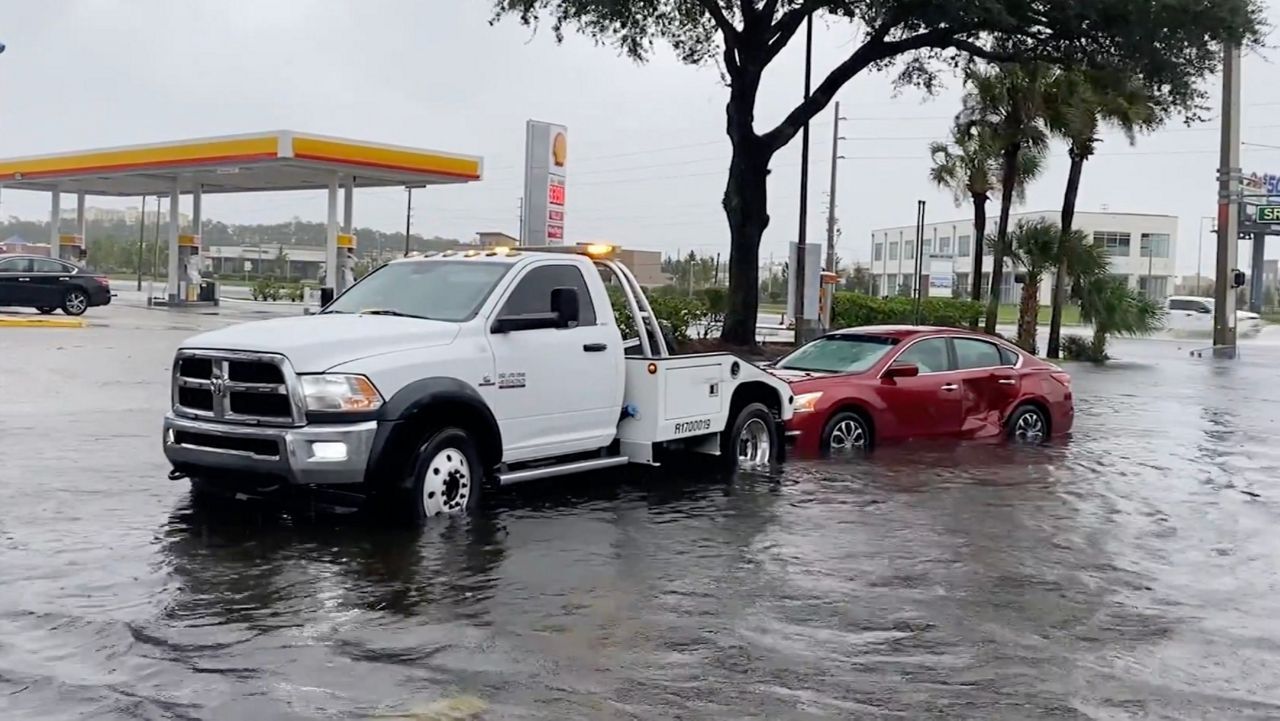
When buying a car on a budget, flood-damaged salvage vehicles can offer significant savings. However, purchasing these cars requires careful consideration. This guide will walk you through the key factors to understand before buying a flood-damaged salvage vehicle, including inspection tips, potential repair costs, and legal considerations. By following this advice, you can make an informed decision and avoid costly mistakes.
What Are Salvage Vehicles and How Do They Get Flood Damage?
A salvage vehicle is a car that has been severely damaged, often to the point where it is considered a total loss by insurance companies. The damage can come from various sources, such as accidents, burn damage, or flooding. When a vehicle is declared a total loss, the insurance company will usually cover the cost of repairs or provide compensation to the owner based on the vehicle's value before the damage. However, if the cost of repairing the vehicle exceeds a certain percentage of its value—usually around 75%—the insurance company may decide to label it as a "salvage" vehicle.
In the case of flood damage, a vehicle can become a salvage vehicle for several reasons. Water flood damage occurs when a vehicle is submerged in water, either due to a natural disaster, heavy rains, or a flooding event. Water can enter various parts of the vehicle, causing damage to the engine, transmission, electrical systems, and other critical components. Depending on the severity of the flood, even the vehicle’s interior can be affected by mold or rust, which can worsen over time if not properly repaired.
Once a vehicle has sustained flood damage, insurance companies will typically conduct a thorough inspection to assess the extent of the damage. If the damage is significant enough to render the vehicle unsafe or too costly to repair, the insurance company will declare it a total loss and issue a salvage title. This title indicates that the vehicle has been damaged to such an extent that it is no longer considered a safe, roadworthy vehicle in its current state.
The decision to label a vehicle as salvage is not solely based on the cost of repairs. Insurance companies also consider factors like the overall safety of the vehicle, whether the damage is repairable, and the potential for the vehicle to function properly after repairs. In some cases, a flood-damaged vehicle may be considered a salvage vehicle even if the repair costs are below the 75% threshold if the vehicle's structural integrity or key components have been compromised.
Once a vehicle has a salvage title, it is typically sold at auction or through salvage yards, where buyers can either attempt to repair it or use it for parts. However, a salvage title does not mean that the vehicle is beyond repair. Many buyers choose to purchase salvage vehicles with flood damage if they believe they can restore the vehicle to a roadworthy condition, either for personal use or resale.
How Does State Legislation Affect Flood-Damaged Salvage Vehicles?
When it comes to purchasing flood-damaged salvage vehicles, state laws play a significant role in determining what you can and cannot do with the vehicle after you acquire it. The rules and regulations governing salvage vehicles vary from state to state, and understanding these laws is crucial before making a purchase. Not all flood-damaged salvage vehicles are allowed back on the road, and some states have stricter regulations than others when it comes to repairing and registering these vehicles.
In many states, if a vehicle is deemed a total loss due to flood damage, it is issued a salvage title. This title serves as a warning to future buyers that the vehicle has been significantly damaged and may not be safe to drive in its current condition. However, the requirements for getting a flood-damaged vehicle back on the road can differ greatly depending on where you live.
For example, in some states, flood-damaged vehicles are not allowed to be driven until they have been fully repaired and pass a safety inspection. These inspections often check for structural integrity, proper functioning of the engine and transmission, and the condition of critical safety features like airbags, brakes, and lights. If a flood-damaged vehicle cannot pass these inspections, it may not be legally driven, even after repairs.
In other states, flood-damaged vehicles may still be eligible for road use, provided the necessary repairs have been made and the vehicle has been certified as roadworthy. However, the process of certifying a salvage vehicle for road use can involve a lot of paperwork and additional costs, such as paying for state-mandated inspections or proving that the vehicle is safe to operate. These requirements are in place to ensure that vehicles with significant damage—especially from water—are safe for consumers and do not pose a risk to other drivers on the road.
Another key factor to consider is that some states have specific laws regarding the registration of flood-damaged vehicles. In some cases, a flood-damaged vehicle may only be registered if it has undergone a thorough inspection and meets certain safety criteria. In other states, the vehicle might be restricted from being driven altogether unless it has been repaired to meet the state's standards.
It's important to research and understand the specific regulations in your state before purchasing a flood-damaged salvage vehicle. If you're buying from an online auction or through a salvage yard, it's essential to know whether the vehicle can be legally registered and driven in your state after repairs. This can help you avoid unnecessary headaches and ensure that your investment is worthwhile.
Why Is It Important to Inspect the Engine of a Flood-Damaged Vehicle?
The engine is the heart of any vehicle, responsible for providing the power needed to operate the car. It is a complex and delicate system that requires careful attention, especially when dealing with a flood-damaged vehicle. Floodwater can severely impact the engine in ways that may not be immediately obvious, and this is why it's crucial to thoroughly inspect the engine before purchasing a salvage vehicle with flood damage.
When a vehicle is submerged in water, the engine is one of the most vulnerable components. Water can seep into the engine block, intake manifold, and other vital areas, causing a variety of issues. Even a small amount of water entering the engine can cause it to seize, short-circuit electrical systems, or corrode critical engine parts. If the engine is not thoroughly dried and cleaned after being exposed to floodwater, long-term damage can occur, leading to costly repairs or even a complete engine replacement.
One of the primary concerns with flood-damaged engines is the risk of rust and corrosion. Water that remains in the engine for an extended period can cause metal parts to corrode, leading to reduced engine performance or complete failure. For example, the engine’s pistons, crankshaft, and camshaft are particularly susceptible to corrosion, which can impair their function and require expensive repairs. Additionally, water in the engine’s oil can dilute the oil, reducing its ability to lubricate and protect the engine’s moving parts. If the oil becomes contaminated, the engine could overheat or suffer from excessive wear, resulting in premature failure.
In many cases, the engine may look fine on the surface, but internal damage can still be present. This is why a visual inspection is not enough when purchasing a flood-damaged vehicle. The damage may not be immediately noticeable, and it can worsen over time, leading to significant repair costs down the road. For instance, water could have reached areas of the engine where it can't be easily seen, such as the crankcase or cylinder head. A professional mechanic can conduct a more thorough inspection, checking for signs of internal water damage and rust that could compromise the engine’s integrity.
It’s also important to assess the condition of other critical components that work alongside the engine, such as the alternator, radiator, and air conditioning system. Floodwater can damage these parts as well, and if the engine has been affected, the supporting systems are likely to be compromised too. Ensuring that these components are functioning properly is essential for maintaining the overall performance and safety of the vehicle.
Given the potential risks involved, it's highly recommended to seek the expertise of a professional mechanic when inspecting a flood-damaged vehicle. A mechanic with experience in flood damage can identify hidden issues that may not be visible during a standard inspection. They can also provide a detailed assessment of the engine’s condition, helping you understand whether it's worth repairing or if the damage is beyond recovery.
In addition to checking the engine, a professional inspection will often include testing the vehicle’s electrical systems, transmission, and drivetrain to ensure everything is in working order. While some damage may be repairable, the engine is usually the most expensive and complex part to fix. If the engine has suffered severe flood damage, you may need to reconsider your purchase or negotiate a lower price with the seller, taking into account the cost of potential repairs or replacement.
Why Should You Avoid Relying Solely on the Auction Yard Agent’s Opinion?
When buying a salvage vehicle, especially one that has been damaged by flooding, it's tempting to trust the auction yard agent’s opinion on the vehicle’s condition. After all, the agent is familiar with the cars being sold, and they may provide helpful insights into the vehicle's history and damage. However, it’s important to understand that relying solely on the auction yard agent’s assessment can be risky, and here’s why you should seek a second opinion from a qualified mechanic.
Potential Conflicts of Interest
Auction yard agents are there to facilitate the sale of vehicles, and while they may provide useful information, their primary goal is often to ensure that the vehicle is sold. They may not always highlight every detail of the vehicle’s condition, especially if it’s something that could negatively impact the sale. For example, if the vehicle has hidden damage or severe flood-related issues, an agent might downplay these concerns to make the car seem more appealing to potential buyers.
While agents are supposed to disclose known issues, their assessment might be biased toward selling the vehicle as quickly as possible. This could mean overlooking or minimizing serious problems that may not be immediately visible but could lead to costly repairs in the future. For example, agents may not be able to detect hidden rust or corrosion that could affect the vehicle’s performance in the long run. A mechanic, however, can provide an unbiased and detailed inspection, helping you make a more informed decision.
Inexperience with Specific Damage Types
Another reason to seek a second opinion is that auction yard agents may not always have the specialized knowledge necessary to assess flood damage accurately. While they are familiar with general vehicle conditions, they might not be experts when it comes to the nuances of water-related damage. Water can seep into areas of the car that aren't immediately visible, and it can cause corrosion, mold, or damage to critical systems that only an experienced mechanic would be able to detect.
Flood-damaged vehicles are particularly tricky to evaluate, as the extent of the damage may not be clear until the car has been thoroughly examined. Auction agents might focus on external features like the body condition or minor interior damage, while neglecting to thoroughly inspect the engine, transmission, or electrical systems, which could have been compromised by water. A qualified mechanic will know where to look for hidden water damage and will be able to provide a much more accurate assessment of the vehicle’s true condition.
Mechanical Expertise and In-Depth Knowledge
Mechanics are trained professionals with the expertise needed to assess the true condition of a vehicle. Unlike an auction yard agent, who may have a broad understanding of vehicles but not the specialized knowledge to detect specific issues, a mechanic is skilled at identifying and diagnosing both obvious and hidden damage. In the case of flood-damaged vehicles, a mechanic can evaluate critical components like the engine, transmission, electrical systems, and even areas like the exhaust and brake systems, which can be severely affected by water exposure.
For example, an experienced mechanic will know how to test the engine for signs of internal water damage, corrosion, or mold growth that could be detrimental to its performance. They can also check the electrical system for short circuits, which are common in flood-damaged cars. These are issues that an auction yard agent might not be equipped to fully assess.
Avoiding Costly Repairs and Surprises
Purchasing a flood-damaged vehicle without a professional inspection can lead to unexpected costs down the road. Hidden damage that wasn’t detected during the auction could result in expensive repairs that could quickly exceed the value of the vehicle. Even if the car seems like a great deal upfront, the cost of fixing underlying problems can eat into your savings.
By hiring a qualified mechanic to inspect the vehicle, you reduce the risk of being surprised by costly repairs after the purchase. A mechanic will be able to identify potential problems that could affect the car’s longevity and performance, helping you decide whether the car is worth buying in the first place or if the repairs would be too expensive. If the vehicle has significant issues, you can either walk away from the deal or negotiate a lower price that reflects the true condition of the car.
Are Water-Damaged Vehicles Easier to Repair Than Other Salvage Vehicles?
When it comes to salvage vehicles, one of the key factors in determining whether a car is worth repairing is the type and extent of the damage it has sustained. Water-damaged vehicles are often considered less complicated to repair than those damaged in accidents, but that doesn’t mean they’re always easier or cheaper to restore. The repair process for a flood-damaged vehicle involves different challenges than one that’s been involved in a collision, and understanding these differences is crucial before deciding whether to purchase such a vehicle.
Body and Frame: Often in Better Shape
One of the advantages of water-damaged vehicles is that the body and frame tend to be in better condition compared to vehicles that have been in accidents. In many cases, floodwater may only affect the external appearance of the vehicle, with minimal impact on the structural integrity of the body and frame. Unlike collision-damaged vehicles, where the body can be severely bent, dented, or even crumpled, water-damaged cars often retain their overall shape. This can be especially advantageous for buyers who are looking for a vehicle with a solid foundation.
Water-damaged cars typically don’t experience the type of structural distortions that can occur in a collision. For example, accidents often result in bent or cracked frames that are more difficult and expensive to repair. The frame is a critical part of a vehicle’s structure, and in many cases, once it’s compromised, it may not be worth repairing. In contrast, the frame of a flood-damaged vehicle is often still intact, which can make it easier and less expensive to restore.
Internal Mechanics: The Real Challenge
While the body and frame of a flood-damaged vehicle may be in relatively good shape, the internal mechanics of the car can be a different story. Water damage typically affects the engine, transmission, electrical systems, and other internal components much more severely than it affects the exterior. When a vehicle is submerged in floodwater, the engine and transmission are at high risk of water intrusion, which can cause significant and costly damage.
Water can seep into the engine, causing corrosion to the metal parts, damaging critical components like the pistons, crankshaft, and camshaft. If the engine is not thoroughly dried and cleaned after being exposed to water, rust can form quickly, leading to long-term performance issues or even complete engine failure. Similarly, the transmission and other internal systems may suffer from water contamination, which can lead to malfunctioning parts and expensive repairs.
Additionally, the electrical systems of water-damaged vehicles are particularly vulnerable. Water can short-circuit wiring, damage sensors, or corrode connectors, leading to a range of electrical issues. Electrical repairs are often complex and costly, especially if the damage has spread to multiple areas of the vehicle’s wiring system. The longer the vehicle remains submerged, the more likely the water is to cause irreparable damage to these delicate systems.
Cost of Repair: Considerations Before You Buy
In terms of repair costs, water-damaged vehicles can be a mixed bag. While bodywork and frame repairs may be relatively simple and less expensive than fixing a collision-damaged vehicle, the internal repairs can be far more costly and labor-intensive. If the engine or transmission has been significantly damaged by water, repairing or replacing these parts can easily run into the thousands of dollars. Additionally, the electrical system may require a complete overhaul, further driving up the cost of repairs.
When compared to collision-damaged vehicles, the cost of repairing a flood-damaged car often depends on the extent of the water exposure. If the vehicle was submerged for a long period, the damage to internal components may be extensive, requiring a full replacement of parts like the engine, transmission, or electrical systems. In contrast, a vehicle with accident damage might only need cosmetic repairs to the body and frame, which can sometimes be less expensive to fix.
That being said, if you are a skilled mechanic or have access to affordable labor, repairing a flood-damaged vehicle might be a more viable option. In some cases, the cost of repairing the body and frame of a flood-damaged car can be lower than repairing a vehicle that has been in a serious accident, especially if the body of the car is still in good condition.
Can I Save Money by Repairing the Vehicle Myself?
One of the primary reasons many people choose to purchase salvage vehicles, including those that have been damaged by flooding, is the potential for significant cost savings. If you have the skills and knowledge to repair the vehicle yourself, you could potentially save a lot of money on labor costs and make the restoration process much more affordable. However, before you dive into the repair process, it’s important to understand what’s involved and how doing the repairs yourself can lead to savings.
Repairing Flood-Damaged Vehicles: The DIY Advantage
For skilled mechanics or individuals who have a good understanding of car repairs, fixing a flood-damaged vehicle on your own can be a highly cost-effective option. The primary advantage of DIY repairs is that you can eliminate the high cost of hiring professional mechanics or paying for expensive shop labor. Labor costs at auto repair shops can quickly add up, especially when dealing with the intricate issues caused by flood damage.
By performing the repairs yourself, you’re only paying for the parts and materials needed to restore the vehicle. For example, replacing water-damaged parts like the engine, transmission, or electrical system can be expensive if you hire a professional. However, if you're able to source the necessary parts and carry out the repairs on your own, you can significantly reduce the overall cost of restoring the vehicle.
Additionally, repairing the vehicle yourself allows you to have full control over the process. You can take your time to find affordable replacement parts, whether they are new, refurbished, or used. Many skilled DIYers are able to source quality parts at a fraction of the cost that a professional repair shop might charge, further reducing the cost of repairs.
Potential Cost Savings for DIY Repair
The potential savings from DIY repairs can be substantial. For example, if you purchase a flood-damaged vehicle at a low price and are able to replace a damaged engine or fix a flooded electrical system yourself, you could save thousands of dollars in labor costs. Here’s a breakdown of how much you could save by handling repairs yourself:
- Labor Costs: Hiring a professional mechanic to repair a flood-damaged engine can cost several hundred to thousands of dollars, depending on the severity of the damage. In contrast, if you have the skills to repair or replace the engine yourself, you only need to pay for the cost of parts, which could save you a significant amount of money.
- Replacement Parts: While the cost of parts can vary depending on the make and model of the vehicle, buying replacement parts for a flood-damaged vehicle can still be cheaper than paying a mechanic to source and install them. Whether you choose to buy used or refurbished parts or even salvage parts from other vehicles, you can often find lower-cost options that will still work effectively for the repair.
- Electrical System Repairs: Flood damage can cause serious issues with a vehicle's electrical system, but if you have a background in electrical work, repairing these systems yourself could save you a significant amount of money. Hiring a mechanic to troubleshoot and repair electrical systems can be expensive due to the complexity of the work, but if you can handle the job yourself, you can avoid the high costs of professional repair.
What Skills Are Required?
While repairing a flood-damaged vehicle yourself can be a great way to save money, it’s essential to have the right skills and knowledge to tackle the job effectively. Flood damage can affect many parts of the car, from the engine and transmission to the wiring and electrical systems, so it’s important to be confident in your ability to address the specific issues that flood damage causes.
Some of the key skills that can help you successfully repair a flood-damaged vehicle include:
- Engine Repair and Replacement: Understanding how engines work and having the ability to replace or repair a damaged engine is essential when dealing with flood damage. If the engine has been flooded with water, you may need to clean it, replace the oil, or replace parts that have rusted or corroded.
- Electrical and Wiring Repair: Flooded vehicles can experience short-circuits, damaged wiring, or malfunctioning sensors. Having a basic understanding of automotive electrical systems and the ability to repair or replace damaged wiring is a valuable skill for anyone attempting to fix a water-damaged vehicle.
- Mechanical Knowledge: In addition to the engine, other mechanical systems like the transmission, brake systems, and suspension may also be affected by water damage. Being able to diagnose and repair these systems is crucial to ensuring the car is roadworthy after repairs.
- Bodywork and Paint Repair: While the frame and body of a flood-damaged vehicle are often in good shape, the exterior may need some work, including dent removal, repainting, or addressing rust spots. If you're experienced in bodywork, you can save money by handling this part of the repair yourself.
Be Prepared for the Time Commitment
While repairing a flood-damaged vehicle yourself can save you money, it’s important to keep in mind that it can also be a time-consuming process. Depending on the extent of the damage, repairing a vehicle can take days, weeks, or even months to complete, especially if you're working on it in your spare time. It's important to be realistic about how much time you can commit to the repair process, and whether you have the space and tools to handle the job properly.
For those with the necessary skills and the time to dedicate to repairs, DIY restoration can be a rewarding and cost-effective way to get a flood-damaged vehicle back on the road. However, if you’re not familiar with car repairs or don’t have the time and tools to invest in the project, it might be worth considering professional help to avoid potential setbacks and mistakes.
What Are the Reasons People Buy Salvage Vehicles?
Purchasing salvage vehicles can be an attractive option for many buyers, particularly those looking to save money or find specific car parts. A salvage vehicle is typically one that has been declared a total loss by an insurance company due to damage, whether from an accident, fire, theft, or flood. However, despite the title of "salvage," many buyers see the potential for these vehicles, making them an appealing purchase for various reasons. Let’s explore some of the main reasons why people buy salvage vehicles and how this option can be cost-effective when done properly.
1. Buying for Repair
One of the most common reasons people buy salvage vehicles is to repair and restore them to a roadworthy condition. Many buyers, particularly skilled mechanics or DIY enthusiasts, see a salvage vehicle as an opportunity to save money while working on a restoration project. If the vehicle is primarily damaged in a way that doesn't affect the engine or other critical systems, the buyer may decide that repairing it is more cost-effective than purchasing a new or used car in good condition.
For example, if a car has suffered body damage due to an accident but the engine and transmission are still in good working order, repairing or replacing the damaged body panels may be relatively inexpensive. For individuals who have the expertise and tools to handle the repairs, a salvage vehicle can be an affordable way to get a car back on the road for a fraction of the cost of a comparable vehicle in good condition.
Furthermore, those who can perform repairs themselves can avoid the high labor costs charged by professional auto repair shops. This means that, despite the salvage title, a car that’s been repaired by the buyer can still offer substantial savings.
2. Resale by Body Shops
Another reason people purchase salvage vehicles is for resale after repairing them. Auto body shops often buy salvage vehicles that have been written off by insurance companies. These vehicles may have significant damage, but they can still be repaired and sold for a profit. Many body shops have the experience and resources to fix a wide range of salvage vehicles, and once repaired, they can resell them for much more than the initial purchase price.
For these shops, buying salvage vehicles is a business model that allows them to acquire cars at a fraction of the price they would pay for a non-damaged vehicle. After fixing the damage, the vehicles can be resold as used cars, often at prices significantly lower than comparable vehicles in good condition. This provides body shops with an opportunity to profit from the difference between the purchase and resale price, even after factoring in repair costs.
Additionally, body shops can also sell the repaired vehicles through different channels, such as online auctions or direct sales to customers, which broadens their market and potential profit. For the buyers purchasing these vehicles after repairs, they may still be getting a great deal on a functional car, despite its salvage history.
3. Using Parts for Other Vehicles
Sometimes, people purchase salvage vehicles not to repair and drive them, but to harvest useful parts. Salvage vehicles often contain valuable components that can be reused or sold for profit. This is particularly true for vehicles that are damaged in a way that doesn’t affect critical parts like the engine, transmission, or interior. For example, the suspension, doors, mirrors, and other body parts may be in excellent condition and can be transferred to another vehicle that needs repairs.
Car enthusiasts, mechanics, and businesses specializing in car parts often buy salvage vehicles to strip them for parts. For example, if you own a car of the same make and model as a salvage vehicle, you might purchase the salvage car simply to replace worn-out components like headlights, tires, or seats. This can be an especially cost-effective way to source parts, as salvage vehicle parts are often much cheaper than buying new ones from a dealership.
In addition, some people buy salvage vehicles to strip and sell the parts individually, making a profit by reselling them. This is a common practice in the auto repair and recycling industries, where parts from salvage vehicles are in demand. For buyers who know how to identify valuable parts, purchasing a salvage vehicle can be a smart way to stock up on inexpensive, high-demand components.
4. Cost-Effective Option for Budget-Conscious Buyers
For individuals with limited budgets, buying a salvage vehicle can be an attractive option, especially when looking for an affordable car that may only need minor repairs. With the right research and a thorough inspection of the vehicle’s condition, a buyer can secure a vehicle at a much lower price than a comparable used car in good condition.
While it’s important to be cautious when buying a salvage vehicle, it can be a cost-effective solution for those who understand the potential risks and rewards. It’s possible to find great deals on salvage vehicles that have been damaged in minor accidents or by weather conditions, and with some repair work, these vehicles can be brought back to life for much less money than buying a new car.
5. Personal Use or Restoration Projects
Some buyers choose to purchase salvage vehicles for personal use or as part of a restoration project. Car enthusiasts, for instance, may be interested in rebuilding a vintage car or a classic model. Salvage vehicles can be a great source for these kinds of projects, as many of the cars available at auction may have been damaged but still contain valuable parts or have the potential to be restored.
Classic car restoration, in particular, is a popular reason for purchasing salvage vehicles. These vehicles may not be roadworthy in their current state, but for someone interested in classic car restoration, a salvage vehicle can serve as a foundation for rebuilding the car to its original glory.
In conclusion, purchasing a flood-damaged salvage vehicle can be a cost-effective option if you approach it with the right knowledge and caution. By thoroughly inspecting the vehicle, understanding state laws, and evaluating repair costs, you can make a smart investment. Ready to find great deals? Register now on BidnDrive.com, browse our wide selection of vehicles, place your bids, and win your next car at an unbeatable price!
Are you interested in buying a car from Online Auto Auctions?
With this being said – you can still export vehicles and save up a few thousand dollars with Bidndrive. We have an inventory of over 150k plus vehicles with titles you can export for you to choose from. Once you have placed your bid and won the auction a Bill of Sale document is then emailed to you as proof of purchase – after full payments have been made.
To gain access and get started on your purchase, sign up for free.