


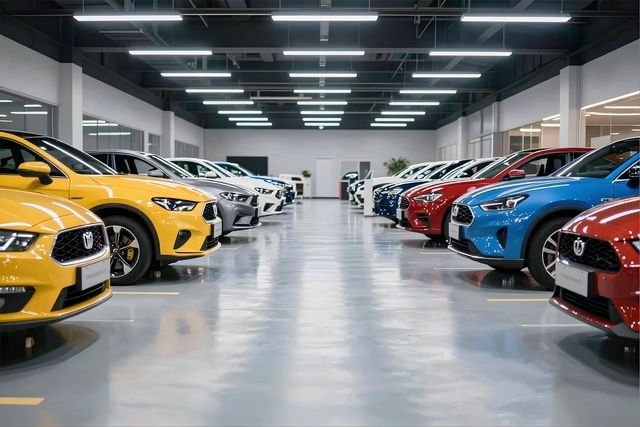
Want more buyers without wasting your ad budget? This quick guide explains how Facebook ads help car dealerships attract real leads, filter out low-quality inquiries, and turn clicks into sales. You’ll learn simple strategies to reach the right audience, reduce costs, and generate consistent buyers—even with a small budget.
What Are Facebook Ads for Car Dealerships?
If you want more buyers without relying only on marketplaces, Facebook ads can become one of your main tools. They help you show your cars directly to people who are already interested—often before they start comparing dozens of listings. For dealerships working with limited budgets, this means more control, better targeting, and lower cost per lead when done right.
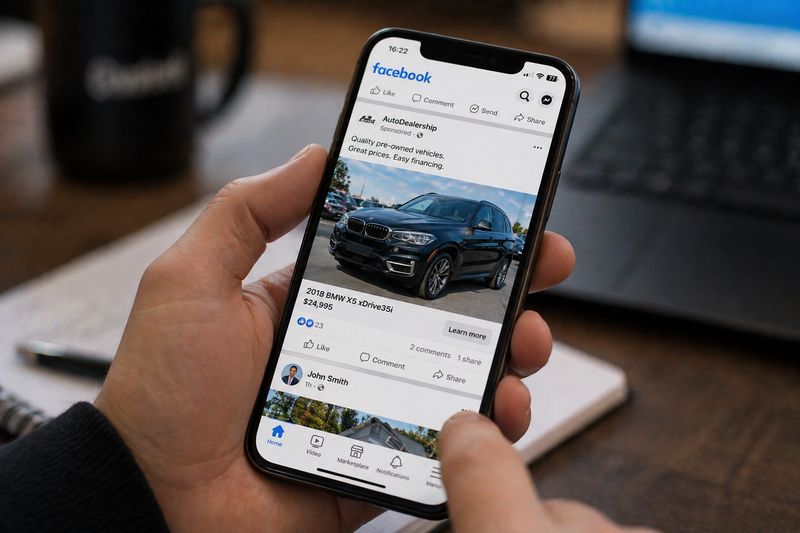
Definition of Facebook (Meta) ads in the automotive industry
Facebook ads (now part of Meta) are paid promotions that allow dealerships to show vehicles, offers, or services to specific audiences on platforms like Facebook and Instagram.
In the automotive industry, these ads are used to:
- promote available inventory
- generate leads from interested buyers
- drive traffic to a website or marketplace
- start direct conversations through messages
Instead of waiting for buyers to find your listing, you actively put your cars in front of them.
How Facebook ads work for car sales and lead generation
Facebook ads work by targeting users based on location, interests, behavior, and activity.
For example, you can show ads to:
- people searching for cars in your area
- users who visited your website but didn’t contact you
- people similar to your previous buyers
A typical process looks like this:
- A person sees your ad with a real car (price, mileage, photos)
- They click or send a message like “Is this still available?”
- You respond and guide them toward a test drive or purchase
For example, a buyer scrolling at night might see a $5,500 sedan with low miles. They click, ask a question, and become a lead within seconds.
This is much faster than waiting for someone to find your listing organically.
Why Facebook is powerful for budget-focused buyers
Many people searching for cheaper cars don’t start on dealership websites. They scroll social media, compare options, and look for deals that feel “real.”
That’s why Facebook works so well.
It allows you to:
- reach buyers before they go to competitors
- show transparent pricing and real photos
- build trust through comments, messages, and interaction
For example, a buyer with a $6,000 budget may not fill out long forms. But they will:
- click on a simple ad
- send a quick message
- ask about down payment or availability
This lowers the barrier and brings in more leads.
For dealerships, this means you can attract buyers who are serious—but prefer simple, fast communication.
Types of dealerships that benefit most (used, salvage, export)
Facebook ads can work for many types of dealerships, but they are especially effective for:
Used car dealerships
They can promote affordable inventory with real photos, pricing, and quick responses. Perfect for local buyers comparing options.
Salvage and auction-based sellers
These dealerships can highlight price advantages and transparency. For example, showing before/after repair or auction details builds trust and attracts budget buyers.
Export-focused businesses
They can reach international buyers and explain the process—purchase, documentation, and shipping—through ads and conversations.
For example, someone looking for a cheaper car for export might click on an ad, ask about total cost, and become a qualified lead.
Why Facebook Advertising Matters for Car Dealers
Relying only on marketplaces is risky. You compete with hundreds of listings, prices change fast, and buyers often compare without contacting you. Facebook advertising gives you control. You choose who sees your cars, how they see them, and how they contact you. For dealerships with limited budgets, this can mean more leads at a lower cost.
Reach local buyers actively searching for cars
Facebook lets you target people in your exact area—down to a few miles around your dealership. You can also focus on users who recently showed interest in cars.
For example, someone who:
- searched for vehicles online
- clicked on auto-related content
- visited car listing websites
can start seeing your ads.
Instead of waiting for them to find you, you appear directly in their feed. A buyer scrolling in the evening might see your $6,000 SUV and message you right away. That’s a local, ready-to-act lead.
Build brand awareness and trust
Many buyers don’t purchase from the first dealer they see. They need to recognize your name and feel comfortable.
With consistent ads, people start to:
- see your inventory regularly
- remember your dealership
- trust your pricing and transparency
For example, a user may see your ads several times—different cars, clear prices, real photos. Even if they don’t click the first time, when they’re ready, they are more likely to choose you over an unknown seller.
Trust is especially important for budget buyers who are afraid of hidden problems or misleading listings.
Compete with larger dealerships on a smaller budget
Big dealerships have large inventories and marketing budgets. But Facebook ads allow smaller dealers to compete by being more focused.
You don’t need to promote hundreds of cars. You can:
- highlight your best deals
- target a specific audience
- adjust your budget daily
For example, instead of spending thousands, a small dealer can run a simple campaign showing one strong offer:
“Reliable sedan — $4,900 — low miles — ready to drive.”
If the targeting and message are right, this single ad can generate multiple leads.
This levels the playing field. Smart targeting often beats big budgets.
Generate consistent leads without relying only on marketplaces
Marketplaces can bring traffic, but they are unpredictable. Some days you get messages, other days nothing.
Facebook ads help create a steady flow of leads.
You can:
- run campaigns continuously
- retarget people who already showed interest
- bring back visitors who didn’t contact you
For example, someone visits your website but leaves. Later, they see your ad again and decide to message you. Without ads, that lead would be lost.
Benefits of Facebook Ads for Car Dealerships
Facebook ads are not just about getting views—they are about getting the right people to contact you. When used correctly, they help dealerships spend less, attract better leads, and build long-term relationships with buyers. For businesses working with limited budgets, these benefits make a real difference.
Highly targeted local advertising
One of the biggest advantages of Facebook ads is precise targeting.
You can show your ads to:
- people within a specific radius (for example, 10–30 miles)
- users interested in cars or actively browsing listings
- people who recently interacted with automotive content
This means your ads are not wasted on random users.
For example, instead of showing a $5,000 sedan to everyone, you show it only to people nearby who are likely looking for a car. This increases the chance of getting messages like:
“Is this still available?” or “Can I come see it?”
More relevant audience = more qualified leads.
Cost-effective compared to traditional ads
Traditional advertising—like billboards, radio, or print—can be expensive and hard to track.
Facebook ads are different:
- you can start with a small daily budget
- you control how much you spend
- you can stop or adjust campaigns anytime
For example, instead of spending thousands on a billboard with unclear results, you can run ads for $10–$20 per day and see exactly:
- how many people clicked
- how many sent messages
- how much each lead cost
This makes Facebook a much safer option for small dealerships trying to grow without risking large amounts of money.
Ability to showcase real inventory
Facebook ads allow you to show your actual cars—not generic promotions.
You can display:
- real photos of the vehicle
- price, mileage, and key features
- short videos or walkarounds
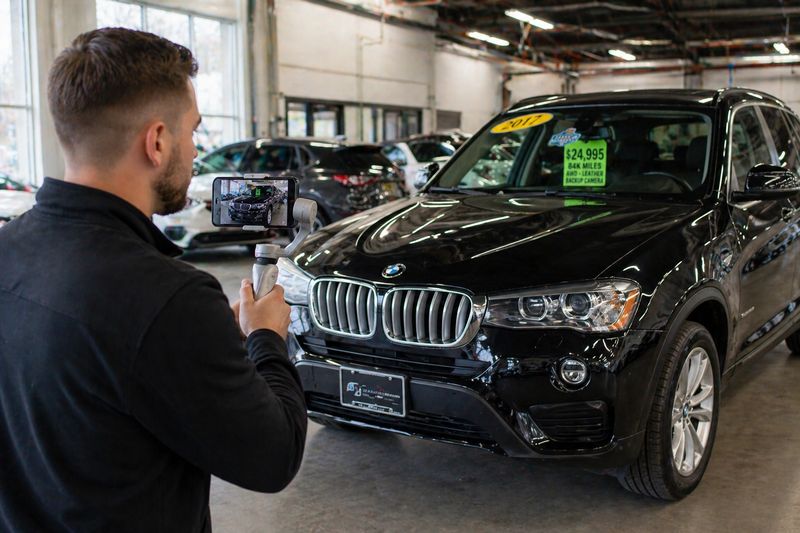
For example, a simple ad with:
“2015 Toyota Camry — $6,200 — low miles — clean interior”
can attract immediate attention from buyers comparing options.
This transparency builds trust. Buyers feel like they are seeing a real opportunity, not just a marketing message.
It also helps filter leads—people who click already know what you’re offering.
Retargeting visitors who didn’t convert
Most buyers don’t contact you the first time they see your car.
They:
- browse
- compare
- leave
Without ads, you lose them.
With retargeting, you can show ads again to people who:
- visited your website
- viewed a vehicle
- clicked but didn’t message
For example, someone looks at a car but doesn’t act. Later, they see the same or similar car in their feed again. This reminder often pushes them to finally reach out.
Retargeting helps recover lost leads and increases your overall conversion rate without finding new traffic.
Building long-term customer loyalty
Facebook ads are not only for selling one car—they can help you build long-term relationships.
You can stay visible to:
- past buyers
- people who interacted with your ads
- customers who may buy again later
For example, someone who bought a car from you may later see:
- service reminders
- new inventory
- upgrade offers
This keeps your dealership in their mind.
Over time, this leads to:
- repeat customers
- referrals
- stronger brand recognition
For budget-focused buyers, trust matters a lot. If they had a good experience and continue seeing your dealership, they are more likely to return instead of starting from zero again.
Types of Facebook Ad Campaigns for Dealerships
Not all Facebook ads work the same way. Each campaign type has a different goal—some bring attention, others bring clicks, and some bring real buyers. If you want results on a limited budget, you need to choose the right type for the right situation.
Awareness campaigns (brand visibility)
These campaigns are designed to show your dealership to as many relevant people as possible.
How they work for dealerships
Awareness ads focus on reach and impressions. They show your brand, inventory style, and pricing approach to local audiences.
For example:
- “Affordable cars under $7,000”
- “No hidden fees — real prices”
Even if people don’t click, they start recognizing your dealership.
When to use them
Use awareness campaigns when:
- you are new in the market
- you want more people to recognize your name
- you want to support other campaigns (retargeting later)
They work best as a long-term strategy, not for immediate sales.
Traffic campaigns (website visits)
Traffic campaigns are focused on sending people to your website or inventory page.
Best practices for dealership websites
To make traffic campaigns work, your website must be simple and clear:
- fast loading
- mobile-friendly
- clear price, mileage, and photos
- easy contact options (call, message, form)
For example, if someone clicks your ad and sees confusing navigation or no price, they will leave immediately.
Common mistakes to avoid
- sending traffic to a homepage instead of a specific vehicle
- hiding key details like price or condition
- slow-loading pages
Traffic without a good landing page = wasted budget.
Lead generation campaigns (instant leads)
These campaigns collect contact information directly inside Facebook.
How lead forms work
When a user clicks your ad, a form opens automatically with pre-filled information (name, phone, email).
For example:
- “Get details about this car”
- “Check availability”
The user submits the form in seconds—no website needed.
Tips to improve lead quality
- ask simple but useful questions (budget, timeline)
- avoid too many fields (people will drop off)
- clearly show price and details in the ad
Example:
Instead of just “Send inquiry,” use
“Looking for a car under $6,000? Leave your details.”
This filters out low-intent leads.
Video campaigns (engagement and trust)
Video ads help people feel more confident about your cars.
Why video works better than static images
Video shows more:
- real condition of the car
- engine sound
- interior details
For example, a short walkaround video builds more trust than 3 photos.
Buyers feel like:
“Okay, this looks real.”
Best video formats for cars
- quick walkaround (30–60 seconds)
- interior + exterior highlights
- short explanation of price and condition
Simple, real videos often perform better than polished ads.
Messenger campaigns (direct conversations)
Messenger campaigns focus on starting chats instead of clicks or forms.
Turning chats into sales
These ads invite users to send a message:
- “Is this available?”
- “Can I get more details?”
This is very natural behavior—especially for budget buyers.
Once the conversation starts, you can:
- answer questions
- suggest similar cars
- guide them toward a visit or purchase
Speed matters here. Fast replies = higher chances of closing.
Automation with chatbots (e.g., ManyChat)
Tools like ManyChat can automate first responses.
For example:
- ask if the user is interested in a specific car
- send inventory links
- collect contact details
Automation helps you:
- respond instantly
- handle multiple leads
- qualify buyers before speaking to them directly
This is especially useful if you get many messages daily.
Catalog (dynamic inventory) ads
Catalog ads automatically show your real inventory to users.
Showing real cars to interested buyers
These ads pull data from your inventory (price, photos, model) and display it dynamically.
For example:
- a user views a sedan on your site
- later sees the same or similar sedan in their feed
This feels personalized and relevant.
How dynamic ads increase conversions
Dynamic ads work because they:
- show exactly what users already looked at
- reduce decision time
- remind buyers to take action
For example, a user browses your site but leaves. Later, they see:
“The same car — still available.”
Access Auction Inventory Before It Hits Social Media
While other dealers fight for attention on Facebook, BidNDrive gives you direct access to auction inventory before it becomes highly competitive. Buy smarter, earlier, and at better prices — without relying only on ads.
- ✅ Access to Copart, IAAI, and dealer-only auctions
- ✅ 200,000+ vehicles updated daily
- ✅ Free vehicle history reports with past sales data
- ✅ Opportunity to buy before prices rise
On-Facebook Destination Ads vs Website Ads
When running Facebook ads, one key decision is where you send the user: keep them inside Facebook or send them to your website. Both options can work, but they lead to different results. For budget-focused dealerships, choosing the right approach can significantly affect lead quality and cost.
Lead forms vs website conversions
On-Facebook lead forms allow users to submit their contact details without leaving the platform. Website conversions require users to click through to your site and complete an action there.
Lead forms:
- fast and easy to complete
- pre-filled with user data
- lower cost per lead
Website conversions:
- require more effort from the user
- usually bring higher-intent buyers
- allow better tracking of behavior
For example, someone casually browsing may submit a lead form in seconds. But someone willing to visit your website, view details, and fill out a form is often more serious.
This creates a trade-off:
- lead forms = more leads, lower quality
- website conversions = fewer leads, higher quality
Pros and cons of keeping users on Facebook
Keeping users on Facebook (lead forms or Messenger) has clear advantages:
Pros:
- faster interaction (no loading time)
- higher conversion rate
- easier for mobile users
- more messages and inquiries
Cons:
- more low-quality leads
- less control over user experience
- limited ability to show full vehicle details
For example, you may receive many messages like:
“Is this available?”
but fewer buyers ready to move forward.
On the other hand, sending users to your website allows:
- full vehicle descriptions
- multiple photos and comparisons
- stronger buyer intent
But it also increases drop-off if the site is slow or confusing.
When to use each strategy
The best approach depends on your goal.
Use On-Facebook (lead forms, Messenger) when:
- you want more volume of leads
- you target budget buyers who prefer quick actions
- your website is not fully optimized
- you want to start conversations quickly
Example: promoting a $4,500–$7,000 car where buyers are likely to message first.
Use Website conversions when:
- you want higher-quality leads
- your site is fast and clear
- you need users to review details before contacting you
- you are selling higher-value vehicles
Example: a buyer comparing multiple cars and needing full specs before deciding.
In practice, many successful dealerships use both:
- lead forms or Messenger for volume
- website ads for quality
How to Set Up Facebook Ads for a Car Dealership
Setting up Facebook ads correctly from the start saves money and prevents confusion later. Many dealerships waste budget not because ads don’t work—but because the setup is messy. The goal is simple: clean structure, correct tracking, and clear organization.
Creating Business Manager and ad account
First, you need a proper business setup inside Meta.
You should create:
- Business Manager (main control panel)
- Ad account (for running ads)
- Facebook Page (your dealership page)
This setup allows you to:
- manage ads securely
- add team members
- avoid account bans or access issues
For example, running ads from a personal account is risky. If something happens, you can lose everything. Business Manager keeps your work protected and organized.
Installing Meta Pixel and Conversions API
Tracking is critical. Without it, you don’t know what works.
The Meta Pixel is a small code installed on your website. It tracks actions like:
- page views
- vehicle views
- form submissions
The Conversions API works alongside the pixel and sends data directly from your server. This improves tracking accuracy, especially with privacy restrictions.
For example, if someone visits your site, looks at a car, and leaves—you can retarget them later with ads.
Without tracking, you are guessing. With tracking, you can optimize.
Domain verification and event prioritization
To run conversion campaigns properly, you must verify your website domain inside Meta.
This confirms that:
- you own the website
- you are allowed to track user actions
After that, you set up event prioritization:
- choose the most important actions (e.g., Lead, View Content, Contact)
- rank them based on value
For example:
- Lead (form submitted)
- Contact (call or message)
- View Content (vehicle page)
This helps Facebook understand what matters most and optimize your ads accordingly.
Structuring campaigns, ad sets, and ads
A clear structure keeps your ads efficient and easy to manage.
Basic structure:
- Campaign → goal (leads, traffic, messages)
- Ad Set → audience, budget, location
- Ad → creative (image, video, text)
Example:
- Campaign: Lead Generation
- Ad Set 1: 10-mile radius, budget buyers
- Ad Set 2: website visitors (retargeting)
- Ads: specific cars or offers
Avoid mixing everything into one campaign. Keep it simple and organized.
This allows you to:
- see what works
- scale winning ads
- stop underperforming ones
Naming conventions and UTM tracking
Good naming saves time and prevents confusion.
Instead of random names like:
“Campaign 1”
Use clear structure:
- “Leads_Local_UsedCars_5k-7k”
- “Retargeting_Website_Visitors”
This helps you quickly understand what each campaign does.
UTM tracking is also important. These are tags added to your links to track performance in analytics tools.
For example:
- source = facebook
- campaign = lead_generation
- content = camry_ad
With UTMs, you can see:
- which ads bring traffic
- which campaigns generate leads
- how users behave after clicking
Without this, you only see partial results.
Audience Targeting Strategy for Car Dealers
Targeting is where most of your results come from. Even the best ad won’t work if it’s shown to the wrong people. For dealerships with limited budgets, smart targeting means less wasted spend and more real buyers.
Geographic targeting (radius around dealership)
Start with location. Most buyers want a car close to them.
Set a radius around your dealership (for example, 10–30 miles). This ensures your ads reach people who can realistically visit, test drive, and buy.
For example, showing ads 100 miles away may bring messages—but many won’t convert because of distance.
Tips:
- test different radiuses (10, 20, 30 miles)
- expand only if needed
- adjust based on your delivery options
If you offer shipping, you can go wider. If not, keep it local and focused.
In-market car buyers targeting
Facebook allows you to target people who are likely in the market for a car.
These users:
- browse automotive content
- visit car-related websites
- engage with dealership pages
For example, someone comparing vehicles online is more likely to respond than someone with no interest in cars.
This type of targeting helps you:
- reach people already thinking about buying
- reduce irrelevant clicks
- improve lead quality
It’s a strong starting point for most campaigns.
Custom audiences (website visitors, CRM lists)
Custom audiences are one of the most powerful tools.
You can target:
- people who visited your website
- users who viewed specific vehicles
- past leads from your CRM
- people who interacted with your page or ads
For example, someone visits your site, looks at a car, but leaves. Later, they see your ad again. This reminder often brings them back.
These audiences usually perform better because:
- they already know your dealership
- they showed interest before
- they need only a small push to act
Lookalike audiences for scaling
Once you have good data (leads, buyers), you can create lookalike audiences.
Facebook finds people similar to your:
- past customers
- website visitors
- high-quality leads
For example, if your best buyers are people looking for cars under $7,000, Facebook will find similar users.
This helps you:
- scale campaigns
- reach new buyers with similar behavior
- maintain lead quality while expanding reach
Lookalikes are best used after you already have some data.
Excluding low-quality audiences
Targeting is not only about who you include—but also who you exclude.
You can exclude:
- people outside your service area
- users who already converted
- low-intent audiences
For example, if someone already bought a car or submitted a lead, there’s no need to keep showing the same ad.
You can also adjust messaging to filter out low-quality leads:
- show price clearly
- mention budget requirements
This reduces messages like:
“How much?” when the price is already listed.
Frequency control and ad fatigue
If people see the same ad too often, they stop paying attention.
This is called ad fatigue.
Signs of fatigue:
- lower engagement
- higher cost per lead
- fewer messages
To avoid this:
- rotate creatives (new images, videos)
- test different offers
- monitor frequency (how often users see your ad)
For example, if the same car ad runs for weeks, people will ignore it. But a new angle—different photo or message—can refresh performance.
Creative Strategies That Sell Cars
Good targeting brings people to your ad. Good creative makes them click, message, and buy. For budget-focused buyers, simple, clear, and honest ads work better than “perfect-looking” ones. The goal is to show real value fast.
Model-specific ads (show exact vehicle)
Generic ads like “Cars for Sale” don’t perform well. People want to see a real car with real details.
Show:
- exact model
- real photos
- clear price
Example:
“2016 Honda Civic — $6,300 — 78k miles — ready to drive”
This attracts buyers who already know what they want.
Using real photos vs stock images
Always use real photos.
Stock images:
- look fake
- reduce trust
- attract low-quality clicks
Real photos:
- show actual condition
- build credibility
- filter serious buyers
Even simple phone photos work better than polished stock visuals.
Highlighting price, mileage, and features
Don’t hide key details. Put them directly in the ad.
Include:
- price
- mileage
- condition (clean, salvage, repaired)
- key features (backup camera, low miles, etc.)
Example:
“$5,900 — 92k miles — clean interior — cold AC”
This saves time and attracts people who are already comfortable with the offer.
Offer-driven ads (discounts, deals, financing)
Some buyers respond better to offers than to specific vehicles.
These ads focus on:
- affordability
- payment options
- deals
Down payment offers and monthly pricing
Budget buyers often think in terms of payments, not full price.
Example:
“Drive today with $1,500 down”
“Payments from $120/month”
This lowers the barrier and increases inquiries.
Limited-time promotions
Urgency pushes people to act.
Examples:
- “This week only — discounted inventory”
- “3 cars left under $6,000”
This helps convert people who are hesitating.
Carousel and collection ads (inventory showcase)
If you have multiple cars, use formats that show more than one vehicle.
Carousel ads allow users to swipe through options.
Best layout for multiple vehicles
Keep it simple:
- one car per slide
- clear photo
- price + short description
Example:
Slide 1: Sedan — $5,200
Slide 2: SUV — $6,800
Slide 3: Hatchback — $4,900
This gives buyers options quickly.
Collection ads (mobile-focused) can also show multiple cars in one view, making browsing easier.
Trust-building ads
Trust is one of the biggest factors in car buying—especially for cheaper or auction vehicles.
Reviews, warranties, inspections
Show proof that your cars are reliable.
Examples:
- customer reviews
- “90-day warranty available”
- “inspected and ready to drive”
This reduces fear and increases confidence.
Transparency for auction vehicles
If you sell auction or salvage cars, transparency is critical.
Show:
- before/after photos
- basic repair info
- honest condition
Example:
“Minor front damage — repaired — runs and drives”
This attracts the right buyers and filters out unrealistic expectations.
Video ad strategies
Video builds trust faster than images.
Walkaround videos
Simple walkaround videos work best:
- exterior
- interior
- engine start
Even a 30–60 second clip can:
- show real condition
- answer common questions
- reduce unnecessary messages
Buyers feel like they’ve already seen the car.
Test drive and customer experience clips
Show real usage:
- short driving clips
- customer picking up the car
- delivery or handover moments
Example:
A customer driving away in their new car builds emotional trust:
“If they bought here, maybe I can too.”
Capture Buyers Actively Searching for Cars in Your Area
The best buyers are not random—they are already looking for a car. Your job is to catch their attention at the right moment. Facebook works even better when combined with intent signals and smart reminders. This is how you turn browsing into real inquiries.
Combining Facebook ads with Google intent
Many buyers start on search engines, not social media. They type things like:
- “used cars under $7,000 near me”
- “cheap SUV local dealer”
That’s high intent.
When you combine search intent with Facebook, you stay visible after the first search. For example:
- A user searches for a car on Google
- Visits a few websites
- Later scrolls Facebook and sees your ad
Now they recognize the offer and are more likely to click or message.
This works because:
- Google captures intent
- Facebook reinforces and reminds
If your ads match what they searched (price range, model type), your chances of getting a lead increase significantly.
Retargeting website visitors and marketplace users
Most buyers don’t act on the first visit.
They:
- browse your website
- check vehicles
- compare options
- leave
Retargeting brings them back.
You can show ads to:
- people who visited your website
- users who viewed specific cars
- people who clicked your ads but didn’t contact you
For example:
Someone looks at a $6,200 sedan but doesn’t message. Later, they see the same car again in their feed. This reminder often leads to:
“Is this still available?”
You can also retarget users who came from marketplaces. If they clicked your listing but didn’t reach out, Facebook ads can re-engage them.
This turns lost traffic into real opportunities.
Using urgency and availability messaging
Even interested buyers often delay action. Urgency helps move them forward.
Simple messages can make a big difference:
- “Only 1 left at this price”
- “Available now — first come, first served”
- “Just arrived — not listed everywhere yet”
This creates a sense of:
“I might miss this if I wait.”
For example, a buyer comparing multiple cars may finally message you because they think the car could be gone soon.
Availability also matters. Many users ask:
“Is this still available?”
You can answer this before they ask:
- “In stock now”
- “Ready for test drive today”
This removes uncertainty and encourages faster action.
How to Track Leads and Measure Results
Running ads without tracking is like buying cars without checking history—you’re guessing. To improve results and control your budget, you need to know what actually works. Tracking helps you see where leads come from, which ads bring real buyers, and where money is being wasted.
Event tracking (view content, lead, purchase)
Event tracking shows what users do after clicking your ad.
Key events to track:
- View Content — when someone opens a vehicle page
- Lead — when a user submits a form or sends details
- Purchase — when a sale is completed
For example:
- 100 people view a car
- 15 become leads
- 3 buy
This gives you a clear picture of your funnel.
Without event tracking, you only see clicks—not real actions.
Separating interest vs high-intent actions
Not all actions have the same value.
Some users are just browsing:
- viewing pages
- watching videos
Others are ready to act:
- sending messages
- submitting forms
- calling
You need to separate these.
For example:
- “View Content” = interest
- “Lead” or “Call” = high intent
This helps you:
- focus on real buyers
- optimize campaigns for better results
- avoid wasting budget on low-quality traffic
If you optimize only for clicks, you may get traffic—but not sales.
Offline conversions and CRM integration
Not every sale happens online.
A typical process:
- User sees an ad
- Sends a message or calls
- Visits your dealership
- Buys the car offline
If you don’t track this, Facebook may think your ads are not working.
By connecting your CRM (customer system), you can:
- upload sales data
- match purchases to ads
- see which campaigns bring real revenue
For example, one campaign may generate fewer leads—but more actual buyers. Without CRM tracking, you wouldn’t see this.
Call tracking and message tracking
Many car buyers prefer calling or messaging instead of filling forms.
You should track:
- phone calls from ads or website
- Messenger conversations
- WhatsApp or chat inquiries
For example:
- how many calls came from ads
- how many messages turned into appointments
This helps you understand:
- which ads bring serious buyers
- which channels perform best
If you ignore calls and messages, you miss a big part of your results.
Understanding cost per lead and ROI
Two key numbers matter:
Cost per lead (CPL)
How much you pay for each inquiry.
Example:
- $200 spent → 20 leads
- CPL = $10
Return on investment (ROI)
How much profit you make compared to ad spend.
Example:
- $500 ad spend
- 2 cars sold
- $2,000 profit
That’s a strong return.
Important: low CPL doesn’t always mean good results.
You might get:
- cheap leads
- but low-quality buyers
It’s better to have:
- fewer leads
- but higher conversion rate
Budgeting for Facebook Ads in Car Dealerships
Budgeting is where many dealerships either grow—or waste money. You don’t need a huge budget to get results. You need control, testing, and smart decisions. The goal is simple: spend less, get better leads, and scale what works.
Daily vs monthly budgets
Facebook allows you to choose between daily and lifetime (total) budgets.
Daily budget:
- consistent spending every day
- easier to control performance
- best for ongoing campaigns
Example:
$15–$30 per day for local inventory ads.
Monthly (lifetime) budget:
- total amount spread over a period
- more flexible delivery
- useful for short campaigns or promotions
For most dealerships, daily budgets are easier to manage. You can:
- quickly pause underperforming ads
- increase budget on good campaigns
- stay in control of spending
Cost per lead benchmarks
Cost per lead (CPL) varies depending on location, competition, and offer.
Typical ranges:
- low-cost markets: $5–$15 per lead
- average markets: $10–$30 per lead
- competitive areas: $20–$50+ per lead
But numbers alone don’t tell the full story.
Example:
- Campaign A: $8 per lead → many low-quality inquiries
- Campaign B: $25 per lead → fewer but serious buyers
Campaign B is often more profitable.
Focus on:
- lead quality
- conversion to real sales
Not just the cheapest leads.
Scaling winning campaigns
Once you find a campaign that works, you should scale it—but carefully.
Ways to scale:
- increase budget slowly (10–30% every few days)
- duplicate the campaign and test new audiences
- expand geographic targeting
Example:
You run a campaign for $20/day that generates good leads.
Increase to $25–$30/day and monitor results.
Avoid sudden jumps like:
$20 → $100 overnight
This can break performance and increase costs.
Scaling is about stability, not speed.
Reducing wasted ad spend
Saving money is just as important as generating leads.
Common ways to reduce waste:
- pause ads with high cost and low results
- remove audiences that don’t convert
- improve ad creatives (better photos, clearer pricing)
- avoid sending traffic to poor landing pages
Example:
If people click but don’t message, the problem may be:
- unclear price
- weak offer
- slow website
Fixing these can improve results without increasing budget.
Also:
- monitor frequency (avoid showing ads too often)
- refresh creatives regularly
- exclude users who already converted
How to Avoid Low-Quality Leads
Getting many leads doesn’t always mean getting buyers. Many dealerships struggle with messages like “How much?” or “Is this available?” from people who never follow through. The goal is not just more leads—it’s better leads. With the right setup, you can filter out low-quality inquiries and focus on serious buyers.
Using qualifying questions in lead forms
Lead forms are fast and easy—but that’s why they often bring low-quality leads. Adding simple qualifying questions helps filter people before they submit.
Examples of good questions:
- “What is your budget?”
- “When are you planning to buy?”
- “Are you ready to visit or test drive?”
Keep it simple—2–3 questions is enough.
For example:
A user selects “Budget under $5,000” → good match
Another selects “Just browsing” → lower priority
This helps you:
- understand the lead better
- respond faster to serious buyers
- avoid wasting time on low-intent inquiries
Filtering by budget and intent
Not every person who clicks your ad can afford your cars.
You can filter early by:
- showing price clearly in the ad
- mentioning down payment requirements
- describing who the offer is for
Example:
“Cars from $4,500 — $1,500 down required”
This immediately filters out people who:
- expect much lower prices
- are not ready financially
It also attracts buyers who already accept your conditions.
Clear pricing = fewer but better leads.
Improving ad messaging to attract serious buyers
Your message defines who responds.
Weak messaging:
- “Cars for sale”
- “Great deals available”
This attracts everyone—including low-quality leads.
Strong messaging:
- specific car details
- clear pricing
- realistic expectations
Example:
“2014 Ford Focus — $5,800 — 85k miles — ready to drive today”
This speaks directly to buyers who are:
- looking for this type of car
- comfortable with the price
- closer to making a decision
The more specific your ad, the better your lead quality.
Common mistakes that bring bad leads
Many low-quality leads come from simple mistakes.
1. No price in the ad
People click just to ask the price. Many won’t be interested after hearing it.
2. Too broad targeting
Showing ads to everyone brings irrelevant traffic.
3. Overpromising offers
Ads like “Best deals ever” attract curiosity, not serious buyers.
4. No filtering in forms or messages
Without questions, everyone becomes a lead—even low-intent users.
5. Slow response time
Serious buyers may lose interest if you reply too late.
Example:
A buyer messages 3 dealerships. The first one to respond often gets the deal.
Don’t Just Generate Leads — Buy the Right Cars
Getting leads is only part of the process. BidNDrive helps you choose the right vehicles with real auction data, so every deal makes sense — from purchase price to resale potential.
- ✅ Real sold price data to evaluate true market value
- ✅ Tools to estimate total cost before bidding
- ✅ Reduced risk when buying salvage or used cars
- ✅ Support for setting the right max bid
Promote On-Site Events and Special Offers
Facebook ads are not only for selling individual cars—they are also a powerful way to promote events and special offers at your dealership. These campaigns create urgency, bring people to your location, and increase the chances of multiple sales in a short time. For budget-focused buyers, events often feel like an opportunity to get a better deal.
Sales events and seasonal promotions
Seasonal promotions are a great way to attract attention and increase traffic.
Examples include:
- holiday sales (Black Friday, New Year deals)
- tax season promotions
- end-of-month or end-of-year discounts
You can promote:
- limited-time price drops
- special financing offers
- bundled deals
Example:
“Tax Season Sale — Cars from $4,900 — This Week Only”
This type of messaging works because buyers already expect deals during certain periods. It gives them a reason to act now instead of waiting.
Inventory clearance campaigns
Every dealership has cars that sit too long.
Instead of letting them take space and lose value, use ads to promote clearance.
Examples:
- “Clearance Sale — Must Go This Week”
- “Old Inventory — Discounted Prices”
You can:
- highlight lower prices
- bundle multiple cars in one campaign
- create urgency with limited stock
For example, a buyer with a tight budget may respond quickly when they see:
“3 cars under $5,000 — first come, first served”
This helps you:
- free up space
- improve cash flow
- attract price-sensitive buyers
Test drive events
Many buyers hesitate because they are not sure about the car.
Test drive events reduce that hesitation.
You can promote:
- “Test Drive Weekend”
- “No appointment needed — come try any car”
This encourages people to visit without pressure.
For example, someone browsing ads might not be ready to buy—but they may be willing to:
“Stop by and take a look”
Once they arrive, the chance of conversion increases significantly.
Test drive events also help:
- build trust
- create real interaction
- move buyers closer to decision
Limited-time auction deals
If you work with auction vehicles, limited-time deals can be very effective.
You can promote:
- newly arrived inventory
- special pricing on auction cars
- short-term availability
Examples:
- “Fresh auction arrivals — priced to sell”
- “Limited stock — new shipment just arrived”
This creates urgency and curiosity.
For example, a buyer looking for a cheap car may think:
“If I don’t check this now, it might be gone.”
You can also highlight value:
- “Below market price”
- “Direct from auction — save more”
Build Loyalty After the First Purchase
Selling one car is good. Turning that buyer into a repeat customer—and a source of referrals—is even better. Facebook ads help you stay connected after the sale, build trust over time, and reduce the cost of getting your next customers.
Retargeting past customers
Your previous buyers already trust you. They are the easiest audience to reach again.
You can retarget:
- past customers from your CRM
- people who messaged or filled out forms
- users who interacted with your page
Show them:
- new arrivals in their price range
- upgrade options
- trade-in opportunities
Example:
A buyer who purchased a $5,000 sedan last year may now be ready for a better car. A simple ad like:
“Upgrade options under $8,000 — special pricing for past customers”
can bring them back.
Service reminders and upsells
Not every ad needs to sell a car. Service reminders keep your dealership relevant between purchases.
Promote:
- oil changes and basic maintenance
- inspections
- seasonal checks (winter/summer prep)
This keeps customers engaged and builds habit.
You can also upsell:
- extended warranties
- accessories
- detailing or upgrades
Example:
“Time for an oil change? Quick service available this week”
Even simple reminders help maintain the relationship and increase lifetime value.
Referral campaigns
Happy customers can bring new buyers—if you give them a reason.
Referral campaigns encourage people to recommend your dealership.
Examples:
- “Refer a friend and get a bonus”
- “$200 referral reward after purchase”
Promote these offers through ads targeting past customers.
For example:
Someone who had a good experience may know a friend looking for a car. A reminder ad can push them to share your dealership.
This creates:
- low-cost new leads
- higher trust from referred buyers
- faster decision-making
Referrals often convert better than cold leads.
Long-term brand building
Consistency builds recognition. Even after the sale, your ads should keep your dealership visible.
Show:
- new inventory
- customer stories
- behind-the-scenes content
- simple updates
Example:
A user sees your ads regularly over months. When they need another car—or someone asks for a recommendation—you are the first name they remember.
Using AI Tools in Facebook Ads for Dealerships
AI is changing how dealerships run ads. You no longer need a large team or big budget to create, test, and optimize campaigns. With the right tools, even small dealerships can run smarter ads, reduce costs, and get better leads. The key is to use AI as support—not a replacement for real strategy.
AI for ad creatives (images, videos, copy)
Creating ads used to take time and effort. Now AI can help generate:
- ad texts (headlines, descriptions)
- image variations
- simple video clips
For example, you can take one car and create multiple versions of ads:
- different headlines (“$5,900 sedan” vs “Affordable daily driver”)
- different visuals (front view, interior, detail shots)
This helps you test what works faster.
However, real photos and real information still matter most. AI should improve presentation—not replace authenticity.
Automated campaign optimization
Facebook already uses AI to optimize ad delivery, but you can go further with automation tools.
AI can:
- adjust budgets based on performance
- pause underperforming ads
- push more budget to winning campaigns
For example:
If one ad is generating leads at $12 and another at $30, AI can automatically shift budget to the better one.
This saves time and reduces manual work, especially if you run multiple campaigns.
Predictive targeting and bidding
AI can analyze behavior and predict who is more likely to take action.
Instead of guessing your audience, AI looks at:
- past leads
- user behavior
- interaction patterns
Then it finds similar users.
For example:
If your best buyers are people looking for cars under $7,000, AI will focus on similar profiles—improving lead quality.
It also helps with bidding:
- adjusting how much to spend per result
- improving efficiency over time
This means better performance without constantly changing settings.
AI-powered analytics and reporting
Understanding results is easier with AI.
Instead of looking at raw numbers, AI tools can:
- highlight what’s working
- detect patterns
- suggest improvements
For example:
AI may show:
- which ads bring real buyers, not just clicks
- which audience converts best
- where you are wasting budget
This helps you make faster decisions.
For a small dealership, this is a big advantage. You don’t need deep analytics knowledge—you can rely on insights and adjust quickly.
Stand Out from the Competition
Most car ads look the same: similar photos, vague descriptions, no clear value. That’s why buyers scroll past them. To get real results, you need to be different—and more useful. When your message is clear and honest, you attract better buyers and reduce wasted time.
Unique value propositions for your dealership
A unique value proposition (UVP) is the reason someone chooses you over another dealer.
It should answer one question:
Why buy from you?
Examples:
- “No hidden fees — final price upfront”
- “Free vehicle history reports before you bid”
- “Help with auctions and shipping from start to finish”
For example, a buyer comparing two similar cars will choose the one from a dealership that explains the process and reduces uncertainty.
Keep your UVP simple and repeat it in your ads.
Transparency in pricing and vehicle history
Many buyers don’t trust car ads because of hidden costs or unclear history.
You can stand out by being transparent:
- show full price
- mention fees (if any)
- explain vehicle condition
For auction or salvage cars, this is even more important.
Example:
“$5,800 total — no extra fees”
“Minor damage — repaired — runs and drives”
This attracts serious buyers and filters out people who expect unrealistic deals.
Transparency saves time on both sides.
Positioning for budget-conscious buyers
If your audience is price-sensitive, speak directly to them.
Focus on:
- affordability
- total cost (not just purchase price)
- value for money
Examples:
- “Reliable cars under $6,000”
- “Best options for tight budgets”
- “Save compared to dealership prices”
For example, a buyer with limited funds is not looking for luxury—they want:
- low risk
- clear pricing
- practical options
When your messaging matches their mindset, your ads perform better.
Building trust in a competitive market
Trust is what turns a lead into a buyer.
You can build it through:
- real photos and videos
- customer reviews
- clear communication
- consistent presence in ads
Example:
A buyer sees your ad multiple times, with:
- real cars
- honest descriptions
- active responses to comments
Over time, they feel more comfortable reaching out.
Is Facebook Advertising Right for Your Dealership?
Facebook ads can be powerful—but they are not magic. They work best when your offer, pricing, and process are clear. Before investing more budget, it’s important to understand when Facebook will bring real buyers, when you need support from other channels, and when something in your setup needs fixing.
When Facebook ads work best
Facebook ads perform best when your dealership has:
- clear pricing (no surprises later)
- real photos or videos of cars
- fast response to messages
- simple buying process
They are especially effective for:
- used cars in the $3,000–$10,000 range
- budget-focused buyers who prefer messaging over forms
- dealerships that can handle quick inquiries
For example, a $5,500 sedan with clear photos and “ready to drive today” messaging can generate messages within hours.
If your offer is easy to understand and affordable, Facebook can bring steady leads.
When to combine with other channels
Facebook should not be your only source of buyers.
It works best when combined with:
- search traffic (people actively looking for cars)
- marketplaces (high-intent buyers)
- your website (detailed inventory and trust)
Example:
- a buyer searches on Google
- visits your site
- later sees your Facebook ad
- finally messages you
This combination increases trust and conversion.
Facebook = attention
Other channels = intent
Together, they bring better results.
Signs your campaigns need improvement
If your ads are not working, the problem is usually not Facebook—it’s the setup.
Common signs:
- many clicks but no messages
- messages but no serious buyers
- high cost per lead
- repeated “How much?” questions
Possible reasons:
- unclear pricing
- weak ad creatives
- wrong audience targeting
- slow response time
Example:
If users keep asking for price, it likely means your ad does not show it clearly.
Key Takeaways: Quick Guide to Facebook Ad Success
Facebook ads can bring a steady flow of buyers—but only if you focus on the right things. Many dealerships overcomplicate the process. In reality, success comes from a few clear principles: show real cars, target the right people, and make it easy to contact you.
Most important strategies to focus on
Start with the basics that actually drive results:
- Show real inventory
Use real photos, real prices, and clear details. This builds trust and filters serious buyers. - Target locally first
Focus on people within driving distance. These are your highest-converting leads. - Use simple, direct messaging
Example: “2015 Nissan Altima — $5,900 — ready to drive.”
No confusion, no hidden info. - Prioritize conversations
Messenger ads and quick replies turn interest into real leads. - Retarget interested users
Bring back people who already visited your site or clicked your ads.
These strategies work because they match how real buyers behave.
Common pitfalls to avoid
Many dealerships waste money on avoidable mistakes:
- No price in the ad
Leads to low-quality messages and wasted time. - Too broad targeting
Ads shown to the wrong audience = poor results. - Overly generic ads
“Best deals available” doesn’t attract serious buyers. - Ignoring follow-up
Leads are lost when responses are slow or inconsistent. - Focusing only on cheap leads
Low cost doesn’t mean high quality.
Example:
10 cheap leads that don’t buy are worse than 3 leads that do.
Avoiding these mistakes can improve performance without increasing your budget.
Fast wins for beginners
If you’re just starting, focus on simple actions that bring quick results:
- Run one strong ad for one car
Don’t promote everything at once. - Include price, mileage, and condition
This instantly improves lead quality. - Use a small daily budget ($10–$20)
Test first, then scale. - Reply fast to messages
The first response often wins the deal. - Test 2–3 versions of the same ad
Small changes can make a big difference.
Example:
One clear ad with a good price and fast response can bring your first real buyers within days.
Conclusion
Facebook ads can become one of the most reliable sources of buyers for a car dealership—if used correctly. You don’t need a big budget or a large team. What you need is clarity, consistency, and a focus on real buyers, not just clicks.
Final thoughts on Facebook ads for car dealerships
Facebook works because it matches how people actually shop for cars today. Buyers scroll, compare, and message quickly. If your ads show real cars, clear prices, and honest details, you already have an advantage.
For budget-focused buyers, trust and simplicity matter more than anything. When your ads are transparent and easy to understand, you attract people who are ready to move forward—not just browse.
How to start generating leads today
You don’t need a complicated setup to begin.
Start simple:
- choose one good car (strong price, clean presentation)
- create a clear ad with real photos and details
- target a local audience
- use Messenger or lead forms for quick contact
Example:
“2014 Honda Accord — $6,200 — 85k miles — ready to drive today”
Launch with a small budget and monitor results. Focus on:
- how many messages you get
- how fast you respond
- how many leads turn into real conversations
Even one well-structured ad can bring your first buyers.
Tips for long-term success
To make Facebook ads work consistently, focus on improvement over time.
Key habits:
- test new creatives regularly (photos, videos, offers)
- track what leads to real sales, not just clicks
- adjust targeting based on results
- stay active and respond quickly
Also:
- keep your inventory updated
- be transparent in every ad
- build relationships, not just transactions
Example:
A dealership that consistently shows real cars, clear pricing, and fast responses will always outperform one that hides details and reacts slowly.
In simple terms, long-term success comes from doing the basics well—again and again.
When you combine clear offers, smart targeting, and consistent follow-up, Facebook ads can turn into a steady system for generating buyers.
Turn Leads Into Profit with the Right Inventory
Facebook ads bring buyers — but your success depends on what you sell. With BidNDrive, you get access to the right vehicles at the right price, so you can convert more leads into real deals and grow your dealership faster.
- ✅ Direct access to all major U.S. auto auctions
- ✅ Buy from anywhere without a dealer license
- ✅ Help with vehicle selection and bidding strategy
- ✅ Support from purchase to delivery
Further Reading:
Automotive Ecommerce: Complete Guide to Selling Cars and Parts Online
Best Websites for Used Cars: Top Picks for Budget-Savvy Buyers
The Best Places to Shop for Used Cars Online: Top Picks for Smart Buyers
Top Online Car Auction Sites: How to Find the Best Deals on Used Cars
Frequently Asked Questions
- How much should a car dealership spend on Facebook ads to start?
- Why am I getting many messages but no real buyers?
- Is it better to use Messenger or lead forms for car ads?
- How fast should I respond to Facebook leads?