



Looking to buy a car at auction but unsure how long the process takes? This guide breaks down auction timelines, from individual cars on the block to full live and online events. Learn what to expect, plan your bidding strategy, and avoid delays so you can snag the best deals without stress. Perfect for budget-conscious buyers who want to save time and money.
What Does “Auction Duration” Really Mean
When buyers ask, “How long does a car auction last?” they often mean different things. Some think about the entire auction day. Others mean how long one specific car is open for bidding. These are two different timelines — and understanding the difference helps you avoid stress and mistakes.
If you’re shopping on a tight budget, timing matters. You may be watching one car after work, refreshing the page during your lunch break, or trying to place a bid before the auction closes. Knowing what “auction duration” really means helps you plan your moves and avoid missing a good deal.
Let’s break it down clearly.
Difference Between Auction Event and Individual Lot Time
An auction event is the full sale session. It can include hundreds or even thousands of vehicles. This event may last several hours or even the entire day.
But each vehicle inside that event is called a lot — and every lot has its own bidding time.
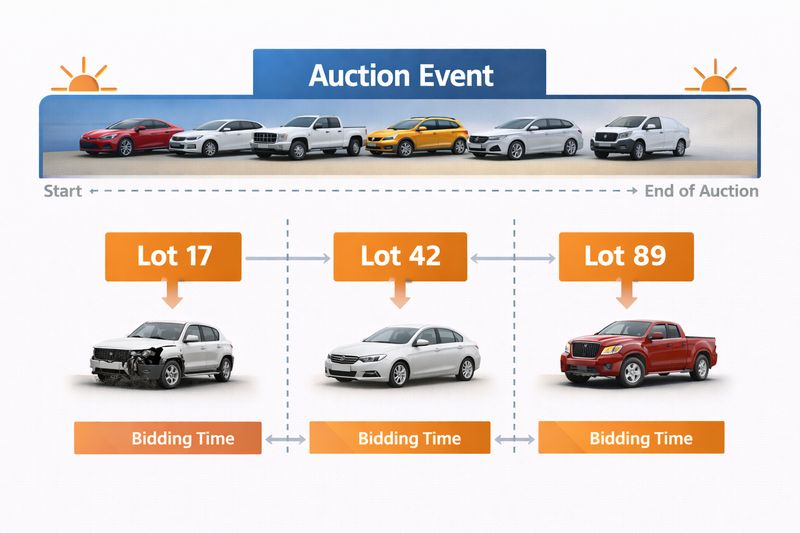
For example, a large auction may run from 9:00 AM to 4:00 PM. That’s the event duration. But one specific car — say, a 2018 sedan you’ve been tracking — might only be on the block for 2–5 minutes in a live setting, or a few hours in an online timed auction.
Many first-time buyers get confused here. They think, “The auction runs all day, so I have plenty of time.” In reality, the car they want may sell in just a few minutes.
If you’re trying to save money and target one specific vehicle, you don’t need to follow the whole event. You need to know exactly when your lot is scheduled.
Online vs Live Auction Timing
Timing works differently depending on whether the auction is online or live (in-person).
In a live auction, cars move very quickly. Once the vehicle enters the lane, bidding may last only 1–3 minutes. The auctioneer moves fast, especially with lower-priced cars. If you hesitate, the car is gone.
In an online auction, timing is more structured. Some auctions have a fixed countdown (for example, a car closes at 2:15 PM exactly). Others use automatic extensions — meaning if someone places a bid in the last seconds, the timer resets. This can stretch bidding longer than expected.
For budget buyers, online auctions often feel less stressful because you can bid from home. But they can also take longer if competition heats up at the end.
Average Auction Duration
If you’re buying a car at auction for the first time, one of the biggest questions is simple: how much time should you set aside? The answer depends on whether you’re watching the whole event or just one specific vehicle.
For budget buyers who work full-time or check auctions during breaks, understanding the average timing helps you plan better — and avoid sitting in front of your screen all day for nothing.
How Long a Full Auction Event Lasts
A full auction event usually lasts 4 to 8 hours. Large auctions may even run all day, especially when hundreds or thousands of vehicles are scheduled.
For example, a major insurance auction might start at 9:00 AM and continue until late afternoon. Dealer-only auctions can move even faster but still take several hours because of the high volume of cars.
However, most buyers with limited budgets don’t need to watch the entire event. If you’re targeting a specific car — maybe a 2017 SUV with minor damage that fits your price range — you only need to know its scheduled run time.
Instead of following hundreds of listings, smart buyers focus only on the lots that match their budget and needs. This saves time and reduces stress.
How Long One Car Auction Usually Lasts
Now let’s talk about one vehicle.
In a live auction, bidding for a single car usually lasts 1 to 5 minutes. Lower-priced vehicles may sell even faster. The auctioneer moves quickly, and experienced bidders don’t hesitate.
In online timed auctions, a single car can remain open for bidding for several hours — sometimes even days. But the real action usually happens in the final minutes. If bids come in near closing time, automatic extensions may add extra minutes until no new bids are placed.
So while a listing might appear “active” for a long time, the intense bidding window is often short.
If you’re shopping on a tight budget, this is important. You don’t want to step away to grab coffee and miss the final two minutes — especially if the car is still under your maximum price.
How Long Does a Single Car Stay on the Auction Block
When you’re shopping at a car auction on a tight budget, timing can feel stressful. You might be thinking, “Will I have enough time to decide?” or “What if the car sells before I react?”
The truth is simple: a single car does not stay on the auction block for long. Whether it’s a live lane or an online platform, once bidding becomes active, things move quickly. Understanding how long you actually have helps you stay calm and avoid last-second panic bidding.
Typical Bidding Time per Vehicle
In a live auction, a vehicle usually stays on the block for 1 to 3 minutes. Sometimes even less. The auctioneer moves fast, especially for lower-priced vehicles. Budget cars often sell quickly because many buyers are competing in the same price range.
For example, imagine you’re bidding on a $6,000 sedan. Several other buyers may also see it as a good deal. Within two minutes, the price can jump by $500–$1,000 if competition is strong.
In online timed auctions, a car may appear open for hours or days. But the real bidding usually happens in the final minutes. If the platform uses automatic extensions, each last-second bid can add extra time — often 1–3 minutes per new bid. This continues until no new bids are placed.
So while the listing may look long, the intense action window is usually short.
What Happens When There Are No Bids
If no one places a bid, a few different things can happen.
In some auctions, the vehicle may be marked as “no sale.” This means the seller did not receive an acceptable offer. The car could be relisted in a future auction.
In other cases, the seller may negotiate after the auction ends. If you placed a low bid that didn’t meet the reserve price, the seller might counteroffer. This gives you another chance to buy without entering a bidding war.
For budget buyers, this situation can be an opportunity. If a car receives little attention, you may be able to purchase it below market value — especially if it has minor cosmetic damage or high mileage that scares off other bidders.
What Happens When There Is Heavy Bidding
Heavy bidding changes everything.
If multiple buyers compete, the price can rise quickly. In live auctions, the auctioneer increases the increments fast. In online auctions with extensions, the clock keeps resetting, and the auction can stretch much longer than expected.
You might see a car sitting at $4,200 with 30 seconds left — then suddenly it climbs to $5,000 in a few minutes.
This is where many budget buyers lose control. They think, “Just $200 more,” and end up exceeding their original limit.
Why Some Auctions Take Longer Than Others
Not all car auctions move at the same speed. Some vehicles sell in under a minute. Others stay active much longer, especially online. If you’ve ever watched two similar cars sell at completely different speeds, you’re not alone.
Several factors affect how long bidding lasts. For budget buyers, understanding these factors helps you predict when things may move fast — and when you might have more time to think.
Level of Competition Among Bidders
Competition is the biggest factor.
If a vehicle is popular — for example, a clean-title SUV with low mileage — many buyers may compete for it. More competition means more bids, and more bids mean more time on the block.
In online auctions with extensions, every new bid near closing adds extra minutes. So high competition can stretch the process longer than expected.
On the other hand, if a car has limited appeal, bidding may end quickly.
Number of Active Bidders
The total number of registered users doesn’t matter as much as the number of active bidders at that moment.
For example, an auction may have hundreds of people watching, but only three are actually bidding. If those three are serious and financially ready, the price can move quickly.
If only one person places bids and no one challenges them, the car may sell fast and below market value — which is great news for budget-focused buyers.
Experience of the Bidders
Experienced bidders move differently than beginners.
Professional buyers often know exactly what they want and how much they’re willing to pay. They place confident bids without hesitation. This can speed up the process.
New bidders, especially those buying their first auction car, may hesitate. They wait, think, and sometimes increase the price slowly. This can stretch the bidding phase slightly — especially online.
If you’re on a tight budget, being prepared like a pro helps you avoid delays and emotional decisions.
Experience of the Auctioneer
In live auctions, the auctioneer plays a major role in timing.
An experienced auctioneer controls the pace. They read the room, push for higher bids, and keep the energy high. This can either speed up the sale or extend it if they sense more money is possible.
Auctioneer Speed vs Auctioneer Control
Some auctioneers move very fast, especially when selling lower-priced vehicles in large volumes. Cars may pass through the lane in under a minute.
Others focus more on control than speed. If bidding is active, they slow down slightly to encourage higher offers. This can add extra time but may also raise the final price.
For budget buyers, fast lanes can be an advantage. Less time means fewer emotional bidding battles.
Type and Condition of the Vehicle
The vehicle itself matters.
Clean-title, low-mileage cars usually attract more attention. Salvage vehicles with visible damage may attract fewer bidders — unless the repair costs are low.
For example, a lightly damaged sedan with an easy-to-fix bumper issue might attract experienced budget buyers who see profit potential. That competition increases bidding time.
Meanwhile, a heavily damaged car may receive fewer bids and sell quickly.
Vehicle Price Range
Lower-priced vehicles often attract more competition because more buyers can afford them.
A $5,000–$8,000 car may have many bidders. A $25,000 vehicle automatically reduces the number of potential buyers.
So ironically, cheaper cars can sometimes take longer to sell due to competition in the budget range.
Reserve Price and Seller Rules
Some vehicles have a reserve price — the minimum amount the seller is willing to accept.
If bidding does not reach that number, the car may go into a “seller approval” phase. This can extend the process beyond the active auction time.
In some cases, negotiations happen after the bidding ends. That adds extra hours or even days before the final decision.
For budget buyers, reserve prices are important. A car may look affordable during bidding but still require seller approval before it officially becomes yours.
How Long Do Online Car Auctions Last
Online car auctions are popular with budget buyers because you can participate from home. No travel. No pressure from a crowded auction lane. But one common question remains: how long do online auctions actually last?
The answer depends on the format. Not all online auctions work the same way. Some end at a fixed time. Others extend automatically. Some feel almost like live events.
If you are balancing work, family, and a limited budget, knowing the timing format helps you plan and avoid missing a deal.
Fixed-Time Online Auctions
Fixed-time auctions have a clear closing moment. The listing might say the auction ends at 2:00 PM, and that’s exactly when bidding stops.
These auctions can last several days before closing. You may see a car listed for 3–7 days before the final deadline.
However, most serious bidding usually happens in the last minutes. Buyers wait to see how high the price goes before jumping in.
The risk? If you wait too long and your internet connection slows down, you could miss your chance. For budget buyers, it’s safer to place your maximum bid slightly before the final seconds.
Timed Auctions With Extensions
This is one of the most common online formats.
In timed auctions with extensions, the auction has a scheduled end time. But if someone places a bid in the final moments (often within the last 1–3 minutes), the clock resets.
Each new bid extends the auction again.
This system prevents “sniping” and gives everyone a fair chance to respond. But it also means the auction may last longer than expected.
For example, a car scheduled to close at 4:30 PM might still be active at 4:45 PM if multiple buyers keep bidding.
If you are on a strict budget, this format requires discipline. It’s easy to get pulled into extended bidding rounds and exceed your planned limit.
Live Online Auctions
Live online auctions combine digital access with real-time bidding. You log in and watch the auction as it happens, similar to being there in person.
Each car usually stays active for only a few minutes. The pace is faster than standard timed listings.
You must be ready. If the car enters the lane at 11:12 AM, bidding may be over by 11:15 AM.
For buyers who prepare in advance — check the VIN, calculate repair costs, and set a maximum price — this format can work well. But hesitation can cost you the deal.
Buy It Now vs Standard Auction
Some online platforms offer a “Buy It Now” option. This allows you to purchase the vehicle immediately at a fixed price without waiting for bidding to end.
This option removes uncertainty. You don’t need to monitor the clock or compete with other bidders.
However, “Buy It Now” prices may be slightly higher than what you could win in a competitive auction.
For budget buyers, the choice depends on your risk tolerance. If you find a car that fits your budget perfectly and avoids bidding stress, buying it immediately can save time and emotional pressure.
Standard auctions, on the other hand, may offer lower final prices — but only if you stay disciplined and don’t get caught in bidding wars.
How Long Do Live (In-Person) Car Auctions Last
Live car auctions feel very different from online sales. The energy is higher. The pace is faster. And decisions happen in real time.
If you’ve never attended one, you might imagine that each car gets plenty of time. In reality, live auctions move quickly — especially when hundreds of vehicles are scheduled in one day.
For budget buyers, understanding the pace is critical. You don’t want to travel to an auction, wait for hours, and then miss your car because everything happened in two minutes.
Typical Length of a Live Auction Day
A typical live auction day lasts 4 to 8 hours. Larger auctions can run even longer, especially when thousands of vehicles are listed.
Most live auctions begin in the morning, often around 8:00 or 9:00 AM. Cars are grouped into lanes, and multiple lanes may run at the same time to speed up the process.
That means hundreds of vehicles can be sold in a single day.
However, this does not mean your specific car will take hours to sell. You need to check the run list in advance to know approximately when your target vehicle will enter the lane.
If you’re shopping on a tight budget and can only focus on one or two cars, timing matters. Showing up unprepared can lead to unnecessary waiting — or worse, missing the lot entirely.
How Fast Cars Move Through the Lane
Live auctions move fast. Very fast.
On average, a vehicle stays in the lane for 1 to 3 minutes. Some sell even quicker if bidding is slow or there’s little interest.
The auctioneer speaks rapidly, raises the price in set increments, and moves on as soon as bidding stops. There is no long pause for thinking.
For example, a $7,000 sedan might start at $4,000 and jump to $6,500 in less than two minutes if several buyers are competing. If no one bids beyond that point, the hammer falls and the next car rolls in immediately.
In busy lanes, a new vehicle can appear every 60–90 seconds.
For budget buyers, this speed means one thing: preparation is everything. You need to know your maximum price before the car enters the lane. There’s no time to calculate repair costs or check market value during live bidding.
Pre-Auction Timeline: What Happens Before the Auction
Many buyers focus only on auction day. But in reality, the process starts much earlier. If you understand what happens before bidding begins, you gain a big advantage — especially if you’re trying to save money.
For budget buyers, preparation before the auction is often the difference between a smart deal and an expensive mistake. Let’s walk through the steps that happen before the first bid is placed.
Vehicle Listing and Advertising
Before a car appears in the auction lane, it is listed in the system.
This usually happens days or even weeks before the auction date. The listing includes photos, VIN number, mileage, damage details (if any), title status, and auction schedule.
This stage is your opportunity to research.
For example, if you’re looking for a reliable commuter car under $8,000, you can review listings in advance and compare similar vehicles. You can check market prices, estimate repair costs, and narrow your shortlist.
Smart budget buyers don’t wait until auction day. They track vehicles early and prepare.
Pre-Auction Marketing
Large auctions and platforms promote upcoming sales to attract more bidders. They may highlight popular models, low-mileage vehicles, or clean-title cars.
This marketing increases competition — especially for vehicles in high demand.
If you notice a car being heavily promoted, expect more bidders. That may push the price up.
On the other hand, vehicles with less attention may offer better savings. For buyers on a tight budget, sometimes the “less popular” listing becomes the smarter choice.
Preview and Inspection Period
Most auctions offer a preview period before the sale. For live auctions, buyers can physically inspect vehicles at the yard. For online auctions, detailed photos and reports are available.
This is one of the most important stages.
During preview, you can:
- Review damage carefully
- Check VIN history
- Estimate repair costs
- Confirm mileage and condition
If you skip this step, you’re taking a risk.
For example, a car may look affordable at $5,000. But if hidden suspension damage adds $2,000 in repairs, it’s no longer a budget win.
Careful inspection protects your money.
Bidder Registration and Approval
Before you can place a bid, you must register and get approved.
This may require:
- Submitting identification
- Providing a deposit
- Verifying payment information
Some auctions approve buyers quickly. Others may take time, especially if documents are incomplete.
Many first-time buyers wait until auction day to register — and then panic when approval is delayed.
If you’re serious about saving money, register early. Make sure your account is fully approved before the vehicle goes live.
Auction Day Timeline Step by Step
Auction day is where preparation meets action. Whether online or in-person, knowing the step-by-step process helps you stay calm, make smart decisions, and avoid overspending. For budget buyers, understanding the flow of events ensures you won’t be caught off guard by fast-moving lots or unexpected rules.
Auction Starts
When the auction officially begins, the auctioneer or online platform opens the event. For live auctions, this is often marked by a short welcome, explanation of rules, and overview of bidding increments. Online, the first lots appear on the platform with timers set for each vehicle.
At this stage, nothing is urgent yet. It’s a good time to double-check your target lot list, review bids, and make sure your bidding account is ready. Budget-conscious buyers often use this time to confirm their maximum bid limits so they don’t get swept up in excitement later.
Vehicle Enters the Lane
Each car is called into the auction lane in order. For live auctions, the vehicle physically rolls up to the auction block. Online, the lot appears on your screen with all details and countdown timers.
This is the moment to focus. Your target vehicle is now active, and you need to be prepared to bid if it matches your criteria. Many first-time buyers make the mistake of waiting too long — but vehicles often sell faster than expected, especially lower-priced cars that attract multiple bidders.
Active Bidding Phase
Bidding begins as soon as the auctioneer opens the lot or the online timer starts. In a live auction, the auctioneer raises the price incrementally, responding to bidders’ gestures or calls. Online, the system automatically records each bid and, if using extensions, adds time for last-second offers.
This is the most critical phase for budget buyers. You must stick to your plan, know your maximum bid, and avoid emotional overspending. Watching how the bidding unfolds helps you decide whether to compete, hold back, or walk away.
Hammer Falls (Sale or No Sale)
Once bidding stops, the auctioneer brings down the hammer, or in online auctions, the timer expires. If the highest bid meets the seller’s requirements, the car is sold. Congratulations — you’ve won!
If the vehicle sells above your budget, don’t panic. There will always be more lots to consider. Staying disciplined is key for buyers trying to save money.
If the Vehicle Does Not Sell
Sometimes, no bids are placed, or the highest bid doesn’t meet the reserve price. In this case, the car is marked “no sale.”
After a no-sale, options vary:
- The seller may negotiate with the highest bidder afterward.
- The vehicle could be relisted in a future auction.
- Some online platforms allow “Make Offer” features to try again.
For budget buyers, this can be a blessing. A no-sale often means less competition, giving you another opportunity to purchase the car at a lower price later. Being patient and flexible can save you significant money compared to reacting emotionally during the live auction.
Post-Auction Timeline: What Happens After You Win
Winning a car at auction is exciting, especially if you snagged a great deal. But the process doesn’t end when the hammer falls or the online timer expires. There’s a series of steps that follow before the car is officially yours and ready to drive. Understanding this timeline is key for budget buyers who want to plan expenses and avoid surprises.
Payment Deadlines
After winning, most auctions require prompt payment. Deadlines vary by platform and auction house. Live auctions often ask for payment within 24–48 hours, while online auctions may allow slightly longer, but not usually more than a few days.
For budget buyers, it’s crucial to have funds ready. You may need a certified check, wire transfer, or pre-approved financing. Missing a payment deadline can result in losing the car and forfeiting any deposit you made.
Title Processing Time
Once payment is confirmed, the auction house begins title processing. This can take a few days to a few weeks depending on the seller, state regulations, and whether the vehicle has a clean or salvage title.
For example, a clean-title sedan may have its paperwork completed within a week, while a salvage or rebuilt car might take longer. Buyers need to account for this when planning to register the car or arrange insurance.
Vehicle Release and Pickup
After the title is ready, you can pick up your vehicle. Some auctions allow same-day pickup, while others schedule release times to manage traffic and staffing.
If you live far from the auction site, budget buyers should plan for transportation. Many rely on transport companies or towing services, which can be scheduled once the vehicle is officially released.
Shipping and Delivery Timeline
For long-distance purchases, shipping adds extra time. Depending on the distance and shipping method — open transport vs enclosed transport — delivery can take several days to a couple of weeks.
Budget-conscious buyers often look for shared or terminal-to-terminal shipping options to save money. Planning ahead ensures that your new car arrives safely without unexpected costs.
How Long It Takes to Actually Get Your Car After Auction
Winning a car at auction is thrilling, but many buyers are surprised that taking possession doesn’t happen instantly. The time between the hammer falling and actually driving your vehicle depends on several steps: payment, paperwork, release, and delivery. Understanding this timeline helps budget buyers plan finances and transportation without stress.
From Winning Bid to Vehicle Release
After your winning bid, the first step is payment confirmation. Most auctions require payment within 24–48 hours. Once the payment clears, the auction house begins processing the title and verifying documentation.
For clean-title vehicles, this process may take a few days. Salvage or rebuilt vehicles often require additional checks, which can extend the timeline to 1–2 weeks. Only when all paperwork is complete will the auction authorize vehicle release.
During this period, buyers should arrange transportation. Local pickup may be straightforward, but if the car needs to be shipped, coordinating a transport service in advance can save time and money.
From Release to Delivery
Once the auction releases the car, the next step is getting it to your location. For local buyers, this may mean driving it home or arranging a short-distance tow. For long-distance buyers, shipping is required.
Shipping time varies depending on distance, transport method, and service availability. Open transport is usually faster and more affordable, taking 3–10 days for cross-country delivery. Enclosed transport may take slightly longer and costs more but offers extra protection for valuable or classic cars.
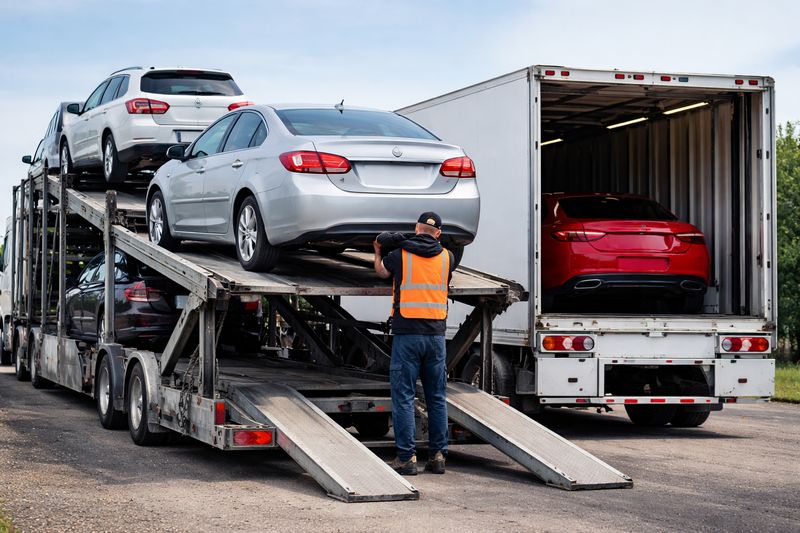
Budget buyers often combine transport planning with payment and release timing to minimize delays and reduce extra storage fees at the auction yard.
Total Real-World Timeline
In total, the time from winning an auction to having your car in your hands can range from a few days to a couple of weeks. For a local, clean-title vehicle, a realistic estimate is 3–7 days. For long-distance or salvage cars, expect 1–3 weeks depending on shipping and processing.
Factors That Can Delay the Auction Process
Even after winning a car at auction, several factors can slow down the process of getting your vehicle. For budget buyers, delays can affect planning, shipping, and even financing. Knowing what might hold up the process helps you prepare and avoid unexpected costs or frustration.
Title Issues
One of the most common delays involves the vehicle’s title. If the title is missing, incomplete, or marked as salvage/rebuilt, the auction house must resolve it before releasing the car.
For example, a car listed as “clean title” may have an underlying lien that needs to be cleared. Resolving title issues can take days to weeks, depending on the state and seller responsiveness. Budget buyers should always check the title status before bidding to anticipate potential delays.
Seller Approval Delays
Some auctions require seller approval for final sale, especially if the highest bid doesn’t meet the reserve price. Even after winning, the seller must agree to the sale before the transaction is finalized.
This can cause delays, especially if the seller is slow to respond or negotiates terms after the auction ends. For buyers working with a tight schedule or budget, factoring in extra time for seller approval is crucial.
Payment Issues
Payment complications are another common cause of delays. If your payment method isn’t verified, or there are issues with bank transfers, wire payments, or financing, the auction house cannot release the vehicle.
For instance, a buyer using a bank transfer may see a 1–3 day delay for the funds to clear. Having payment ready and pre-approved is essential for budget-conscious buyers who want to secure the vehicle quickly.
Holiday and Weekend Delays
Timing matters. Auctions that end on weekends or holidays often experience processing delays. Banks, government offices, and auction staff may be closed, slowing title processing, payment verification, or pickup scheduling.
For example, winning a car on a Friday afternoon may not result in immediate release until the following Monday or later. Budget buyers should plan around weekends and holidays to avoid unexpected delays in taking possession of their vehicle.
How to Prepare to Act Fast at Auctions
Acting quickly at a car auction can make the difference between winning a great deal and missing out. For budget buyers, preparation is even more important because overspending or hesitation can blow your limited funds. The key is to have everything ready before the auction starts.
Pre-Approval and Registration
Before you bid, you must be fully registered and approved with the auction platform. This often requires submitting identification, proof of funds, and sometimes a deposit.
Getting pre-approved ensures you can bid immediately when your target car appears. Waiting until auction day can result in delays, and some vehicles may sell in just a few minutes. Budget-conscious buyers benefit from pre-approval because it prevents missed opportunities and keeps their financial plan intact.
Setting Your Budget
Decide your maximum bid before the auction begins. Consider not only the hammer price but also additional costs like fees, taxes, transport, and repairs.
For example, if your budget is $8,000, factor in a $500 transport fee and $1,000 in potential repairs. Your maximum bid should reflect the total cost, not just the listed price. Sticking to your budget protects you from getting caught in emotional bidding wars that can quickly escalate beyond what you can afford.
Running VIN Checks in Advance
VIN checks give you critical information about a car’s history, including accidents, title status, and prior ownership.
Conducting these checks before auction day allows you to identify hidden problems and avoid surprises. For budget buyers, this step is vital. Knowing a car has salvage history or expensive repairs can help you avoid overspending or choosing a car that will cost more than it’s worth.
Having Transport Ready
Finally, arrange transport in advance. Many buyers forget to plan how they’ll pick up or ship the car, which can delay ownership and add unexpected costs.
Whether you’re arranging a tow, booking a local pickup, or hiring long-distance transport, having a plan ensures a smooth process. For budget buyers, scheduling transport ahead of time often saves money and prevents last-minute rush fees.
Common Myths About Auction Timing
Car auctions can be confusing, especially for first-time buyers. Misunderstandings about timing often lead to frustration, missed opportunities, or overspending. Let’s clear up some of the most common myths so you can approach auctions with realistic expectations and smart strategies.
“Auctions Last All Day for One Car”
Many beginners assume that each car gets hours of attention during a live auction. In reality, each vehicle is usually in the lane for just 1–3 minutes. Auctioneers move quickly to handle dozens or hundreds of cars in a single day.
Believing a car will sit for hours can make you overly relaxed, causing you to miss your chance to bid. Budget buyers must stay alert and know exactly when their target car enters the lane to avoid losing a deal.
“Online Auctions End Exactly on Time”
Another common myth is that online auctions always close at the exact time listed. Many platforms use automatic extensions if a bid is placed in the final moments.
For example, a car scheduled to end at 4:00 PM may continue for several additional minutes if bidders keep placing last-second offers. Thinking the auction stops precisely at the scheduled time can lead to missed bids or confusion. Understanding the extension rules helps you plan your bidding strategy effectively.
“You Get the Car Immediately After Winning”
Winning the auction doesn’t mean you can drive the car home right away. There are several post-auction steps: payment processing, title transfer, vehicle release, and shipping or pickup.
For instance, even a local car with a clean title might take a few days to release, while a long-distance purchase could take weeks. Budget buyers who expect instant ownership may be frustrated or unprepared for storage and transport costs. Knowing the realistic timeline ensures a smooth transition from winning to driving.
How BidNDrive Helps Speed Up the Process
Buying a car at auction can feel overwhelming, especially for budget-conscious buyers who want to save time and avoid costly mistakes. BidNDrive makes the process faster, simpler, and more predictable. From registration to delivery, their services help you act quickly and confidently.
Faster Registration and Approval
BidNDrive streamlines the registration process. Instead of spending hours submitting documents and waiting for approval, their team handles pre-approval on your behalf.
This means you can bid immediately when your target car hits the auction lane, avoiding delays that could cost you a deal. For budget buyers, faster approval ensures you don’t miss a great vehicle because of paperwork delays.
Pre-Checked Vehicles
BidNDrive provides access to pre-checked vehicles, including detailed reports on condition, title status, and potential repairs.
Having this information in advance saves time during the inspection process and helps you make informed decisions. You avoid cars with hidden damage or title issues that could blow your budget. Knowing exactly what you’re bidding on gives you confidence to act fast.
Help With Payment and Logistics
Payment and logistics can be confusing for first-time auction buyers. BidNDrive assists with payment processing, fee management, and coordinating the transfer of ownership.
This reduces stress and prevents common delays like missed payment deadlines or errors in title processing. Budget buyers benefit because they can focus on bidding smartly instead of worrying about administrative hurdles.
Faster Shipping Coordination
Once you win, BidNDrive helps arrange shipping and delivery quickly. Whether you need local pickup or long-distance transport, they coordinate schedules and carriers efficiently.
This means you get your car faster and at a lower cost than arranging transport independently. For buyers on a tight budget, quick and reliable delivery prevents storage fees and keeps your purchase on schedule.
Auction Timing Tips for Budget Buyers
Winning a car at auction isn’t just about finding the right vehicle — it’s also about timing. Knowing when to bid and how to avoid intense competition can save budget buyers hundreds or even thousands of dollars. Smart timing strategies help you stick to your budget and get the best deal possible.
Best Times to Find Less Competition
Not all auction hours are equally competitive. Early morning lots or mid-week online auctions often see fewer active bidders compared to weekend or evening sales.
For example, a Thursday morning online auction may have only a handful of serious buyers compared to a Friday evening session when everyone is free. Targeting these quieter times increases your chances of winning a car at a lower price. Budget buyers can plan their bidding around these periods to avoid high-demand competition.
How to Avoid Bidding Wars
Bidding wars drive prices up fast, which can quickly exceed a budget. To avoid them:
- Set strict limits on how much you’re willing to pay.
- Research multiple vehicles so you have alternatives if bidding gets too high.
- Focus on less popular lots — cars that aren’t heavily advertised or have minor cosmetic issues often attract fewer bidders.
For instance, instead of chasing the shiny convertible everyone wants, a lightly used sedan in good condition may provide a better deal. Avoiding bidding wars protects your budget while still securing a quality vehicle.
How Timing Can Save You Money
Timing also applies to knowing when the auction ends. Some online auctions use automatic extensions for last-minute bids. By planning to place bids early or monitoring these extensions, you can avoid emotional last-second overbidding.
Additionally, watching past auction trends helps you identify periods when certain types of vehicles sell for less. For example, sports cars often go for lower prices in off-season months when fewer enthusiasts are active. Budget buyers can leverage these patterns to save money without sacrificing quality.
How Long Do Different Types of Car Auctions Last
Not all car auctions are the same. The type of auction you participate in affects how long the event lasts, how quickly individual cars sell, and how much competition you’ll face. Understanding these differences helps budget buyers plan their bidding strategy and avoid surprises.
Salvage Car Auctions
Salvage car auctions feature vehicles that have been damaged, often with insurance write-offs. These auctions tend to move quickly, with each car in the lane for just a few minutes.
Because buyers often know the cars may need repairs, competition can be high for vehicles in good condition. However, some lots may receive little attention, offering opportunities for budget-conscious buyers to find a deal. Online salvage auctions may run longer overall because lots are spread out over multiple days, but individual car bidding remains fast-paced.
Dealer-Only Auctions
Dealer-only auctions are restricted to licensed dealers and usually include higher-end or bulk inventory. These auctions can last several hours or a full day, depending on the number of vehicles.
For individual buyers, access may be limited, but working with a service like BidNDrive allows you to participate indirectly. These auctions are often more structured, with auctioneers moving quickly through the lane, so each car is still sold in just a few minutes.
Public Car Auctions
Public car auctions are open to anyone and often include a mix of repossessed, dealer consignment, and used cars. The pace varies: smaller auctions may take only a few hours, while larger events with hundreds of lots can last an entire day.
Individual vehicles at public auctions usually stay on the block 2–5 minutes, depending on bidding activity. For budget buyers, public auctions are great for finding deals, but it’s important to watch timing carefully — popular vehicles can sell quickly.
Insurance Auto Auctions
Insurance auto auctions, often run by companies like Copart or IAAI, feature vehicles from accidents, theft recoveries, or flood damage. These auctions can last days for the entire event, especially online.
Individual cars move fast, usually with only a few minutes of bidding. Budget buyers can benefit because many lots are overlooked, but the process of payment, title transfer, and vehicle release may take longer due to the salvage nature of the cars. Planning ahead and understanding the timeline is key to avoiding delays.
Car auction timelines can vary depending on the platform, auction type, and bidding format — from timed online listings to live virtual lanes that close in minutes. Understanding how long an auction lasts helps buyers plan their strategy, monitor bids effectively, and avoid missing out on a vehicle.
For U.S. buyers, knowing when to place bids and how different auction formats work is key to securing the right car at the right price. BidNDrive provides access to U.S. auto auctions with clear listing details and bidding tools, making it easier to track auction timing and participate confidently.
If you’re ready to explore vehicles available through U.S. auctions and apply what you’ve learned about auction timing, you can create a free account with BidNDrive and review current listings.
Further Reading:
Why Are Cars Sold at Auctions?
How to Buy Cars at Auction: Your Ultimate Guide to Great Deals
Three Key Tips Every Auto Auction Buyer Must Know
How Do Online Car Auctions Work? A Beginner’s Guide to Smart Bidding
Frequently Asked Questions
- How long should an auction last?
- What is the 3-minute rule in auctions?
- What are auction periods?
- How many days will an auction take?