



Looking to save money on your next car? This guide breaks down how much cars typically sell for at auctions, what affects prices, and how to plan your budget. Learn how to spot bargains, avoid hidden costs, and make smart bids so you can get a reliable vehicle without overspending.
How Much Do Cars Typically Sell for at Auctions
Many buyers are surprised when they see real auction prices for the first time. Cars at auction often sell for much less than dealer prices, but the exact amount depends on the type of car, its condition, and the title status.
At BidNDrive, we regularly see everyday buyers get into reliable cars for thousands less than retail. But it’s important to understand what’s realistic — and what’s not.
Average Price Ranges by Vehicle Type
Here are rough, real-world price ranges you’ll often see at major US auto auctions. These are typical winning bid ranges before fees and shipping:
- Compact cars (Civic, Corolla, Elantra): $1,500 – $6,000
- Midsize sedans (Camry, Accord, Altima, Fusion): $2,000 – $7,500
- Small SUVs (Escape, CR-V, RAV4, Rogue): $3,000 – $9,000
- Midsize SUVs (Highlander, Explorer, Pilot): $4,000 – $12,000
- Pickup trucks (F-150, Silverado, Ram 1500): $4,500 – $15,000
- Luxury cars (BMW, Mercedes, Audi): $4,000 – $18,000+
- Older economy cars (10+ years old): $800 – $3,500
For many budget buyers, this means you can often buy a car at auction for the same price a dealer charges for a much older or higher-mileage vehicle.
Price Differences Between Salvage, Used, and Clean Title Cars
Title status makes a big difference in auction pricing. Two cars that look similar can sell for very different amounts just because of the title.
- Salvage title cars: Usually the cheapest. These are insurance total loss vehicles. Prices can be 30% to 60% lower than clean title. Great for buyers who can repair or export.
- Used cars (normal auction inventory): These may have wear, high miles, or minor issues. Prices are lower than retail, but higher than salvage.
- Clean title cars: The most expensive at auction. These are closer to dealer-ready vehicles. Still cheaper than retail, but not “dirt cheap.”
For example, a 2016 Toyota Camry with a clean title might sell for $7,000–$9,000 at auction. The same car with a salvage title could sell for $3,500–$5,000, even if the damage was minor and already repaired.
Realistic Expectations for Budget Buyers
If your budget is tight, auctions can open doors — but you need to be realistic.
Many first-time buyers come in hoping to get a “perfect car” for $1,000. That usually means high mileage, older models, or salvage title.
Here’s what most budget buyers can realistically expect:
- $1,000 – $2,500: Older cars, high miles, or salvage. Good for basic transportation or projects.
- $2,500 – $5,000: Solid daily drivers with higher miles, minor damage, or older model years.
- $5,000 – $8,000: Newer cars, better condition, or clean title with more life left.
- $8,000+: Low-mileage, popular models, or clean title cars closer to retail quality.
The key advantage is this: at auction, your money usually goes further. Instead of overpaying a dealer, you can use the same budget to get a newer year, better trim, or a more reliable model — if you understand what you’re buying.
Are Cars Really Cheaper at Auction
Short answer: in most cases, yes. But how much cheaper depends on the type of car, the auction, and how smart you buy. Auctions remove many of the extra markups that come with dealer lots, which is why budget buyers often find better value there.
That said, auctions are not magic. You save money because you take on more responsibility and risk. For many buyers, that trade-off is worth it.
How Much Cheaper Than Dealer Prices
Compared to used car dealers, auction prices are often significantly lower.
On average, buyers can see prices that are:
- 20% to 40% cheaper than typical dealer retail
- Sometimes 50%+ cheaper on salvage or high-mileage vehicles
- Several thousand dollars less on popular models
For example, a dealer might list a 2017 Honda Accord for $13,000–$15,000. The same car at auction could sell for $8,000–$11,000, depending on miles and condition.
Dealers add costs for reconditioning, warranties, sales staff, lot rent, and profit margins. At auction, you’re much closer to wholesale pricing. That’s where the savings come from.
How Much Cheaper Than Private Sellers
Private sellers are usually cheaper than dealers, but auctions can still beat them — especially for certain types of cars.
Compared to private party prices, auctions are often:
- 10% to 25% cheaper on average
- Much cheaper on salvage, repossessions, and fleet vehicles
- More competitive on high-mileage or older cars
A private seller may price emotionally. They remember what they paid and want to “get their money back.” At auction, pricing is driven by market demand, not feelings. If few bidders want a car, the price drops fast.
For budget buyers, this can mean finding a solid commuter car for less than what private sellers are asking on Facebook Marketplace or Craigslist.
What Experts Say About Auction Savings
Industry experts and professional buyers use auctions for one main reason: access to wholesale pricing.
Dealers, exporters, and fleet buyers rely on auctions because:
- Inventory moves fast
- Prices reflect real market demand
- There is less retail markup
Most experts agree that auctions are one of the best ways to buy below retail — if you know what you’re doing. The biggest mistakes happen when buyers skip research, ignore fees, or bid emotionally.
Smart auction buyers treat it like a business deal, not a shopping trip. They know market values, set a max bid, and walk away if the price gets too high.
Why Cars Go to Auction
Many buyers think auction cars are there because something is “wrong” with them. In reality, most cars go to auction for normal business reasons. Understanding why a car is at auction helps you judge risk, price, and whether it fits your budget.
Some auction cars are great deals. Others need more work. The key is knowing the source.
Insurance Total Loss Vehicles
These are some of the most common cars at major auto auctions.
When an insurance company decides that repair costs are too high compared to the car’s value, they declare it a total loss. That doesn’t always mean the car is badly damaged. It could be:
- Minor body damage on an older car
- Hail damage
- Flood exposure
- Theft recovery
- Airbag deployment
Insurance companies don’t repair these cars. They sell them at auction to recover money quickly. That’s why salvage title cars are usually much cheaper.
For budget buyers who can fix cars, use a local body shop, or export vehicles, this is where big savings often happen.
Bank Repossessions and Lease Returns
Banks and lenders also send large volumes of cars to auction.
When a borrower stops making payments, the bank repossesses the vehicle. The bank is not in the car business. They want to turn that car into cash as fast as possible.
Lease returns are similar. When a lease ends, many vehicles go straight to auction instead of back to dealers.
These cars are often:
- Clean title
- Regularly serviced
- Higher mileage than average
- Priced to sell fast
For buyers, repos and lease returns can be great for finding normal, road-ready cars below retail prices.
Fleet and Rental Company Vehicles
Rental companies and large fleets are some of the biggest sellers at auctions.
Companies like rental agencies, delivery services, and corporate fleets replace vehicles on a schedule. They don’t keep cars forever. When it’s time to refresh the fleet, hundreds or thousands of cars go to auction.
These vehicles are usually:
- One-owner
- Well-documented maintenance
- Higher miles
- Plain specs (basic trim, common colors)
Because there are so many similar cars hitting the auction at once, prices can be very competitive. For budget buyers, this is a common way to get a newer model for less money.
Dealer Trade-Ins and Overstocks
Dealers also use auctions to manage their inventory.
When a dealer takes a trade-in they don’t want to keep — maybe it’s too old, too high mileage, or not popular in their area — they send it to auction.
Dealers also send cars to auction when:
- They have too much inventory
- A car isn’t selling on their lot
- The car doesn’t fit their brand or customer base
These cars are often drivable and clean title, but priced low because the dealer just wants to move them out.
How Car Auctions Work for Buyers
For first-time buyers, car auctions can feel confusing. The process is very different from buying from a dealer or a private seller. There is no test drive, no negotiation desk, and usually no returns.
Once you understand how auctions really work, it becomes much easier to avoid mistakes and stick to your budget.
Online Auctions vs Physical Auction Houses
Today, most buyers use online auctions. This allows people to bid from anywhere without traveling.
Online auctions:
- Bid from your computer or phone
- Huge selection nationwide
- Detailed photos, condition reports, and history
- Popular for exporters and budget buyers
- Examples include Copart, IAAI, and Manheim (dealer-only)
Physical auction houses:
- In-person bidding
- Limited to local inventory
- You can sometimes inspect cars more closely
- Less common for everyday buyers today
For most BidNDrive customers, online auctions are the main option. They offer more choice and better chances to find deals in different states and regions.
How Bidding Actually Works
Auction bidding is fast and emotional if you’re not prepared.
Here’s how it usually works:
- You place a bid online
- Other buyers outbid you
- The price goes up in set increments
- When time runs out, the highest bidder wins
Some auctions also allow pre-bidding, where you place bids before the live auction starts.
The biggest mistake budget buyers make is chasing a car after it passes their budget. It’s easy to think, “Just a few hundred more.” That’s how people overpay.
Smart buyers set a maximum bid and stick to it — no matter what.
Reserve Price vs No-Reserve Auctions
Not every auction car is guaranteed to sell.
Reserve auctions:
- The seller sets a minimum price
- If bids don’t reach it, the car may not sell
- Common for cleaner or higher-value cars
No-reserve auctions:
- The car sells to the highest bidder
- No minimum price
- Often used for salvage and fleet vehicles
- Can lead to very low prices if demand is low
No-reserve auctions are where some of the biggest bargains happen. But they also attract more aggressive bidders, so prices can still climb fast on popular models.
Who Can Buy at Dealer and Public Auctions
Not all auctions are open to the public.
Public auctions:
- Anyone can register and bid
- Often focused on salvage and insurance cars
- Lower entry barriers
Dealer-only auctions:
- Require a dealer license
- Include cleaner, retail-ready vehicles
- Better access to lease returns and trade-ins
This is where working with a broker like BidNDrive matters. We give everyday buyers access to dealer-only auctions and inventory they normally couldn’t touch. That opens up more choices and often better-quality cars — still at auction-level pricing.
What Affects the Final Auction Price
Two similar-looking cars can sell for very different prices at auction. That’s because many factors influence what buyers are willing to pay. Understanding these factors helps you spot real deals and avoid overpaying.
For budget buyers, knowing what drives price is just as important as finding the car itself.
Vehicle Condition and Title Status
Condition is one of the biggest price drivers.
Cars with visible damage, mechanical issues, or warning lights usually sell for much less. Even small things like dents, cracked bumpers, or worn interiors can push the price down.
Title status also matters a lot:
- Clean title: Highest prices
- Salvage title: Much lower prices
- Rebuilt title: Higher than salvage, lower than clean
- Flood or fire damage: Often very discounted
Many buyers avoid salvage cars completely. That reduces competition and keeps prices lower. For buyers who understand repairs or plan to export, this can mean big savings.
Mileage, Age, and Market Demand
Mileage and age directly affect how long a car is expected to last. Higher miles usually mean lower price.
But demand can matter more than you think.
For example:
- A 150,000-mile Toyota Camry may sell for more than a 90,000-mile luxury sedan
- Popular SUVs and trucks often stay expensive even with high miles
- Reliable brands hold value better at auction
If a model is known for reliability and cheap repairs, more buyers want it. More buyers means higher auction prices.
Location and Auction Fees
Where the car is located can change the final price.
Some regions have more buyers, which pushes prices up. Others have less demand, which can mean better deals.
Location also affects your real cost:
- Higher shipping costs from far-away states
- Local storage or gate fees
- Different auction fee structures
A cheap car in a far state can end up costing more than a slightly higher-priced car closer to you. Smart buyers always look at total cost, not just the bid price.
Seasonality and Timing of the Sale
Timing matters more than many buyers realize.
Prices often change based on:
- Season: Convertibles cost more in summer, SUVs in winter
- Gas prices: Big trucks may sell cheaper when fuel is expensive
- End of month or quarter: Fleets and dealers may dump inventory
- Economic trends: Tighter budgets can lower demand
For budget buyers, shopping when demand is low can lead to better deals. Being patient and flexible on timing can save hundreds or even thousands of dollars.
Do Buyers Pay More Than the Winning Bid
Yes — in almost every case, the winning bid is not the final price you pay. This is one of the biggest surprises for first-time auction buyers.
Auctions make money through fees, not just vehicle sales. If you only budget for the bid amount, you can easily go over budget. Smart buyers always calculate the full cost before bidding.
Buyer Fees and Auction Premiums
Every major auction charges buyer fees. These are added on top of your winning bid.
Buyer fees usually depend on:
- Final bid amount
- Type of auction
- Membership level
- Payment method
For example, on a $3,000 car, buyer fees can easily be $300 to $600 or more. On higher-priced vehicles, fees can go even higher.
These fees are non-negotiable. You pay them whether the car is perfect or needs work.
Storage, Gate, and Documentation Fees
Many buyers forget about these smaller charges. They add up fast.
Common extra fees include:
- Storage fees: If you don’t pick up the car quickly
- Gate fees: Charged when releasing the vehicle
- Documentation fees: Paperwork and processing
- Late payment fees: If payment is delayed
A few small fees might not seem like much, but together they can add hundreds of dollars to your total.
Transportation and Shipping Costs
Unless the car is local and drivable, you’ll need to pay for transport.
Shipping costs depend on:
- Distance
- Vehicle size
- Whether the car runs or not
- Fuel prices and carrier availability
Local transport might cost a few hundred dollars. Cross-country shipping can cost $800 to $1,500 or more.
For budget buyers, shipping is often the difference between a good deal and a bad one. A cheap car far away may not be cheap anymore after transport.
Taxes and Export-Related Costs
Depending on how and where you register or export the car, there may be more costs.
These can include:
- Sales tax
- Title and registration fees
- Customs and export documentation
- Port fees for international shipping
Even domestic buyers should factor in DMV and tax costs. Export buyers need to plan for even more steps and fees.
Hidden Costs That Many Buyers Forget
Many first-time buyers focus only on the auction price and basic fees. But there are other costs that don’t show up right away. These hidden expenses are a common reason budgets get blown.
Knowing about these costs upfront helps you avoid surprises and decide if a car is really a good deal.
Broker Fees and посредник Fees
Most everyday buyers need a broker or intermediary to access certain auctions, especially dealer-only platforms.
These services charge broker or intermediary (посредник) fees for:
- Placing bids on your behalf
- Handling auction accounts
- Managing paperwork
- Coordinating payment and release
Broker fees vary, but they are usually a fixed amount or a percentage of the vehicle price.
Some buyers try to skip brokers to save money, but that often limits access to better inventory. A good broker should be transparent and show you all fees upfront, so you can include them in your budget.
Repair and Reconditioning Costs
This is one of the biggest “hidden” costs — and the most underestimated.
Even cars listed as “run and drive” may need:
- Brakes or tires
- Battery replacement
- Oil leaks or fluid services
- Suspension work
- Body or paint repairs
A car that looks cheap at auction can quickly become expensive after repairs.
For example, saving $2,000 at auction doesn’t help if you spend $2,500 fixing hidden issues. Budget buyers should always add a repair buffer, especially for older or salvage vehicles.
Compliance and Registration Expenses
Depending on your state or country, you may need to spend extra to make the car legal to drive or export.
These costs can include:
- State inspections
- Emissions or smog tests
- VIN inspections
- Rebuilt title inspections
- Compliance modifications
- Registration and plate fees
For salvage or rebuilt cars, these costs can be higher and more complex.
How Much Can You Expect to Pay All-In
The most important number is not the winning bid. The real number is your all-in cost — what you actually pay by the time the car is ready to drive or ship.
For budget buyers, this is where smart planning makes the difference between a good deal and a money pit.
Example Total Cost Breakdown
Here’s a simple example of what a real auction purchase might look like:
Let’s say you win a car for $4,000.
- Winning bid: $4,000
- Buyer fees and auction premiums: $450
- Gate, documentation, and small fees: $120
- Shipping (mid-distance): $650
- Broker/intermediary fee: $300
- Basic repairs and service: $600
- Title, registration, and taxes: $400
Estimated all-in total: $6,520
On a dealer lot, a similar car might sell for $8,000–$9,000. That’s still real savings — but only if you planned for the full cost from the start.
Budget Planning for First-Time Buyers
First-time buyers often make the mistake of using their entire budget on the bid itself.
A smarter way is to break your budget into parts:
- Maximum bid amount
- Fees and broker costs
- Shipping and transport
- Repairs and maintenance buffer
- Registration and taxes
For example, if your total budget is $6,000, you may only want to bid up to $3,500–$4,000. That leaves room for everything else.
This approach keeps you from winning a car you can’t afford to finish.
How to Avoid Budget Surprises
Budget surprises usually come from missing information or emotional bidding.
Here’s how smart buyers avoid them:
- Always calculate total cost before bidding
- Add a repair buffer, even for clean title cars
- Don’t chase bids past your limit
- Factor in shipping before choosing a car
- Ask for help reviewing listings and history
How to Buy Cars at Auctions on a Budget
Buying at auction can save you a lot of money — but only if you have a plan. Without one, it’s easy to overbid, underestimate costs, and turn a “deal” into a regret.
Budget buyers who succeed treat auctions like a numbers game, not an emotional purchase.
Setting a Maximum Bid Limit
Your maximum bid should be based on your all-in budget, not just what you want to pay for the car.
Start with:
- Your total budget
- Subtract fees, shipping, and taxes
- Subtract estimated repairs
- What’s left is your real max bid
Write that number down. When bidding starts, don’t go past it.
Many buyers lose money by thinking, “Just $200 more.” That adds up fast, especially after fees. The best budget buyers are willing to walk away and wait for the next car.
Researching Market Value Before Bidding
Never bid blind.
Before bidding, you should know:
- Typical dealer prices
- Private party prices
- Recent auction sale prices for similar cars
- Common problems for that model and year
This helps you spot overpriced auction cars. Not every auction car is a deal.
For example, if a car is already close to dealer pricing at auction, it usually makes more sense to buy retail with a warranty and return options.
Choosing the Right Auction Platform
Different platforms specialize in different types of vehicles.
Some focus more on:
- Salvage and insurance cars
- Dealer trade-ins and lease returns
- Fleet and rental vehicles
- Export-friendly inventory
Picking the right platform affects both price and quality.
For tight budgets, platforms with high-volume inventory and salvage options often offer the biggest discounts — but also more risk. Clean-title, dealer-only platforms may cost more but reduce repair surprises.
Working With a Broker Like BidNDrive
For many everyday buyers, a broker is the difference between saving money and making expensive mistakes.
BidNDrive helps by:
- Giving access to dealer-only auctions
- Reviewing listings and vehicle history
- Estimating full costs before bidding
- Helping set smart bid limits
- Coordinating shipping and paperwork
This support helps budget buyers avoid emotional bidding and hidden costs. Instead of guessing, you make decisions based on real numbers.
What Kind of Cars Sell Cheapest at Auction
Not every car at auction is a bargain. Some cars are naturally priced lower because fewer buyers want them, or they need work. Understanding which cars typically sell cheapest helps budget buyers focus on realistic deals and avoid overpaying.
Auctions are full of opportunities, but the lowest prices usually come from cars that most people overlook.
High-Mileage Vehicles
Cars with high mileage often sell for the lowest prices. Buyers worry about engine wear, transmission problems, and other long-term issues.
Examples include:
- Older sedans with 150,000+ miles
- SUVs and trucks with daily fleet use
- Cars that have been well-maintained but are simply “tired”
For budget-conscious buyers, high-mileage vehicles can be a good choice if you’re willing to perform basic maintenance. You may pay a few thousand dollars less than a lower-mileage car of the same model.
Minor Damage and Cosmetic Issues
Cars with scratches, dents, or small body damage also sell cheap. Auction buyers often avoid these cars because they require time or money to repair.
Common examples:
- Hail damage
- Scratched bumpers
- Faded paint
- Minor interior wear
For someone who cares more about function than looks, these vehicles can be excellent deals. Many cosmetic issues are inexpensive to fix, making these cars a hidden gem for budget buyers.
Older Models with Good Reliability
Older cars from reliable brands often sell cheap, even though they can still last for years.
For example:
- Toyota Camry, Corolla, or Honda Civic from the early 2010s
- Ford Fusion or Nissan Altima with consistent maintenance history
These vehicles attract fewer buyers because they are “older,” but their parts are affordable and repairs are easy. For everyday driving, they often outperform newer, less reliable cars.
Vehicles with Less Popular Specs
Cars with uncommon colors, trims, or optional features may also sell at lower prices. Buyers tend to chase popular colors like black, white, or silver. Rare interior colors or lower trim levels often get overlooked.
Examples include:
- Hatchbacks instead of sedans
- Cars with cloth seats instead of leather
- Manual transmission cars in a mostly automatic market
For budget buyers, these vehicles are often overlooked gems. You can get a functional, reliable car at a fraction of the price simply because it’s less “desirable” to the majority of auction bidders.
What Kind of Cars Sell for the Most at Auction
While auctions are often associated with bargains, some cars sell for top dollar. These are usually vehicles that are in high demand, well-maintained, or rare. Understanding which cars attract higher bids helps buyers know what to expect and avoid overpaying.
For budget buyers, it’s often wise to steer clear of these unless you’re prepared to spend more.
Late-Model Low-Mileage Vehicles
Cars that are newer and have low mileage often fetch high prices. Buyers at auction see these vehicles as nearly dealer-ready, with many years of life left.
Examples include:
- 1–3 year old sedans with 10,000–30,000 miles
- Late-model SUVs with factory warranties
- Low-mileage trucks ready for daily use
Because these cars are reliable and in great condition, competition is fierce. Budget buyers should expect prices close to or even above retail in some cases.
Popular SUVs and Pickup Trucks
SUVs and pickups are consistently in high demand at auctions. Their versatility, cargo space, and towing capabilities make them popular for families and businesses alike.
Examples:
- Toyota RAV4, Honda CR-V, Ford Escape
- Ford F-150, Chevrolet Silverado, Ram 1500
Even older models with reasonable mileage can sell for more than similarly aged sedans. If you’re on a tight budget, these vehicles may be too expensive unless you target higher-mileage or less common trims.
Luxury and Performance Cars
Luxury brands like BMW, Mercedes-Benz, Audi, and Lexus often sell for premium prices at auctions. High-performance cars from brands like Porsche or Mustang GT also attract competitive bidding.
Reasons include:
- Brand prestige
- Advanced features and technology
- Low production volume for performance models
These vehicles are rarely bargains. Even salvage versions can be pricey due to demand from specialized buyers or rebuilders.
Rare and Limited-Edition Vehicles
Some cars are rare or limited-edition, which drives up their auction value. Collectors and enthusiasts often compete for these models.
Examples:
- Limited-edition trims or special packages
- Classic cars with a following
- Highly sought-after imports
Even if the car is older, scarcity can make prices high. Budget buyers usually avoid these unless they’re specifically looking for a collectible investment.
Best Time to Buy Cars at Auction
Timing can make a huge difference in how much you pay at auction. Even the same car can sell for hundreds or thousands more depending on when it hits the block. Budget buyers who understand timing can maximize savings and avoid overpaying.
Seasonal Trends in Auction Pricing
Auction prices fluctuate throughout the year. Some patterns are predictable:
- Winter: Sedans often sell cheaper, while SUVs and trucks stay in demand. Buyers focusing on daily drivers may find bargains.
- Spring/Summer: Convertibles, sports cars, and specialty vehicles can sell for more as demand rises.
- Gas price spikes: Large trucks or SUVs may dip in price when fuel is expensive.
Knowing seasonal trends helps budget buyers plan purchases strategically rather than paying peak prices.
End-of-Month and End-of-Year Opportunities
Many auctions see increased inventory at month-end or year-end. Dealers, fleets, and rental companies need to clear out vehicles to make room for new models or meet financial goals.
During these periods:
- More cars are listed, increasing choice
- Sellers may accept lower prices to move inventory quickly
- Competitive bidding can be less intense on less popular models
For everyday buyers, timing bids around these periods often leads to better deals without sacrificing vehicle quality.
When Dealers and Fleets Dump Inventory
Dealers and fleet companies don’t hold cars indefinitely. When they need to refresh stock, prices can temporarily drop.
Typical scenarios include:
- Lease returns being sold in bulk
- Rental car agencies replacing older fleet vehicles
- Dealer trade-ins or overstocks hitting the auction simultaneously
These “dump periods” are perfect for budget buyers who want newer or cleaner cars at lower prices. The key is to be ready to bid quickly, since the best deals often go fast.
Risks of Buying Cars at Auction
Auctions offer the chance to save money, but they come with risks. Many first-time buyers underestimate these risks and end up paying more than expected — or buying a car that isn’t road-ready. Understanding the main pitfalls helps you protect your budget and make smarter choices.
Limited Inspection Opportunities
One of the biggest challenges at auctions is that you often cannot inspect the car fully before bidding.
- Many auctions only allow a quick walk-around or photos
- Mechanical issues may be hidden
- Damage history can be incomplete
This is especially true for online auctions. Budget buyers need to factor in potential problems and set aside funds for repairs, because you may not see everything until after the purchase.
No Returns or Warranties
Almost all auction cars are sold as-is. There are rarely returns or warranties, even for clean-title vehicles.
- If the engine fails after purchase, you’re responsible
- Even minor issues can be expensive if not anticipated
- “Run and drive” status is not a guarantee
For first-time buyers, this means the auction price is only part of the cost — and risk. Understanding what you’re willing to accept is critical.
Title and Paperwork Risks
Title issues are another common problem. Some cars have:
- Salvage, rebuilt, or flood titles
- Liens that were not cleared properly
- Incomplete or incorrect paperwork
Mistakes or delays in transferring the title can be costly and stressful. For exporters or cross-state buyers, paperwork mistakes can add weeks or extra fees.
Unexpected Repair Costs
Even cars that look fine may need hidden repairs. Common surprises include:
- Brake or suspension work
- Transmission or engine issues
- Electrical problems
- Body or interior fixes
Budget buyers often underestimate these costs. A “cheap” car can quickly become expensive once repairs are factored in.
Are Car Auctions Worth It for Everyday Buyers
Car auctions can be a great way to save money, but they’re not for everyone. Everyday buyers need to weigh the risks, costs, and effort against potential savings. Understanding the pros and cons helps you decide if auctions fit your budget and comfort level.
Pros and Cons for Budget Shoppers
Pros:
- Lower prices: Cars often sell well below retail
- More options: Access to high-demand models, fleet vehicles, and salvage cars
- Potential for big savings: Even after fees and shipping, auctions can beat dealer prices
Cons:
- Higher risk: Limited inspections and no warranties
- Hidden costs: Fees, repairs, shipping, and paperwork add up
- Time and effort: Research, bidding strategy, and transport require planning
For budget buyers, auctions are most rewarding when you understand the total costs and are prepared to manage risks.
When Auctions Make Sense
Auctions are a smart choice if:
- You are comfortable with as-is purchases
- You want to save thousands compared to retail
- You’re willing to research and inspect cars carefully
- You are open to buying salvage or high-mileage vehicles
- You need access to dealer-only inventory through a broker
Everyday buyers who plan ahead, stick to a budget, and know what they want often find better deals at auction than anywhere else.
When Buying Retail May Be Better
Buying retail might be better for everyday buyers who:
- Prefer warranty coverage and lower risk
- Don’t want to deal with shipping, fees, or repairs
- Need a car quickly without the extra planning
- Are uncomfortable with the auction process or bidding
For some buyers, spending a little more at a dealer can save stress, time, and unexpected repair costs — and still result in a dependable car.
Top 10 Budget-Friendly Cars That Often Sell Cheap at Auction
If you’re buying on a budget, some cars consistently sell for lower prices at auctions. These vehicles are reliable, widely available, and easy to maintain — perfect for everyday buyers looking for value. Here’s a closer look at the top five of them.
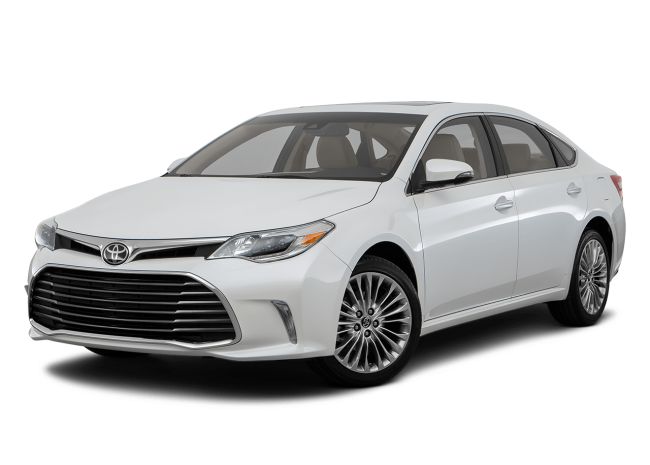
Toyota Camry
Why It’s Cheap at Auction
Camrys are abundant and often sold at auction because they’re older models or fleet vehicles. High availability keeps prices competitive, and many buyers move on to newer or flashier models.
Typical Auction Price Range
- $2,500 – $7,500 depending on year, mileage, and condition
What to Watch Out For
- Check for engine or transmission issues in high-mileage cars
- Some older models may have worn suspension components
- Salvage titles can lower price but require careful inspection
Honda Civic
Why It’s Cheap at Auction
Civics are popular for daily driving and commuting. Older or higher-mileage models often appear at auctions, especially trade-ins and lease returns.

Typical Auction Price Range
- $2,000 – $6,500 depending on year and condition
What to Watch Out For
- Look for worn clutches in manual transmissions
- Check for rust, especially in northern states
- Verify maintenance history for timing belt or chain replacements
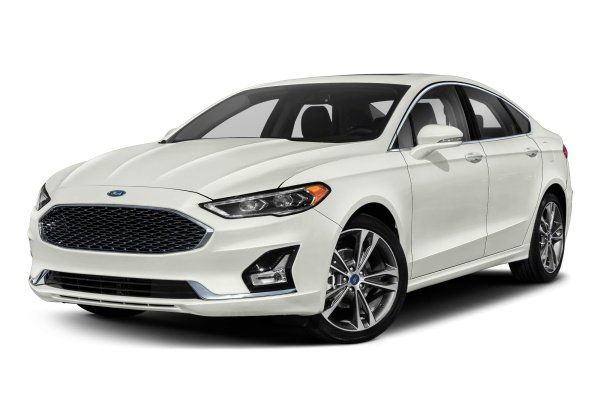
Ford Fusion
Why It’s Cheap at Auction
Fusion sedans are common in fleet and rental service, which means auctions see plenty of them. Their resale value tends to be moderate, keeping auction prices low.
Typical Auction Price Range
- $1,800 – $5,500 depending on year, mileage, and trim
What to Watch Out For
- Electrical issues in older models
- Check for worn suspension and brakes
- Ensure proper functioning of hybrid models if applicable
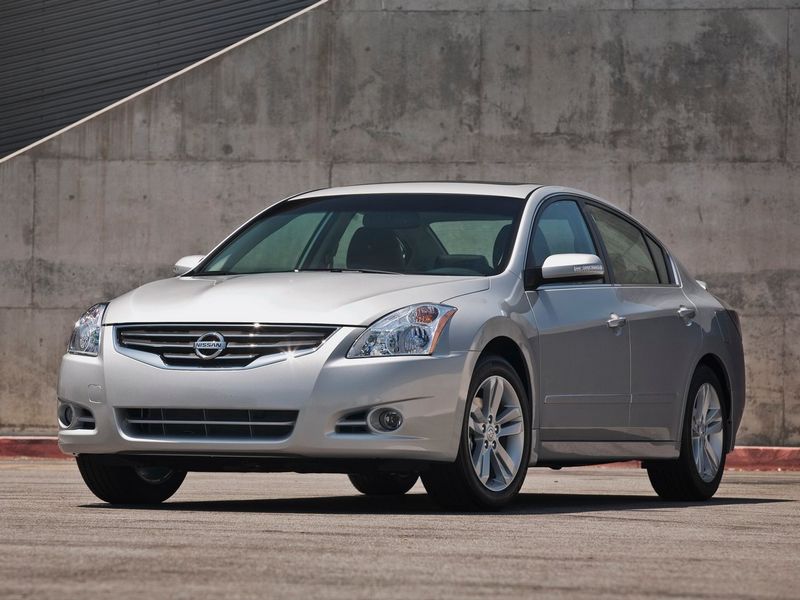
Nissan Altima
Why It’s Cheap at Auction
Altimas are plentiful and often used as rental or lease vehicles. Older models or higher-mileage cars make them affordable options for budget buyers.
Typical Auction Price Range
- $2,000 – $6,000 depending on mileage and year
What to Watch Out For
- CVT transmission issues in certain model years
- Look for oil leaks or signs of poor maintenance
- Inspect suspension and tires for wear
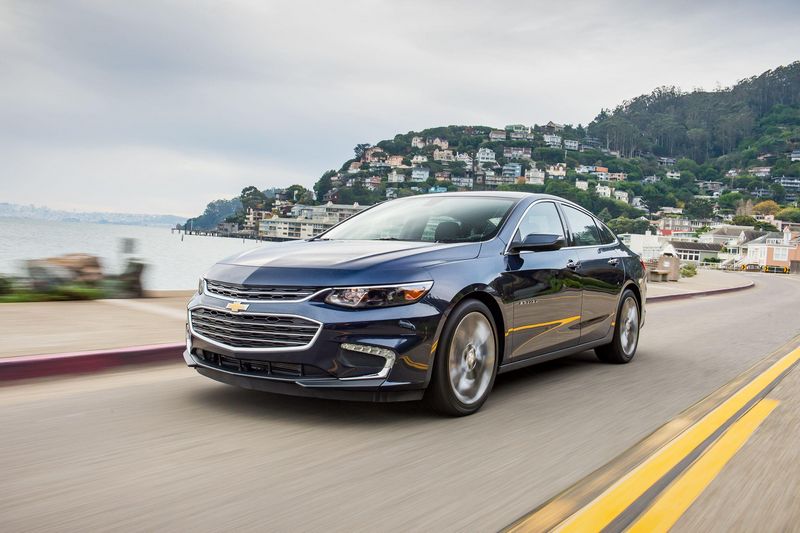
Chevrolet Malibu
Why It’s Cheap at Auction
Malibus often come from fleets, rentals, or trade-ins. Many are slightly older, which keeps prices lower while still offering decent reliability.
Typical Auction Price Range
- $1,500 – $5,000 depending on age and condition
What to Watch Out For
- Check for transmission or engine codes
- Inspect for body damage or past minor accidents
- Verify timing chain or belt service history if applicable
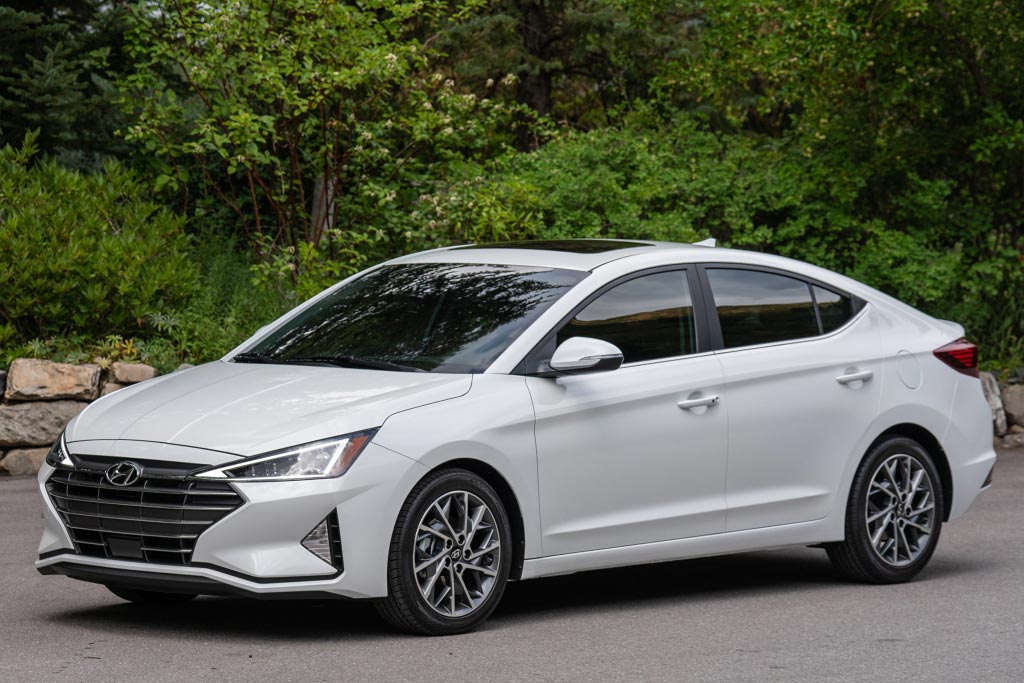
Hyundai Elantra
Why It’s Cheap at Auction
The Hyundai Elantra is widely available and often comes from fleet cars, rentals, or older personal vehicles. Its popularity and high supply at auctions keep prices low, making it a favorite for budget buyers.
 v
v
Typical Auction Price Range
- $1,500 – $5,500 depending on year, mileage, and condition
What to Watch Out For
- Check for engine oil leaks or coolant issues
- Inspect suspension components and tires for wear
- Older models may have electrical or infotainment problems
Kia Optima
Why It’s Cheap at Auction
Kia Optimas often enter auctions as lease returns or trade-ins. While reliable, they depreciate faster than some Japanese brands, which keeps auction prices affordable.
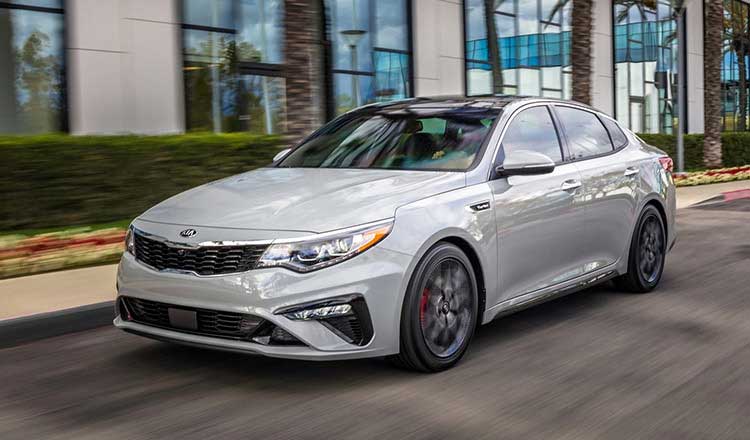
Typical Auction Price Range
- $2,000 – $6,000 depending on year, mileage, and trim
What to Watch Out For
- Look for transmission or engine warning lights
- Verify maintenance records for timing chain/belt service
- Inspect brakes and suspension for wear on higher-mileage cars
Toyota Corolla
Why It’s Cheap at Auction
The Corolla is extremely common, and many older models appear at auctions from trade-ins and fleet use. High availability often lowers auction prices despite the car’s reliability.
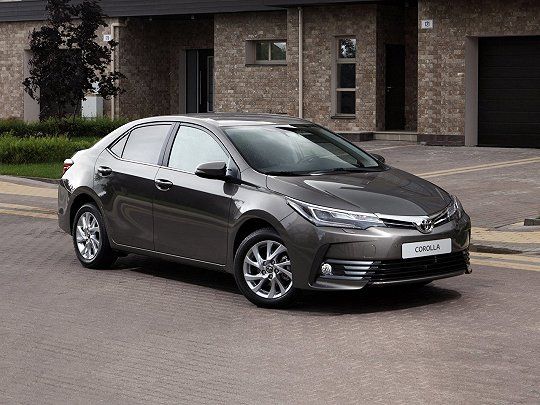
Typical Auction Price Range
- $1,800 – $6,000 depending on year and condition
What to Watch Out For
- Check for signs of rust or past accident damage
- Inspect brakes, tires, and suspension components
- Verify maintenance on timing chain or belt replacements
Ford Escape
Why It’s Cheap at Auction
Ford Escapes are popular SUVs that often come from rentals, leases, and fleet sales. Older models with higher mileage tend to sell at lower prices, making them a budget-friendly choice.
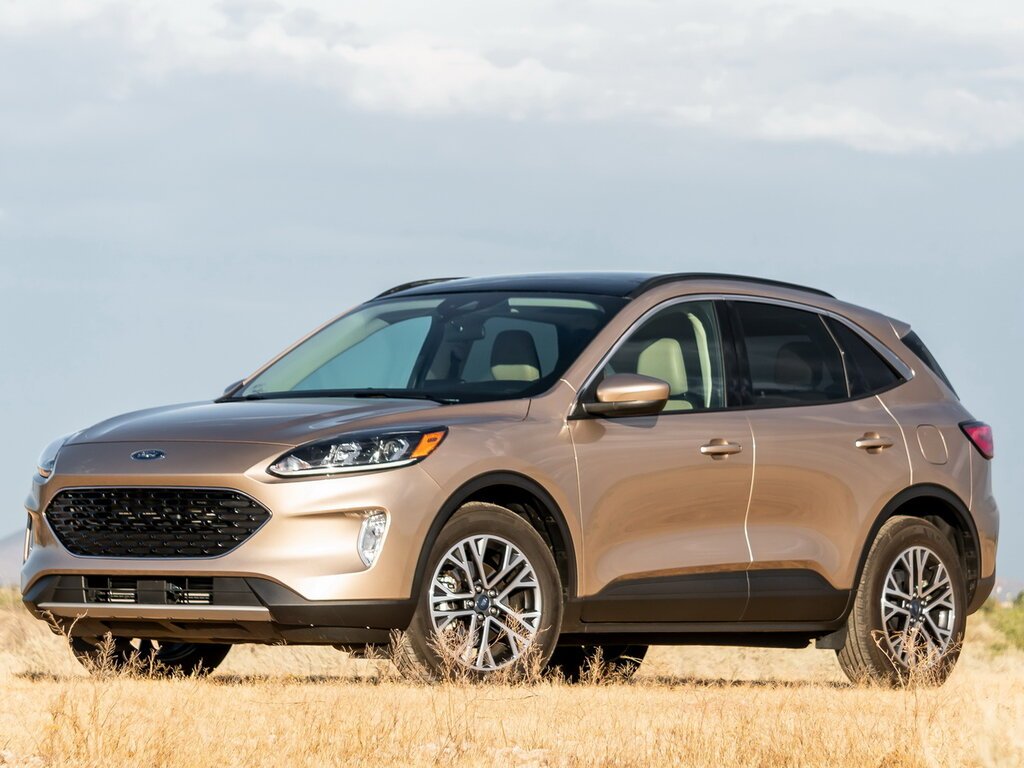
Typical Auction Price Range
- $2,500 – $7,000 depending on year and mileage
What to Watch Out For
- Check for transmission issues, especially in older models
- Inspect suspension, brakes, and tires for wear
- Verify 4WD or AWD functionality if equipped
Chevrolet Cruze
Why It’s Cheap at Auction
Cruzes are commonly sold from fleets, rentals, or as trade-ins. Depreciation is relatively fast, so they often sell below other compact sedans at auction, offering good value for budget buyers.
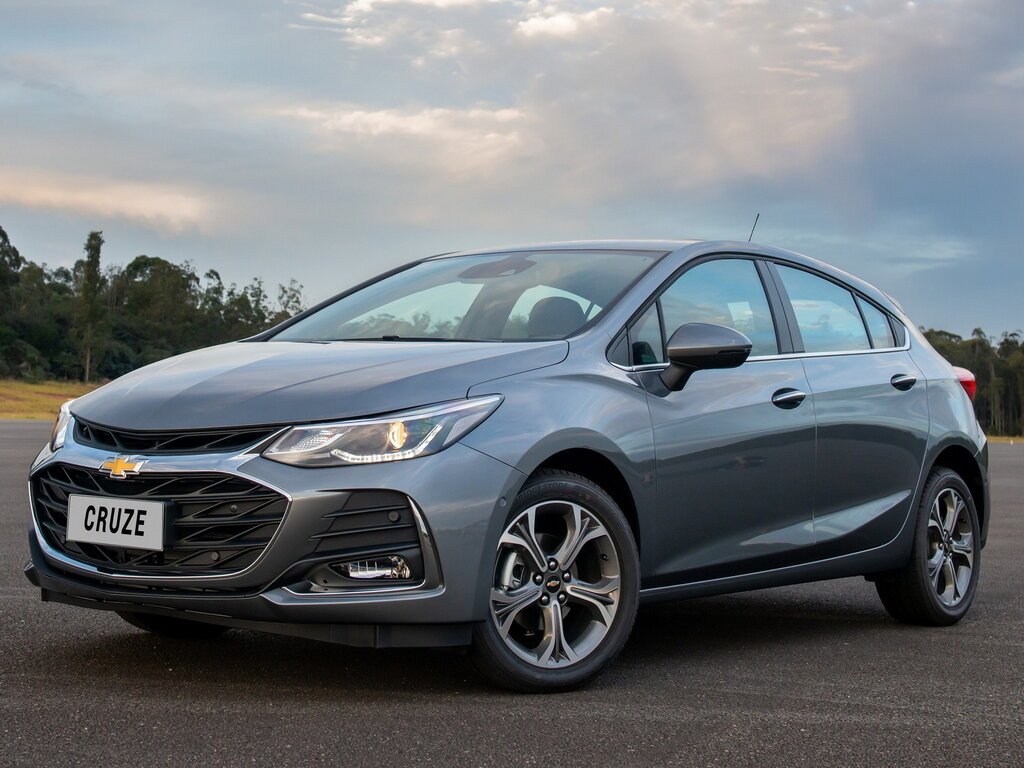
Typical Auction Price Range
- $1,500 – $5,500 depending on year and condition
What to Watch Out For
- Check for engine and transmission reliability, especially turbo versions
- Inspect suspension, tires, and brakes for wear
- Verify that recalls have been completed
How BidNDrive Helps Buyers Get the Best Auction Prices
Buying cars at auction can be tricky, especially for first-time buyers or those on a tight budget. BidNDrive makes the process simpler, safer, and more cost-effective. By providing expert guidance, access to exclusive auctions, and full support, we help buyers get the best prices without unnecessary risk.
Access to Dealer-Only Auctions
Many of the best deals are at dealer-only auctions, which are usually closed to the public. These auctions often feature:
- Clean-title vehicles
- Lease returns and trade-ins
- Low-mileage cars in excellent condition
BidNDrive gives everyday buyers access to these auctions through our licensed brokerage. This opens the door to high-quality inventory that you normally couldn’t reach, often at better prices than public auctions.
Vehicle Research and Price Guidance
Auction cars can be confusing — with varying conditions, mileage, and histories. BidNDrive provides:
- Detailed vehicle history reports
- Market value estimates
- Recommendations on what to bid
This ensures you know a car’s real value before bidding, so you can avoid overpaying. Our research helps budget buyers focus on cars that offer true savings while minimizing risk.
Full Cost Transparency
A winning bid is just part of the total cost. BidNDrive calculates all additional expenses upfront, including:
- Auction fees and premiums
- Broker fees
- Shipping, taxes, and registration
- Repairs and compliance costs
Knowing the all-in cost before bidding prevents budget surprises and ensures you stay within your financial plan.
Shipping and Export Support
For buyers looking to move vehicles across states or internationally, BidNDrive handles logistics:
- Coordinating transport to your location
- Ensuring compliance with export regulations
- Handling documentation and customs
This support saves time, reduces mistakes, and ensures the car reaches you safely. Even buyers outside the U.S. can access auctions confidently.
Car prices at auto auctions can vary widely depending on factors such as vehicle condition, title status, demand, and location. While auctions often offer lower prices than retail, understanding how bidding dynamics work is key to knowing whether a deal truly makes sense.
For buyers focused on the U.S. market, having access to transparent listings and a wide range of vehicles helps set realistic price expectations before bidding. BidNDrive connects buyers to U.S. auto auctions and provides clear vehicle information, allowing buyers to compare pricing and make informed decisions without relying on guesswork.
If you want to see how different vehicles are currently priced at U.S. auctions, you can create a free account with BidNDrive and explore available listings.
Further Reading:
Why Are Cars Sold at Auctions?
Why Do Used Cars Go to Auction? Process & Benefits Explained
Unobvious Factors Influencing Car Auction Prices: Save Money & Win Big!
What Cars Are Sold at Online Auctions? Market Trends and Should You Buy One?
Frequently Asked Questions
- What is the highest price paid for a car at auction?
- How much less do you get at auction?
- What is the 3-minute rule in auctions?
- What is auction value?