


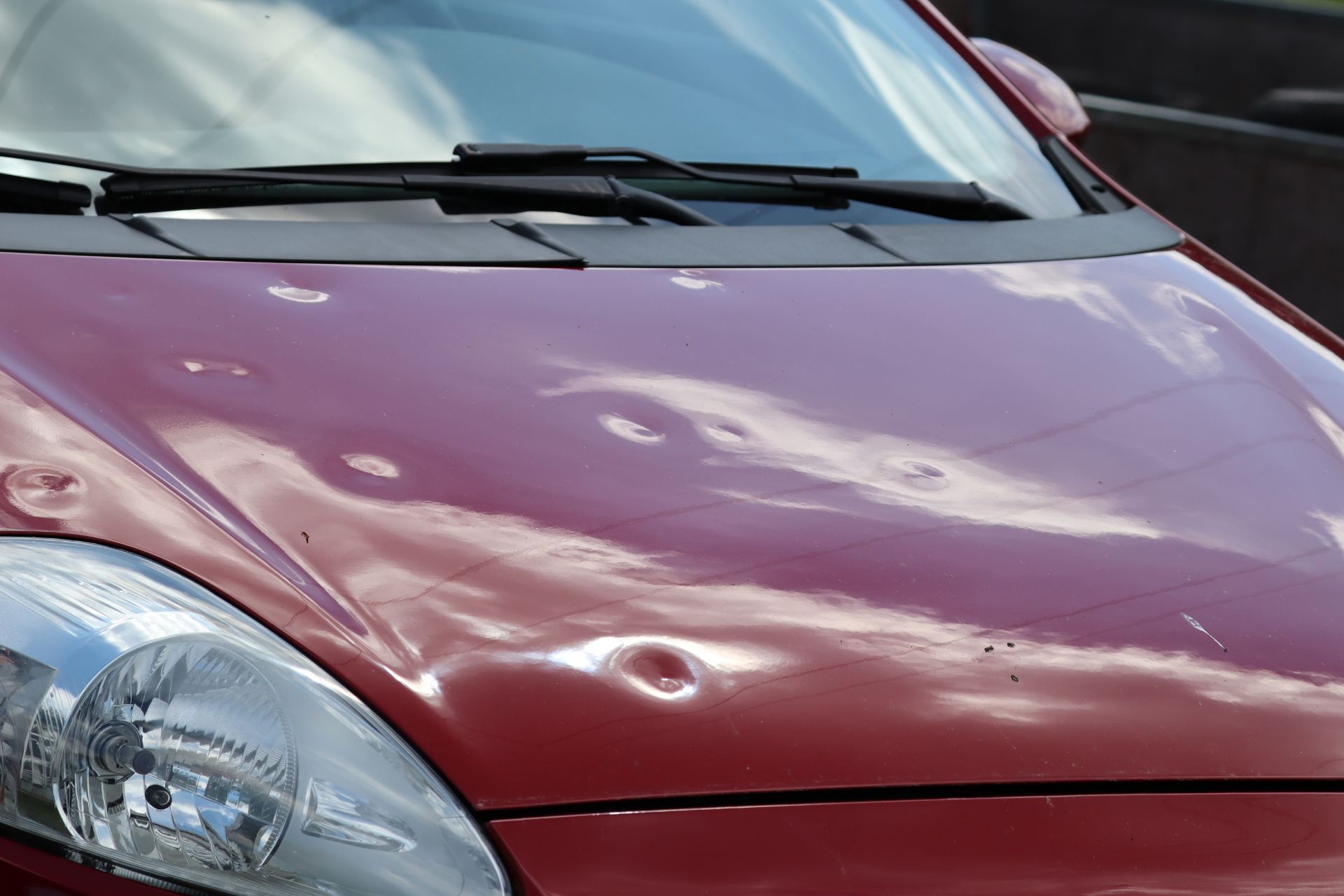
Hailstorms can cause significant damage to your car, leaving behind dings, dents, and scratches. While the sight of a hail-damaged vehicle can be frustrating, the good news is that there are several ways to repair the damage, depending on the severity. In this comprehensive guide, we'll explore what hail damage is, how to identify it, and the steps you can take to fix it—whether you're tackling the job yourself or seeking professional help.
What is Hail Damage
Hail damage occurs when frozen pellets of ice, known as hail, fall from the sky during a storm and make contact with your car. Hailstones can vary in size, ranging from small, pea-sized balls to large, golf ball-sized chunks. When hail strikes your vehicle, it can leave behind a variety of marks, from minor dents to deep scratches, depending on the size and force of the hailstones.
Understanding the Causes of Hail Damage
Hail forms when updrafts in thunderstorms carry raindrops high into the atmosphere, where they freeze. As the frozen raindrops continue to rise and fall within the storm, they grow larger, eventually becoming hailstones. When these hailstones reach the ground, they can strike objects with incredible force. On cars, the impact causes dents and dings that are often visible on the surface of the vehicle. The severity of the damage depends on several factors, including the size of the hailstones, the speed at which they fall, and the length of time they remain in the air before hitting the car.
Identifying Hail Damage on Your Car
To identify hail damage on your car, start by looking for signs of dents or dings on the vehicle's surface. Inspect the roof, hood, trunk, and sides, as these areas are most likely to be affected. Hail damage typically appears as small, circular impressions that can vary in size. Some dents may be shallow, while others could be deeper, depending on the intensity of the storm. In addition to visible dents, you might also notice cracks in the paint or a change in the texture of the car’s surface due to the impact of the hailstones.
Common Types of Hail Damage
Hail damage can take several forms, and it's important to recognize the different types in order to determine the best course of action for repairs:
- Dents: These are the most common form of hail damage. Dents range from tiny, shallow impressions to larger, more noticeable ones. The depth of the dent depends on the size and force of the hailstone.
- Paint Damage: If the hailstones are particularly large or sharp, they can chip or scratch the paint on your car. This type of damage is more than just cosmetic, as exposed metal can lead to rusting over time.
- Cracks in Glass: In extreme cases, hail can cause cracks in the car's windshield or windows. This is more common with larger hailstones and is one of the most severe types of hail damage.
- Bodywork Damage: Sometimes, the impact of hail can cause more extensive damage to the car’s body panels. This type of damage may require more complex repairs, including the replacement of parts.
Can You Fix Hail Damage Yourself
If you've experienced hail damage to your car, you might be wondering whether it's possible to fix it yourself or if you need to call in a professional. While minor hail damage can often be repaired at home with the right tools and techniques, more severe damage may require professional expertise. In this section, we'll cover some DIY methods for fixing minor hail damage and explain when it’s best to leave the repairs to the experts.
DIY Methods for Minor Hail Damage
For small, shallow dents, there are several DIY methods you can try at home. These techniques are usually safe and effective for fixing minor hail damage without the need for specialized knowledge or tools. However, they may not work for larger dents or more severe damage.
Using Heating and Cooling Techniques
One popular DIY method for fixing hail damage involves using heat and cold to manipulate the metal. The process works by applying heat to the dented area, followed by cooling it rapidly, which can cause the metal to contract and, in some cases, "pop" the dent out. Here’s how you can do it:
- Heat the dent using a hairdryer, heat gun, or even boiling water. Keep the heat source about 6-8 inches from the surface, and be sure to evenly heat the area for a couple of minutes.
- Cool the dent quickly by spraying compressed air directly onto the heated area. If you’re using a can of compressed air, flip it upside down so the cold liquid comes out instead of air.
The rapid change in temperature can sometimes cause the dent to pop out, especially for shallow dings. However, this method is best for small dents and may not work on larger or deeper damage.
Applying Dent Repair Kits
If you prefer a more hands-on approach, dent repair kits are widely available and are designed to fix small dents caused by hail damage. These kits typically include tools like suction cups, glue guns, and pulling devices to help remove the dents. Here’s a general guide for using a dent repair kit:
- Clean the area around the dent thoroughly to remove dirt, debris, and wax. This will ensure that the tools stick properly and you get the best results.
- Position the pulling device over the dent. Most kits come with a suction cup or tab that you’ll attach to the center of the dent using glue.
- Apply the pull according to the instructions. The pulling device should lift the dent out slowly. Be patient and repeat the process as needed for deeper dents.
Dent repair kits can be effective for small, shallow dents, but they may not work as well on large or deep damage. Be cautious when using these kits, as improper technique could damage the car’s paint.
Using Household Items like Dry Ice
Another DIY method involves using dry ice to fix hail damage. Dry ice is incredibly cold, and when applied to a dent, it can cause the metal to contract and pop the dent out. Here’s how to use dry ice:
- Wear gloves to protect your hands from the extreme cold.
- Apply the dry ice directly to the dent. Leave it on for about 30 seconds to 1 minute.
- Remove the dry ice and see if the dent pops out. If it doesn’t, you can try the process again.
This method works best for small dents, but it requires care when handling dry ice. Also, it may not be as effective on larger or deeper dents.
When to Seek Professional Help
While DIY methods can work for minor hail damage, there are situations where it’s better to seek professional help. If the damage is extensive or if you’re dealing with large dents, cracked windows, or paint damage, a professional repair shop can provide the expertise and tools necessary to restore your car to its original condition.
A professional will have access to specialized equipment like paintless dent repair (PDR) tools, which can remove dents without damaging the paint. In cases of severe hail damage, such as deep dings, cracks in the windshield, or large areas of chipped paint, professional repair services can ensure that the damage is fixed properly and that your vehicle retains its value.
Additionally, some car insurance policies may cover hail damage repairs, so it’s worth checking with your provider to see if you’re eligible for any coverage. If your car has suffered significant damage, it may be worth getting an estimate from a professional to determine the most cost-effective solution.
Professional Hail Damage Repair Options
If your car has suffered significant hail damage, professional repair options are often the best route for restoring your vehicle. While DIY methods may work for minor dings, larger or more complex damage often requires specialized skills and equipment. In this section, we’ll explore the most common professional repair methods, including Paintless Dent Repair (PDR), traditional auto body repairs, and windshield glass repairs.
Paintless Dent Repair (PDR)
Paintless Dent Repair (PDR) is a popular method for fixing hail damage that avoids the need for repainting your vehicle. PDR professionals use specialized tools to access the back of the panel where the dent is located, applying pressure to gently massage the metal back into its original shape. This method is ideal for small to medium-sized dents caused by hailstones, provided the paint hasn’t been damaged.
Benefits of PDR
One of the primary benefits of Paintless Dent Repair is that it’s a cost-effective solution for fixing hail damage. Since PDR doesn’t require repainting or replacing parts, the process is often faster and less expensive than traditional repairs. Additionally, because the car's original paint is preserved, PDR maintains the vehicle’s resale value better than methods that require repainting.
Another significant advantage is that PDR is environmentally friendly. Traditional auto body repair often involves toxic chemicals for painting and finishing, while PDR requires none of these materials. Additionally, PDR is typically less invasive and leaves no visible signs of the repair, ensuring your car’s appearance is restored to near-original condition.
Limitations of PDR
While Paintless Dent Repair is highly effective for many types of hail damage, it does have its limitations. PDR is most successful when the damage is shallow and the paint is intact. If the hail damage is deep or if the paint has cracked or chipped, PDR may not be a viable option.
Additionally, PDR requires access to the back of the panel, which can be difficult or impossible if the dent is located in a hard-to-reach area, such as the edges of the car or near trim and molding. In such cases, traditional auto body repair methods may be necessary.
Traditional Auto Body Repair
For more extensive hail damage, traditional auto body repair may be required. This method involves fixing the dents and dings by sanding down the affected area, filling the damage with body filler, and then repainting the car to restore its appearance. This approach is often necessary for larger dents or when the paint has been damaged by the hail.
Process Overview
Traditional auto body repair starts with a thorough inspection of the damaged area. The technician will assess the severity of the dents and the condition of the paint. If the dents are deep, the affected panels may be removed or replaced entirely. Next, the area is sanded to remove any imperfections, and body filler is applied to smooth out the surface. After the filler is dry, the technician will prime and repaint the area to match the car’s original color.
Once the paint has dried and cured, the repaired area will be polished and buffed to restore the vehicle’s finish. This process ensures that the car looks as close to its pre-damaged state as possible, but it’s often more time-consuming and expensive than PDR.
When It’s Necessary
Traditional auto body repair is necessary when the hail damage is extensive or when the car's paint has been chipped, cracked, or scratched. It’s also the go-to solution if the hail damage is on areas of the car that are difficult to reach with PDR tools, such as the edges of panels or near the car’s frame. If the hailstorm caused structural damage to the vehicle or cracked the paint, this method will restore both the appearance and integrity of the vehicle.
Glass and Windshield Repairs
In addition to body damage, hailstorms can also cause cracks or chips in your car’s windshield or windows. Glass repair and replacement are important components of hail damage restoration. Fortunately, many professionals can address these issues as part of the overall repair process.
For small chips or cracks, technicians may use resin injection to fill in the damaged area, preventing the crack from spreading and restoring the strength of the glass. If the windshield is severely cracked or shattered, replacement is usually necessary.
Windshield repair is a quick process and can often be done without having to replace the entire glass, especially for minor damage. However, larger or more extensive cracks require windshield replacement to ensure the safety and functionality of the car. It’s essential to address glass damage quickly to prevent further complications, like water leaks or weakened structural integrity.
How Much Does Hail Damage Repair Cost
The cost of repairing hail damage can vary significantly based on several factors, including the severity of the damage, the type of repair method used, and where the repair takes place. Whether you decide to fix the damage yourself or hire a professional, understanding the cost breakdown can help you make an informed decision. In this section, we’ll explore the factors that influence repair costs and compare the average costs for DIY versus professional repairs.
Factors Affecting Repair Costs
The price of hail damage repair is influenced by a number of factors. Let’s dive into the key elements that impact the overall cost of fixing hail damage to your car.
Severity of Damage
The severity of the hail damage is one of the biggest factors affecting repair costs. Minor dents or shallow dings can usually be fixed more easily and at a lower cost than deep dents, large hailstone impacts, or cracks in the windshield. The more extensive the damage, the more labor-intensive and costly the repair will be.
For instance, small dents that only affect the paint layer or surface of the metal can be fixed with Paintless Dent Repair (PDR), which is a more affordable solution. However, if the hailstones caused deep dents or paint chips, the cost of repair will increase significantly, especially if you need to replace body panels or repaint the affected areas.
Type of Repair Needed
The type of repair method required also impacts the cost. As mentioned earlier, Paintless Dent Repair (PDR) is typically less expensive than traditional auto body repair because it doesn’t require repainting or extensive bodywork. For smaller dents, PDR can range from $50 to $150 per dent, depending on the size and location.
Traditional auto body repairs, which may include sanding, filling, and repainting, tend to cost more, often ranging from $150 to $500 or more per panel, depending on the extent of the damage. If the hailstorm caused cracks or chips in the windshield, those repairs or replacements could add anywhere from $100 to $500 or more, depending on the size of the crack and the type of glass used.
Location and Labor Costs
Repair costs can also vary based on your location. In cities or regions where labor rates are higher, such as large metropolitan areas, you can expect to pay more for repairs. Labor costs can make up a significant portion of the overall repair bill, with rates typically ranging from $50 to $150 per hour, depending on the complexity of the job.
Additionally, parts replacement, such as windshields or body panels, may also vary in cost depending on your location and the availability of replacement parts. If you live in an area with limited access to auto parts suppliers, shipping fees and availability issues could increase the overall cost of repairs.
Average Costs for DIY vs Professional Repairs
Deciding whether to repair hail damage yourself or hire a professional depends on the severity of the damage, your budget, and your skill level. Let’s break down the average costs for DIY versus professional repairs.
For DIY repairs, you may be able to fix small dents or shallow damage for as little as $20 to $100, depending on the tools and materials you need. DIY dent repair kits can range from $20 to $70, while dry ice or heating methods might cost a bit more depending on your resources. However, if the damage is extensive or involves paint repair, DIY methods may not be effective and could lead to further damage, ultimately costing more in the long run.
For professional repairs, the cost can vary widely depending on the repair method and the extent of the damage. Minor PDR repairs typically cost between $150 and $400, depending on the number of dents and the location. Traditional auto body repair can range from $300 to $1,500 or more, especially if the damage requires multiple panels to be repaired or replaced. Windshield repair and replacement can cost anywhere from $100 to $1,000, depending on the severity of the damage and the type of glass needed.
Does Insurance Cover Hail Damage
Hail damage can be costly, but fortunately, many car insurance policies provide coverage for this type of damage. Whether or not your insurance covers hail damage depends on the type of policy you have and the specific terms outlined in your contract. In this section, we’ll explore the types of insurance coverage that protect against hail damage and offer a guide on how to file a claim.
Types of Coverage for Hail Damage
There are two primary types of car insurance coverage that may cover hail damage: comprehensive insurance and collision insurance. However, it’s essential to understand the difference between these policies to know how and when they apply to hail damage.
Comprehensive Insurance
Comprehensive insurance is the most common type of coverage for hail damage. This policy covers damage to your car caused by events outside of your control, such as natural disasters, vandalism, theft, or weather-related events like hailstorms. If you have comprehensive coverage, your insurance company will likely cover the costs of repairing hail damage to your vehicle, minus your deductible.
One of the benefits of comprehensive coverage is that it applies regardless of whether you were at fault or if the damage was caused by a third party. In the case of hail damage, your insurer will generally cover repairs, including fixing dents, repainting, or replacing a damaged windshield, depending on the extent of the damage.
Deductibles and Claim Limits
Even with comprehensive insurance, you’ll still be responsible for paying your deductible before your insurance kicks in. A deductible is the amount you must pay out-of-pocket for repairs before your insurer covers the remaining costs. For example, if your deductible is $500 and your hail damage repair costs $2,000, you’ll pay the first $500, and your insurance will cover the remaining $1,500.
It’s also important to be aware of any claim limits your insurance policy might have. Some insurance policies set limits on how much they will pay for specific types of damage or repairs. This means that, if the total cost of repairing hail damage exceeds the policy’s limit, you may be responsible for covering the difference.
Filing an Insurance Claim for Hail Damage
If your vehicle has been damaged by hail, you may want to file a claim with your insurance provider. The process can seem complicated, but breaking it down into manageable steps can make it easier. Below, we’ve outlined a step-by-step guide on how to file an insurance claim for hail damage.
Step-by-Step Guide
- Assess the Damage: Before contacting your insurance provider, carefully inspect your vehicle to determine the extent of the hail damage. Take clear photos of all the affected areas, including dents, cracks, and any broken glass. These photos will be essential when filing your claim.
- Contact Your Insurance Provider: Reach out to your insurance company as soon as possible after the hailstorm. Many insurers allow you to file claims online or through a mobile app, or you can call their customer service hotline to initiate the process.
- Submit Your Claim: Provide your insurer with the necessary details, such as the date of the hailstorm, the severity of the damage, and any supporting documentation like photos. If your car is still drivable, mention that, as it may affect how quickly the claim is processed.
- Get an Estimate for Repairs: Your insurer may require you to get an estimate from an auto repair shop for the cost of repairing the damage. Some insurance companies have preferred repair shops, so be sure to check with them before proceeding.
- Wait for the Insurance Adjuster: After you submit your claim, an insurance adjuster will likely assess the damage in person or review the repair estimates. They will determine how much your insurance will cover and the necessary next steps.
- Receive Payment and Repair Your Car: Once your claim is approved, your insurance company will provide payment for the repair costs, minus your deductible. You can then take your car to the repair shop to get the hail damage fixed.
Common Challenges in Claims
Filing a hail damage claim can sometimes come with challenges. Here are a few common issues to be aware of:
- Disputes Over the Extent of Damage: In some cases, the insurance adjuster may not agree with the repair estimates or the severity of the damage. If this happens, you may need to provide additional evidence or negotiate with your insurer to ensure you receive a fair payout.
- High Deductibles: Some insurance policies have higher deductibles for comprehensive coverage, which can make it less cost-effective to file a claim for hail damage if the repair costs are close to or below your deductible. It's important to weigh the cost of repairs against the deductible before filing a claim.
- Claim Limits: As mentioned earlier, some policies may have claim limits that restrict how much they will pay out for hail damage. If the damage exceeds these limits, you may have to cover the additional costs on your own.
- Delayed Claims Processing: Depending on the volume of claims after a large hailstorm, your insurer may experience delays in processing claims. It's important to be patient and follow up if necessary to ensure your claim is handled promptly.
Protecting Your Car from Hail Damage
While it’s impossible to prevent every hailstorm, there are several ways to reduce the risk of damage to your vehicle. By taking preventive measures and being proactive during hail season, you can minimize the impact of hail on your car. In this section, we’ll explore effective strategies to protect your car from hail damage, from using covers and shelters to choosing the right parking spots during storms.
Preventive Measures
Taking a few precautions before and during a hailstorm can go a long way in preventing or minimizing damage to your vehicle. Here are some of the best preventive measures to consider:
Using Car Covers and Shelters
One of the most effective ways to protect your car from hail is to use a durable car cover or park in a shelter. Car covers made specifically for hail protection are designed to absorb impact and shield your car’s surface from hailstones. These covers are often made from thick, padded materials that prevent dents and scratches, ensuring that your car stays safe even during a severe storm.
If you don’t have a car cover, parking your vehicle in a garage, carport, or under a covered structure can provide excellent protection. Shelters with a solid roof, such as a portable carport, can act as a barrier against hail, reducing the chances of your car being damaged. If a shelter isn’t available, consider using large objects, like a tree or building, to shield your vehicle if possible.
Parking Strategies During Storms
If a hailstorm is forecasted, parking in the right spot can make all the difference in minimizing damage. Whenever possible, park your car in an area where it will be shielded from the elements. For instance:
- Garages and Carports: If you have access to a garage or carport, use it. These structures provide the best protection from hail, especially when the storm is expected to be severe.
- Underground Parking: If you’re in a city or area with access to underground parking, use it to protect your car. The underground environment shields vehicles from hail and severe weather conditions.
- Covered Parking Lots: If you don’t have access to a private garage, try to find a covered parking lot. Many public and commercial parking lots offer shelters or overhead covers that can protect your car from hail.
- Avoid Parking Near Large Trees or Structures: While parking under a tree might seem like a good idea, falling branches can cause significant damage during a storm. Similarly, parking near large structures that might collapse in extreme weather can be dangerous for your car.
Preparing for Hail Season
Hail storms are more common during certain times of the year, particularly in spring and summer. Preparing your car in advance can help minimize damage during the peak of hail season. Here are some steps to take before the hailstorm season hits:
- Invest in a Quality Car Cover: Even if you don’t normally use a cover, investing in a sturdy, hail-resistant car cover is a wise choice if you live in an area prone to storms. The right cover can help you avoid costly repairs and ensure your vehicle stays in top condition.
- Know Your Local Weather Patterns: Stay informed about the weather conditions in your area. Many weather services offer alerts for hailstorms, allowing you to take action before the storm hits. You can use apps or weather services to track hail warnings and prepare accordingly.
- Create a Hailstorm Plan: Having a plan in place for dealing with hailstorms can make all the difference. Make sure you know where your nearest shelter or garage is and establish a routine for parking your car in a safe location when bad weather is predicted.
- Check Your Insurance Coverage: Review your insurance policy to ensure that you have comprehensive coverage for hail damage. If you don’t already have it, consider adding comprehensive coverage to protect your vehicle from weather-related damage.
What to Do After a Hailstorm
After a hailstorm, it’s important to take quick and careful steps to assess and address any damage to your car. Prompt action not only helps in minimizing further issues but also ensures that you can file insurance claims or get repairs done efficiently. In this section, we’ll guide you through the key steps to take after a hailstorm, from inspecting your car for damage to finding a trustworthy repair shop.
Inspecting Your Car for Damage
The first step after a hailstorm is to carefully inspect your vehicle for damage. Whether you think the hailstorm was mild or severe, it's crucial to do a thorough check to identify any issues.
- Check for Dents: Look over the entire body of your car for visible dents. Hailstones can cause dents of various sizes, from small dings to deeper impressions, especially on the roof, hood, and trunk areas. Take your time to examine each panel carefully, as hail damage can sometimes be subtle.
- Inspect the Windshield and Windows: Hailstorms can cause cracks or chips in the windshield and side windows, which may not be immediately noticeable. Look for any fractures or areas where the glass might have been weakened.
- Examine the Paint: Hail can also cause damage to your car’s paint. Look for areas where the paint might be chipped or cracked, especially around the dents. Even small chips in the paint can lead to rust over time if not repaired.
- Check for Structural Damage: In rare cases, hailstorms can cause structural damage to a vehicle, such as damage to the frame or underlying components. This type of damage is usually less common but should still be checked, especially if you notice any unusual issues like difficulty opening doors or trunk lids.
Documenting Damage for Insurance or Repair Shops
After inspecting your car, the next step is to document the damage. Proper documentation is essential, particularly if you plan to file an insurance claim or take your car to a repair shop.
- Take Photos: Capture clear and detailed photos of the damage. Make sure to photograph each affected area from different angles and distances. The more thorough your documentation, the easier it will be for insurance adjusters or repair shops to assess the extent of the damage.
- Record Damage Information: Along with photos, make notes about the specific damage, including the location and severity of the dents or cracks. It’s helpful to include the date and time of the storm as well as any relevant weather reports, as this can support your claim if needed.
- Create a Damage Report: If you plan to file an insurance claim, be sure to keep a detailed list of all the damage. Include any areas where paint has been affected, as well as the number of dents and cracks. This will make it easier to get an accurate repair estimate and avoid missing any important details when filing your claim.
Finding a Reliable Repair Shop
Once you’ve documented the damage, the next step is to find a trustworthy repair shop to fix the issues. Whether you plan to file an insurance claim or pay out-of-pocket, choosing the right repair shop is crucial to getting your car back in top condition.
- Research Local Repair Shops: Start by researching local auto repair shops that specialize in hail damage. Look for shops with good reviews and a solid reputation. If possible, ask for recommendations from friends, family, or colleagues who have had similar experiences.
- Check for Certifications: Look for repair shops that are certified by reputable organizations, such as the Better Business Bureau (BBB) or manufacturer certifications. These certifications show that the shop follows industry standards and is likely to provide high-quality work.
- Get Multiple Estimates: It's a good idea to get estimates from several repair shops to compare prices and services. While cost shouldn’t be the only factor in your decision, getting multiple estimates can help you avoid overpaying for repairs and ensure you’re getting a fair price.
- Inquire About Insurance Partnerships: Many insurance companies have preferred repair shops, and some might even offer to coordinate repairs directly. If you’re filing an insurance claim, check with your insurer to see if they have any partnerships with repair shops. Working with one of these shops can sometimes streamline the claims process and help ensure that repairs are completed properly.
- Check for Warranty and Guarantees: Make sure the repair shop offers a warranty or guarantee on their work. A reputable shop should stand behind their repairs and offer a guarantee for a certain period, ensuring you can return if the damage isn’t fully addressed.
Frequently Asked Questions About Hail Damage
Hailstorms can cause significant damage to your car, leaving many car owners with questions about how to deal with the aftermath. In this section, we’ll address some of the most commonly asked questions regarding hail damage, including repair timelines, driving safety, and the impact on your car’s resale value.
How Long Does It Take to Repair Hail Damage?
The time it takes to repair hail damage can vary depending on the severity of the damage, the repair method used, and the availability of repair shops. Here are some factors that influence the repair timeline:
- Minor Damage (Small Dents or Dings): For small, less severe hail damage, repairs can usually be completed in a few hours to a day, especially if the shop uses paintless dent repair (PDR). This method doesn’t require repainting and is typically faster than traditional bodywork.
- Moderate to Severe Damage (Multiple Dents or Cracked Glass): If the hailstorm caused more extensive damage, such as multiple dents or cracked windows, repairs could take several days to a week. This is especially true if the car needs to be repainted or if glass replacement is necessary.
- Insurance Claims and Shop Availability: If you’re filing an insurance claim, the repair process may be delayed by the time it takes for the insurance adjuster to inspect the damage. Additionally, the availability of repair shops and the backlog of work after a major storm can impact how quickly the repairs are completed.
In general, the repair time will depend on how complex the damage is and the resources available at the repair shop. It’s best to get an estimate from the shop to understand how long the process will take for your specific situation.
Is It Safe to Drive a Hail-Damaged Car?
In most cases, it is safe to drive a car with hail damage, but there are a few important things to consider. Here’s when you might need to be cautious:
- Structural Integrity: If the hail damage is limited to minor dents or paint chips, the structural integrity of your car is usually not compromised, and driving is safe. However, if the hail caused significant damage to the frame or other structural components, it may be unsafe to drive until the damage is assessed and repaired.
- Windshield and Glass Damage: Cracked or shattered windows can pose a safety hazard while driving, especially if the damage obstructs your vision. If the windshield or side windows are significantly damaged, it’s best to avoid driving the car until the glass is repaired or replaced.
- Safety Features: In some cases, hail damage might affect safety features like airbags, sensors, or cameras. If your car’s safety systems were damaged during the storm, it’s important to have the vehicle inspected before driving it.
If you’re unsure whether it’s safe to drive your hail-damaged car, have it inspected by a mechanic or auto body professional to ensure it’s roadworthy. It's always better to err on the side of caution.
Can Hail Damage Decrease Your Car’s Resale Value?
Yes, hail damage can impact your car’s resale value, especially if the damage is extensive or if it affects the car’s appearance. The degree to which hail damage affects resale value depends on several factors:
- Severity of the Damage: Minor hail damage may not significantly affect the resale value, particularly if it’s repaired professionally using paintless dent repair. However, larger dents, cracks, or chipped paint can lower the car’s value since potential buyers may view the vehicle as being in poor condition.
- Visible Damage: Hail damage that is visible on the exterior of the car, such as dents or chipped paint, can create a negative impression for buyers. Even after repairs, some buyers may be hesitant to purchase a car that’s had noticeable storm damage, especially if the repairs weren’t done properly.
- Age and Model of the Car: Older vehicles or cars that are already low in value might not experience a drastic reduction in resale price due to hail damage. However, for newer cars or high-value models, hail damage could lead to a more significant decrease in resale value, especially if repairs are expensive or require repainting.
- Insurance Records and Transparency: If you file an insurance claim for hail damage, it could show up on the vehicle’s history report, which may impact its resale value. Buyers often check a car’s history, and a recorded claim could make them wary of potential hidden issues, even if the car has been repaired.
To protect your car’s resale value, it’s important to address hail damage as quickly as possible and get repairs done by a reputable professional. Depending on the extent of the damage, fixing the dents and repainting the car can help restore its appearance and minimize the effect on resale value.
Are you interested in buying a car from Online Auto Auctions?
With this being said – you can still export vehicles and save up a few thousand dollars with Bidndrive. We have an inventory of over 150k plus vehicles with titles you can export for you to choose from. Once you have placed your bid and won the auction a Bill of Sale document is then emailed to you as proof of purchase – after full payments have been made.
To gain access and get started on your purchase, sign up for free.