


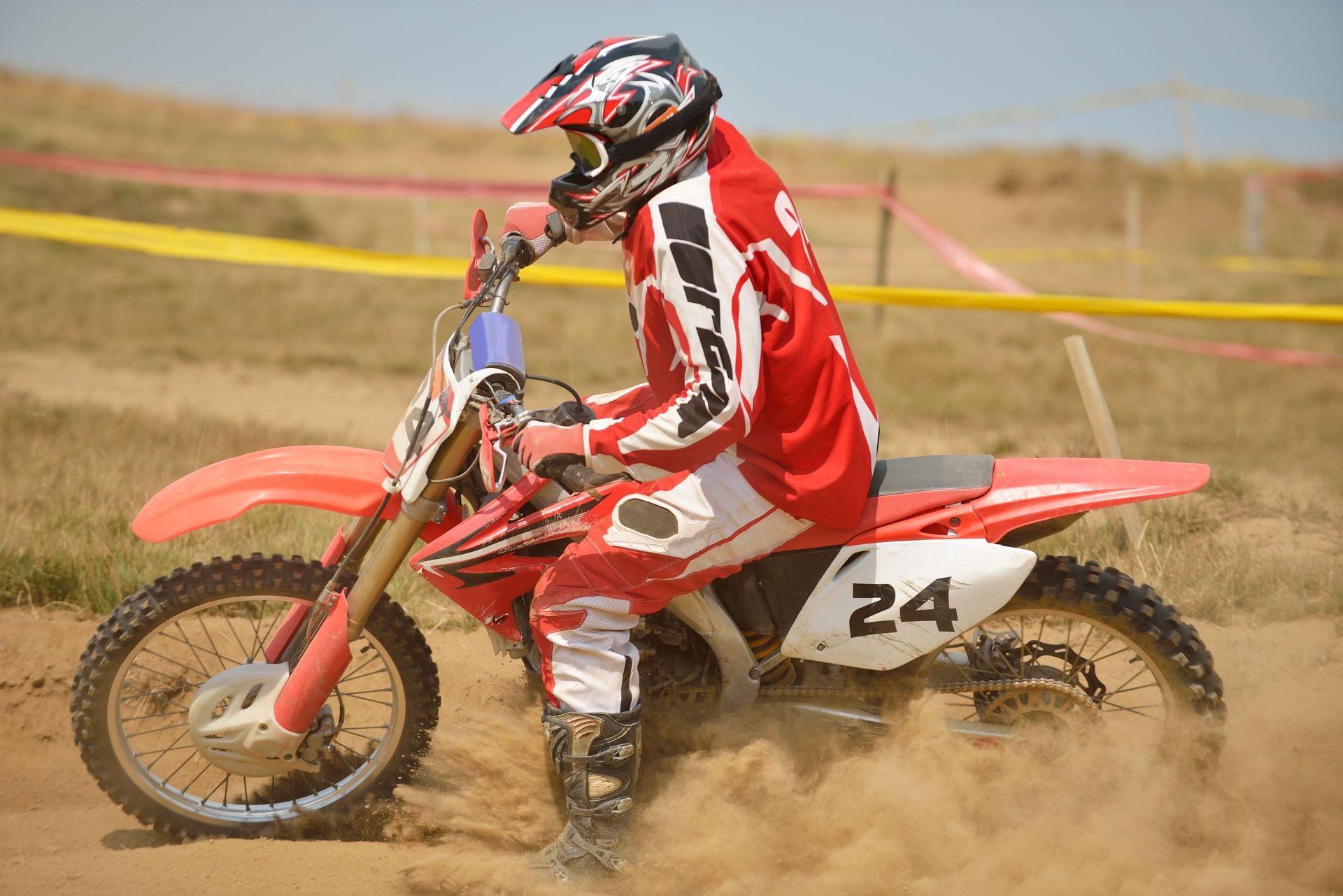
Looking to ride your dirt bike on public roads? This guide shows budget-conscious riders how to make a dirt bike street-legal in the USA. Learn what modifications, inspections, and paperwork are required to stay safe, legal, and ready for both trails and city streets.
Are Dirt Bikes Street Legal in the USA?
Dirt bikes are designed for off-road use, which means most of them cannot be legally ridden on public roads in the USA. Understanding why helps budget-conscious buyers plan what’s needed to make a bike street-legal and avoid fines or registration issues.
Why Dirt Bikes Are Usually Not Street Legal
There are several reasons why dirt bikes don’t meet street-legal requirements:
Lack of Safety Accessories
Most dirt bikes don’t come equipped with basic road safety features like:
- Headlights, taillights, and turn signals
- Horns and mirrors
- Brake lights that meet DOT standards
For example, a buyer who purchases a used dirt bike at an auction may find that adding these accessories is essential before even thinking about registration.
Emissions and Noise Standards
Street-legal motorcycles must comply with state and federal emissions and noise regulations. Dirt bikes are often:
- Loud, with aftermarket or stock exhausts not meeting noise limits
- Equipped with engines that don’t meet environmental emission standards
Ignoring these requirements can result in fines or failed inspections, so budget-conscious buyers must plan for modifications that bring their bike into compliance.
Registration Issues
Even after adding safety and emissions equipment, dirt bikes may still face challenges with registration:
- Some states classify them as off-road vehicles, making street registration difficult or impossible
- Insurance may be more expensive or harder to obtain for converted dirt bikes
- Paperwork requirements vary by state, including VIN verification and emissions testing
Dirt Bike Laws You Need to Know
Before trying to ride a dirt bike on public roads, it’s important to understand the laws that apply to off-road motorcycles. Knowing the rules can save money, prevent fines, and help you plan a safe, legal riding experience.
State-Specific Regulations
Dirt bike laws vary by state, and each state has its own rules for:
- Street registration: Some states allow converted dirt bikes to be street-legal, while others do not.
- Required equipment: Headlights, brake lights, turn signals, mirrors, and horns may be mandatory.
- Age and licensing requirements: Many states require a motorcycle endorsement on your driver’s license.
For example, a budget-conscious buyer in California may need to invest in DOT-approved lights and emissions modifications, while someone in Texas may have fewer requirements for a converted dirt bike. Always check your state DMV or motor vehicle website before buying parts or starting modifications.
Federal Emissions and Safety Standards
In addition to state rules, dirt bikes must meet federal emissions and safety standards if you want them street-legal:
- EPA regulations: Engines must comply with emissions limits to reduce pollution.
- DOT standards: Safety equipment like lighting and mirrors must meet Department of Transportation guidelines.
Even if a bike is legally registered in one state, it may not meet federal standards for nationwide road use, which is important if you plan to travel across state lines.
Where You Can Ride Legally
If your dirt bike is not street-legal, there are plenty of places to ride without breaking the law.
Motocross Tracks
- Dedicated motocross tracks allow high-speed riding and jumps.
- Some tracks offer weekend passes or memberships at reasonable prices for budget riders.
State Trails and Off-Road Parks
- Many states maintain off-road trails open to dirt bikes.
- These trails are often cheaper than private tracks and provide a safe, legal environment for riding.
Private Property
- Riding on private land with permission avoids state and local restrictions.
- This is a great option for riders who want to practice without investing heavily in track fees.
Places Where Riding Is Illegal
While dirt bikes are fun, riding them in the wrong place can quickly lead to fines, towing, or worse. Knowing where you cannot ride will save you both money and legal trouble.
Public Roads and Highways
Most dirt bikes are not designed for street use and cannot legally be ridden on public roads or highways. Police often stop riders who use dirt bikes on regular streets, especially if the bike has no license plate, lights, or insurance.
Residential Neighborhoods
Riding through neighborhoods may seem harmless, but it’s usually illegal. Dirt bikes are loud, lack safety gear, and can disturb residents or put pedestrians at risk. Local police often patrol for this and may issue citations or seize the bike.
Sidewalks
Sidewalks are strictly off-limits. Riding a dirt bike here is not only illegal but also dangerous for pedestrians. Even short rides on sidewalks can result in tickets or accidents that cost you more in the long run.
Penalties for Riding in Restricted Areas
Breaking dirt bike laws can get expensive. Common penalties include:
- Fines that vary by state and city
- Bike impoundment, which means paying storage fees to get it back
- Points on your license if you were on a public road without proper registration
- Possible arrests in cases of reckless riding
For a rider on a tight budget, a single fine or impound fee could cost more than the bike itself, making it crucial to stick to legal riding areas.
Do You Need a Driver’s License for Off-Road Use?
In most states, you do not need a driver’s license to ride on private property or designated off-road trails. However, if you plan to make your dirt bike street-legal, you will need:
- A valid motorcycle license or endorsement
- Proof of registration and insurance
What Documentation Do You Need?
Even if you’ve added all the right parts to make your dirt bike street-legal, you still need the proper paperwork. Without it, your bike won’t pass inspection or get registered, and you could end up with fines. Here are the key documents to keep in mind.
Title and Registration
To ride legally on public roads, your dirt bike must have a title (proof that you’re the legal owner) and be registered with your state’s DMV. If your bike was bought new, the dealer usually provides the title. For used bikes—especially those from auctions or private sellers—you’ll need to carefully check if a title is available. Without it, registering your bike will be difficult or sometimes impossible.
Proof of Ownership and Bill of Sale
If you bought your dirt bike secondhand or at an auction, a bill of sale is often required to prove ownership. This document lists the buyer, seller, price, and details of the bike. Some states may also ask for a VIN verification if the bike was previously off-road only. Having these papers ready ensures you don’t run into problems when applying for a title or registration.
Insurance Requirements
Most states require at least liability insurance for street-legal dirt bikes. This covers damages if you’re at fault in an accident. While it’s another expense, riding without insurance can result in heavy fines and even suspension of your license. The good news is that dirt bike insurance is usually cheaper than full-size motorcycle coverage, especially if you ride occasionally or only for short trips.
Keeping Documentation Handy
Once your bike is registered and insured, always carry the paperwork with you—just like you would with a car. Keep a copy of your registration, insurance card, and ID in a waterproof pouch or small compartment on the bike. If you’re ever stopped by police, being able to show your documents quickly can prevent unnecessary trouble.
How to Make a Dirt Bike Street Legal
Turning a dirt bike into a street-legal machine isn’t just about paperwork—it’s also about making sure your bike has the right equipment. Most states require a set of safety and visibility modifications before they’ll allow you to register your bike for road use. Here’s what you’ll need to install.
Essential Modifications
Headlight (High/Low Beam)
A working headlight with both high and low beam is mandatory for night riding. It helps other drivers see you and makes your bike road-compliant. Some dirt bikes already have a headlight, but usually it’s too basic and doesn’t meet state standards. Upgrading to a DOT-approved headlight ensures you’ll pass inspection.
Tail Light and Brake Light
A red tail light that stays on when the bike is running is required. On top of that, you’ll need a brake-activated light so drivers behind you know when you’re slowing down. This is not just for legality—it’s a major safety feature.
Turn Signals
While some states don’t demand them, turn signals are highly recommended. Hand signals might work in theory, but they’re unsafe in heavy traffic. Installing front and rear signals is usually simple, and many aftermarket kits are made specifically for dirt bikes.
Rearview Mirrors
At least one rearview mirror is required in most states, but some require two. Mirrors give you visibility in traffic and are inexpensive to add. Many riders choose folding or compact mirrors to keep them safe during off-road use.
Speedometer and Odometer
A speedometer is legally required so you can track your speed. Some states also expect an odometer, but in practice, combination digital units that track both are affordable and easy to mount.
Horn
A working horn is a must-have, and it needs to be electric in many states (a squeeze bulb horn won’t cut it). It’s a simple addition but necessary to alert other drivers or pedestrians.
Kickstand
Surprisingly, some states require a kickstand for road use. Without it, you’ll struggle to park your bike legally in public areas. Many dirt bikes don’t come with one, but aftermarket options are cheap.
License Plate Bracket and Light
Once registered, you’ll need a license plate mount on the rear. Most states also require a small light over the plate to make it visible at night. This is often included in dual-sport conversion kits.
Tires (DOT-Approved)
One of the most overlooked modifications is swapping your dirt tires for DOT-approved street tires. Standard knobby tires aren’t designed for asphalt and won’t pass inspection. Street-legal tires give you better grip on pavement while still handling light off-road riding.
Emissions and Noise Control
Getting your dirt bike ready for the street isn’t just about lights and mirrors—it also has to meet emissions and noise rules. Off-road bikes are often louder and dirtier than street bikes, so adjustments are needed to pass inspection.
Exhaust System and Muffler
Most dirt bikes come with an exhaust system that’s designed for performance, not quiet operation. To ride legally, you’ll likely need a street-legal muffler that reduces noise to acceptable levels. Many aftermarket options are available, and some even boost performance while keeping you within the law.
Catalytic Converter (if required)
In stricter states like California, you may also need a catalytic converter installed in your exhaust. This device reduces harmful emissions and helps your bike comply with environmental standards. Not every state demands it, but it’s worth checking local laws before registering your bike.
Extra Safety Features That Help
Beyond the basics, a few additional safety add-ons can make your dirt bike more road-ready and improve your chances of passing inspection.
Reflectors
Most states require front, side, and rear reflectors for visibility at night. They’re inexpensive, easy to mount, and add another layer of safety by making your bike visible from every angle.
Chain Guard
A chain guard is a small but important feature that protects both the rider and pedestrians. It prevents clothing or objects from getting caught in the chain and is often required for road use. If your dirt bike doesn’t already have one, universal guards are cheap and easy to install.
Using Street Legal Kits for Dirt Bikes
For riders who want an easier path to legality, street legal conversion kits can be a smart choice. Instead of sourcing every part separately, these kits bundle together most of what’s required, saving time and guesswork.
What Kits Typically Include
A good street legal kit usually comes with the core electrical and safety parts needed for inspection. This often includes a headlight with high/low beam, tail light with brake function, turn signals, horn, mirrors, and wiring harnesses. Some kits even throw in extras like a license plate bracket or handlebar switches for lights and indicators.
Cost and Installation Considerations
Prices vary, but most quality kits range from $200 to $600 depending on the bike model and included features. While that may sound like a lot, it’s usually cheaper than buying each part separately. Installation can be straightforward if you’re comfortable with basic wiring and tools. If not, you may need a mechanic, which can add labor costs. Still, even with professional help, using a kit can be less expensive and less stressful than a fully DIY approach.
Pros and Cons of Kits vs. DIY Modifications
- Pros of Kits: Convenience, compatibility, and often lower overall cost. You don’t have to hunt down individual parts or worry about missing something required by law.
- Cons of Kits: Less flexibility if you want specific brands or higher-end components. Some riders also find that kits don’t always meet every state’s exact requirements, meaning you may still need extra parts.
- DIY Approach: Buying parts individually gives you total control and may save money if you find deals on used or aftermarket equipment. But it requires more time, research, and mechanical skill.
How to Pass Inspection and Register Your Bike
Once your dirt bike has all the required modifications, the next step is proving it’s road-ready. This means going through inspections, DMV checks, and registration before you can legally ride on public roads.
Vehicle Inspection Requirements
Most states require a safety inspection before approving your dirt bike for street use. Inspectors will check the essential parts like your headlight, brake light, turn signals, mirrors, horn, speedometer, and DOT-approved tires. They’ll also look at your exhaust system to ensure it meets local noise and emissions rules. If any required part is missing or doesn’t function properly, your bike won’t pass inspection, so double-check everything before you schedule.
Compliance Check With DMV
After passing inspection, you’ll need to visit the Department of Motor Vehicles (DMV) or its local equivalent. The DMV reviews whether your bike meets state and federal laws. They may request documentation for emissions compliance, proof of ownership, and sometimes a bill of sale. This step is crucial — without DMV approval, you can’t move forward with registration.
Obtaining a License Plate and Tags
Once the DMV gives the green light, you can apply for a license plate and registration tags. The license plate must be properly mounted with a light to stay visible at night. Depending on the state, you might also need a special “off-road to on-road conversion” title. Fees vary, but expect to pay around $50–$200 for plates and tags, depending on your location.
Finalizing Registration and Insurance
The last step is securing insurance for your now street-legal dirt bike. Most states require at least liability insurance to cover damage or injury if you’re at fault in an accident. Once insurance is in place and your registration is active, you’re officially legal to ride your dirt bike on public roads.
Choosing the Right Dirt Bike for Street Conversion
Not every dirt bike is a good candidate for street use. Before you invest time and money into modifications, it’s important to choose the right type of bike. The right starting point can save you hundreds of dollars and make the process of getting street-legal much smoother.
Off-Road Dirt Bikes vs. Dual-Sport Bikes
Traditional off-road dirt bikes are built only for trails and motocross. They usually lack headlights, signals, and other required street equipment, which means more modifications and higher costs for conversion. On the other hand, dual-sport bikes are designed for both off-road and on-road riding. They already come with most of the needed parts like lights, mirrors, and speedometers. For budget buyers, a used dual-sport is often the cheaper option compared to converting a pure off-road model from scratch.
Electric Dirt Bikes and Street Legality
Electric dirt bikes are becoming more popular, especially for riders who want quiet, low-maintenance machines. However, making them street-legal can be tricky. Many lack the required lighting, and battery ranges may not meet daily commuting needs. Some states also have unclear laws about registering electric dirt bikes for road use. If you’re set on going electric, research your state’s DMV rules first to avoid buying a bike you can’t register.
Youth Dirt Bikes and Age Restrictions
Youth dirt bikes are generally too small and underpowered to be converted for street riding. In addition, states have age restrictions for operating motorcycles on public roads, usually requiring riders to be at least 16 with a valid license. Younger riders should stick to off-road tracks, trails, or private property until they’re old enough for legal street use. Parents should also know that modifying a child’s dirt bike for the road is not a safe or legal option.
Best Dirt Bike Sizes by Age and Rider Skill
Choosing the right bike size is just as important as the type of bike. For beginners and smaller riders, a 125cc–250cc bike is easier to control and still powerful enough for street speeds. More experienced riders may prefer 300cc–450cc models for longer commutes or highway use. The key is to pick a bike that matches your height, strength, and skill level. A bike that’s too heavy or powerful can be unsafe, especially for new riders.
Final Checklist Before Hitting the Road
After investing time and money to make your dirt bike street-legal, the last step is making sure everything is truly ready. A final checklist helps you avoid tickets, accidents, or unexpected problems on your first ride.
Safety Gear You Must Wear
No matter how well your bike is prepared, safety gear is non-negotiable. At a minimum, you’ll need a DOT-approved helmet, protective gloves, and sturdy riding boots. Adding a jacket with padding and reflective details makes you more visible to drivers and provides extra protection in case of a fall. Budget-conscious riders can often find good second-hand gear or discounted items online without compromising safety.
Double-Check Modifications
Go through each modification you’ve made to ensure nothing was missed or installed incorrectly. Check that headlights and taillights work properly, turn signals blink at the correct speed, and your horn is loud enough to meet requirements. Also, make sure your license plate bracket is secure and illuminated at night. A quick once-over saves you from failing inspection or getting pulled over.
Confirm All Documents Are in Place
Before riding, confirm that you have your title, registration, insurance, and inspection papers with you. Many states require you to carry proof of insurance and registration at all times. Keep these documents in a waterproof pouch or a safe spot on your bike. Having everything organized not only avoids fines but also gives you peace of mind knowing you’re fully compliant.
Frequently Asked Questions About Street-Legal Dirt Bikes
Are street legal dirt bikes?
Yes, but not all dirt bikes are street-legal by default. Most standard dirt bikes are designed for off-road use only and lack the required lights, mirrors, and emissions systems. However, you can either buy a factory-made dual-sport bike, which is street-legal from the start, or modify a regular dirt bike with the right parts and paperwork to meet state laws.
How fast is a 250cc dirt bike?
A 250cc dirt bike can usually reach speeds between 60 and 80 mph, depending on the model and terrain. On the road, this is fast enough for city streets and even some highways. However, the speed also depends on the rider’s weight, gearing, and engine type. Keep in mind that these bikes are built for agility, not highway cruising.
Are dirt bikes street legal in Ireland?
In Ireland, dirt bikes are generally not street-legal unless they are road-registered and fitted with all required safety equipment like lights, mirrors, and license plates. Many off-road dirt bikes can only be used on private land or designated off-road tracks. To ride on public roads, you would need a registered dual-sport or properly converted dirt bike that meets Irish road safety laws.
What dirt bike can go 70 mph?
Many mid-sized dirt bikes, such as 250cc four-stroke models or larger two-stroke bikes, can hit speeds of around 70 mph. For example, some Honda CRF250R or Yamaha WR250F models are capable of reaching this speed. But remember, speed isn’t everything—braking, suspension, and safety equipment must also be road-ready.
What’s the Difference Between a Dual-Sport and a Converted Dirt Bike?
A dual-sport bike is built by the manufacturer to handle both on-road and off-road riding. It comes with all the legal requirements—lights, mirrors, emissions controls, and registration-ready paperwork. A converted dirt bike, on the other hand, starts as an off-road-only model. Riders add the needed modifications (like lights and a horn) and go through inspections to make it street-legal. For budget buyers, converting can sometimes be cheaper, but dual-sports are usually less hassle.
Conclusion: Turning Your Dirt Bike Into a Street-Legal Ride
Making a dirt bike street-legal in the USA may seem like a big project, but with the right steps, it’s absolutely possible. From adding essential modifications like headlights, mirrors, and DOT-approved tires, to handling paperwork at the DMV, the process ensures your bike is safe and legal for public roads.
For budget-conscious riders, the choice often comes down to two paths: buying a factory dual-sport bike or converting an existing dirt bike. Both options have pros and cons. Buying a dual-sport is easier and faster, but conversion can save money if you already own a dirt bike. Just remember that skipping proper inspections or required parts can lead to fines or your bike being pulled off the road.
The key is preparation. Make a checklist, budget for hidden costs like insurance or emissions compliance, and double-check your state’s specific requirements. Once everything is in place, you’ll have the best of both worlds—a machine that’s fun on the trails but also ready to take you through the city streets.
A street-legal dirt bike isn’t just a hobby upgrade—it’s a smart way to stretch your dollar, extend your riding opportunities, and enjoy freedom on and off the road.
Are you interested in buying a vehicle from Online Auto Auctions?
With this being said – you can still export vehicles and save up a few thousand dollars with Bidndrive. We have an inventory of over 150k plus vehicles with titles you can export for you to choose from. Once you have placed your bid and won the auction a Bill of Sale document is then emailed to you as proof of purchase – after full payments have been made.
To gain access and get started on your purchase, sign up for free.