


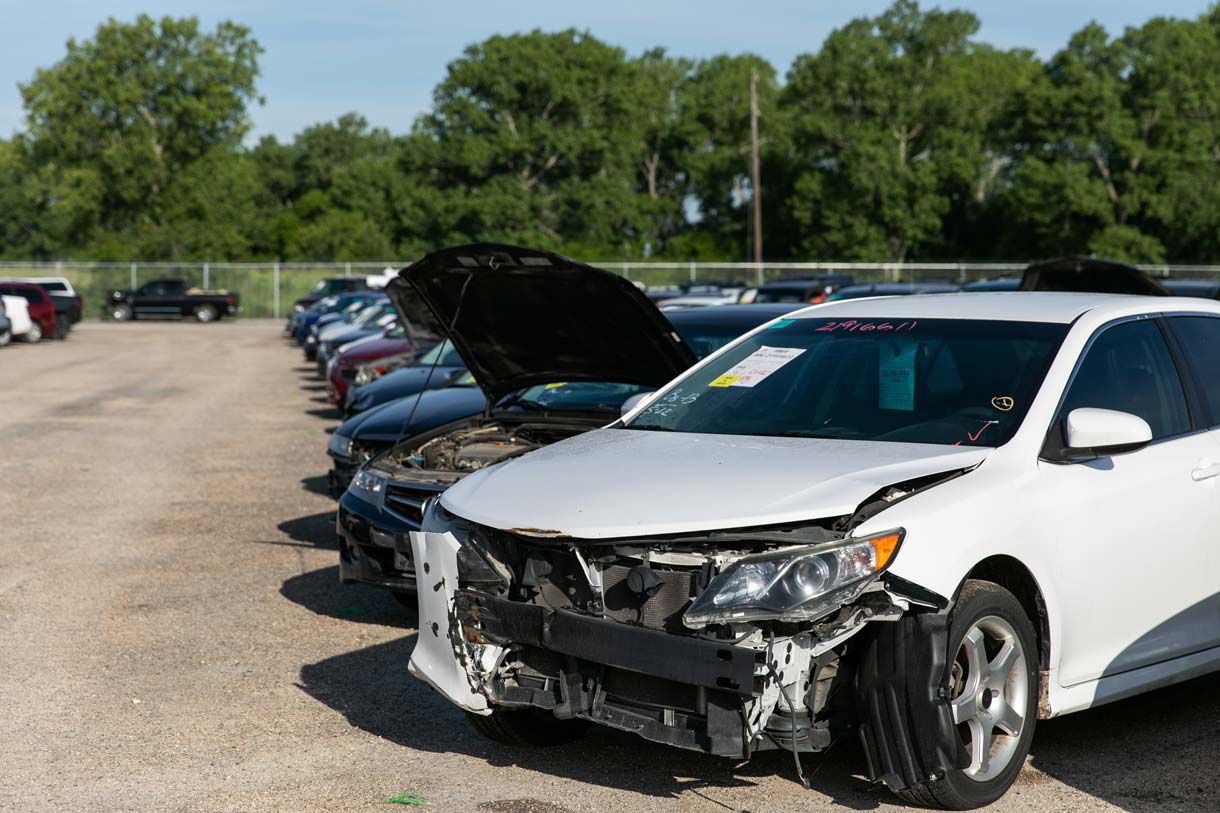
If you’ve ever searched for a cheap car online and wondered how some people buy vehicles for thousands less than dealership prices, chances are they’re using auto auctions. One of the biggest names in this space is IAAI, now officially known as IAA, Inc., a company owned by Ritchie Bros. Auctioneers.
IAAI is not a dealer, not a marketplace like Facebook, and not a typical car lot. It’s an online vehicle auction platform where cars are sold as-is, often straight from insurance companies, banks, and fleets. For budget-conscious buyers, this can be a real opportunity — but only if you understand how it works.
What Is IAAI (IAA, Inc.)?
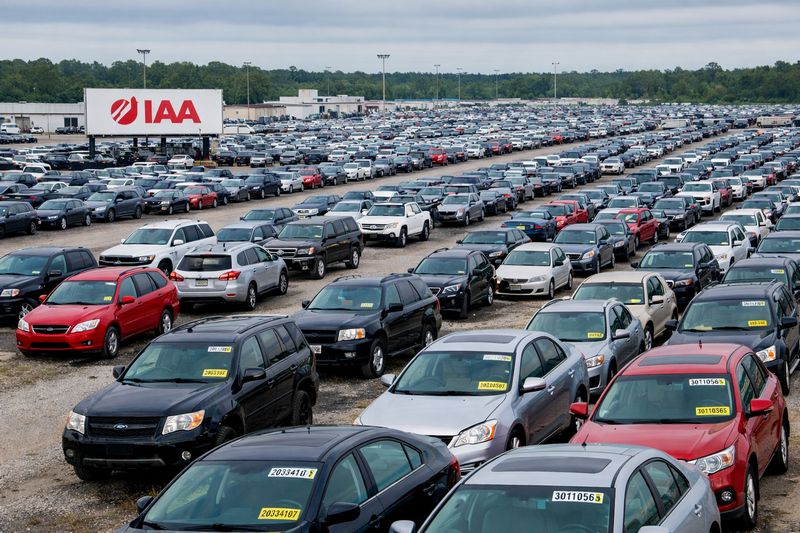
IAA, Inc. is a large U.S.-based vehicle auction company that specializes in insurance and fleet vehicles. It has been operating for decades and runs hundreds of auction locations across the United States, with all bidding handled online.
Most vehicles on IAA come from:
- Insurance companies after accidents
- Banks and lenders after repossessions
- Rental companies rotating out older fleets
- Donations from charities
- Government or corporate surplus programs
Instead of repairing and reselling cars, these sellers send vehicles to IAA to be sold at auction to the highest bidder. That’s where buyers come in — from mechanics and exporters to regular people looking for a cheap project car.
What Types of Vehicles Does IAA Sell?
One common mistake beginners make is thinking IAA sells only wrecked cars. In reality, the inventory is much broader.
Salvage Vehicles
These are the most common listings on IAA. Salvage cars were declared a total loss by an insurance company, usually because repair costs were too high compared to the car’s value.
Example:
A 2018 Toyota Camry gets hit in the front. The airbags deploy. The engine still runs, but body and airbag repairs are expensive. Insurance totals it. That car ends up on IAA.
Clean Title Vehicles
Yes, IAA also sells clean title cars. These often come from:
- Repossession cases
- Rental fleet sell-offs
- Dealer consignment
- Corporate vehicles
For buyers on a budget, clean title cars at IAA can sometimes be cheaper than dealer listings, especially if the car needs cosmetic work.
Repossessed Vehicles
Banks and lenders send repossessed cars to IAA when borrowers stop making payments. These vehicles may have normal wear, missing keys, or interior damage, but not always accident damage.
Donation Vehicles
Charities accept donated cars and sell them through IAA. These vehicles vary widely in condition — some run and drive, others don’t.
Flood, Theft, and Recovery Vehicles
IAA also handles special categories:
These can be risky, but also very cheap. Many exporters and rebuilders focus on these categories because they know how to manage the risks.
Who Can Buy at IAA?
This is one of the most important questions for first-time buyers.
The short answer: not everyone can buy everything, but many people can still participate.
Public Buyers
In some U.S. states, individuals can register as public buyers and bid on certain vehicles without a dealer license. These listings are usually marked as “Public” or “No License Required.”
This is often how budget buyers get started.
Example:
You live in a no-license state, need a cheap commuter car, and don’t care about minor damage. A public-eligible vehicle on IAA might fit perfectly.
Licensed Buyers
Dealers, dismantlers, rebuilders, and exporters with proper licenses can bid on all inventory, including restricted salvage vehicles.
International Buyers
IAA allows international buyers, but most non-U.S. buyers use a broker or export partner. This is common for buyers from Africa, Eastern Europe, the Middle East, and Latin America who ship vehicles overseas.
Is IAAI Legit? How Safe, Reliable & Trusted the Auction Really Is
If you’re new to car auctions, it’s normal to ask direct questions like: Is IAA legit? Is this safe? Is it a scam? These concerns usually come from people who are used to buying cars from dealers, where there’s a warranty, test drive, and someone to complain to if things go wrong.
IAAI is very different from a dealership — but that doesn’t make it illegitimate. In fact, IAA is one of the most established vehicle auction companies in the world.
40+ Years in the Auction Business
IAA has been operating for over four decades. Companies don’t survive that long in the auto industry by scamming buyers. Insurance companies, banks, and large fleets rely on IAA every day to sell vehicles quickly and legally.
This long track record matters. It means:
- Standardized auction rules
- Clear title processes
- Established payment and pickup systems
- Legal accountability in every U.S. state where they operate
For buyers, this reduces the risk of outright fraud. You’re not sending money to a random seller — you’re buying through a regulated auction platform.
Backed by Ritchie Bros., a Public Company
IAA is owned by Ritchie Bros. Auctioneers, a publicly traded company that operates industrial and equipment auctions worldwide.
This is important for trust. Public companies are audited, regulated, and under constant scrutiny from investors and regulators. They can’t afford shady practices or fake listings.
In simple terms:
IAA’s reputation is tied to a global auction brand worth billions. That alone makes “IAAI is a scam” claims easy to dismiss.
Where IAA Vehicles Come From
One reason IAA is considered reliable is the way it sources inventory. Cars on IAA don’t come from random private sellers.
Most vehicles are supplied by:
- Insurance companies after claims
- Banks and lenders after repossessions
- Rental and leasing fleets
- Corporate and government programs
- Licensed dealers and wholesalers
This means ownership history is documented, and titles follow legal processes. You’re not buying a stolen car from someone’s driveway.
Why Exporters Trust IAA
IAA is heavily used by exporters around the world, and that’s not by accident.
Export buyers need:
- Clear paperwork
- Predictable title handling
- Consistent auction rules
- Large volumes of similar vehicles
IAA delivers all of that. Exporters ship thousands of vehicles from IAA locations every year to Africa, Europe, the Middle East, and beyond. If IAA were unreliable, exporters wouldn’t build entire businesses around it.
For a budget buyer, this is a strong trust signal. Professionals with real money at stake use this platform daily.
Where the Real Risks Come From
Here’s the honest part: people who say “IAA is unsafe” are often reacting to misunderstood risks, not scams.
IAA sells vehicles as-is. That means:
- No warranty
- No returns for most issues
- Limited or no arbitration on many listings
Hidden damage is possible. Photos may not show everything. A car listed as “Run & Drive” can still have mechanical problems.
Example:
You buy a cheap SUV thinking it only needs a bumper. After pickup, you discover suspension damage. That’s not fraud — that’s the risk of buying at auction.
IAA is safe as a platform, but the buyer is responsible for inspection, research, and risk management. People who expect dealership-level protection often get disappointed.
Bottom Line on Legitimacy
IAA is legit, legal, and widely trusted. It’s not a scam. But it’s also not beginner-proof.
If you:
- Understand as-is sales
- Accept that auctions involve risk
- Do proper research before bidding
What IAAI Does — Services, Inventory Sources & Auction Types
At its core, IAA is a vehicle remarketing company. It connects large sellers — like insurance companies and banks — with buyers who are looking for cheaper vehicles, parts, or export units. IAA does not repair cars, set prices, or negotiate deals. Its job is to run auctions, manage paperwork, and move vehicles through a controlled system.
To understand how to use IAA wisely, you need to know what they sell, where it comes from, and how the auctions work.
Salvage Auctions
Salvage vehicles make up a large portion of IAA’s inventory. These cars were declared a total loss by an insurance company, usually after an accident, flood, or theft recovery.
That doesn’t mean the car is useless.
Example:
A sedan with side damage may be too expensive for an insurance company to fix, but a mechanic or exporter can repair it or part it out for profit.
Salvage auctions attract:
- Rebuilders
- Mechanics
- Parts dealers
- Export buyers
Prices are often much lower than retail, but risk is higher.
Clean Title Auctions
IAA also sells clean title vehicles. These cars were not totaled by insurance and can often be registered and driven after purchase, depending on local laws.
Common sources include:
- Repossessions
- Rental fleet vehicles
- Dealer and corporate sales
For budget buyers, clean title auctions are often overlooked. You might find a higher-mileage but drivable car for less than a dealer price — especially if it has cosmetic wear.
Dealer Consignment Sales
Licensed dealers and wholesalers can consign vehicles to IAA to sell through auction. These cars may include:
- Trade-ins
- Older retail inventory
- High-mileage vehicles
Dealer consignment adds variety to IAA’s listings. Conditions range from well-maintained to rough, so careful inspection is still required.
Donation Vehicles (Charity Sales)
Charities accept donated vehicles and sell them through IAA. These cars are highly unpredictable.
Some donated cars run and drive. Others have been sitting for years.
Example:
A family donates an old SUV that still starts but needs tires and brakes. At auction, it sells cheaply to a buyer who can fix it.
Donation vehicles can be bargains — or headaches.
Repossession Units
Banks and finance companies send repossessed vehicles to IAA when borrowers default on loans.
These vehicles often have:
- Unknown maintenance history
- Interior wear or damage
- Missing keys
But many are structurally sound. For buyers who can handle uncertainty, repossessions can offer solid value.
Rental Fleet Liquidations
Rental companies regularly rotate vehicles out of service. Some of these cars go to IAA, especially when they are older, higher-mileage, or not worth selling retail.
These vehicles are usually:
- Mechanically maintained
- Heavily used
- Plain in features
They’re popular with exporters and budget buyers who care more about function than appearance.
IAA Interact™ Digital Inspection Tools
Because most buyers can’t inspect cars in person, IAA offers IAA Interact™, a digital inspection system.
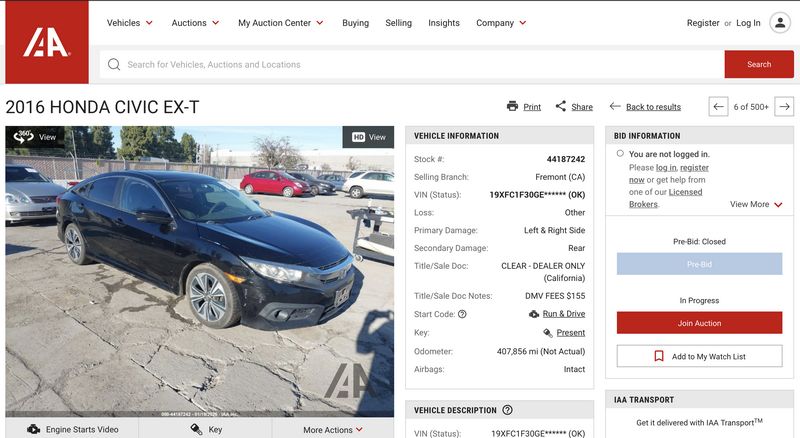
This may include:
- 360-degree interior views
- Undercarriage images
- Engine bay photos
- Tire and wheel condition
It’s not perfect, but it helps reduce surprises. Smart buyers use Interact™ together with photos, damage codes, and vehicle history reports.
IAA Buyer Services
IAA offers more than just auctions. It also provides services that help buyers complete the process.
These include:
- Title processing and documentation
- Storage at auction yards
- Approved transport partners
- Export documentation support
For international buyers and exporters, these services are critical. For local budget buyers, they simplify logistics but add extra fees.
How IAA Auctions Work — Complete Auction Process Explained
If you’ve never bought a car at an auction, the IAA process can feel confusing at first. There’s no salesperson, no negotiation, and no second chances after the sale. Everything happens through structured bidding rules.
Once you understand how IAA auctions actually work, the system becomes predictable — and much safer for budget buyers.
Pre-Bidding: Placing Bids Before Auction Day
IAA allows buyers to place pre-bids days before the live auction starts. A pre-bid is simply your maximum offer entered in advance.
Example:
You see a car listed at $1,000. You’re willing to pay up to $3,200. You place a pre-bid for $3,200 and walk away.
On auction day:
- If no one bids higher, you may win
- If someone outbids you, the system increases your bid automatically up to your limit
Pre-bidding helps avoid emotional decisions and protects budget buyers from bidding too high in the heat of the moment.
Live Bidding: IAA Live Auction
The IAA Live Auction is where real-time bidding happens. Vehicles are auctioned one by one, and bids come in fast.
During live bidding:
- Prices rise in set increments
- You see competing bids instantly
- The highest bid at the close wins
This is where many beginners overpay. It’s easy to get caught up and chase a car beyond its real value. Experienced buyers set a hard limit and stop bidding once it’s reached.
Timed Auctions
Some IAA vehicles are sold through timed auctions instead of live events.
In a timed auction:
- Bidding is open for a fixed period
- The highest bid when the timer ends wins
- There is no live auctioneer-style event
Timed auctions move slower and are often less stressful for new buyers. They also attract fewer impulse bids, which can mean better deals.
“Buy Now” Listings
Certain vehicles offer a Buy Now option. This allows you to purchase the car immediately at a fixed price without bidding.
Buy Now is useful when:
- You don’t want to compete with other buyers
- The price already fits your budget
- You’re worried about losing the car at auction
However, Buy Now prices are usually higher than typical auction wins.
Minimum Bid vs Pure Sale
Not all auctions are equal.
- Minimum Bid means the seller has set a minimum price. If bids don’t reach it, the vehicle won’t sell.
- Pure Sale means there is no minimum. The highest bid wins, no matter how low it is.
Pure sale vehicles are attractive to budget buyers, but they often attract heavy competition.
On Approval vs Seller Counterbid
Winning the highest bid doesn’t always mean you’ve bought the car.
- On Approval means the seller must approve your final bid.
- The seller may accept, reject, or counter your offer.
A Seller Counterbid happens when the seller wants more money. You can accept the counter, reject it, or negotiate within a short time window.
This step often surprises first-time buyers who think the auction is final.
What “Sale Pending” Means
After an auction ends, you may see the status Sale Pending.
This usually means:
- The seller is reviewing the final bid
- Title or internal approval is being processed
- A counteroffer decision is pending
Sale Pending is normal. It does not mean you’ve lost the car — but it also doesn’t guarantee you’ve won yet.
Want to Buy from IAAI Auctions?
BidNDrive helps private and international buyers register, place bids, and purchase vehicles from IAAI even without a dealer license. Our team guides you through registration, bidding, and shipping.
- ✅ No dealer license required
- ✅ Access to thousands of vehicles
- ✅ Transparent pricing & support
- ✅ Domestic + export shipping
Who Can Buy at IAA — License Requirements by State & Category
One of the biggest points of confusion for first-time buyers is licensing. Many people assume that you must have a dealer license to buy from IAA. That’s not always true.
Who can buy depends on the vehicle type, the auction rules, and the state where the car is located. Understanding this upfront can save you time, money, and frustration.
Public Buyers vs Licensed Buyers
IAA separates buyers into two main groups.
Public buyers are individuals without a dealer license. They can bid only on vehicles marked as eligible for public purchase. These are often clean title cars or specific salvage units allowed by state law.
Licensed buyers include:
- Auto dealers
- Rebuilders
- Dismantlers
- Exporters
Licensed buyers can bid on almost all inventory, including restricted salvage vehicles.
Example:
A public buyer may see a cheap car but get blocked at checkout because it requires a license. A licensed buyer would have no issue bidding on the same vehicle.
States That Require No License
In some U.S. states, public buyers can legally purchase certain vehicles without a dealer license.
In these states:
- Public buyers can register directly
- Eligible vehicles are clearly marked
- Clean title cars are more common
This is often how budget buyers get started. You might be looking for a simple daily driver, not a rebuild project, and these listings can work well.
However, availability varies by location and inventory changes daily.
States That Require a Dealer or Dismantler License
Other states have stricter rules. In these locations, most salvage vehicles require a dealer, rebuilder, or dismantler license to purchase.
Reasons for these rules include:
- Consumer protection laws
- Title and registration restrictions
- Environmental and safety regulations
If the vehicle requires a license and you don’t have one, IAA will not allow you to complete the purchase — even if you win the bid.
This is where many beginners get stuck.
When a Broker Is Required
If you don’t have a license but want to buy a restricted vehicle, you can use a licensed broker.
A broker:
- Bids on your behalf
- Handles compliance and paperwork
- Charges a broker fee
Example:
You find a low-cost salvage SUV perfect for export or repair, but it’s license-only. A broker steps in, buys it legally, and transfers it to you.
This adds cost, but it opens access to the full inventory.
Export Buyers and International Buyers
IAA allows international buyers, but most non-U.S. buyers cannot register as public buyers directly.
Export buyers usually:
- Work with a U.S.-based broker or exporter
- Use licensed buyer accounts
- Arrange shipping from IAA locations to ports
IAA is widely used by exporters because its processes, titles, and documentation are predictable. That’s why buyers from Africa, Europe, the Middle East, and Latin America rely on it.
How to Register for IAA — Account Types, Documents & Approval
Before you can bid on any vehicle at IAA, you must create and verify an account. Registration is online, but approval depends on who you are, what you want to buy, and where you’re located.
Many first-time buyers get stuck at this stage because they choose the wrong account type or don’t understand the document requirements. Here’s how it actually works.
Public Buyer Account
A Public Buyer account is designed for individuals who do not have a dealer license.
This account allows you to:
- Bid on vehicles marked as public-eligible
- Buy clean title cars and select salvage units
- Participate in live and timed auctions
Typical requirements include:
- Government-issued driver’s license or ID
- Basic personal information
- Refundable security deposit
Example:
You’re looking for a cheap commuter car, not a rebuild project. A public buyer account may be all you need — as long as the vehicle is allowed for public sale in that state.
Licensed Business Buyer Account
A Licensed Business Buyer account is for dealers, rebuilders, dismantlers, and exporters.
This account provides:
- Access to nearly all IAA inventory
- Ability to buy restricted salvage vehicles
- Fewer bidding limitations
Required documents usually include:
- Valid dealer, dismantler, or exporter license
- Business registration documents
- Tax ID or equivalent credentials
- Authorized buyer information
This account is necessary if you plan to buy vehicles regularly or target salvage inventory.
Premier Buyer Account
The Premier Buyer account is an enhanced option available to qualified buyers. It’s typically used by high-volume buyers and exporters.
Benefits may include:
- Higher bidding limits
- Faster approvals
- Additional buying flexibility
Premier status usually requires:
- Proven buying history
- Higher deposits
- Full business verification
For casual budget buyers, this level is usually unnecessary.
Required Documents for Registration
No matter the account type, IAA requires identity verification. Common documents include:
- Driver’s license or government-issued ID
- Dealer or business license (if applicable)
- Business formation documents for companies
All information must match exactly. Small errors — like mismatched names or expired licenses — can delay approval.
Deposit Requirements
IAA requires a refundable security deposit before you can bid.
The deposit:
- Sets your bidding limit
- Helps prevent fake or unpaid bids
- Is held until you stop buying or request a refund
Deposit amounts vary by account type and buyer history. Public buyers usually start with a lower deposit, while licensed and high-volume buyers may need more.
Example:
If your deposit allows a $10,000 bidding limit, you cannot place bids above that amount until the deposit is increased.
IAA Fees Explained — Buyer Fees, Seller Fees, Storage, Relist, Gate, Broker Fees
One of the biggest shocks for first-time buyers is the final invoice. The bid price is not what you pay. IAA adds several fees, and if you don’t calculate them in advance, a “cheap” car can quickly become expensive.
Understanding IAA fees is critical for budget buyers. This is where many mistakes happen.
Buyer Fees (Based on Sale Price)
IAA charges a buyer fee that increases with the final sale price. This fee is tiered.
In simple terms: the higher you bid, the higher the buyer fee.
Example:
You win a car for $2,500. Your buyer fee might add several hundred dollars on top of that. A buyer who doesn’t account for this may exceed their budget without realizing it.
Internet Bid Fee
Because all bidding happens online, IAA charges an internet bid fee. This fee applies to most online purchases and is separate from the buyer fee.
Even if you never attend an auction in person, this fee still applies.
Service Fee
The service fee covers administrative processing, auction handling, and internal systems. It’s usually a fixed amount per vehicle.
This fee often surprises new buyers because it feels vague, but it’s standard across large auction platforms.
Gate Fee (Standard)
The gate fee is charged when you pick up the vehicle from the IAA yard. It covers yard handling and release processing.
You pay this fee whether you pick the car up yourself or send a transport company.
Relist Fee
If a vehicle does not sell and is listed again, IAA may charge a relist fee. This fee usually applies to sellers, not buyers, but it affects pricing behavior.
Sellers sometimes raise or lower prices after a relist, which can change bidding dynamics.
Broker Fees (If Using a Third Party)
If you don’t have the required license and use a broker, expect an additional broker fee.
Broker fees vary widely and may include:
- Flat service charges
- Percentage-based fees
- Extra paperwork costs
Example:
You win a salvage vehicle for $3,000, but your broker charges $400–$700 for handling the transaction. This must be part of your budget planning.
Storage Charges by Day
IAA provides limited free storage. After that, daily storage fees apply.
These fees increase the longer the vehicle stays at the yard.
This is a common budget killer:
- Delayed payment
- Slow transport scheduling
- Title issues
Each extra day costs money.
Documentation Fee (Title Processing)
IAA charges a documentation fee for title handling and processing. This covers paperwork, state compliance, and title transfer or release.
For export buyers, documentation accuracy is especially important — mistakes can delay shipping and add more storage fees.
Typical IAA Fee Table (Simplified)
|
Fee Type |
What It Covers |
|
Buyer Fee |
Tiered fee based on final sale price |
|
Internet Bid Fee |
Online bidding access |
|
Service Fee |
Auction and administrative processing |
|
Gate Fee |
Vehicle release from IAA yard |
|
Relist Fee |
Applies mainly to sellers |
|
Broker Fee |
Paid to third-party broker (if used) |
|
Storage Fee |
Daily charge after free period |
|
Documentation Fee |
Title and paperwork processing |
Why Fees Matter More Than the Bid Price
Budget buyers often focus only on the auction price. That’s a mistake.
Example:
A car wins at $2,000. After fees, storage, and broker costs, the real price becomes $2,800–$3,200.
Fee Breakdown
Standard IAA Licensed Buyer Fees
Standard IAA Non-Licensed Buyer Fees
Standard IAA Heavy Vehicle Buyer Fees
Standard IAA Rec Rides Buyer Fee
Calculate Your Total Cost on Each Lot Page
Use the built-in calculator available on every vehicle listing to see the full estimated cost — including auction fees, transportation, and export charges — before placing your bid.
- ✅ Transparent service pricing
- ✅ Help estimating total landed and sea cost
- ✅ Free auction history reports
- ✅ Bidding support available
How to Bid at IAA — Pre-Bidding, Live Bidding & Bid Strategies
Bidding at IAA is simple in theory but dangerous in practice. One careless click or emotional decision can erase all the savings that attracted you to auctions in the first place. Budget buyers who succeed follow a system — not instincts.
Here’s how bidding at IAA really works and how to do it smart.
Setting a Maximum Bid (Before You Bid)
Before placing any bid, you must decide your true maximum price. This is not what you want to pay — it’s the highest number that still makes sense after fees, repairs, transport, and risk.
Example:
You want a car that costs no more than $4,000 total. After fees and transport, that means your max auction bid might be only $2,700.
Once you set your max, do not change it during the auction.
Pre-Bidding: Timing and Strategy
Pre-bidding lets you enter your max bid days before the auction. This is one of the best tools for budget buyers.
Benefits of pre-bidding:
- Removes emotion from bidding
- Saves time on auction day
- Automatically increases bids up to your limit
You can edit or cancel a pre-bid before the live auction starts. Once the auction begins, the system takes over.
Smart buyers pre-bid early and walk away.
Live Bidding Interface: What You See on Auction Day
During live auctions, the IAA interface shows:
- Current bid price
- Bid increment
- Time remaining
- Competing bids
Bids update quickly. There is no pause, no negotiation, and no warning before the auction closes.
This environment favors experienced buyers. Beginners should be extra careful not to chase bids out of frustration.
Understanding Bid Increments
IAA uses fixed bid increments that increase as the price rises.
For example:
- Lower-priced vehicles may increase by $25–$50
- Higher-priced vehicles may jump by $100–$250 or more
This means one click can push you well past your intended budget. Always check the increment before clicking “Bid.”
Why Bids Get Rejected or Blocked
Sometimes a bid doesn’t go through. Common reasons include:
- Your bidding limit (deposit) is too low
- The vehicle requires a license you don’t have
- The auction status changed
- Technical or timing issues
Rejected bids are frustrating, but they’re usually a compliance issue — not a system error.
Pending Sale Rules You Must Understand
Winning the highest bid does not always mean instant ownership.
If a vehicle is listed On Approval, the seller must accept your bid. Until then, the status shows Sale Pending.
During this time:
- The seller may accept your price
- The seller may reject it
- The seller may send a counteroffer
You must respond quickly. Ignoring a counter can cost you the vehicle.
How to Avoid Overbidding on Salvage Vehicles
Salvage cars are where most buyers lose money.
To avoid overbidding:
- Never assume damage is minor
- Add repair buffers to your budget
- Ignore emotional attachment to a specific car
- Walk away if bidding gets aggressive
Example:
You’ve already spent hours researching a car. Another bidder appears. You bid “just $100 more.” Then another. Suddenly, the deal no longer makes sense — but you’re emotionally invested.
Step-by-Step Workflow
Buying a car at IAA is not complicated, but it must be done in the right order. Skipping steps or rushing the process is how budget buyers get stuck with unexpected fees, delays, or vehicles they can’t register or move.
Here’s the full workflow, from account creation to receiving the title.
Create an IAA Account
The first step is creating an account on the IAA website. You must choose the correct account type:
- Public Buyer
- Licensed Business Buyer
- Broker-assisted buyer
Choosing the wrong account can block you from bidding on the vehicles you want, so confirm eligibility before registering.
Verify Documents and Get Approved
After registration, IAA will ask you to verify your identity and credentials.
This usually includes:
- Driver’s license or government ID
- Business or dealer license (if applicable)
- Security deposit
Approval can be fast, but errors or missing documents can delay your account.
Search Inventory and Use Filters
Once approved, you can search thousands of vehicles using filters such as:
- Make and model
- Year
- Damage type
- Title status
- Location
- Auction date
Smart buyers narrow the list quickly. Browsing randomly wastes time and increases the risk of emotional bidding.
Inspect Photos and IAA Interact™ Reports
Never bid without reviewing the vehicle details.
You should always check:
- All exterior and interior photos
- Damage descriptions
- Title status
- IAA Interact™ digital inspection views
Interact™ can show undercarriage, interior, and engine bay details that standard photos miss. It doesn’t remove all risk, but it reduces surprises.
Place Your Bid
You can place:
- A pre-bid before auction day
- A live bid during the auction
- A Buy Now purchase (if available)
Before bidding, confirm:
- Your maximum bid
- License requirements
- Total cost including fees
Once you bid, you are committed.
Win the Vehicle
If you win the auction:
- You’ll receive a provisional win notification
- The vehicle may go On Approval
- Status may show Sale Pending
Only after seller approval is the sale final.
Pay the Invoice
Once the sale is confirmed, IAA issues an invoice.
Payment deadlines are strict. Accepted methods usually include:
- Bank wire
- Approved payment services
Late payment leads to penalties and storage fees.
Pick Up the Vehicle or Schedule Transport
After payment clears, you can:
- Arrange your own transport
- Use an approved transport partner
Most vehicles cannot be driven off the lot, even if they run and drive.
Pickup requires:
- Release documents
- Valid ID
- Scheduled appointment
Receive the Title
IAA processes and sends the title after payment and compliance checks.
Timing varies based on:
- Title type
- State regulations
- Vehicle history
For export buyers, title accuracy is critical. Delays can mean storage fees and shipping issues.
IAA Condition Reports, Damage Codes & Vehicle Status Explained
Understanding IAA condition reports and damage codes is where many budget buyers either protect their money — or lose it. Auction listings use short labels that look simple, but each term carries risk. If you misread them, you may buy a car that costs far more to fix than expected.
This section explains what those terms actually mean in real life, not how they sound.
Vehicle Status Terms You’ll See at IAA
These labels describe the vehicle’s basic operating condition at the time it was checked. They are not guarantees.
Run & Drive
“Run & Drive” means the vehicle:
- Started under its own power
- Shifted into gear
- Moved forward and backward
It does not mean:
- The car is roadworthy
- There are no mechanical issues
- You can drive it home
Example:
A car can be Run & Drive but still have transmission slip, engine noise, or warning lights.
Starts
“Starts” means the engine turns on, but the vehicle does not move under its own power.
This could be due to:
- Transmission issues
- Drivetrain damage
- Brake or suspension problems
Starts is riskier than Run & Drive.
Stationary
“Stationary” means the vehicle does not start or move.
Common reasons include:
- Engine failure
- Electrical damage
- Severe accident damage
Stationary vehicles are usually priced lower but require significant repairs.
Engine Start Program
Some vehicles are part of IAA’s Engine Start Program. This means IAA verified that the engine starts during inspection.
This helps, but it’s still limited:
- No driving test
- No load testing
- No long runtime
Think of it as a basic confirmation, not a health check.
Enhanced Vehicle
An “Enhanced Vehicle” has been cleaned or lightly prepared to improve presentation.
Enhancement may include:
- Washing
- Interior cleaning
- Minor cosmetic adjustments
It does not mean the vehicle is repaired or mechanically improved.
IAA Damage Codes — What They Really Mean
Damage codes describe where the damage is, not how bad it is.
Front End Damage
Often includes:
- Bumper, hood, headlights
- Radiator support
- Airbag deployment
Front-end damage can hide cooling, engine, or structural issues.
Rear End Damage
Common with:
- Trunk and bumper impacts
- Frame rail damage
- Suspension misalignment
Rear-end damage can affect alignment and drivability.
Side Damage
Side impacts are risky because:
- Structural pillars may be involved
- Doors may not align
- Airbags often deploy
Side damage is harder to repair correctly.
Mechanical Damage
This code indicates known mechanical issues, such as:
- Engine problems
- Transmission failure
- Cooling system damage
Mechanical damage often costs more than cosmetic repairs.
Undercarriage Damage
This refers to damage underneath the vehicle:
- Oil pan
- Exhaust
- Suspension
- Subframe
It’s common in flood cars or vehicles that hit road debris.
Flood vs Waterline Damage
Flood damage means the vehicle was exposed to water — but severity matters.
- Flood may indicate any water exposure
- Waterline damage shows how high the water reached
Waterline above the dashboard is extremely risky. Even lower water exposure can cause long-term electrical problems.
Flood cars are popular with exporters but dangerous for local daily drivers.
Theft Recovery vs Vandalism
These two are often confused.
- Theft recovery means the car was stolen and later recovered
- Vandalism refers to intentional damage, often during or after theft
Theft recovery vehicles may be mechanically fine but have interior or electrical damage. Vandalism can include cut wiring, broken windows, or destroyed dashboards.
Structural Damage Indicators
Structural damage affects the vehicle’s frame or unibody.
Warning signs include:
- Bent pillars
- Uneven panel gaps
- Airbag deployment combined with major impact
Structural repairs are expensive and sometimes unsafe if done poorly.
What “Not Actual Mileage” Means
“Not Actual Mileage” (NAM) means the odometer reading cannot be verified.
Reasons include:
- Cluster replacement
- Electrical failure
- Missing records
This lowers resale value and may complicate registration or export.
Why Condition Codes Matter More Than Price
Two cars can look identical in photos and sell for similar prices — but one can be a bargain and the other a disaster.
Example:
A cheap Run & Drive car with side damage and airbag deployment may cost more to fix than a more expensive front-end-damaged car with no airbags deployed.
Titles at IAA — Clean, Salvage, Parts Only, Certificate of Destruction
Title status is one of the most important — and most misunderstood — parts of buying a vehicle at IAA. Two cars can look identical and sell for similar prices, but their titles can make a huge difference in legality, resale value, registration, and export.
If you ignore title details, you risk buying a car you can’t drive, can’t register, or can’t ship.
Clean Title
A clean title means the vehicle was not declared a total loss by an insurance company.
Clean title vehicles at IAA often come from:
- Repossessions
- Rental fleets
- Dealer or corporate sales
For budget buyers who want a simple daily driver, clean title cars are usually the safest option. However, “clean” does not mean “perfect.” Cosmetic or mechanical issues may still exist.
Salvage Title
A salvage title means the vehicle was declared a total loss due to damage, theft, or other factors.
Salvage titles are common at IAA and popular with:
- Rebuilders
- Exporters
- Parts buyers
In many states, salvage vehicles cannot be registered or driven until repaired and inspected. Rules vary widely by state.
Rebuilt / Rebuildable Titles
A rebuilt or rebuildable title indicates that a salvage vehicle can potentially be repaired and retitled after passing state inspections.
Important points:
- Repair standards vary by state
- Inspections can be strict
- Insurance coverage may be limited
For budget buyers without repair experience, rebuildable titles can be risky.
Non-Repairable / Parts Only
Some vehicles are sold as Non-Repairable or Parts Only.
These vehicles:
- Cannot be registered
- Cannot be legally driven on public roads
- Are intended for dismantling or export
These listings are often cheaper but are not suitable for daily driving under any circumstances.
Junk Certificate
A junk certificate is similar to Parts Only but even more restrictive.
It permanently removes the vehicle from road use. In many states, junk vehicles cannot be retitled, even after repair.
Buyers should treat junk certificates as parts or export inventory only.
Flood Titles
Flood titles indicate water damage. Even if the car looks clean and runs, flood branding stays on the title.
Flood vehicles are risky for local use because:
- Electrical issues appear over time
- Insurance companies may refuse coverage
- Resale value is lower
Exporters often accept flood titles, but domestic buyers should be cautious.
Title Unavailable and Title Delay
Sometimes a vehicle is listed with Title Unavailable or Title Delay.
This means:
- IAA does not currently have the title in hand
- Processing or release is pending
Buying with a title delay increases storage risk. If the title takes weeks to arrive, storage fees can add up quickly.
How Long IAA Takes to Send Titles
Title delivery time depends on:
- Title type
- State regulations
- Seller response time
In many cases, titles are sent within a few weeks after payment. Delays are not unusual, especially for salvage or insurance vehicles.
Smart buyers factor this delay into transport and storage planning.
Export Title Considerations
For export buyers, title accuracy is critical.
Common export issues include:
- Titles not acceptable in destination country
- Missing signatures or stamps
- Delayed title release
Export buyers often work with brokers or exporters to avoid costly shipping delays and port storage fees.
Why Title Rules Matter More Than the Car Itself
A cheap car with the wrong title can become useless overnight.
Example:
You buy a low-cost vehicle thinking you’ll fix and drive it. Later, you discover it’s Parts Only. That car will never be street-legal.
How to Pay at IAA — Payment Methods & Deadlines
Winning an auction is only half the process. Payment at IAA is strict, time-sensitive, and non-negotiable. Many budget buyers run into problems here because they assume payment works like a dealership. It doesn’t.
If you miss deadlines or use the wrong method, fees start adding up fast.
Bank Wire Transfer (Primary Method)
Bank wire is the main and most reliable way to pay IAA.
Why IAA prefers wire transfers:
- Fast clearing
- Secure verification
- Suitable for large amounts
Most vehicle purchases must be paid by wire, especially for licensed buyers, exporters, and higher-value vehicles.
Example:
You win a car on Monday. You initiate a wire on Tuesday. Once funds clear, IAA releases the vehicle for pickup.
Delays in wiring are one of the most common reasons buyers pay unnecessary storage fees.
MoneyGram and Western Union
IAA allows MoneyGram and Western Union for certain buyers and situations, usually for smaller transactions.
Important limitations:
- Not available for all account types
- Often capped at lower amounts
- Processing can take longer than a wire
These options are often used by international buyers or buyers without easy access to U.S. bank wires, but they require careful coordination.
Credit Card Limitations
This is where many first-time buyers get confused.
IAA does NOT accept credit cards for vehicle purchases.
Credit cards may be used only for:
- Deposits
- Membership or service fees
Trying to pay for a vehicle with a credit card will result in payment rejection.
Payment Deadlines You Must Respect
IAA enforces strict payment deadlines, typically within a few business days after the sale is confirmed.
If you miss the deadline:
- Late fees apply
- Daily storage fees begin
- The vehicle may be relisted
- You may lose bidding privileges
Example:
You delay payment by three days. Storage fees start immediately, and your “cheap” car becomes expensive.
Penalties for Late or Failed Payments
Late payment penalties are not symbolic — they add up quickly.
Possible consequences include:
- Financial penalties
- Vehicle cancellation
- Loss of deposit
- Account suspension
IAA expects buyers to have funds ready before bidding. Auctions are not the place to “figure out financing later.”
Payment Mistakes That Cost Buyers Money
The most common mistakes are:
- Assuming credit cards are accepted
- Waiting too long to send a wire
- Paying without confirming invoice details
Picking Up Vehicles — Storage, Fees, Transportation & Export Shipping
Once you’ve paid for your vehicle, the clock starts ticking. IAA does not store cars for free forever, and delays quickly turn into extra costs. Many budget buyers lose money after winning the auction — simply because they didn’t plan pickup and transport in advance.
Here’s how vehicle pickup really works at IAA.
Required Pickup Documents
Before a vehicle can be released, IAA requires proper documentation.
You’ll typically need:
- Paid invoice
- Vehicle release form
- Government-issued ID
- Transporter information (if using a carrier)
Without these, the car will not be released — even if it’s fully paid.
Scheduling Transportation
Vehicle pickup at IAA is by appointment only.
You or your transporter must:
- Schedule a pickup time
- Arrive during business hours
- Follow yard safety rules
Showing up without an appointment often means being turned away.
Approved Transport Partners
IAA works with approved transport partners, but you’re not required to use them.
Options include:
- Hiring your own licensed transporter
- Using an IAA-recommended carrier
- Coordinating through a broker or exporter
For non-running vehicles, flatbed or winch-equipped transport is required.
Export Shipping Options
IAA does not ship vehicles overseas directly, but it supports export workflows.
Export buyers typically:
- Move the vehicle from IAA to a port
- Use container or RoRo shipping
- Work with exporters for documentation
Export shipping requires accurate titles and timing. Delays can result in port storage fees, which are often more expensive than auction yard storage.
Storage Deadlines and Fees
IAA offers limited free storage. After that, daily storage fees apply.
Important points:
- Storage fees increase daily
- Delays in payment or transport trigger fees
- Title delays do not pause storage charges
Example:
You wait two weeks for transport. Storage fees accumulate every day, cutting into your savings.
Can You Drive the Car Off the Lot?
In most cases, no.
Even if the car:
- Runs and drives
- Has a clean title
- Looks road-ready
IAA generally does not allow vehicles to be driven off the yard. Transport is required.
This surprises many first-time buyers who assume they can just bring plates and drive away.
Selling Vehicles Through IAA — Process, Fees & Who Can Sell
IAA is best known as a place to buy cars, but it’s also a major platform for selling vehicles. It’s important to understand one key point upfront: IAA does not buy cars directly. Instead, it sells vehicles on behalf of sellers through auction.
This section explains who can sell on IAA, how the process works, and what sellers pay.
Dealer Consignment Sales
Licensed auto dealers can sell vehicles through IAA using dealer consignment.
Dealers often use IAA to:
- Move aged or high-mileage inventory
- Sell trade-ins that don’t fit retail standards
- Clear space quickly without retail marketing
The dealer sets selling terms, such as minimum bids or pure sale, and IAA handles the auction process, buyer traffic, and paperwork.
Insurance Company Sellers
Insurance companies are IAA’s largest sellers.
After an accident or claim, insurers send total loss vehicles to IAA instead of repairing them. This allows insurers to recover value quickly.
These sales form the backbone of IAA’s salvage inventory and are why buyers find such a wide selection of damaged vehicles.
Repossession Sellers
Banks and finance companies use IAA to sell repossessed vehicles.
These vehicles come from loan defaults and may include:
- Clean title cars
- High-mileage vehicles
- Units with cosmetic or interior damage
Repossession sellers value speed and compliance, which is why auctions work well for them.
Donation Programs
Charities partner with IAA to sell donated vehicles.
The process is simple:
- A donor gives a vehicle to a charity
- The charity sends it to IAA
- IAA auctions the vehicle and remits proceeds
Donation vehicles vary widely in condition, but auctions provide charities with efficient liquidation.
Seller Fees and Marketing Packages
Sellers pay IAA fees for listing and selling vehicles. These fees vary by volume, vehicle type, and service level.
Seller costs may include:
- Listing fees
- Auction service fees
- Relist fees if a vehicle doesn’t sell
- Optional marketing packages for visibility
IAA also offers enhanced services such as detailed inspections, professional photos, and featured listings to attract more bidders.
IAA Locations, Auction Schedule & Regional Rules
IAA operates on a national scale, but not all auctions work the same way. Where a vehicle is located affects who can bid, what rules apply, and how pickup works. Budget buyers who ignore location details often run into licensing or transport problems after winning a car.
Here’s how IAA’s locations and schedules actually function.
Nationwide Network of Auction Sites
IAA has hundreds of locations across the United States. These sites handle vehicle intake, storage, inspections, and releases.
This nationwide footprint allows:
- Shorter transport distances
- Regional inventory variety
- High auction volume year-round
For buyers, more locations mean more choices — but also more rules to understand.
Online-Only vs Hybrid Facilities
Not all IAA locations operate the same way.
Online-only locations:
- Have no public in-person auctions
- All bidding happens digitally
- Vehicles are stored and released from the yard
Hybrid facilities:
- Support online bidding
- May host limited in-person activity
- Handle high volumes of vehicles
Regardless of location type, bidding is online. There is no advantage to showing up in person unless you’re handling pickup.
Auction Schedule: When Auctions Happen
IAA auctions run weekly, and often daily across different locations.
Key points:
- Each location has its own auction day
- Vehicles are listed in advance
- Auction calendars are published online
Example:
A car in Texas may auction on Tuesday, while a similar car in Florida auctions on Thursday.
Smart buyers track schedules and plan bids around specific locations.
Regional Bidding and Licensing Rules
This is where many buyers get caught off guard.
Rules vary by state and location:
- Some states allow public bidding
- Others restrict salvage sales to licensed buyers
- Title and registration laws differ
A vehicle that’s public-eligible in one state may be license-only in another.
Always check:
- License requirements
- Title restrictions
- Pickup and release rules
Why Location Matters for Budget Buyers
Location affects:
- Transport cost
- Storage fees
- Title processing time
Example:
A cheap car across the country may cost more to ship than a slightly more expensive local vehicle.
IAA Buyer Protection, Arbitration & Common Problems
Many negative reviews about IAA come from buyers who expected dealer-level protection. IAA is an auction, not a retail seller. That difference matters. Understanding when IAA protects buyers — and when it does not — is essential, especially for budget buyers trying to avoid expensive surprises.
When Arbitration Is Allowed
IAA allows arbitration only in limited, clearly defined cases. Arbitration is not a general return policy.
Arbitration may be possible if there is:
- A major undisclosed title issue
- Incorrect vehicle identification (VIN mismatch)
- Odometer discrepancies not disclosed in the listing
- Certain misrepresentations that violate auction terms
Arbitration requests must be submitted within a short time window after pickup or discovery. Waiting too long usually means losing the right to file a claim.
When Arbitration Is NOT Allowed
This is where most complaints come from.
Arbitration is not allowed for:
- Normal wear and tear
- Hidden mechanical problems
- Undisclosed accident severity
- Electrical issues discovered later
- Cosmetic damage not shown in photos
If the listing was marked AS-IS, the buyer assumes these risks.
Example:
You buy a Run & Drive car. After pickup, the transmission fails. This is frustrating — but it’s not grounds for arbitration.
Common Issues Buyers Face
Title Problems
Title issues are one of the few areas where arbitration may apply.
Problems include:
- Missing titles
- Incorrect title branding
- Title delays beyond stated terms
Even here, outcomes depend on auction terms and state laws.
Odometer and Mileage Issues
If a vehicle is marked Not Actual Mileage, arbitration is not available. The risk is disclosed upfront.
However, if mileage is shown as actual and later proven incorrect, this may qualify for review.
Major Mechanical Defects
Mechanical problems are the most common complaint — and the least protected.
Engines, transmissions, and electronics are buyer risk, even if the car starts or runs during inspection.
The Real Risks of Salvage Auctions
Salvage auctions are not unsafe — but they are unforgiving.
Risks include:
- Hidden structural damage
- Flood-related electrical issues
- Poor previous repairs
- Incomplete inspections
These risks are priced into auction values. Cheaper cars come with higher uncertainty.
Why Buyers Misunderstand AS-IS Rules
Many buyers see “Run & Drive” and assume “ready to drive.” That’s the biggest mistake.
AS-IS means:
- No warranty
- No returns
- No promises beyond listed disclosures
Example:
A dealership might fix a problem or refund you. An auction will not.
Start Buying from IAAI Today
Join thousands of buyers using BidNDrive to purchase vehicles from IAAI auctions with professional support, transparent service pricing, and worldwide shipping.
- ✅ Licensed U.S. auto broker since 2009
- ✅ No dealer license required
- ✅ Low service fees
- ✅ Domestic transport + export worldwide
Further Reading:
What is a Public Auctions? A Beginner's Guide to Buying Cars
Can Anyone Go to Car Auctions? Your Guide to Accessing Great Deals
Why Do Used Cars Go to Auction? Process & Benefits Explained
What to Do After Buying a Car from Auction?
Frequently Asked Questions
- Can I buy from IAA without a dealer license?
- Do I need a dealer license to bid on salvage cars?
- Are IAA cars good for export?
- Can international buyers register directly with IAA?
- Why are IAA cars so cheap?
- Why are IAA storage fees high?
- What does “Pending” or “Sale Pending” mean?
- How long does it take to get a title from IAA?
- Can I drive a car off the IAA lot?
- Does IAA inspect vehicles?
- What does “Run & Drive” really mean?
- What does “Starts” mean?
- What does “Stationary” mean?
- Are flood cars safe to buy?
- What is “Not Actual Mileage”?
- Can I return a car to IAA?
- What problems qualify for arbitration?
- Do IAA cars come with warranties?
- Can I inspect a car in person?
- How do I avoid problem vehicles?
- Are Buy Now cars safer?
- Can I cancel a bid?
- How fast do I need to pay?
- Does IAA accept credit cards?
- Can I finance a car through IAA?
- Are there hidden fees?
- Do fees differ by location?
- Can I use my own transporter?
- Does IAA ship cars?
- Can I attend auctions in person?
- Are donation vehicles good deals?
- Can I buy parts-only vehicles?
- Why was my bid rejected?
- Can beginners safely use IAA?