


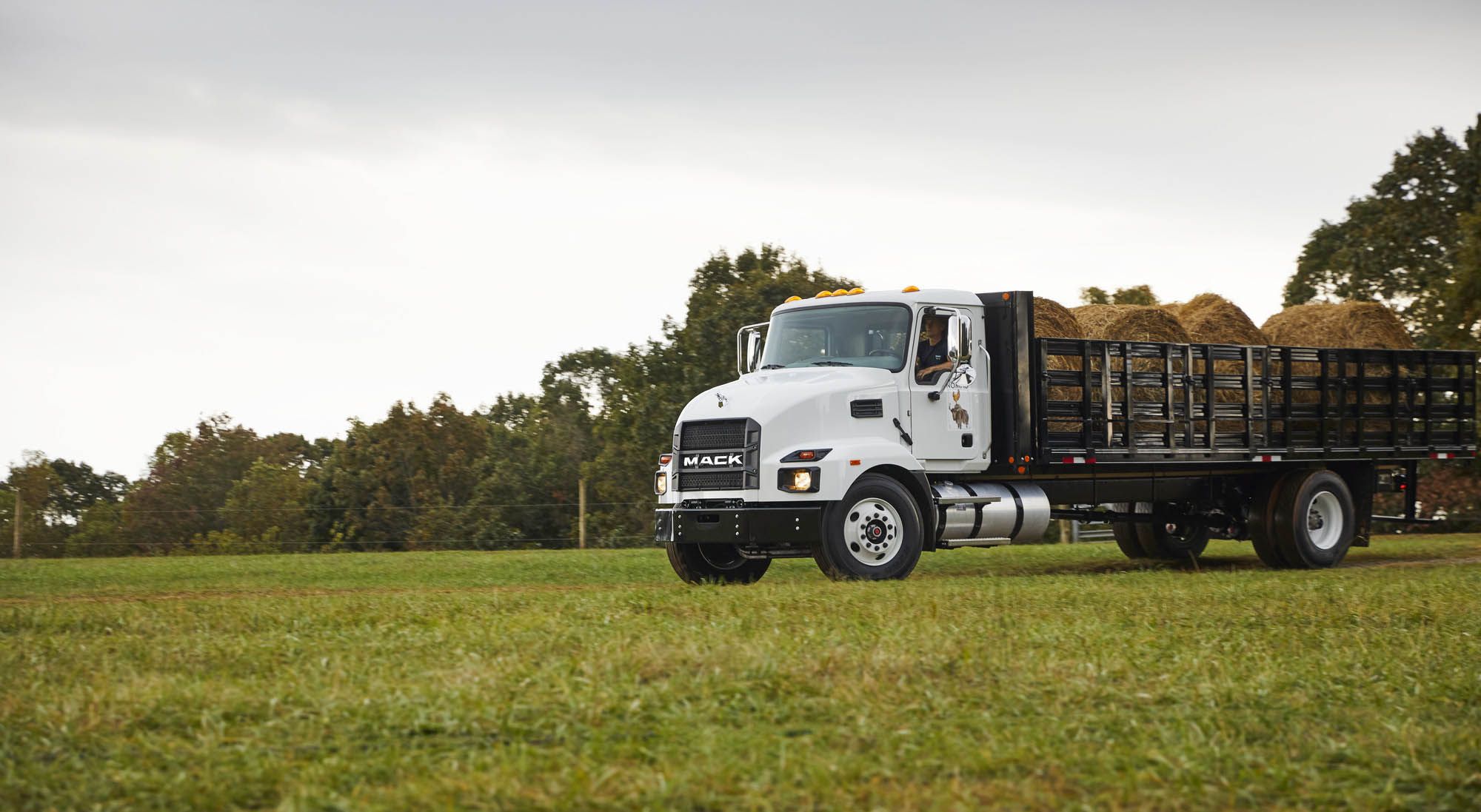
Purchasing a salvage medium duty truck can be a cost-effective way to get a reliable vehicle without breaking the bank. In this guide, we’ll walk you through the key factors to consider, from evaluating truck condition and safety features to estimating repair costs. Whether you're a first-time buyer or an experienced one, this article will help you make an informed decision and save money on your next truck purchase.
What Are Medium Duty Trucks and Why Are They Popular?
Medium duty trucks are versatile vehicles designed for a variety of tasks, ranging from transporting goods across cities to serving as emergency response vehicles. They are classified based on their weight capacity, which typically falls between 10,000 and 26,000 pounds. This makes them ideal for businesses and individuals who need a truck that is more compact and manageable than a heavy-duty truck, but still capable of carrying a substantial load.
One of the primary uses of medium duty trucks is transportation. Many businesses rely on these trucks for hauling goods over long distances, especially in urban and suburban areas where a smaller, more agile vehicle is needed. Delivery trucks are often medium duty vehicles, as they are perfect for moving goods from warehouses to customers. In addition, medium duty trucks are also widely used as ambulances, offering the necessary space and equipment for medical emergencies while remaining easy to maneuver in busy city traffic.
The popularity of medium duty trucks can be attributed to several factors. Unlike their heavy-duty counterparts, medium duty trucks offer a balance between capacity and size. They can carry large loads but are smaller and easier to handle, making them a preferred choice for businesses that need reliable transportation but don’t require the massive hauling power of a heavy-duty truck. These trucks are especially useful for city deliveries and jobs that involve navigating tight spaces, such as urban construction sites or medical emergency services.
However, the downside of purchasing new medium duty trucks is their high cost. Due to their specialized features and capabilities, new models can be quite expensive, especially for small business owners or individuals working with a limited budget. A new medium duty truck can easily cost tens of thousands of dollars, which might not be feasible for everyone.
This is where purchasing a salvage medium duty truck can offer significant advantages. A salvage truck is a vehicle that has been previously damaged but is still functional and can be repaired. Buying a salvage vehicle allows you to save a considerable amount of money compared to purchasing a new one. While the initial cost of a salvage vehicle may be low, it's important to carefully inspect the truck and ensure the necessary repairs are done before putting it to use. With the right knowledge and evaluation, a salvage medium duty truck can provide a great value, offering the same utility as a new vehicle at a fraction of the cost.
Why Choose Salvage Medium Duty Trucks?
Choosing a salvage medium duty truck can be an incredibly smart financial decision, especially for those who need a functional vehicle but are working with a limited budget. Salvage vehicles are those that have been damaged to the point of being deemed a total loss by an insurance company but are still capable of being repaired and used again. While they may have experienced some form of damage—whether in an accident, due to weather, or from other factors—salvage medium duty trucks offer a unique opportunity to save money while still obtaining a reliable vehicle.
One of the biggest advantages of purchasing a salvage medium duty truck is the significant cost savings. New medium duty trucks can cost tens of thousands of dollars, which can be out of reach for many small business owners or individuals. By purchasing a salvage vehicle, you can acquire a truck at a fraction of the price, sometimes saving 50% or more compared to buying a new one. This price difference can make a huge impact on your budget, freeing up money that can be better spent elsewhere—whether on repairs, maintenance, or expanding your business operations.
In many cases, salvage medium duty trucks are not as damaged as they may initially appear. Some trucks may have only suffered cosmetic damage, such as dents or scratches, which don't affect their functionality or performance. Other trucks may have had minor repairs made already, making them even more affordable. With careful inspection, you can find a salvage truck that is close to new condition but at a significantly lower cost.
However, purchasing a salvage medium duty truck is not without its challenges. It requires diligence, knowledge, and careful consideration. Not all salvage vehicles are worth purchasing, and the cost of repairs can sometimes outweigh the savings from the initial low purchase price. That's why it’s crucial to thoroughly evaluate the condition of the vehicle before buying it. Key things to check include the engine’s condition, the transmission, the brake system, and the integrity of safety features such as airbags and seatbelts. If the truck has sustained significant internal damage, it may not be a good investment, even at a low price.
Another factor to consider is the potential repair costs. While you can save money upfront by purchasing a salvage truck, you need to account for the expenses involved in making the necessary repairs to get it roadworthy. For instance, if the truck needs a new engine or significant bodywork, these repairs could add up quickly. It’s important to carefully estimate these costs to ensure that purchasing the salvage vehicle remains a financially sound decision.
For those who are knowledgeable about vehicles or who have access to trusted mechanics, the benefits of purchasing a salvage medium duty truck can far outweigh the risks. By understanding what to look for and knowing how to assess the condition of a vehicle, you can secure a great deal on a truck that can serve you well for years to come.
What Should You Check Before Buying a Salvage Medium Duty Truck?
When it comes to purchasing a salvage medium duty truck, doing thorough checks before making a decision is crucial. While the price might be tempting, it’s important to remember that buying a salvage vehicle means taking on the responsibility of repairing it and ensuring it’s roadworthy. To avoid costly mistakes, there are several key areas you must inspect carefully to determine whether a salvage truck is worth purchasing. Here’s what you should check before moving forward with your purchase:
1. Engine Condition
The engine is the heart of any vehicle, and its condition is critical to the overall functionality of a medium duty truck. If the engine has suffered major damage, it could require a costly replacement, which may not justify the low cost of the salvage vehicle. When inspecting the engine, look for any signs of oil leaks, unusual wear, or signs of overheating. It’s also important to check for any signs of rust or corrosion in the engine compartment, as these can indicate previous water damage or a lack of maintenance.
Before making a purchase, if possible, have a professional mechanic perform a thorough diagnostic test. A mechanic can help identify whether the engine needs major repairs, such as replacing the timing belt, pistons, or camshaft, which could significantly increase your investment.
2. Safety Features
Safety should always be a top priority when buying any vehicle, and especially so for medium duty trucks, which are often used for transporting heavy loads or in emergency situations like ambulances. Many salvage vehicles are sold with damaged or malfunctioning safety features, which can make them dangerous to drive. You must ensure that the critical safety features, such as airbags, seatbelts, and the truck’s structural integrity, are intact and functioning properly.
Airbags are particularly important to check, as they can sometimes be overlooked or improperly reinstalled during repairs. If the airbags have been deployed in an accident and not replaced, or if the system has been tampered with, the truck will not be safe to drive. Similarly, check the condition of the seatbelts to ensure they have not been cut, frayed, or improperly installed. A vehicle without properly functioning safety systems cannot legally be driven on the road, so it’s essential to address this before considering the purchase.
3. Frame and Structural Integrity
The frame of the truck plays a crucial role in its overall safety and performance. If the truck has experienced significant damage to its frame—such as a bent or cracked frame—it could compromise the truck’s stability, handling, and safety, especially under heavy loads. Check the frame for signs of cracks, bends, or welding, which could indicate serious structural damage.
While some frame damage can be repaired, it’s essential to understand the full extent of the issue. If the frame is extensively damaged or improperly repaired, it may not be worth the investment. In cases where the frame damage is minor, it might be possible to restore the truck to its original condition, but it will likely require specialized repairs and may not be the most cost-effective option.
4. Transmission and Suspension
The transmission and suspension system are two other critical components to inspect before purchasing a salvage medium duty truck. The transmission should shift smoothly without any strange noises or delays, and the suspension should be free of leaks, damage, or wear. A malfunctioning transmission or suspension system can lead to expensive repairs, so make sure both are in good working order.
Look for signs of leakage around the transmission and suspension components, as well as unusual vibrations when the truck is driven. Pay attention to how the truck handles and whether it pulls to one side, which could indicate suspension problems or alignment issues.
5. Brakes and Tires
The brake system is crucial for any vehicle, and especially for medium duty trucks, which often carry heavy loads. Inspect the brake pads, rotors, and calipers for signs of wear or damage. Brake components are often replaced or repaired in salvage trucks, so make sure they meet safety standards and are functioning properly.
Tires are another essential aspect to check. Inspect the tread depth, signs of uneven wear, and any bulges or damage to the tires. Depending on the truck’s condition, you may need to replace all or some of the tires, which is an added expense to consider when evaluating the overall cost of the vehicle.
6. Cost of Repairs and Potential Hidden Damage
Before committing to a salvage medium duty truck, it’s essential to evaluate the cost of repairs and determine whether they are reasonable compared to the truck’s value after repairs. Minor cosmetic damage or surface-level repairs can often be addressed affordably, but major internal damage, such as engine or transmission issues, could make the truck unworthy of the investment.
If the damage is hidden or not immediately visible—such as damage to the electrical system, wiring, or internal components—this could add unforeseen costs that significantly increase the overall price of restoring the truck. It’s highly recommended to have a qualified mechanic conduct a comprehensive inspection to uncover any potential hidden issues.
When Is a Salvage Truck Not Worth Purchasing?
While many salvage medium duty trucks can be restored to full functionality, there are certain situations where it may not make financial sense to purchase a salvage vehicle. If the truck has significant internal damage (such as a blown engine, cracked transmission, or severely damaged frame), the cost of repairs could outweigh the savings from buying the salvage vehicle. Similarly, if the vehicle lacks key safety features or cannot be repaired to
How to Ensure Safety Features Are Intact in a Salvage Vehicle?
When purchasing a salvage vehicle, ensuring that all safety features are intact and functional should be one of your top priorities. Unlike cosmetic repairs or minor mechanical fixes, the integrity of safety systems like airbags, seatbelts, and the vehicle’s overall structural integrity directly impacts your safety on the road. Salvage vehicles, especially those that have been in accidents, are at risk of having these critical safety features either damaged or improperly restored during repairs. Let’s explore why it's essential to thoroughly check these safety features and how to ensure they are working as intended before purchasing a salvage vehicle.
1. Airbags: A Critical Safety System
Airbags are one of the most important safety features in a vehicle. They provide a critical buffer between the occupants and the vehicle’s interior during a collision. However, airbags in salvage vehicles are often deployed during an accident and may not have been properly replaced or repaired during the salvage process.
To ensure the airbags are intact, start by checking the airbag indicator light on the dashboard. If the light remains on, this could indicate that the airbags are either non-functional or have not been replaced. It’s essential to verify whether the airbags were deployed during the crash and whether the system has been fully restored. A mechanic should be able to assess the airbag system and confirm that all sensors, modules, and airbags are in working order.
If the airbags were deployed and not replaced, this poses a significant safety risk, and the vehicle should not be purchased until the airbags are properly reinstalled. Airbag replacement can be costly, but it’s crucial for the vehicle to be roadworthy and safe.
2. Seatbelts: Ensuring Proper Functionality
Seatbelts are another key safety feature that can sometimes be overlooked during repairs of a salvage vehicle. After an accident, seatbelt mechanisms can become damaged or misaligned, compromising their ability to function correctly in the event of a subsequent crash. A malfunctioning seatbelt could fail to restrain a passenger properly, increasing the risk of serious injury or even death.
To check the seatbelt system, start by inspecting the belts for any visible signs of wear, fraying, or cuts. Next, test the seatbelt mechanism to ensure that it retracts smoothly and latches securely into place. The belt should lock properly when pulled at high speed, a feature that ensures passengers stay in place during an impact.
It’s also crucial to check the seatbelt pretensioners—these are mechanisms that tighten the seatbelt during a collision to reduce slack. Pretensioners can sometimes be damaged or fail to activate during repairs, so a mechanic should test this system as well.
If any seatbelt is damaged, misaligned, or not functioning properly, it should be repaired or replaced before driving the vehicle. In some cases, replacing a seatbelt can be relatively inexpensive, but failing to address the issue can lead to dangerous driving conditions.
3. Structural Integrity: Frame and Body Repairs
While airbags and seatbelts are the most immediately obvious safety features, the vehicle’s frame and body also play a significant role in the safety of the occupants. In the event of a collision, the frame is designed to absorb and distribute the impact, helping protect the passengers inside. If the frame has been compromised—whether through a bent or cracked chassis, poorly done welding, or improperly repaired body parts—the structural integrity of the vehicle could be at risk.
A salvage vehicle with frame damage requires careful inspection. Even minor frame issues can result in misalignment, which can affect how the vehicle handles, how it crumples in an accident, and how the safety features function in general. If the vehicle has undergone any structural repairs, it’s vital to ensure that the work was done to high standards and that the frame is now as strong and secure as it should be.
Make sure to have a professional mechanic or body expert assess the frame for any signs of improper repairs, such as uneven welds or unaligned body panels. A poor repair job can compromise the safety of the vehicle, making it unsafe to drive.
4. Electronic Safety Features: Ensuring System Functionality
Modern vehicles are equipped with various electronic safety features, such as stability control systems, traction control, and advanced driver-assistance systems (ADAS) like lane departure warnings, automatic emergency braking, and backup cameras. These systems rely on a network of sensors and computer modules to function properly. In a salvage vehicle, these systems may have been damaged or even disabled during the repair process, especially if the vehicle was in a serious accident.
To ensure these features are functioning, you should inspect the dashboard for any warning lights that indicate malfunctions in the vehicle’s safety systems. If the vehicle is equipped with ADAS, test the system’s functionality by driving the vehicle and checking for features like lane keeping assistance, adaptive cruise control, and collision warnings. In some cases, the vehicle may require calibration or reprogramming of the sensors, which can be expensive but necessary for safety.
If any of these systems are malfunctioning, you may need to factor in the cost of repairs when deciding whether to purchase the vehicle. In some cases, restoring electronic safety features to full functionality can be complicated and expensive, so ensure you get a clear understanding of the repair needs.
5. Professional Inspection: The Best Way to Verify Safety
Given the complexity and importance of safety features in a salvage vehicle, it’s always a good idea to have a professional mechanic or safety expert perform a comprehensive inspection of the vehicle. A qualified technician can identify potential safety issues that may not be immediately apparent to the average buyer, such as faulty airbag sensors or improperly repaired seatbelt mechanisms.
This inspection can also reveal any hidden damage to the structural components of the vehicle or electronic systems that may not be visible during a casual walk-around inspection. While this may incur an additional cost, it’s an investment that can save you from purchasing a vehicle that isn’t roadworthy or safe.
Why Is the Brake System Crucial for Salvage Medium Duty Trucks?
When purchasing any vehicle, but especially a salvage medium duty truck, the brake system is one of the most critical components to check. The brake system is directly tied to your safety on the road. Medium duty trucks, due to their size and weight, require a reliable braking system to stop safely and effectively, particularly when carrying heavy loads. Since salvage vehicles are often sold at a lower price due to past damage, ensuring the brake system is fully functional is paramount. A compromised or underperforming brake system can be a serious safety hazard, making it essential to prioritize this system when inspecting a salvage medium duty truck.
1. The Importance of the Brake System for Medium Duty Trucks
Medium duty trucks are used in a variety of settings, from transporting goods to emergency services like ambulances. These trucks are typically heavier than light-duty vehicles, which means they require a more powerful and efficient braking system to ensure safe stopping power, particularly when they are loaded with cargo. The braking system must be capable of handling the increased weight, and any failure or deterioration in this system can have severe consequences.
A malfunctioning brake system in a medium duty truck is not just an inconvenience—it is a serious safety risk. For example, if the truck’s brakes are not functioning correctly, it could take longer to stop, increasing the likelihood of an accident. In the case of a salvage vehicle, where previous damage or repairs may have affected the braking components, it’s critical to thoroughly inspect and, if necessary, replace parts to ensure the vehicle is roadworthy.
2. What to Check in the Brake System
Before purchasing a salvage medium duty truck, the brake system should be thoroughly checked for any signs of wear, damage, or malfunction. Here are the key components to inspect:
- Brake Pads: Brake pads wear down over time, especially in vehicles used for heavy-duty tasks. Worn-out brake pads can reduce the effectiveness of braking, making the vehicle harder to stop in a timely manner. Inspect the brake pads for sufficient thickness and signs of uneven wear. If they’re too thin, they will need to be replaced.
- Brake Calipers: The brake calipers are responsible for applying pressure to the brake pads, which in turn press against the brake rotors to create friction and slow the truck down. Over time, calipers can become seized or corroded, which can affect their ability to apply the necessary pressure for braking. It’s important to check for any signs of damage, such as rust or leaks, which could indicate that the calipers need to be replaced.
- Brake Rotors: The rotors work with the brake pads to create the friction that slows the truck down. If the rotors are damaged or worn out, they can cause uneven braking, vibrations, or even brake failure. Check for any signs of scoring, warping, or cracking. If the rotors are worn beyond acceptable limits, they may need to be replaced.
- Brake Lines and Fluid: The brake lines and fluid are essential for the hydraulic brake system. Leaks in the brake lines or low brake fluid can lead to brake failure. Inspect the brake lines for cracks, leaks, or damage and ensure that the brake fluid is at the proper level.
3. When to Replace Brake Parts
If any of the components mentioned above show signs of wear or damage, it’s necessary to replace them before using the truck on the road. While brake pads and calipers are some of the most common parts that need replacing in a salvage vehicle, other components like the rotors, brake lines, and fluid should also be checked for signs of deterioration.
- Brake Pads: When the pads have less than 3mm of thickness left, it's time to replace them. Failing to replace worn-out pads can lead to increased wear on the rotors and can ultimately affect the overall performance of the braking system.
- Brake Calipers: If the calipers are not functioning properly or if they show signs of rust, leakage, or damage, they should be replaced. Sometimes, a damaged caliper can cause the truck to pull to one side while braking, making it harder to control.
- Brake Rotors: Rotors should be replaced if they are deeply scored or warped. If they have minor wear, they may be resurfaced, but once they’ve been worn down too much, replacement is the safest option.
- Brake Fluid: If the brake fluid appears dirty or low, it should be flushed and replaced with fresh fluid. Dirty brake fluid can affect the performance of the brake system and may lead to longer stopping distances or a soft brake pedal feel.
4. Where to Find Quality Brake Parts Online
Replacing brake pads, calipers, rotors, and other components can be costly, but it’s crucial to ensure that the truck is safe to drive. Fortunately, you can find high-quality replacement parts online to help you restore your salvage medium duty truck’s brake system to full functionality.
BidNDrive, for example, offers a wide range of parts for medium duty trucks, including brake pads, calipers, and rotors. Their platform allows you to find affordable parts without compromising on quality. Whether you need disc brakes for the front wheels or other essential brake components, online auto auction sites like BidNDrive can help you locate exactly what you need. By sourcing these parts from reputable online platforms, you can save money compared to purchasing through traditional retail channels, while still ensuring that you get durable and reliable parts.
5. Ensuring Safety and Cost-Effectiveness
When buying a salvage vehicle, it’s essential to balance cost-saving with safety. The brake system, being one of the most crucial safety features, should never be compromised. While replacing brake pads, calipers, or rotors may seem like an additional cost, it's an investment in your safety and the truck’s reliability. A well-maintained brake system ensures that the vehicle can stop on time, reducing the likelihood of accidents and keeping the vehicle safe for use.
What Is the Cost of Repairing a Salvage Medium Duty Truck?
When considering the purchase of a salvage medium duty truck, one of the most important factors to evaluate is the cost of repairs. While the initial price of a salvage vehicle may seem attractive, it’s essential to consider the total cost of making the vehicle roadworthy and safe. Repairs for salvage medium duty trucks can vary widely depending on the extent of the damage, the parts needed, and the labor involved. In this section, we will explore how to estimate the cost of repairs and determine whether it is cost-effective to restore a salvage truck or if it’s better to invest in a new vehicle.
1. Assessing the Extent of Damage
The first step in determining the repair costs for a salvage medium duty truck is to assess the extent of the damage. Salvage vehicles typically fall into one of three categories: light damage, moderate damage, and heavy damage. Understanding the severity of the damage will give you a clearer idea of what needs to be fixed and how much those repairs will cost.
- Light Damage: This usually involves cosmetic issues like scratches, dents, or minor body repairs. In these cases, the cost of repairs may be relatively low, and you might only need to replace parts like mirrors, bumpers, or door panels. If the engine, transmission, and other critical systems are in good condition, this could be an affordable option for someone on a budget.
- Moderate Damage: Moderate damage often includes issues with the suspension, electrical systems, or some internal mechanical parts. The cost of repairs can add up, especially if the truck has experienced damage to the frame, axles, or drivetrain. You may need to replace major components such as the transmission, radiator, or alternator. While repairs are still possible, you need to consider whether the cost of these fixes will exceed the price of a new or used vehicle.
- Heavy Damage: Heavy damage typically involves severe issues with the engine, frame, or transmission, which can be costly to repair. In some cases, the vehicle might have been in a significant accident that resulted in substantial damage to the structural integrity of the truck. If repairs involve replacing the engine, transmission, or repairing the frame, the cost can quickly escalate, and it may not make financial sense to proceed with the repairs.
2. Calculating Repair Costs
Once you have an understanding of the damage, the next step is to get an estimate for the cost of repairs. The costs can vary greatly depending on the parts and labor required. Here are some key factors that influence the total cost of repairs:
- Parts: The cost of replacement parts is often one of the largest expenses when repairing a salvage truck. Common parts that may need to be replaced include the engine, transmission, brakes, tires, suspension, and electrical components. While some parts can be sourced cheaply from salvage yards or online auctions like BidNDrive, others, such as the engine or transmission, can be very expensive. High-quality parts are essential for ensuring the truck remains safe and functional, so don’t skimp on quality just to save money.
- Labor: Labor costs can also add up quickly, especially if the repairs require specialized skills or extensive work. Replacing an engine or transmission, for example, requires experienced mechanics, and labor charges for such repairs can be high. Depending on your location, mechanic rates can range from $50 to $150 per hour, and a major repair could take several days. It’s important to get quotes from multiple mechanics or shops to ensure you're getting a fair price for labor.
- Diagnostics and Inspection: Before committing to repairs, it’s essential to have a professional mechanic perform a thorough diagnostic to assess the vehicle’s condition. A detailed inspection may cost between $100 and $300, but this is a small price to pay to avoid hidden issues that could result in costly surprises down the line. A mechanic’s report will give you a clearer idea of what needs to be fixed and allow you to get accurate cost estimates for repairs.
3. When Repairs May Not Be Worth It
While many salvage trucks can be repaired and restored to full functionality, there are instances where the cost of repairs may be prohibitively high. Here are a few scenarios where repairs may not be worth the investment:
- Major Engine or Transmission Damage: If the truck requires a new engine or transmission, the cost of replacement can be incredibly high. For example, replacing an engine can cost anywhere from $3,000 to $8,000, depending on the make and model of the truck. Similarly, a transmission replacement can cost between $2,000 and $4,000. When factoring in labor costs, these repairs can quickly exceed the price of purchasing a new or used truck.
- Severe Frame Damage: If the truck has sustained significant damage to its frame, repairs can be expensive and difficult to carry out. In some cases, the frame may be beyond repair, and the truck may not be safe to drive. Replacing or straightening a bent frame can cost anywhere from $2,000 to $6,000, depending on the extent of the damage. For heavy-duty trucks, frame repairs can be particularly costly, and in many cases, it may be more cost-effective to purchase a new truck.
- Electrical or Wiring Issues: In salvage vehicles, electrical issues can sometimes be difficult to identify and expensive to fix. Replacing the wiring or fixing complex electrical problems can add up quickly, and these issues may be harder to spot during the initial inspection. If the vehicle has sustained electrical damage that affects its ability to function properly, it may be better to look for a truck that doesn't require such extensive repairs.
- Hidden Costs: In some cases, repairs may seem affordable at first, but hidden issues can emerge once work begins. For example, fixing a damaged part might uncover other problems that were not initially visible, such as structural damage, rust, or faulty safety features. These hidden costs can significantly increase the total cost of repairs, making it financially impractical to restore the truck.
4. Comparing the Cost of Repairs to Buying a New or Used Truck
When evaluating whether to repair a salvage medium duty truck, it's essential to compare the repair costs to the cost of buying a new or used vehicle. While a salvage vehicle may have a low upfront cost, the total cost of repairs could make it less cost-effective in the long run.
For example, if the cost of repairing a salvage truck is $10,000, but a used medium duty truck in good condition can be purchased for $15,000, the additional $5,000 might not justify the repairs, especially if the truck is older and the repairs may not add much value. Similarly, a new truck may come with warranties and long-term reliability, whereas a salvage truck may require ongoing maintenance and repairs that could add up over time.
5. Getting Professional Advice
To help you make the best decision, it’s often a good idea to consult with professionals who specialize in salvage vehicles or medium duty trucks. They can help you evaluate whether the cost of repairs is reasonable or if it’s better to move on to another option. Professional mechanics and salvage brokers can provide valuable insight and help you avoid costly mistakes.
How Can BidNDrive Help You in Purchasing Salvage Vehicles?
Purchasing a salvage vehicle, especially a medium duty truck, can often seem daunting. From navigating online auctions to handling logistics and paperwork, the process can be complex and time-consuming. However, BidNDrive streamlines this process, making it easier, safer, and more convenient for buyers to purchase salvage vehicles. In this section, we will explore how BidNDrive helps you through every step of the purchasing journey, ensuring a smooth transaction and timely delivery of your truck to the desired location.
1. Simplified Online Auction Platform
BidNDrive operates a user-friendly online auction platform specifically designed to help you purchase salvage vehicles, including medium duty trucks, directly from reputable auto auctions in the United States. The platform offers a simple, transparent process that lets you easily browse available vehicles, view detailed descriptions and photographs, and place bids on vehicles that meet your criteria.
BidNDrive provides access to a wide range of salvage vehicles, from trucks to cars, all available at competitive prices. For people with a limited budget, this is an excellent opportunity to buy a truck at a fraction of the cost of buying new. With BidNDrive, you can easily find medium duty trucks that fit your budget and requirements, whether you’re looking for a truck with light or moderate damage that can be repaired, or a truck that can be used as-is for specific purposes.
2. Transparent Listings and Detailed Vehicle Information
One of the major benefits of using BidNDrive is the transparency of vehicle listings. Every truck available for auction comes with detailed information, including photographs, descriptions, and, in many cases, inspection reports. This means you don’t have to worry about hidden surprises once you win the auction. The platform provides as much detail as possible, giving you insight into the vehicle's condition, damage history, and key features.
For example, you can view the truck’s exterior and interior photos, learn about the engine condition, and check if any critical systems (such as the brake system or suspension) require repairs. This level of detail allows you to make an informed decision before placing a bid, so you can confidently determine whether a specific medium duty truck is the right investment for you.
3. Support for International Buyers
BidNDrive caters not only to domestic buyers within the U.S. but also to international buyers looking for salvage vehicles. Whether you are based outside the United States or across different states, BidNDrive offers support for international shipping and customs handling. The platform guides you through the necessary steps to facilitate the purchase and ensure that your vehicle is shipped to your location securely.
This means that no matter where you are, you can access a broad inventory of salvage vehicles without geographical limitations. BidNDrive works with trusted partners to ensure that your truck is transported safely and delivered to the address of your choice, often within a short period. The convenience of international shipping adds a significant benefit for buyers looking to purchase trucks without worrying about logistics.
4. Guidance Through the Bidding Process
For those who are new to buying vehicles at auctions, the bidding process can seem overwhelming. However, BidNDrive makes it easy by providing expert guidance throughout the process. The platform’s team is available to assist with any questions you might have, from understanding how the auction works to determining a fair bid amount for a salvage vehicle.
Additionally, the platform provides tools to help you track your bids in real-time, ensuring that you don’t miss out on opportunities. If you’re concerned about missing out on a winning bid, you can set up automated bidding to help you place your bid automatically as the auction progresses, giving you more control and convenience in securing your desired vehicle.
5. Secure Payment Process
Once you win an auction, BidNDrive ensures a secure payment process. The platform uses reliable payment gateways to process your transaction safely, so you don’t have to worry about security issues. BidNDrive works directly with auto auction houses, ensuring that all payments are properly handled and that there is no risk of fraud.
The platform also provides a clear breakdown of all associated costs, including auction fees, taxes, shipping, and any additional charges. This transparency in pricing means you know exactly what to expect and can make your purchase with confidence.
6. Convenient Delivery to Your Location
One of the most significant advantages of using BidNDrive is its efficient vehicle delivery service. Once you’ve completed the purchase, the team at BidNDrive coordinates the delivery of your medium duty truck to your specified location. Whether you’re buying from a local auction or a far-away state, BidNDrive works with reliable shipping companies to ensure that your vehicle is delivered safely and on time.
The convenience of having your truck shipped directly to your location saves you both time and effort. Instead of worrying about arranging your own transportation, you can rest assured that BidNDrive will take care of everything. The company ensures that the delivery process is smooth and hassle-free, making the entire experience of buying a salvage truck from an online auction as simple and convenient as possible.
7. Expert Assistance and Customer Support
BidNDrive doesn’t just stop at facilitating the auction and delivery process; it also offers expert customer support throughout the entire experience. If you encounter any issues or have questions about the vehicle or the auction process, the BidNDrive team is ready to assist. Whether it’s a question about the truck’s condition, the auction rules, or shipping logistics, you can rely on the knowledgeable support team to guide you through every step of the purchase.
Having this ongoing support ensures that buyers can approach the process with confidence, knowing that help is available whenever needed. Whether you're buying a single medium duty truck or building a fleet, BidNDrive’s customer service ensures you have the assistance you need to make an informed and successful purchase.
8. Why Choose BidNDrive for Your Salvage Truck Purchase?
Ultimately, BidNDrive makes the purchase of salvage vehicles, particularly medium duty trucks, more accessible and secure for individuals with a limited budget. By offering a user-friendly platform, transparent listings, international shipping options, and expert guidance through every step, BidNDrive ensures that your experience is straightforward, efficient, and successful.
Whether you're purchasing a truck for business use, transportation, or any other purpose, using BidNDrive provides a reliable and cost-effective solution. The convenience of having all your auction, payment, and delivery needs handled by one platform saves you time and effort, while the customer support ensures you’re never left in the dark.
In conclusion, purchasing a salvage medium duty truck can offer significant savings, but it requires careful consideration of the vehicle’s condition, necessary repairs, and associated costs. By following the tips in this guide, you can make a well-informed decision and ensure your truck is road-ready. Ready to get started? Register now on BidNDrive, browse available trucks, place your bids, and win your next vehicle at an unbeatable price!
Are you interested in buying a car from Online Auto Auctions?
With this being said – you can still export vehicles and save up a few thousand dollars with Bidndrive. We have an inventory of over 150k plus vehicles with titles you can export for you to choose from. Once you have placed your bid and won the auction a Bill of Sale document is then emailed to you as proof of purchase – after full payments have been made.
To gain access and get started on your purchase, sign up for free.