


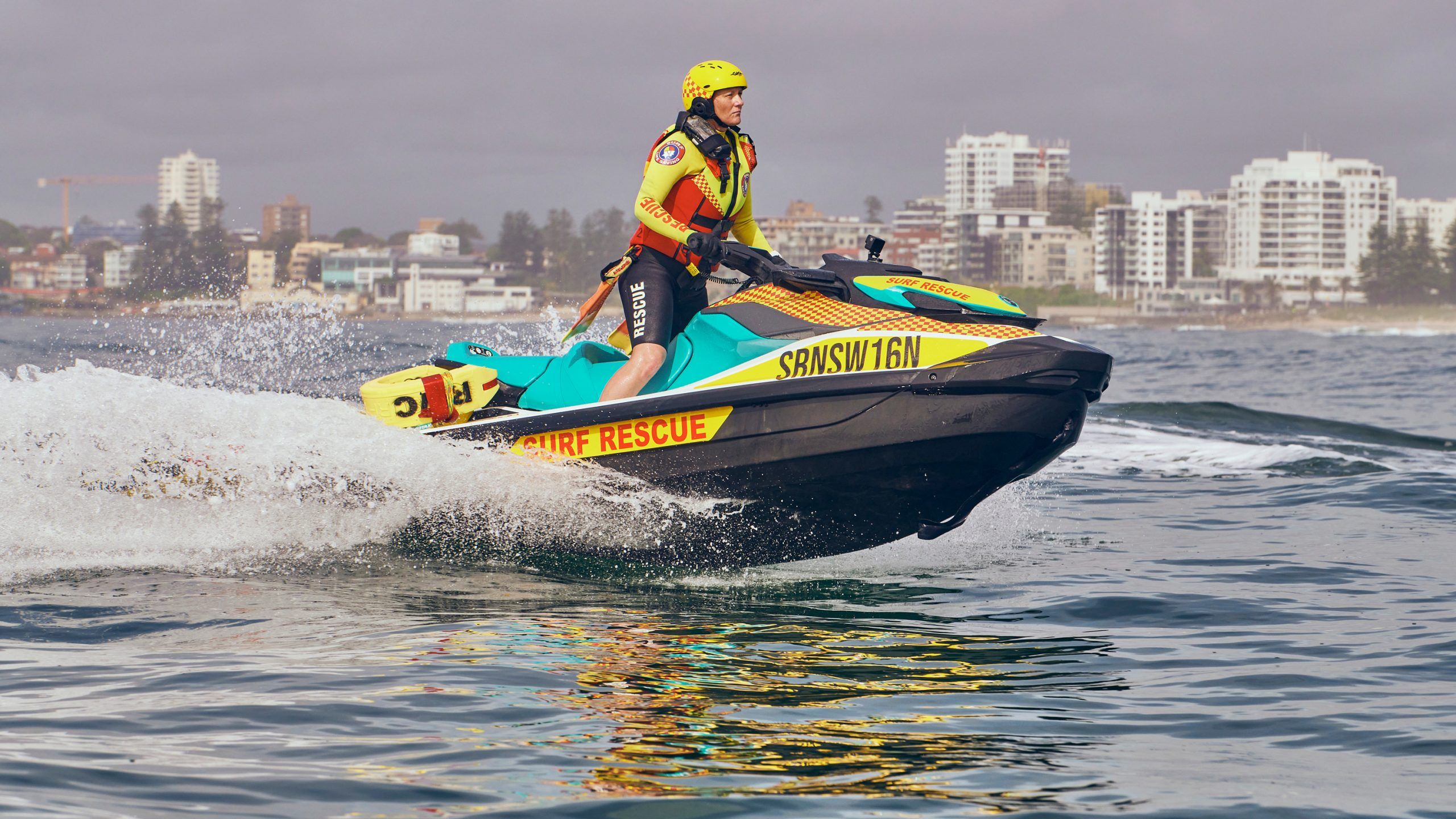
Looking to save money on a jet ski? Purchasing a salvage jet ski can be a smart choice for budget-conscious buyers. This guide will walk you through the benefits of buying a salvage jet ski, how to assess its condition, and where to find affordable replacement parts. Whether you're looking to restore a jet ski or buy parts for repairs, this article will help you make informed decisions while keeping costs low.
Why Are Jet Skis So Expensive?
Jet skis are a popular choice for water enthusiasts, offering speed, excitement, and a thrilling ride on lakes, rivers, and oceans. However, for many buyers, the high price of a new jet ski can be a major obstacle. The cost of a brand-new personal watercraft (PWC) typically ranges from $5,000 to over $20,000, depending on the model, brand, and features. This steep price often leads potential buyers to explore more affordable alternatives, such as purchasing a salvage jet ski.
What Makes Jet Skis Expensive?
Several factors contribute to the high cost of new jet skis:
- Performance and Engine Power
– Jet skis are designed to handle high speeds and rapid acceleration on the water.
– Many models are equipped with high-performance engines, some exceeding 300 horsepower, which increases manufacturing and maintenance costs.
– Advanced features like supercharged engines, electronic fuel injection (EFI), and intelligent braking systems make the ride smoother and safer but also raise the price. - Durability and Materials
– Unlike regular boats, jet skis must withstand constant exposure to water, high-speed impacts, and extreme weather conditions.
– They are made from high-quality fiberglass or composite materials, which are lightweight yet durable.
– Manufacturers invest in corrosion-resistant components to protect the jet ski from saltwater damage, further adding to production costs. - Brand Reputation and Innovation
– Leading brands like Yamaha, Sea-Doo, and Kawasaki dominate the market, and their reputation for quality allows them to set premium prices.
– Every year, manufacturers introduce new technology and features, such as improved fuel efficiency, GPS navigation, and smart braking, which increase the cost of new models.
Why Buyers Seek More Affordable Options
For many people, a jet ski is a luxury purchase rather than a necessity. While owning one can provide endless fun, the high cost often discourages buyers, especially those on a budget. Instead of paying thousands of dollars for a new model, many individuals look for used or salvage jet skis as a way to save money. A salvage jet ski, in particular, can be a great deal if repaired properly, offering nearly the same experience as a brand-new one but at a fraction of the cost.
By considering a salvage jet ski, buyers can get a high-quality watercraft at a significantly reduced price—often saving 50% or more compared to a new model. However, it's important to understand what a salvage title means and how to assess whether a particular jet ski is worth the investment.
What Is a Salvage Title for a Jet Ski?
When shopping for a budget-friendly jet ski, you may come across listings for salvage title jet skis. While the term might sound concerning at first, it doesn’t always mean the jet ski is unusable. Understanding what a salvage title is and how jet skis receive this designation can help buyers make informed decisions and save thousands of dollars on their purchase.
What Does a Salvage Title Mean?
A salvage title is issued to a jet ski when an insurance company declares it a total loss due to significant damage or other factors. This means that the cost to repair the jet ski is too high compared to its actual market value. Instead of fixing the watercraft, the insurance company pays the original owner a settlement and then auctions off the salvage jet ski to buyers, mechanics, or dealers.
How Do Insurance Companies Declare a Jet Ski a Total Loss?
Insurance companies assess damage based on the estimated repair cost versus the jet ski’s pre-accident value. A jet ski is typically labeled as a salvage vehicle if:
- The repair costs exceed 75% or more of its appraised value.
- It has suffered significant hull damage, water intrusion, or mechanical failure.
- It was stolen and later recovered but already claimed by the insurance company.
Unlike cars, jet skis are often at higher risk for accidents, floods, and mechanical wear due to their exposure to water and rough handling. Even minor damages—such as a cracked hull or a non-functioning engine—can lead insurance companies to declare them a total loss.
Can a Salvage Jet Ski Be Repaired?
Yes! A salvage title does not mean the jet ski is beyond repair. Many salvage jet skis can be restored and used again with the right repairs. Some may have cosmetic damage that doesn’t affect performance, while others may need mechanical repairs or replacement parts.
Before purchasing a salvage jet ski, it's important to:
- Assess the level of damage – Some salvage jet skis require only minor repairs, while others may have serious mechanical issues.
- Calculate repair costs – Always compare the cost of fixing the jet ski to the price of buying a new or used one.
- Inspect the engine and electrical system – A well-functioning engine is more important than minor body damage.
For buyers who know what to look for, a salvage jet ski can be an excellent deal, offering the same thrill and fun on the water for a much lower price than a brand-new model.
Is Buying a Salvage Jet Ski a Good Deal?
For many water enthusiasts, owning a jet ski is a dream—until they see the price of a new one. With brand-new models costing anywhere from $5,000 to over $20,000, finding a more affordable alternative becomes a priority. That’s where salvage jet skis come into play. Buying a salvage jet ski can be a smart way to save thousands of dollars, but it’s important to weigh the pros and cons before making a purchase.
How Can You Save Money by Buying a Salvage Jet Ski?
The biggest advantage of purchasing a salvage jet ski is the significant cost savings. Here’s how:
- Lower Initial Cost – Salvage jet skis are often sold at auctions for a fraction of the price of new or even used models. In some cases, you can get a salvage jet ski for 50% to 70% less than its original market value.
- Potential for Restoration – Many salvage jet skis have only cosmetic damage or minor mechanical issues. If you’re comfortable making repairs or have access to an affordable mechanic, you can restore a salvage jet ski for far less than the cost of buying a new one.
- Affordable Replacement Parts – Instead of purchasing expensive brand-new parts, buyers can source used or refurbished parts to fix their salvage jet ski, keeping repair costs low.
- Great for Mechanics and DIY Enthusiasts – If you enjoy working on jet skis or have experience with repairs, a salvage jet ski can be a fun and cost-effective project that saves you money while giving you a high-quality watercraft.
What to Consider Before Buying a Salvage Jet Ski
While the savings are appealing, there are a few important factors to consider before purchasing a salvage jet ski:
- Extent of Damage – Not all salvage jet skis are worth repairing. Some may have severe engine failure, extensive water damage, or a cracked hull that could be too costly to fix. Always assess the level of damage before buying.
- Repair Costs vs. Savings – Calculate the total cost of repairs and compare it to the price of a new or used jet ski. If the repair costs are too high, it may not be the best deal.
- Engine Condition Over Appearance – A salvage jet ski with a strong engine but cosmetic damage is usually a better buy than one with a perfect body but major mechanical issues. Prioritize performance over looks.
- Availability of Parts – Some jet ski models have hard-to-find replacement parts, making repairs more expensive. Before buying, check if you can source affordable parts easily.
- Resale Value – Even after repairs, a salvage jet ski will always carry the salvage title, which may lower its resale value. If you plan to sell it later, be aware that it might not fetch as high a price as a clean title jet ski.
What Should You Consider Before Buying a Salvage Jet Ski?
Buying a salvage jet ski can be a great way to save money, but it also comes with risks. Not every salvage jet ski is worth the investment, and making the wrong choice can lead to unexpected repair costs, frustration, and wasted time. To ensure you’re getting the best deal possible, it’s essential to evaluate the true cost and condition of the jet ski before making a purchase.
Why You Shouldn’t Rely on Standard Appraisal Values
One of the biggest mistakes buyers make is assuming that a salvage jet ski’s value can be determined using standard pricing guides like the Kelley Blue Book (KBB) or the NADA (National Automobile Dealers Association) guide. These resources provide estimated values for clean-title jet skis but do not accurately reflect the worth of a salvage title vehicle.
- A salvage jet ski is not valued the same way as a clean-title jet ski – Even after repairs, a salvage title remains on record, lowering the resale value.
- Insurance companies may not fully cover a salvage jet ski – Some insurers refuse to offer full coverage for salvage vehicles, which affects long-term costs.
- The true value depends on damage and repair costs – A salvage jet ski that requires expensive repairs may not be a bargain after all.
Because standard pricing guides don’t account for damage, parts availability, or repair expenses, buyers should assess each salvage jet ski individually before deciding if it’s a good deal.
Factor in Repair Costs Before Buying
A salvage jet ski might have an attractive price tag, but the real question is: how much will it cost to fix? Before making a purchase, carefully estimate the total repair costs to determine if the deal makes financial sense.
Key repair costs to consider:
- Engine Repairs – If the engine is damaged or non-functional, repair costs can quickly add up. Replacing an engine can cost several thousand dollars, sometimes making the jet ski not worth fixing.
- Hull Damage – Small cracks or scratches are easy to fix, but major structural damage can be expensive and compromise safety.
- Electrical System – Many salvage jet skis suffer water damage, which can affect the starter, battery, or fuel system. Electrical repairs can be tricky and costly.
- Parts Availability – Some jet ski brands and models have hard-to-find parts, making repairs more expensive. Always check if parts are readily available before buying.
To avoid unexpected costs, it’s wise to consult a mechanic or an experienced jet ski owner before purchasing a salvage jet ski. Getting an expert opinion can save you from buying a jet ski that requires more work than it’s worth.
How to Properly Evaluate a Salvage Jet Ski
To make sure you’re getting a good deal, follow these inspection tips before purchasing a salvage jet ski:
- Inspect the Engine First – The engine is the heart of the jet ski. If it’s not in working condition, the cost to repair or replace it could outweigh the savings.
- Check for Water Damage – If the jet ski was involved in a flood or sinking accident, water may have entered the engine, fuel system, or electronics, causing long-term issues.
- Examine the Hull for Structural Damage – Minor cosmetic damage is fine, but deep cracks or fiberglass damage can be costly to fix and affect the jet ski’s performance.
- Review the Repair History – If possible, get details on why the jet ski was declared salvage and what kind of damage it sustained.
- Estimate the Total Cost – Add the purchase price + estimated repair costs to see if the total investment is still cheaper than buying a used, clean-title jet ski.
How to Choose the Right Salvage Jet Ski?
Purchasing a salvage jet ski can be a great way to save money, but not all salvage jet skis are good deals. Some may have severe damage that makes them too expensive to repair, while others may be fixable and worth the investment. To ensure you’re making a smart choice, you need to carefully assess the condition of the jet ski, estimate repair costs, and compare them to the cost of a new or used model.
Why Engine Condition Matters More Than Body Damage
When evaluating a salvage jet ski, the engine is the most critical component. While scratches, dents, or even cracks on the body can be repaired at a relatively low cost, a damaged or non-functional engine can turn your bargain purchase into an expensive mistake.
Here’s why the engine should be your top priority:
- Engine repairs are costly – Replacing a jet ski engine can cost thousands of dollars, sometimes exceeding the cost of buying a used jet ski in working condition.
- Water damage can ruin internal components – If the jet ski was submerged or suffered water flood damage, water might have entered the engine, electrical system, and fuel system, making it difficult and expensive to repair.
- A running engine saves you time and money – If the salvage jet ski already has a working engine, you can focus on cosmetic repairs, which are usually much cheaper.
- Before buying, ask if you can test the engine. If that’s not possible, check if the auction or seller provides details on whether the jet ski starts and runs.
How to Assess Hull Damage
The hull (body) of the jet ski is another important factor to consider. While minor scratches, dents, or faded paint are common and easily fixable, severe structural damage can be a deal-breaker.
What to check for when inspecting the hull:
Cracks and fractures – Small cracks may be repairable, but large cracks or deep fiberglass damage can weaken the structure of the jet ski. This could lead to leaks or even safety hazards.
- Signs of previous repairs – Look for areas where the hull may have been patched or reinforced. Poor-quality repairs might not hold up over time.
- Hull warping or misalignment – If the hull is bent or misshapen, it could affect the jet ski’s stability and performance on the water.
- Water inside the hull – Check for trapped water inside the hull, as it could indicate leaks or water intrusion issues.
If the hull is in relatively good shape, the jet ski may be worth considering—especially if the engine is in working condition.
How to Estimate Repair Costs and Compare to the Price of a New Jet Ski
Even if a salvage jet ski is cheap, the total cost of repairs, parts, and labor may make it more expensive than simply buying a used, clean-title jet ski. That’s why it’s important to estimate repair costs before making a purchase.
Steps to estimate repair costs:
- Identify the main damages – Make a list of all necessary repairs, including engine work, hull repairs, electrical fixes, and cosmetic touch-ups.
- Research replacement part costs – Some jet ski models have expensive or hard-to-find parts, so check the availability of used or aftermarket parts.
- Get a mechanic’s opinion – If possible, consult a jet ski repair specialist to get a rough estimate of labor and parts costs.
- Calculate the total investment – Add the cost of the salvage jet ski + estimated repair costs. Compare this to the price of a used, clean-title jet ski in good condition.
If the total cost of purchasing and repairing the salvage jet ski is significantly lower than buying a used jet ski, then it’s a good deal. However, if repairs cost too much, you might be better off finding another salvage jet ski or looking for a used model instead.
Where to Find Affordable Replacement Parts for Salvage Jet Skis?
One of the biggest challenges when restoring a salvage jet ski is finding affordable replacement parts. While new parts are available from manufacturers and dealerships, they often come with high price tags, making repairs costly. Many budget-conscious buyers and mechanics turn to used or salvage parts as a more affordable alternative. In this section, we’ll explore why new parts are expensive, the benefits of salvage parts, and how BidNDrive can help buyers find cost-effective solutions.
Why Are New Replacement Parts for Jet Skis So Expensive?
If you’ve ever checked the prices for brand-new jet ski parts, you may have been surprised by how much they cost. Here’s why:
- Limited availability – Unlike car parts, which are produced in massive quantities, jet ski parts are made in smaller batches, making them less available and more expensive.
- Manufacturer pricing – Major brands like Yamaha, Sea-Doo, and Kawasaki control the supply of original parts, often charging premium prices.
- Specialized materials – Jet skis are built to withstand water exposure, high speeds, and rough conditions, requiring corrosion-resistant materials that add to the cost.
- Dealer markups – Buying parts directly from a dealership often includes additional fees and markups, increasing the final price.
For buyers looking to restore a salvage jet ski on a budget, purchasing new parts may not always be the best option. Instead, many turn to used or salvage parts as a way to save money.
Why Used or Salvage Parts Are a Smart Alternative
Rather than spending hundreds—or even thousands—of dollars on brand-new parts, many jet ski owners choose used or salvage parts. These parts often come from other damaged or non-running jet skis, but they are still functional and much cheaper.
Benefits of buying used or salvage jet ski parts:
- Significantly lower cost – Used and salvage parts can be 50% to 80% cheaper than new parts.
- Easier to find for older models – If you’re restoring an older jet ski, some parts may no longer be available from the manufacturer. Salvage parts give you access to rare or discontinued components.
- Good quality if sourced properly – Many salvage jet skis have damaged bodies but working engines, meaning you can find functional parts at a fraction of the price.
- Eco-friendly option – Reusing parts helps reduce waste and minimizes the need for new manufacturing.
While salvage parts are cheaper, it’s important to inspect them carefully and buy from reputable sources to ensure they’re in good condition.
How to Buy a Salvage Jet Ski Online with BidNDrive?
Buying a salvage jet ski can be an excellent way to save money, but searching for the right one in person at salvage yards can be time-consuming and inconvenient. Fortunately, BidNDrive simplifies the process by offering a wide selection of salvage jet skis through online auctions. With just a few clicks, buyers can browse listings, place bids, and arrange delivery—all from the comfort of home. This section will walk you through how BidNDrive saves time and effort, the step-by-step buying process, and why online auctions are a smarter alternative to traditional salvage yard searches.
Why Buy a Salvage Jet Ski Online Instead of Searching Salvage Yards?
Traditionally, buyers looking for salvage jet skis had to visit multiple salvage yards, inspect available options, and negotiate prices in person. This approach often takes days or even weeks and doesn’t guarantee you’ll find the right jet ski. Here’s why online auctions through BidNDrive are a better option:
- Saves time and effort – No need to drive from yard to yard; everything is available online.
- Access to a larger inventory – BidNDrive connects buyers to nationwide auction listings, increasing the chances of finding the perfect jet ski.
- Transparent pricing and bidding – Buyers can see starting bids, compare prices, and avoid overpriced salvage yard deals.
- Convenient delivery options – No need to pick up the jet ski yourself; BidNDrive offers affordable shipping straight to your location.
Instead of spending hours searching on foot, buyers can browse, bid, and buy from anywhere, making online purchases faster, easier, and more cost-effective.
Step-by-Step Guide to Buying a Salvage Jet Ski on BidNDrive
Step 1: Register on BidNDrive
To participate in salvage jet ski auctions, you’ll need to create an account on the BidNDrive website. Registration is quick and allows you to access a large inventory of vehicles.
Step 2: Browse Available Salvage Jet Skis
Once registered, you can search for salvage jet skis using filters such as:
- Make and model (e.g., Yamaha, Sea-Doo, Kawasaki)
- Condition (e.g., water damage, accident, theft recovery)
- Location (to estimate shipping costs)
- Price range (to stay within budget)
Each listing includes detailed photos, condition reports, and auction details, so buyers know exactly what they’re bidding on.
Step 3: Research the Jet Ski’s Condition
Before placing a bid, carefully review the listing details. Key factors to check include:
- Engine functionality – A working engine means lower repair costs.
- Hull damage – Minor cracks are repairable, but structural damage can be costly.
- Repair cost estimate – Compare the total cost (purchase + repairs) to the price of a new or used jet ski.
Step 4: Place Your Bid
Once you find the right salvage jet ski, you can place a bid during the live auction. If you win, BidNDrive will guide you through the purchase process and help you finalize the payment.
Step 5: Arrange Affordable Shipping
After purchasing your salvage jet ski, BidNDrive offers convenient and affordable shipping options. Instead of worrying about transporting the jet ski yourself, you can have it delivered directly to your location.
Step 6: Receive Your Jet Ski and Start Repairs
Once delivered, you can begin repairs and restoration, using affordable salvage parts to keep costs low. In some cases, buyers resell parts from their salvage jet skis, further maximizing savings.
Why Online Auctions with BidNDrive Are the Best Choice
Compared to traditional salvage yard shopping, buying a jet ski online through BidNDrive offers clear advantages:
- Convenience – Shop from home and avoid time-consuming yard visits.
- More choices – A larger selection means better chances of finding the perfect jet ski.
- Lower prices – Transparent auctions allow buyers to secure the best deals.
- Reliable shipping – No need to transport the jet ski yourself—BidNDrive delivers directly to you.
With BidNDrive’s easy-to-use platform, buying a salvage jet ski is simpler, faster, and more affordable than ever. Whether you’re looking for a fixer-upper to restore or a parts source for repairs, online auctions offer a hassle-free way to save money on your next purchase.
In conclusion, purchasing a salvage jet ski is a great way to save money without compromising on quality. By carefully assessing the condition and repair costs, you can find a deal that fits your budget. Ready to start? Register on BidNDrive, browse through a wide selection of salvage jet skis, place your bids, and win your next great deal—all from the comfort of your home. Don’t miss out on unbeatable prices—start today at bidndrive.com!
Are you interested in buying a vehicle from Online Auto Auctions?
With this being said – you can still export vehicles and save up a few thousand dollars with Bidndrive. We have an inventory of over 150k plus vehicles with titles you can export for you to choose from. Once you have placed your bid and won the auction a Bill of Sale document is then emailed to you as proof of purchase – after full payments have been made.
To gain access and get started on your purchase, sign up for free.