


Looking for a used car and wondering if low mileage really matters? This guide breaks down what mileage means, how it affects a car’s reliability, and when paying extra for fewer miles makes sense. You’ll learn the hidden risks of low-mileage cars, how age and maintenance play a role, and tips for finding a dependable vehicle—helping you make a smarter, budget-friendly purchase.
What Does Mileage Mean on a Car?
When people talk about a car’s mileage, they usually mean the total distance the vehicle has traveled since it was first driven. This number is recorded on the odometer, which is the little display on your dashboard showing how many miles or kilometers the car has covered. Mileage gives a quick snapshot of how much a car has been used and helps buyers understand the potential wear and tear on the vehicle.
For budget-conscious buyers shopping at online auto auctions, mileage is one of the first things to check. A car with very low mileage might look appealing, but it’s also important to consider how those miles were accumulated and whether the car has been properly maintained.
How Odometer Mileage Is Measured
An odometer keeps track of every mile or kilometer a car travels. In older cars, this was done mechanically using gears connected to the transmission. Modern vehicles use digital odometers, which track mileage electronically through sensors in the drivetrain.
While odometers are generally reliable, they can sometimes be tampered with, especially in used cars sold privately or at auctions. That’s why verifying mileage through vehicle history reports and maintenance records is important to ensure you’re not paying extra for miles that aren’t real.
Why Mileage Matters to Used Car Buyers
Mileage is a key factor in estimating a car’s condition and future reliability. In simple terms, the more a car has been driven, the more wear it has experienced—on the engine, transmission, brakes, suspension, and other parts. Low mileage can mean fewer repairs and a longer remaining lifespan, but it isn’t a guarantee.
For buyers on a budget, mileage helps prioritize which cars are likely to need fewer repairs soon. However, a well-maintained higher-mileage car can sometimes be a better deal than a low-mileage vehicle that hasn’t been cared for properly.
Typical Mileage a Car Accumulates Per Year
On average, most cars in the U.S. accumulate around 12,000 to 15,000 miles per year. Sedans and compact cars often fall within this range, while SUVs and trucks may vary depending on their use—trucks used for work might rack up more miles, while family SUVs may see fewer.
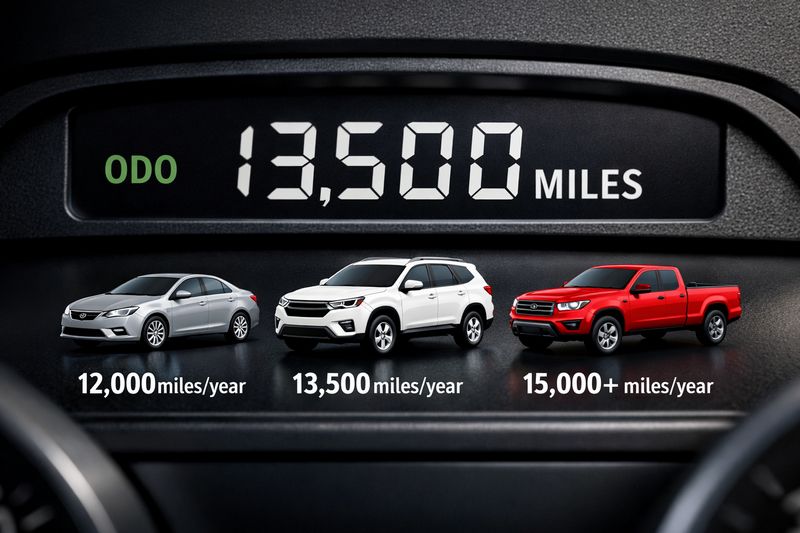
Understanding this average helps buyers identify unusual mileage. For example, a 5-year-old car with only 20,000 miles might seem great, but it could also indicate long periods of storage or mostly short trips, which can create its own maintenance issues. Conversely, a car with 80,000 miles over 5 years is slightly above average but may have benefited from regular highway driving, which is often easier on the engine than stop-and-go city trips.
What Is Considered Good Mileage for a Used Car?
When buying a used car, “good mileage” usually means the vehicle has been driven less than average for its age, indicating less wear and tear. While every car is different, there are general guidelines to help budget-conscious buyers identify which vehicles are likely to be reliable and which might need more repairs soon.
Good mileage doesn’t automatically guarantee a problem-free car, but it gives a helpful starting point for evaluating condition, especially when combined with maintenance records and overall vehicle age.
Average Mileage Expectations by Vehicle Type
Different types of vehicles tend to accumulate miles at different rates. Knowing the typical mileage for each type helps buyers spot cars that have been overused or underused.
Sedans and Compact Cars
Sedans and compact cars are often used for commuting and errands, which means they usually accumulate around 12,000 to 15,000 miles per year. For example, a 5-year-old sedan with 60,000 miles falls right within this range. A compact car with significantly fewer miles might be a low-mileage gem—or it could indicate mostly short trips, which can be harder on the engine over time.
SUVs and Crossovers
SUVs and crossovers are often family vehicles or adventure cars. They usually rack up between 12,000 and 18,000 miles per year depending on usage. A 6-year-old SUV with 80,000 miles would be considered average, while one with only 50,000 miles would be seen as low mileage and potentially more appealing—though buyers should check for long periods of inactivity, which can lead to hidden issues like rust or tire flat spots.
Pickup Trucks
Pickup trucks are a bit different. Work trucks or vehicles used for towing tend to accumulate miles faster, often 15,000 to 20,000 miles per year. A 7-year-old truck with 100,000 miles is average, while a truck with only 70,000 miles is low-mileage. However, trucks with lower mileage might not have been used regularly, which can lead to dry seals, battery issues, or other age-related problems despite the low mileage.
What Is Low Mileage for a Car
Low mileage generally means the vehicle has significantly fewer miles than the average for its age. As a rough rule of thumb:
- 10,000 miles per year or less is considered low mileage.
- Example: A 5-year-old car with 40,000 miles is a low-mileage vehicle.
Low-mileage cars often have less engine and transmission wear, better interior condition, and higher resale value. But they may also have issues from sitting too long, such as stale fluids or tires that have deteriorated from lack of use.
What Is High Mileage for a Car
High mileage usually refers to vehicles that have been driven more than the average for their age. Typically:
- 15,000–20,000 miles per year or more is considered high mileage.
- Example: A 5-year-old car with 90,000–100,000 miles would be high mileage.
High-mileage cars might show more wear and could need repairs sooner, but they aren’t automatically bad choices. A well-maintained vehicle with mostly highway miles can remain reliable for many years, offering budget buyers a solid deal compared to low-mileage cars that may come at a premium.
Check More Than Just the Odometer Before You Bid
A low odometer reading can look attractive, but smart buyers always verify how the vehicle was used, maintained, and sold before. Auto4Export helps you review auction details, history records, and total purchase costs before you commit.
- ✅ Free auction history reports
- ✅ Better insight into vehicle condition before bidding
- ✅ Support with evaluating mileage and prior sale records
- ✅ Clear pricing before purchase with no hidden add-ons
Mileage vs Age: Which Matters More?
When buying a used car, many buyers focus heavily on mileage, assuming that fewer miles automatically mean a better vehicle. While mileage is important, age is just as crucial. A low-mileage car that’s several years old may face issues caused by time rather than distance driven. Understanding the balance between mileage and age helps budget-conscious buyers make smarter choices and avoid unexpected repair costs.
Why a Car’s Age Is Just as Important as Mileage
Even if a car has only 30,000 miles on the odometer, its age can affect its reliability. Over time, rubber seals dry out, fluids degrade, and electronics can develop glitches. A 10-year-old car with low mileage might seem like a bargain, but age-related wear can create maintenance problems similar to those in higher-mileage vehicles.
For buyers on a budget, considering both mileage and age gives a clearer picture of the car’s overall condition. Sometimes a slightly higher-mileage, newer car is a safer bet than an older, low-mileage vehicle that hasn’t been used regularly.
How Age Affects Rubber Parts, Fluids, and Electronics
Time impacts components even if the car isn’t driven much:
- Rubber parts: Hoses, belts, and seals can crack or harden with age, leading to leaks or mechanical failures.
- Fluids: Oil, brake fluid, and coolant degrade over time, losing effectiveness even if the car sits idle.
- Electronics: Sensors, wiring, and onboard computers can develop corrosion or software glitches over the years.
These age-related issues can be costly to repair, meaning a low-mileage car isn’t always a maintenance-free option. Buyers should always check service records and inspect older vehicles carefully.
When a Newer Car with Higher Mileage Is the Better Choice
Sometimes, a newer car with higher mileage can be a smarter purchase than an older low-mileage car. For example:
- A 3-year-old sedan with 45,000 miles might be driven mostly on highways, keeping the engine and transmission in good shape.
- A 7-year-old sedan with 25,000 miles may have sat for long periods, causing rubber seals to dry out, tires to age, and batteries to weaken.
Advantages of Buying a Low-Mileage Used Car
Buying a low-mileage used car can offer several clear benefits, especially for budget-conscious buyers who want a reliable vehicle without spending too much on repairs. While low mileage isn’t the only factor to consider, it often signals less wear, a longer lifespan, and better overall condition. Understanding these advantages helps buyers make informed choices at online auto auctions or private sales.
Less Mechanical Wear and Tear
One of the biggest benefits of low mileage is that the car’s engine, transmission, brakes, and suspension have seen less use. Fewer miles generally mean less stress on moving parts, which reduces the likelihood of immediate mechanical issues. For example, a commuter buying a 5-year-old sedan with 40,000 miles can expect fewer worn-out components compared to the same car with 80,000 miles. This translates to lower repair costs in the short term and fewer unexpected breakdowns.
Longer Remaining Vehicle Lifespan
Low-mileage cars often have a longer remaining lifespan than higher-mileage counterparts. This means you can enjoy several more years of reliable driving before major repairs are needed. For buyers who plan to keep a car for 5–7 years, a low-mileage vehicle is usually a safer long-term investment. Even trucks and SUVs with low mileage can handle heavy-duty work or family trips for many more miles without significant mechanical issues.
Better Interior Condition
Less mileage usually also means a cleaner, better-preserved interior. Seats, carpets, and controls see less wear, keeping the cabin looking newer. For someone buying a low-budget used car, a well-maintained interior is a noticeable perk that makes daily driving more enjoyable. A low-mileage compact car or sedan will often have less fading, fewer scratches, and a fresher smell than a high-mileage equivalent.
Higher Resale Value in the Future
Low-mileage vehicles often retain their value better than high-mileage cars. When it comes time to sell or trade in, these cars can command a higher price because buyers perceive them as more reliable. For someone who wants to get the most out of their investment, choosing a low-mileage used car is a smart way to protect resale value, especially if the car is maintained properly and driven responsibly.
Long-Term Benefits of Low-Mileage Vehicles
Low-mileage vehicles aren’t just appealing at the moment of purchase—they also offer advantages that stretch over years of ownership. For budget-conscious buyers, understanding these long-term benefits can help make a used car purchase smarter, more reliable, and ultimately more cost-effective.
Potentially Lower Repair Costs
A car with fewer miles typically experiences less mechanical wear, which often translates to fewer repairs over time. Engine components, transmission systems, and suspension parts have been used less, reducing the likelihood of breakdowns. For example, a low-mileage SUV that sees mostly highway driving will likely need brake pads, belts, or fluid replacements later than a higher-mileage version. Lower repair costs mean you can keep maintenance expenses predictable—important when working with a limited budget.
More Reliable Performance
Low-mileage cars often perform more consistently than high-mileage counterparts. With fewer miles on the engine and drivetrain, the vehicle can accelerate smoothly, shift gears efficiently, and handle like a newer car. For someone relying on their car for daily commutes, family trips, or weekend errands, this reliability reduces stress and ensures the car won’t let them down when they need it most.
Better Peace of Mind for Buyers
Perhaps the most underrated benefit of low-mileage vehicles is peace of mind. When you buy a car with lower mileage, you know that the odds of hidden mechanical problems are lower, and you can focus on enjoying the car instead of worrying about immediate repairs. For budget-conscious buyers, this reassurance is invaluable—it means fewer unexpected costs, fewer trips to the mechanic, and confidence that the car will last longer.
The Hidden Risks of Buying a Low-Mileage Car
While low-mileage cars often seem like the perfect choice, they can come with hidden risks that aren’t immediately obvious from the odometer. Vehicles that have sat unused for long periods can develop problems that even careful buyers might overlook. Understanding these risks is crucial for budget-conscious buyers shopping at online auto auctions or private sales.
Fuel System Problems from Long-Term Storage
When a car sits for months or years without being driven regularly, the fuel inside the tank can degrade. Gasoline can turn stale, leaving varnish or deposits in the fuel lines, injectors, and pump. This can cause poor engine performance, hard starts, or even fuel system damage. For example, a 5-year-old car with only 10,000 miles might require a fuel system cleaning or new fuel filters before it runs reliably.
Electrical and Battery Issues
Low-mileage cars often spend extended periods idle, which can drain the battery and affect electrical systems. Corrosion on battery terminals, weakened alternators, or issues with onboard computers are common in vehicles that haven’t been driven regularly. A car may appear almost new, but starting problems or flickering electronics could indicate hidden electrical issues.
Tire Deterioration from Lack of Use
Tires also suffer when a vehicle sits for too long. Rubber can develop flat spots, cracks, or uneven wear even if the tread depth is still good. Driving on aged or deteriorated tires is unsafe, and replacing them can add unexpected costs for buyers who assumed low mileage meant everything else was in perfect condition.
Rust and Corrosion in Vehicles That Sit Too Long
Cars that are rarely driven may also develop rust or corrosion in areas that aren’t immediately visible. Moisture can build up in brake lines, wheel wells, or underbody components, leading to structural damage over time. For example, a low-mileage sedan kept in a damp garage might have rust on suspension parts or underbody panels, creating costly repairs down the line.
How Driving Habits Affect a Car’s Condition
Mileage numbers alone don’t tell the full story about a car’s condition. How those miles were accumulated plays a major role in determining wear and tear. Cars that spend most of their life on short city trips experience different stresses than vehicles used primarily for highway driving. For budget-conscious buyers, understanding driving habits can help identify cars that are truly in good shape, regardless of their odometer reading.
Short Trips vs Highway Driving
Short trips—like driving a few miles to work, school, or errands—put extra stress on a car. Engines don’t have enough time to reach optimal operating temperature, which can prevent oil from fully lubricating components. Brake systems may also wear faster due to frequent stopping and starting. On the other hand, highway driving usually involves longer, steady trips where the engine and transmission operate more efficiently.
A 5-year-old car with 40,000 mostly city miles might have more internal wear than a 5-year-old car with 60,000 mostly highway miles. For buyers at auctions, this means low mileage isn’t always better if the car was used mainly for short trips.
Why Highway Miles Are Usually Easier on a Car
Highway miles are generally less taxing on a car. Engines run at steady RPMs, brakes are used less, and transmissions experience fewer shifts compared to stop-and-go city driving. Tires and suspension also wear more evenly. Vehicles with higher highway mileage often remain reliable for longer, making them a smart choice for budget buyers looking for durability rather than just low numbers on the odometer.
Stop-and-Go Driving and Engine Wear
City traffic and frequent stops can accelerate engine and brake wear. Repeatedly starting from a stop requires more energy and causes extra stress on the starter, battery, and transmission. It can also lead to more frequent oil changes and brake replacements. Cars that have primarily seen stop-and-go driving may show hidden wear in the engine, brakes, and transmission—even if the total mileage seems low.
How Maintenance History Matters More Than Mileage
While mileage is often the first thing buyers check on a used car, it doesn’t always tell the full story. A high-mileage car that has been carefully maintained can be more reliable than a low-mileage vehicle that was neglected. For budget-conscious buyers, focusing on maintenance history can save money and prevent unexpected repairs, making it one of the most important factors to consider when purchasing a used car.
Regular Oil Changes and Fluid Maintenance
Consistent oil changes are the backbone of a car’s health. Clean oil keeps the engine lubricated and reduces wear on critical components. Other fluids—transmission fluid, brake fluid, coolant, and power steering fluid—also need regular attention. A car with a documented history of timely oil and fluid changes is often in better mechanical condition, regardless of its mileage. For example, a 7-year-old SUV with 90,000 miles but perfect fluid maintenance may run smoother and last longer than a 5-year-old car with only 40,000 miles but skipped oil changes.
Importance of Service Records
Service records are proof that the car has been properly maintained over time. They provide details about repairs, part replacements, and routine check-ups. For buyers at auctions or from private sellers, reviewing service records can reveal whether the previous owner cared for the car. A vehicle with a complete service history is easier to trust, even if it has higher mileage. Missing or incomplete records, on the other hand, can be a red flag, especially for older cars.
Signs of a Well-Maintained Vehicle
Beyond paperwork, there are visible signs that a car has been well cared for:
- Smooth engine operation without unusual noises
- Even tire wear and proper tire pressure
- Clean, well-maintained interior and exterior
- Functioning brakes, lights, and electronics
A well-maintained vehicle often shows fewer hidden problems and can remain reliable for years, regardless of mileage. For budget-conscious buyers, prioritizing maintenance history over just low miles is a smart strategy that helps avoid costly surprises.
Compare Mileage, History, and Total Cost in One Place
The best deal is not always the car with the fewest miles. With Auto4Export, you can compare auction vehicles using mileage, previous sale history, visible damage, and estimated transport and export costs — so you can choose the lot that truly fits your budget.
- ✅ Cost estimation tools on each lot page
- ✅ Help comparing mileage with real vehicle history
- ✅ Shipping and export cost visibility before you buy
- ✅ Assistance choosing better-value auction vehicles
Car Depreciation: Mileage vs Age
When buying a used car, understanding how depreciation works can help budget-conscious buyers make smarter decisions. Depreciation is the loss of a car’s value over time, and both mileage and age play key roles. While low-mileage cars often hold their value better, a car’s age can also have a significant impact on resale price. Knowing how each factor contributes to depreciation can help buyers evaluate whether a vehicle is fairly priced.
How Mileage Impacts Resale Value
Mileage is one of the most visible indicators of wear and tear for used cars. Cars with lower miles are generally more attractive to buyers because they are perceived as less worn and more reliable. A car with 30,000 miles will usually sell for more than the same model with 80,000 miles, even if both are the same age. Low-mileage cars often have higher resale value because buyers anticipate fewer repairs and longer remaining lifespan.
How Age Affects Vehicle Depreciation
A car’s age also has a major influence on its value. Even if a car has very low mileage, years of use can cause rubber parts to dry out, fluids to degrade, and electronics to wear. Older cars lose value over time simply because they are no longer “new,” and buyers expect some level of maintenance or replacement parts. For example, a 10-year-old car with 50,000 miles may be worth less than a 5-year-old car with 80,000 miles because age-related factors affect long-term reliability.
Calculating Mileage-Based Depreciation
Mileage-based depreciation looks at how many miles a car has traveled relative to the average for its age. Cars that exceed typical annual mileage—around 12,000–15,000 miles per year—may lose value faster. Conversely, cars with below-average mileage are often worth more than average-priced vehicles of the same age. Buyers can use this calculation to estimate how much a car’s odometer reading affects its current market price.
Calculating Time-Based Depreciation
Time-based depreciation focuses on the vehicle’s age rather than how far it has traveled. A car loses value each year simply due to aging, even if mileage is low. For example, a three-year-old car may lose 20–25% of its original value in the first few years, and depreciation continues steadily afterward. Budget-conscious buyers should weigh both age and mileage to determine whether the asking price fairly reflects the car’s remaining life and condition.
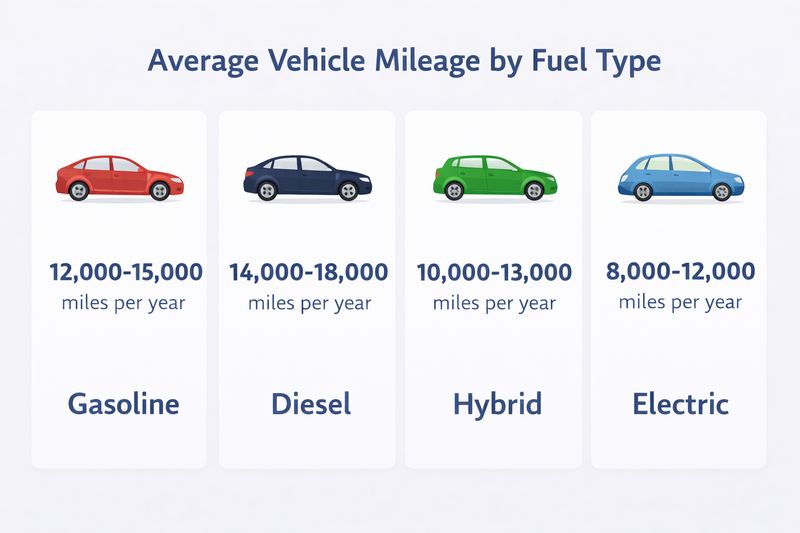
Average Vehicle Mileage by Fuel Type
Mileage expectations can vary depending on the type of fuel a car uses. Different powertrains have unique wear patterns, driving habits, and maintenance needs, which influence how quickly they accumulate miles and how long they last. For budget-conscious buyers, understanding average mileage by fuel type helps identify vehicles that offer the best reliability and value.
Gasoline Vehicles
Gasoline-powered cars are the most common type of vehicle and typically accumulate around 12,000–15,000 miles per year. They are widely available, affordable to maintain, and offer a balance between performance and economy. While gasoline engines are generally durable, frequent city driving and short trips can increase wear on components like the engine, transmission, and brakes. A well-maintained gasoline car with slightly higher mileage can still provide excellent reliability.
Diesel Vehicles
Diesel vehicles often last longer than gasoline cars and are known for their strong engines and higher torque, making them popular for trucks and SUVs. Diesel engines can accumulate 15,000–20,000 miles per year because they are frequently used for long-haul driving and heavy-duty work. High-mileage diesel vehicles are not necessarily a concern if they have a solid maintenance history, including regular oil changes and fuel system care. Budget buyers looking for trucks or work vehicles can find diesel cars that remain reliable even at higher mileage.
Hybrid Vehicles
Hybrids combine gasoline engines with electric motors to improve fuel efficiency. They tend to accumulate mileage at similar rates to gasoline vehicles, roughly 12,000–15,000 miles per year. Because hybrids rely on battery systems and regenerative braking, their components can have different wear patterns. A low-mileage hybrid may offer great fuel savings, but buyers should check the condition and warranty of the battery pack, as replacement can be costly.
Electric Vehicles
Electric vehicles (EVs) use only battery power, which changes how mileage affects wear. EVs often accumulate miles more slowly if used mainly for city driving, and their motors have fewer moving parts than traditional engines. Typical mileage may range from 10,000–15,000 miles per year, but battery health becomes a key factor in evaluating value. Budget-conscious buyers should consider the state of the battery, as degradation over time can impact range and resale value, even if the odometer shows low mileage.
Is Low Mileage Always Worth the Higher Price?
Low-mileage cars often catch the eye of buyers because they seem like a safer investment. However, a lower odometer reading usually comes with a higher price tag, and it isn’t always the smartest choice. For budget-conscious buyers, it’s important to weigh whether paying extra for fewer miles really delivers better long-term value.
Why Low-Mileage Cars Often Cost More
Cars with low mileage are generally priced higher because buyers assume less wear and longer lifespan. Dealers and private sellers know that a 5-year-old car with 30,000 miles is more appealing than the same model with 80,000 miles. This perceived reliability can add thousands of dollars to the asking price. While low-mileage cars often require fewer immediate repairs, the premium may not always be justified if the car has been sitting unused or hasn’t been properly maintained.
When Paying Extra for Low Mileage Makes Sense
Paying more for low mileage can make sense in certain situations:
- High-demand vehicles: Popular models or luxury cars often retain value better when mileage is low.
- Long-term ownership: If you plan to keep the car for many years, fewer miles can mean longer life and lower maintenance costs over time.
- Well-maintained vehicles: A low-mileage car with complete service records is likely to be more reliable and safer.
For example, a 3-year-old sedan with 25,000 miles might cost a bit more than one with 50,000 miles, but the low-mileage car may remain trouble-free for several more years, justifying the extra cost.
When a Higher-Mileage Car Can Be the Better Deal
Sometimes, a higher-mileage car offers better value than a low-mileage one:
- Highway-driven vehicles: A car with higher highway miles may have experienced less engine stress than a low-mileage car used for short trips.
- Well-maintained higher-mileage cars: If a vehicle has a solid maintenance history, it can be just as reliable as a low-mileage car but at a lower purchase price.
- Avoiding storage-related issues: Low-mileage cars that have sat idle for long periods may face problems with tires, fluids, or batteries that make them more costly to maintain.
Comparing Low-Mileage and High-Mileage Used Cars
When buying a used car, both low-mileage and high-mileage vehicles have their advantages and drawbacks. Understanding these differences helps budget-conscious buyers make smart decisions, avoid surprises, and find a car that delivers the best long-term value.
Pros and Cons of Low-Mileage Vehicles
Pros:
- Less wear and tear: Fewer miles usually mean the engine, transmission, and suspension are in better shape.
- Longer remaining lifespan: Low-mileage cars often last several more years with fewer repairs.
- Better interior condition: Seats, carpets, and controls tend to look newer and less worn.
- Higher resale value: Low-mileage cars are attractive to future buyers, which can make selling easier.
Cons:
- Higher price: Low-mileage cars often come at a premium, which may stretch a tight budget.
- Potential storage issues: Cars that sit unused for long periods may develop fuel system problems, battery drain, or tire flat spots.
- Not always driven optimally: Short, infrequent trips can cause engine and brake wear even at low mileage.
Pros and Cons of High-Mileage Vehicles
Pros:
- Lower purchase price: High-mileage cars are often significantly cheaper than low-mileage equivalents.
- Well-used and tested: Vehicles with mostly highway miles may have experienced less stress on the engine than low-mileage city cars.
- Maintenance history matters more: A high-mileage car with regular service can still be very reliable.
Cons:
- More wear and tear: Components like the transmission, brakes, and suspension may need repairs sooner.
- Shorter remaining lifespan: High-mileage cars may require more maintenance or part replacements in the near future.
- Lower resale value: Selling the car later may bring in less money because buyers often prioritize mileage.
Which Option Is Better for Budget Buyers
For budget-conscious buyers, the choice depends on priorities:
- If your goal is long-term reliability and fewer immediate repairs, a low-mileage car with proper maintenance may be worth the extra cost.
- If your goal is getting a functional car at the lowest purchase price and you’re willing to handle maintenance as needed, a high-mileage vehicle with a solid service history can offer excellent value.
Best Used Cars That Stay Reliable Even With Higher Mileage
Not all high-mileage cars are risky purchases. Some vehicles are built to last and remain dependable well past the typical mileage benchmarks. For budget-conscious buyers, choosing models known for durability can make a higher-mileage car a smart, cost-effective option. Regular maintenance and proper care are still essential, but certain vehicles have reputations for longevity that make them worth considering even if the odometer reads higher numbers.
Sedans Known for Longevity
Some sedans are famous for their ability to stay reliable past 200,000 miles when properly maintained. Models like the Toyota Camry, Honda Accord, and Mazda6 are examples of cars that handle high mileage without frequent breakdowns. These cars often have durable engines and transmissions, simple mechanical designs, and a history of dependable performance. For buyers who need an affordable daily driver, a high-mileage sedan from these models can offer many more years of use at a lower purchase price than a low-mileage car from a less reliable brand.
SUVs and Crossovers with Long Lifespans
Certain SUVs and crossovers are also built to handle higher mileage, making them excellent choices for buyers who need space and reliability. Vehicles like the Toyota RAV4, Honda CR-V, and Subaru Outback are known for strong engines, solid drivetrains, and durable suspensions that can withstand heavy use. Even with over 150,000 miles, these SUVs often remain functional and safe, provided the previous owner kept up with maintenance. For families or outdoor enthusiasts, these high-mileage SUVs can deliver reliable performance at a fraction of the cost of a low-mileage model.
Trucks That Handle High Mileage Well
Pickup trucks are designed for heavy use, and some models thrive even with high mileage. The Ford F-150, Toyota Tacoma, and Chevrolet Silverado are known for their robust engines and long-lasting transmissions. Trucks used for highway driving or moderate hauling can stay reliable for many years beyond 150,000 miles. Budget-conscious buyers looking for a work vehicle or a versatile truck can often find high-mileage models that remain dependable, offering excellent value compared to newer, low-mileage trucks that cost significantly more.
How to Verify Mileage on a Used Car
Verifying a car’s mileage is a crucial step when buying used, especially for budget-conscious buyers who want to avoid overpaying for a low-mileage vehicle that isn’t genuine. Mileage affects reliability, resale value, and future maintenance costs, so taking the time to confirm the odometer reading can save money and prevent surprises.
Checking the Odometer for Tampering
The first step is to inspect the odometer itself. Look for signs of tampering, such as misaligned numbers, scratches around the display, or loose dashboard panels. Mechanical odometers on older cars can sometimes be rolled back, while digital odometers can be hacked using specialized tools. If anything looks unusual, it’s a red flag. Always cross-check the odometer reading with other evidence, like service records and inspection reports, before committing to a purchase.
Reviewing Vehicle History Reports
Vehicle history reports, like those from Carfax or AutoCheck, provide a record of the car’s mileage over time. These reports include odometer readings recorded during inspections, title transfers, and maintenance visits. Comparing these historical readings can reveal inconsistencies that may indicate tampering. For example, if a 7-year-old car shows 50,000 miles on the report but 35,000 on the odometer, that discrepancy needs further investigation before buying.
Comparing Mileage With Service Records
Service records are another reliable way to verify mileage. Each oil change, tire rotation, or major repair usually notes the odometer reading at the time of service. Comparing these entries with the current odometer can confirm whether the mileage is accurate. A car with consistent service records that match the odometer reading is much less likely to have hidden issues or fraudulent mileage.
What to Inspect When Buying a Low-Mileage Used Car
Low-mileage cars often appear ideal, but years of little use can create hidden issues that aren’t obvious at first glance. For budget-conscious buyers, a thorough inspection is essential to ensure the vehicle’s condition matches its odometer reading. Paying attention to specific components can prevent costly repairs and give confidence that the car is a good investment.
Condition of Rubber Components and Seals
Rubber parts, such as hoses, belts, and seals, degrade over time even if the car hasn’t been driven much. Cracked or hardened rubber can lead to leaks, engine problems, or overheating. Inspect under the hood for brittle hoses and worn belts, and check door and window seals for signs of cracking. Ensuring these components are in good condition helps avoid expensive repairs in the near future.
Battery and Electrical System Health
A car that has sat for long periods may experience battery drain or electrical issues. Test the battery’s charge and check connections for corrosion. Inspect lights, wipers, infotainment systems, and dashboard electronics to ensure everything functions correctly. Low-mileage vehicles that haven’t been driven regularly can suffer from weakened batteries or wiring problems, which may require replacement sooner than expected.
Tire Age and Condition
Even with low mileage, tires can deteriorate over time. Look for cracks, flat spots, or uneven wear on all tires, and check the manufacturing date on the sidewall. Tires older than 5–6 years may need replacement regardless of tread depth, as rubber hardens and loses traction. Replacing tires can be a significant cost, so this inspection helps budget buyers plan ahead.
Brake System and Fluids
Brakes on a low-mileage car may show surface rust on rotors or reduced performance due to infrequent use. Check pads, rotors, and brake lines for corrosion or wear. Additionally, inspect fluids like brake fluid, coolant, and oil, which can degrade over time even if the car hasn’t been driven much. Ensuring the braking system and fluids are in good condition is crucial for safety and long-term reliability.
Tips for Buying a Low-Mileage Car at Auto Auctions
Buying a low-mileage car at an auto auction can be a smart way to get a reliable vehicle at a lower price. However, auctions often move quickly, and cars with attractive low mileage may hide issues caused by long periods of inactivity. Budget-conscious buyers need to approach auctions carefully, using strategies that help evaluate vehicles thoroughly and avoid costly mistakes.
How to Evaluate Auction Listings
Start by carefully reviewing auction listings for details on mileage, vehicle condition, and maintenance history. Look for photos of the interior, exterior, and engine bay to spot potential issues. Pay attention to notes about damage, mechanical problems, or missing records. Listings that provide service histories or inspection reports are more reliable. Additionally, check the auction type—salvage, repo, or clean title—to understand what level of risk is involved and whether repairs may be needed after purchase.
Identifying Vehicles That Sat for Long Periods
Low-mileage cars that haven’t been driven regularly can develop hidden problems. Look for clues that indicate long periods of inactivity, such as:
- Tires showing flat spots or dry rot
- Rust on brake rotors or underbody components
- Faded or cracked rubber seals
- Weak batteries or electrical issues
Vehicles that sat unused may require immediate maintenance to restore reliability, so spotting these signs beforehand helps buyers avoid unexpected costs.
Estimating Repair and Maintenance Costs
Before bidding, budget-conscious buyers should estimate potential repair and maintenance expenses. Consider costs for replacing tires, batteries, fluids, brake components, and belts, which often degrade with age rather than mileage. Factor in any known mechanical issues noted in the listing or visible in photos. By calculating these potential expenses in advance, you can set a maximum bid that ensures the car remains an affordable purchase rather than turning into a money pit.
How to Maintain a Low-Mileage Car Properly
Owning a low-mileage car doesn’t guarantee trouble-free performance. Vehicles that sit for long periods can develop age-related issues even if the odometer shows very few miles. For budget-conscious buyers, proper maintenance ensures that a low-mileage car remains reliable, safe, and retains its value over time.
Follow Time-Based Maintenance Intervals
Even if your car hasn’t reached the recommended mileage, time-based maintenance is crucial. Components like engine oil, brake fluid, coolant, and transmission fluid degrade over time, reducing effectiveness and increasing wear. Follow the manufacturer’s suggested service intervals for time, not just mileage. For example, an oil change every six months may be necessary even if the car has only been driven 2,000 miles. Adhering to these intervals helps prevent corrosion, sludge buildup, and premature wear.
Drive the Vehicle Regularly
Cars are meant to be driven. Regular use keeps the engine, transmission, brakes, and tires in good condition. Take your low-mileage car on longer drives at least once a week or every two weeks to reach normal operating temperatures. This prevents battery drain, fluid stagnation, and tire flat spots. Even short trips aren’t enough; steady driving on highways or local roads ensures lubrication and proper functioning of all mechanical systems.
Replace Aging Parts Even if Mileage Is Low
Some parts wear out with age, not mileage. Rubber belts and hoses can crack, tires can harden, and batteries can lose capacity. Inspect these components regularly and replace them as needed. Even low-mileage vehicles require attention to these age-related wear items to maintain safety and reliability. For example, replacing a 5-year-old battery or worn rubber belts can prevent costly breakdowns down the road.
Final Verdict: Is Low Mileage Always Good?
Low mileage is often seen as a sign of a “better” used car, but it isn’t the only factor that determines reliability, longevity, or value. While a low-mileage vehicle can offer advantages like less mechanical wear, a cleaner interior, and higher resale value, it can also hide risks associated with long periods of inactivity, such as battery issues, tire deterioration, or degraded fluids.
The real key to a smart purchase is looking beyond the odometer. Maintenance history, driving habits, vehicle age, and condition all play a critical role in determining whether a car will remain reliable. A well-maintained higher-mileage car that was primarily driven on highways may be more dependable than a low-mileage car that spent years sitting idle.
For budget-conscious buyers, the best approach is to balance mileage with thorough inspections, service records, and knowledge of the car’s history. Low mileage is valuable, but only when combined with proper care and attention to age-related wear. In other words, don’t buy a car solely because the numbers look low—buy it because it’s genuinely in good condition and offers long-term reliability at a price that fits your budget.
Find Auction Cars With the Right Mileage and the Right Value
Low mileage can be a benefit, but only when the full vehicle history, condition, and ownership costs make sense. Browse Auto4Export listings, review free auction history reports, and bid with more confidence on cars that match your budget and goals.
- ✅ Access to a large selection of auction vehicles
- ✅ Free auction history reports on available lots
- ✅ Transparent pricing before bidding or buying
- ✅ Support with purchase, shipping, and export process
Further Reading:
Top 10 Used Cars You Can Buy for Under $3,000 in 2026
How to Get a Pre-Purchase Inspection When Buying a Used Car
Unlock Savings: Why You Need a Vehicle History Report Before Buying
What to do After Buying a Used Car from an Auction in Houston
Frequently Asked Questions
- Is it better to have low mileage?
- What mileage is too low for a car?
- Is it worth getting a low mileage car?
- Is low mileage a red flag?