


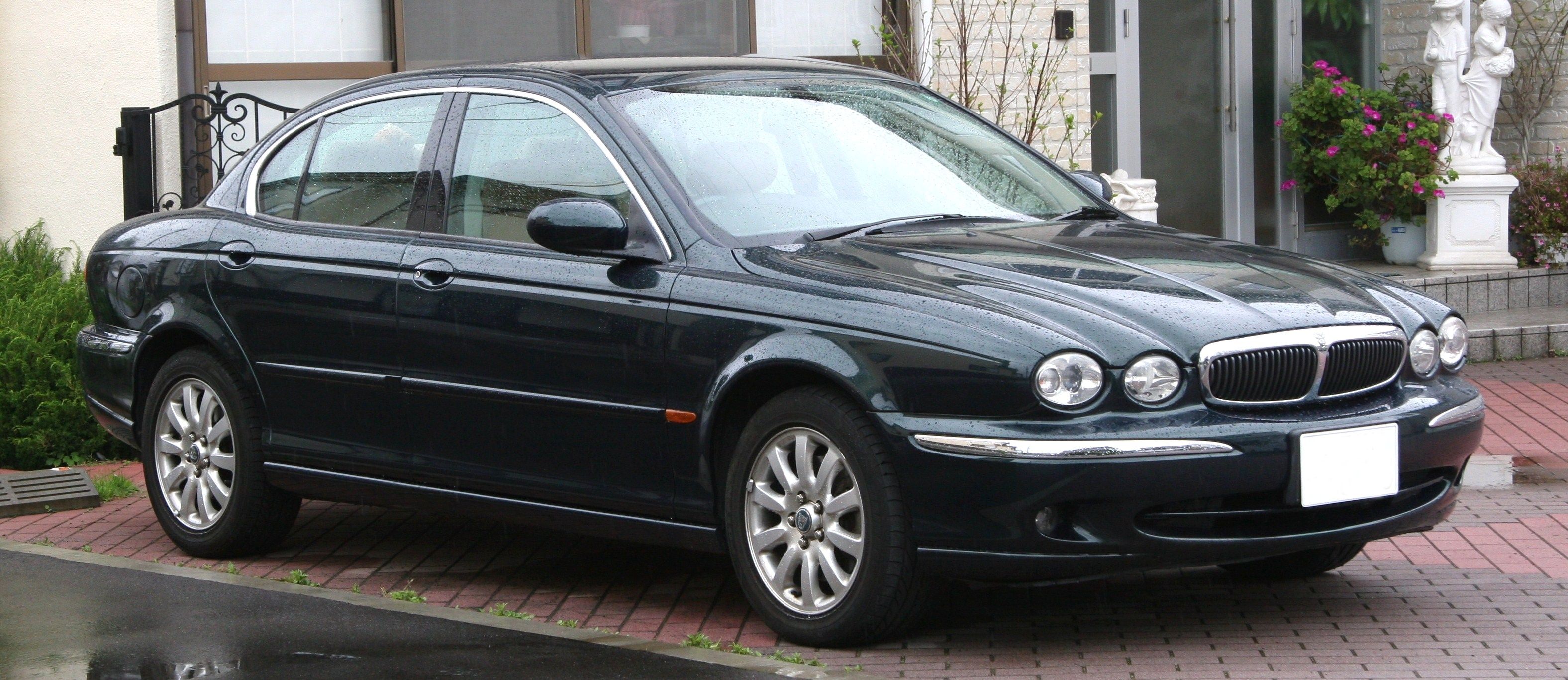
Looking for an affordable way to own a luxury sedan? The Jaguar X-Type series offers a perfect mix of elegance, performance, and value. In this guide, we’ll explore its history, unique features, and why it stands out in the entry-level luxury market. Whether you’re a first-time buyer or a car enthusiast, learn how to find a great deal on this stylish sedan through salvage auctions like BidNDrive. Save smart and drive luxury!
What Made the Early 2000s a Challenging Time for the Auto Industry?
The early 2000s marked a period of transformation and challenges for the automotive industry, particularly in the luxury car segment. Economic shifts, changing consumer preferences, and increased competition from global brands created a tough environment for manufacturers. For luxury car makers, the challenge was twofold: maintaining their premium image while also expanding their customer base in a rapidly evolving market.
Economic Uncertainty and Consumer Preferences
The turn of the millennium was accompanied by economic uncertainties that influenced consumer behavior. Many buyers began prioritizing value for money, even when shopping for luxury vehicles. They wanted the prestige of a high-end brand but at a price point that didn’t break the bank. This created a dilemma for luxury car manufacturers: how to offer affordability without diluting their brand’s exclusive appeal.
Growing Competition in the Luxury Market
During this time, German and Japanese automakers dominated the entry-level luxury segment. Brands like BMW, Mercedes-Benz, and Lexus had already established themselves with vehicles that were compact, stylish, and relatively accessible. These cars were not only attractive to first-time luxury car buyers but also set the standard for quality and innovation. For other manufacturers, competing in this saturated market required creativity and bold strategies.
Innovation as the Key to Survival
Luxury car makers realized that they needed to innovate to capture and retain market share. Offering unique features, improving fuel efficiency, and enhancing performance became the focus of many new models. The goal was to deliver an experience that felt luxurious while being practical and affordable.
Jaguar, under the ownership of Ford, decided to take a bold step. Recognizing that entering the entry-level luxury market could significantly boost sales in the U.S., Ford devised a strategy to launch the Jaguar X-Type. This new model was aimed at customers who aspired to own a luxury car but were limited by budget. It was a calculated risk in a fiercely competitive market, but it showed the lengths manufacturers were willing to go to adapt to changing times.
Why Did Ford Decide to Create an Entry-Level Jaguar Sedan?
In the early 2000s, Jaguar was a brand synonymous with luxury, elegance, and exclusivity. However, it faced a critical challenge: limited market share in the United States. While Jaguar’s high-end vehicles were admired for their craftsmanship and performance, their price tags kept them out of reach for many aspiring luxury car owners. This exclusivity, while a strength, also posed a limitation for growth.
The Market Opportunity
Ford, Jaguar’s parent company at the time, saw a unique opportunity in the entry-level luxury sedan market. They recognized that many buyers were eager to step into the world of luxury cars but were constrained by budgets. Competitors like BMW, Mercedes-Benz, and Lexus had already made strides in this segment with compact sedans that combined premium features with accessible pricing. To compete, Jaguar needed a vehicle that could offer a similar balance of luxury and affordability, appealing to a broader audience.
The $30,000–$40,000 Price Range Strategy
Ford identified the $30,000–$40,000 price range as the sweet spot for attracting first-time luxury car buyers. This range was competitive enough to lure customers away from other brands yet profitable enough to justify investment. However, creating a new model from scratch in this segment posed a significant financial risk. Building a car entirely from the ground up could cost millions of dollars, a risk that Ford and Jaguar were unwilling to take given the uncertain market conditions.
Reusing the Ford Mondeo Platform
To keep development costs manageable, Ford turned to an innovative solution: using the platform of the Ford Mondeo. The Mondeo was a reliable, well-engineered midsize car already in production, making it a cost-effective foundation for Jaguar’s new sedan. By leveraging this existing platform, Ford saved time and resources that would have otherwise been spent on developing a car from scratch.
However, Ford didn’t simply rebadge the Mondeo as a Jaguar. The team meticulously integrated design elements and features that embodied Jaguar’s sporty and luxurious image. From the sleek exterior to the refined interior, every detail was tailored to ensure the new model would resonate with Jaguar’s brand identity. Advanced features like all-wheel drive, which was uncommon in the segment, were included to set the car apart from competitors.
A Smart Compromise
This approach allowed Ford to balance cost-efficiency with brand integrity. By mixing and matching features from the Ford Mondeo with Jaguar’s distinct styling and performance characteristics, they created a vehicle that felt premium yet remained within an attainable price range. The resulting model, the Jaguar X-Type, was positioned as an entry-level luxury sedan that invited new buyers into the Jaguar family.
Ford’s decision to create an entry-level Jaguar sedan wasn’t just a response to market demand; it was a strategic move to redefine the brand’s reach. The X-Type represented a calculated risk and a clever use of resources, demonstrating how automakers can adapt to market challenges without sacrificing their identity.
How Did the Jaguar X-Type Redefine Entry-Level Luxury Cars?
When the Jaguar X-Type debuted in 2001, it entered a highly competitive segment dominated by German and Japanese automakers. Brands like BMW, Mercedes-Benz, Audi, and Lexus had already established their presence with compact luxury sedans. Yet, Jaguar managed to carve a niche for the X-Type by blending innovation, performance, and its signature elegance, redefining what buyers could expect from an entry-level luxury car.
A Standard All-Wheel Drive: A Game-Changer
One of the standout features of the Jaguar X-Type was its standard all-wheel drive (AWD). At a time when rear-wheel drive (RWD) was the norm in the luxury sedan market, this was a bold and innovative move. AWD offered better traction and stability, particularly in adverse weather conditions like rain or snow. This made the X-Type not only a stylish option but also a practical one for buyers living in regions with challenging climates.
Unlike its competitors, who often charged extra for AWD or limited it to higher-end trims, Jaguar included it as a standard feature. This decision set the X-Type apart, offering an added layer of value that appealed to a broader audience, including drivers who prioritized safety and performance.
A Compact Yet Luxurious Design
The X-Type was designed to be compact without compromising on the luxury experience. From its sleek exterior lines to its well-appointed interior, the car embodied the sophistication associated with Jaguar. Premium materials, attention to detail, and a focus on driver comfort made it a compelling choice for those looking for an entry point into the world of luxury cars.
Competing with German and Japanese Rivals
In the early 2000s, the BMW 3 Series, Mercedes-Benz C-Class, Audi A4, and Lexus IS were the dominant players in the entry-level luxury sedan market. These vehicles were renowned for their engineering, reliability, and brand prestige. However, Jaguar managed to differentiate the X-Type in several key ways:
- Driving Experience: The X-Type offered a balanced driving experience that combined Jaguar’s sporty heritage with the practicality of AWD.
- Pricing: Positioned in the $30,000–$40,000 range, the X-Type was competitively priced against its rivals, providing similar or superior features without stretching buyers’ budgets.
- Distinctive Style: While competitors leaned toward modern minimalism, Jaguar stayed true to its classic British styling, appealing to those seeking a more traditional luxury aesthetic.
An Entry-Level Luxury Sedan with Aspirations
Beyond its tangible features, the X-Type redefined the entry-level luxury segment by making Jaguar’s esteemed brand accessible to a new generation of buyers. For many, owning a Jaguar had always been a distant dream. The X-Type turned that dream into a reality, offering the prestige of the brand at a price point that first-time luxury car buyers could afford.
The Legacy of the X-Type
Though its production ended in 2008, the X-Type’s influence on the entry-level luxury market remains significant. It challenged established norms, introduced innovative features, and proved that luxury could be both accessible and practical. For buyers today, particularly those shopping at salvage auctions, the X-Type represents a unique opportunity to own a piece of Jaguar history that still stands out in its segment.
Was the Jaguar X-Type a Success?
The launch of the Jaguar X-Type in 2001 marked a pivotal moment for the brand. Aimed at the entry-level luxury sedan market, the X-Type was designed to expand Jaguar’s customer base and boost overall sales. But was it a success? The answer lies in understanding its immediate impact and the challenges it faced in a competitive market.
Impressive Initial Sales Performance
The X-Type made a strong debut in 2002, its first full year on the market. Jaguar sold more than 33,000 units of the X-Type in the U.S. alone, contributing to a total sales figure of over 61,000 vehicles for the brand that year. This means the X-Type accounted for more than half of Jaguar’s U.S. sales, a remarkable achievement for a single model.
These numbers demonstrated that Jaguar’s strategy to enter the entry-level luxury segment was initially successful. The X-Type introduced the brand to a wider audience, particularly first-time luxury car buyers who were drawn to its relatively affordable price point and premium features.
The Challenges of a Competitive Market
Despite its strong start, the X-Type faced stiff competition from well-established rivals like the BMW 3 Series, Mercedes-Benz C-Class, Audi A4, and Lexus IS. These competitors had not only dominated the entry-level luxury market for years but also continued to evolve with cutting-edge features, refined performance, and consistent branding.
While the X-Type offered standard all-wheel drive and classic Jaguar styling, it struggled to maintain the same level of innovation and appeal as its rivals over time. Additionally, some critics pointed out that the X-Type’s reliance on the Ford Mondeo platform diluted its luxury appeal, a perception that was hard to shake in a market where brand prestige is paramount.
Declining Sales and Discontinuation
As competition in the segment intensified, the X-Type’s sales began to decline. Buyers had more options than ever, and many gravitated toward newer models from competing brands that offered updated designs, advanced technology, and greater brand recognition.
By 2008, the X-Type was discontinued due to falling sales and shifting market priorities. Jaguar decided to refocus its efforts on more profitable and upscale models, leaving the entry-level luxury sedan segment behind. While the X-Type succeeded in boosting Jaguar’s sales during its early years, its inability to sustain momentum ultimately led to its discontinuation.
A Mixed Legacy
Was the Jaguar X-Type a success? The answer is nuanced. In its early years, the X-Type achieved what it set out to do: expand Jaguar’s market share and attract new customers. However, the pressures of a competitive market and the challenges of maintaining long-term appeal tempered its success.
Why Should You Consider Buying a Salvage Jaguar X-Type?
If you’re searching for an affordable way to experience luxury or have a specific automotive project in mind, a salvage Jaguar X-Type could be the perfect fit. Whether you’re a car enthusiast, a mechanic, or simply someone looking for a budget-friendly option, this sedan offers plenty of opportunities to meet your needs without breaking the bank.
Affordable Luxury for Budget-Conscious Buyers
The Jaguar X-Type represents the ideal blend of luxury and affordability. Salvage vehicles are often available at a fraction of the cost of similar used cars in the market. For those who admire Jaguar’s signature style and engineering but find new or certified pre-owned models too expensive, a salvage X-Type allows you to own a piece of Jaguar history without exceeding your budget.
Practical Use Cases for a Salvage Jaguar X-Type
A salvage X-Type isn’t just an affordable option—it’s also versatile. Here are some of the practical ways you could use this vehicle:
- Restoration Project: If you enjoy restoring classic cars, a Jaguar X-Type is a rewarding project car. With its iconic design and unique features, bringing an X-Type back to life can be a satisfying endeavor for car enthusiasts.
- Spare Parts Source: Salvage cars are often purchased for their parts. The X-Type’s components—like its engine, transmission, and AWD system—can be valuable for repairs or replacements in other vehicles. Mechanics and spare part dealers will find this model particularly useful for maintaining similar cars.
- Weekend Vehicle: For those who want a stylish second car for leisure, a salvage X-Type can be an excellent choice. Its luxurious interior and smooth ride make it perfect for weekend drives, adding a touch of sophistication to your downtime without a hefty price tag.
The Value of a Jaguar X-Type at Online Salvage Auctions
Online salvage auctions offer a convenient way to find a Jaguar X-Type that fits your needs. Sites like BidNDrive allow buyers to browse through a variety of options, from lightly damaged vehicles to those with clean titles. You can bid on cars from the comfort of your home and find a deal that aligns with your budget and preferences.
Things to Consider Before Buying
While a salvage X-Type can be a great investment, it’s important to approach the purchase wisely:
- Understand the Damage: Carefully review the car’s condition report and photos provided by the auction site to understand the extent of the damage.
- Check Repair Costs: Factor in potential repair costs to ensure the total expense fits your budget.
- Verify the Title: Some salvage X-Types may have clean titles, while others may require additional steps to make them roadworthy.
How Can You Buy a Jaguar X-Type at a Salvage Auction?
Buying a Jaguar X-Type at a salvage auction can be an exciting and cost-effective way to own a luxury sedan without paying the hefty price of a brand-new car. Thanks to reputable online platforms like BidNDrive, the process is simpler than ever. Whether you’re a first-time buyer or an experienced car enthusiast, knowing how to navigate the auction system can help you secure a great deal.
The Role of Reputable Platforms Like BidNDrive
Online salvage auction platforms like BidNDrive offer access to thousands of vehicles, including Jaguar X-Types, with varying conditions and price ranges. These platforms make the process transparent and accessible by providing:
- Detailed Listings: Each vehicle comes with photos, condition reports, and specifications, so you know what you’re bidding on.
- Flexible Bidding Options: You can participate in live auctions or place proxy bids to stay within your budget.
- Support for Buyers: Reputable platforms often provide tools and customer support to guide buyers through the auction process.
With BidNDrive, you can browse options, compare vehicles, and bid confidently—all from the comfort of your home.
Steps to Buy a Jaguar X-Type at a Salvage Auction
- Sign Up on BidNDrive: Start by creating an account. Most platforms require basic information and a refundable deposit to ensure serious participation.
- Search for a Jaguar X-Type: Use filters to narrow your search by make, model, title type (e.g., clean or salvage), and price range.
- Review Vehicle Details: Study the photos, vehicle history, and condition reports to assess the car’s potential. This step is crucial, especially for salvage vehicles.
- Set Your Budget: Decide on your maximum bid, factoring in repair costs, shipping fees, and auction fees. Sticking to a budget ensures you get a good deal without overspending.
- Bid or Buy Now: Some auctions offer a “Buy Now” option, allowing you to purchase the car immediately at a fixed price. Otherwise, place your bid and monitor the auction.
- Finalize Your Purchase: If you win the auction, follow the platform’s instructions for payment and arrange for the car to be transported to your location.
Tips for First-Time Buyers
- Do Your Homework: Research the Jaguar X-Type model to understand its strengths, potential issues, and repair costs.
- Inspect Condition Reports: Pay close attention to the damage details and consider hiring an expert to assess the vehicle if necessary.
- Start Small: If you’re new to salvage auctions, consider starting with a less expensive car to get familiar with the process.
- Have a Plan for Repairs: Know where you’ll have the car repaired and budget for parts and labor.
Why Buy Through a Salvage Auction?
Salvage auctions open the door to owning luxury cars like the Jaguar X-Type at unbeatable prices. They also provide options for different types of buyers:
- First-Time Buyers: A salvage X-Type offers an affordable entry point to luxury car ownership.
- Mechanics and Enthusiasts: The car is a perfect project vehicle for those who enjoy repairs and customization.
- Spare Parts Dealers: The X-Type’s components can be used for other vehicles, making it valuable for parts resale.
Make the Most of Your Auction Experience
Purchasing a Jaguar X-Type at a salvage auction requires preparation and strategy, but the rewards can be significant. With platforms like BidNDrive, the process is streamlined, giving you access to great deals and unique opportunities. Whether you’re restoring a classic, sourcing parts, or adding a luxury sedan to your garage, a salvage auction could be your gateway to affordable luxury.
Are you interested in buying a car from Online Auto Auctions?
With this being said – you can still export vehicles and save up a few thousand dollars with Bidndrive. We have an inventory of over 150k plus vehicles with titles you can export for you to choose from. Once you have placed your bid and won the auction a Bill of Sale document is then emailed to you as proof of purchase – after full payments have been made.
To gain access and get started on your purchase, sign up for free.