


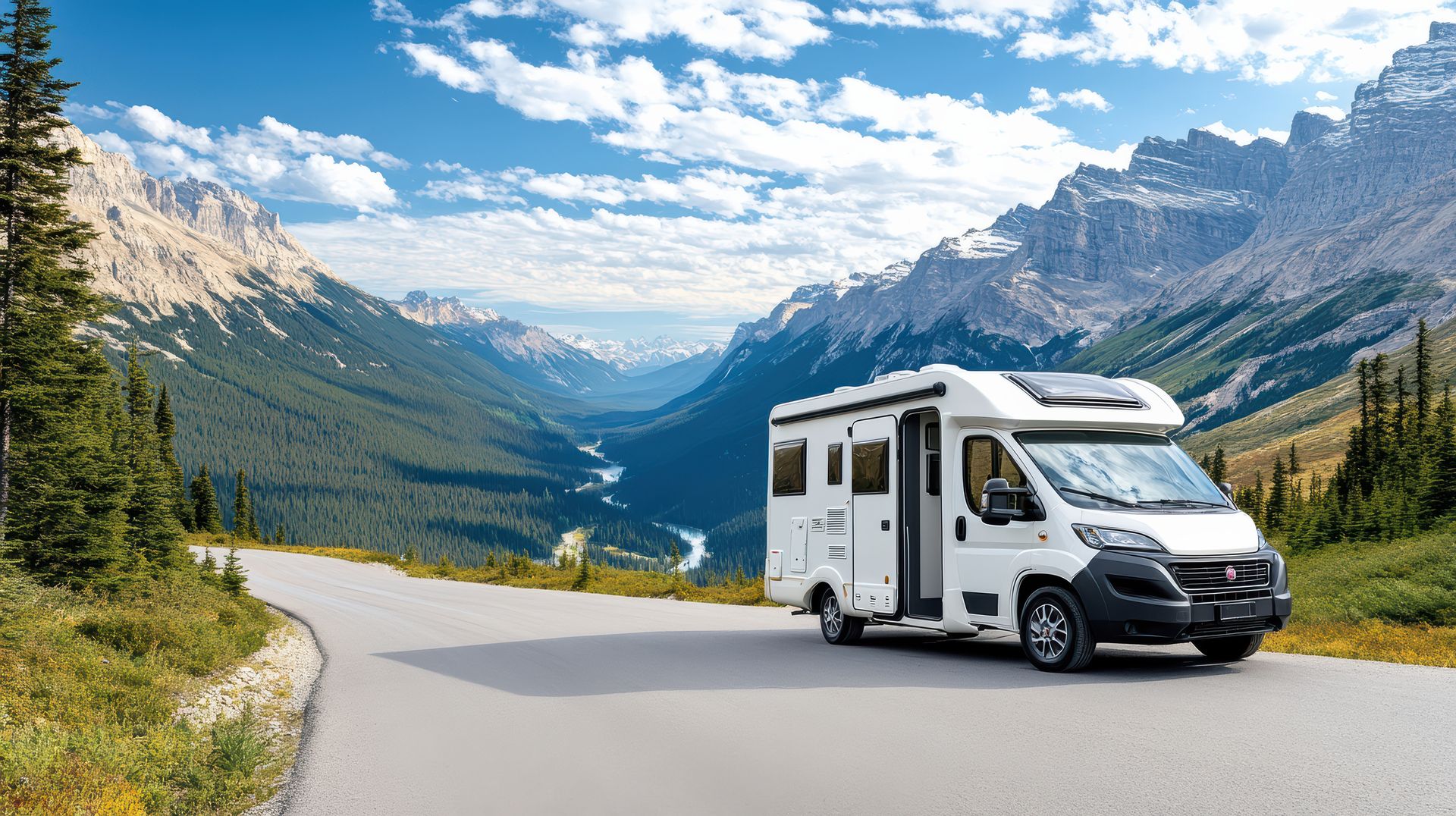
Looking at damaged motorhomes for sale can be a great way to save money, but it’s important to carefully assess whether it's the right investment. In this guide, we’ll walk you through the key factors to consider, including choosing the right size, evaluating the kitchen space, and budgeting for repairs. By understanding what to look for and what to avoid, you can make an informed decision and get the most out of your motorhome purchase.
How Big Should Your Motorhome Be?
When looking at damaged motorhomes for sale, one of the most crucial decisions you’ll need to make is the size of the vehicle. Choosing the right size motorhome for your family or travel needs is more than just about how much space you’ll have—it affects your comfort, convenience, and the overall cost of ownership.
Consider How Many People Will Be Using the Motorhome
First, think about how many people will be traveling and sleeping in the motorhome. This is especially important for families. If you’re traveling with young children or multiple adults, you’ll need enough sleeping space to ensure everyone is comfortable. Some motorhomes are designed for two people, while others are built to accommodate larger groups. Think beyond just the number of beds—consider the layout and how much personal space each person will have.
For example, if you plan to travel with extended family or friends, you may need a motorhome that offers more sleeping options, like fold-out beds, convertible couches, or bunks. However, if it’s just you and a partner, a smaller motorhome might be sufficient and more cost-effective.
Sleeping Arrangements and Storage Space
Sleeping in close quarters, particularly in a motorhome, may not always be as enjoyable as it sounds. Everyone wants their own space to sleep and store their belongings. Therefore, storage becomes another important factor. Will everyone have enough room to store their clothes, gear, and personal items? For example, if you’re planning on longer trips, you’ll need more space to store clothes, kitchenware, and possibly outdoor equipment like bikes or fishing gear.
The key is balance—don’t just think about how many people will sleep in the motorhome, but also how you’ll store your essentials. In a small motorhome, space may be tight, and everything will need to be efficiently organized. Larger motorhomes typically offer more built-in storage, but they come with additional weight and cost.
Smaller Motorhome with Added Features vs. Larger Motorhome
While a larger motorhome may sound appealing due to its ample space, it doesn’t always offer the best value. Sometimes, opting for a smaller motorhome and adding a few features can be a smarter decision. For instance, you can equip a smaller motorhome with an awning or fold-out screen rooms to create extra outdoor space. These additions can make your experience much more comfortable without the need for a huge motorhome.
Additionally, a smaller motorhome is typically easier to drive, park, and maneuver, which can be a huge advantage when traveling to various destinations or navigating tight spaces. Larger motorhomes, on the other hand, may be more challenging to handle, especially for first-time RV owners.
Does the Kitchen Meet Your Needs?
When looking at damaged motorhomes for sale, the kitchen may not always be the first feature on your mind, but it’s an essential space that can make or break your travel experience. Whether you’re cooking gourmet meals on the road or simply warming up snacks, the functionality of your motorhome's kitchen will play a big role in your comfort during the journey.
The Importance of Kitchen Space in a Motorhome
In a motorhome, space is limited, so the kitchen needs to be efficient, functional, and easy to use. A well-designed kitchen area allows you to prepare meals comfortably without feeling cramped or frustrated. This is especially important for long trips where you’ll be spending a lot of time inside. The type and number of cooking appliances available can significantly impact how enjoyable your meals are on the road. For example, a motorhome with a stove, microwave, refrigerator, and possibly even an oven, provides flexibility for preparing different types of meals.
However, not all motorhome kitchens are created equal. Some smaller motorhomes may have very basic kitchen setups, featuring only a small stove and fridge, while larger ones may have fully equipped kitchens with sinks, ovens, and multiple cooking surfaces. Consider what will work best for your needs.
For Campers Who Don’t Need a Large Kitchen
If your primary goal is to get away and enjoy outdoor cooking around a campfire, you may not require a large or fully equipped kitchen. Many campers prefer to cook outside and make use of portable grills or camp stoves. In this case, having a simple kitchen setup—like a two-burner stove, a small fridge, and a few storage cabinets for supplies—will likely meet your needs.
For those who plan to spend a lot of time camping in remote areas, where outdoor cooking is a part of the experience, a minimalist kitchen may be all that’s necessary. You might even want to allocate more of your motorhome’s space to living and sleeping areas instead of the kitchen.
For Those Who Plan to Cook Regularly
On the other hand, if you plan to do a lot of cooking inside the motorhome, it’s essential to ensure the kitchen is up to the task. A motorhome with a larger kitchen that includes multiple cooking appliances will be much more practical if you need to prepare full meals. Look for features like a spacious countertop, a full-sized fridge, and a microwave. Additionally, storage space for your cooking supplies and utensils should be a consideration. You’ll want enough room to store dry goods, cookware, and perhaps even a few pantry items if you’re traveling long distances.
Check the Condition of the Kitchen
One of the most important steps when buying a pre-owned motorhome is to inspect the condition of the kitchen. In some cases, kitchens in used motorhomes may have never been used, especially if the previous owner preferred to eat out or cook outdoors. This can be a positive thing, as a kitchen that hasn’t seen much use may still be in great condition. However, it’s essential to check for any signs of wear, such as rust, water damage, or broken appliances. Test out all appliances and ensure that the refrigerator, stove, microwave, and other features are functioning properly.
Pay attention to details like the countertops, drawers, and cabinets. Are they clean and in good condition? If the kitchen has been unused for some time, there might be some areas that need deep cleaning or minor repairs, so factor that into your budget.
How Much Should You Budget for a Damaged Motorhome?
When considering a damaged motorhome for purchase, one of the most crucial factors to keep in mind is the cost of repairs and ongoing maintenance. While the initial price tag of a damaged motorhome may seem appealing, the true cost of ownership can be much higher if repairs are required. Before you make a purchase, it’s essential to get a clear understanding of what the repairs will cost and how much you’ll need to budget for both immediate fixes and long-term upkeep.
Repair Costs for Damaged Motorhomes
The extent of repairs needed for a damaged motorhome can vary greatly depending on the type of damage. Common issues include exterior bodywork repairs, engine or transmission problems, and cosmetic fixes like interior upholstery or damaged flooring. However, some damages may be more severe and costly, such as frame damage or issues with the electrical system, which could require specialized knowledge and parts.
The cost of repairing a motorhome can range from a few hundred dollars for minor cosmetic fixes to thousands of dollars for more complex mechanical repairs. It’s important to ask yourself: Are you ready to invest in fixing the motorhome, and do you have the necessary funds for these repairs?
Challenges with Sourcing Replacement Parts
One of the most significant challenges when repairing a damaged motorhome is sourcing the necessary parts, especially if the manufacturer is no longer in business. If the brand has been discontinued, finding specific parts like doors, bumpers, or trim can be difficult and expensive. Some manufacturers stop producing parts after a certain number of years, and this can leave you searching for used or aftermarket parts, which may not always be of the same quality.
Before purchasing a motorhome, it's crucial to research the make and model to determine whether parts are still readily available. Contacting the manufacturer or looking into online forums dedicated to motorhome repairs can help you get a sense of how easy or difficult it will be to find replacement parts. If the motorhome is from a brand with limited parts availability, you may want to reconsider or factor these potential difficulties into your budget.
Estimating Repair and Maintenance Costs
To make sure you don’t end up with unexpected expenses, it’s wise to estimate the repair and ongoing maintenance costs before finalizing your purchase. Start by assessing the type of damage the motorhome has and researching repair costs for those specific issues. For example, bodywork repairs might cost less than engine or transmission repairs, but they can still add up if the damage is extensive.
You can estimate repair costs by consulting with mechanics or motorhome repair shops. A professional inspection can help you determine the extent of the damage and give you an accurate estimate of how much it will cost to get the motorhome back in top condition. Don’t hesitate to ask for quotes from multiple repair shops to ensure you get a fair price. If possible, try to get a detailed breakdown of labor and parts costs so you can plan accordingly.
Researching Specific Motorhome Models
Not all motorhomes are created equal, and repair and maintenance costs can vary widely based on the brand, model, and age of the vehicle. Some older motorhomes may require more frequent repairs and replacements, while newer models may be more reliable but still come with their own set of challenges.
Before you buy a damaged motorhome, it’s a good idea to research specific models. Look for reviews, talk to current or past owners, and check out online forums where motorhome enthusiasts discuss their experiences. These resources can provide valuable insights into the typical repair costs and any known issues with the model you’re interested in. Additionally, speaking to experts or professional mechanics who specialize in motorhomes can help you gauge how much upkeep the motorhome will require over time.
Is the Motorhome’s Manufacturer Still in Business?
When considering the purchase of a motorhome, especially a damaged one, one of the most important factors to take into account is whether the manufacturer is still in business. This decision can significantly impact your ability to find necessary replacement parts, which could be crucial for both repairs and maintenance down the line.
Why Manufacturer Status Matters
The availability of replacement parts for a motorhome is directly tied to whether the manufacturer is still in operation. If a manufacturer has gone out of business, it may be much harder to find the specific parts needed for repairs or to replace worn-out components. Parts like doors, trim, bumpers, and even the chassis or engine parts may become scarce. In the worst-case scenario, you could find yourself stuck with a motorhome that can’t be properly repaired due to the unavailability of essential components.
For example, if you purchase a motorhome from a company that has since ceased operations, sourcing OEM (original equipment manufacturer) parts becomes a challenge. Many parts, especially for the exterior (like doors, mirrors, and bumpers) and interior trim, may no longer be produced. While some aftermarket parts may be available, they may not fit as well, which can affect the motorhome's aesthetic, functionality, and overall safety.
Challenges with Discontinued Manufacturers
When a manufacturer goes out of business, there’s no guarantee that replacement parts will be available. In fact, many manufacturers stop producing spare parts after a certain number of years, making it nearly impossible to find original components for repairs. Some manufacturers may sell off their parts stock or license other companies to produce certain parts, but this can be unpredictable and sometimes expensive.
For example, if you're looking for a specific trim piece for an older motorhome from a company that no longer exists, you might need to rely on used parts from scrap yards, or third-party companies that may not offer the same quality or warranty. Even if you do find the part you need, the prices can be inflated because of limited availability.
What to Do If the Manufacturer Is No Longer in Business
If you’re considering buying a motorhome from a manufacturer that is no longer operating, it’s crucial to ask yourself whether you’re willing to deal with the challenges of finding parts. While this can be a manageable issue for some, others may find it too frustrating or costly, especially if the motorhome requires extensive repairs. It’s also important to note that if repairs are needed in the future, the cost of sourcing replacement parts could rise substantially due to their scarcity.
The best course of action is to contact the manufacturer directly to confirm whether they still produce parts or if there are any authorized dealers or third-party sources where you can find the parts you need. Manufacturers may also provide you with information on how long they plan to support their vehicles in terms of replacement parts.
Alternatives and Other Considerations
In some cases, buying from a discontinued manufacturer can still make sense if you're willing to put in the extra work to find parts. Some well-known motorhome manufacturers, even after they’ve ceased operations, still have a strong presence in the secondary market, meaning parts may be easier to find through used or refurbished parts suppliers.
If you’re dealing with a damaged motorhome from a less-established or defunct brand, you might also consider consulting with a motorhome repair professional or mechanic. They often have knowledge of older models and may be able to source parts from non-original manufacturers or suggest more affordable alternatives.
Are you interested in buying a vehicle from Online Auto Auctions?
With this being said – you can still export vehicles and save up a few thousand dollars with Bidndrive. We have an inventory of over 150k plus vehicles with titles you can export for you to choose from. Once you have placed your bid and won the auction a Bill of Sale document is then emailed to you as proof of purchase – after full payments have been made.
To gain access and get started on your purchase, sign up for free.