



Looking for a reliable car without breaking the bank? Police car auctions offer budget-friendly vehicles, from retired patrol cars to seized cars, often well-maintained and priced below market value. This guide shows you how to find auctions, bid smart, and save big in 2026, helping you get a dependable car while avoiding common pitfalls and unexpected costs.
What Is a Police Car Auction?
Police car auctions are public sales where law enforcement agencies sell vehicles that are no longer in active use or have been seized during investigations. These auctions are open to anyone — not just car dealers — making them a great opportunity for budget-conscious buyers to find reliable vehicles at below-market prices.
Understanding How Police Car Auctions Work
Police car auctions are typically run either online or in person. Government agencies or police departments list cars that need to be sold off — often to make room for new fleet vehicles or dispose of impounded and unclaimed cars. Buyers can register, inspect listings, and place bids just like on regular auto auction platforms. Once the highest bid wins, the buyer completes payment and arranges pickup or delivery.
Most auctions are transparent, showing key vehicle details like mileage, condition, and service history. However, buyers should remember that police auctions usually sell cars “as-is,” meaning there’s no warranty or guarantee — what you see is what you get.
Why Cars End Up at Police Auctions
There are several reasons vehicles land at police auctions. One of the most common is fleet rotation — when police departments retire older patrol cars after a certain mileage or service life. Many of these vehicles are still in good shape and well-maintained because they’ve undergone regular servicing.
Another category includes seized vehicles — cars taken from criminal cases, unpaid fines, or tax evasion issues. After legal clearance, these vehicles are sold to the public, often at very low starting bids. This mix of reliable ex-police fleet cars and seized high-end models makes police auctions appealing to a wide range of buyers.
Types of Vehicles Sold: From Patrol Cars to Seized Rides
Police auctions feature a surprisingly wide variety of vehicles. The most common listings include former police cruisers, such as the Ford Crown Victoria, Dodge Charger, or Ford Explorer — all known for their durability and performance.
In addition, auctions often list seized civilian cars, which can include anything from compact sedans and pickup trucks to luxury brands like BMW, Mercedes-Benz, or even sports cars. Some vehicles come with minor wear and tear, while others are nearly new.

Why Buy from Police Car Auctions?
Buying from a police car auction can be one of the smartest moves for anyone trying to save money on a vehicle. These auctions offer a mix of reliability, affordability, and transparency that’s hard to find elsewhere. Whether you’re looking for a dependable daily car or a budget-friendly project, police auctions can deliver great value — if you know what to look for.
How Police Auctions Can Help You Save Money
One of the biggest reasons people turn to police auctions is the potential for massive savings. Vehicles are often sold at wholesale or below-market prices, simply because government agencies need to clear inventory fast. There’s no middleman markup, no dealership fees, and no inflated pricing — just straightforward bidding.
For example, a police department might sell a well-maintained Ford Explorer or Dodge Charger for thousands less than what a dealership would charge for a similar model. Even after accounting for minor repairs or cleaning, buyers still end up saving a significant amount.
Police auctions also allow buyers to set their own limits — you decide how much you’re willing to spend, rather than negotiating with a salesperson.
Real-World Price Differences vs. Dealerships
To put things into perspective, a used Ford Taurus police interceptor that might sell for $12,000 at a dealership could start at $3,000–$5,000 at a police auction. Similarly, seized vehicles like a Toyota Camry or Honda Civic might go for half their retail value, simply because the seller wants a quick sale.
These savings can make a real difference for budget-conscious buyers — especially for those who need a reliable car without taking out a big loan. Some savvy buyers even purchase police auction cars to resell later at a profit.
Of course, the key is doing your research before bidding. Reviewing inspection reports, photos, and vehicle history can help ensure you’re getting a fair deal rather than an expensive surprise.
Are Police Auction Cars Reliable?
Many buyers are pleasantly surprised by the reliability of police auction vehicles. Former police cruisers, for instance, are typically serviced regularly and kept on strict maintenance schedules. These cars are designed for performance, durability, and safety — meaning they’re built to last longer than typical consumer vehicles.
However, it’s important to remember that some cars may have high mileage or cosmetic wear from daily use. The good news? Most of these issues are minor and can be fixed cheaply. For anyone comfortable doing light repairs — or even just looking past a few scratches — police auctions offer unbeatable value.
What Gets Sold at Police Auctions
Police auctions are not limited to squad cars or impounded vehicles — they’re often a mix of everything from well-maintained government vehicles to cars seized in criminal cases. For buyers, this means there’s a wide range of options — from budget-friendly daily drivers to unique finds you won’t see at your local dealership.
Police Fleet Vehicles (Patrol Cars, Interceptors, SUVs)
Police fleet vehicles are the most common listings at these auctions. Think Ford Police Interceptors, Chevy Tahoes, Dodge Chargers, or Ford Explorers — vehicles built for heavy use, safety, and long hours on the road.
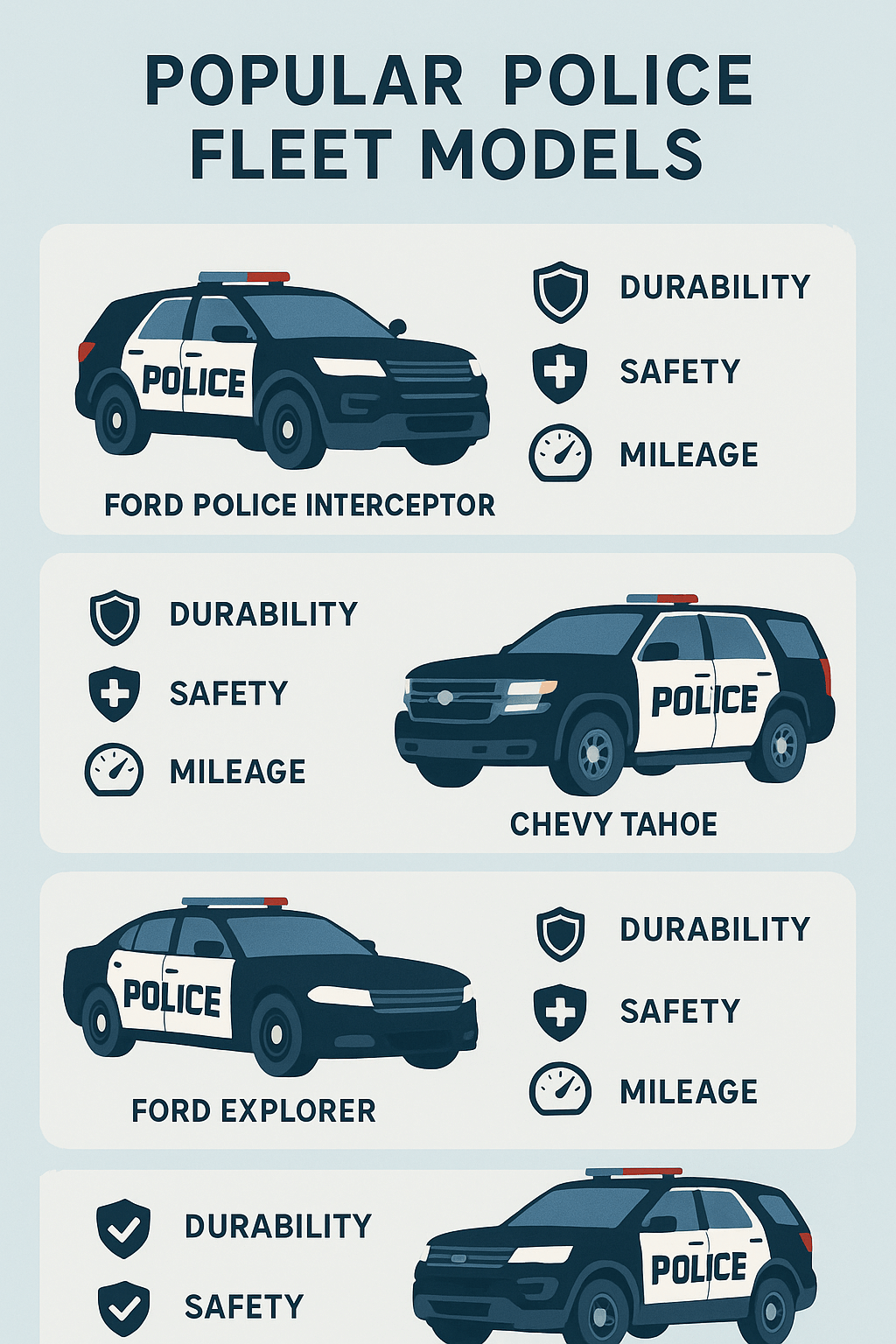
Even though they’ve been through intensive service, these cars are typically meticulously maintained, with routine oil changes, brake checks, and engine tune-ups. Many departments retire cars early — often under 100,000 miles — to make room for newer models.
Buyers who don’t mind a plain interior or basic features can get an incredibly durable car for a fraction of the price. For example, a used police Explorer might sell for $5,000–$7,000 instead of the $15,000+ a civilian model might cost.
Seized and Recovered Cars
Police also auction off vehicles seized from criminal cases or recovered after being abandoned. These can range from everyday sedans to luxury sports cars and even motorcycles. You’ll find names like BMW, Mercedes-Benz, Tesla, or Mustang GTs listed occasionally — often at surprisingly low prices.
These cars are sold “as-is,” but many are in great condition. Since they were seized rather than used by law enforcement, some may have very low mileage and come fully loaded with premium features.
It’s an ideal opportunity for bargain hunters who want something special without paying dealership premiums.
Government and City-Owned Vehicles
In addition to police fleets, you’ll find vehicles owned by other government departments — such as city maintenance trucks, administrative sedans, or utility vans.
These vehicles are usually lightly used and regularly serviced, often coming from agencies that upgrade their fleets every few years. If you’re looking for a reliable pickup, minivan, or work truck, these listings can be a goldmine.
For example, a 2018 Ford F-150 previously used by a city department could sell for half its market value.
The Strangest Items Ever Found at Police Auctions
Police auctions can also surprise you with odd and unexpected listings. Beyond cars, it’s not uncommon to see boats, ATVs, motorcycles, trailers, and even heavy machinery. Some auctions even include personal items seized during investigations — like jewelry, tools, or rare collectibles.
In rare cases, people have stumbled upon luxury or exotic cars that were confiscated in high-profile cases — think Lamborghinis, Ferraris, or vintage classics.
How to Buy a Car from a Police Auction
Buying a car from a police auction might sound complicated, but once you understand the process, it’s straightforward — and potentially very rewarding. Whether you’re looking to buy online or attend an in-person event, knowing the steps can help you avoid mistakes and get the best possible deal.
Step 1: Find Upcoming Police Auctions Near You
The first step is to locate active police or government auctions. These are often listed on official police department websites, state surplus sites, or major auction platforms like Copart, IAAI, or GovDeals.
If you’re using a service like BidNDrive, you can access police and government vehicle listings from across the U.S. in one place — no need to dig through multiple local websites.
Make sure to note the auction date, location, and format (online or in person).
Step 2: Register as a Bidder (Online or In Person)
Before you can bid, you’ll need to register. Most police auctions require you to create an account and provide basic identification details — such as your driver’s license, email, and sometimes a refundable bid deposit.
Online platforms typically make this process quick, allowing you to join upcoming auctions within minutes.
For in-person auctions, bring your ID and any required documents to the registration desk on the auction day.
Step 3: Check Vehicle Listings and Photos
Once registered, take time to browse the available listings carefully. Each listing usually includes:
- Vehicle make, model, year, and VIN
- Mileage and condition notes
- Photos from multiple angles
Remember, most police auction cars are sold as-is, without a warranty. This means you need to look closely for signs of wear, body damage, or missing parts.
Tip: If possible, attend the inspection day or preview event before bidding. That’s your chance to see the vehicle up close.
Step 4: Set a Budget and Maximum Bid
Before the auction starts, decide how much you’re willing to spend — and stick to it. It’s easy to get caught up in the excitement and overbid.
Set a maximum bid limit for each car you’re interested in. Keep in mind additional costs like buyer’s fees, title transfer, and transport if you plan to ship the vehicle.
For example, if your budget is $8,000, aim to bid around $7,000 so you have room for post-purchase expenses.
Step 5: Understand Bidding Rules and Deposit Requirements
Every auction has its own rules and terms. Some may require a deposit to participate, usually around 10% of your intended bid amount. Others may set minimum bid increments or specific time limits for payment.
Take a few minutes to read the auction’s FAQ or rules section. Understanding the process helps prevent costly mistakes — like losing your deposit or missing the payment window after winning.
Online auctions often move fast, so knowing when and how to place bids is crucial.
Step 6: Complete the Purchase and Arrange Pickup
If you win the bid — congratulations! Now it’s time to finalize the purchase. You’ll typically need to make payment within 24–48 hours, depending on the auction’s policy.
After payment, you’ll receive pickup instructions or a release document. Bring proper ID and proof of payment when you go to collect your vehicle.
If you’re buying from out of state or overseas, BidNDrive can help you arrange safe transport and shipping from the auction yard to your location.
Where to Find Police Car Auctions
Finding police car auctions isn’t as hard as it used to be. Many government agencies now list their surplus or impounded vehicles online, making it easy to browse, register, and bid from anywhere. Whether you prefer to attend in person or buy online, knowing where to look can help you uncover incredible deals.
Local Police Departments and Government Websites
Many local police departments and county sheriff’s offices organize their own vehicle auctions. These can include decommissioned patrol cars, seized vehicles, or impounded cars that went unclaimed.
To find them, visit your city or county police department’s website and look for a section called “Auctions,” “Surplus Sales,” or “Public Notices.” These listings usually include the auction date, time, and vehicle preview details.
Local auctions often have fewer bidders than large online platforms, which can mean better chances of winning at lower prices.
Tip: Contact your local Department of Motor Vehicles (DMV) or city surplus office — they often post upcoming government auction schedules.
Online Police Auction Platforms (GovDeals, PropertyRoom, etc.)
If you prefer convenience, online police auction sites make it simple to browse and bid from home.
Some of the most trusted platforms include:
- GovDeals.com – focuses on government and municipal vehicles.
- PropertyRoom.com – sells police-seized and unclaimed property, including cars, motorcycles, and even boats.
- PublicSurplus.com – lists vehicles from state and city departments across the U.S.
These sites provide detailed descriptions, photos, and sometimes condition reports. You can filter results by location, price, or vehicle type, making it easy to spot good deals quickly.
For international buyers, platforms like BidNDrive give access to U.S. police auction listings along with export support, simplifying paperwork and logistics.
Auction Houses and Authorized Dealers
In many states, police departments partner with professional auction houses to manage their sales. These companies handle the bidding process, payment collection, and vehicle delivery.
Big names like Copart and IAAI often host government and police fleet auctions alongside their regular listings. You can filter by “police,” “government,” or “fleet” to find these specific vehicles.
Authorized dealers also occasionally purchase police vehicles in bulk and resell them to the public — often after basic servicing or cosmetic upgrades. While prices might be slightly higher, this option provides added peace of mind for buyers who want ready-to-drive cars.
How to Find the Next Police Auction Date in Your Area
If you’re serious about getting a deal, it pays to stay updated on upcoming auctions. Here’s how:
- Subscribe to email alerts on major auction sites like GovDeals or Copart.
- Follow your local police department on social media — many now post auction announcements on Facebook or X (Twitter).
- Check state surplus websites monthly; some have a regular auction calendar.
- Use BidNDrive to track and access multiple police auctions nationwide from one place.
Browse Police and Government Auction Vehicles
Now that you know where police vehicles come from and how auctions work, explore available government and fleet vehicles to compare condition, mileage, and pricing.
- ✅ Access to government and fleet vehicles
- ✅ Wide selection across U.S. locations
- ✅ Transparent auction listings
- ✅ Multiple vehicle categories available
How Police Seized Vehicle Auctions Work
Police seized vehicle auctions are where law enforcement agencies sell cars that were confiscated, forfeited, or left unclaimed during criminal or civil cases. These vehicles can include everything from luxury sedans and SUVs to motorcycles, trucks, and even boats. For budget-conscious buyers, they represent a chance to buy well-maintained cars at a fraction of their market value — as long as you understand how the process works.
Difference Between Police Fleet Sales and Seized Vehicle Sales
Police auctions generally fall into two main categories: fleet sales and seized vehicle sales.
Police fleet sales involve vehicles that were part of an agency’s operational fleet — for example, patrol cars, interceptors, and transport vans. These vehicles are usually retired after reaching a certain mileage or age limit, even if they’re still in good working condition. They tend to be regularly serviced, have detailed maintenance records, and may include performance upgrades such as stronger suspensions or enhanced brakes.
Seized vehicle sales, on the other hand, consist of cars taken during criminal investigations or seized due to unpaid debts, tax violations, or illegal activity. Once the legal process concludes and ownership is forfeited, these cars are sold to the public. Seized vehicles vary greatly in quality — some are luxury models in pristine condition, while others might need minor repairs before they’re road-ready.
In short:
- Fleet sales = predictable condition, good maintenance
- Seized sales = wide variety, potentially bigger bargains
What Happens to Unclaimed or Forfeited Vehicles
When police seize a vehicle, it goes into impound storage until the legal process determines its fate. If the owner doesn’t claim it within a specific period — or if the court orders the vehicle forfeited — it becomes government property.
Once ownership officially transfers to the agency, the car is usually:
- Appraised to estimate its resale value.
- Inspected to ensure it’s safe and roadworthy (if possible).
- Listed for auction through a local or online platform such as GovDeals, PropertyRoom, or BidNDrive.
These cars are typically sold “as is”, meaning buyers are responsible for any repairs, title updates, or transportation. However, because agencies are motivated to clear space and recover costs, vehicles often sell well below retail value — even for newer models.
How Law Enforcement Handles Titles and Ownership
One of the biggest concerns buyers have is about titles and ownership legitimacy. Fortunately, police agencies follow a strict process to ensure transparency and legal clarity.
When a vehicle is sold at a police auction, the buyer receives a clear or forfeited title, depending on the car’s history and state laws.
- For fleet vehicles, titles are usually clean, showing the government agency as the previous owner.
- For seized vehicles, titles may be marked as “forfeited” or “seized”, but they are fully transferable and legally valid once sold.
In cases where the title is missing, the agency provides a bill of sale and supporting documents that allow buyers to apply for a new title through their state’s DMV.
Because these auctions are run by verified law enforcement or government entities, buyers can trust that the vehicles have no hidden liens or legal issues — a major advantage compared to private sales.
Titles, VIN Checks, and Paperwork You Need
Before buying from a police car auction, it’s important to understand the paperwork involved. Proper documentation protects you from legal trouble and ensures that the car you’re bidding on is legitimate. From verifying the Vehicle Identification Number (VIN) to reviewing the title type, these steps help you avoid scams, unexpected repair costs, or ownership issues later on.
Why You Should Always Verify the VIN Before Bidding
The VIN is like a car’s fingerprint — a unique 17-digit code that tells you everything about the vehicle’s history, including its make, model, year, and any reported accidents or thefts. At a police auction, where vehicles come from various sources, checking the VIN is a must.
Here’s why:
- It helps confirm that the car is not stolen or cloned.
- You can uncover any hidden damage, prior accidents, or title issues.
- You’ll see if the car has been reported as salvage, rebuilt, or flood-damaged.
You can verify the VIN using free online databases or paid services like Carfax or AutoCheck. Many police auction listings will already include a VIN, so take the time to research it before placing a bid. A few minutes of checking can save you thousands in repairs or legal headaches.
Understanding Vehicle Titles: Clean, Salvage, or Rebuilt
Not all titles are created equal — and at police auctions, you’ll encounter a mix of them. Knowing the difference helps you make an informed choice and avoid surprises after the sale.
- Clean Title: This means the car hasn’t been in any major accidents and is legally ready to drive. Police fleet vehicles often have clean titles since they were maintained regularly and retired due to age, not damage.
- Salvage Title: A salvage title indicates the car was declared a total loss by an insurance company — usually after an accident, flood, or theft recovery. These cars can still be a good deal if you plan to repair or use them for parts.
- Rebuilt Title: A rebuilt title means the vehicle was previously salvage but has been repaired and inspected to meet road safety standards. These cars can be reliable, but it’s important to check repair quality and documentation.
When in doubt, request a title preview or ask the auction representative for details. Knowing the title type before bidding helps you estimate potential repair costs and resale value more accurately.
How to Transfer Ownership After Purchase
Once you’ve won a bid, the final step is transferring ownership into your name. The exact process depends on your state and the auction platform, but here’s what typically happens:
- Receive your paperwork — After payment, the auction house or police department will provide a bill of sale, title, and sometimes a release form.
- Submit documents to the DMV — Take these to your local DMV or title agency to register the car under your name.
- Pay applicable fees and taxes — Expect to pay title transfer fees, registration charges, and possibly sales tax.
- Obtain your license plates and registration — Once the paperwork is processed, you’ll receive your official documentation to legally drive or export the vehicle.
If you’re buying from out of state or for export, additional steps may apply — such as notarization or customs documentation. This is where using a trusted partner like BidNDrive can simplify the process and prevent delays.
The Real Cost of Buying at Police Auctions
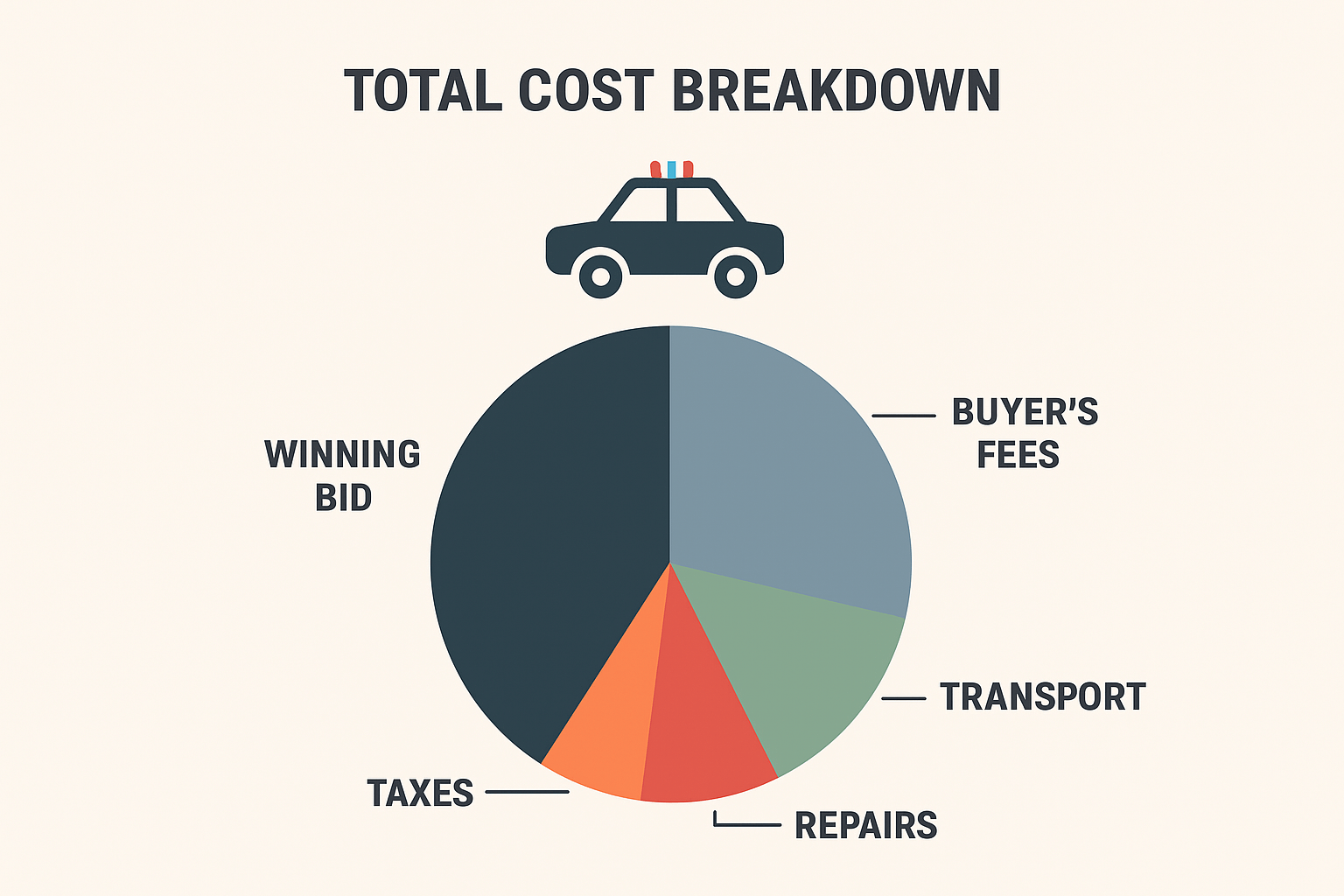
Buying a car from a police auction can feel like a steal — and sometimes it truly is. But before you jump into bidding, it’s important to understand that the winning bid is just the starting point. There are extra costs like fees, transport, and post-purchase maintenance that can quickly add up. Knowing these expenses ahead of time helps you set a realistic budget and avoid unpleasant surprises after the sale.
Auction Fees and Buyer Premiums
Every police auction — whether online or in-person — charges buyer’s fees on top of the final bid price. These can include:
- Buyer’s premium: Usually 5%–10% of the winning bid, depending on the auction platform.
- Registration fees: Small charges (often $25–$100) to register as a bidder.
- Storage or late pickup fees: If you don’t collect your car on time, you might pay extra per day.
For example, if you win a vehicle for $5,000, you could end up paying $5,300–$5,600 after fees. Always read the auction’s fee structure before bidding. Sites like GovDeals, PropertyRoom, or BidNDrive’s partner platforms clearly list their fee breakdowns — make sure to check them before you commit.
Transport Costs and Taxes
Once you’ve won a car, you’ll need to get it home or shipped. Transport costs depend on distance, vehicle size, and delivery method. Here’s what to expect:
- Local towing: $100–$300 within the same city or nearby area.
- Long-distance transport: $0.60–$1.20 per mile if shipping across states.
You’ll also need to pay state taxes when registering the vehicle, which typically range from 4% to 8% of the purchase price, depending on your state. These costs can make a big difference, so include them in your total budget before bidding.
Maintenance and Repairs After Purchase
Police auction cars often come “as is,” with no guarantees or warranties. Even if the car looks fine, it might need repairs or servicing before it’s road-ready. Former police fleet vehicles may have high mileage, worn interiors, or replaced parts from years of service.
Common expenses include:
- Basic maintenance: Oil change, filters, fluids ($100–$300).
- Tires and brakes: Depending on condition, replacements can run $500–$1,000.
- Electrical or engine work: Especially common in older patrol cars, costing anywhere from $300 to $2,000.
Getting a mechanic’s inspection right after purchase is always a good idea. It helps you plan repairs early and decide whether you’ll keep, resell, or part out the vehicle.
Calculate the Total Cost Before You Bid
Police auction vehicles can offer strong value — but understanding the full cost is key. Use the built-in calculator on each lot page to estimate auction fees, transportation, and related expenses before placing your bid.
- ✅ Transparent auction fee estimates
- ✅ Transportation cost planning
- ✅ Clear service pricing
- ✅ No hidden surprises
How to Inspect a Police Car When You Can’t Test-Drive
One of the biggest challenges at police car auctions is that you usually can’t test-drive the vehicles. Most auctions sell cars “as is,” meaning you’re buying them in their current condition without any guarantees. But that doesn’t mean you’re powerless. With the right inspection approach, you can still make a smart, confident purchase — even without turning the ignition key.
What to Look for During Visual Inspection
A visual inspection is your best chance to spot warning signs before you bid. Take your time and look carefully at both the exterior and interior:
- Body condition: Check for dents, rust spots, and mismatched paint, which can indicate previous repairs.
- Tires and brakes: Uneven tire wear or worn-out brakes might point to neglect or alignment issues.
- Interior wear: Police cars often have worn seats, holes from mounted equipment, and dashboard modifications — not dealbreakers, but they might require repairs.
- Engine bay: Look for oil leaks, frayed belts, or corroded battery terminals.
- Lights and signals: Make sure headlights, taillights, and turn signals are intact.
Bring a flashlight and a small mirror to see under the car. Even if you can’t drive it, a good visual check can reveal 80% of potential issues.
Signs of Heavy Use or Hidden Damage
Police and government vehicles often rack up high mileage and intense daily use. Here’s what to watch for:
- Faded decals or residue: Indicates it was a decommissioned patrol car.
- Repainted panels: Could hide minor collisions or damage.
- Worn suspension: Cars used for pursuits or rough driving may sit unevenly or bounce excessively.
- Interior holes or wiring: Extra cables or drilled holes can show where radios, lights, or computers were installed.
- Odor or stains: Persistent smells might suggest water damage or mold from long-term storage.
If possible, ask auction staff for the maintenance records. Police departments often keep detailed logs, which can help you spot whether the car was serviced regularly or neglected toward the end of its service life.
Using Vehicle History Reports to Reduce Risk
Even without a test drive, you can still protect yourself by checking the vehicle’s history. A VIN check through databases like Carfax, AutoCheck, or the National Motor Vehicle Title Information System (NMVTIS) provides details such as:
- Previous ownership and use (e.g., fleet or government vehicle)
- Accident history or insurance claims
- Odometer readings
- Title status (clean, salvage, rebuilt, etc.)
This small investment — usually under $40 — can save you thousands by revealing hidden problems before you bid.
If you’re buying through an online auction platform like BidNDrive, many listings already include VIN and history details, so you can make a well-informed decision without any guesswork.
Expert Tips for Winning Smart at Police Auctions
Buying a car at a police auction can be exciting, but it’s easy to get carried away and overpay. Smart bidding requires strategy, research, and discipline. By following proven tips, budget-conscious buyers can score reliable vehicles at unbeatable prices without falling into common pitfalls.
Do Your Research Before Bidding
Before you even register, research the vehicles you’re interested in. Look up:
- Typical market value for the make, model, and year.
- Common issues specific to fleet or police vehicles.
- Auction history if the car has been sold before.
Knowing a car’s value and history helps you avoid overbidding and ensures you’re making an informed decision rather than chasing a “deal.”
Attend a Few Auctions Before Spending
If you’re new to police auctions, start by observing a few sessions without bidding. This helps you:
- Understand auction rules and procedures.
- Get a feel for typical prices and bidding patterns.
- Learn how inspections and pickup logistics work.
Experience gives you a big advantage, so you’re not learning the hard way while risking your money.
Set a Maximum Bid — and Stick to It
It’s easy to get caught in a bidding war, especially when a car looks like a bargain. Decide your maximum bid before the auction and stick to it.
- Factor in buyer fees, transport costs, and any expected repairs.
- Remember, a higher bid isn’t always better if it exceeds your budget.
Discipline is key: staying within your limit ensures you leave the auction with a smart purchase, not buyer’s remorse.
Arrive Early to Check Vehicle Condition
Even if you can’t test-drive the car, arriving early gives you a chance to:
- Inspect the exterior and interior thoroughly.
- Look for signs of heavy wear or hidden damage.
- Ask auction staff questions about maintenance or title history.
Early inspection can save you thousands by revealing issues before you commit.
Watch Out for Hidden Fees or Storage Charges
Beyond the hammer price, police auctions may include additional costs such as:
- Buyer’s premiums
- Registration or bidder fees
- Storage fees if you don’t pick up the car on time
Always read the fine print and ask about all potential charges. These can quickly turn a bargain into a much more expensive purchase.
Consider a Variety of Models and Conditions
Don’t limit yourself to one type of vehicle. Explore different models, years, and conditions to:
- Find the best value for your budget.
- Avoid getting into bidding wars for the most popular cars.
- Consider fleet cars, SUVs, sedans, or even ex-police trucks, which can offer great reliability for less.
By staying flexible and informed, you increase your chances of winning a reliable car at a price that makes sense.
Common Mistakes to Avoid
Police car auctions can offer amazing deals, but they also come with pitfalls for the unprepared. Even experienced buyers sometimes make mistakes that cost them money, time, or even the opportunity to get a reliable vehicle. Understanding these common errors can help you bid smarter and stay within your budget.
Overbidding on Popular Models
One of the most frequent mistakes is getting caught up in competition for popular cars, such as Ford Interceptors, Chevrolet Tahoes, or SUVs that are known for durability. Bidding wars can quickly inflate the price beyond the vehicle’s market value.
- Research average auction prices for the model you want.
- Set a strict maximum bid and resist emotional bidding.
- Be ready to walk away — often, another similar vehicle will appear at a future auction.
Overbidding can turn a great deal into a financial burden, defeating the purpose of buying at auction.
Ignoring Inspection Opportunities
Even if you can’t test-drive the car, skipping a visual inspection is risky. Auction organizers usually allow bidders to inspect vehicles ahead of the sale. Neglecting this step can lead to:
- Hidden mechanical issues
- Cosmetic damage requiring expensive repairs
- Missed warning signs like rust, leaks, or worn-out tires
Bring a flashlight, check under the hood, inspect tires and brakes, and review any available maintenance records. A careful inspection can save you thousands of dollars in surprises.
Forgetting About Transport and Title Costs
Many buyers focus solely on the auction price and forget the additional costs involved in actually getting the car home. These can include:
- Transport or towing fees
- Title transfer and registration costs
- Taxes and licensing fees
Failing to account for these expenses can push your total spending far beyond your budget. Always factor in these costs before bidding to know your true total investment.
Are Police Auctions Worth It?
Police auctions can be a goldmine for budget-conscious buyers, but they’re not for everyone. Understanding the pros, cons, and how these auctions compare to other options helps you decide if it’s the right strategy for finding a reliable, affordable car.
Pros and Cons for Budget Buyers
Pros:
- Lower Prices: Vehicles often sell below market value, saving you money.
- Variety of Vehicles: From retired patrol cars to SUVs and sedans, you get multiple options.
- Well-Maintained Fleet Cars: Many police vehicles have documented maintenance histories.
Cons:
- As-Is Sales: No warranties or guarantees; what you see is what you get.
- Limited Inspection: Test drives are usually not allowed.
- Extra Costs: Buyer fees, transport, taxes, and registration can add up.
For a budget buyer willing to do homework, the savings can outweigh the risks, making police auctions a smart option.
Comparing Police Auctions vs. Salvage Auctions
Police auctions and salvage auctions are different beasts:
- Police Auctions: Mostly clean, used fleet vehicles. Often reliable, lower mileage than salvage, and with clear titles. Great for daily driving.
- Salvage Auctions: Cars are typically damaged or totaled. They can be cheaper but require repairs, making them riskier and potentially costlier overall.
If your goal is a ready-to-drive car without major repairs, police auctions usually offer better value than salvage auctions.
When a Police Auction Deal Makes Sense
A police auction purchase makes sense when:
- You research the vehicle’s history and condition.
- You can budget for additional fees and transport.
- You are looking for a dependable car at a price well below retail.
For example, a budget-conscious buyer could pick up a 2018 Ford Interceptor with 50,000 miles for thousands less than a dealership price, pay for a few minor repairs, and have a fully functional vehicle without breaking the bank.
Final Thoughts: Getting the Best Deal at Police Car Auctions
Police car auctions can be a treasure trove for budget-conscious buyers, but success depends on preparation, strategy, and discipline. By understanding the process and potential pitfalls, you can maximize savings while avoiding costly mistakes.
How to Avoid Overpaying for a Used Police Vehicle
Overpaying is the most common mistake at auctions. To prevent this:
- Set a strict maximum bid based on research of market values and auction fees.
- Factor in transport, taxes, and expected maintenance.
- Compare prices across multiple auctions to understand what similar vehicles usually sell for.
By sticking to your budget and doing your homework, you can ensure you’re getting a fair deal without getting caught up in bidding wars.
Why Police Auctions Can Be a Hidden Gem for Budget Buyers
Police auctions offer cars that are often well-maintained, documented, and ready to drive, yet priced well below retail. Fleet vehicles like retired patrol cars or SUVs can provide:
- Durable engines and transmissions built for heavy use
- Low-cost entry into reliable transportation
- Opportunities for buyers who want a dependable car without dealership markups
For someone looking to save thousands, police auctions can be one of the smartest ways to buy a car.
When to Walk Away — and When to Bid with Confidence
Knowing when to walk away is just as important as knowing when to bid:
- Walk away if the car shows signs of hidden damage, has excessive mileage, or the price exceeds your maximum budget.
- Bid with confidence when a vehicle is fairly priced, has a clean history, and inspection shows it’s mechanically sound.
Find Police Auction Vehicles and Save More
Ready to secure a government or police vehicle at auction? Register, browse available listings, and start bidding with full support from selection to delivery.
- ✅ No dealer license required
- ✅ Free membership registration
- ✅ Unlimited bidding opportunities
- ✅ Domestic transport and export available
Further Reading:
Why Are Cars Sold at Auctions?
Can Anyone Go to Car Auctions? Your Guide to Accessing Great Deals
How to Buy Cars at Auction: Your Ultimate Guide to Great Deals
What Cars Are Sold at Online Auctions? Market Trends and Should You Buy One?
Frequently Asked Questions
- Are Police Auctions Open to the Public?
- What Happens to the Money Raised by Police Auctions?
- Can the Original Owner Reclaim Their Vehicle?
- What Is the Best Police Auction Website in 2026?
- What Happened to Bumblebee Auctions?