


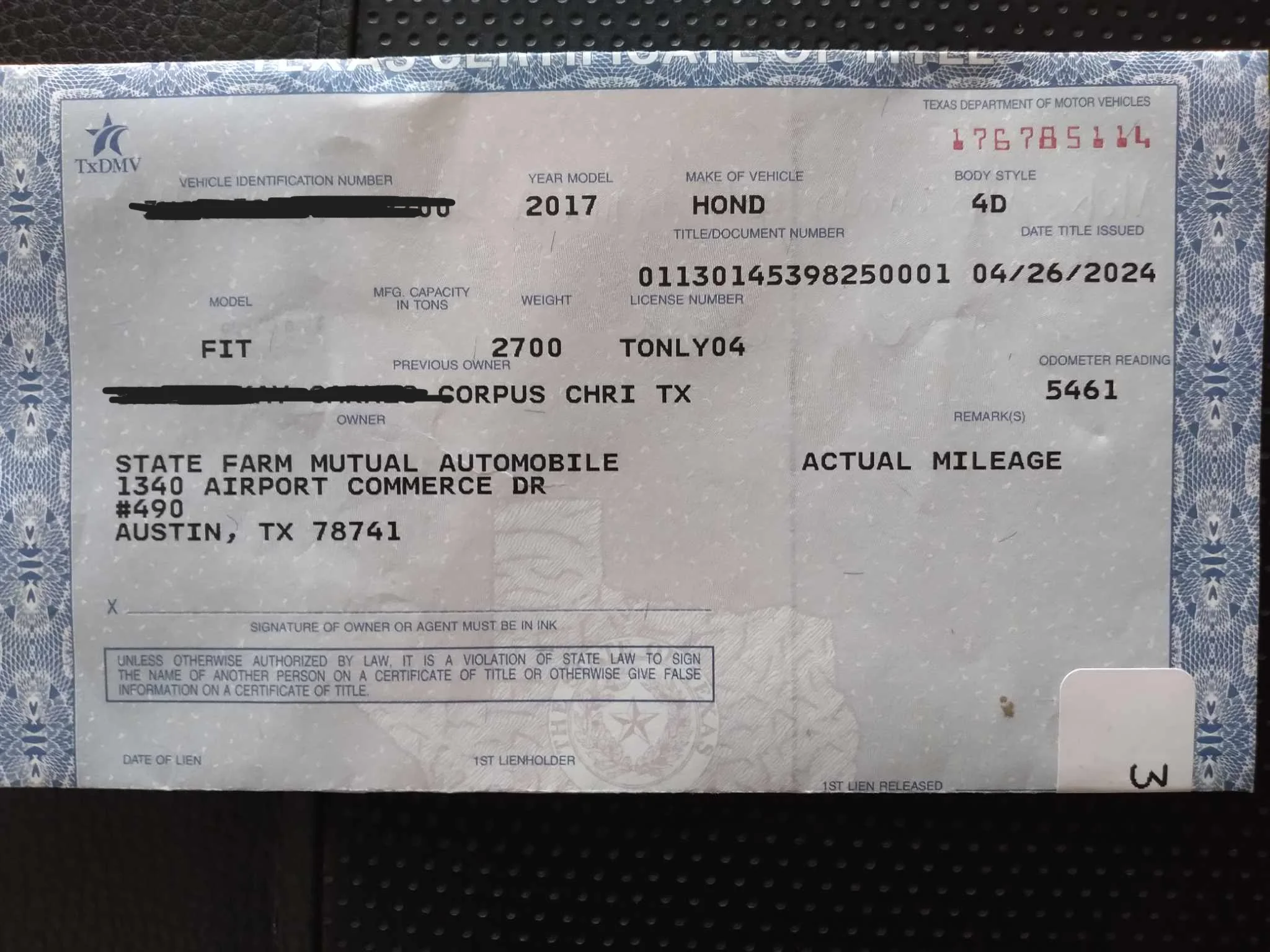
When purchasing a vehicle, especially from an auction, understanding the difference between a rebuilt title and a clean title can save you time, money, and frustration. A vehicle’s title is more than just paperwork—it holds key information about the car’s history and condition. Here's a complete breakdown of what you need to know about these titles and why they matter.
What is a Vehicle Title and Why is it Important?
A vehicle title is a legal document that proves ownership and provides details about the car’s status, such as whether it has been involved in accidents or has any liens. Titles are especially important for auction buyers because they help determine the vehicle’s value and potential risks.
The Basics of Vehicle Titles
A vehicle title acts as an official record of a car's history, showing details like the Vehicle Identification Number (VIN), owner information, and any special conditions tied to the car. Titles are issued by the state where the vehicle is registered, and they come in different types depending on the car’s history: clean, salvage, rebuilt, and more.
- Clean Title: Indicates that the car has no significant damage or accidents that would affect its structural integrity. It’s considered the gold standard among titles, especially for resale value.
- Rebuilt Title: Shows that the vehicle was previously deemed a total loss but has since been repaired and passed inspections to be roadworthy again.
Why Titles Matter in Car Auctions
Vehicle titles are critical in car auctions because they influence the price and the buyer's confidence in the purchase. A clean title is more likely to attract higher bids due to the assurance of no major past issues. On the other hand, cars with rebuilt titles may sell for less, offering budget-conscious buyers an opportunity to save. However, these titles often sell for less, as they carry a history of significant damage and repairs. Understanding a vehicle's title status can help buyers make informed decisions and avoid unexpected costs after the purchase.
For auction buyers, knowing the title type is especially important when planning repairs, resale, or personal use. Rebuilt titles, while more affordable, come with risks like hidden damage or difficulty obtaining insurance. Clean titles, though pricier, provide peace of mind and better long-term value. Platforms like BidnDrive and Auto4Export are excellent resources for buyers, offering detailed vehicle histories and title information to guide your purchase.
What Does a Clean Title Mean?
A clean title is the gold standard for vehicle ownership, signifying that a car has no significant damage history and hasn’t been classified as a total loss by an insurance company. For auction buyers, this type of title represents reliability and fewer potential complications in terms of insurance, financing, and resale.
Definition and Key Features
A clean title indicates that the vehicle has never been deemed a total loss due to damage or severe accidents. It suggests the car has a straightforward ownership record, with no major disputes, liens, or rebuilds associated with it. Buyers often prioritize clean-title vehicles for peace of mind and long-term value.
Benefits of a Clean Title
Clean title vehicles come with several advantages that make them a preferred choice among buyers.
Clear Ownership History
With a clean title, you can trust that the car's history is free of complications like salvage events, title washes, or unresolved liens. This transparency is crucial when making an informed purchase.
Easier to Finance
Banks and financial institutions are more willing to approve loans for clean title vehicles, as they are considered lower risk compared to rebuilt or salvage title cars. This makes financing simpler and more accessible.
Higher Resale Value
Cars with clean titles retain their value better over time, making them easier to sell in the future. Buyers are generally willing to pay a premium for a vehicle with a clean history.
Simplified Insurance Process
Insurance companies typically provide full coverage for clean title vehicles, unlike rebuilt or salvage title cars, which may require additional scrutiny or carry limited coverage options.
Limitations of Clean Title Vehicles
While clean titles have undeniable benefits, they also come with their own set of challenges.
Higher Purchase Price
Clean title vehicles are often more expensive than their rebuilt or salvage title counterparts, which might not suit budget-conscious buyers. For those looking to save money, platforms like BidnDrive and Auto4Export offer access to affordable vehicles, including those with alternate title statuses.
Risk of Hidden Issues
A clean title does not guarantee a flawless car. Vehicles can have mechanical problems or cosmetic damage that doesn’t appear in the title report. Always inspect and verify the condition before purchasing.
What Does a Rebuilt Title Mean?
A rebuilt title indicates that a vehicle has undergone significant repairs to restore it after being deemed a total loss by an insurance company. Unlike a salvage title, a rebuilt title signifies that the car has been inspected and deemed roadworthy. For budget-conscious buyers, rebuilt title vehicles can offer excellent value, but they come with certain risks.
Definition and How it Differs from a Salvage Title
A rebuilt title is issued after a salvage title vehicle has been repaired and passed a state inspection verifying it is safe for the road. While a salvage title means the car cannot legally be driven or insured, a rebuilt title restores the vehicle’s usability and legality. Rebuilt vehicles are typically less expensive than clean title cars, making them an attractive option for auction buyers looking to save money.
Advantages of Rebuilt Title Vehicles
Though rebuilt title cars might not have the pristine status of clean title vehicles, they come with several appealing benefits.
Significant Cost Savings
Rebuilt title vehicles are often priced 20-50% lower than comparable clean title cars. This affordability makes them ideal for buyers on a tight budget. Platforms like BidnDrive and Auto4Export specialize in offering access to rebuilt title vehicles at competitive prices.
Fully Repaired and Road-Ready
Vehicles with a rebuilt title have been restored to meet safety and performance standards. These cars are inspected by state authorities to ensure they are safe to drive, providing buyers with reassurance.
Transparent Damage History
A rebuilt title openly discloses the vehicle’s past damage, allowing buyers to make informed decisions. While clean title cars may sometimes have hidden issues, rebuilt vehicles typically have a clear and documented repair history.
Drawbacks of a Rebuilt Title
Despite their advantages, rebuilt title vehicles present some challenges that buyers should carefully consider.
Limited Financing Options
Many banks and lenders hesitate to finance rebuilt title cars because of their previous salvage status. Buyers may need to rely on cash or seek alternative financing options.
Higher Insurance Rates
Insuring a rebuilt title vehicle can be more expensive than insuring a clean title car. Some insurance companies might even refuse to provide full coverage, limiting options for buyers.
Possible Resale Challenges
Selling a rebuilt title vehicle can be more difficult due to lingering concerns about its past damage. Buyers tend to prefer clean title cars, even if the rebuilt vehicle has been thoroughly repaired.
Rebuilt Title vs. Clean Title: Key Differences
When deciding between a rebuilt title and a clean title vehicle, understanding the differences is crucial. While both titles allow vehicles to be driven legally, they differ significantly in terms of history, insurance, financing, and long-term value. Here's a detailed comparison to help you make an informed choice.
Ownership History and Transparency
Ownership history plays a major role in how each title is perceived.
- Rebuilt Title: A rebuilt title indicates that the car was previously salvaged due to significant damage and has since been repaired and inspected for roadworthiness. This transparency can be a double-edged sword—while it reveals the car’s history, some buyers might hesitate to trust its condition.
- Clean Title: A clean title reflects a vehicle with no major damage or salvage history. This clear history instills confidence in buyers, even though hidden issues (like mechanical wear or undisclosed accidents) might still exist.
Insurance Considerations
The title status also impacts how insurance companies approach coverage.
- Rebuilt Title: Insuring a rebuilt title vehicle can be more challenging. Some insurers may only offer liability coverage, while others might increase premiums due to the car’s salvage history. It's essential to shop around for coverage and clarify what is included.
- Clean Title: Cars with clean titles typically qualify for full insurance coverage at standard rates. Insurers view them as less risky, making the process straightforward for buyers.
Financing Opportunities
Financing availability varies widely between rebuilt and clean title vehicles.
- Rebuilt Title: Banks and traditional lenders are often hesitant to finance rebuilt title vehicles. Buyers might need to pay in cash or explore alternative lenders who specialize in high-risk financing.
- Clean Title: Financing clean title cars is usually hassle-free, as they meet the requirements of most banks, credit unions, and lenders. This convenience makes clean title vehicles more accessible to a broader range of buyers.
Long-Term Value for Buyers
The title affects a vehicle’s resale potential and overall value.
- Rebuilt Title: Rebuilt title cars are less expensive upfront, making them a budget-friendly choice. However, their resale value is significantly lower compared to clean title vehicles, and finding a buyer can be challenging.
- Clean Title: Clean title vehicles retain their value better over time and are easier to sell. They appeal to a wider audience, giving owners greater flexibility when it comes to upgrading or selling.
How to Check a Vehicle’s Title Status
Checking a vehicle’s title status is a vital step before making a purchase, especially at an auction. Understanding how to verify title types and access accurate history ensures you make an informed decision. Here’s how you can confidently confirm a vehicle’s title status.
Using the VIN to Verify Title Type
The Vehicle Identification Number (VIN) is your key to uncovering the car's title details.
- Locate the VIN: The VIN can typically be found on the driver’s side dashboard, near the windshield, or on the driver’s side door frame. For online purchases, it’s often included in the listing.
- Check the Title Type: Use the VIN to search through databases like the National Motor Vehicle Title Information System (NMVTIS). These platforms show whether a vehicle has a clean, salvage, or rebuilt title.
- Auction Listings: When buying from platforms like BidnDrive or Auto4Export, title details are usually listed alongside the VIN. Always cross-check this information independently.
Accessing Vehicle History Reports
Vehicle history reports offer an in-depth look at the car’s past, providing crucial context beyond the title.
- Trusted Services: Platforms like Carfax and AutoCheck compile detailed reports using the VIN. They include accident history, ownership records, mileage data, and title changes.
- Key Insights: Look for patterns, such as frequent ownership changes or inconsistent mileage, which could signal underlying issues. Pay close attention to salvage or rebuilt title mentions in the report.
- Auction Resources: Many online auction platforms provide access to vehicle history reports for listed cars. These reports are a reliable resource for verifying title accuracy before placing a bid.
Consulting a Professional Inspector
While VIN checks and history reports are helpful, having a professional inspect the vehicle adds another layer of confidence.
- Inspect for Repairs: Professional inspectors can identify signs of major repairs, structural damage, or potential safety concerns, even if the title shows "rebuilt."
- Assess Condition: A physical inspection ensures that the car meets your expectations, especially when buying as-is vehicles at auction.
- Auction Partner Services: Many platforms, including Auto4Export, offer inspection services to buyers, providing detailed evaluations before finalizing a purchase.
Are you interested in buying a car from Online Auto Auctions?
With this being said – you can still export vehicles and save up a few thousand dollars with Bidndrive. We have an inventory of over 150k plus vehicles with titles you can export for you to choose from. Once you have placed your bid and won the auction a Bill of Sale document is then emailed to you as proof of purchase – after full payments have been made.
To gain access and get started on your purchase, sign up for free.