


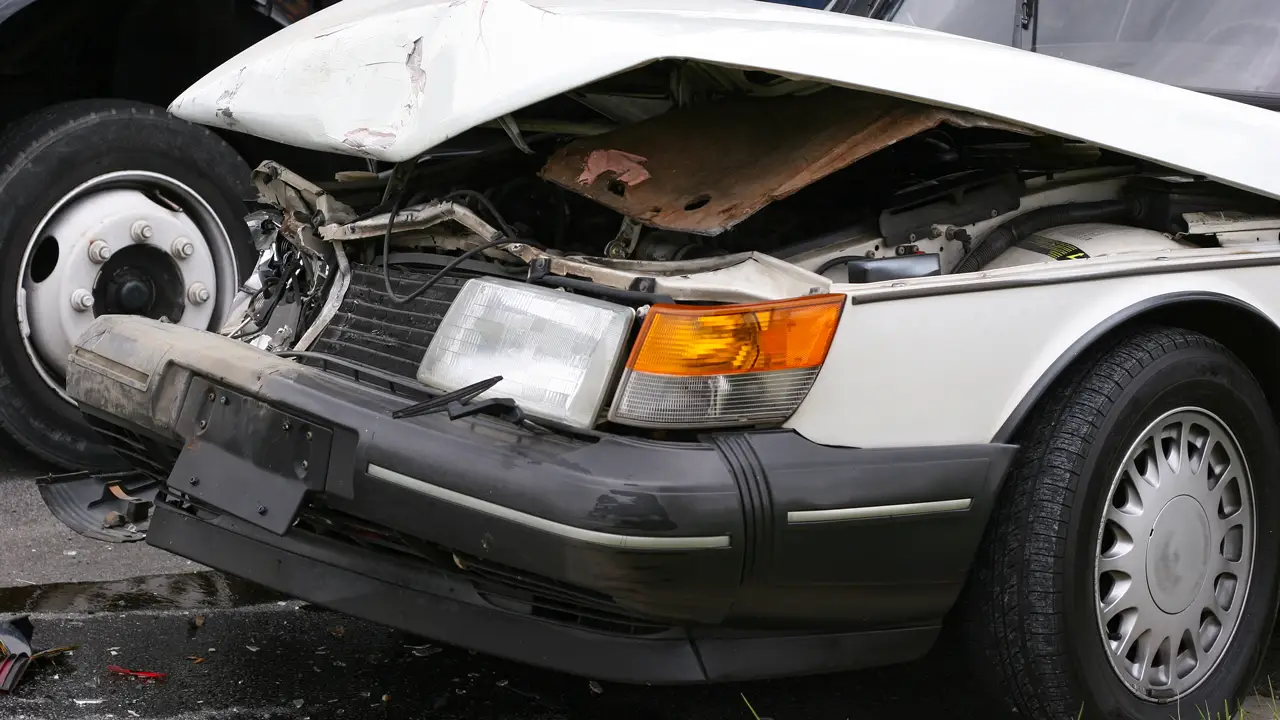
Purchasing a car with a salvage or rebuilt title can be a tempting proposition due to lower prices, but it comes with its own set of challenges and risks. Understanding the differences between these titles and the potential issues that may arise is key to making an informed decision. In this article, we will explore what salvage and rebuilt titles mean, the pros and cons of buying such cars, and the steps you can take to protect yourself.
Introduction to Salvage and Rebuilt Titles
Cars with salvage or rebuilt titles are often sold at a fraction of the price of a similar vehicle with a clean title. However, these titles indicate that the vehicle has previously been involved in an accident, flood, or some other major event that rendered it unsuitable for use in its original condition. Before buying a car with such a title, it’s important to fully understand what these titles signify and what risks they carry.
What is the Difference Between Salvage and Rebuilt Titles?
A salvage title is issued when a car has been declared a total loss by an insurance company. This usually happens when the cost of repairs exceeds the car’s value, or the vehicle is severely damaged due to an accident or natural disaster like a flood. While a salvage title car can be repaired, it’s considered damaged goods, and it may not be roadworthy until repaired and inspected.
On the other hand, a rebuilt title is issued to a car that was previously given a salvage title but has since been repaired to meet safety standards. After repairs, the car must pass a state inspection to ensure it’s safe to drive again, after which it’s given a rebuilt title. While the car may now be functional, it may still have underlying issues, and some insurance companies may not offer full coverage on such cars.
Why Do Some Cars Have a Salvage Title?
Cars are typically given a salvage title for a variety of reasons, most commonly due to severe accidents, floods, theft recovery, or vandalism. When the damage is so extensive that repairing the vehicle costs more than its market value, insurance companies may declare the car a total loss. In some cases, the vehicle is sold to a third party who attempts to repair it. The vehicle is then given a salvage title, indicating its past history of significant damage. Understanding why a car has a salvage title is crucial in determining whether the vehicle is worth purchasing, as hidden problems might be lurking beneath the surface.
Buying a Car with a Salvage or Rebuilt Title
Buying a car with a salvage or rebuilt title can offer a great opportunity to save money, but it requires a careful approach. These cars often come with a history of significant damage, and ensuring that you are making an informed decision is key. Let’s explore where you can buy these cars, how to check their titles, and the potential advantages and risks involved.
Where to Buy a Salvage Title Car?
Salvage title cars are typically sold through online auctions, car dealerships specializing in damaged or reconstructed vehicles, and salvage yards. Popular online auction sites such as Copart and IAA offer a wide range of salvage cars that buyers can bid on. You may also find salvage title cars at public auctions or from private sellers who repair and sell them. It’s important to ensure that any seller you choose is reputable, and if purchasing from an auction, be aware that some cars might be sold as-is, without a guarantee.
How to Check a Car’s Title Before Purchase?
Before buying any car with a salvage or rebuilt title, it's essential to check the car’s title thoroughly. You can perform a title check through services like Carfax, AutoCheck, or the DMV, which will provide a detailed history of the vehicle, including its title status and whether it’s ever been involved in an accident. For added peace of mind, VIN checks can also provide information on the car's title status, repairs, and potential issues such as theft, flood damage, or other critical factors. If you're unsure about how to check the salvage title or if you can't access detailed history, it’s advisable to ask the seller for documents like repair receipts or inspection reports to validate the vehicle's condition.
Pros and Cons of Buying a Salvage Title Car
There are several pros and cons to consider when deciding whether to buy a car with a salvage title:
Pros:
- Lower Price: Salvage title cars are often significantly cheaper than their clean-title counterparts, allowing you to get a car at a fraction of the cost.
- Potential for Profit: If you're buying the car to resell, fixing it up and putting it back on the market might offer a good return on investment, assuming the repairs are successful.
Cons:
- Hidden Damages: While the car might be repaired, it could still have lingering issues that may not be apparent at first glance.
- Higher Insurance Costs: Many insurance companies may not offer full coverage on a rebuilt title car, or the rates could be significantly higher.
- Resale Challenges: When you’re ready to sell the car, the salvage title can make it harder to find buyers, and you may need to offer it at a lower price.
Considering both the advantages and potential drawbacks of buying a salvage title car will help you decide whether this route is right for you. Always take precautions by checking the car's history and carefully evaluating its condition before committing.
Selling a Car with a Salvage or Rebuilt Title
Selling a car with a salvage or rebuilt title can be a bit more complicated than selling a car with a clean title, but it is still possible. Understanding the necessary steps, including how to transfer ownership and whether you can sell a car without a title, is key to ensuring a smooth transaction. Let's dive into the process of selling a salvage title car.
How to Sell a Salvage Title Car?
Selling a salvage title car requires transparency and full disclosure of the vehicle's history. To sell a salvage title car, start by obtaining a proper title check to confirm the car's status and ensure there are no other legal issues that might complicate the sale. Once you have this information, you can either sell the car privately, through a dealership, or via an online auction site. Make sure you clearly disclose the car’s salvage title to potential buyers, as it significantly impacts the car’s value. Additionally, you may want to provide any repair receipts or documentation proving that the car has been fixed and is roadworthy. This helps build trust with buyers and can facilitate a smoother sale.
Can You Sell a Car Without a Title?
In most cases, selling a car without a title can be challenging, but it’s not impossible. If the car has a salvage title, you can sell it without the title, but you will need to go through the appropriate channels to obtain a duplicate title before completing the sale. If the title has been lost or is missing, contact your local DMV to apply for a duplicate title. Without a title, the buyer may not be able to register the vehicle, which could significantly reduce the number of potential buyers. If you are selling a car without a title, it's important to ensure the buyer is aware of the situation, as this can lead to complications during the transfer process.
What Is a Title Transfer and How to Do It?
A title transfer is the legal process of transferring ownership of a vehicle from the seller to the buyer. In the case of a car with a salvage or rebuilt title, the process is the same as it would be for a clean title, but it may require additional paperwork to prove that the car was repaired and inspected after the damage. To complete a title transfer, both the seller and the buyer need to fill out the appropriate forms at the DMV or through an online title transfer service (if available in your state). In many states, a salvage car needs to undergo a salvage title inspection to ensure that it’s safe to drive before the transfer is finalized. Once this inspection is complete and the necessary paperwork is filed, the title can be officially transferred, and the buyer can register the vehicle in their name.
FAQs
If you're considering buying a car with a salvage or rebuilt title, there are many questions that might come up. Below are some frequently asked questions to help you make a more informed decision.
Is Buying a Salvage Title Car Worth It?
Buying a salvage title car can be worthwhile depending on your specific needs and goals. For some buyers, purchasing a salvage title car offers a chance to save money, especially if they are looking for a project car or a vehicle they intend to repair and keep. Salvage title cars are usually priced lower than comparable vehicles with clean titles, but they come with their own set of risks, including potential hidden damage or higher insurance costs. If you're looking for a low-cost option and are prepared to invest time and money in repairs, a salvage title car could be a good choice. However, it’s important to weigh the risks and potential expenses carefully before proceeding.
Can You Register a Salvage Title Car?
Yes, you can register a salvage title car, but the process can vary depending on the state. Typically, you’ll need to have the car inspected to ensure it meets safety standards before it can be registered. This inspection process is often referred to as a salvage title inspection. If the car passes this inspection, you can proceed with registering the vehicle with your state's DMV. Keep in mind that registration for salvage title cars might be more complicated, and the car may be subject to additional scrutiny. It's important to check with your local DMV to understand the exact requirements for registering a salvage title car in your area.
Can a Salvage Title Be Converted to a Clean Title?
In most cases, a salvage title cannot be converted into a clean title. Once a car has been given a salvage title, it will always carry that designation, even if it is repaired and deemed roadworthy. However, in some states, if a salvage title car has been repaired to a satisfactory condition and passes a salvage title inspection, it can be issued a rebuilt title, which indicates that it is safe to drive again but still acknowledges its previous damage. While the rebuilt title allows you to legally register and drive the vehicle, it’s important to note that it will not return to a clean title status, which can affect the car’s resale value and insurance coverage.
Are you interested in buying a car from Online Auto Auctions?
With this being said – you can still export vehicles and save up a few thousand dollars with Bidndrive. We have an inventory of over 150k plus vehicles with titles you can export for you to choose from. Once you have placed your bid and won the auction a Bill of Sale document is then emailed to you as proof of purchase – after full payments have been made.
To gain access and get started on your purchase, sign up for free.