


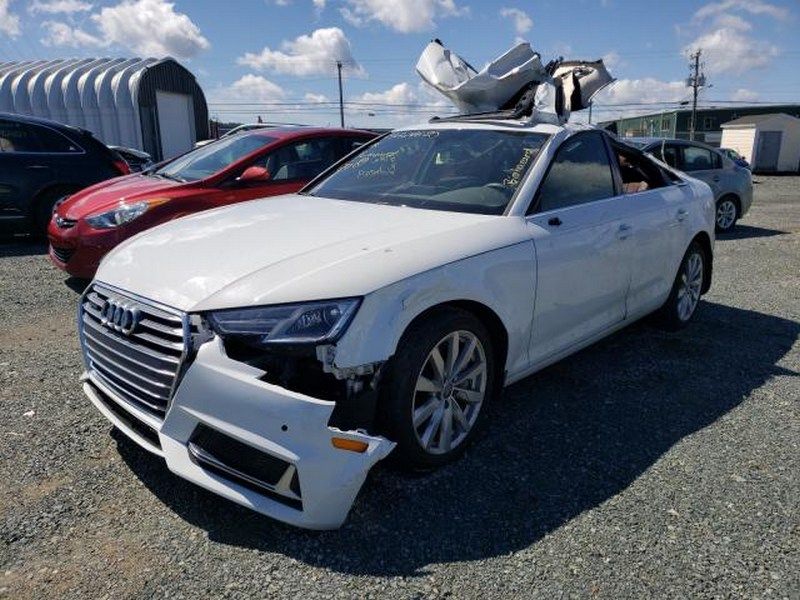
Purchasing a salvage-title car can be a tempting option for budget-conscious buyers looking to save money. However, these vehicles come with unique risks and challenges. Understanding what a salvage-title entails, how it impacts a car's value and safety, and where to buy such vehicles can help you make an informed decision. Should you buy a car with a salvage title? Let’s dive into the details to see if buying a salvage-title car is the right choice for you.
What is a Salvage Title?
A salvage-title is issued to a vehicle that has been deemed a total loss by an insurance company due to significant damage. This title indicates that the car has been involved in a major accident, flood, fire, or other substantial incidents that led to extensive damage. The term "salvage" means that the vehicle has been written off by the insurer but may still be repaired or resold with specific conditions.
Definition of a Salvage-Title
When a car is in an accident or faces significant damage, the insurance company evaluates whether the cost of repairs is worth the vehicle’s value. If repairs exceed a certain percentage (typically 75-80% of the car’s market value), the insurance company declares the car a "total loss." After this decision, the car is issued a salvage-title. It is important to understand that while salvage-title cars can be repaired, they are still considered high-risk due to their history of severe damage.
What Types of Damage Lead to a Salvage-Title?
Several types of damage can cause a car to receive a salvage-title. Some of the most common causes include:
- Collision Damage: Major accidents causing structural, engine, or frame damage.
- Flood Damage: Cars affected by water can suffer from electrical issues, corrosion, and rust, making them more prone to long-term problems.
- Fire Damage: Fire can cause serious damage to both the exterior and internal systems of the vehicle, which is often costly to repair.
- Theft Recovery: Cars that have been stolen and recovered, but severely damaged during the theft or through attempts to alter the vehicle.
- Hail or Wind Damage: Severe weather can cause extensive body damage, leading insurers to total the car.
Understanding the type of damage a car has sustained is essential before purchasing, as some damage may be repairable, while others might result in ongoing problems.
Salvage Title vs. Rebuilt Title: Key Differences
While both terms are related to cars that have sustained significant damage, there is a distinct difference between a salvage-title and a rebuilt title:
- Salvage Title: As mentioned, a salvage-title is issued when a vehicle is declared a total loss due to damage. It cannot be legally driven until repaired and passed inspections.
- Rebuilt Title: A rebuilt title is issued to a vehicle that has previously held a salvage-title but has been repaired and inspected to meet safety and operational standards. It can be driven legally, but it still has a history of significant damage.
The key difference is that a salvage-title indicates a car is not yet roadworthy, whereas a rebuilt title means the vehicle has been repaired and inspected, but it still holds a history of damage. When buying, it's important to assess both the quality of repairs and the safety of a rebuilt title car before making a purchase.
Pros and Cons of Buying a Salvage Title Car
Buying a salvage-title car can seem like an attractive option, especially when looking to save money. However, there are significant risks that come with purchasing a vehicle with this type of title. Here’s a breakdown of the main pros and cons of buying a salvage-title car.
Why Buy a Salvage-Title Car?
For some buyers, a salvage-title car presents a unique opportunity. Here’s why it might be worth considering:
Save Money
One of the main reasons people opt for salvage-title cars is the potential to save money. Because these vehicles are often sold for a fraction of their original value, buying a salvage car can significantly reduce your upfront costs. If you're handy with repairs or know a reliable mechanic, this can be a cost-effective way to own a car that might otherwise be out of your budget. Depending on the damage, you could fix up the vehicle and drive it for years without spending a lot compared to buying a new or used car.
Opportunity for DIY Repairs
If you're someone who enjoys working on cars and have the skills to repair them, a salvage-title car can be an exciting project. You can purchase a vehicle with the intention of restoring it yourself, which could save you labor costs and give you more control over the repair process. Many buyers take on salvage-title cars for the challenge of turning them back into a roadworthy vehicle, especially if they find a model they’re passionate about.
Source for Rare Parts
Salvage-title cars can also serve as a useful source of parts for other vehicles, especially if the car is rare or no longer in production. If you're restoring a car of the same make and model, buying a salvage vehicle can provide you with hard-to-find components, such as body panels, engines, or interior parts. For enthusiasts or car collectors, this can be a great way to access the parts needed for restoration projects.
Why Avoid Salvage-Title Cars?
While there are advantages, the downsides of buying a salvage-title car should not be overlooked. Here are some important reasons to proceed with caution:
Safety Concerns
Safety should always be a top priority when buying a car, and salvage-title vehicles come with a higher level of risk. Even if a car has been repaired after an accident or damage, it may not meet the same safety standards as a vehicle with a clean title. Structural integrity, airbag deployment, or damage to safety systems like brakes or steering could be compromised. It’s important to thoroughly inspect the car and ensure it has been repaired to the proper standards.
Hard to Insure or Finance
Another major drawback of buying a salvage-title car is that it can be difficult or expensive to insure. Many insurance companies are reluctant to offer full coverage for salvage-title vehicles, meaning you may only be able to get liability insurance. If you want comprehensive or collision coverage, you could face high premiums, or the insurer might refuse to cover the vehicle altogether. Additionally, securing financing for a salvage-title car is also challenging, as lenders are less likely to offer loans on cars with significant damage histories.
Difficult to Resell
When it comes time to sell the salvage-title car, you may face challenges. Many buyers avoid salvage-title cars due to their history, meaning you could struggle to sell it for a fair price. Even if you repair the car and get it in good condition, it will always carry the stigma of its past damage, which makes it harder to find interested buyers. You’ll also have to disclose the salvage-title to potential buyers, which could limit your market.
Risk of Fraud
One of the biggest risks with salvage-title cars is the potential for fraud. Some sellers may attempt to misrepresent the car's condition or repair history, which could lead to significant financial loss. If you're not experienced in assessing vehicle damage, it can be challenging to spot a poorly repaired car. To avoid falling victim to fraud, it’s important to get a professional inspection, review the car’s history report, and work with reputable sellers, such as those found on trusted online auction sites like BidnDrive, Auto4Export, Copart, and IAAI, which offer transparency in their listings.
Who Should Consider Buying a Salvage Title Car?
While salvage-title cars are not for everyone, there are specific types of buyers who may benefit from purchasing these vehicles. Below are the types of people who might want to consider a salvage-title car.
Enthusiasts Looking for Affordable Projects
Car enthusiasts or hobbyists who love working on vehicles can find great value in purchasing salvage-title cars. These individuals are typically familiar with the ins and outs of car repair and restoration, making them well-equipped to handle a salvage vehicle. Buying a salvage-title car can offer an exciting and affordable project, especially when looking for a model that’s no longer in production or is hard to find. The opportunity to restore or customize the vehicle to their exact specifications is often a significant draw for enthusiasts who are willing to invest time and effort into bringing the car back to life.
Professionals in the Auto Repair Industry
If you're a professional mechanic or an auto repair expert, buying a salvage-title car can be a smart decision. These professionals often have the knowledge, tools, and resources needed to repair vehicles properly, making it a potential source of income or a way to build up their own collection of cars. For those in the repair industry, purchasing a salvage vehicle offers an affordable way to practice and hone their craft, as well as to gain valuable experience in restoring cars. In some cases, they may even be able to buy salvage-title cars at auction and resell them after repairs for a profit.
Buyers Needing Parts for Other Vehicles
Salvage-title cars can also be a great option for people in need of parts for other vehicles, especially when those parts are rare or discontinued. Car restorers and repair shops often turn to salvage-title cars as a source for hard-to-find components, such as engines, transmission parts, body panels, and interior accessories. Even if the car itself isn’t worth repairing, its parts may still be highly valuable. By buying a salvage-title car, these buyers can access quality parts at a fraction of the cost of new ones. This is particularly true for people restoring classic cars or those in need of specific replacement parts.
How to Buy a Salvage Title Car Safely
Buying a salvage-title car can be a good opportunity, but it requires careful consideration and thorough research. Knowing where to buy, what to inspect, and how to assess the true cost of ownership can help you make an informed decision. Below are some key tips for safely purchasing a salvage-title car.
Where to Buy Salvage-Title Cars
When looking to buy a salvage-title car, online auto auctions are some of the best places to find deals. Websites like BidnDrive, Auto4Export, Copart, and IAAI offer vast selections of salvage-title vehicles from various sources, including insurance companies, dealers, and private sellers. These platforms provide detailed listings with information about the car's condition, history, and photos, making it easier for you to evaluate options remotely.
- BidnDrive and Auto4Export focus on connecting U.S. car buyers with affordable, reliable options through online auctions. These platforms often include cars with salvage titles, allowing you to bid on vehicles that match your budget and needs.
- Copart and IAAI are some of the largest salvage car auction sites, offering a wide range of vehicles with varying conditions. You can search for cars based on factors such as make, model, title status, and damage type.
While online auctions are convenient, it’s important to review the vehicle's details thoroughly before placing a bid. Some sites offer vehicle history reports, and others may provide access to specific inspection results for the cars.
Tips for Inspecting a Salvage Vehicle
When purchasing a salvage title car, inspecting the vehicle is essential to ensure it’s a good investment. Ideally, you should physically inspect the car before finalizing the purchase, or hire a professional mechanic to do so. Here are a few key aspects to focus on during the inspection:
- Frame Damage: Check for signs of frame damage, as this can significantly affect the car’s safety and structural integrity. Bent or misaligned frames can be costly to repair.
- Engine and Transmission: Make sure the engine runs smoothly, and the transmission shifts without hesitation. Salvage cars may have mechanical issues from the accident that led to the salvage-title.
- Body Condition: Inspect the body for signs of rust, cracks, or poor-quality repairs. A poorly repaired body can lead to further issues down the line.
- Interior: Check for water damage, mold, or electrical problems that may have occurred from flooding or other accidents.
- Test Drive: If possible, take the car for a test drive to assess its performance, handling, and braking.
Understanding the Repair History
Understanding a salvage vehicle’s repair history is crucial before making a purchase. This will give you insight into the severity of the previous damage and how well the car was repaired. Ask for documentation of the repairs and check if a professional mechanic performed them. You can also contact the seller for more information regarding the car's service records.
Be cautious if the repair history is incomplete or if the seller is unwilling to provide details. Cars that were poorly repaired may have hidden issues that could cost you more in the long run.
How to Calculate the True Cost of Ownership
The initial cost of a salvage-title car may be low, but it’s essential to account for additional expenses such as repairs, parts replacement, and future maintenance. Here are some things to consider:
- Repair Costs: If you plan on repairing the car yourself, calculate the cost of parts, tools, and time. If you're hiring a mechanic, get estimates from trusted shops.
- Insurance: Some insurance companies may refuse to insure salvage-title cars or offer limited coverage. Get quotes from multiple insurers to understand the potential cost.
- Resale Value: Salvage-title cars usually have lower resale value, so it may be difficult to recoup your investment when you decide to sell the car.
- Registration Fees and Taxes: Depending on your state, salvage-title vehicles may have higher registration fees, or in some cases, restrictions on registration altogether. Make sure to check with your local Department of Motor Vehicles (DMV) for these details.
By factoring in these additional costs, you’ll have a better idea of the true financial commitment of purchasing a salvage-title vehicle.
Financing and Insuring Salvage Title Cars
When it comes to purchasing a salvage title car, financing and insurance can present challenges that buyers need to be aware of. While it is possible to finance and insure a salvage-title car, there are restrictions and additional steps to take. Below are important details to help you navigate the process.
Can You Get Insurance for a Salvage Title Car?
Yes, you can get insurance for a salvage-title car, but it can be more difficult than insuring a clean title vehicle. Most insurance companies offer basic liability insurance for salvage-title cars, but you may face limitations when trying to get comprehensive or collision coverage. This is because the car's value is often significantly lower than that of a clean title vehicle, making it a higher risk for insurers.
- Liability Coverage: This is the most basic form of insurance and typically the easiest to obtain for a salvage-title car. It covers damage to other vehicles and property if you're at fault in an accident, but it doesn’t cover any damage to your own car.
- Comprehensive and Collision Coverage: Many insurers will not offer these types of coverage for salvage-title vehicles, or they may offer limited coverage. If you do find coverage, it may only apply to the car’s actual cash value (ACV), which is often lower than the cost of repairs or the vehicle’s market value.
If you plan on insuring a salvage title car, it’s a good idea to contact multiple insurance providers to get quotes and understand what policies they offer. Some companies specialize in insuring non-standard vehicles, including salvage-titles, and can help guide you through the process.
Tips for Finding Financing Options
Financing a salvage-title car can be more challenging than financing a clean title vehicle. Many traditional banks and credit unions are hesitant to provide loans for salvage cars because of their lower value and potential risk. However, it’s still possible to secure financing with a little effort. Here are some tips to improve your chances of getting approved:
- Consider Specialized Lenders: Some lenders specialize in providing loans for vehicles with salvage-titles. These institutions understand the risks involved and are more likely to work with buyers looking to finance a salvage title car.
- Use Online Auto Loan Providers: Certain online platforms and marketplaces, such as Auto4Export, provide financing options for salvage-title cars. These platforms often cater to buyers purchasing cars through online auctions, including salvage vehicles, and may offer more flexible terms.
- Down Payment: Offering a larger down payment can improve your chances of securing financing for a salvage-title car. Since the vehicle is worth less than its market value, lenders may require a higher down payment to reduce their risk.
- Check for Pre-Approval: If you have a good credit score, you may be able to get pre-approved for a loan through a lender that works with salvage-title vehicles. This can give you a clear understanding of your financing options before you make a purchase.
It's important to shop around and compare loan terms, interest rates, and fees from different lenders to find the best deal for your situation.
Challenges in Valuation for Insurance and Loans
One of the most significant challenges when it comes to financing and insuring a salvage-title car is determining its value. Both insurance companies and lenders base their decisions on the car's estimated market value, but salvage-title cars have a lower resale value due to the previous damage.
- Insurance Valuation: Insurers will assess the car’s value based on its condition and the extent of the damage that led to the salvage title. This valuation can often be much lower than the amount you paid for the car. Some insurers may use the Actual Cash Value (ACV) method, which factors in depreciation, meaning they may pay you far less in case of a claim than you invested in repairs.
- Loan Valuation: Lenders may also struggle with accurately assessing the value of a salvage-title car, especially if the vehicle has undergone repairs. Many lenders will base the loan amount on the car’s ACV, and this could limit the amount you can borrow.
To navigate these valuation challenges, consider getting an independent appraisal to determine the true value of the vehicle. This can help both with the loan application and when seeking insurance coverage. An appraiser can give you a better understanding of the car’s current worth and ensure you’re not overpaying or being underinsured.
Are you interested in buying a car from Online Auto Auctions?
With this being said – you can still export vehicles and save up a few thousand dollars with Bidndrive. We have an inventory of over 150k plus vehicles with titles you can export for you to choose from. Once you have placed your bid and won the auction a Bill of Sale document is then emailed to you as proof of purchase – after full payments have been made.
To gain access and get started on your purchase, sign up for free.