


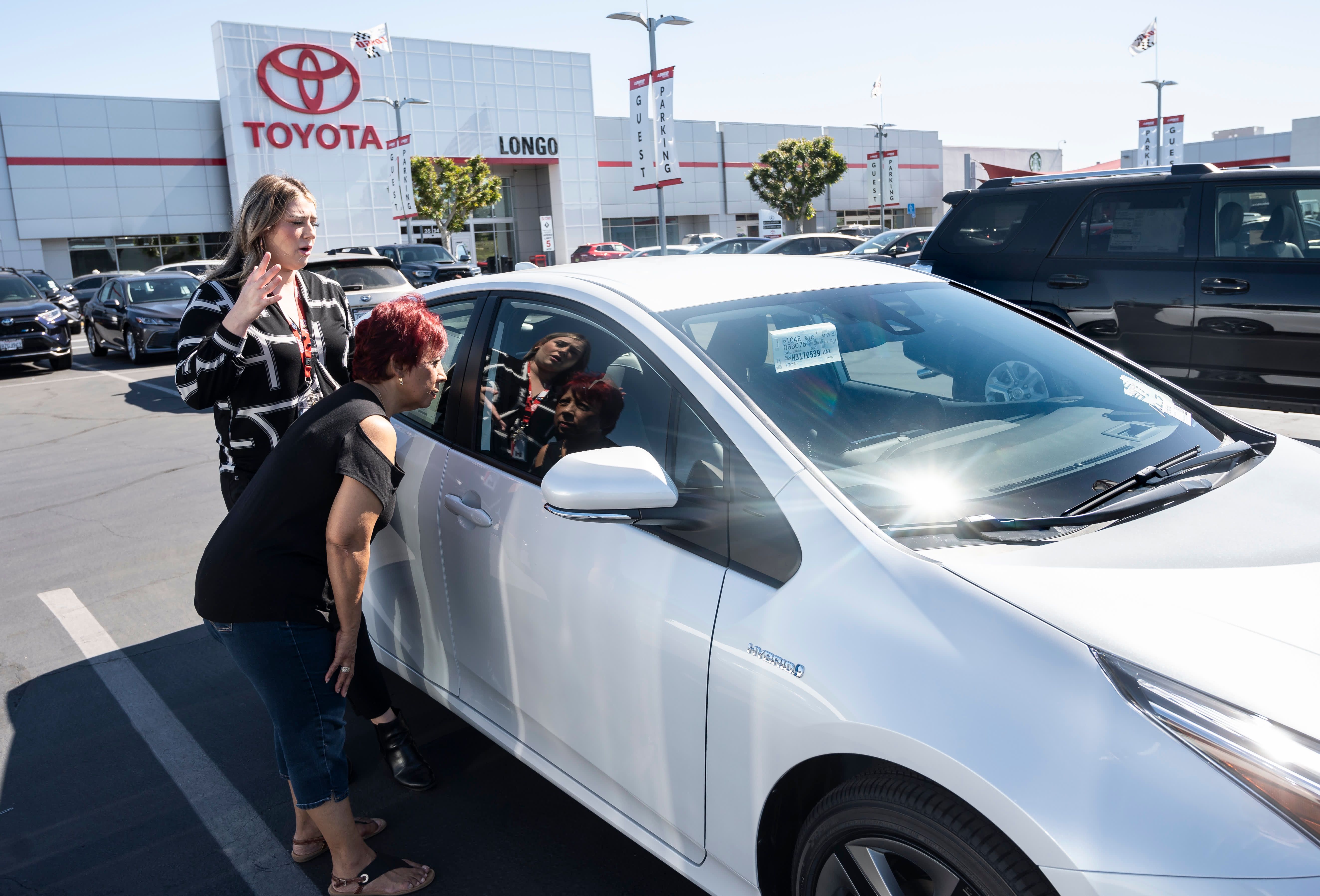
Los Angeles is a city where dreams are realized, and for many, these dreams include finding the perfect set of wheels. The used car market in LA is a bustling hub where a wide range of vehicles find new owners, offering affordability and variety. But navigating this market can be a challenge. Let’s dive into the ins and outs of buying a used car in LA, ensuring you make a savvy purchase.
Overview of the LA Used Car Market
Historical Context
The used car market in LA has evolved dramatically over the years. From the early days of simple transactions between neighbors to today's sophisticated online platforms, the market has become more accessible and diverse. The historical growth is marked by increasing consumer demand for affordable alternatives to new cars and the constant influx of vehicles due to LA's extensive commuting culture.
Current Trends
Currently, the market is thriving, fueled by a mix of economic factors and consumer preferences. With the rise of environmental consciousness, many buyers are opting for used cars to reduce their carbon footprint. Additionally, technological advancements have made it easier to buy and sell cars online, leading to a more dynamic market landscape.
Why Buy a Used Car in LA?
Cost-effectiveness
Buying a used car is significantly cheaper than purchasing a new one. You avoid the steep depreciation that new cars undergo in their first few years, making a used car a more economical choice.
Environmental Benefits
Opting for a used car also has environmental advantages. It extends the life of existing vehicles, reducing the demand for new car production and the associated environmental impact.
Variety and Availability
LA’s used car market offers an impressive variety of makes and models, from budget-friendly options to luxury vehicles. The city's diverse population means there's always a wide range of vehicles available, catering to different tastes and needs.
Key Players in the LA Used Car Market
Dealerships
Dealerships are a primary source of used cars in LA. They offer a wide selection of vehicles and often provide warranties and other services that give buyers peace of mind.
Private Sellers
Buying from a private seller can be a great way to get a good deal. However, it comes with risks such as limited recourse if something goes wrong with the car.
Online Platforms
The digital age has transformed car buying. Online platforms like CarGurus, AutoTrader, and Craigslist have made it easier to browse and purchase used cars without leaving your home.
Top Dealerships to Consider
When it comes to dealerships, reputation matters. Some of the top dealerships in LA include Galpin Ford, Toyota of Hollywood, and CarMax. These dealerships are known for their extensive inventory, customer service, and transparent pricing.
Private Sellers: Pros and Cons
Negotiation Flexibility
Private sellers often have more room for negotiation compared to dealerships. This can lead to significant savings if you’re a skilled negotiator.
Risks Involved
The downside is the lack of warranty and the potential for undisclosed issues. It’s crucial to thoroughly inspect the vehicle and verify its history when dealing with private sellers.
Online Platforms: Changing the Game
Convenience and Accessibility
Online platforms offer unmatched convenience. You can browse thousands of listings, compare prices, and even complete transactions online.
Trust and Verification Mechanisms
Many online platforms provide vehicle history reports and buyer protection programs, adding a layer of security to your purchase.
What to Look for When Buying a Used Car
Vehicle History
Always check the vehicle's history report. This document reveals crucial information about past accidents, ownership changes, and maintenance records.
Mechanical Condition
Inspecting the car’s mechanical condition is essential. Look for signs of wear and tear, check the engine, brakes, and transmission, and ensure everything is in working order.
Price Comparison
Compare prices for similar models to ensure you’re getting a fair deal. Use resources like Kelley Blue Book to gauge the market value of the car you’re interested in.
Understanding Vehicle History Reports
Importance of a Clean Title
A clean title indicates that the car has not been significantly damaged or written off by insurance companies. Avoid cars with salvage titles as they can have hidden issues.
Accident and Maintenance History
A detailed accident and maintenance history can help you understand the car's condition and how well it has been cared for. Look for consistent maintenance records and avoid cars with a history of severe accidents.
Inspecting the Mechanical Condition
Key Components to Check
Check the engine, transmission, brakes, and suspension. Look for signs of leaks, unusual noises, or irregular wear.
Importance of a Test Drive
Never buy a car without taking it for a test drive. This helps you assess its performance, handling, and comfort.
Comparing Prices and Negotiating Deals
Market Research
Do thorough market research to understand the going rate for the car model you’re interested in. This knowledge empowers you during negotiations.
Effective Negotiation Strategies
Be prepared to negotiate. Start with a lower offer and be willing to walk away if the seller doesn’t meet your price. Remember, there are plenty of cars available.
Financing and Insuring Your Used Car
Loan Options
Financing a used car is different from financing a new one. Banks, credit unions, and dealership financing are common options. Compare interest rates and terms to find the best deal.
Insurance Considerations
Insurance for used cars can be cheaper than for new cars, but it’s still important to shop around. Look for comprehensive coverage that fits your budget.
Loan Options for Used Cars
Banks and Credit Unions
Banks and credit unions often offer competitive rates for used car loans. It’s worth checking with your bank to see what they can offer.
Dealership Financing
Dealerships may offer financing options, sometimes even for buyers with less-than-perfect credit. However, their rates can be higher, so compare them with other lenders.
Insurance Tips for Used Cars
Types of Coverage
Consider getting liability, collision, and comprehensive coverage. Each offers different levels of protection, and the right mix depends on your needs and budget.
Finding the Best Rates
Shop around for the best insurance rates. Use comparison websites and consider bundling your car insurance with other policies for discounts.
Common Pitfalls and How to Avoid Them
Overlooking Hidden Costs
Buying a used car comes with additional costs like maintenance, repairs, registration, and taxes. Factor these into your budget to avoid surprises.
Falling for Scams
Scams are prevalent in the used car market. Be wary of deals that seem too good to be true, and always verify the seller’s credibility.
Hidden Costs to Watch Out For
Maintenance and Repairs
Used cars often require more maintenance than new ones. Budget for regular upkeep and potential repairs.
Registration and Taxes
Don’t forget to include the costs of registration and taxes. These can add up and should be considered when budgeting for your purchase.
Recognizing and Avoiding Scams
Red Flags
Watch out for red flags like unusually low prices, sellers who refuse to meet in person, or incomplete vehicle history reports.
Safe Buying Practices
Use trusted platforms, meet sellers in safe, public places, and consider bringing a friend or mechanic with you when inspecting the car.
Conclusion
Navigating the used car market in LA can be a rewarding experience if you’re well-informed. Remember to research thoroughly, inspect vehicles carefully, and negotiate smartly. With these tips, you’ll be well on your way to finding the perfect set of wheels.
FAQs
How do I know if I’m getting a good deal on a used car?
Check the market value of the car using resources like Kelley Blue Book and compare prices from multiple sellers. Ensure the car is in good condition and has a clean history report.
What are the benefits of buying from a dealership vs. a private seller?
Dealerships often provide warranties and more reliable service, while private sellers may offer lower prices and more room for negotiation.
How can I verify the condition of a used car?
Get a vehicle history report, have the car inspected by a mechanic, and take it for a test drive to check its performance.
Is it better to buy from online platforms or traditional sellers?
Both have their pros and cons. Online platforms offer convenience and a wide selection, while traditional sellers allow you to inspect the car in person before buying.
What should I do if I encounter issues after purchasing a used car?
Contact the seller to resolve the issue. If you bought from a dealership, they might offer repair services. If from a private seller, you may need to seek legal advice or use small claims court.
Are you interested in buying a car from Online Auto Auctions?
With this being said – you can still export vehicles and save up a few thousand dollars with Bidndrive. We have an inventory of over 150k plus vehicles with titles you can export for you to choose from. Once you have placed your bid and won the auction a Bill of Sale document is then emailed to you as proof of purchase – after full payments have been made.
To gain access and get started on your purchase, sign up for free.