


Choosing the right car engine can save you money, fuel, and future headaches. This guide breaks down the main engine types — gasoline, diesel, hybrid, and electric — in simple terms, explains how they work, and highlights which options are best for daily driving, performance, and long-term savings. Perfect for budget-conscious buyers looking to make smarter decisions at online car auctions.
Understanding the Basics of Car Engines
How car engines work (the combustion cycle explained simply)
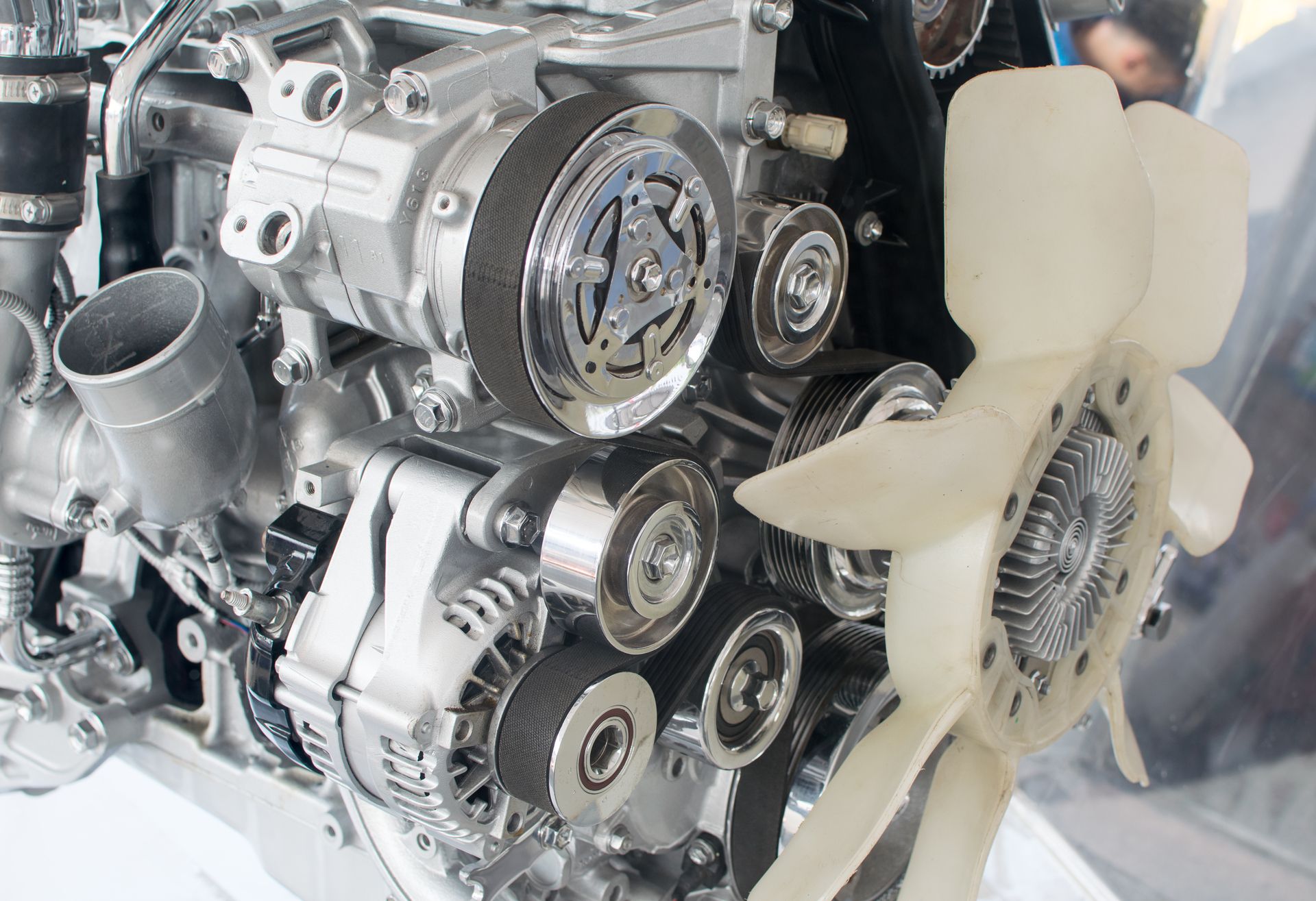
At the heart of every car is the engine, and while it may look complicated, the idea behind it is quite simple. Think of the engine as a pump that takes in air and fuel, mixes them, and then burns the mixture to create power. This process is called the combustion cycle. Here’s how it works in plain terms:
- The engine pulls in air and fuel.
- A piston squeezes the mixture tightly inside a small space.
- A spark plug ignites the mixture, causing a small explosion.
- That explosion pushes the piston down, which turns parts inside the engine and makes the wheels move.
This cycle happens many times per second, which is how your car keeps moving. Even if you’re buying a used or salvage car at auction, understanding this process helps you know why fuel type, engine size, and condition matter for long-term savings.
Key parts that make an engine run
To keep this process going, several important parts work together:
- Cylinders and pistons – These are like the “muscles” of the engine, moving up and down to create power. More cylinders usually mean more power but also higher fuel costs.
- Spark plugs – Small but vital, they light the fuel-air mixture and keep the cycle going. Worn-out spark plugs can make a cheap car run poorly, so always check them.
- Valves – They open and close to let air and fuel in, then release exhaust gases. If valves are damaged, repairs can get costly.
- Crankshaft – This part turns the up-and-down motion of pistons into the spinning force that drives your wheels.
- Timing belt or chain – Keeps all the moving parts in sync. A broken belt can lead to major engine damage, so it’s something to pay attention to when shopping at an auction.
Internal Combustion Engines (ICE)
Most cars you’ll see at online auto auctions still use internal combustion engines (ICE). These engines burn fuel inside the cylinders to create motion. The two most common types are gasoline and diesel.
Gasoline Engines
Gasoline engines are the most common option, especially in the U.S. They’re usually:
- Affordable to buy – Most budget-friendly cars at auctions have gasoline engines.
- Easy to maintain – Repairs and parts are widely available, which means you won’t struggle to find a mechanic.
- Quieter and smoother – Perfect for daily commutes or city driving.
Example: If you’re looking for a small sedan to save money on fuel and repairs, a gasoline engine is a safe bet. Think of models like the Toyota Corolla or Honda Civic you often see listed at auctions.
Diesel Engines
Diesel engines are less common in passenger cars but very popular in trucks and some SUVs. They’re known for:
- Better fuel economy – A diesel car or truck can go farther on the same amount of fuel.
- Stronger pulling power – Ideal if you plan to tow or carry heavy loads.
- Long lifespan – Many diesel engines can run hundreds of thousands of miles if well-maintained.
Example: If you’re considering a work truck from an auction, like a Ford F-250 or a Ram 2500, chances are it comes with a diesel engine for extra strength.
Differences between gasoline and diesel engines
While both are ICE, there are some key differences to know before you buy:
- Fuel cost – Diesel fuel can be more expensive in some areas, while gasoline is usually cheaper and easier to find.
- Maintenance – Diesel engines are tougher but often cost more to repair. Gasoline engines are simpler and cheaper to fix.
- Driving style – Gasoline is better for light, everyday driving. Diesel works best for long-distance or heavy-duty use.
- Resale value – Diesel trucks often keep their value longer, while small gasoline cars are easier to sell quickly.
Alternative Power Engines
As technology evolves, more cars rely on alternative power sources instead of traditional gasoline or diesel. These engines focus on saving fuel, lowering emissions, and cutting long-term costs. At auto auctions, you’ll often see used hybrids and electrics available at lower prices than new ones, which can be a smart way to save money.
Electric Motors
Electric cars run entirely on batteries with no gasoline at all.
- Pros: Very low running costs, since charging is cheaper than filling up at the gas station. They also need less maintenance because there are fewer moving parts.
- Cons: Driving range is limited, and charging stations aren’t everywhere yet. Battery replacement can be costly if it’s near the end of its life.
- Example: A used Nissan Leaf or Chevy Bolt from an auction can be a budget-friendly commuter if you mostly drive in the city and have access to charging at home.
Hybrid Engines (mild, full, plug-in)
Hybrids combine a gasoline engine with an electric motor. They come in different types:
- Mild hybrid – The electric motor helps the gasoline engine but can’t power the car on its own. Good for saving some fuel without big changes.
- Full hybrid – Can run short distances on electricity alone or together with gasoline. A popular example is the Toyota Prius.
- Plug-in hybrid (PHEV) – Can be charged with a plug and driven longer on electricity before switching to gasoline. Great for city drivers who also want flexibility for longer trips.
For auction buyers, hybrids can be a sweet spot: lower fuel costs than regular cars, but still flexible if you can’t charge all the time.
Hydrogen Fuel Cell Engines
Hydrogen cars use hydrogen to create electricity that powers an electric motor.
- Pros: Clean energy with only water vapor as exhaust, and quick refueling compared to charging a battery.
- Cons: Very limited fueling stations and higher upfront costs. Not common outside of certain regions like California.
- Example: Models like the Toyota Mirai sometimes appear at auctions, but unless you live near hydrogen stations, they may not be practical.
Engine Layouts (Position and Orientation)
Engines don’t just differ by type — their position in the car also changes how a vehicle drives, handles, and even how easy it is to repair. When browsing auction listings, you’ll mostly see front-engine cars, but it’s useful to know the differences.
Front-engine, rear-engine, mid-engine setups
- Front-engine – The engine sits in the front, under the hood. This is the most common layout, used in everything from budget sedans to SUVs.
- Rear-engine – The engine is placed at the back of the car, behind the rear wheels. You’ll mostly find this in sporty or unique models, like some older Porsches or Volkswagen Beetles.
- Mid-engine – The engine sits closer to the center of the car, between the front and rear axles. This design balances weight for better handling, and is usually seen in high-performance sports cars.
Pros and cons of each layout
- Front-engine
- ✅ Easier and cheaper to repair, since most mechanics are familiar with it.
- ✅ Better space for passengers and cargo.
- ❌ Not as balanced in handling, especially at high speeds.
- 🔑 Best for: budget buyers, families, or anyone wanting a simple daily driver.
- Rear-engine
- ✅ Can give better traction because the engine weight pushes down on the rear wheels.
- ✅ Unique driving feel that some enthusiasts love.
- ❌ Repairs can be tricky and more expensive.
- ❌ Less common, so parts may be harder to find.
- 🔑 Best for: collectors or enthusiasts looking for something special at an auction.
- Mid-engine
- ✅ Excellent balance and handling, great for sports driving.
- ❌ Expensive to buy and maintain.
- ❌ Limited passenger and cargo space.
- 🔑 Best for: buyers searching for a performance car, not a budget-friendly commuter.
Cylinder Configurations
Engines don’t just vary by fuel type or layout — the way cylinders are arranged also changes how the car performs, how smooth it feels, and how much it costs to maintain. Knowing the basics helps you avoid surprises when you see terms like “V6” or “I4” in auction listings.
Inline Engines (I3, I4, I6)
Inline engines have cylinders arranged in a straight line.
- I3 (3-cylinder) – Small, light, and fuel-efficient. Found in compact cars like the Ford Fiesta. Great if you just need cheap city driving.
- I4 (4-cylinder) – The most common setup worldwide. Balances power, fuel economy, and low repair costs. Think Toyota Corolla, Honda Civic, or Hyundai Elantra at auctions.
- I6 (6-cylinder inline) – Smoother and stronger than a 4-cylinder, often found in larger sedans or SUVs. Reliable but can be more expensive to repair.
For budget buyers, I4 engines are usually the sweet spot: affordable, easy to maintain, and widely available.
V-Engines (V6, V8, V12)
V-engines arrange cylinders in two rows that form a “V” shape.
- V6 – A good mix of power and smoothness, often used in midsize sedans and SUVs. Common examples: Ford Explorer or Toyota Camry V6.
- V8 – Stronger and more powerful, often used in trucks and muscle cars. Great for towing or performance, but fuel costs are much higher.
- V12 – Mostly found in luxury or supercars. Impressive performance, but extremely costly to repair and not budget-friendly at all.
For everyday buyers, a V6 can be a smart balance if you need more power than a 4-cylinder but don’t want the high fuel bills of a V8.
Flat/Boxer Engines
Flat or “boxer” engines place cylinders opposite each other, lying flat. This lowers the car’s center of gravity, making it more stable.
- Used by brands like Subaru and Porsche.
- ✅ Smooth ride and good handling.
- ❌ Repairs can be expensive because fewer mechanics specialize in them.
At auctions, Subaru models often come with flat engines — a good option if you want all-wheel drive and stability, but be ready for potentially higher repair costs.
Rotary Engines (Wankel)
Rotary engines are very different: instead of pistons, they use a spinning rotor.
- ✅ Compact, lightweight, and able to produce a lot of power for their size.
- ❌ Known for poor fuel economy and higher maintenance needs.
- Mostly seen in older Mazda RX sports cars.
Air Intake and Performance Enhancements
The way an engine “breathes” affects how much power it makes and how efficient it is. Some engines use only natural airflow, while others use extra devices to push more air inside. When browsing auction listings, you’ll often see terms like “turbo” or “supercharged” — here’s what they really mean.
Naturally Aspirated Engines
A naturally aspirated (NA) engine takes in air without any extra help — it just relies on the natural movement of air through the intake.
- ✅ Simple design, easier and cheaper to maintain.
- ✅ Reliable for daily use.
- ❌ Less power compared to turbo or supercharged engines of the same size.
- Example: Many budget-friendly cars like older Toyota Camrys or Honda Civics come with NA engines that are dependable and inexpensive to fix.
Turbocharged Engines
A turbocharged engine uses a small turbine powered by exhaust gases to push more air into the cylinders. More air means more fuel can be burned, which means more power.
- ✅ Smaller engines with turbos can deliver good power while still saving fuel.
- ✅ Popular in modern sedans and SUVs, especially for efficiency.
- ❌ More parts mean higher repair costs if something breaks. Turbos can wear out over time.
- Example: Ford EcoBoost engines or Volkswagen Golf turbo models are common at auctions.
Supercharged Engines
A supercharged engine also pushes extra air into the cylinders, but instead of exhaust gases, it uses a belt connected to the engine.
- ✅ Instant power boost — no “lag” like some turbos.
- ✅ Great for performance and towing.
- ❌ Less fuel-efficient, since the supercharger takes power from the engine to run.
- ❌ Repairs and maintenance can be expensive.
- Example: Some Dodge muscle cars and performance SUVs use superchargers for extra horsepower.
Forced Induction vs. Naturally Aspirated
- Naturally aspirated – Best for reliability, lower costs, and everyday driving. Perfect for budget buyers who want simple, worry-free maintenance.
- Forced induction (turbo or supercharger) – Great if you want more power or efficiency from a smaller engine, but keep in mind possible higher repair bills.
Comparing Engine Types
With so many engine options out there — gasoline, diesel, hybrid, electric, turbo, and more — it can feel overwhelming to pick the right one. To make it easier, let’s break down how they compare in areas that matter most for buyers on a budget.
Fuel Efficiency Comparison
- Gasoline engines – Decent efficiency, especially with modern 4-cylinders, but not the cheapest to run if you drive long distances daily.
- Diesel engines – Usually better mileage than gasoline, especially on highways. Great if you drive a lot, but fuel may cost more depending on where you live.
- Hybrids – Often the best balance, giving excellent city mileage and lower fuel bills.
- Electric motors – Cheapest to “fuel” since charging costs less than filling a tank, but range is limited.
👉 For auction buyers, hybrids and small gasoline cars often strike the best balance between purchase price and fuel savings.
Performance and Power Delivery
- Gasoline – Smooth acceleration, good for everyday driving.
- Diesel – Strong pulling power, perfect for trucks or heavy loads, but slower acceleration.
- Turbocharged – More punch from smaller engines, but not always as durable long-term.
- Electric – Instant torque, meaning very quick acceleration even in small cars.
👉 If performance isn’t your priority, a simple I4 gasoline engine does the job without extra costs.
Maintenance and Reliability
- Gasoline – Easy to maintain, parts are cheap and widely available.
- Diesel – Long-lasting, but repairs can be costly when they do happen.
- Hybrids – Reliable if well-maintained, but battery replacement can be expensive.
- Electric – Fewer moving parts, so less to break, but battery health is key.
👉 For budget buyers, gasoline engines remain the cheapest and simplest to repair, making them a safe choice at auctions.
Which Type Is More Budget-Friendly
- If you want lowest upfront cost → go with a gasoline engine sedan or compact car.
- If you drive long distances and want fuel savings → a diesel or hybrid might pay off.
- If you live in a city with charging options and want low running costs → consider an electric car from auction.
Engines vs. Motors: What’s the Difference?
When looking at cars — especially at auctions — you’ll often see the terms engine and motor. Many people use them interchangeably, but they’re not the same. Understanding the difference helps you make better decisions when comparing gas, hybrid, and electric vehicles.
Internal Combustion vs. Electric Motors
- Engine – Refers to an internal combustion engine (ICE) that burns gasoline or diesel to create power. It has many moving parts (pistons, valves, crankshaft, spark plugs) that require fuel, oil, and regular maintenance.
- Motor – Refers to an electric motor, which runs on electricity stored in batteries. It has far fewer moving parts and doesn’t need oil changes, spark plugs, or exhaust systems.
In simple terms:
- An engine eats fuel and converts explosions into movement.
- A motor eats electricity and turns it directly into movement.
For budget-conscious buyers, this difference also affects maintenance costs. Engines are cheaper to buy at auction but need more upkeep, while motors can be more expensive upfront but save money over time.
Transition to EVs and Hybrids
The auto industry is moving toward cleaner, more efficient vehicles. Many carmakers now offer:
- Hybrids – A mix of an engine and a motor, designed to save fuel while keeping flexibility for longer trips.
- Plug-in hybrids (PHEVs) – Can run short distances on pure electricity, then switch to gasoline when the battery runs out.
- Electric Vehicles (EVs) – 100% powered by electric motors, with no fuel tank or exhaust.
At online auctions, you’ll see more hybrids and EVs appearing every year. For buyers on a budget, these can be an affordable way to try new technology without paying dealership prices. However, it’s important to check battery condition, since replacement costs can be high.
Choosing the Right Engine for Your Next Car
Picking the right engine is more than just looking at horsepower numbers — it’s about finding the balance between cost, efficiency, and reliability. At an online auto auction, knowing what engine suits your lifestyle can help you avoid overspending and get a car that truly fits your needs.
Factors to Consider (Budget, Fuel Economy, Performance)
- Budget – The upfront price of the car is just the beginning. Repairs, fuel, and maintenance add up. Simpler engines like 4-cylinder gasoline models are usually the cheapest to buy and fix.
- Fuel Economy – If you drive short distances in the city, a small gasoline or hybrid engine will save money on fuel. If you drive hundreds of miles weekly, diesel or hybrid options might pay off better.
- Performance – Ask yourself: do you really need extra power? Unless you’re towing or love sporty driving, a modest engine will be more than enough for daily life.
👉 Think about your driving habits before bidding. A commuter doesn’t need a V8, just like a work truck doesn’t belong with a tiny 3-cylinder engine.
Best Options for Daily Driving
For everyday use, especially commuting, school runs, or city driving, the safest bets are:
- Inline-4 gasoline engines – Affordable, reliable, and widely available. Cars like the Honda Civic, Toyota Corolla, or Hyundai Elantra are common at auctions and won’t break the bank.
- Hybrids (full or mild) – Ideal if you’re mostly in stop-and-go traffic. A Toyota Prius or Ford Fusion Hybrid can cut fuel costs dramatically.
- Small EVs – If you have charging access and don’t drive far, a used Nissan Leaf or Chevy Bolt can be a cheap-to-run daily driver.
Best Engines for Long-Term Savings
If your goal is not just saving now but also avoiding big costs later, consider:
- Reliable 4-cylinder gasoline engines – Proven to last, easy to service anywhere, and parts are cheap.
- Diesel engines (for trucks/SUVs) – If you haul or drive long distances, a diesel can outlast a gasoline engine and deliver better mileage.
- Hybrids – While batteries can be costly to replace, many hybrid systems last well over 150,000 miles. If you find one with good battery health at an auction, it can save thousands in fuel over the years.
- Electric motors – Low maintenance, no oil changes, fewer moving parts. Great for long-term savings if you don’t mind range limits.
Types of Engines FAQs
Buying a car at an online auction can feel overwhelming, especially when engine types and technical terms come up. Here are some of the most common questions answered in plain language.
How do turbocharged and supercharged engines work?
- Turbocharged engines use exhaust gases to spin a small turbine, which pushes more air into the engine. More air means more fuel can burn, giving extra power without needing a bigger engine.
- Supercharged engines also force more air into the engine, but they are powered by a belt connected to the engine itself rather than exhaust gases. This gives immediate power.
- Key takeaway: Both systems increase performance, but they can add complexity and higher maintenance costs. For budget buyers, a naturally aspirated engine is often simpler and cheaper to maintain.
How do hybrid engines work?
- Hybrid engines combine a gasoline engine with an electric motor. The car can switch between the two or use both together.
- Mild hybrids assist the engine for better fuel economy but can’t run on electricity alone.
- Full hybrids can drive short distances on electricity alone, saving fuel in city driving.
- Plug-in hybrids (PHEVs) can be charged from an outlet and drive longer distances on electric power.
- Key takeaway: Hybrids reduce fuel costs and emissions, making them a smart choice for daily commuting if you find a used one in good condition at auction.
What type of car engine is the best for beginners?
- Inline 4-cylinder gasoline engines are the most beginner-friendly: simple, reliable, cheap to repair, and widely available.
- Avoid complex setups like turbocharged V8s, mid-engine sports cars, or rotary engines, which can be expensive to maintain and tricky to repair.
Which engines last the longest?
- Diesel engines often have the longest lifespan if maintained properly, especially in trucks and SUVs.
- Inline 4- and 6-cylinder gasoline engines are also highly reliable and can easily run 200,000+ miles with proper care.
- Hybrids and electric motors can last a long time too, but battery replacement can be expensive once it reaches the end of its life.
Final Thoughts
Understanding engine types isn’t just for car enthusiasts — it’s a powerful tool for saving money. Knowing how different engines work, their fuel costs, maintenance needs, and longevity helps you make smart decisions when buying a car, especially at auctions.
Why understanding engine types helps you save money
- Avoid unexpected repairs – Recognizing which engines are simple and reliable means fewer costly surprises.
- Choose fuel-efficient options – Knowing the difference between gasoline, diesel, hybrid, and electric lets you pick a car that matches your driving habits and reduces monthly fuel expenses.
- Make smarter auction bids – Understanding engine types helps you spot bargains and avoid overpaying for cars that might have high maintenance costs.
Example: A buyer at an online auction might see a turbocharged V6 and think it’s a great deal, but understanding the higher maintenance costs might steer them to a simpler 4-cylinder gasoline car that is cheaper long-term.
How auctions can help you get cars with advanced engines at lower prices
Online auto auctions are a goldmine for budget-conscious buyers. They often feature cars with advanced engines — hybrids, turbocharged models, or even electric vehicles — at prices far below dealership rates. By knowing what to look for:
- You can find a high-tech engine without paying premium prices.
- You can check engine condition in advance using auction reports and photos.
- You can compare similar vehicles quickly to find the best deal for your budget.
Are you interested in buying a vehicle from Online Auto Auctions?
With this being said – you can still export vehicles and save up a few thousand dollars with Bidndrive. We have an inventory of over 150k plus vehicles with titles you can export for you to choose from. Once you have placed your bid and won the auction a Bill of Sale document is then emailed to you as proof of purchase – after full payments have been made.
To gain access and get started on your purchase, sign up for free.