


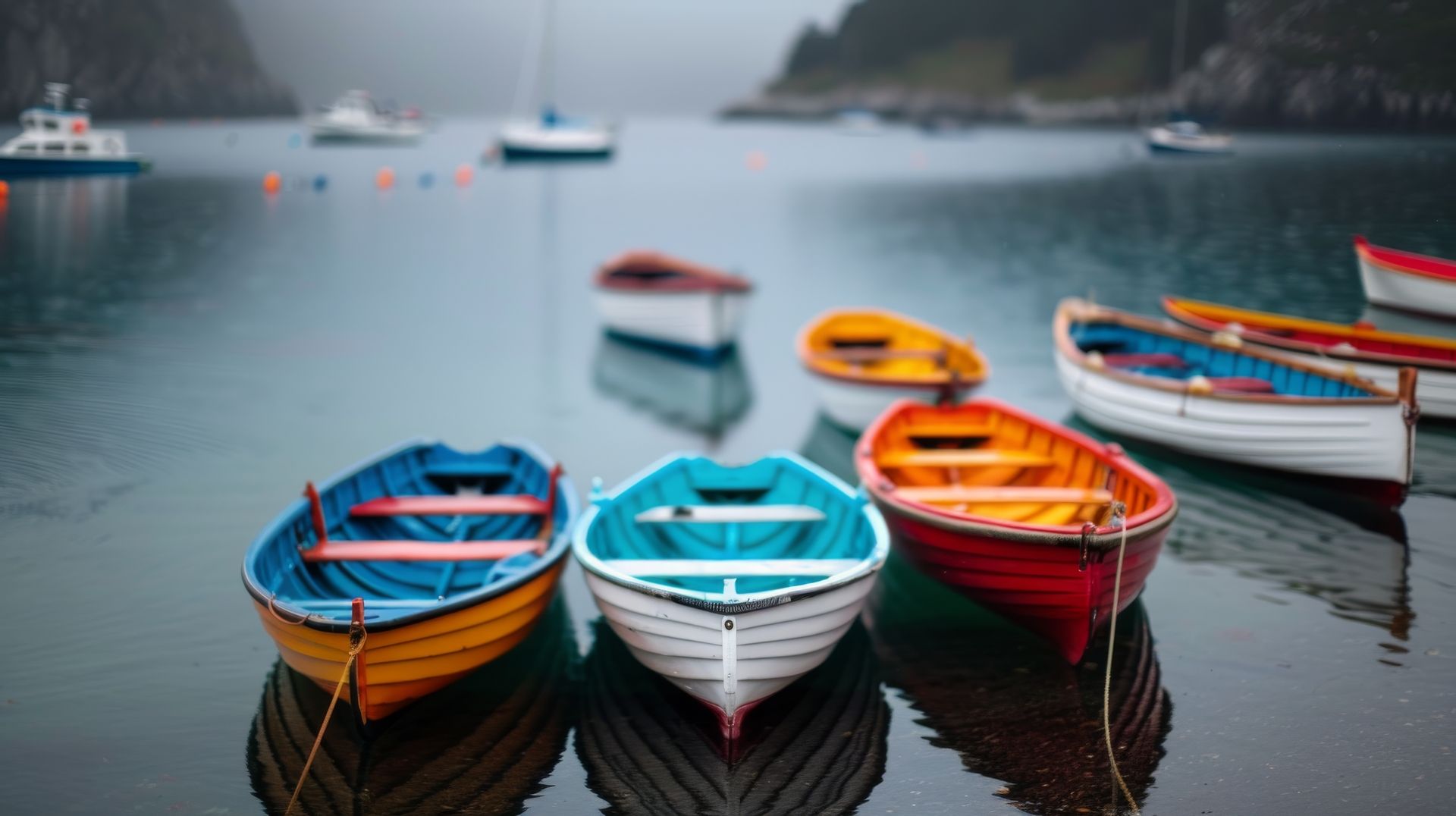
Choosing the right fishing boat can make or break your time on the water. This guide explores the main types of fishing boats, from freshwater to offshore, including budget-friendly options. Whether you’re a beginner, a family angler, or a serious fisherman, you’ll learn which boat suits your style, waters, and wallet—helping you make smarter, more cost-effective choices.
Why Choosing the Right Fishing Boat Matters
Selecting the right fishing boat isn’t just about looks—it directly affects your fishing success, safety, and overall enjoyment. A boat that fits your fishing style, water type, and budget ensures you get the most out of every outing, while a mismatch can lead to frustration, extra costs, or even safety risks.
Matching Boat Type to Fishing Style
Different fishing styles require different boats. For example, bass fishing in lakes often works best with a small, maneuverable bass boat, while fly fishing in rivers may need a lightweight drift boat or jon boat. If you like casting from shore or wading, a kayak or small flat-bottom boat might be ideal. Choosing a boat that suits how you fish ensures better performance, more comfort, and fewer wasted trips.
Freshwater vs. Saltwater Considerations
Boats designed for freshwater lakes or rivers may not hold up well in saltwater due to corrosion. Aluminum boats, fiberglass bass boats, and pontoon boats are great for lakes and rivers, while saltwater fishing often requires durable, corrosion-resistant materials and stronger engines. For budget-conscious buyers, this means thinking ahead—buying a freshwater boat for occasional saltwater use may save money upfront but could cost more in repairs later.
Inshore vs. Offshore Needs
The waters you plan to fish also dictate the boat type. Inshore fishing (near the coast, bays, or rivers) allows for smaller, shallower-draft boats like skiffs or center consoles. Offshore fishing (deep sea) requires sturdier boats with larger engines, better stability, and safety features to handle waves. Understanding your target waters helps you avoid overspending on an oversized boat or under-preparing for rough conditions.
Freshwater Fishing Boats
Freshwater fishing covers lakes, rivers, and ponds. The right boat makes your trip more productive and enjoyable. From lightweight aluminum boats to roomy pontoons, freshwater options are often budget-friendly and easy to maintain, perfect for anglers who want fun without overspending.
Aluminum Fishing Boats
Lightweight and Budget-Friendly Option
Aluminum fishing boats are popular for freshwater anglers because they’re light, durable, and easy to tow. They require minimal maintenance and resist rust better than steel, making them a practical choice for budget-conscious buyers. These boats are ideal for small lakes, calm rivers, and even shallow areas where heavier boats struggle.
Bass Boats
High-Performance Design for Sport Anglers
Bass boats are built for serious freshwater anglers. With flat decks, trolling motors, and plenty of storage, they let you cast and maneuver efficiently. While new models can be pricey, used bass boats at online auctions or private sales often provide a more affordable way to access high-performance freshwater fishing.
Jon Boats
Simple, Stable, and Cost-Effective
Jon boats are flat-bottomed, stable, and versatile, making them ideal for calm waters. Their simple design keeps costs low, and they’re easy to repair or modify. Many budget anglers start with a Jon boat because it’s a reliable, no-frills option for lakes, ponds, and small rivers.
Pontoon Boats Designed for Fishing
Spacious Decks for Relaxed Angling
Fishing pontoons offer plenty of space, comfort, and stability. Their wide decks are perfect for multiple anglers, kids, or extra gear. While they’re slower than bass or aluminum boats, pontoons are excellent for relaxed fishing trips, social outings, and family adventures, often at a lower cost than fully equipped sport boats.
Other Freshwater Fishing Boats
Canoes
Canoes are lightweight, easy to transport, and perfect for quiet, shallow-water fishing. They’re extremely affordable and ideal for anglers who enjoy a low-speed, intimate experience on small lakes or rivers.
Kayaks
Fishing kayaks are stable, maneuverable, and allow access to hard-to-reach spots. Sit-on-top and pedal-powered models make them practical for solo anglers on a budget, and they often include mounts for rods and storage.
Inflatable Fishing Boats
Inflatable boats are portable, easy to store, and surprisingly durable. They’re great for budget anglers who don’t have a trailer or garage space. While they won’t handle rough water like rigid hulls, they’re excellent for calm lakes and rivers.
Saltwater Fishing Boats
Saltwater fishing demands boats that can handle waves, currents, and larger fish. From compact inshore models to offshore powerhouses, saltwater boats vary in size, design, and purpose. Choosing the right type ensures safety, efficiency, and fun, while also fitting your budget and fishing goals.
Center Console Boats
All-Around Choice for Saltwater Anglers
Center console boats are versatile, with the steering console in the middle and open deck space all around. They’re ideal for inshore and nearshore fishing, offering easy movement and multiple rod holders. Used models can be found at reasonable prices, making them a practical choice for budget-conscious anglers.
Bay Boats
Perfect for Shallow Water Fishing
Bay boats feature shallow drafts, allowing anglers to explore flats, estuaries, and bays. They are stable, easy to handle, and often smaller and more affordable than full offshore boats. Bay boats are perfect for anglers targeting redfish, snook, or trout in shallow waters.
Dual-Console Boats
Versatile for Family and Fishing Trips
Dual-console boats combine fishing functionality with family comfort. They have a console on each side, seating, and sometimes storage for overnight gear. Budget-friendly used dual-consoles are great for anglers who want a mixed-use boat for trips with kids or friends.
Flats Boats and Skiffs
Specialized for Shallow Flats Fishing
Flats boats and skiffs are long, narrow, and lightweight, designed for stealth in shallow water. They are ideal for fly-fishing or light tackle. Their smaller size keeps costs low while providing specialized performance for trophy fish in flats and rivers.
Cuddy Cabin Boats
Comfort with Overnight Potential
Cuddy cabins include a small cabin below deck, allowing storage, shelter, and sometimes overnight stays. They blend fishing functionality with comfort, making them suitable for weekend trips without spending on larger yachts.
Express Boats
Compact Sportfishing Design
Express boats are sporty, fast, and designed for serious fishing nearshore or offshore. They often have a small cabin for storage or brief shelter. They are less expensive than larger offshore vessels but still deliver robust performance for ambitious anglers.
Convertible Boats (Sportfishermen)
Offshore Powerhouses for Big Game Fishing
Convertibles, or sportfishermen, are strong, stable offshore boats with flybridges and large cockpits. They are ideal for serious saltwater fishing, including trolling for marlin or tuna. While new models are expensive, used convertibles can sometimes be found through auctions or private sales.
Power Catamaran Boats
Stable Ride for Offshore Fishing
Power catamarans feature twin hulls for enhanced stability and fuel efficiency. They handle offshore conditions well and provide a smooth ride. Smaller used catamarans can be surprisingly affordable for budget-conscious buyers seeking offshore performance.
Lobster Boats / Downeast Boats
Traditional New England Style and Utility
Lobster or Downeast boats are rugged, stable, and built for utility fishing. They are great for anglers who value classic styling, safety, and durability. Their simple designs often make them more affordable than modern offshore boats.
Pilothouse Boats
Weather Protection with Fishing Functionality
Pilothouse boats have enclosed helm areas, keeping the captain dry during bad weather. They combine offshore capability with comfort, making them practical for year-round fishing. Budget-minded buyers often target used models for their safety and durability.
Flybridge Sportfishing Boats
Elevated Helm and Offshore Control
Flybridge boats feature an elevated helm for better visibility, large fishing decks, and offshore-ready performance. While new models are pricey, older flybridge boats on the used market can offer a powerful, stable platform for serious anglers without paying full retail.
Specialized and Alternative Fishing Boats
Not all fishing takes place on lakes or open seas. Some anglers need boats for unique environments or specialized fishing styles. These alternative fishing boats are often lightweight, portable, and affordable, making them perfect for anglers who want to explore new waters without overspending.
Rigid Inflatable Boats (RIBs)
Lightweight, Portable, and Durable
RIBs combine a solid hull with inflatable sides, offering stability, durability, and easy transport. They perform well in both calm and rough waters and are popular for shore launches or small docks. For budget-conscious buyers, smaller used RIBs provide the versatility of a high-performance boat without the cost of larger vessels.
Airboats
Designed for Swamps and Shallow Waters
Airboats are flat-bottomed boats powered by above-deck propellers, allowing travel over swamps, marshes, and extremely shallow waters. They’re ideal for hunting, adventure fishing, or reaching remote freshwater locations. While specialized, smaller used airboats can be surprisingly affordable for anglers seeking unique fishing experiences.
Runabouts
Small Multipurpose Recreational Boats
Runabouts are compact, versatile boats suitable for fishing, water sports, or casual cruising. They’re usually easy to tow, simple to maintain, and budget-friendly for first-time boat buyers. Runabouts often serve dual purposes—fun for the family and practical for a weekend fishing trip.
Flats Scooters
Minimal Draft for Ultra-Shallow Waters
Flats scooters are ultra-lightweight boats designed for wading through extremely shallow flats. They allow anglers to fish in areas that larger boats can’t reach, often propelled by push poles or small trolling motors. Their small size keeps costs low, making them a great option for anglers on a tight budget who want access to remote fishing spots.
Commercial Fishing Vessels (For Industry Use)
Commercial fishing vessels are designed for large-scale, professional fishing operations rather than recreational use. These boats are built for durability, efficiency, and the ability to handle heavy loads of fish or seafood. While they’re typically out of reach for casual anglers, understanding their types can help buyers appreciate design features that sometimes trickle down into smaller recreational boats.
Trawlers
Trawlers are vessels that pull large nets—called trawls—through the water to catch fish. They’re built for strength and endurance, capable of spending long periods at sea. Smaller versions of trawlers inspire many recreational boats with efficient hull designs and fuel-saving features.
Seiners
Seiners use seine nets that encircle schools of fish. They are highly maneuverable and designed for coastal and offshore operations. Some recreational anglers admire their deck layouts and net-handling innovations, which influence small-scale fishing boats.
Longliners
Longliners deploy long lines with numerous baited hooks, ideal for catching tuna, swordfish, and other large species. They require stability, storage space, and deck organization, which can inform buyers looking for well-thought-out deck layouts in medium-sized fishing vessels.
Gillnetters
Gillnetters use vertical nets that trap fish by the gills. These vessels are designed for efficiency and easy deployment of gear. While not common for casual buyers, the compact, functional designs of smaller gillnetters sometimes inspire boats built for inshore recreational fishing.
Crabbers and Lobster Boats
Specialized for trapping shellfish, these boats have reinforced decks, storage for pots, and hydraulic gear. They operate in coastal areas and rough conditions. For recreational anglers, used crabbers or lobster boats occasionally become affordable platforms for serious offshore fishing.
Tuna Clippers
Tuna clippers are fast, sturdy boats built to chase and harvest large tuna. They often feature open decks, large storage, and powerful engines, emphasizing speed and stability. Some budget-conscious buyers repurpose older clippers for sportfishing or charter-style use.
Drifters
Drifters are traditional sailing or motor vessels that drift with the current while fishing. They are designed for durability and long hours at sea. Recreational adaptations focus on efficient use of deck space and gear handling.
Factory Ships
Factory ships are massive vessels capable of processing and freezing catches onboard, used for global commercial operations. While purely industrial, their design demonstrates efficient workflow and storage solutions, influencing smaller offshore recreational fishing boats.
Offshore vs. Inshore Fishing Boats
Choosing between offshore and inshore fishing boats is crucial for anglers who want the right balance of safety, performance, and budget. Each type is designed for specific water conditions, fish species, and fishing styles. Understanding the differences helps you pick a boat that matches your needs and keeps you safe while on the water.
Key Differences in Design and Use
Inshore boats are typically smaller, lighter, and designed for calmer waters such as bays, estuaries, and nearshore areas. They have shallow drafts, making them ideal for navigating shallow flats and coastal waters. Common examples include bay boats, flats skiffs, and small center consoles.
Offshore boats, on the other hand, are built for rough waters, deep-sea conditions, and larger fish. They are sturdier, often longer, and feature deeper V-shaped hulls for stability in waves. Examples include sportfishermen, convertibles, and flybridge boats. While offshore boats are more expensive and require more maintenance, they allow anglers to safely pursue bigger game fish far from shore.
Safety and Equipment Considerations
Safety is a major factor in choosing a boat type. Inshore boats may only need basic safety gear, such as life jackets, a small anchor, and a VHF radio. Offshore boats must be equipped with advanced safety gear, including radar, GPS, EPIRB (emergency beacon), larger fuel capacity, and sturdy life-saving equipment.
For budget-conscious buyers, understanding these differences helps avoid overspending on unnecessary features for inshore use or under-preparing for offshore trips. Choosing the right boat ensures safe, enjoyable, and efficient fishing experiences every time.
Essential Fishing Boat Equipment
Equipping your fishing boat properly makes every trip safer, more efficient, and more enjoyable. Even budget-conscious anglers can invest smartly in gear that improves fishing success without overspending. Understanding which equipment is essential for freshwater and saltwater trips helps you get the most out of your boat.
Rod Holders, Livewells, and Storage
Rod holders keep your fishing rods organized and ready for multiple lines in the water. Livewells are tanks that keep bait or caught fish alive, which is crucial for tournament anglers or long trips. Adequate storage compartments prevent clutter, protect gear, and make trips safer. Even on smaller, affordable boats, adding rod holders and storage solutions can drastically improve convenience and efficiency.
Electronics and Navigation Tools
Modern electronics enhance navigation and fish-finding. Fish finders, GPS systems, and depth sounders help anglers locate fish faster and navigate safely in unfamiliar waters. For budget-minded buyers, used or entry-level units often provide sufficient functionality without the cost of high-end systems. Even simple handheld GPS and portable fish finders can greatly improve your fishing success.
Safety Gear for Freshwater and Saltwater
Safety should never be overlooked, regardless of boat size or type. Essential gear includes life jackets, fire extinguishers, flares, first-aid kits, and anchors. For saltwater trips, additional equipment like EPIRBs, VHF radios, and bilge pumps is necessary. Prioritizing safety ensures peace of mind, prevents accidents, and keeps trips enjoyable for everyone aboard.
Which Fishing Boat Is Best for You
Choosing the right fishing boat depends on your budget, skill level, fishing style, and intended waters. With so many options, it’s important to match a boat to your needs to ensure enjoyable, safe, and cost-effective trips. Below, we break down options for beginners, families, and serious anglers.
Budget-Friendly Choices for Beginners
If you’re new to fishing or on a tight budget, aluminum jon boats, small bass boats, kayaks, or inflatable fishing boats are ideal. They’re affordable, easy to tow, and simple to maintain, making them perfect for weekend lake trips or small river fishing. These boats allow beginners to learn the ropes without overspending and still provide a functional, fun experience on the water.
Best for Families and Leisure Fishing
For family outings or leisurely trips, pontoon boats, dual-console boats, and runabouts offer space, comfort, and stability. They accommodate multiple passengers, gear, and kids, while still being suitable for casual fishing. Used models often provide a budget-friendly entry point into recreational boating, allowing families to enjoy water adventures without buying brand-new vessels.
Best for Serious Anglers and Offshore Adventures
Anglers seeking serious fishing experiences or offshore adventures require center console boats, sportfishermen, convertibles, or flybridge boats. These boats handle rough waters, offer specialized fishing features, and provide better storage for gear and catches. While new models can be costly, used boats through auctions, private sales, or online platforms can offer a more affordable route for dedicated anglers ready to tackle deep-sea or trophy fishing.
Future of Fishing Boats
The world of fishing boats is evolving rapidly, with new technologies, sustainable options, and smarter designs making fishing easier, safer, and more eco-friendly. Even budget-conscious anglers can benefit from understanding these trends, as they shape affordable, efficient, and long-lasting boats.
Electric and Hybrid Options
Electric and hybrid boats are becoming increasingly popular, especially for freshwater lakes and rivers. These boats reduce fuel costs, require less maintenance, and operate quietly, which is perfect for stealth fishing. While some models have a higher upfront cost, smaller electric or hybrid boats can be an investment that saves money in the long run, appealing to budget-minded buyers.
Technology Trends in Modern Fishing Boats
Modern fishing boats incorporate advanced electronics, GPS mapping, fish-finding sonar, autopilot systems, and smartphone connectivity. Even entry-level used models may include features like depth sounders or digital navigation, helping anglers improve their efficiency without spending a fortune. Technology is also making boats safer, with better communication, tracking, and emergency systems.
Market Insights for Budget Buyers
The fishing boat market is growing, and buyers can now find quality used boats at auctions, online marketplaces, and local sales. Popular models from reputable brands often retain value and offer years of service at a fraction of the cost of new boats. Budget buyers should look for well-maintained used boats, research popular models, and watch seasonal sales, ensuring they get the best combination of price, performance, and reliability.
Frequently Asked Questions
Fishing boats come in many shapes and sizes, and beginners often have questions about affordability, usability, and suitability for different water conditions. Below are clear answers to common concerns.
What’s the Cheapest Type of Fishing Boat?
The most affordable options are usually aluminum jon boats, small kayaks, canoes, and inflatable fishing boats. These boats are lightweight, easy to tow, and require minimal maintenance. For anglers on a tight budget, they provide a practical way to get on the water without spending thousands on larger or more specialized vessels.
Can You Use a Freshwater Boat in Saltwater?
Technically, yes—but with caution. Freshwater boats aren’t built to resist salt corrosion, so using them in saltwater can lead to rust and damage. Aluminum or fiberglass boats can handle occasional saltwater trips if rinsed thoroughly after each use. Budget-conscious anglers should weigh the cost of extra maintenance before taking a freshwater boat to the ocean.
What Size Boat Do I Need for Offshore Fishing?
Offshore fishing requires larger, sturdier boats with deep-V hulls to handle waves and rough conditions. A 20–30 foot boat is often the minimum for safe offshore trips, while larger vessels offer more stability and storage. Smaller boats are suitable for inshore and nearshore adventures but aren’t recommended for deep-sea fishing.
Are Kayaks and Canoes Worth It for Fishing?
Absolutely. Kayaks and canoes are lightweight, easy to transport, and inexpensive. They allow anglers to reach shallow or remote areas that larger boats can’t access. For budget-conscious buyers or those fishing alone or in small groups, these vessels offer a low-cost, flexible, and enjoyable way to fish, especially on lakes, rivers, and calm coastal areas.
Are you interested in buying a vehicle from Online Auto Auctions?
With this being said – you can still export vehicles and save up a few thousand dollars with Bidndrive. We have an inventory of over 150k plus vehicles with titles you can export for you to choose from. Once you have placed your bid and won the auction a Bill of Sale document is then emailed to you as proof of purchase – after full payments have been made.
To gain access and get started on your purchase, sign up for free.