



Navigating online auto auctions can be tricky, especially for first-time buyers on a budget. Understanding bidding statuses is key to knowing when to place offers, avoid overbidding, and spot the best deals. This guide breaks down common auction terms and statuses, helping you bid confidently and make smarter purchases without overspending.
What Are Bidding Statuses and Why They Matter
Bidding statuses are short labels used by auction platforms to show what stage a vehicle is in during the bidding process. They tell you whether the seller is ready to accept your offer, waiting for a higher price, or still deciding. For budget-focused buyers, these statuses are essential. They help you avoid overbidding, understand the seller’s expectations, and choose the right moment to act. When you know what each status means, you can save money and avoid wasting time on cars you’re unlikely to win.
How Bidding Statuses Affect Your Chances of Winning
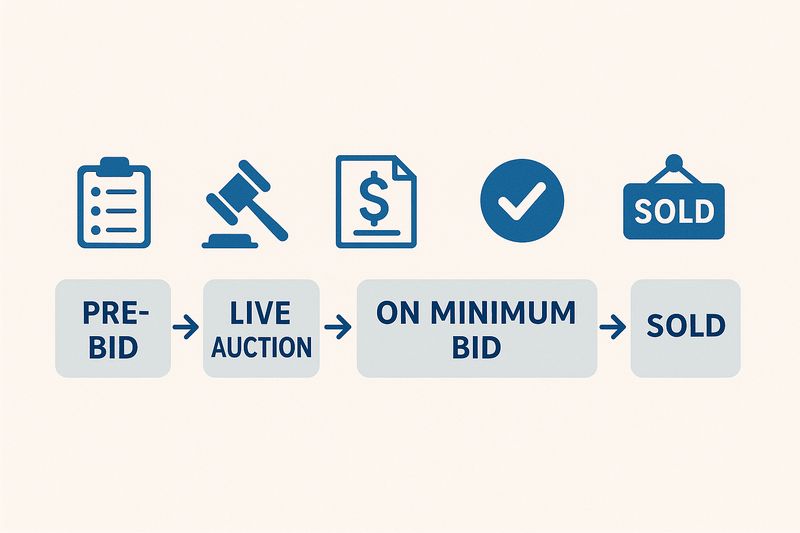
Every bidding status changes what you should expect next. For example, if a car is marked “On Approval,” your bid might be the highest, but the seller still needs to agree to the price. If it shows “Sold,” you’ve won. And if the status reads “Pre-Bid,” the real competition hasn’t even started yet. Understanding these statuses helps you avoid assuming you’ve won too early or thinking you lost when you still have a chance. For someone watching every dollar, this knowledge helps you focus on cars where you actually stand a good chance of winning.
Why Budget Buyers Should Understand Auction Language
If you’re trying to save money, the last thing you want is to overpay because you misread a status. Many beginners think their bid is enough just because it’s the highest—only to learn later that the seller didn’t meet their reserve. Others give up too early because they don’t understand that some cars move from “Pre-Bid” to “Live Auction,” and the real price is determined later. Knowing the terminology helps you avoid common mistakes that can cost hundreds of dollars.
Differences Between Platforms (Copart, IAAI)
While Copart and IAAI use similar bidding systems, the wording of their statuses can differ. For example, Copart often uses terms like “Pure Sale,” “On Approval,” and “On Minimum Bid,” while IAAI uses “If Bid,” “Buy It Now,” and “Time Left.” Even when the idea is the same, the labels can confuse new buyers. Understanding these differences ensures you don’t misinterpret what’s happening. A status that looks like a guaranteed win on one platform may simply mean “waiting for seller confirmation” on the other.
Key Bidding Statuses Explained (Full Breakdown)
Understanding bidding statuses helps you follow what’s happening with a car in real time. Each status gives clues about your chances of winning and whether the seller is likely to accept your bid. Below is a clear breakdown of the most important ones you’ll see on platforms like Copart and IAAI.
1. Pre-Bidding
Pre-bidding is the first stage of most online auctions. Here, bidders can place early offers before the live auction starts. While these bids don’t usually determine the final sale price, they set the tone and help you gauge competition. For budget buyers, it’s a low-pressure moment to get a feel for demand without committing too much money.
How Pre-Bidding Works
During pre-bidding, your bids are submitted automatically and updated as other bidders join in. The highest pre-bid typically becomes the starting price for the live auction. This stage is useful for seeing if a vehicle is attracting attention or staying relatively quiet. If the pre-bid stays low, you might have a better chance of winning at a bargain.
When to Place Early Bids
Place early bids if you want to set an anchor price or quickly mark your interest. Just keep them modest—there’s no need to go high. Many budget buyers drop a small early bid so they can track the vehicle easily and avoid missing the live auction later.
2. Live Auction
The live auction is where real competition happens. Prices move fast, and bidders compete in real time—either online or, less commonly, in person. This stage decides the final sale price.
Virtual Bidding vs. In-Person Bidding
Most buyers now bid virtually. It’s convenient and lets you watch multiple cars at once. In-person bidding is still possible at some locations, but it requires travel and usually comes with more aggressive competition. For budget buyers, virtual bidding is almost always the smarter option—no travel costs, no pressure, and you can stick to your limit easily.
3. On Minimum Bid
A vehicle marked “On Minimum Bid” means your bid is the highest, but it doesn’t meet the seller’s lowest acceptable price. You’re in the lead—but not guaranteed the win.
What “Minimum Bid” Means
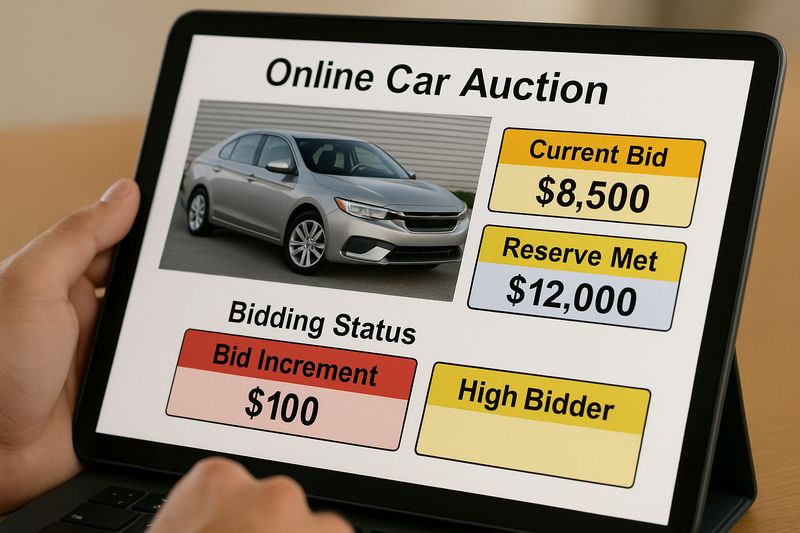
Sellers set a minimum price they are willing to accept. If your bid doesn’t reach it, the vehicle won’t immediately sell. Instead, the seller can choose to accept or reject your offer after the auction. This status is common for newer cars or those with high value.
How to Negotiate After Auction
After the auction ends, the seller may send a counteroffer. Budget buyers can take advantage of this moment—many sellers are open to negotiation, especially if the bidding didn’t meet expectations. Stay calm and only accept a counteroffer if it fits your budget. Don’t let emotions push you higher.
4. Winning Bid
If the status shows “Winning Bid,” it means you’re the top bidder at the end of the live auction and the seller accepts the price. This is the green light to proceed with your purchase.
What Happens After You Win
You’ll receive instructions on how to pay, what fees apply, and how to schedule pickup. Auctions move fast, so payments usually must be completed within a short timeframe—often 1–3 days. Delays can lead to penalties.
Required Fees & Documents
Besides the winning price, expect additional fees: buyer fees, gate fees, and sometimes storage fees. You’ll also receive paperwork like the vehicle title and bill of sale. Make sure you understand these documents—they’re essential for export or registration.
5. Outbid
Being outbid is completely normal, especially for popular vehicles. The key is not to panic or chase the price beyond your comfort zone.
What to Do If You’re Outbid
If you’re outbid, you can place a higher bid if it fits your budget. But never chase a car emotionally—there are thousands of vehicles listed daily. Many budget buyers lose money when they bid out of frustration instead of sticking to their plan.
Setting Auto-Bid Limits
Most platforms let you set an automatic bid limit. This tool raises your bid incrementally until it reaches your maximum. It’s perfect for buyers who don’t want to sit through long auctions or risk overbidding in the heat of the moment. Set your limit carefully, and let the system handle the rest.
6. On Approval
When a car is marked “On Approval,” it means the auction has ended, you are the highest bidder, but the seller still needs to confirm whether they accept your offer. This status can feel uncertain, but it often works out in favor of patient buyers.
Why Sellers Need Time to Approve
Sellers—often insurance companies or financial institutions—use approval time to review the final bid and compare it with their internal target price. They may also check if there were higher bids on similar cars recently. This pause helps them avoid selling too low.
Approval Timeframes
Most approvals take anywhere from a few minutes to a few hours, but some can take up to 24–48 hours. Budget buyers should stay reachable during this time because sellers may send counteroffers or accept unexpectedly.
7. Buy It Now
“Buy It Now” lets you skip the bidding process entirely and purchase the car at a set price. This option appears when sellers want a fast sale or when a vehicle hasn’t attracted enough bidding interest.
Benefits of Buy It Now for Budget Buyers
Buy It Now is predictable—no bidding wars, no emotional overspending, no surprises. If you’re working with a tight budget, this can save you from getting caught in heated auctions. You know the exact price upfront.
When Buy It Now Is Cheaper Than Bidding
Sometimes the Buy It Now price is actually lower than what the car would sell for during a live auction. This often happens with older cars, unpopular models, or vehicles with moderate damage. If a Buy It Now price fits your budget, don’t wait—it can disappear quickly if someone else acts first.
8. Pure Sale
A “Pure Sale” means the seller has no minimum price or reserve. The car will sell to the highest bidder—no exceptions.
Pros of Pure Sale Listings
Pure Sale vehicles are often the best opportunities for budget buyers. There’s no negotiation phase, and no chance the seller rejects your winning bid. What you bid is final.
Why Pure Sale Is Popular
Many buyers love Pure Sale because it eliminates the uncertainty of approvals and reserve prices. It’s fast, transparent, and often leads to great deals—especially on older or high-mileage cars.
9. Sold
When a vehicle is marked “Sold,” the auction is complete, and the highest bidder has secured the car.
Next Steps After “Sold” Status
You will receive instructions on how to pay for the vehicle, schedule pickup, and access the title documents. Make sure your account information is up to date so the process goes smoothly.
Payment Deadlines
Most auctions require payment within 1–3 business days. Missing the deadline can lead to penalties or even losing the vehicle. Budget buyers should plan ahead and make sure funds are ready.
10. Reserve Not Met
If a car is marked “Reserve Not Met,” the highest bid did not reach the seller’s minimum acceptable price.
What a Reserve Price Is
A reserve price is the lowest amount a seller is willing to accept. If bidding doesn’t reach this number, the seller is not obligated to sell.
Strategies When Reserve Isn’t Met
You can:
- Wait for a counteroffer from the seller.
- Make your own offer through the platform.
- Watch the car if it gets relisted—sellers often lower the reserve the second time.
Smart budget buyers often win great deals this way.
11. Relisted
Relisted vehicles are cars that didn’t sell or weren’t picked up by the previous buyer.
Why Cars Get Relisted
Common reasons include:
- Reserve not met
- Buyer failed to pay
- Seller changed their mind
- Title delays
When Relisted Vehicles Are a Bargain
Relisted cars often come back with a lower starting price or reduced reserve. If you’re looking for a deal, check relisted vehicles first—they can be hidden gems for budget buyers.
12. Time Extension
A “Time Extension” happens when last-second bids keep the auction active. Each new bid adds extra seconds to ensure fair competition.
Why Time Extensions Happen
Time extensions prevent “sniping,” where someone tries to win by placing a final split-second bid. The system adds more time to allow others to respond.
How to Use Extensions to Win
Stay calm and stick to your maximum budget. Many bidders panic during extensions and overpay. If you hold your ground, you might win simply because others drop out. Extensions also help you watch how determined your competitors are—valuable information when bidding on multiple cars.
Other Important Auction Terminology
Understanding basic auction language helps you avoid mistakes and makes the whole process smoother. These terms appear in almost every listing, so knowing them gives you an advantage—especially if you’re trying to stay within a tight budget and don’t want surprises after winning a car.
Auction Basics (Lot Number, Seller Type, Item Description)
Every vehicle at an auction has a lot number — this is your main reference ID. You’ll use it to track the car, check its history, and place bids.
The seller type tells you who owns the vehicle. Common sellers include insurance companies, banks, rental fleets, and private owners. For budget buyers, insurance sellers often offer the best deals because they price cars to move quickly.
The item description is the short summary of the vehicle. It includes the year, model, trim, and basic condition. Read this carefully—it usually hints at the type of damage or mechanical status.
Common Auction Terms You’ll See in Listings
Listings often include short labels that can be confusing at first. Terms like “Salvage,” “Pure Sale,” “Buy It Now,” “On Approval,” or “Relisted” tell you what kind of sale you’re dealing with.
You’ll also see shorthand like “AS IS – NO WARRANTY,” which means the vehicle comes with zero guarantees.
Understanding these terms helps you avoid overpaying or misunderstanding what you’re actually buying.
Condition Descriptions (Run & Drive, Starts, Inoperable)
These phrases describe the vehicle’s current mechanical state:
- Run & Drive means the car moves under its own power. It doesn’t guarantee it’s perfect, but it’s usually the safest option for buyers on a budget.
- Starts tells you the engine turns on, but the vehicle may not move due to transmission or axle issues.
- Inoperable means the car doesn’t start or drive at all. These vehicles can be very cheap, but repairs may be costly.
Knowing these terms helps you judge whether a deal is worth pursuing.
Documentation Terms (Title Type, Fees, Buyer’s Premium)
The title type tells you the legal status of the vehicle—clean, salvage, rebuilt, or non-repairable. This affects insurance costs and resale value, so budget buyers must pay close attention.
Fees include everything from documentation charges to storage and gate fees. These can add up quickly if you’re not prepared.
The buyer’s premium is an extra percentage added to your winning bid. Many first-time buyers forget to factor this in and end up going over budget.
Auction Process Terms (Proxy Bidding, Bid Increment, Final Call)
Proxy bidding allows the system to bid automatically for you up to your max limit—a great option if you want to avoid emotional overspending.
A bid increment is the minimum amount each new bid must increase. This prevents micro-bidding and keeps the auction moving.
Final Call is the last warning before the auction closes. If you want the vehicle, this is your moment—but remember to stay within your set budget.
Understanding the Bidding Process Step-by-Step
Buying a car at an online auction becomes much easier when you understand how each stage works. From finding the right vehicle to submitting your bids and finalizing the purchase, every step matters. Here’s a simple, clear breakdown of how the process works so you always stay in control.
Finding a Vehicle
Your journey starts with browsing the auction platform. Use filters like make, model, mileage, damage type, and location to narrow down options. Take your time to review photos, descriptions, and condition reports. This helps you avoid surprises later and ensures the car fits your needs and budget.
Checking Vehicle Status in Real Time
Each listing has a live status indicator—such as “On Approval,” “Pure Sale,” or “Future Sale.” These show whether the car is available for immediate purchase, pending seller confirmation, or not yet open for bidding. Monitoring the status in real time helps you understand how soon you should prepare to bid.
Placing Bids Strategically
Once the auction goes live, you can start placing bids. Avoid jumping in too early—many bidders wait until the final minutes. Set a maximum budget and stick to it. Use incremental bidding to stay competitive without overspending. If the platform supports pre-bidding, you can place offers before the live event starts.
Watching the Status Change During Live Auction
As the auction progresses, the vehicle’s status may change. For example, it may move from “Pre-Bidding” to “Live Auction” or from “On Approval” to “Sold.” Keeping an eye on these updates ensures you react quickly. This is especially important in fast–paced auctions where decisions need to be made in seconds.
What Happens After the Auction Ends
If you win, you’ll receive a confirmation along with the next steps. These typically include paying the final amount, handling paperwork, and arranging transportation. If the listing required seller approval, you may need to wait for confirmation before proceeding. Once everything is approved and paid, the vehicle becomes yours and you can plan delivery or pickup.
Types of Auto Auctions
Online auto auctions come in several formats, and each one works differently. Understanding these types helps you choose the best bidding strategy and avoid surprises. Here’s a simple breakdown of the most common auction formats you’ll find on platforms like Copart or IAAI.
Pure Sale Auctions
In a pure sale auction, the highest bidder automatically wins the vehicle—no extra approvals or negotiations needed. This type is ideal for buyers who prefer straightforward rules and quick results. Once the auction ends, ownership is transferred to the winning bidder right away.
Minimum Bid Auctions
Here, the seller sets a minimum price they’re willing to accept. If your bid meets or exceeds that threshold, you win. If not, the seller can reject the offer or negotiate after the auction. Minimum bid auctions give sellers more control while still offering buyers a chance to secure a good deal if bidding stays low.
Sealed Bid Auctions
In a sealed bid auction, all bidders submit their best offers privately. You can’t see what others are bidding, and they can’t see yours. After the deadline, the seller reviews all offers and selects the highest—or the most appealing—one. This format is great when you want to avoid bidding wars, but it requires careful budgeting since you won’t know your competitors’ offers.
Buy Now-Only Listings
Some vehicles skip the bidding process entirely and are listed with a fixed “Buy Now” price. If you want the car, you purchase it instantly at the listed amount. This option is perfect for buyers who don’t want to wait for auction day or who prefer guaranteed pricing without competition.
Dealer-Only vs. Public Auctions
Dealer-only auctions are restricted to licensed auto dealers, meaning general buyers need a broker to participate. These auctions often feature newer inventory or trade-ins. Public auctions, on the other hand, are open to everyone and include a wide range of vehicles—salvage, repossessed, used, and more. Understanding the difference helps you know whether you can bid directly or need assistance from a registered dealer.
Auction Etiquette for New Bidders
Understanding proper auction etiquette helps you avoid expensive mistakes and keeps the bidding process smooth for everyone. Whether you’re joining your first online auto auction or brushing up on best practices, these guidelines will help you stay confident and in control.
How to Bid Responsibly
Responsible bidding starts with setting a clear budget and sticking to it. Before joining an auction, research the vehicle’s value, estimated repair costs, and all associated fees. Enter the auction with a maximum bid limit and avoid raising it impulsively. Responsible bidders also monitor the vehicle’s status and double-check all details to ensure they’re fully aware of what they’re buying.
Avoiding Common New-Buyer Mistakes
New bidders often fall into predictable traps—like forgetting about additional fees, bidding before inspecting photos, or assuming a “Run & Drive” car is damage-free. Take your time to read the listing carefully, verify the title type, and check the seller’s notes. Don’t rush into bidding the moment the auction opens; watch how others bid first to understand the pace and competition.
Respecting Bid Increments
Every auction has fixed bid increments that must be followed. These increments keep the bidding fair and prevent chaos. Respecting them means placing bids that match the platform’s rules instead of trying to outbid someone by an amount smaller than allowed. It ensures transparency and helps the auction run efficiently for all participants.
Not Overbidding Emotionally
Emotional bidding is one of the fastest ways to overspend. When you become attached to a specific car, it’s easy to push past your budget just to “win.” To avoid this, stay objective and remind yourself that there will always be another auction and another vehicle. Focus on value, not excitement. If bidding becomes heated, step back, breathe, and return only if the price still makes financial sense.
Tips for Budget Buyers
Buying a car at an online auction is one of the smartest ways to save money—if you know how to manage your bids and track every update. Understanding auction statuses and using the right tools can help you stay ahead of the competition without overspending. These tips will help budget-focused buyers make smarter decisions and avoid unnecessary risks.
How to Check Status Without Missing Updates
Auction statuses can change quickly, especially during live bidding. To avoid missing important updates, enable notifications on the auction platform or use email/SMS alerts if available. Refresh the listing periodically and keep the auction window open during the final minutes. This helps you stay informed about bid changes, time extensions, approval decisions, and Buy It Now price adjustments.
Using Auto-Bid to Stay Within Budget
Auto-bid (proxy bidding) is a great tool for budget buyers because it allows you to set your maximum bid in advance. The system automatically increases your bid only when needed, helping you stay competitive without constantly monitoring the auction. More importantly, it protects you from emotional overspending by enforcing the limit you set. Just make sure your max bid includes room for fees and transportation costs.
When to Stop Bidding
Knowing when to stop is one of the most important skills in auction buying. Stop bidding the moment the price exceeds your calculated budget—including repairs, fees, and shipping. If you find yourself chasing the price just to “win,” step back and reconsider. There will always be similar vehicles in future auctions, so overpaying now can cost you far more in the long run.
How Statuses Affect Price Negotiations
Auction statuses play a major role in determining whether you can negotiate. For example, “On Minimum Bid” or “Reserve Not Met” often gives buyers a chance to submit offers directly after the auction. “Pure Sale,” on the other hand, leaves no room for negotiation because the highest bid wins no matter what. Understanding each status helps you spot when negotiation is possible and avoid wasting time when it’s not.
Dealer vs. Private Buyer Access
Not all online auto auctions work the same for everyone. Dealers often get broader access and fewer restrictions, while private buyers face certain limits. Understanding these differences helps budget-conscious shoppers make smarter decisions and avoid surprises during registration or bidding.
What Private Buyers Need to Know
Private buyers usually can’t participate in every auction directly. Many platforms—especially Copart and IAAI—require dealer licenses for certain vehicle categories, states, or sale types. Without a license, you may not be able to place bids, access restricted inventory, or purchase cars marked for “dealer only.”
However, private buyers can still shop confidently by using approved third-party brokers. You’ll still get access to the same listings, but through an authorized path that meets all legal requirements.
Benefits of Using a Broker (Like BidNDrive)
Using a licensed broker removes the barriers that often stop everyday buyers from bidding. With a broker like BidNDrive, you can:
- Access dealer-only auctions without needing your own license
- Get help reviewing vehicle details and auction statuses
- Avoid mistakes with paperwork, payments, or registration
- Receive support during and after the auction
- Enjoy a smoother experience—even if it's your first time buying at an online auction
For budget buyers, this support can prevent expensive errors, such as overbidding or choosing a car with hidden damage.
Fees, Restrictions, and Buyer Requirements
Every auction has rules—some apply to everyone, and some affect only private buyers. These may include:
- Broker fees: A small service fee for accessing auctions through a licensed dealer.
- Auction fees: Charges added by the auction platform, such as buyer’s premium, documentation fees, and gate fees.
- State restrictions: Some states limit who can buy salvage or clean-title vehicles.
- Payment deadlines: Typically within 1–3 days after winning.
- Identity verification: Most platforms require ID checks before bidding.
Final Checklist for Understanding Bidding Statuses
Navigating online auto auctions can be confusing, especially for budget-conscious buyers. Keeping a checklist ensures you don’t miss important steps and helps you make informed decisions. Here’s a comprehensive guide for before, during, and after the auction.
Before You Bid
- Set a budget: Include the car price, auction fees, shipping, and any repair costs.
- Review the listing: Check title type, damage status, photos, and descriptions carefully.
- Understand the status: Know if the car is “On Approval,” “Minimum Bid,” or “Buy It Now.”
- Plan your strategy: Decide whether to pre-bid, wait for live bidding, or use auto-bid limits.
During the Auction
- Monitor status changes: Watch for updates like “Outbid,” “Time Extension,” or “Relisted.”
- Stick to your budget: Avoid emotional bidding and overspending just to win.
- Respect bid increments: Follow auction rules to ensure your bids are valid.
- Use auto-bid wisely: Let the system place bids up to your maximum limit to stay competitive without exceeding your budget.
After the Auction
- Confirm your win: Make sure the platform shows “Winning Bid” and you understand payment deadlines.
- Complete paperwork: Submit required documents, including ID and payment information.
- Arrange transportation: Plan for shipping, pickup, or broker handling if needed.
- Check for seller approval: Some listings require approval even after bidding ends.
Common Terms to Remember
- On Approval: Seller needs to confirm before finalizing sale.
- Buy It Now: Fixed price purchase, bypassing bidding.
- Reserve Not Met: Seller may reject the highest bid if it’s below their minimum.
- Relisted: Vehicle goes back up for auction, often after no sale or missed reserve.
- Time Extension: Auction time may be extended to allow final competitive bids.
Are you interested in buying a vehicle from Online Auto Auctions?
With this being said – you can still export vehicles and save up a few thousand dollars with Bidndrive. We have an inventory of over 150k plus vehicles with titles you can export for you to choose from. Once you have placed your bid and won the auction a Bill of Sale document is then emailed to you as proof of purchase – after full payments have been made.
To gain access and get started on your purchase, sign up for free.
Further Reading:
How to Buy Cars at Auction: Your Ultimate Guide to Great Deals
Your First Online Car Auction: Expert Tips for Successful Bidding
Bid Like a Pro: Master Online Car Auctions & Win Big
Can Anyone Buy a Car at Auction? Discover How to Get Started
Frequently Asked Questions
- What is the 3 minute rule in auction?
- How does car auction bidding work?
- What is the 10 minute rule at auction?
- Is it a red flag if a car was sold at auction?