


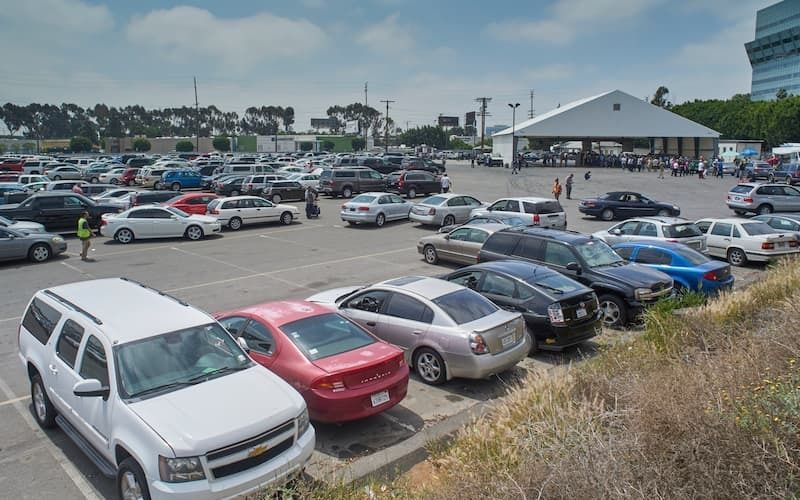
Looking for an affordable way to purchase a reliable vehicle? Salvage "Run and Drive" cars might be the perfect solution. In this guide, we’ll explore various sources where you can find these vehicles, including leasing companies, financial institutions, and insurance companies. You'll learn how to find quality options at a fraction of the cost of new cars and what to consider before making a purchase. Let’s dive into the world of salvage vehicles and discover how you can make smart, cost-effective choices.
What Are “Run and Drive” Salvage Vehicles?
"Run and Drive" salvage vehicles are cars that, despite having some damage, are still operational and able to function like a typical vehicle. When a vehicle is classified as "Run and Drive," it means that it has the ability to start on its own, shift into gear, and move forward independently without requiring immediate repairs to its essential mechanical systems. These vehicles might have been involved in accidents or have other forms of damage, but the key is that they are still drivable in their current condition.
For many buyers, especially those on a budget, purchasing a "Run and Drive" salvage vehicle can be a great way to save money while still getting a functional car. These vehicles are often priced significantly lower than brand-new or even used cars in good condition, making them an attractive option for people who need a vehicle but can’t afford to pay the high prices of new cars or perfectly restored used cars.
While "Run and Drive" vehicles do have some damage, the fact that they are operational means that the buyer can use them immediately, or with only minor repairs, which could make them more affordable than other types of salvage vehicles that may need extensive work before they are roadworthy. This makes them an appealing choice for those who are willing to put in a little effort to restore the vehicle.
It’s important to understand that "Run and Drive" doesn’t mean the vehicle is free from any issues. There could still be cosmetic or minor functional damage such as dents, scratches, or issues with the vehicle's interior, but the core systems (engine, transmission, and drivetrain) are still operational.
For example, if you're someone who has a limited budget but needs a car for daily commuting, buying a "Run and Drive" salvage vehicle could be a smart choice. With just a few repairs, you can have a reliable car that works just as well as a new one, but at a fraction of the cost. If you're willing to put in the time and effort to inspect and fix minor issues, this could be the perfect way to get a great deal on a car.
Where Do “Run and Drive” Salvage Vehicles Come From?
“Run and Drive” salvage vehicles come from various sources, each with its own unique characteristics and advantages. Understanding where these vehicles originate can help buyers make informed decisions and choose vehicles that suit their needs and budget. Let’s take a closer look at some of the most common sources of these salvage vehicles.
1. Leasing Companies
Leasing companies are one of the primary sources of “Run and Drive” salvage vehicles. When a car is leased, the company owns the vehicle, and the lessee pays for the use of the car over a set period. However, after accidents or when the car becomes too expensive to repair and maintain, leasing companies may decide to sell the vehicle rather than invest in repairs. This is where salvage vehicles come into play.
These cars may have been involved in a minor collision or sustained some cosmetic damage, but their mechanical components (engine, transmission, etc.) are often still in good condition. Leasing companies typically sell these vehicles to salvage yards or at auto auctions, which gives buyers an opportunity to acquire a "Run and Drive" vehicle at a significantly lower price than buying a new car or a used one in perfect condition. Leasing companies are a good source for vehicles that are generally well-maintained and often come with lower mileage, making them a desirable option for budget-conscious buyers.
2. Financial Institutions (Banks and Lenders)
Another significant source of “Run and Drive” salvage vehicles comes from financial institutions, such as banks and lending companies. These institutions often have vehicles that were repossessed due to unpaid loans. When a borrower defaults on their car loan, the financial institution will repossess the vehicle and, if necessary, sell it to recover their losses.
These vehicles are often in relatively good condition because they were regularly used by their previous owners, who had maintained them as part of their loan agreements. While some of these cars may have cosmetic damage or minor mechanical issues, they are typically more reliable than vehicles that have been neglected or poorly maintained. Because of the relatively good condition of these vehicles, buying a “Run and Drive” car from a financial institution can be a great deal for someone looking for an affordable vehicle.
3. Insurance Companies
Insurance companies are another common source of “Run and Drive” salvage vehicles. When a vehicle is involved in an accident, the insurance company will typically assess the damage. If the cost of repairs exceeds the value of the vehicle, the insurer may declare the car a "total loss." In these cases, the insurance company will pay the policyholder the pre-collision value of the car and then sell the vehicle to salvage yards or at auto auctions.
The advantage of buying a vehicle from an insurance company is that it’s likely to have been evaluated for its value, and the damage it sustained may be more predictable and easier to repair. Some “Run and Drive” vehicles from insurance companies may have sustained structural or body damage but still be mechanically sound, offering a reliable option for buyers who are willing to invest in repairs. These cars are often sold at auction, where buyers can find good deals on vehicles that are still in good working order.
4. Salvage Yards and Auto Auctions
Salvage yards and auto auctions are another key source of “Run and Drive” salvage vehicles. Many of the vehicles mentioned above—whether from leasing companies, financial institutions, or insurance companies—end up in salvage yards or at online auto auctions like BidNDrive. These auctions allow buyers to browse a wide selection of salvage vehicles, including “Run and Drive” options.
One of the biggest advantages of buying from auto auctions or salvage yards is the variety and the ability to find vehicles from various sources, all in one place. You can often find a range of vehicles, from everyday cars to more exotic models, all listed with their condition and any damage that may have occurred. The auction process also allows for competitive pricing, meaning you may be able to snag a good deal on a vehicle that otherwise might be out of your price range.
Why Are Leasing Companies a Common Source for Salvage Vehicles?
Leasing companies are an important and often overlooked source of salvage vehicles. These companies typically own fleets of cars that are leased out to consumers for a fixed period. When a vehicle in their fleet becomes damaged—whether from an accident, wear and tear, or mechanical failure—they may decide that the cost of repairing the vehicle outweighs the benefit of keeping it in service. As a result, these vehicles are sold to salvage yards or at online auto auctions, where they become available to buyers like you.
How Leasing Companies Contribute to the Salvage Vehicle Market
Leasing companies usually sell damaged vehicles because repairing them can be prohibitively expensive, especially when the damage is significant but the car’s value is not high enough to justify the repair costs. These cars might be involved in minor accidents, such as fender benders, or suffer from mechanical issues like engine or transmission problems. Instead of paying for costly repairs and putting them back into their fleet, leasing companies often opt to sell these vehicles to salvage yards or at auctions.
What makes leasing company vehicles particularly attractive to buyers looking for salvage vehicles is that many of them have been well-maintained. Since the vehicles were leased, they typically received regular servicing and maintenance, ensuring that the core mechanical systems (engine, transmission, brakes, etc.) are often still in good working condition despite any damage. This is especially true for newer cars or vehicles that were still within their lease period when they were damaged.
Benefits of Purchasing Vehicles from Leasing Companies
- Lower Mileage: Leasing companies typically offer new or nearly new cars for lease, meaning that many of the salvage vehicles they sell have low mileage. Low-mileage vehicles tend to have fewer wear-and-tear issues, and parts that are still in good working order, making them a solid investment for anyone looking for a used vehicle at a lower cost.
- Well-Maintained Vehicles: As part of the lease agreement, lessees are often required to maintain the vehicle regularly. This means that leased cars have a documented service history, which can be helpful when assessing the condition of the vehicle. Since these cars were cared for and serviced regularly, buyers are more likely to find that the engine and transmission, two of the most costly components to repair, are still in good working condition.
- Desirable Brands and Models: Leasing companies tend to focus on vehicles that are in high demand, like sedans, SUVs, and trucks from reputable manufacturers. This means that buyers have the chance to acquire a variety of makes and models that are typically in high demand at lower prices. Whether you are looking for a reliable family car or a utility vehicle, buying from a leasing company could give you access to desirable vehicles at a fraction of the cost of buying them new.
- Cost-Effective Repairs: While leasing company vehicles may need some repairs due to accident damage or wear, these vehicles are often repairable at a lower cost than those from other sources. Because the mechanical components are usually in better condition, the cost of restoring a leasing company vehicle to full working order is typically lower, especially when compared to other salvage vehicles that may have more serious internal damage.
How to Spot Good Deals from Leasing Companies
When buying a salvage vehicle from a leasing company, it's important to do your due diligence to make sure you're getting a good deal. Here are a few tips on how to spot valuable “Run and Drive” vehicles from leasing companies:
- Check the Vehicle’s Maintenance History: Leasing companies often keep detailed records of their vehicles’ service and maintenance. When considering a purchase, always ask for this information. A vehicle that has been properly serviced and maintained is more likely to be in better condition than one that hasn’t.
- Look for Low-Mileage Vehicles: Since leasing companies typically deal with newer cars, many of these salvage vehicles will have relatively low mileage. Vehicles with lower mileage tend to have less wear and tear on their key components, making them a better buy.
- Inspect the Damage: Even though the vehicle is considered a “Run and Drive,” you should carefully inspect the damage. Often, vehicles sold by leasing companies have cosmetic damage that’s easy to repair. If the damage is primarily to the body or exterior parts, this can be a great opportunity to get a car that’s still in good working condition but at a much lower price.
- Assess the Vehicle’s Condition: When purchasing a salvage vehicle from a leasing company, it's crucial to inspect the car's mechanical condition. Ask for a mechanic’s opinion to ensure that the engine, transmission, and other key systems are functioning well. If the car has only cosmetic issues, such as dents or scratches, it may be a great opportunity to make minor repairs and save significantly compared to buying a similar car new.
How Do Financial Institutions Contribute to the Market for Salvage Vehicles?
Financial institutions, such as banks, credit unions, and lending companies, are another key source of salvage vehicles, including "Run and Drive" vehicles. These institutions typically provide auto loans to borrowers who need financing to purchase a car. When a borrower defaults on their loan, the financial institution repossesses the vehicle in order to recover the unpaid debt. Once repossessed, these vehicles often enter the salvage vehicle market, offering a great opportunity for budget-conscious buyers to acquire cars at a fraction of their original price.
Loan Defaults Lead to Repossession
When a borrower fails to make payments on their car loan, the financial institution has the right to repossess the vehicle. Repossession is often the last step in a lengthy process in which the lender tries to work with the borrower to avoid default, but when it becomes clear that the borrower can no longer make payments, repossession is the next logical step. After repossession, the financial institution typically tries to sell the vehicle to recover the outstanding loan balance.
At this stage, the vehicle is often sold at an auction or through a third-party dealer, like a salvage yard or an online auction platform such as BidNDrive. These vehicles are frequently classified as salvage vehicles, and they may be available for purchase by individuals or businesses that specialize in refurbishing and reselling them. The condition of these vehicles can vary, but because they are repossessed vehicles, they often present a good opportunity for buyers looking to find cars in better-than-expected condition.
Vehicles Are Often in Better Condition
One of the main advantages of purchasing salvage vehicles from financial institutions is that they tend to be in better condition than other types of salvage vehicles. Since these vehicles were typically in use by the previous owner up until the default, they may have been well-maintained, driven regularly, and serviced according to the terms of the loan agreement. In many cases, these vehicles have been owned by individuals who had a vested interest in keeping them in good working order, as they were still making payments to the lender.
This is in contrast to vehicles from other sources, such as those from private sellers or salvage yards, which may have been neglected or poorly maintained. The fact that the vehicles were financed means they were likely to have received regular servicing, making them a safer bet for buyers looking for a reliable car with minimal repairs needed. The engine, transmission, and suspension systems in repossessed vehicles are often in better condition than those from vehicles with a more uncertain history.
Cost-Effective Repairs and Restoration
Another benefit of buying repossessed salvage vehicles from financial institutions is the potential for cheaper repairs and restoration. Since these vehicles are often only lightly damaged—often due to accidents or cosmetic issues like body damage—they may only require minor repairs to make them roadworthy again. This can be a huge advantage over buying a more severely damaged car from other sources, where the repair costs could be prohibitively high.
Financial institutions tend to offer these vehicles at lower starting prices, which is attractive to buyers who are willing to invest in some repairs. If the vehicle's engine and transmission are in good shape, the only repairs required might be cosmetic (like fixing dents, replacing broken lights, or repainting the body), which are relatively inexpensive compared to more extensive work. As a result, the total cost of repairing and restoring a repossessed vehicle is often much lower than that for a car with severe mechanical or structural damage.
Why Financial Institutions Are a Trusted Source
There are several reasons why buying a salvage vehicle from a financial institution is often a smart choice:
- Better Condition: As mentioned earlier, repossessed vehicles are typically in better condition because they were owned by individuals who had a financial incentive to maintain them.
- Lower Repair Costs: With fewer major mechanical issues, these vehicles often only require minor repairs, making the overall restoration process much cheaper.
- Clear Ownership History: Financial institutions usually have a clear record of the vehicle’s history, which is valuable for assessing its maintenance, mileage, and prior ownership.
- Auction Opportunities: Many financial institutions auction off their repossessed vehicles through salvage yards or online auction platforms, such as BidNDrive, giving buyers access to a wide range of vehicles and allowing them to purchase at competitive prices.
How to Spot Good Deals from Financial Institutions
When purchasing salvage vehicles from financial institutions, it's essential to do your due diligence to ensure you're getting the best deal. Here are a few tips on how to spot valuable vehicles:
- Inspect the Vehicle’s History: Financial institutions typically maintain detailed records of the vehicle’s service history. Ask for this information when considering a purchase to ensure the vehicle has been properly maintained.
- Check the Condition of Major Components: Since the vehicle was in use up until repossession, focus on inspecting key components like the engine, transmission, and suspension. These parts are typically more reliable in repossessed cars than those in vehicles from other salvage sources.
- Look for Cosmetic Damage: Repossessed vehicles may have some cosmetic issues, such as scratches or dents. While these may need fixing, they are often much cheaper to repair than mechanical issues, making the overall cost of restoration much more affordable.
- Set a Budget for Repairs: Estimate the potential cost of restoring the vehicle to ensure that it’s within your budget. Factor in both the auction price and the cost of repairs to get a realistic picture of the total investment.
How Do Insurance Companies Handle Salvage Vehicles?
Insurance companies are an essential player in the salvage vehicle market. When cars are involved in accidents, their condition is assessed, and if the damage is significant enough, the insurance company may declare the vehicle a "total loss." This means that the cost of repairing the car exceeds its market value or a predetermined threshold. Once a car is deemed a total loss, it is no longer considered roadworthy by the insurer, and the company often chooses to sell it to salvage yards or at auction, where these vehicles are purchased by salvage dealers, repair shops, or private buyers. Here's how this process works and why it presents a great opportunity for buyers interested in salvage vehicles.
How Insurance Companies Determine a Total Loss
When a car is involved in an accident, the insurance company evaluates the damage to the vehicle. This assessment is typically carried out by a claims adjuster, who inspects the vehicle and determines whether the cost to repair it is economically viable. If the repair costs are close to or exceed the actual cash value (ACV) of the vehicle, the insurer will declare it a total loss.
The decision to declare a vehicle a total loss is based on the following factors:
- Cost of Repairs: If the estimated repair costs are too high relative to the car’s value, it will likely be considered a total loss.
- Safety Concerns: If the damage affects critical components like the frame, airbags, or structural integrity of the vehicle, it could be deemed unsafe to repair, resulting in a total loss declaration.
- Age and Value of the Vehicle: Older vehicles that are worth less may be more likely to be written off after an accident, especially if repairs would not significantly increase their resale value.
Once the vehicle is deemed a total loss, the insurance company will typically offer a settlement to the vehicle's owner, based on the market value of the car before the accident, minus any deductible. After paying out the claim, the insurance company will then take possession of the vehicle, which can either be sold to a salvage yard or sent to an auto auction, where it enters the salvage vehicle market.
Insurance Salvage Vehicles: The Auction Process
Insurance companies usually dispose of their total loss vehicles in a couple of ways. Often, they partner with salvage yards or use auto auctions like BidNDrive, where these vehicles are sold to buyers looking for project cars, replacement parts, or vehicles to repair and resell. The cars are often sold with a salvage title, meaning they can be legally rebuilt and driven again, provided they meet the required safety and roadworthiness standards.
The auction process allows buyers to bid on these vehicles at competitive prices. Since many of these vehicles are sold as salvage, the bidding can be quite affordable compared to purchasing a new or used car. As a result, buyers on a budget may find great deals on vehicles that can be restored to like-new condition.
Vehicles in Good Condition from Insurance Claims
Not all insurance salvage vehicles are in poor condition. In fact, many come from accidents that resulted in only minor damage, such as a fender-bender or a collision that caused cosmetic issues rather than structural damage. In these cases, the vehicles are often still in good working order mechanically and may require only minor repairs to restore them to roadworthy condition.
The key advantage of buying a salvage vehicle from an insurance company is that, in many cases, the damage is not as severe as it may initially appear. If the car's major components—such as the engine, transmission, and suspension—are intact and undamaged, the repair costs can be relatively low. These types of vehicles offer the potential for significant savings compared to buying a new or used car, with the added benefit that they may only need cosmetic repairs (like fixing body panels or repainting the car) to restore their appearance.
The Potential Risks of Buying Salvage Vehicles from Insurance Companies
While there are many advantages to buying a salvage vehicle from an insurance company, there are also some risks to consider. Here are a few points to keep in mind:
- Undisclosed Damage: Sometimes, salvage vehicles may have hidden damage that isn't immediately apparent, especially if the car was repaired poorly or if it was involved in a severe accident that was not fully documented. This is why it's crucial to have the vehicle inspected by a qualified mechanic before purchasing.
- Repaired with Low-Quality Parts: If the car has already been repaired by the previous owner or the salvage yard, it's important to ensure that quality parts were used in the repair process. Low-quality or counterfeit parts can affect the vehicle's safety and reliability, so make sure to ask about the repair history before bidding.
- Title and Registration Issues: Salvage vehicles may have a "salvage title" or "rebuilt title," which can complicate the registration and insurance process. Some states may have specific requirements for registering salvage vehicles, so it's essential to verify that the car can be legally registered and insured before purchasing.
- Insurance Considerations: Insurance premiums for salvage vehicles are often higher than for standard vehicles, and some insurance companies may refuse to cover salvage or rebuilt vehicles altogether. Be sure to check with your insurer before buying to avoid any surprises down the road.
The Benefits of Buying Insurance Salvage Vehicles
Despite the potential risks, there are many benefits to purchasing salvage vehicles from insurance companies:
- Lower Purchase Prices: Salvage vehicles from insurance companies are typically sold at a lower price than their pre-accident value, making them an affordable option for buyers on a budget.
- Good Condition: As mentioned earlier, many insurance salvage vehicles are in relatively good condition, especially those that only sustained minor damage in accidents. If the car is repaired correctly, it can be restored to nearly new condition at a fraction of the cost.
- Opportunity for Restoration: Buyers who enjoy car restoration projects can find excellent vehicles to work on from insurance salvage vehicles. Since these cars are often just a few repairs away from being fully functional, they can be a rewarding project for car enthusiasts.
What Are the Risks of Buying “Run and Drive” Salvage Vehicles?
While purchasing a “Run and Drive” salvage vehicle can be a great way to save money, it's not without its risks. These vehicles may appear to be in good condition and may even run well enough to pass initial inspection, but there could be underlying issues that may not be immediately obvious. Whether it's poor repairs, the use of low-quality parts, or hidden damage, there are several potential pitfalls to be aware of when buying a salvage vehicle. Here’s a breakdown of the main risks and how to mitigate them.
1. Poor Repairs and Hidden Damage
One of the primary risks of buying a salvage vehicle is the possibility that it has been poorly repaired. Salvage vehicles are often sold after being involved in accidents or suffering damage, and while some repairs are done professionally, others may be rushed or incomplete. In some cases, vehicles may have been repaired with inferior parts or subpar workmanship, which can compromise the safety and performance of the vehicle.
For example, if a vehicle has been involved in a major accident, the frame may have been bent or weakened, and even if the body looks fine, the structural integrity may be compromised. Poor repairs can lead to issues like alignment problems, increased wear and tear on certain components, and even safety hazards in the event of a subsequent accident.
2. Use of Stolen or Low-Quality Parts
Another risk when buying a “Run and Drive” salvage vehicle is that it may have been repaired using stolen or low-quality parts. Some salvage yards or repair shops might use cheap replacement parts in an effort to reduce repair costs, which can compromise the performance, safety, and longevity of the vehicle.
In some unfortunate cases, stolen parts might be used in the repair process, which could not only affect the car’s functionality but also raise legal concerns for the buyer. Parts that are substandard or stolen may fail earlier than original equipment, potentially leaving you with expensive repairs down the road.
3. Undisclosed or Misrepresented Damage
Even if the seller or auction listing claims that the vehicle is “Run and Drive,” there may still be hidden issues that are not disclosed. These could be problems with the engine, transmission, suspension, or other critical systems that are not immediately apparent when the vehicle is started and moved.
For example, a car might run and drive just fine initially, but over time, issues with the transmission, suspension, or electrical systems may start to surface. Since these issues often don’t appear until the vehicle is driven for an extended period, it’s important to thoroughly inspect the car before making a purchase.
4. Legal and Title Issues
Salvage vehicles often come with a salvage title, which means the car has been written off by an insurance company or declared a total loss. While buying a salvage vehicle can be an excellent way to save money, it’s crucial to understand the implications of a salvage title. Some states have strict rules regarding the registration of salvage vehicles, and you might face additional hurdles to get the vehicle on the road, including title branding and insurance issues.
In addition, if the vehicle has been in multiple accidents or has undergone several repairs, it might raise red flags when you attempt to register or insure it. Make sure to check the vehicle’s history using services like Carfax or AutoCheck to get a complete picture of its past.
5. High Repair Costs for Major Issues
While “Run and Drive” salvage vehicles might seem like a good deal initially, there can be hidden costs when it comes to major repairs. For instance, vehicles that have sustained severe damage to critical systems—such as the engine, transmission, or drivetrain—may be expensive to fix, even if they seem to run well initially.
A car that starts, shifts gears, and moves forward on its own might not be fully roadworthy. Key systems might be working in the short term, but without proper repairs or replacements, those systems could fail, leading to a bigger investment of time and money than anticipated.
6. Potential Safety Hazards
One of the most concerning risks of buying a salvage vehicle is the potential for safety issues. Even if the vehicle runs, there could be issues with safety features such as airbags, brakes, or seatbelts. These features might not have been properly repaired after the vehicle was involved in an accident, leaving you exposed to safety risks in the event of a future crash.
Additionally, a vehicle that has been poorly repaired may not meet the safety standards required by law, which can result in costly fines or even the inability to register the car.
How to Minimize Risks When Buying a “Run and Drive” Salvage Vehicle
To protect yourself from these risks, it’s essential to take the necessary steps before committing to a purchase:
- Get a Professional Inspection: Before buying a salvage vehicle, have a trusted mechanic conduct a thorough inspection. A professional mechanic will be able to identify any hidden problems, such as frame damage, issues with critical systems, or low-quality repairs. They can also check that safety features like airbags and seatbelts are functioning properly.
- Research the Vehicle’s History: Always use services like Carfax or AutoCheck to get a full history report on the vehicle. This will help you understand its past, including any accidents, repairs, or title issues.
- Examine the Repair Quality: If the car has already been repaired, ask for details about the repair work, including the parts used. Verify that the repairs were completed with high-quality, legal parts.
- Know the Legal Implications: Understand the salvage title laws in your state and check whether the vehicle can be registered and insured without complications.
- Weigh Repair Costs vs. Savings: Consider the potential repair costs and compare them to the savings you’d get from purchasing a salvage vehicle. If the cost of repairs is too high, it might not be worth buying the car, even at a lower price.
How Can BidNDrive Help You Find Reliable “Run and Drive” Salvage Vehicles?
When it comes to buying a “Run and Drive” salvage vehicle, finding a trustworthy platform that offers a wide selection, competitive prices, and a secure process is crucial. This is where BidNDrive can be an invaluable resource for buyers. Whether you're looking for a budget-friendly option for personal use, a project car to restore, or a work truck for your business, BidNDrive makes it easier to find and purchase reliable “Run and Drive” salvage vehicles through online auto auctions. Here’s how the platform helps:
1. Access to a Wide Selection of “Run and Drive” Salvage Vehicles
BidNDrive offers a large inventory of salvage vehicles, including “Run and Drive” cars, trucks, and SUVs. The platform hosts vehicles from various sources such as leasing companies, financial institutions, insurance companies, and salvage yards. This diverse selection ensures that you have access to a variety of vehicles, including popular models, exotic cars, and work trucks that can still function properly after some repairs.
Whether you're looking for a commuter car or a rugged truck for work, BidNDrive allows you to browse different categories and find a vehicle that suits your needs and budget. The ease of browsing and filtering options ensures that you can quickly find the exact vehicle you’re interested in without wasting time.
2. Online Auctions for Convenience and Savings
BidNDrive facilitates the purchase of salvage vehicles through online auctions, allowing you to bid on cars from the comfort of your home. This online auction process ensures that buyers can access cars from across the country, giving them a chance to secure deals on vehicles that may not be available locally.
By participating in an auction, you can often acquire a vehicle for a fraction of its original market value, making it a great opportunity to find a quality “Run and Drive” salvage car at a significantly reduced price. BidNDrive's auction format promotes competitive pricing, which means you might be able to get a car that runs and drives for much less than purchasing new or from a traditional dealer.
3. Transparency and Vehicle Details
One of the biggest advantages of using BidNDrive is the level of transparency provided during the auction process. Each vehicle listed on the platform comes with detailed information about its condition, including whether it's a “Run and Drive” vehicle. You can see the damage reports, any repairs done, and get a sense of whether the car will need any immediate attention.
BidNDrive takes extra care in providing high-quality images and accurate descriptions of the vehicles, which can help you make an informed decision before placing a bid. This transparency reduces the risk of unpleasant surprises once you acquire the vehicle, giving you peace of mind about the car’s functionality.
4. Secure and Simple Purchase Process
BidNDrive ensures a secure and easy purchase process from start to finish. Once you've won a bid on a vehicle, the platform guides you through the necessary paperwork, payment, and vehicle shipment. The platform provides secure payment options, making it simple and safe for buyers to complete their transactions.
In addition, BidNDrive coordinates the shipping of your purchased vehicle to your location, whether it’s across the country or internationally. This eliminates the hassle of arranging transportation, as the platform ensures your vehicle is delivered safely and efficiently.
5. Expert Assistance and Customer Support
If you're new to buying salvage vehicles or need additional guidance, BidNDrive offers expert customer support to help you throughout the process. The platform's knowledgeable team can assist with understanding vehicle details, auction terms, and any questions you may have about the purchase process. Having access to experienced support ensures that you are making a well-informed decision when purchasing a “Run and Drive” salvage vehicle.
6. Streamlined Repairs and Restoration Process
Another key benefit of using BidNDrive is that the platform works with mechanics and repair professionals who can help with restoring the vehicle. If you’re purchasing a “Run and Drive” vehicle but are unsure about the extent of repairs it may need, you can consult with the platform’s network of professionals to ensure the car will be in good working order once it's in your hands.
Additionally, for vehicles that may need new parts or upgrades, BidNDrive makes it easy to find replacement parts from trusted suppliers, such as brake pads, calipers, and other essential components.
7. A Trusted Platform for Buying Salvage Vehicles
BidNDrive has built a reputation for being a trusted, reliable platform for buying salvage vehicles, including those labeled as “Run and Drive.” Whether you're a first-time buyer or an experienced auction participant, the platform offers a user-friendly interface and tools to help you navigate the process with confidence.
With a wide selection of vehicles, clear auction procedures, and excellent customer service, BidNDrive ensures that your experience buying a salvage vehicle is both efficient and satisfying.
In conclusion, purchasing salvage "Run and Drive" vehicles can be a smart and budget-friendly choice, offering access to quality cars from various sources like leasing companies, financial institutions, and insurance firms. With careful research and a trusted platform like BidNDrive, you can find great deals on these vehicles. Ready to get started? Register today on BidNDrive, browse the available cars, place your bids, and drive away with your dream vehicle at an unbeatable price!
Are you interested in buying a car from Online Auto Auctions?
With this being said – you can still export vehicles and save up a few thousand dollars with Bidndrive. We have an inventory of over 150k plus vehicles with titles you can export for you to choose from. Once you have placed your bid and won the auction a Bill of Sale document is then emailed to you as proof of purchase – after full payments have been made.
To gain access and get started on your purchase, sign up for free.