



Buying a car doesn’t have to mean overpaying or taking unnecessary risks. This guide to vehicle acquisition shows you how to find the right car, choose the best buying method, and avoid common mistakes. You’ll learn how to save money through auctions, private sales, and smart planning, while understanding real costs, risks, and strategies used by experienced buyers.
What is Vehicle Acquisition?
Vehicle acquisition simply means the process of getting a vehicle. It includes everything from searching for a car, choosing where to buy it, negotiating the price, and finally completing the purchase. For many people, especially those on a budget, it is not just about buying a car — it is about finding the right car at the lowest possible cost without unnecessary risks.
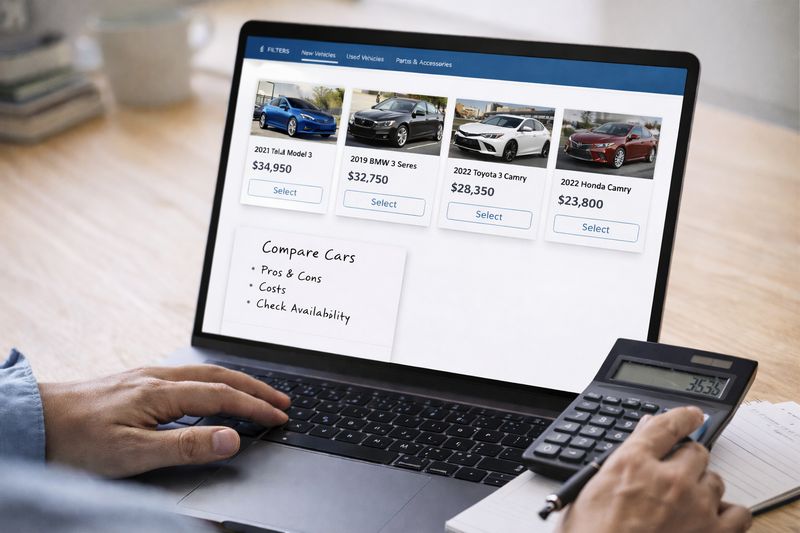
For example, imagine you need a reliable car for daily work commuting, but you don’t want to spend dealership prices on a brand-new vehicle. Vehicle acquisition helps you explore different ways to get that car — including auctions, private sellers, or used car markets — so you can make a smarter financial decision.
Definition and Key Concepts
At its core, vehicle acquisition is the structured process of obtaining a vehicle based on your needs, budget, and available sources. It is more than a simple purchase. It involves planning and decision-making to reduce cost and avoid mistakes.
Key concepts include:
- Budget planning: deciding how much you can realistically spend, including the car price, repairs, taxes, and fees
- Sourcing: choosing where to find the vehicle, such as auctions, dealerships, or private sellers
- Evaluation: checking the vehicle’s condition, history, mileage, and potential repair costs
- Transaction process: completing payment, paperwork, and ownership transfer
For budget buyers, these steps matter because skipping any of them can lead to unexpected costs. For example, a cheap car from a private seller might look like a great deal, but without proper evaluation, repair costs could quickly exceed your budget.
Vehicle Acquisition vs Vehicle Procurement
Vehicle acquisition and vehicle procurement are often used interchangeably, but they are not exactly the same.
- Vehicle acquisition is usually used for individuals or small buyers. It focuses on getting a single vehicle or a few vehicles for personal use or small-scale needs.
- Vehicle procurement is more commonly used in business contexts. It refers to structured purchasing processes for companies, fleets, or organizations that need multiple vehicles.
For example:
- A person buying a used car from an auction for daily commuting is doing vehicle acquisition
- A delivery company buying 20 vans for its fleet is involved in vehicle procurement
In simple terms, acquisition is more personal and flexible, while procurement is more formal and system-driven.
Who Needs Vehicle Acquisition (Individuals, Dealers, Businesses)
Vehicle acquisition is useful for different types of buyers, each with different goals:
- Individuals: everyday buyers who want affordable transportation. For example, someone replacing an old car with a reliable used sedan for work and family use.
- Dealers: car resellers who constantly acquire vehicles to restock inventory and make profit. They often focus on undervalued cars they can repair and resell.
- Businesses: companies that need vehicles for operations, such as delivery services, construction firms, or ride-sharing fleets. They often buy in bulk to reduce costs per unit.
Even within these groups, the motivation is similar: get the right vehicle at the best possible price.
How Vehicle Acquisition Works in Practice
In real life, vehicle acquisition is a step-by-step process that depends on the buyer’s goals and budget.
A typical example for a budget-conscious buyer might look like this:
- You decide you need a used car for under a specific budget
- You check different sources like online auctions, dealer listings, or repossession sales
- You compare vehicles based on price, mileage, and condition
- You review reports or inspection data when available
- You place a bid or negotiate with the seller
- You complete payment and handle paperwork
- You arrange transport or pick up the vehicle
For example, a buyer looking for a $5,000 commuter car might find a slightly damaged vehicle at an auction for $3,500, spend $800 on repairs, and still save money compared to buying the same model from a dealership.
Types of Vehicle Acquisition
Vehicle acquisition is not a one-size-fits-all process. Different buyers approach it in different ways depending on their goals, budget, and how they plan to use the vehicle. For someone trying to save money, understanding these types helps you choose the smartest path instead of overpaying at traditional dealerships.
Personal Vehicle Acquisition
Personal vehicle acquisition is the most common type. It refers to individuals buying a car for everyday use, such as commuting to work, running errands, or family transportation.
In most cases, personal buyers focus on affordability, reliability, and low maintenance costs. They are not trying to build a fleet or resell cars — they simply need a dependable vehicle at a fair price.
For example, a student might look for a fuel-efficient used sedan under a tight budget, while a family might prioritize safety and space over performance. Many personal buyers also explore used car markets or auctions to avoid high dealership prices.
The biggest challenge for personal buyers is balancing cost with condition. A cheaper car might require repairs, so the total cost of ownership matters more than just the purchase price.
Business Fleet Acquisition
Business fleet acquisition is used by companies that need multiple vehicles for operations. This includes delivery services, construction companies, logistics firms, and ride-sharing businesses.
Unlike individual buyers, businesses think in terms of scale and efficiency. They often buy in bulk to reduce cost per vehicle and ensure consistency across their fleet.
For example, a delivery company might purchase 10–20 vans at once to expand operations. Instead of focusing on luxury or features, they prioritize durability, fuel economy, and maintenance simplicity.
Fleet acquisition also includes planning for replacement cycles. Businesses track when vehicles become too expensive to maintain and replace them strategically to avoid downtime and repair costs.
Dealer and Reseller Acquisition
Dealer and reseller acquisition is focused on buying vehicles for profit. Dealers acquire cars at lower prices, improve or repair them, and then resell them at a higher price.
These buyers are highly market-driven. They constantly monitor auctions, trade-ins, and wholesale markets to find undervalued vehicles.
For example, a reseller might buy a slightly damaged SUV from an auction, spend a few days repairing it, and then sell it for a profit in the retail market.
This type of acquisition requires strong knowledge of market pricing, vehicle condition assessment, and repair costs. A small mistake in evaluation can eliminate profit margins quickly.
For budget buyers, understanding how dealers think can actually be useful. It helps you recognize which cars are overpriced and which ones are good deals.
Acquisition Through Online Auto Auctions
Online auto auctions have become one of the most popular ways to acquire vehicles, especially for budget-conscious buyers. These platforms allow users to bid on vehicles that come from insurance companies, repossessions, trade-ins, and fleet sales.
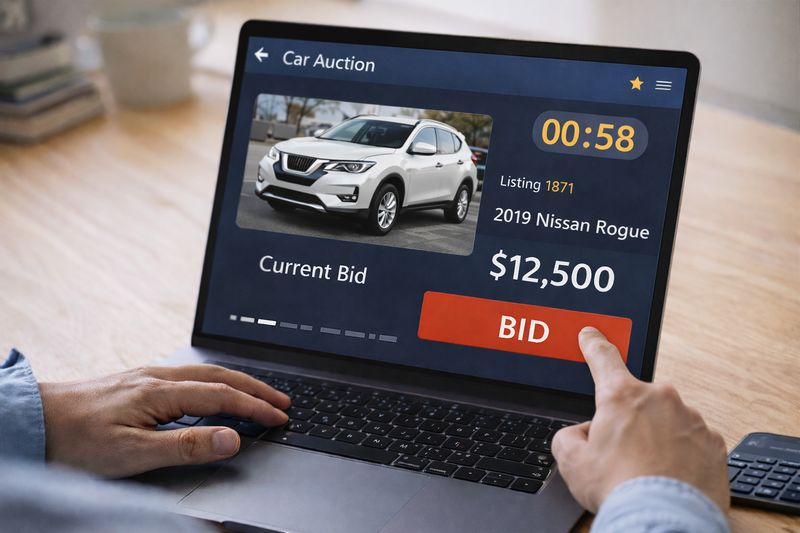
The biggest advantage is price. Vehicles at auctions are often significantly cheaper than dealership listings. This is why many individuals and small dealers use auctions to find deals.
For example, a car that might cost $10,000 at a dealership could be available for $6,000–$7,000 at auction, depending on condition and demand.
However, auction buying requires caution. Vehicles are often sold “as-is,” meaning there is no guarantee of condition. Buyers must carefully review listings, check vehicle history reports, and estimate repair costs before bidding.
Buy Vehicles Below Market Value
Online auto auctions give you access to vehicles priced lower than dealerships. With the right data and tools, you can find better deals and stay within your budget.
- ✅ Access to Copart, IAAI and nationwide inventory
- ✅ Lower prices than traditional dealerships
- ✅ Real auction listings with detailed information
- ✅ Buy from any U.S. state
Vehicle Acquisition Sources
When buying a vehicle, the source you choose has a big impact on price, condition, and overall risk. Some sources are more expensive but safer, while others offer lower prices but require more attention and research. For budget buyers, understanding these options helps avoid overpaying and makes it easier to find real deals.
Dealership Purchases (New and Used)
Buying from a dealership is one of the most common ways to acquire a vehicle. Dealerships offer both new and used cars, usually with some level of inspection, documentation, and limited warranty options.
The main advantage is convenience and safety. You can often see multiple cars in one place, test drive them, and handle paperwork quickly. This makes the process simple, especially for first-time buyers.
However, this convenience comes at a cost. Dealership prices are usually higher than other sources because they include profit margins, service costs, and overhead expenses.
For example, a used sedan might cost significantly more at a dealership than the same model purchased at auction or from a private seller.
Private Sellers
Private sellers are individuals selling their own vehicles directly to buyers. This source often offers lower prices because there is no middleman or dealership markup.
For budget buyers, this can be a great way to save money. For example, someone moving to another city might sell their car quickly at a lower price, creating a good opportunity for a buyer.
However, private sales require caution. There is usually no warranty, and the buyer is responsible for checking the vehicle’s condition, history, and paperwork. If you skip proper inspection, you may end up with hidden repair costs.
Still, with careful checking, private sellers can offer some of the best deals in the market.
Online Marketplaces
Online marketplaces have become a popular source for vehicle acquisition. These platforms list thousands of vehicles from both dealers and private sellers in one place.
The biggest advantage is choice. You can compare prices, models, mileage, and locations without leaving your home. This makes it easier to spot overpriced listings or find undervalued cars.
For example, a buyer looking for a budget SUV can filter listings by price range and quickly compare multiple options in their area.
The downside is competition and uncertainty. Some listings may be outdated, and you still need to verify the vehicle’s condition before buying.
Bank Repossessions and Salvage Auctions
Bank repossessions and salvage auctions are some of the most cost-effective sources for vehicle acquisition. These vehicles are usually taken back by banks or insurance companies due to unpaid loans, accidents, or insurance claims.
Because of this, prices are often much lower than market value. This makes them attractive for budget buyers willing to accept some risk.
For example, a car repossessed by a bank might be sold for thousands less than a similar model in a dealership.
However, many of these vehicles are sold “as-is,” and some may require repairs or have damage history. Careful inspection and history checks are essential before bidding.
Wholesale and Dealer-Only Auctions
Wholesale and dealer-only auctions are platforms where licensed dealers buy and sell vehicles in bulk. These auctions are not always open to the public, but they are an important part of the vehicle supply chain.
Dealers use these auctions to stock inventory at lower prices before selling cars to retail customers. Vehicles here are often trade-ins, fleet returns, or off-lease units.
For example, a dealer might buy several off-lease sedans at wholesale auction and later resell them individually at a higher price.
For regular buyers, access is limited, but some platforms allow public participation through brokers or partner services.
Trade-Ins and Lease Returns
Trade-ins and lease returns are vehicles that come back to dealerships after a customer upgrades or completes a lease contract.
These cars are usually in decent condition because lease agreements often require regular maintenance and mileage limits.
For example, someone returning a 3-year lease vehicle might bring back a well-maintained car with service records and moderate mileage.
This source is often considered safer than auctions or private sales because vehicles are typically inspected before resale. However, prices may be slightly higher due to dealership processing and certification.
Key Factors to Consider Before Acquiring a Vehicle
Before buying any vehicle, it is important to slow down and think through a few key factors. Many budget buyers focus only on the purchase price, but the real cost of a car includes fuel, repairs, insurance, and long-term value. A smart decision at this stage can save you thousands of dollars later.
Vehicle Selection
Choosing the right vehicle is the foundation of a smart purchase. This is where you define what you actually need instead of what looks attractive.
Budget and Affordability
Your budget should include more than just the sticker price. Many buyers make the mistake of spending all their money on the purchase and forgetting about taxes, registration, and repairs.
For example, if your budget is $7,000, it is often smarter to look for a $5,500 car and keep the rest for unexpected repairs or fees.
Intended Use (Daily Driving, Business, Resale)
How you plan to use the vehicle directly affects what you should buy.
- Daily driving: focus on reliability and fuel efficiency
- Business use: durability and low maintenance cost matter most
- Resale: look for popular models with strong market demand
For example, a commuter might prefer a small sedan, while a small business owner may need a reliable van for deliveries.
Fuel Efficiency and Maintenance Costs
A cheap car can become expensive if it consumes too much fuel or requires frequent repairs. Always check average fuel consumption and common maintenance issues for that model.
For budget buyers, a slightly more expensive but fuel-efficient car often saves more money in the long run than a cheap but high-maintenance vehicle.
Vehicle Life Cycle
Every car goes through a natural life cycle, and understanding it helps you avoid overpaying for a vehicle that is already near the end of its useful life.
Depreciation and Resale Value
Cars lose value over time, but some models hold value better than others. Depreciation affects how much you can sell the car for later.
For example, some popular sedans or SUVs retain value better due to demand and reliability reputation, while luxury cars often lose value quickly.
Mileage and Age Considerations
Mileage and age are strong indicators of wear and tear. A newer car with very high mileage may be more worn out than an older car with careful use.
For example, a 5-year-old car with 120,000 miles might require more repairs than a 7-year-old car with 70,000 miles.
Long-Term Ownership Costs
Owning a car is not just about buying it — it is about maintaining it over time. Insurance, tires, oil changes, brakes, and unexpected repairs all add up.
Budget buyers should always estimate 1–2 years of ownership costs before making a decision.
Vehicle Condition
The condition of the vehicle is one of the most important factors in avoiding expensive mistakes. A cheap car with hidden problems can quickly become a financial burden.
Accident History and Title Status
Always check if the car has been in an accident or has a branded title (such as salvage or rebuilt). These factors can affect safety, insurance cost, and resale value.
For example, a car with a salvage title may be much cheaper, but it could also come with structural damage or insurance limitations.
Inspection and Repair Needs
Even if a car looks good on the outside, it may still need mechanical repairs. Always estimate repair costs before buying.
For budget buyers, a “cheap” car that needs $2,000 in repairs might not be a good deal at all.
VIN Checks and Vehicle Reports
A VIN check provides the vehicle’s history, including accidents, ownership changes, and mileage records. This helps you avoid hidden problems.
Many buyers skip this step and later discover issues that could have been identified early.
Vehicle Procurement Source
Where you buy the car matters just as much as the car itself. Some sources are safer but more expensive, while others offer lower prices with higher risk.
Reliability of Seller
A trustworthy seller is crucial. Dealerships, verified auction platforms, or reputable private sellers reduce the risk of scams or misrepresentation.
For example, buying from a verified auction platform is often safer than responding to random online ads.
Transparency and Documentation
Always ensure the seller provides full documentation, including title, service records, and ownership history. Missing paperwork is a red flag.
Clear documentation helps avoid legal and financial problems later.
Risk vs Reward Analysis
Every purchase involves trade-offs. A cheaper car usually comes with higher risk, while a more expensive car is often safer but less cost-effective.
For example, buying a damaged auction vehicle might save money upfront, but only if repair costs are carefully calculated in advance.
Vehicle Acquisition Methods Explained
There is more than one way to acquire a vehicle, and the method you choose can significantly affect your total cost, flexibility, and long-term financial commitment. For budget-conscious buyers, understanding these methods helps avoid unnecessary debt and identify the most cost-effective approach.
Buying Outright (Cash Purchase)
Buying a vehicle outright with cash is the simplest and most straightforward method. You pay the full price upfront and immediately own the vehicle without any ongoing payments.
This method is popular among budget buyers who want to avoid loans, interest rates, and long-term financial obligations. For example, someone with $6,000 saved might buy a used sedan at auction or from a private seller and avoid monthly payments entirely.
The main advantage is financial freedom. There are no interest charges, no lender restrictions, and no risk of repossession. However, it also requires having enough savings upfront, which may limit your options.
For many buyers, especially those looking for older or auction vehicles, cash purchases offer the best control over total spending.
Financing and Auto Loans
Financing allows you to buy a vehicle by paying a portion upfront and covering the rest through monthly payments. This is one of the most common methods in the automotive market.
For example, a buyer might put down $1,500 and finance the remaining $8,500 over several years.
The main advantage is accessibility. You can buy a better or newer car without needing the full amount immediately. However, financing includes interest, which increases the total cost over time.
For budget buyers, financing can be risky if monthly payments stretch the budget too far. A missed payment can also damage credit or lead to repossession.
This method works best when the buyer has stable income and chooses a car within a comfortable payment range.
Leasing vs Buying
Leasing is different from buying. When you lease a vehicle, you are essentially renting it for a fixed period, usually 2–4 years, with mileage limits and return conditions.
At the end of the lease, you return the vehicle or sometimes purchase it for a pre-set price.
Leasing can look attractive because monthly payments are often lower than financing. For example, a new car lease may cost less per month than a loan for the same model.
However, leasing does not build ownership equity. You never fully own the vehicle unless you buy it at the end.
For budget buyers, leasing is usually less practical because it can include penalties for mileage limits and wear-and-tear charges. Buying used is often a more cost-effective long-term solution.
Auction Bidding Process (Step-by-Step)
Online auto auctions are one of the most popular ways to acquire affordable vehicles, especially for buyers looking for below-market prices.
Here is a simple breakdown of how the process works:
- Browse listings: You search available vehicles based on budget, model, and condition
- Review details: Check photos, VIN reports, damage notes, and seller information
- Set a budget limit: Decide the maximum amount you are willing to spend, including fees
- Place bids: Compete with other buyers during the auction window
- Win or lose the auction: If your bid is highest, you win the vehicle
- Complete payment: Pay within the required timeframe
- Arrange pickup or shipping: Organize transport to your location
For example, a buyer might find a damaged SUV listed at $3,000 and win it at $3,800 after competitive bidding. Even with $1,000 in repairs, the total cost may still be lower than retail market prices.
The key to success in auctions is discipline — setting a strict budget and not getting emotionally involved in bidding wars.
Importing Vehicles from Overseas
Importing vehicles from other countries is another acquisition method, especially for buyers looking for rare models or better pricing.
In this process, you purchase a vehicle from a foreign market and arrange shipping, customs clearance, and local registration.
For example, a buyer might import a vehicle from Japan or Europe because similar models are more expensive locally.
The main advantage is access to unique vehicles and potentially lower purchase prices. However, the process includes additional costs such as shipping fees, import taxes, and compliance modifications to meet local regulations.
For budget buyers, importing can be risky if not properly planned. Hidden fees and delays can quickly increase the total cost.
How Online Auto Auctions Change Vehicle Acquisition
Online auto auctions have completely changed the way people buy cars. Instead of relying only on dealerships or local sellers, buyers now have access to thousands of vehicles from across the country and even overseas. For budget-conscious buyers, this shift has created real opportunities to save money, but it also requires a better understanding of how auctions work.
Benefits of Auction-Based Buying
The biggest advantage of online auto auctions is price. Vehicles are often sold below market value because many come from insurance claims, repossessions, fleet replacements, or trade-ins.
For example, a car that might cost $10,000 at a dealership could appear in an auction for $6,500–$7,500 depending on condition and demand.
Other key benefits include:
- Wide selection: access to thousands of vehicles in one place
- Transparent listings: photos, VIN reports, and damage details are often included
- Faster access to inventory: new vehicles are added daily
- Opportunities for resale: buyers can sometimes repair and resell for profit
For budget buyers, this means more control over what they spend and what they get, especially when compared to traditional dealership pricing.
Common Auction Platforms and How They Work
Online auto auctions operate through specialized platforms that connect sellers (insurance companies, banks, dealers) with buyers.
Most platforms follow a similar structure:
- Vehicles are listed with photos, descriptions, and condition reports
- Buyers can search by price, model, damage type, or location
- Auctions run for a limited time, often a few days
- The highest bidder at the end wins the vehicle
Some platforms are open to the public, while others require dealer licenses or broker access. Public-access platforms are especially popular among individual buyers looking for affordable cars.
For example, a buyer might browse listings for budget sedans, compare several options, and place bids directly online without visiting a physical auction house.
How to Register and Bid
Getting started with online auto auctions is usually simple, but it still requires careful steps.
- Create an account: provide basic personal and contact information
- Verify identity: some platforms require ID or payment verification
- Browse listings: search for vehicles within your budget
- Set bidding limits: decide the maximum amount you are willing to spend
- Place bids: participate in live or timed auctions
- Win the auction: if your bid is highest, you purchase the vehicle
- Complete payment: usually required within a short deadline
For example, a first-time buyer might start with a $4,000 budget, place bids on several vehicles, and eventually win a compact car for $3,700.
The most important rule is discipline — once your budget is reached, stop bidding to avoid overspending.
Understanding Auction Listings and Grades
Auction listings contain key information that helps buyers evaluate vehicles before bidding. Learning how to read these details is essential.
Common elements include:
- VIN number: used to check vehicle history
- Mileage: indicates how much the vehicle has been used
- Damage description: explains visible or reported issues
- Photos: show exterior and sometimes interior condition
- Auction grade: a simplified rating of vehicle condition
Grades are especially important. They help estimate whether a car is lightly used, damaged, or heavily repaired.
For example, a higher-grade vehicle may only need minor cosmetic repairs, while a lower-grade car might require engine or structural work.
For budget buyers, understanding grades helps avoid expensive mistakes and hidden repair costs.
Fees, Shipping, and Hidden Costs
One of the most common mistakes new buyers make is focusing only on the winning bid price. In reality, the total cost of an auction vehicle includes several additional expenses.
These may include:
- Buyer fees: service charges added by the auction platform
- Transaction fees: payment processing or documentation costs
- Shipping or transport: delivery from auction location to your area
- Storage fees: if the vehicle is not picked up quickly
- Repair costs: mechanical or cosmetic fixes needed after purchase
For example, a car won at $3,500 might end up costing $5,000 after fees, transport, and basic repairs.
This is why smart buyers always calculate the “all-in cost” before bidding, not just the auction price.
Calculate the Real Cost Before You Buy
The vehicle price is only part of the deal. Use real auction data, history reports, and pricing insights to understand the full cost and avoid unexpected expenses.
- ✅ Free vehicle history reports
- ✅ Real sold price comparisons
- ✅ Identification of hidden damage and risks
- ✅ Better budgeting before bidding
5 Best Practices for a Vehicle Acquisition Strategy
A smart vehicle acquisition strategy is not about luck. It is about making consistent, informed decisions that help you avoid overpaying and reduce risk. For budget-conscious buyers, following a few simple rules can make the difference between a good deal and a costly mistake.
1. Ditch the Retail-Only Approach
Many buyers limit themselves to dealerships because it feels safer and easier. However, this often leads to higher prices and fewer options.
A better strategy is to explore multiple sources such as online auctions, private sellers, repossessions, and trade-ins. This expands your choices and increases your chances of finding undervalued vehicles.
For example, instead of paying retail price at a dealership, you might find the same model at auction for significantly less, even after fees and repairs.
2. Be Honest and Direct With Sellers
Clear communication with sellers saves time and prevents misunderstandings. Whether you are dealing with a private seller or an auction platform, ask direct questions about condition, history, and potential issues.
For example, instead of asking general questions like “Is the car good?”, ask specific ones like “Has the vehicle been in any accidents?” or “Are there any known mechanical problems?”
Being direct helps you quickly filter out bad deals and focus only on serious opportunities.
3. Don't Beat Around the Bush
In vehicle acquisition, hesitation can cost you a good deal. If you find a vehicle that fits your budget and meets your requirements, act decisively.
For example, in auctions, good listings can attract many bidders quickly. Delaying your decision may lead to losing the vehicle or paying more due to competition.
At the same time, being decisive does not mean being careless. It means making a prepared decision based on research and sticking to it.
4. Analyze Market Prices Before Buying
One of the most important habits is understanding the real market value of a vehicle before making an offer.
Check how much similar models sell for in dealerships, private listings, and auctions. This gives you a realistic price range and helps you avoid overpaying.
For example, if a car is commonly sold for $7,000–$8,000 in your market, a $6,500 auction listing might be a good deal — but only if repair costs stay reasonable.
Without this step, it is easy to overestimate savings and end up paying more than expected.
5. Remember the Competition
You are rarely the only buyer interested in a good deal. In auctions and online marketplaces, competition can drive prices up quickly.
Understanding this helps you stay realistic and avoid emotional bidding.
For example, a low-priced vehicle might seem like a bargain, but if multiple buyers are bidding aggressively, the final price can exceed market value.
Smart buyers know when to compete and when to step back.
6. Foster Strong Relationships With Auction Platforms
Building a good relationship with auction platforms, brokers, or sellers can give you long-term advantages. Reliable buyers are often given better access, faster support, and sometimes early information about new listings.
For example, frequent buyers who consistently complete transactions on time may gain access to better support or exclusive listings through certain platforms.
Even in a digital environment, trust and consistency matter. Treating platforms professionally can improve your overall buying experience over time.
7. Set a Clear Budget and Stick to It
The most important rule in vehicle acquisition is discipline. Without a clear budget, it is easy to overspend, especially in competitive environments like auctions.
Your budget should include:
- Purchase price
- Fees and taxes
- Transportation costs
- Expected repairs
For example, if your total budget is $6,000, you might limit bidding to $4,500–$5,000 to leave room for additional costs.
Sticking to your limit protects you from emotional decisions and ensures the purchase remains financially smart.
Step-by-Step Vehicle Acquisition Process
Buying a vehicle can feel overwhelming, especially if you are trying to stay within a limited budget. A clear step-by-step process helps you avoid mistakes, control costs, and make smarter decisions from start to finish. Instead of rushing, each stage should guide you closer to the right vehicle at the right price.
Define Your Needs and Budget
The first step is to clearly understand what you actually need and how much you can afford. Many buyers make the mistake of starting with random listings instead of defining their requirements first.
Think about:
- How you will use the car (daily commuting, work, family, or business)
- The type of vehicle you need (sedan, SUV, truck, etc.)
- Your maximum total budget, including fees and repairs
For example, a buyer with a $6,000 total budget should not only look at $6,000 listings. A smarter approach is to target $4,500–$5,000 vehicles to leave room for taxes, transport, and small repairs.
Research the Market
Once you know your needs, the next step is understanding real market prices. This helps you avoid overpaying and recognize good deals when they appear.
Compare prices across:
- Dealership listings
- Private sellers
- Online marketplaces
- Auction platforms
For example, if most similar vehicles are selling for $7,000 and you find one for $5,500, it may be a strong opportunity — but only if condition and repair costs are reasonable.
Market research gives you a realistic price range and protects you from emotional decisions.
Choose the Right Acquisition Channel
Different buying channels offer different advantages. Choosing the right one depends on your budget, experience, and risk tolerance.
Common options include:
- Dealerships for safety and convenience
- Private sellers for lower prices
- Online marketplaces for variety
- Auctions for maximum savings potential
For example, a first-time buyer may prefer a dealership for simplicity, while a budget-focused buyer may choose auctions to access lower prices.
The key is matching the channel to your goal, not just following what feels familiar.
Inspect or Verify the Vehicle
Before making any purchase, you must verify the condition of the vehicle. Skipping this step is one of the most expensive mistakes buyers make.
Important checks include:
- VIN history reports
- Accident and title status
- Mileage verification
- Photos and inspection reports (if available)
For example, a car that looks clean online may still have a salvage title or hidden accident history that affects safety and resale value.
If possible, always estimate repair costs before committing to a purchase.
Negotiate or Bid Strategically
At this stage, you either negotiate with a seller or place bids in an auction. The goal is to stay within your budget while securing the best possible deal.
For private sales, negotiation is key. For auctions, discipline matters most.
For example, in an auction you might set a maximum bid of $5,000 and stop immediately once it is reached, even if competition continues.
Successful buyers are not emotional — they follow a plan and avoid overbidding.
Finalize Payment and Documentation
Once you win or agree on a price, the next step is completing payment and handling paperwork. This step confirms ownership and legally secures the vehicle.
You should ensure:
- Proper title transfer
- Clear bill of sale
- Payment confirmation
- Any required tax or registration documents
For example, missing paperwork can delay registration or create legal issues later, so everything should be reviewed carefully before finalizing.
Arrange Transportation and Delivery
The final step is getting the vehicle to your location. Depending on where you bought it, this may involve driving it home or using transport services.
Options include:
- Driving the vehicle yourself (if safe and legal)
- Hiring a transport company
- Using auction or dealer delivery services
For example, a buyer who wins a car at an out-of-state auction will usually need professional shipping to deliver the vehicle safely.
Costs Involved in Vehicle Acquisition
Buying a vehicle is never just about the sticker price. Many budget buyers focus only on the purchase amount and later get surprised by additional expenses. Understanding the full cost structure helps you plan realistically and avoid financial stress after the purchase.
Purchase Price
The purchase price is the base cost of the vehicle itself. This is the amount you agree to pay when buying from a dealership, private seller, or winning an auction.
For budget buyers, this is usually the main focus, but it should not be the only factor. A lower purchase price does not always mean a better deal if the vehicle requires expensive repairs later.
For example, a car priced at $4,000 might look attractive, but if it needs $2,000 in repairs, the real cost becomes much higher.
Auction Fees and Buyer Premiums
If you are buying through online auto auctions, additional fees are almost always added to the final price. These are often called buyer premiums or service fees.
These may include:
- Auction platform fees
- Buyer commission percentages
- Payment processing charges
For example, a vehicle won at $3,500 might actually cost $3,900–$4,200 after fees are added.
For budget buyers, ignoring these fees is one of the most common mistakes. Always calculate the “all-in” auction cost before placing a bid.
Taxes and Registration
After purchasing a vehicle, you are usually required to pay taxes and complete registration before you can legally drive it.
These costs vary depending on location and vehicle value, but they are unavoidable.
Typical expenses include:
- Sales tax
- Title transfer fees
- Registration fees
- Local government charges
For example, even a low-cost used car may require several hundred dollars in taxes and registration before it is fully road-legal.
Transportation and Shipping Costs
Not all vehicles can be driven home immediately, especially if they are purchased from auctions or out-of-state sellers. In many cases, you need to arrange transport.
Common options include:
- Open transport trucks (more affordable)
- Enclosed transport (more expensive, safer for high-value vehicles)
- Local towing services
For example, a car purchased in another state might cost $400–$1,000 to ship depending on distance and method.
For budget buyers, transportation is often overlooked, but it can significantly affect the total cost.
Repairs and Reconditioning
One of the most important hidden costs in vehicle acquisition is repairs. Very few used or auction vehicles are in perfect condition.
Possible expenses include:
- Engine or transmission repairs
- Brake and tire replacement
- Cosmetic fixes (paint, interior, dents)
- Routine maintenance (oil, filters, fluids)
For example, a budget-friendly auction car may require $800 in basic repairs before it is safe to drive.
This is why experienced buyers always set aside extra money after purchase for reconditioning.
Insurance Costs
Insurance is another ongoing cost that must be considered before finalizing a purchase. Rates depend on vehicle type, age, condition, and driver history.
For example:
- Newer or more expensive cars often have higher insurance premiums
- Salvage or rebuilt-title vehicles may have limited coverage options
- Older economy cars usually cost less to insure
Risks in Vehicle Acquisition and How to Avoid Them
Buying a vehicle can save you a lot of money, but it also comes with risks. Many budget buyers focus only on the low price and later discover hidden problems that make the deal much more expensive than expected. Understanding these risks in advance helps you avoid costly mistakes and make safer decisions.
Hidden Damage and Title Issues
One of the biggest risks in vehicle acquisition is hidden damage. A car may look fine in photos or even in person, but still have serious internal or structural problems.
Common issues include:
- Frame damage from previous accidents
- Flood or fire damage
- Poor-quality repairs after a crash
- Airbag deployment that was not properly restored
Another major concern is title status. Vehicles with salvage, rebuilt, or flood titles often come with restrictions and lower resale value.
For example, a car may appear cheap at auction, but if it has a salvage title due to major accident damage, insurance coverage and future resale options may be limited.
Overpaying Due to Poor Research
Many buyers lose money simply because they do not research market prices properly. Without comparison, it is easy to overestimate the value of a vehicle or get caught in bidding competition.
For example, if similar cars in the market sell for $7,000–$8,000, paying $7,800 at auction might not be a good deal once fees and repairs are added.
Poor research often leads to emotional decisions instead of logical ones, especially in competitive auction environments.
Scams and Unreliable Sellers
Not all sellers are trustworthy. Some may hide important information, misrepresent the condition of a vehicle, or even attempt fraud in private sales and online listings.
Common warning signs include:
- Missing or unclear vehicle documentation
- Refusal to provide VIN or history report
- Pressure to make fast payments
- Prices that seem “too good to be true”
For example, a seller offering a nearly new SUV at a very low price without proper documentation should always raise suspicion.
Choosing verified platforms and reputable sellers significantly reduces this risk.
Underestimating Repair Costs
Another common mistake is assuming that a vehicle will require only minor repairs. In reality, used and auction vehicles often need more work than expected.
For example, a buyer might purchase a cheap car for $4,000 and expect $500 in repairs, but later discover that suspension, brakes, and electrical systems need attention, increasing costs significantly.
Typical underestimated expenses include:
- Engine or transmission issues
- Tire and brake replacement
- Electrical system repairs
- Cosmetic restoration
Failing to account for these costs can quickly turn a “cheap deal” into an expensive burden.
How to Minimize Risk When Buying from Auctions
Online auctions offer great opportunities, but they also require careful strategy to avoid losses. Risk cannot be eliminated completely, but it can be managed effectively.
Key ways to reduce risk include:
- Always checking VIN history reports
- Setting a strict maximum bid before participating
- Reviewing photos and damage descriptions carefully
- Avoiding emotional bidding wars
- Factoring in repair and transport costs before bidding
For example, a disciplined buyer who sets a $5,000 all-in budget (including fees and repairs) is far less likely to overspend than someone who bids impulsively.
Advantages of Smart Vehicle Acquisition
Smart vehicle acquisition is about making informed decisions instead of simply buying the first available car. For budget-conscious buyers, this approach can unlock real financial benefits, better vehicle choices, and more control over the entire buying process. When done correctly, it turns car buying from an expensive necessity into a strategic advantage.
Cost Savings Opportunities
One of the biggest advantages of smart vehicle acquisition is saving money. By choosing the right source and timing, buyers can significantly reduce the total cost of a vehicle compared to traditional retail pricing.
For example, instead of buying a used car from a dealership at full market price, a buyer may find the same model at an online auction for much less. Even after adding fees and minor repairs, the total cost can still be lower.
Savings come from:
- Buying below retail price
- Accessing wholesale or auction markets
- Avoiding dealership markups
- Choosing vehicles with manageable repair needs
For budget buyers, this can mean staying within a strict budget while still getting a reliable vehicle.
Access to a Wider Selection of Vehicles
Smart acquisition strategies open access to a much larger inventory than traditional car shopping. Instead of being limited to local dealerships, buyers can explore nationwide and even international options.
For example, online auctions may list thousands of vehicles daily, including sedans, SUVs, trucks, and specialty models that may not be available locally.
This wider selection allows buyers to:
- Compare more options within the same budget
- Find specific models or trims more easily
- Discover undervalued or overlooked vehicles
- Avoid settling for limited local inventory
For many buyers, this expanded access is the key to finding a better deal that would not exist in a local-only search.
Potential for Resale Profit
Smart vehicle acquisition is not only about saving money—it can also create opportunities to earn money. Some buyers purchase undervalued vehicles, improve them, and resell them at a higher price.
For example, a buyer might acquire a slightly damaged car at a low auction price, invest in basic repairs, and then resell it closer to market value.
This approach can generate profit if done carefully and includes:
- Understanding market pricing
- Estimating repair costs accurately
- Choosing in-demand vehicle models
- Avoiding over-investment in repairs
While not every purchase should be treated as a resale opportunity, smart buyers always consider future value.
Flexibility in Buying Channels
Another major advantage of smart vehicle acquisition is flexibility. Buyers are not limited to one type of seller or platform. They can choose from multiple channels depending on their needs, budget, and risk tolerance.
Common options include:
- Online auto auctions for lower prices
- Private sellers for negotiation opportunities
- Dealerships for convenience and security
- Repossessions or fleet sales for bulk value
For example, a buyer may use auctions for finding low-cost vehicles but switch to dealerships when looking for certified or low-risk options.
Challenges and Limitations of Vehicle Acquisition
While vehicle acquisition can offer great savings and opportunities, it also comes with real challenges. For budget-conscious buyers, these limitations are important to understand because they directly affect risk, cost, and overall buying success. Knowing what can go wrong helps you prepare better and avoid expensive surprises.
Limited Vehicle History Transparency
One of the biggest challenges in vehicle acquisition is not having full visibility into a car’s past. Even with reports and listings, the full history of a vehicle is not always clear.
Common issues include:
- Incomplete accident records
- Missing maintenance history
- Undisclosed repairs
- Inaccurate mileage reporting in some cases
For example, a vehicle may look clean in photos and even show a decent report, but still have hidden structural damage from a previous accident.
For budget buyers, this lack of transparency increases risk, especially when buying from auctions or private sellers where detailed inspections are limited.
Logistics and Delivery Issues
Getting the vehicle to your location can be more complicated than expected. Many buyers focus on the purchase itself and underestimate transport challenges.
Typical logistics problems include:
- High shipping costs for long distances
- Delays in transport scheduling
- Limited availability of transport providers
- Additional storage fees if pickup is delayed
For example, a car purchased from another state or auction yard may require professional transport, adding several hundred dollars to the total cost.
These issues can also delay the time it takes before you can actually use the vehicle.
Competitive Bidding Environment
Online auctions and wholesale markets are often highly competitive. Many buyers are targeting the same low-priced vehicles, which can quickly drive prices up.
This creates several challenges:
- Emotional bidding can lead to overspending
- Popular vehicles may exceed market value during auctions
- Beginners may struggle against experienced buyers or dealers
For example, a car listed at a low starting price might attract multiple bidders and end up selling for much more than expected.
Without discipline, it is easy to lose the cost advantage that auctions are supposed to provide.
Learning Curve for Beginners
Vehicle acquisition, especially through auctions or non-traditional channels, has a learning curve. Beginners often make mistakes simply because they are unfamiliar with the process.
Common beginner challenges include:
- Misreading auction listings or vehicle grades
- Underestimating repair and ownership costs
- Not understanding fees and hidden charges
- Failing to set a strict budget before bidding
For example, a first-time buyer might win a cheap car but later realize that fees, transport, and repairs significantly increase the total cost.
Vehicle Acquisition for Budget Buyers
For people working with a limited budget, vehicle acquisition is not just about finding the cheapest car—it is about finding the smartest deal. The goal is to get reliable transportation without overspending or taking on unnecessary financial risk. With the right approach, even modest budgets can go a long way.
Why Auctions Are Ideal for Saving Money
Online auto auctions are one of the most effective tools for budget buyers. They often offer vehicles below market value because many come from insurance claims, repossessions, or fleet rotations.
For example, a car that sells for $8,000 at a dealership might be available at auction for $5,000–$6,000, depending on condition and demand.
The main reasons auctions are attractive include:
- Lower starting prices compared to retail markets
- Access to a wide variety of vehicles
- Opportunities to buy slightly damaged but repairable cars
- Transparent bidding process that reflects real market demand
For budget buyers, auctions create a real chance to stretch limited funds further, as long as costs like fees and repairs are carefully considered.
Best Types of Vehicles to Buy Cheap
Not all vehicles are equal when it comes to affordability and long-term value. Some types are naturally more budget-friendly and easier to maintain.
Good options for budget buyers often include:
- Economy sedans with simple engines and low maintenance costs
- High-mileage but well-maintained vehicles from reliable brands
- Fleet or rental returns that have regular service history
- Lightly damaged vehicles that only need cosmetic repairs
For example, a basic compact sedan used for commuting is often cheaper to repair and insure than a luxury SUV, even if both are available at similar auction prices.
Choosing the right type of vehicle helps reduce long-term ownership costs and improves reliability.
How to Spot Undervalued Cars
Finding undervalued vehicles is where smart buyers gain the biggest advantage. These are cars priced below their real market value due to minor issues, lack of attention, or seller urgency.
Signs of a good deal include:
- Clean mechanical condition but minor cosmetic damage
- High-demand models listed at lower-than-average prices
- Vehicles with detailed service history but high mileage
- Listings with weak competition or low bidder interest
For example, a well-known reliable model with a scratched bumper or worn interior might sell for significantly less, even though its mechanical condition is solid.
The key is to look beyond appearance and focus on mechanical value, market demand, and repair cost estimates.
When to Walk Away From a Deal
One of the most important skills in budget vehicle acquisition is knowing when not to buy. Walking away from a bad deal protects your money and prevents long-term financial stress.
You should consider walking away if:
- Repair costs are unclear or too high to estimate
- Bidding exceeds your total budget limit
- Vehicle history shows severe or repeated damage
- Documentation is missing or unreliable
- Emotional pressure is influencing your decision
For example, if auction bidding pushes a $5,000 target vehicle up to $7,000, it may no longer be a smart purchase once fees and repairs are added.
Vehicle Acquisition for Businesses and Fleets
For businesses, vehicle acquisition is not just about buying cars—it is about building a system that supports operations efficiently and keeps long-term costs under control. Whether it is delivery vans, service trucks, or company cars, fleet decisions directly impact profitability and performance. A smart approach can significantly reduce expenses over time.
Building a Cost-Effective Fleet Strategy
A fleet strategy starts with understanding what the business actually needs. Many companies make the mistake of buying vehicles without a clear plan, which leads to unnecessary costs and inefficient use.
A strong strategy includes:
- Defining the exact role of each vehicle (delivery, transport, sales, etc.)
- Choosing models based on fuel efficiency and maintenance cost
- Planning for long-term ownership instead of short-term purchases
- Standardizing vehicle types to simplify maintenance and repairs
For example, a delivery company that chooses fuel-efficient vans instead of mixed vehicle types can reduce maintenance complexity and operating costs.
A cost-effective strategy focuses on total ownership cost, not just the purchase price.
Bulk Purchasing and Discounts
One of the biggest advantages businesses have is the ability to buy in bulk. Purchasing multiple vehicles at once often leads to lower prices per unit and better negotiation power.
Benefits of bulk purchasing include:
- Reduced per-vehicle cost
- Access to fleet or wholesale pricing
- Simplified procurement process
- Better negotiation leverage with sellers or platforms
For example, instead of buying vehicles one by one, a company might acquire 10–15 units at once for expansion, securing a better overall deal.
This approach is especially useful for growing businesses that need to scale quickly while keeping costs predictable.
Managing Vehicle Lifecycle and Replacement
Fleet management is not just about buying vehicles—it is also about knowing when to replace them. Every vehicle has a lifecycle, and keeping outdated vehicles too long can increase maintenance costs and reduce efficiency.
Key considerations include:
- Rising repair and maintenance expenses over time
- Decreasing fuel efficiency
- Downtime due to mechanical issues
- Lower resale value as vehicles age
For example, a delivery van that becomes expensive to maintain after 5–7 years may cost more to repair than replace.
Smart businesses track usage data and plan replacements in advance to avoid unexpected breakdowns and operational delays.
Using Auctions for Fleet Expansion
Online auto auctions are a powerful tool for businesses looking to expand their fleet efficiently. They provide access to large volumes of vehicles at competitive prices.
Advantages of using auctions include:
- Lower acquisition costs compared to dealerships
- Access to fleet returns, repossessions, and lease vehicles
- Ability to purchase multiple units quickly
- Wide variety of vehicle types in one marketplace
For example, a logistics company can source several used vans from auction platforms at once, reducing expansion costs significantly compared to retail purchases.
However, businesses must still manage risk by checking vehicle condition, estimating repair costs, and factoring in transport and fees.
Tools and Technologies in Vehicle Acquisition
Modern vehicle acquisition is no longer based only on experience or guesswork. Today, buyers—especially those working with a limited budget—can use digital tools and technologies to make smarter, faster, and more accurate decisions. These tools reduce risk, improve transparency, and help you avoid overpaying.
Vehicle History Reports and VIN Decoders
Vehicle history reports and VIN decoders are essential tools for understanding a car’s background. By entering the Vehicle Identification Number (VIN), you can access key information about the car’s past.
These tools can reveal:
- Accident history
- Title status (clean, salvage, rebuilt, etc.)
- Mileage records
- Ownership changes
- Service and maintenance history (when available)
For example, a car that looks clean and affordable might actually have a salvage title from a previous accident. Without a VIN check, a buyer could easily miss this detail and make a costly mistake.
VIN decoders also help verify basic vehicle specifications, such as engine type, model year, and factory features, ensuring the listing matches the actual vehicle.
Pricing and Valuation Tools
Pricing and valuation tools help buyers understand whether a vehicle is fairly priced or overpriced. These tools compare market data from different sources to estimate the real value of a car.
They are especially useful for budget buyers who want to avoid emotional decisions.
Common features include:
- Average market price based on model and year
- Regional price differences
- Depreciation trends
- Trade-in value estimates
For example, if a vehicle is listed at $6,500 but similar models typically sell for $5,500, a valuation tool helps you quickly identify it as overpriced.
Using these tools helps buyers negotiate better or set realistic bidding limits at auctions.
Auction Platforms and Bidding Tools
Auction platforms are the core of modern vehicle acquisition, especially for buyers looking for lower prices. These platforms allow users to browse, compare, and bid on thousands of vehicles in real time.
Many platforms also include built-in bidding tools that help users manage their strategy more effectively.
Key features often include:
- Live and timed auctions
- Automatic bidding systems
- Watchlists for tracking vehicles
- Filters by price, condition, and location
For example, a buyer can add several vehicles to a watchlist, monitor bidding activity, and place automatic bids up to a set budget limit.
These tools make the process more organized and reduce the risk of emotional overspending during competitive auctions.
Inventory Management Software
While often associated with businesses and dealers, inventory management software is also useful for serious individual buyers who track multiple potential purchases.
These systems help organize and compare vehicles efficiently.
Typical features include:
- Tracking multiple listings at once
- Recording prices, fees, and estimated repair costs
- Comparing vehicles side by side
- Monitoring auction deadlines and bid status
For example, a buyer considering several auction vehicles can use software to calculate total expected costs and identify the most cost-effective option.
The Future of Vehicle Acquisition
Vehicle acquisition is changing quickly. What used to be a process dominated by local dealerships and in-person inspections is now becoming digital, data-driven, and global. For budget-conscious buyers, these changes are opening new opportunities to find better deals, but they also require new skills and awareness.
Growth of Online Auctions and Digital Platforms
Online auto auctions and digital marketplaces are becoming the main way people acquire vehicles. Instead of visiting physical lots, buyers can now browse thousands of listings from their phone or computer.
This shift is driven by convenience and transparency. Buyers can compare vehicles, check history reports, and place bids without leaving home.
For example, a buyer looking for an affordable used car can now explore nationwide inventory instead of being limited to local dealerships. This increases the chances of finding better prices and unique deals.
As more sellers and institutions move online—insurance companies, banks, and fleet operators—the number of available vehicles continues to grow.
AI and Data-Driven Buying Decisions
Artificial intelligence is becoming an important part of vehicle acquisition. Instead of relying only on experience, buyers can now use data to make more accurate decisions.
AI-powered tools can help:
- Predict fair market prices
- Estimate future repair costs
- Identify undervalued listings
- Analyze bidding trends in real time
For example, a system might warn a buyer that a vehicle is likely overpriced compared to similar models or suggest a better alternative based on budget and preferences.
For budget buyers, this means fewer emotional decisions and more logic-based purchasing.
Cross-Border Vehicle Acquisition Trends
Buying vehicles from other countries is becoming more common thanks to improved logistics, digital platforms, and global trade access.
Buyers are increasingly looking outside their local markets for better deals, rare models, or more affordable options.
For example, some buyers import vehicles from overseas auctions where prices are lower or where certain models are more common.
Key drivers of this trend include:
- Wider access to international auction platforms
- Competitive pricing in foreign markets
- Improved shipping and logistics services
- Demand for specific models not available locally
However, cross-border acquisition also comes with challenges such as import taxes, compliance rules, and shipping costs, which must be carefully calculated.
Shift Toward Electric and Hybrid Vehicles
The automotive market is also shifting toward electric and hybrid vehicles. This trend is strongly influencing how vehicles are bought and sold.
More buyers are considering long-term fuel savings and environmental impact when making decisions.
For example, a hybrid vehicle may have a higher upfront cost but significantly lower fuel expenses over time, making it attractive for daily commuters.
As demand for electric vehicles grows:
- More EVs are appearing in auctions and resale markets
- Prices are gradually becoming more competitive
- Charging infrastructure is influencing buying decisions
- Governments are offering incentives in some regions
Final Thoughts
Vehicle acquisition is not just about buying a car—it is about making a smart financial decision that fits your budget and long-term needs. For budget-conscious buyers, the goal is to avoid unnecessary costs, reduce risk, and find the best possible value in the market. With the right approach, even limited budgets can lead to reliable and cost-effective vehicle ownership.
Key Takeaways for Budget Buyers
If you are working with a tight budget, the most important lesson is that price alone is not enough. A cheap car can quickly become expensive if you ignore condition, fees, or repair needs.
Here are the key ideas to remember:
- Always calculate the total cost of ownership, not just the purchase price
- Use multiple sources like auctions, private sellers, and online platforms
- Never skip vehicle history checks and VIN verification
- Set a strict budget and stick to it, especially in auctions
- Expect additional costs such as transport, taxes, and repairs
For example, a car that looks affordable at first glance may lose its value advantage once all hidden costs are included. Smart buyers always look at the full picture before making a decision.
How to Start Acquiring Vehicles Smarter Today
Getting started with smarter vehicle acquisition does not require expert knowledge. It starts with simple, disciplined steps that help you make better decisions from the beginning.
A practical starting approach looks like this:
- Define your real budget, including extra costs
- Research market prices for the type of vehicle you need
- Explore different buying channels instead of relying only on dealerships
- Use tools like VIN checks and pricing guides before committing
- Start with smaller, lower-risk deals to gain experience
For example, instead of rushing into a purchase, a first-time buyer might begin by tracking auction listings, comparing prices, and understanding how bidding works before placing any offers.
Access U.S. Auto Auctions with Confidence
Now you understand how vehicle acquisition works and how to avoid common mistakes. The next step is getting access to real auction inventory and buying with full transparency.
- ✅ 200,000+ vehicles across U.S. auctions
- ✅ Free history reports with every vehicle
- ✅ Nationwide access with one account
- ✅ Support from search to purchase
Further Reading:
How to Buy Cars at Auction: Your Ultimate Guide to Great Deals
Essential Guide to Buying Used Cars Online: Tips & Tricks
Unlock Savings: Why You Need a Vehicle History Report Before Buying
How to Get a Pre-Purchase Inspection When Buying a Used Car
Frequently Asked Questions
- What does a vehicle being acquired mean?
- What is fleet acquisition?
- What is the 20 3 8 rule?