


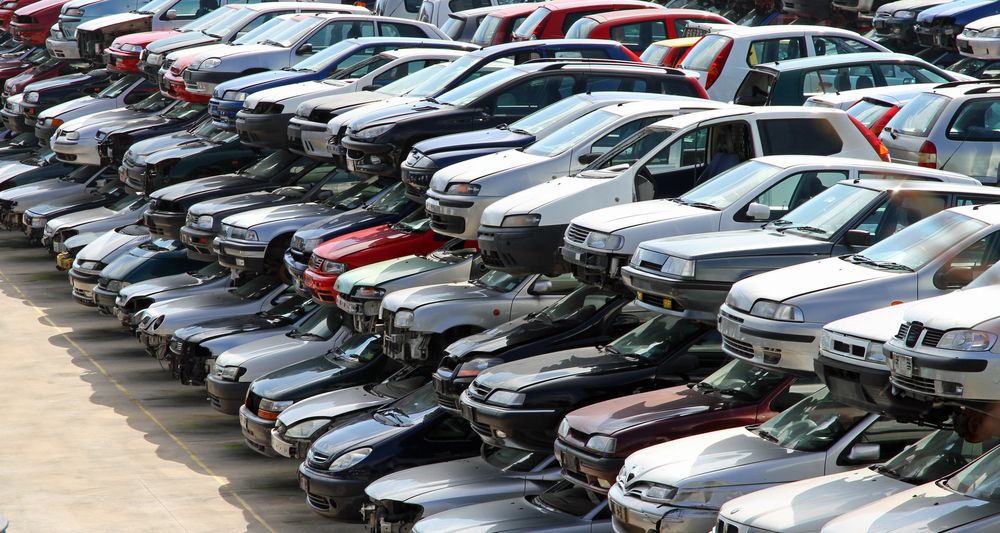
A salvage title is a label given to a vehicle that has been severely damaged and declared a total loss by an insurance company. This title can significantly affect the vehicle's resale value, insurance coverage, and potential repairs. Understanding what a salvage-title means and how it impacts a car's value is essential for buyers who are considering these vehicles. While buying a salvage-title car may seem like a bargain, it comes with potential risks that need to be carefully evaluated before making a decision.
Understanding Salvage Titles: A Comprehensive Overview
A salvage title is issued to a vehicle that has been significantly damaged, rendering it uneconomical to repair by an insurance company. It serves as a marker, signaling that the car has gone through a traumatic event, such as an accident, flood, or fire. While salvage title vehicles are often sold for lower prices, they may carry risks related to safety, reliability, and future costs. Understanding how a salvage title works is crucial for anyone considering buying a vehicle with one.
What Is a Salvage Title?
Definition and Purpose of a Salvage Title:
A salvage-title is issued by the Department of Motor Vehicles (DMV) or a similar authority when an insurance company deems a vehicle a total loss. This typically happens when the repair costs exceed a certain percentage of the car's market value. The purpose of the salvage title is to inform buyers that the vehicle has undergone significant damage and may not be roadworthy or safe without repairs. It serves as a warning for potential buyers to conduct thorough inspections before proceeding with a purchase.
Differences Between Salvage and Rebuilt Titles:
A salvage-title indicates that the vehicle has been severely damaged and declared a total loss. A rebuilt title, on the other hand, is given to a vehicle that was once deemed salvage but has been repaired and inspected. To receive a rebuilt title, the car must pass a state inspection proving it is roadworthy. Essentially, while a salvage-title denotes a damaged car, a rebuilt title signifies that the vehicle has been restored to a functioning condition, but it may still carry risks regarding its long-term durability and safety.
What Causes a Vehicle to Receive a Salvage Title?
Types of Damage That Lead to a Salvage Title (Collision, Flood, Fire, Theft Recovery, etc.):
A car can receive a salvage-title for various reasons. Some of the most common causes include:
- Collision: A car involved in a severe crash that causes substantial structural damage, making it unrepairable or cost-prohibitive to fix.
- Flood: Vehicles that have been submerged in water, which can cause damage to the engine, electrical systems, and structural integrity.
- Fire: Cars that have been involved in a fire, damaging essential components such as the wiring and interior.
- Theft Recovery: If a stolen vehicle is recovered after being stripped or damaged, it may be issued a salvage-title.
Role of Insurance Companies in Declaring Vehicles as Salvaged:
Insurance companies play a significant role in declaring vehicles as salvage. When a car is involved in a major accident or other event, the insurer assesses the damage and determines if the repair costs are too high in comparison to the car's market value. If the vehicle is deemed a total loss, the insurance company may declare it a salvage. This decision affects the car's future resale value and insurability. Once a vehicle has a salvage-title, it is often more difficult for owners to find full coverage insurance.
Rebuilt Titles: What You Need to Know
How a Salvaged Car Becomes a Rebuilt Vehicle:
A salvaged car can become a rebuilt vehicle if it undergoes significant repairs to restore it to a safe, operational condition. After repairs, the car must pass a state inspection to verify that it meets all safety standards and is fit for the road. The rebuilt title signifies that the car has been deemed safe to drive again, but it doesn’t guarantee the quality of the repairs or the car's long-term reliability.
Key Differences Between Salvage and Rebuilt Titles:
While both salvage and rebuilt titles indicate that a vehicle has been damaged, a salvage-title means the car has not been repaired or inspected for roadworthiness. A rebuilt title, on the other hand, is given after the vehicle has been repaired and passed inspection. It's important to note that a rebuilt title doesn’t erase the vehicle’s history, and it may still have lingering issues from the original damage.
Pros and Cons of Buying a Salvage Title Car
Buying a salvage-title car can be a tempting prospect due to the lower upfront cost, but it’s essential to weigh the benefits against the potential risks. Salvage title cars often come with a variety of challenges and hidden costs that buyers need to carefully consider. Here, we’ll explore the pros and cons of purchasing a salvage-title vehicle so you can make an informed decision.
Are Salvage Title Cars Worth Buying?
Potential Cost Savings vs. Risks Involved:
One of the most significant advantages of buying a salvage-title car is the potential cost savings. These vehicles are typically sold at a fraction of the price of a similar car with a clean title. If you have the mechanical know-how or are willing to invest in repairs, you might end up with a vehicle that costs much less than its market value. However, it’s crucial to be aware of the risks involved, which can range from expensive repairs to potential safety issues that may not be immediately visible. Buyers need to carefully evaluate whether the cost savings outweigh the financial risk of dealing with a car that has a damaged history.
Common Reasons Buyers Consider Salvage Title Vehicles:
Buyers are often drawn to salvage title cars for a few key reasons:
- Budget-Friendly Option: Salvage title vehicles are often much cheaper than their non-salvage counterparts, making them attractive to buyers on a tight budget.
- Restoration Projects: Some buyers are interested in purchasing salvage cars as restoration projects. If you're handy with repairs and have the time and resources, restoring a salvage vehicle can be a rewarding endeavor.
- Opportunity for Customization: Salvage title cars can provide the foundation for custom builds, particularly if you're looking for a unique or specific car model. They often come at a lower price, allowing buyers to pour money into customization instead of paying a premium for a vehicle in pristine condition.
Risks of Salvage Title Cars
Financing Challenges:
One of the primary challenges when purchasing a salvage-title car is the difficulty in obtaining financing. Many traditional lenders are unwilling to finance vehicles with a salvage-title due to the perceived risk. Even if you can secure financing, you may face higher interest rates due to the vehicle's history. Some buyers might need to rely on personal loans or pay cash to avoid this hurdle.
Difficulty Obtaining Insurance:
Insuring a salvage-title car can also be tricky. Most major insurance providers won’t offer comprehensive or collision coverage for a vehicle with a salvage-title. This means you might only be able to purchase liability insurance, which may not cover significant damage in the event of an accident. Additionally, some insurers may charge higher premiums or refuse coverage entirely, depending on the car's repair history.
Reduced Resale Value:
One of the most significant downsides of buying a salvage-title vehicle is its reduced resale value. Even if the car is repaired and restored to a functional condition, it will likely be worth less than a similar car with a clean title. Buyers should understand that the car’s salvage history will follow it, making it harder to sell or trade in the future.
Safety and Reliability Concerns:
While some salvage title vehicles are restored to excellent condition, others may not be as reliable or safe as they should be. The extent of the damage and the quality of the repairs can vary greatly, and some issues may not be immediately apparent. There’s always a risk that underlying problems related to the car’s previous damage could compromise the safety and reliability of the vehicle. It's crucial to have a professional inspection to determine if the car has been adequately repaired.
Benefits of Salvage Title Cars
Affordability for Budget-Conscious Buyers:
For buyers with limited budgets, a salvage-title car can be an affordable option. These vehicles are sold at significantly lower prices than comparable clean-title cars. This makes them an attractive option for those who need a car but don’t have the funds to purchase a brand-new or used vehicle in perfect condition. However, buyers need to balance the savings with the potential repair costs that could arise after purchase.
Opportunity to Restore and Customize:
Salvage title vehicles can also serve as excellent restoration or customization projects. Some buyers enjoy the challenge of rebuilding or restoring a car, often for the sake of improving it, adding custom features, or simply bringing it back to life. If you're an enthusiast or have experience working on cars, buying a salvage-title vehicle can be a great way to get a unique project at a fraction of the cost.
How to Evaluate a Salvage Title Vehicle
When it comes to buying a salvage-title vehicle, it's crucial to perform a thorough evaluation to ensure you are not overpaying or inheriting a problematic car. Salvage vehicles can range from those with minimal damage to those requiring extensive repairs, and it's essential to understand what you're getting into before making a purchase.
Inspecting a Salvage Vehicle
Steps to assess a vehicle’s condition:
The first step in evaluating a salvage-title vehicle is to conduct a visual inspection. Here’s what you should look for:
- Exterior Condition: Check for visible signs of damage, rust, or signs of previous repair work, such as mismatched paint. Pay particular attention to areas that could indicate structural damage.
- Frame and Chassis: A bent or cracked frame can compromise the integrity of the vehicle. Look for signs of repair, welding, or any irregularities in the frame that might suggest it’s not perfectly straight.
- Suspension and Tires: Inspect the suspension for any signs of wear or damage. Ensure the tires are in good condition and check if they are wearing unevenly, which could indicate alignment issues.
- Interior Condition: Evaluate the condition of the upholstery, dashboard, and electronics. Ensure that safety features like airbags are intact and functional.
It's also important to check under the vehicle for signs of oil leaks, rust, or any fluid drips. Carefully look at the engine, transmission, and exhaust systems, as these components can be costly to repair or replace.
Importance of hiring a professional mechanic:
Even after your own visual inspection, it’s crucial to have a professional mechanic inspect the salvage vehicle. A mechanic can provide an expert opinion on the condition of vital systems like the engine, transmission, and suspension, as well as give a more in-depth analysis of hidden issues that may not be apparent during a casual inspection. They can also check if the repairs were done properly and if any underlying problems could cause issues in the future.
A mechanic’s inspection will help identify potential safety hazards or areas that may require immediate attention, ensuring you don't miss any red flags.
Researching Vehicle History
How to check accident reports and repair records:
When buying a salvage-title car, understanding the vehicle’s history is crucial. Accident reports and repair records can give you valuable insight into the severity of the damage the car has experienced. The most reliable way to get this information is through vehicle history report services like Carfax or AutoCheck. These reports can provide information on past accidents, flood damage, or theft recovery, helping you assess how the car was repaired and whether it’s worth the investment.
When reviewing the accident history, pay close attention to whether the car was involved in significant collisions that affected its structural integrity or if it was declared a total loss by an insurance company.
Tools for verifying the legitimacy of a rebuild:
After ensuring the car has a clear history, you must verify that the rebuild work was performed properly. This can include checking for the presence of official repair records, certifications, and any inspections that took place post-repair. The Department of Motor Vehicles (DMV) in most states requires salvage vehicles to undergo an official inspection before they can be titled as “rebuilt.”
When considering the legitimacy of a rebuild, make sure that any parts replaced are high-quality and that repairs have been made to factory standards. Sometimes, vehicles sold as "rebuilt" may have been poorly restored, which could lead to safety issues or costly future repairs.
Buying a Salvage Title Car: Step-by-Step Guide
Buying a salvage-title vehicle can be a smart decision for those looking for a budget-friendly car, but it’s essential to follow a systematic approach to ensure you’re making a safe purchase. This guide will walk you through the process of finding, negotiating, and legally transferring ownership of a salvage-title car.
Where to Find Salvage Title Cars
Online auctions and local salvage yards:
Online auctions and local salvage yards are some of the most common places where you can find salvage title cars. Websites like BidnDrive, Auto4Export, Copart, and IAAI are popular online platforms where you can browse thousands of salvage title vehicles. These platforms offer detailed listings with photos, vehicle histories, and auction results, helping you find the right car. You can filter results based on the make, model, and damage type, which makes the process easier and faster.
Local salvage yards, on the other hand, often offer a chance to inspect the car in person before purchasing it. These yards typically carry cars that have been damaged due to accidents, floods, or theft, and they may have options for both parts and whole cars. Be sure to ask about the vehicle’s history and inspect the car thoroughly before making a decision.
Tips for choosing a reliable source:
When searching for a salvage-title car, it’s important to choose a reputable seller or platform. Look for sellers who offer clear and transparent information about the vehicle’s condition, history, and any repairs made. Online auction platforms such as Copart and IAAI provide detailed inspection reports and often include a buyer’s protection policy, ensuring you’re not left with hidden issues.
In contrast, when dealing with local salvage yards, check reviews and ask for a warranty or return policy. A reliable source will also provide proper documentation for the car, which is critical when you need to complete the transfer of ownership and registration.
Negotiating the Purchase
Factors to consider when determining the price:
The price of a salvage-title car will vary depending on several factors:
- Severity of Damage: A car with extensive damage will be priced lower than one with minor issues. It’s important to evaluate the repair costs before agreeing on a price.
- Model Year and Condition: Newer models in good condition may still be worth purchasing, even if they have a salvage-title. However, older vehicles with significant damage might not offer the best value.
- Repair and Restoration Costs: When negotiating, consider how much it will cost to restore the vehicle. This includes labor, parts, and any potential unforeseen repairs that may arise.
- Vehicle History Reports: Ensure you factor in the vehicle’s history and any potential hidden issues revealed in reports from Carfax or AutoCheck.
When negotiating, aim for a price that reflects the total cost of the car, including repairs, parts, and any additional work required to get it back to roadworthy condition.
Avoiding scams and fraud:
While salvage title cars can be great deals, they also attract fraudsters. Always be cautious when buying a car online or from an unfamiliar seller. Here are some tips to avoid scams:
- Verify the Vehicle Identification Number (VIN): Ensure that the VIN on the vehicle matches the one on the title and that it hasn’t been altered.
- Ask for Documentation: Always ask for proof of ownership, repair records, and any legal documents related to the vehicle. Be wary if the seller is reluctant to provide these.
- Watch for Red Flags: If the price seems too good to be true, it probably is. Be cautious of sellers who pressure you to make a quick purchase without offering sufficient details about the car’s history or condition.
To avoid falling victim to scams, it’s also wise to deal with trusted platforms like BidnDrive, Copart, and Auto4Export, where listings are typically more regulated and transparent.
Navigating the Legal Process
How to transfer ownership and register a salvage vehicle:
Once you've successfully purchased a salvage-title vehicle, you’ll need to transfer ownership and register the car in your name. To do this:
- Obtain the title: After purchasing the car, make sure the seller provides you with the title (or bill of sale if there’s no title). If you buy from a salvage auction, the title will typically be included in the auction paperwork.
- Complete transfer forms: Fill out the necessary transfer forms provided by your state’s DMV or local vehicle registration office. Some states require an inspection of the vehicle before registration, especially if you plan to get a rebuilt title.
- Pay registration fees and taxes: You’ll need to pay any applicable taxes and fees to complete the registration process.
State-specific requirements and documentation:
Each state has specific requirements when it comes to salvage title vehicles. Some states require a salvage inspection before issuing a rebuilt title or allowing the car to be registered, while others might have different forms or fees for salvage vehicles. Be sure to check with your local Department of Motor Vehicles (DMV) or equivalent state agency for the exact requirements.
You can typically find the requirements on your state’s DMV website or by calling them directly. States like California, Texas, and Florida have specific procedures, and it's crucial to comply with local laws to avoid complications during the registration process.
Insurance and Financing for Salvage Title Cars
Buying a salvage-title car comes with its own set of challenges when it comes to insurance and financing. These cars, due to their history of significant damage, may not be as straightforward to insure or finance as standard vehicles. Understanding the insurance and financing landscape is crucial for anyone considering purchasing a salvage-title vehicle.
Challenges in Insuring Salvage Vehicles
Why insurers may hesitate to cover salvage title cars:
Insurance companies are typically hesitant to cover salvage title vehicles because these cars have been involved in significant accidents, floods, fires, or thefts. As a result, the vehicle’s structural integrity may have been compromised, making it more prone to future damage. Insurers view salvage vehicles as higher-risk investments, which can lead to higher premiums or limited coverage options.
In many cases, insurers might only offer limited liability coverage instead of comprehensive or collision insurance. This is because they might not want to take on the risk of paying for repairs if the vehicle is damaged again in an accident. Additionally, if the vehicle is totaled again, the insurance payout may not be as high as it would be for a car with a clean title.
Tips for finding an insurer willing to provide coverage:
Finding an insurer for a salvage-title car is not impossible, but it does require a bit of research. Here are some tips for securing coverage:
- Specialized insurers: Look for insurance companies that specialize in high-risk or non-standard auto insurance. These companies are more likely to insure salvage title cars.
- Full disclosure: Be upfront with your insurer about the car’s salvage title status. Attempting to hide this information could result in your claim being denied if the vehicle is damaged.
- Get multiple quotes: Because coverage options and prices can vary significantly, it’s a good idea to get quotes from multiple insurers to find the best deal.
- State requirements: Some states have specific laws regarding the insurance of salvage title vehicles, so be sure to familiarize yourself with local regulations. For instance, in some areas, a vehicle with a salvage-title might need to pass an inspection before it can be insured.
Ultimately, while insuring a salvage vehicle may be more challenging, it’s not impossible. With persistence and the right insurer, you can find coverage that suits your needs.
Financing Limitations
Why lenders may refuse loans for salvage vehicles:
One of the major hurdles when buying a salvage-title car is financing. Traditional lenders, including banks and credit unions, are often reluctant to provide loans for salvage vehicles. This is due to the perceived higher risk associated with salvage title cars. Because these cars have been heavily damaged in the past, they may have an unpredictable future in terms of repair costs and resale value.
Moreover, a salvage-title significantly reduces the vehicle’s market value, making it difficult for the lender to recover the loan amount in case of repossession. Lenders may also be concerned that the car’s condition will affect its longevity, which could lead to increased repair costs over time.
Options for cash purchases or alternative financing:
If you're unable to secure traditional financing for a salvage-title vehicle, here are some alternatives:
- Cash purchases: If possible, paying for the vehicle in cash is the easiest option. Without the need for a loan, you can bypass the difficulties lenders may have in offering financing for a salvage vehicle.
- Personal loans: Some lenders might offer personal loans for the purchase of a salvage-title car, as they are not secured by the vehicle itself. These loans typically come with higher interest rates, but they can offer a way around traditional auto financing.
- Specialty lenders: Some companies specialize in financing salvage title cars or high-risk vehicles. These lenders may be willing to offer loans for salvage vehicles, but expect higher interest rates and stricter terms.
- Peer-to-peer lending: Online platforms that facilitate peer-to-peer lending may be another option for financing a salvage-title vehicle. These platforms often have more flexible criteria compared to traditional banks.
FAQs About Salvage Title Cars
When considering a salvage-title vehicle, many buyers have important questions about its safety, potential for resale, and how the title status might change over time. Here are some frequently asked questions about salvage title cars and their answers to help you make an informed decision.
Is It Safe to Drive a Rebuilt Car?
Driving a rebuilt car can be safe, but it depends on the quality of the repairs made to the vehicle. A rebuilt car is a salvage-title vehicle that has been repaired and passed a state inspection to confirm it is roadworthy again. However, the key factor in determining the safety of a rebuilt car is the extent and quality of the repairs done.
A professional mechanic or body shop should have restored the vehicle to a standard that makes it as safe as a non-salvage car. It's important to review the vehicle’s repair history and ensure that all safety features (like airbags, brakes, and the frame) are intact and functioning properly. Some rebuilt vehicles might have suffered from structural damage or issues that weren’t fully addressed during the rebuilding process, so it’s crucial to have a trusted mechanic thoroughly inspect the car before purchase.
To ensure you're making a safe choice, request detailed repair records and look for signs of poor workmanship that could indicate the vehicle isn't as safe as it should be.
Can a Salvage Title Be Removed?
A salvage title cannot be "removed" or erased from a vehicle's history. Once a vehicle has been declared a total loss by an insurance company, it receives a salvage-title, which stays with the car even if it is repaired and rebuilt. However, what can change is the status of the title—if a salvage vehicle undergoes sufficient repairs and passes a state inspection, it can be given a "rebuilt" or "rebuilt salvage" title. This new title indicates that the vehicle has been restored to a roadworthy condition.
While the salvage title will always remain part of the vehicle's history, the rebuilt title reflects the fact that it has been inspected and certified as safe to drive. It's important to understand that the rebuilt title doesn't erase the vehicle's past; it simply signals that the car has undergone extensive repairs and passed a safety inspection.
Are Salvage Title Cars a Good Investment for Resale?
Reselling a salvage-title car can be challenging. The resale value of a salvage-title vehicle is typically much lower than that of a car with a clean title due to the stigma attached to its history of significant damage. Most buyers are hesitant to purchase salvage cars, especially for full retail prices, because they are concerned about the vehicle’s reliability, repair costs, and future problems.
That said, salvage title cars can be a good investment for resale in some cases, especially if you can acquire the car at a significantly discounted price and perform high-quality repairs. Restoring a salvage car to good condition and presenting it with proper documentation and transparency can increase its resale value. However, even after repairs, you may not be able to recover the full amount spent on the vehicle.
If you're planning to sell a salvage-title car, it’s essential to keep detailed records of all repairs made, and provide buyers with proof of safety inspections and any work completed. This can help mitigate some of the concerns potential buyers might have, but expect to take a financial hit on the resale value compared to a clean title vehicle.
Restoring and Selling Salvage Title Cars
Buying a salvage-title car can be a great way to save money, but restoring and selling such vehicles comes with its own set of challenges. Whether you are looking to fix the car for personal use or to sell it for a profit, it's important to understand the entire process. Here’s what you need to know about restoring and selling a salvage-title vehicle.
How to Restore a Salvage Vehicle
Restoring a salvage vehicle involves several key steps, which can vary depending on the extent of the damage. Here's a basic overview of how to go about restoring a salvage-title car:
- Assess the Damage: Before purchasing a salvage-title car for restoration, it's crucial to thoroughly inspect the vehicle. The level of damage could range from minor cosmetic issues to major structural problems. Always check the frame, engine, suspension, and electrical systems. Have a professional mechanic assess the car to help identify any hidden issues.
- Gather the Necessary Tools and Resources: Restoring a car often requires a variety of tools and parts. Depending on the severity of the damage, you may need specialized equipment and professional-grade tools. Many vehicle parts can be sourced from auto parts stores, online auctions, or local salvage yards. If the car is a luxury or rare model, finding OEM parts could be more challenging and costly.
- Rebuild the Vehicle: Once you've assessed the damage and gathered the necessary resources, it's time to start rebuilding the vehicle. This may involve fixing the frame, replacing the damaged parts (such as airbags, doors, and suspension components), and ensuring all essential systems are functional. If you’re not an experienced mechanic, it’s highly recommended to hire a professional body shop or mechanic to complete these repairs.
- Pass the State Inspection: After the vehicle is repaired, it needs to pass a state inspection before being cleared for the road. This inspection will evaluate whether the car is safe to drive and roadworthy. It's crucial to ensure that all systems meet the required safety standards before this inspection to avoid potential issues.
- Documentation: As you restore the car, keep detailed records of all repairs made. This documentation will be essential for proving that the vehicle has been properly rebuilt and is safe for resale.
By carefully assessing the damage, restoring the car with quality repairs, and passing the necessary inspections, you can turn a salvage-title vehicle into a fully functional car.
Selling a Rebuilt Salvage Title Car
Once you’ve successfully restored a salvage-title vehicle and obtained a rebuilt title, it’s time to sell the car. However, selling a rebuilt salvage title car is not as straightforward as selling a car with a clean title. Here are some steps to help you navigate the process of selling a rebuilt salvage title vehicle:
- Set a Realistic Price: The first step in selling a rebuilt salvage title car is determining its value. While the car may have been fully restored, its resale value will still be lower than a comparable car with a clean title. Factors like the make, model, age, and the extent of the repairs will all impact the price. Be sure to research the market to determine a competitive but fair price for the vehicle.
- Disclose the Vehicle’s History: Transparency is key when selling a rebuilt salvage title vehicle. Always disclose the vehicle’s salvage history to potential buyers, including details about the damage it sustained, the repairs made, and the rebuilt title. Buyers will be hesitant to purchase a car without full disclosure, so honesty is essential.
- Provide Documentation: Buyers will want to know that the vehicle has been properly restored and is safe to drive. Provide them with the repair records, proof of inspections, and any other documents that show the work you’ve done on the car. The more information you can provide, the more likely you are to gain the buyer's trust.
- Offer Test Drives and Inspections: Allow buyers to take the car for a test drive and have it inspected by a mechanic of their choice. This shows that you’re confident in the quality of the repairs and are transparent about the condition of the car.
- Advertise Through the Right Channels: To attract potential buyers, list the vehicle on online marketplaces that specialize in rebuilt or salvage title cars. Websites like Copart, IAAI, and Auto4Export are great places to start. Additionally, local car-buying groups or salvage yards may also be good options for reaching potential buyers.
- Be Prepared for Negotiations: Buyers will likely try to negotiate the price, so be prepared to haggle. Keep in mind that the car’s salvage history will always affect its resale value, and be flexible with your pricing if necessary.
Are you interested in buying a car from Online Auto Auctions?
With this being said – you can still export vehicles and save up a few thousand dollars with Bidndrive. We have an inventory of over 150k plus vehicles with titles you can export for you to choose from. Once you have placed your bid and won the auction a Bill of Sale document is then emailed to you as proof of purchase – after full payments have been made.
To gain access and get started on your purchase, sign up for free.