



If you’re trying to buy a car for less than dealership prices, you’ve probably started looking beyond traditional car lots. Maybe you’ve explored online auto auctions or heard about dealer-only platforms. And then you came across ACV Auctions and asked the most common question:
What is ACV, and can I actually buy a car there?
This guide starts by explaining exactly what ACV Auctions is, how it’s different from other major auto auctions, why so many dealers are switching to it, and who it’s really made for. No hype. No confusing terms. Just clear answers.
What Is ACV Auctions?
ACV Auctions is an online, dealer-only vehicle auction platform based in the United States. It connects licensed car dealers who want to sell vehicles with other dealers who want to buy them.
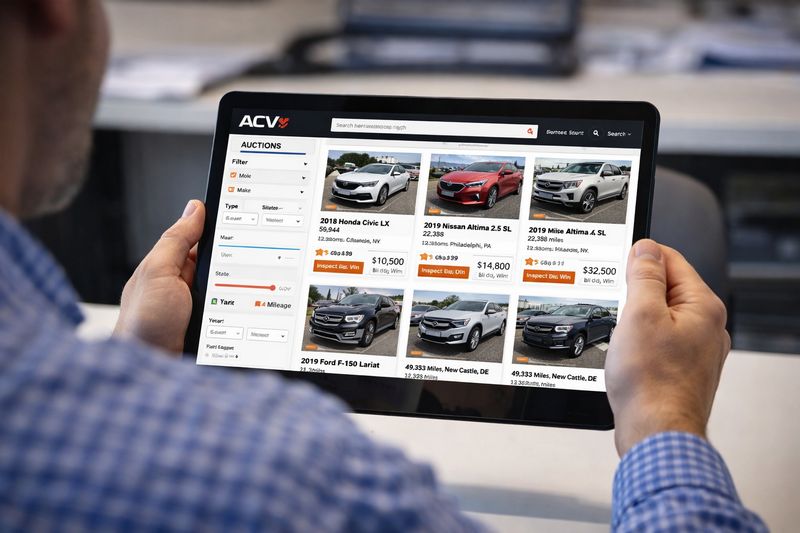
Unlike salvage auctions, ACV focuses mainly on used retail and wholesale vehicles, not wrecked or totaled cars. Most vehicles on ACV come with detailed digital inspections, condition reports, and transparent data before bidding even starts.
Think of ACV as a digital wholesale marketplace where dealers trade cars quickly, without physically going to an auction yard.
A simple example many buyers can relate to:
You walk into a dealership and see a used SUV listed for $17,500.
Behind the scenes, that same vehicle may have traded between dealers on ACV for $12,000–$13,000 before it ever hit the retail lot.
ACV operates in that behind-the-scenes space.
Why ACV Is Growing So Fast Among Dealers
ACV’s growth is not accidental. Dealers are under pressure to move inventory faster, reduce costs, and avoid mistakes. ACV solves several real problems at once.
Transparency Reduces Risk
Buying the wrong car can destroy a dealer’s profit. ACV’s inspection-first model helps reduce that risk.
Dealers see:
- Engine sound recordings
- Undercarriage photos
- OBD scans
- Paint thickness readings
This means fewer surprises after delivery.
Speed Matters
Most ACV auctions last 20–30 minutes.
No travel. No waiting in lanes. No guessing.
For dealers, time is money. ACV saves both.
Lower Overhead
There’s no need to send staff to physical auctions or pay third-party buyers. Everything happens digitally, with clear fees upfront.
For a dealer trying to survive on thin margins, this matters.
Who ACV Auctions Is For (And Who It’s Not)
This is the most important part to understand.
ACV Is B2B Only
ACV Auctions is not open to the public.
You must have:
- A valid dealer license
- Business registration
- Tax and banking documents
If you’re a private buyer hoping to get a cheap car directly, ACV will not approve you.
So Why Should Budget Buyers Care?
Because many people with limited budgets:
- Can’t afford retail dealership prices
- Don’t want heavily damaged salvage cars
- Want access to dealer-only inventory
This is where companies like BidNDrive come in.
We help buyers access dealer-only auctions like ACV, handle compliance, payment, and export, and make sure the process is transparent from start to finish.
Is ACV Auctions Legit? Safety, Transparency & Reputation
When people first hear about ACV Auctions, the same doubts come up again and again:
Is ACV legit? Is it safe? Is this a real auction or some kind of scam?
These questions are normal—especially if you’re used to shady online listings or bad auction experiences. Let’s break it down clearly and honestly.
History and Growth of ACV Auctions
ACV Auctions was founded in 2014 with one clear goal: fix the biggest problem in wholesale car buying—lack of trust.
Traditional dealer auctions relied heavily on quick lane inspections and assumptions. Buyers often discovered issues only after the car arrived. ACV flipped that model by building the auction around inspection first, bidding second.
Since launch, ACV has grown from a small startup into a nationwide dealer platform used across all 50 states. Thousands of vehicles are traded on ACV every day, mainly between franchised and independent dealers.
Scam platforms don’t survive a decade in a highly regulated industry like auto wholesale. ACV did—and scaled.
Public Company (ACVA) — Investor Trust Matters
ACV Auctions is not a hidden private marketplace. It is a publicly traded company listed on NASDAQ under the ticker ACVA.
Why does this matter?
A public company must:
- Report financials regularly
- Follow strict compliance rules
- Answer to regulators and investors
- Protect its reputation long-term
This level of scrutiny makes large-scale fraud extremely unlikely. ACV’s entire business depends on dealer trust and repeat usage. Losing credibility would destroy the platform.
That alone separates ACV from random “dealer access” websites or fake auction brokers.
Why Dealers Use ACV Every Day
Professional dealers are extremely risk-sensitive. They don’t use platforms that cost them money or cause constant problems.
Dealers use ACV daily because:
- Inspections are consistent and detailed
- Data is transparent before bidding
- Arbitration rules are clear
- Vehicles move fast
If ACV were unsafe or unreliable, dealers would simply stop using it. Instead, many dealers buy most of their inventorythrough ACV.
That tells you more than any marketing slogan ever could.
How ACV Prevents Fraud
ACV’s fraud prevention starts with one simple rule: no anonymous sellers, no anonymous buyers.
Every seller and buyer on ACV must be:
- A licensed dealer
- Verified as a real business
- Linked to traceable bank accounts
On top of that, ACV controls the inspection process.
Inspections are:
- Performed by ACV-trained inspectors
- Digitally documented
- Time-stamped and stored
- Tied directly to arbitration rules
If a vehicle is misrepresented beyond allowed thresholds, ACV provides a formal arbitration process. This doesn’t mean there is zero risk—but it means disputes are handled within a defined system, not ignored.
This structure is the opposite of how scam platforms operate.
Limitations and Risks You Should Know About
Being legit doesn’t mean ACV is perfect—or right for everyone.
The biggest limitation is simple:
ACV is not open to the public.
If you’re a private buyer without a dealer license:
- You cannot register
- You cannot bid
- You cannot pay directly
This frustrates many budget buyers who discover ACV after seeing lower wholesale prices. But this restriction is actually part of why ACV remains reliable. Keeping the platform B2B reduces fraud, chargebacks, and fake accounts.
There are also normal auction risks:
- Vehicles are sold dealer-to-dealer, not retail
- You must read inspection reports carefully
- Not every issue qualifies for arbitration
ACV reduces risk—but it does not eliminate responsibility.
What ACV Auctions Does — Services, Solutions & Inventory Sources
To really understand ACV Auctions, you need to look beyond the word “auction.” ACV is not just a place where cars are bid on. It’s a full digital wholesale system built to help dealers buy, price, and move vehicles with less guesswork.
This section explains what ACV actually does, what kinds of vehicles are sold there, and where those cars come from.
Dealer-Only Online Auctions
At its core, ACV runs online vehicle auctions exclusively for licensed dealers.
There are no public listings, no private sellers, and no retail buyers. Every vehicle is sold dealer-to-dealer. This keeps the marketplace professional and reduces problems that usually come with open platforms.
For dealers, this means:
- Faster transactions
- Fewer fake bidders
- Clear payment rules
- Predictable timelines
For budget-conscious buyers, it explains why you may see a car priced much higher at a dealership. That same car often passed through ACV at a wholesale price before it reached the retail lot.
A Marketplace Built on Data and Pricing Insights
ACV is not just about bidding. It’s also a data marketplace.
Dealers use ACV to:
- Understand real wholesale market prices
- See what similar vehicles actually sold for
- Avoid overpaying in competitive markets
Instead of guessing a vehicle’s value, dealers rely on ACV’s historical sales data and market trends. This helps them decide whether a car is worth buying, holding, or reselling.
For someone on a tight budget, this data-driven pricing is one reason ACV vehicles tend to be more realistically valued at the wholesale level.
Digital Condition Reports as a Core Feature
One of ACV’s biggest differentiators is its digital condition reporting system.
Every vehicle listed on ACV goes through a structured digital inspection before it can be auctioned. This inspection becomes the foundation of the listing, not an afterthought.
Buyers don’t rely on blurry photos or vague descriptions. They see:
- High-resolution images
- Measured data points
- Recorded engine sounds
- Verified condition notes
This approach reduces “surprise damage” and builds trust between dealers who may never meet in person.
Trade-In and Appraisal Tools for Dealers
ACV is heavily used by retail dealerships to manage trade-ins.
Here’s a situation many people recognize:
You trade in your old car and feel like the dealer lowballed you.
In reality, many dealers use ACV tools to:
- Appraise trade-ins in real time
- Compare offers from multiple dealers
- Decide whether to retail the car or send it to wholesale
ACV helps dealers move trade-ins faster instead of letting them sit on the lot. Those vehicles often end up on ACV within days, especially if they don’t fit the dealer’s retail profile.
Where ACV Gets Its Cars From
ACV does not buy cars from the general public directly. All inventory comes from professional sources.
The main inventory sources include:
- Franchised and independent dealerships
Vehicles that don’t fit a dealer’s retail strategy are sent to ACV instead of being discounted on the lot. - Fleet and rental companies
Well-maintained vehicles rotated out of service, often with consistent maintenance histories. - Bank repossessions
Repossessed vehicles sold through dealer-only channels rather than public auctions. - Trade-ins
Cars taken in from retail customers that dealers prefer to wholesale quickly. - Wholesale dealer-to-dealer sales
Dealers moving excess or aged inventory without involving physical auctions.
Because of these sources, ACV inventory is usually cleaner and less damaged than typical salvage auctions, though condition still varies by vehicle.
How ACV Auctions Work — Step-by-Step Breakdown
ACV Auctions may look complicated at first, but the process is actually very structured and predictable. Everything is built around inspection first, bidding second. This is what makes ACV different from many other auctions and why dealers trust it.
Below is a clear, step-by-step breakdown of how ACV auctions work from start to finish.
How a Listing Starts
Every ACV auction begins with a seller, usually a licensed dealer, deciding to list a vehicle.
The seller:
- Chooses the vehicle
- Requests an ACV inspection
- Sets basic auction preferences
Unlike public marketplaces, sellers don’t just upload photos and descriptions themselves. The listing cannot go live until the inspection is completed. This prevents incomplete or misleading listings from entering the auction.
Once the inspection is done, the vehicle becomes eligible for auction.
The Digital Inspection Report — ACV’s Core Feature
The digital inspection report is the foundation of every ACV listing. This is not a quick walk-around or a few phone photos.
ACV sends a trained inspector to the vehicle’s location. The inspector follows a standardized process that is the same nationwide. This creates consistency and trust across the platform.
Buyers base their bids almost entirely on this report.
What the ACV Inspection Includes
ACV inspections are designed to show what buyers normally can’t see online.
Key inspection elements include:
- Virtual Lift
High-resolution underbody photos that simulate a car being lifted in a shop. Buyers can see suspension, frame areas, exhaust, and visible leaks. - OBD Scan
Diagnostic scan that checks for trouble codes, warning lights, and system errors. This helps identify hidden electronic or engine issues. - Paint Meter Readings
Measurements that reveal repainting or bodywork. Uneven readings often indicate prior repairs or accidents. - Engine Audio Recording
A recorded sound clip of the engine running. Dealers listen for knocking, ticking, rough idle, or other abnormal noises. - Exterior and Interior Photos
360-degree coverage showing wear, damage, and cosmetic condition.
This level of detail is why ACV inspections are considered one of the most trusted in wholesale auto auctions.
How Bidding Works on ACV
Once the auction goes live, approved dealers can place bids through the ACV platform.
Bidding is:
- Transparent
- Real-time
- Competitive
Dealers can see the current high bid and decide whether to continue. There’s no guessing where the price stands.
Many auctions attract multiple bidders, especially for clean, well-priced vehicles. Others may receive fewer bids if the market price is too high or demand is low.
Live Auctions vs Scheduled Auctions
ACV uses two main auction formats:
- Live Auctions
These run in real time with active bidding. Dealers watch prices move and respond immediately. - Scheduled Auctions
These allow bidding over a set time window. Dealers can place bids without being online every second.
Both formats are designed to move vehicles quickly. Most ACV auctions last 20 to 30 minutes, much shorter than traditional physical auctions.
How the Winning Bid Is Chosen
When the auction ends, the highest bid does not always automatically win.
The seller reviews:
- The final bid amount
- Buyer credentials
- Market conditions
The seller can accept, counter, or reject the offer. This adds a layer of control for sellers but also protects buyers from rushed decisions.
Once accepted, the transaction moves to payment and title processing.
How Reserve Prices Work
Most ACV listings have a reserve price, even if it’s not publicly shown.
The reserve is the minimum amount the seller is willing to accept. If bidding does not meet the reserve:
- The vehicle may not sell
- The seller may counter the highest bidder
- The vehicle may be relisted later
For buyers, this explains why some auctions end without a sale even when bidding was active.
Want to Buy from ACV Auctions?
BidNDrive helps private and international buyers register, place bids, and purchase vehicles from ACV even without a dealer license. Our team guides you through registration, bidding, and shipping.
- ✅ No dealer license required
- ✅ Access to thousands of vehicles
- ✅ Transparent pricing & support
- ✅ Domestic + export shipping
ACV Access Requirements — Do You Need a Dealer License?
This is the point where many budget buyers feel disappointed. After seeing lower wholesale prices and clean vehicles, the next question is obvious:
Can anyone buy on ACV?
The short answer is no.
The long answer is explained below.
Only Licensed Dealers Can Buy on ACV
ACV Auctions is a dealer-only platform.
To buy or sell vehicles on ACV, you must be a licensed motor vehicle dealer. Private individuals, first-time buyers, and casual resellers are not allowed to participate directly.
This rule is strictly enforced. There are no “guest accounts,” no trial access, and no exceptions for private buyers with cash in hand.
If you don’t have a dealer license, you cannot:
- Create an ACV buying account
- Place bids
- Complete payments
- Receive titles directly
This applies regardless of budget, experience, or purchase volume.
What Types of Dealer Licenses Are Accepted
ACV accepts most valid U.S. dealer licenses, including:
- Independent used car dealer licenses
- Franchised dealer licenses
- Wholesale dealer licenses
The license must be:
- Active and current
- Issued by a U.S. state
- Registered to the business applying
Expired, suspended, or personal licenses are not accepted. ACV verifies licensing status directly with state records.
Document Verification Is Mandatory
Having a dealer license alone is not enough. ACV verifies the entire business behind the account.
During registration, dealers must provide:
- Dealer license documentation
- Business registration details
- Federal EIN
- Sales tax or resale certificate
- Linked business bank account
All documents are reviewed before approval. This process may take time, but it’s intentional. ACV does not allow anonymous or lightly verified accounts to trade vehicles.
This level of verification protects both buyers and sellers.
Why ACV Is Closed to the Public
Many people assume ACV restricts access to create exclusivity. That’s not the real reason.
ACV is closed to the public to:
- Reduce fraud and chargebacks
- Eliminate unqualified buyers
- Protect seller confidence
- Maintain dealer-to-dealer trust
Wholesale vehicle transactions involve titles, tax rules, arbitration policies, and legal responsibilities that public buyers are often not prepared for.
If ACV opened its platform to everyone, disputes, payment failures, and title problems would increase rapidly. That would hurt dealers and collapse trust in the marketplace.
What This Means for Budget Buyers
If you’re a private buyer with a limited budget, ACV can feel out of reach. But it’s important to understand this:
Many affordable, clean-title cars start on ACV before they appear at retail dealerships.
Companies like BidNDrive help bridge that gap by providing access to dealer-only auctions, handling compliance, payments, and documentation correctly.
You don’t need to break the rules or risk scams. You need a professional intermediary who already operates within them.
How to Register on ACV — Dealer Approval, Documents, Fees
Registering on ACV Auctions is not instant and not automatic. The platform is designed for professional dealers, so the registration process focuses on verification and compliance, not speed.
If you are a licensed dealer, this section explains exactly what is required to get an ACV account approved and why each step matters.
Dealer License Requirement
The first and most important requirement is a valid U.S. dealer license.
ACV will only approve accounts tied to:
- Independent used car dealers
- Franchised dealers
- Licensed wholesale dealers
The license must be:
- Active and current
- Issued by a U.S. state
- Registered to the same business name applying for the account
Personal names or mismatched business entities often cause delays or rejections. ACV checks license status directly with state databases.
Sales Tax or Resale Certificate
ACV also requires a sales tax certificate or resale certificate, depending on the state.
This document proves that:
- The business is authorized to buy vehicles for resale
- Sales tax will be handled correctly at the retail level
For wholesale platforms like ACV, this is critical. It ensures vehicles are moving through legitimate dealer channels and not being sold illegally to the public.
EIN — Business Identification
An Employer Identification Number (EIN) is mandatory.
ACV does not allow registration using:
- Social Security Numbers
- Personal tax IDs
- Informal or unregistered businesses
The EIN must match the business name on the dealer license and tax documents. This consistency is part of ACV’s fraud prevention system.
Bank Account Information
All payments on ACV are handled electronically. To complete registration, dealers must link a business bank account.
The bank account is used for:
- Buyer payments
- Seller payouts
- Fees and adjustments
ACV does not accept personal bank accounts. The account must belong to the licensed business and match all submitted documents.
This requirement protects both sides of the transaction and reduces payment disputes.
Account Verification and Approval
Once all documents are submitted, ACV reviews the application.
Verification includes:
- License validation
- Business identity checks
- Banking confirmation
- Compliance review
Approval is not instant. The review process can take several business days. If documents are incomplete or inconsistent, ACV may request clarification or additional information.
Only after approval can the dealer:
- Browse full inventory
- Place bids
- Sell vehicles
- Access pricing and data tools
Registration Fees and Costs
Creating an ACV account does not usually involve a high upfront registration fee. However, dealers should expect transaction-based fees once they start buying or selling.
These fees are tied to:
- Buyer activity
- Seller listings
- Inspections and services
The goal is to keep barriers to entry low while maintaining strict control over who participates.
ACV Fees Explained — Buyer Fee, Seller Fee, Transport Fee
Understanding ACV fees is critical—especially if you’re budget-focused. Many first-time buyers look only at the winning bid price and get surprised later. ACV is transparent about fees, but you need to know what applies, when, and to whom.
Below is a clear breakdown of all major ACV fees and how they affect the final cost.
Buyer Fees (Tiered by Vehicle Price)
Buyers on ACV pay a buyer fee, which is typically tiered based on the vehicle’s sale price. This means higher-priced vehicles come with higher buyer fees.
While exact numbers may change, the structure usually looks like this:
|
Vehicle Sale Price |
Typical Buyer Fee Range |
|
Under $5,000 |
Lower tier fee |
|
$5,000–$10,000 |
Mid-tier fee |
|
$10,000–$20,000 |
Higher tier fee |
|
Over $20,000 |
Premium tier fee |
Key points to understand:
- Buyer fees are not refundable
- They apply whether you plan to resell or export
- They are added on top of the winning bid price
For budget buyers, this is important. A car that looks like a great deal at auction price may be less attractive once buyer fees are added.
Seller Fees
Sellers also pay fees to list and sell vehicles on ACV. These fees depend on the seller’s agreement, volume, and services used.
Seller fees may include:
- Listing fees
- Success or sale fees
- Optional service fees
These costs are usually invisible to buyers, but they influence reserve prices and seller decisions. Sellers factor their fees into how aggressively they price vehicles.
Inspection Fees
Every ACV listing requires a professional digital inspection, and this inspection is not free.
Inspection fees typically apply to the seller, not the buyer. The cost covers:
- Inspector travel
- Time on-site
- Digital reporting
- Data processing
This is one reason ACV inspection quality is consistently high. Inspectors are paid professionals, not volunteers or sellers themselves.
In some cases, inspection fees may still apply even if the vehicle does not sell.
Arbitration Rules and Fees
ACV offers an arbitration process when a vehicle’s condition does not match the inspection report beyond allowed limits.
Important things to know:
- Arbitration is not automatic
- Claims must be filed within a strict timeframe
- Not all issues qualify
If arbitration is approved:
- ACV may reverse the sale
- ACV may negotiate a price adjustment
Some arbitration cases may involve processing fees, especially if claims fall outside standard guidelines.
This system protects buyers—but only if inspection reports were reviewed carefully before bidding.
Transport, Storage, and Delivery Fees
Transportation is a separate cost and depends on distance, vehicle type, and timing.
ACV offers:
- In-house transport services
- Third-party carrier options
- Buyer-arranged pickup
Transport-related costs may include:
- Shipping fees
- Storage fees if pickup is delayed
- Late delivery penalties
Storage windows are limited. If a vehicle is not picked up on time, daily storage charges may apply.
For international buyers or exporters, transport planning is critical. Poor timing can quickly erase any savings from a low auction price.
Calculate Your Total Cost on Each Lot Page
Use the built-in calculator available on every vehicle listing to see the full estimated cost — including auction fees, transportation, and export charges — before placing your bid.
- ✅ Transparent service pricing
- ✅ Help estimating total landed and sea cost
- ✅ Free auction history reports
- ✅ Bidding support available
How to Buy on ACV Auctions — Complete Buyer’s Guide
Buying on ACV Auctions is very different from buying a car on a public website. There is no “Buy Now” button and no emotional sales pressure. Everything follows a structured wholesale process.
Below is a step-by-step guide that shows how professional buyers use ACV—and where mistakes usually happen.
Get Dealer Approval First
Before you can even view full listings or place bids, you must have an approved ACV dealer account.
This means:
- A valid dealer license
- Business verification
- Tax and banking setup
Without approval, you cannot participate in auctions. This step alone filters out most casual buyers and keeps the marketplace professional.
If you’re not a dealer, you’ll need a licensed intermediary to access ACV inventory legally.
Browse Inventory Using Filters and Watchlists
Once approved, buyers can browse ACV inventory nationwide.
ACV provides advanced filters such as:
- Make, model, year
- Mileage range
- Title type
- Location
- Price range
Professional buyers often use watchlists to track vehicles they’re interested in instead of bidding immediately. This helps avoid impulse bidding—a common mistake among new buyers.
For budget-focused buyers, filtering by location and transport cost is just as important as filtering by price.
Learn How to Read Inspection Reports Correctly
This is where many first-time buyers lose money.
ACV inspections are detailed, but only if you know what to look for. Smart buyers:
- Check engine audio for abnormal sounds
- Review underbody photos carefully
- Compare paint meter readings across panels
- Look for notes marked as “known issues”
If you skip this step and bid based on photos alone, you’re gambling—not buying.
On ACV, the inspection report is more important than the auction price.
Place Bids Strategically
Bidding on ACV is straightforward but competitive.
Buyers can:
- Place bids early
- Increase bids incrementally
- Monitor competing offers in real time
There is no advantage to emotional bidding. Most experienced buyers set a maximum price based on:
- Inspection results
- Buyer fees
- Transport costs
- Target resale or export value
Once the price passes that limit, they stop. Discipline is what keeps ACV profitable for dealers.
Winning the Auction and Making Payment
Winning the auction does not always mean instant ownership.
After bidding ends:
- The seller reviews the highest bid
- The seller accepts, counters, or declines
Once accepted, payment must be made within ACV’s required timeframe.
Payment methods typically include:
- ACH transfer
- Wire transfer
Credit cards are not accepted. This is a wholesale environment, not a retail checkout.
Transportation and Delivery Options
After payment, transportation must be arranged.
Buyers can choose:
- ACV’s in-house transport services
- Third-party carriers
- Self-arranged pickup
Delivery time depends on:
- Distance
- Carrier availability
- Vehicle readiness
Storage time is limited. If pickup is delayed, storage fees may apply.
For exporters or out-of-state buyers, planning transport before bidding is essential. Unexpected shipping costs can erase savings fast.
Understanding ACV Inspection & Condition Reports
ACV Auctions is built on one core promise: you should know what you’re bidding on before you bid.
That promise lives entirely inside the ACV inspection and condition report.
This is the most important section of the entire platform. Prices, bids, and deals only make sense if you understand how to read these reports correctly.
360-Degree Photos — Seeing the Whole Vehicle
Every ACV listing includes full 360-degree photo coverage of the vehicle.
These photos are not marketing shots. They are designed to show:
- Scratches, dents, and cosmetic wear
- Interior condition and seat damage
- Dashboard warning lights
- Wheel and tire condition
Smart buyers zoom in and assume nothing is accidental. If damage is visible in photos, it is considered disclosed.
Virtual Lift — The Feature Buyers Trust Most
The Virtual Lift is one of ACV’s most trusted tools.
It simulates what you would see if the car were lifted in a repair shop. High-resolution images show:
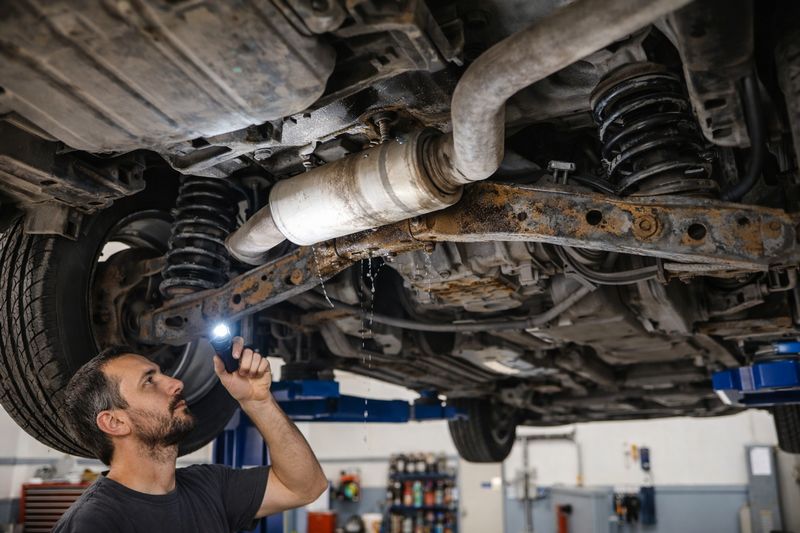
- Suspension components
- Frame rails
- Exhaust system
- Fluid leaks
- Rust or corrosion
For buyers who don’t have the budget to fix major mechanical or structural issues, this feature alone can prevent expensive mistakes.
Underbody Images — No Guessing Below the Car
Underbody damage is often hidden in traditional auctions. ACV removes that guesswork.
Underbody images help buyers identify:
- Impact damage
- Bent components
- Rust severity
- Missing or loose parts
If something is visible here, it is part of the vehicle’s disclosed condition.
Engine Audio Recording (Audio Motor Profile)
ACV includes an engine sound recording, often called the Audio Motor Profile.
This allows buyers to listen for:
- Knocking
- Ticking
- Rough idle
- Abnormal engine noise
For experienced buyers, this is one of the fastest ways to judge engine health. If the engine doesn’t sound right, the risk level goes up—no matter how good the price looks.
OBD Scan — Electronic Health Check
Every ACV inspection includes an OBD diagnostic scan.
The scan checks:
- Active trouble codes
- Stored fault codes
- Emissions-related issues
This helps uncover problems that don’t show up in photos or audio. Warning lights that were cleared recently often appear in these scans.
Paint Meter Readings — Spotting Past Repairs
Paint meter readings measure paint thickness across multiple panels.
Why this matters:
- Inconsistent readings often mean repainting
- Repainting usually indicates prior body damage
- Heavily repainted areas may hide repairs
This is especially important for buyers who want clean-title vehicles without accident history surprises.
Known Issues Checklist — What ACV Explicitly Discloses
ACV inspectors complete a Known Issues Checklist for every vehicle.
This checklist highlights:
- Mechanical concerns
- Warning lights
- Interior or exterior defects
- Operational problems
If an issue is listed here, it is considered fully disclosed and typically not eligible for arbitration later. Buyers must treat this section seriously.
Tire Tread Depth Measurements
ACV provides tire tread depth readings for all four tires.
This helps buyers estimate:
- Immediate replacement costs
- Uneven wear issues
- Suspension or alignment problems
For budget buyers, tire condition matters. Four new tires can quickly add unexpected expense.
Structural Damage Indicators — The Biggest Red Flags
ACV clearly flags structural or frame-related concerns when visible.
These indicators may include:
- Frame damage
- Structural repairs
- Major alignment issues
Structural damage dramatically changes a vehicle’s value and resale potential. ACV highlights these risks upfront so buyers can decide whether the deal still makes sense.
What ACV’s Guarantee Really Means
ACV does not guarantee that a car is perfect. It guarantees that the inspection report accurately represents what was observed.
If a serious, undisclosed issue is discovered and qualifies under arbitration rules, ACV provides a structured resolution process.
That’s the key difference.
ACV Titles, Paperwork & Payment Process
ACV Auctions operates in a strict wholesale environment, and that affects how payments and paperwork are handled. This is not a retail checkout experience. Everything is designed for dealer-to-dealer transactions where speed, compliance, and traceability matter.
Understanding this process upfront helps avoid delays, penalties, and costly mistakes.
Accepted Payment Methods: ACH and Wire Transfers
ACV accepts electronic bank payments only.
Approved payment methods include:
- ACH transfers
- Wire transfers
These payments must come from the verified business bank account linked to the ACV dealer profile. Payments from personal accounts are not allowed.
Payment deadlines are strict. Once a seller accepts the winning bid, the buyer is required to submit payment within ACV’s specified timeframe.
Late payments can result in:
- Penalties
- Account restrictions
- Loss of bidding privileges
No Credit Cards — And Why That Matters
ACV does not accept credit cards.
This surprises many first-time buyers, but it’s intentional. Wholesale vehicle transactions often involve:
- Large dollar amounts
- Title-sensitive assets
- Legal ownership transfers
Credit cards introduce chargeback risk and fraud exposure. By limiting payments to ACH and wire, ACV ensures funds are verified, traceable, and final.
For budget buyers, this means you must have liquid funds available before bidding. There is no financing, no installment plan, and no credit-based purchase option on ACV.
Title Transfer Rules and Timing
Title handling on ACV follows dealer-to-dealer title standards, not retail timelines.
After payment is confirmed:
- The seller releases the title
- ACV monitors the transfer process
- The title is sent according to platform rules
Title delivery timelines can vary depending on:
- State regulations
- Seller processing speed
- Title type (clean, electronic, reassigned)
Buyers should not expect instant title delivery. Delays are common and normal in wholesale transactions.
Dealer-to-Dealer Title Expectations
ACV assumes that both parties understand wholesale title responsibilities.
Key expectations include:
- Buyers know how to process dealer titles
- Titles may be reassigned, not retail-ready
- Buyers are responsible for downstream title handling
ACV does not convert titles for retail customers. It facilitates transfer between licensed dealers only.
For exporters or intermediaries, this is critical. Proper title handling is required before a vehicle can be registered, resold, or shipped internationally.
ACV Transportation & Delivery — How Shipping Works
Winning an auction on ACV is only part of the process. Once payment is made, the vehicle still has to move from the seller to the buyer. Transportation is where timing, planning, and cost control really matter—especially for budget-focused buyers.
Here’s how ACV transportation and delivery actually work.
ACV Transport — In-House Logistics Option
ACV offers its own in-house transportation service, commonly referred to as ACV Transport.
Using ACV Transport means:
- ACV coordinates the carrier
- Pricing is shown upfront
- Scheduling is handled inside the platform
For many dealers, this is the simplest option. It reduces communication issues and keeps everything in one system.
However, convenience usually comes at a price. ACV Transport may not always be the cheapest option, especially for long-distance moves.
Average Transport Timeframes
Delivery times on ACV vary based on distance, region, and carrier availability.
Typical timeframes look like this:
- Short-distance transport: 2–5 business days
- Mid-range transport: 5–10 business days
- Long-distance transport: 10–14+ business days
Weather, holidays, and regional demand can extend these timelines. ACV does not guarantee delivery dates—only estimated windows.
For exporters or buyers with tight schedules, building buffer time into planning is essential.
Delivery Tracking and Status Updates
ACV provides delivery tracking through its platform.
Buyers can monitor:
- Pickup confirmation
- Carrier assignment
- Transit status
- Estimated delivery timing
This visibility reduces uncertainty and helps buyers coordinate next steps, such as title processing or export arrangements.
Still, this is auto transport—not package delivery. Updates may not be real-time, and delays do happen.
Pickup Options — Buyer-Arranged Transport
Buyers are not required to use ACV Transport.
Alternative pickup options include:
- Hiring a third-party auto carrier
- Using an in-house or preferred transporter
- Self-arranged dealer pickup
If you choose your own carrier, coordination becomes your responsibility. You must:
- Schedule pickup within allowed timeframes
- Communicate with the seller
- Follow ACV release procedures
This option can save money but requires more effort and experience.
Storage Windows and Fees
Storage is limited after the sale.
Once a vehicle is ready for pickup:
- A storage window begins
- Free storage is limited
- Daily storage fees apply after the window expires
If pickup is delayed due to:
- Payment issues
- Poor transport planning
- Carrier no-shows
Storage costs can add up quickly and erase auction savings.
For budget buyers, this is a common hidden cost. Planning transport before bidding helps avoid it.
Selling on ACV — Process for Dealers, Fees, Turnaround Time
ACV Auctions is not only a buying platform. It’s also one of the fastest ways for dealers to sell vehicles they don’t want to retail. Trade-ins, aged inventory, and off-brand cars often move through ACV in days instead of sitting on a lot for weeks.
Here’s how the selling side of ACV works.
Seller Onboarding and Account Setup
To sell on ACV, a dealer must have an approved ACV account. The onboarding process is the same professional verification used for buyers.
Once approved, sellers can:
- List vehicles for auction
- Schedule inspections
- Set reserve prices
- Review bids and accept offers
ACV does not buy cars directly from the public. All sellers are licensed dealers.
Scheduling the Inspection
Selling on ACV always starts with an inspection request.
The seller:
- Selects the vehicle
- Requests an ACV inspection
- Chooses a time window
Inspections are scheduled at the vehicle’s location. This could be the dealership lot, storage yard, or another approved site.
ACV Inspector Visit
An ACV-trained inspector visits the vehicle and performs a standardized digital inspection.
The inspector:
- Takes 360-degree photos
- Records engine audio
- Scans the vehicle with OBD tools
- Measures paint thickness
- Documents visible issues
The seller does not control what is reported. This neutrality is critical for buyer trust and auction integrity.
Once completed, the inspection report becomes the official listing document.
Choosing a Reserve Price
Before the auction goes live, the seller sets a reserve price.
The reserve price:
- Represents the minimum acceptable amount
- Protects the seller from underselling
- Influences buyer interest
If the reserve is too high, the vehicle may not sell. If it’s realistic, competitive bidding often drives the price upward.
Experienced sellers use ACV market data to set reserves that attract buyers without giving away value.
How Fast Vehicles Sell on ACV
Speed is one of ACV’s biggest advantages.
Most ACV auctions:
- Run 20 to 30 minutes
- Receive bids quickly
- Close the same day
If a vehicle doesn’t sell, sellers can:
- Counter the highest bidder
- Adjust the reserve
- Relist the vehicle
In many cases, dealers move inventory within 24–48 hours from inspection to sale.
ACV Market Reports, Data Tools & Dealer Analytics
ACV is not just an auction platform. For many dealers, it’s also a decision-making system. The data and analytics tools built into ACV help dealers understand the market in real time and avoid costly pricing mistakes.
This B2B focus is one of the main reasons ACV has become so deeply integrated into daily dealer operations.
True360 — Seeing the Market From Every Angle
True360 is ACV’s market intelligence ecosystem. It combines auction results, inspection data, and transaction history into a single analytical view.
With True360, dealers can:
- Track real wholesale prices, not asking prices
- Compare similar vehicles across regions
- Spot market shifts early
Instead of guessing what a car might be worth, dealers see what vehicles are actually selling for right now.
For budget buyers, this explains why ACV prices often look more grounded than retail listings. They reflect real transactions, not marketing numbers.
Market Price Guides — Real Data, Not Opinions
ACV’s Market Price Guides help dealers understand:
- Fair wholesale value
- Risk-adjusted pricing
- Demand trends
These guides are built from ACV’s own transaction data, not third-party estimates alone. Dealers use them to decide:
- How much to bid
- Whether to pass on a vehicle
- When to sell instead of hold
This reduces emotional buying and protects margins.
Trading Insights — Knowing When to Buy or Sell
Trading insights show how vehicles perform over time.
Dealers can analyze:
- Days to sell
- Price movement trends
- Seasonal demand shifts
For example, a dealer may see that a certain SUV model sells faster in one region than another, or that pricing drops after a specific mileage threshold.
These insights help dealers move inventory before it loses value, rather than reacting too late.
Appraisal Tools for Retail Dealerships
ACV’s appraisal tools are heavily used at the retail level.
When a customer brings in a trade-in, dealers can:
- Appraise the vehicle instantly
- Compare wholesale exit values
- Decide whether to retail or wholesale the car
This is why trade-in offers can feel very precise. Dealers aren’t guessing—they’re referencing live wholesale data.
Vehicles that don’t make sense for retail are often sent straight to ACV, sometimes the same day.
ACV Stock (ACVA) — Company Overview for Investors
ACV Auctions is not just a dealer platform—it’s also a publicly traded company. For many people, especially budget-conscious buyers trying to understand long-term stability, this raises a natural question: Who is behind ACV, how does it make money, and what’s going on with its stock?
Here’s a clear, non-hyped overview.
History and Founding
ACV Auctions was founded in 2014 with a simple but ambitious idea: replace unreliable wholesale auctions with a data-driven, inspection-first digital marketplace.
Instead of forcing dealers to travel to physical auction lanes, ACV built a mobile-first platform where vehicles could be inspected once and sold anywhere in the country. The company grew rapidly by focusing on trust, transparency, and speed—three things traditional auctions struggled with.
ACV went public in 2022, trading on NASDAQ under the ticker ACVA.
How ACV Makes Money (Revenue Model)
ACV does not make money by owning cars. It makes money by facilitating transactions.
Its revenue primarily comes from:
- Buyer fees
- Seller fees
- Inspection services
- Transportation and logistics services
- Data and analytics tools for dealers
This asset-light model means ACV does not carry inventory risk like traditional car dealers. Instead, it earns revenue every time vehicles move through the platform.
For investors, this creates a scalable business model—but one that depends heavily on transaction volume and dealer adoption.
Competitive Advantages
ACV’s main advantage is trust built through inspections and data.
Key strengths include:
- Standardized digital inspections nationwide
- Strong dealer adoption and repeat usage
- Integrated pricing and market analytics
- Mobile-first workflow that saves time
While other auctions rely on physical presence or basic disclosures, ACV’s inspection-centric approach created a clear identity in the wholesale market.
Market Pressures and Challenges
Like all companies in the automotive sector, ACV operates in a volatile environment.
Major pressures include:
- Fluctuations in used car prices
- Dealer margin compression
- Slower transaction volumes during economic downturns
When used car demand slows, wholesale volumes drop—and that directly impacts ACV’s revenue. This is one reason investors sometimes see stock volatility.
ACV Stock Performance Overview
ACV’s stock performance reflects the broader used-car and tech-enabled marketplace cycles.
Investor sentiment around ACVA often reacts to:
- Quarterly volume growth or decline
- Profitability timelines
- Cost control and operational efficiency
- Broader automotive market trends
When the used car market cools or dealer activity slows, ACV stock can face downward pressure—even if the platform itself remains widely used.
This volatility does not necessarily reflect problems with the product. It reflects the reality of operating in a cyclical industry.
ACV Customer Support — How to Contact ACV
Even on a well-structured platform like ACV, questions and issues come up. Payments, titles, inspections, transport, arbitration—each step involves moving parts. That’s why ACV provides dealer-focused customer support, not generic call-center help.
Here’s how ACV support works and how dealers typically get help.
Phone Support and Direct Contact
ACV offers phone support for registered dealers.
Phone support is mainly used for:
- Urgent transaction issues
- Payment or release problems
- Title delays
- Auction-related questions
Access to phone support is tied to an active dealer account. Public buyers cannot call ACV for bidding or account access questions, since the platform is not open to the public.
Response speed depends on:
- Issue urgency
- Account status
- Business hours
Email and Online Support Channels
ACV also provides email-based and in-platform support.
These channels are commonly used for:
- Documentation questions
- Title follow-ups
- Transport coordination
- Arbitration submissions
Email support allows dealers to attach documents, screenshots, and inspection references, which is often necessary for resolving complex issues.
While email responses may not be instant, they provide a documented communication trail—important for compliance and dispute resolution.
Dedicated Dealer Representatives
Many active dealers are assigned a dedicated ACV dealer representative.
Dealer reps help with:
- Account onboarding
- Platform training
- Fee structure questions
- Volume-based optimization
For high-volume sellers or buyers, this relationship becomes the primary support channel. Instead of waiting in queues, dealers contact their rep directly.
This is a major difference between ACV and public marketplaces. Support is relationship-based, not anonymous.
What Support Does — and Does Not — Handle
ACV support focuses on platform-related issues, such as:
- Auction mechanics
- Inspection discrepancies
- Payment and title workflow
- Transport coordination
Support does not:
- Provide buying advice
- Negotiate prices for buyers
- Override auction rules
- Grant public access
Understanding these limits helps avoid frustration.
What This Means for Private Buyers
If you are a private buyer trying to reach ACV directly, support access will be limited. ACV is structured to support licensed dealers only.
This is why many non-dealer buyers work through professional intermediaries like BidNDrive. We communicate with ACV on your behalf, handle documentation, and manage issues inside the dealer system—so you don’t get stuck without answers.
Start Buying from ACV Today
Join thousands of buyers using BidNDrive to purchase vehicles from ACV auctions with professional support, transparent service pricing, and worldwide shipping.
- ✅ Licensed U.S. auto broker since 2009
- ✅ No dealer license required
- ✅ Low service fees
- ✅ Domestic transport + export worldwide
Further Reading:
Are Online Car Auctions Legit? 5 Ways to Spot a Trustworthy Platform
The Ultimate Guide to Online Car Auctions: From Beginner to Expert
What Cars Are Sold at Online Auctions? Market Trends and Should You Buy One?
Why Do Used Cars Go to Auction? Process & Benefits Explained
Frequently Asked Questions
- Can Anyone Buy on ACV Auctions?
- Is ACV Auctions Safe and Legit?
- How Long Do ACV Auctions Last?
- Does ACV Accept Credit Cards?
- Are ACV Inspection Reports Guaranteed?
- Can I Return a Car Bought on ACV?
- Does ACV Provide Shipping?
- How Fast Are Titles Sent?
- Why Are ACV Prices Lower Than Dealership Prices?
- How Can a Private Buyer Access ACV Inventory?