


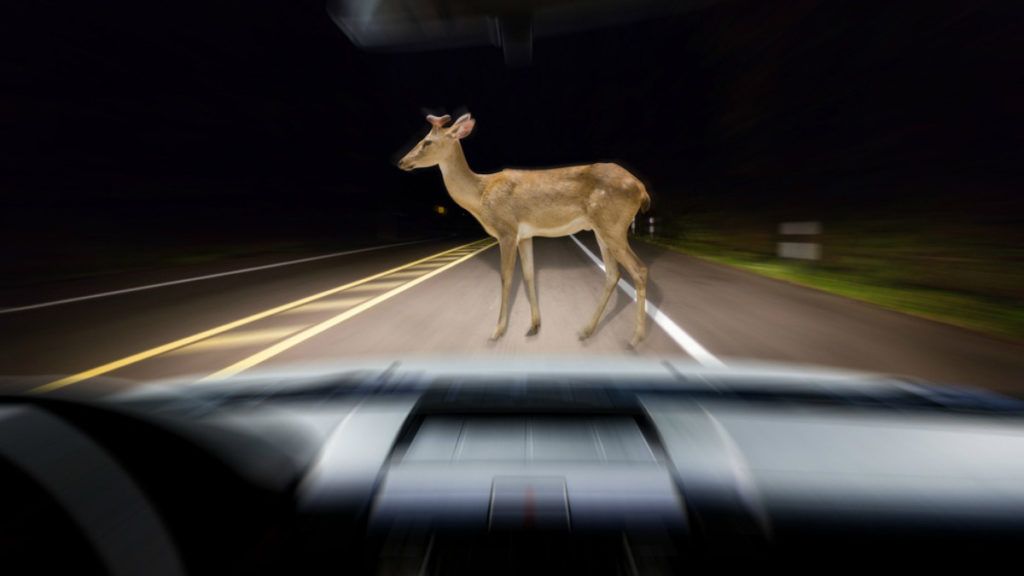
Hitting a deer is a stressful and costly experience that can happen to any driver, especially in rural or wooded areas. This guide will help you stay calm and take the right steps if it happens to you. From ensuring safety to handling insurance claims, you’ll learn practical tips to minimize risks, save money, and avoid legal trouble. Plus, we’ll share prevention strategies to help you reduce the chances of a collision in the first place. Stay prepared and drive with confidence!
What Should You Do Immediately After a Collision with a Deer?
Hitting a deer while driving can be a frightening and disorienting experience. However, it’s crucial to stay calm and take the right steps to ensure everyone’s safety—both in your car and on the road around you. Here’s what you should do immediately after the collision:
1. Check on Everyone in the Car for Injuries
Your first priority should always be the well-being of yourself and your passengers. Ask if everyone is okay and look for any signs of injury. Even if someone says they feel fine, adrenaline can mask pain, so take a moment to assess the situation carefully. If anyone is injured, call 911 immediately and wait for emergency responders.
2. Turn on Hazard Lights
Turning on your car’s hazard lights alerts other drivers to the situation. This is especially important if you’re stopped on a dark road or in an area with limited visibility. Hazard lights can prevent additional accidents by making your vehicle more noticeable to other drivers.
3. Move the Car Off the Road If Possible
If your car is drivable, try to move it to the shoulder or a safe area away from traffic. Keeping your car on the road increases the risk of further collisions, especially if visibility is low. If the car is not drivable, stay inside with your seatbelt on and wait for help.
4. Use Flares or Warning Triangles If You Have Them
If it’s safe to exit the vehicle and you have roadside emergency tools, set up flares or warning triangles around your car. Place them far enough behind your vehicle to give approaching drivers plenty of notice. These tools can be lifesaving, especially on high-speed roads where other drivers may not see you until it’s too late.
Should You Call the Authorities After Hitting a Deer?
After hitting a deer, you might wonder if calling the authorities is necessary. The answer is yes, and here’s why: contacting local law enforcement or highway patrol is not only the responsible thing to do, but it may also be legally required and beneficial in several ways.
1. Legal Reasons to Call the Authorities
In many states, leaving the scene of an animal-related accident without notifying the authorities is against the law. Even if there’s no visible damage to your car or you believe the deer ran off without injury, it’s best to report the incident. Laws can vary by state, but erring on the side of caution ensures you won’t face legal consequences later.
2. Safety Considerations
When you call the authorities, they can assist in securing the area to prevent further accidents. For example, if the deer remains in the road or your vehicle is disabled, a police officer can help manage traffic or remove the animal from the roadway. Their presence ensures that you and other drivers are safe while the situation is addressed.
3. Importance of a Police Report
A police report serves as an official record of the accident, which can be critical when filing an insurance claim. It provides an objective account of what happened, helping your insurance company understand the details of the collision. Many insurance providers require a police report to process claims for incidents involving animals.
4. Handling the Situation Smoothly
When the officer arrives, provide a clear and honest account of the events. Mention the time, location, and any circumstances that may have contributed to the accident, such as low visibility or the deer suddenly appearing on the road. This will ensure the report is accurate and comprehensive.
Does Your Insurance Cover a Deer Collision?
One of the first concerns after hitting a deer might be, “Will my insurance cover this?” The answer depends on the type of coverage you have. Understanding how insurance works in animal-related accidents can save you from financial surprises and help you prepare for potential risks.
1. How Insurance Handles Animal-Related Accidents
In general, standard auto insurance policies fall into different categories of coverage. When it comes to collisions with animals, “Comprehensive Insurance” is the key. Unlike liability or collision coverage, comprehensive insurance is specifically designed to cover damage caused by non-collision events, such as natural disasters, theft, or hitting an animal.
If you don’t have comprehensive insurance, you may need to cover the repair costs out of pocket. Keep in mind that animal-related accidents, including deer collisions, are considered no-fault incidents. This means your insurance company may not increase your premium just because of the accident, depending on your policy and provider.
2. The Role of Comprehensive Insurance
Comprehensive insurance is your safety net for unexpected events like hitting a deer. This coverage typically pays for repairs to your vehicle or even its replacement if the damage is extensive. For example, if a deer collision results in significant damage to your front bumper, headlights, or windshield, your comprehensive policy will likely cover the cost, minus your deductible.
If you live in a region where deer crossings are common—such as rural areas or near wooded highways—having comprehensive insurance is especially important. Accidents involving deer happen over 247,000 times a year, so being prepared with the right coverage can save you from a hefty repair bill.
3. Reviewing Your Policy
Even if you already have insurance, it’s a good idea to review your policy to ensure it includes comprehensive coverage. Some policies may offer it as an optional add-on, so you’ll need to confirm with your insurance provider. Ask questions such as:
- What does my comprehensive insurance cover?
- What is my deductible?
- Are there any exclusions for animal-related incidents?
If you’re unsure about your current coverage, contact your insurance agent. It’s better to have clarity now than to discover a gap in your coverage after an accident.
4. Why It’s Worth Considering
The average deer collision results in repair costs of around $2,800. While comprehensive insurance does come with an additional premium, it’s often a fraction of what you’d pay out of pocket for repairs. Plus, having the peace of mind that you’re protected can make driving in high-risk areas less stressful.
How Can You Prevent Hitting a Deer in the First Place?
While accidents with deer are sometimes unavoidable, there are several strategies you can use to reduce the likelihood of a collision. By staying alert and taking preventive measures, you can significantly improve your chances of avoiding an encounter with a deer on the road.
1. Stay Alert During Dawn and Dusk
Deer are most active during dawn and dusk. These twilight hours are when they search for food or move between their resting and feeding areas. Unfortunately, visibility is also reduced during these times, making it harder to spot animals near the road.
- If you’re driving early in the morning or late in the evening, pay extra attention to the sides of the road.
- Look for reflective eyes or movement in the bushes or along the shoulder.
Being mindful during these hours can give you a critical extra moment to react if a deer suddenly appears.
2. Use High-Beam Headlights When Safe
When driving in areas without oncoming traffic, use your high-beam headlights. This improves your visibility by lighting up more of the road ahead and making it easier to spot a deer from a distance. The light also reflects off a deer’s eyes, giving you an earlier warning of their presence.
- Be sure to dim your high beams when approaching another vehicle to avoid blinding other drivers.
Using your high beams strategically can help you detect and avoid deer before they become a danger.
3. Drive at a Safe Speed, Especially in Wooded or Rural Areas
Speed limits in rural or wooded areas are often lower for a reason—they give drivers more time to react to potential hazards like wildlife.
- Stick to the posted speed limit, and reduce your speed even further if you know the area is a deer crossing hotspot.
- Slower speeds allow you to brake or swerve safely if necessary.
Even a small reduction in speed can make a significant difference in the severity of a collision if one does occur.
4. Avoid Distractions
Distracted driving is one of the biggest risks when it comes to hitting a deer. Whether it’s checking your phone, adjusting the radio, or even talking with passengers, distractions take your attention away from the road.
- During high-risk times or in areas with wildlife signs, commit to staying fully focused.
- Keep your hands on the wheel and your eyes on the road.
By eliminating distractions, you’ll be better equipped to notice and react to a deer crossing your path.
What Are the Costs of a Deer Collision, and Why Is Prevention Crucial?
Colliding with a deer is not only an unfortunate experience—it can also be an expensive and emotionally draining one. Understanding the costs associated with these accidents underscores why taking preventive measures is so important.
1. The Financial Impact
The average repair cost after hitting a deer is around $2,800. This can include fixing damage to your car’s front bumper, headlights, windshield, and sometimes even the engine. If the collision is severe, the total costs can be much higher, especially if the vehicle is deemed a total loss.
- Beyond repair costs, there are additional financial burdens like towing, temporary transportation, and insurance deductibles.
- If you don’t have comprehensive insurance, these expenses could come entirely out of your pocket.
2. The Emotional Toll
Beyond the financial implications, hitting a deer can be a traumatic experience. Drivers often feel shocked and shaken, particularly if the accident happens suddenly or causes significant damage.
- Witnessing the aftermath of the accident, such as an injured or dead animal, can be upsetting.
- For those involved in severe accidents, the emotional recovery process may take time and effort.
3. The Risks to Human Life
While most deer collisions result in property damage, the consequences can sometimes be much worse. Statistics reveal that around 200 deaths and countless injuries occur annually due to deer-related accidents. These incidents often happen when drivers swerve to avoid the deer, losing control of their vehicles or colliding with other cars.
- The risk is especially high in areas with high-speed limits, where the impact is more forceful.
- Ensuring safety by driving cautiously can help reduce these tragic outcomes.
4. Why Prevention Matters
Preventing a deer collision is always better than dealing with its aftermath. Staying alert, driving at a safe speed, and using strategies like high-beam headlights in low-traffic areas can dramatically lower your risk.
- Many of the costs and risks of a deer collision are avoidable with the right precautions.
- Prevention isn’t just about saving money—it’s about protecting lives and avoiding the stress and trauma of an accident.
Hitting a deer can be overwhelming, but knowing the right steps can make all the difference. By prioritizing safety, contacting the authorities, understanding your insurance coverage, and practicing preventive measures, you can handle the situation responsibly and reduce future risks. Stay prepared for any journey—and when it’s time to find your next car, visit bidndrive.com to register, explore options, place your bids, and drive away with confidence!
Are you interested in buying a car from Online Auto Auctions?
With this being said – you can still export vehicles and save up a few thousand dollars with Bidndrive. We have an inventory of over 150k plus vehicles with titles you can export for you to choose from. Once you have placed your bid and won the auction a Bill of Sale document is then emailed to you as proof of purchase – after full payments have been made.
To gain access and get started on your purchase, sign up for free.