


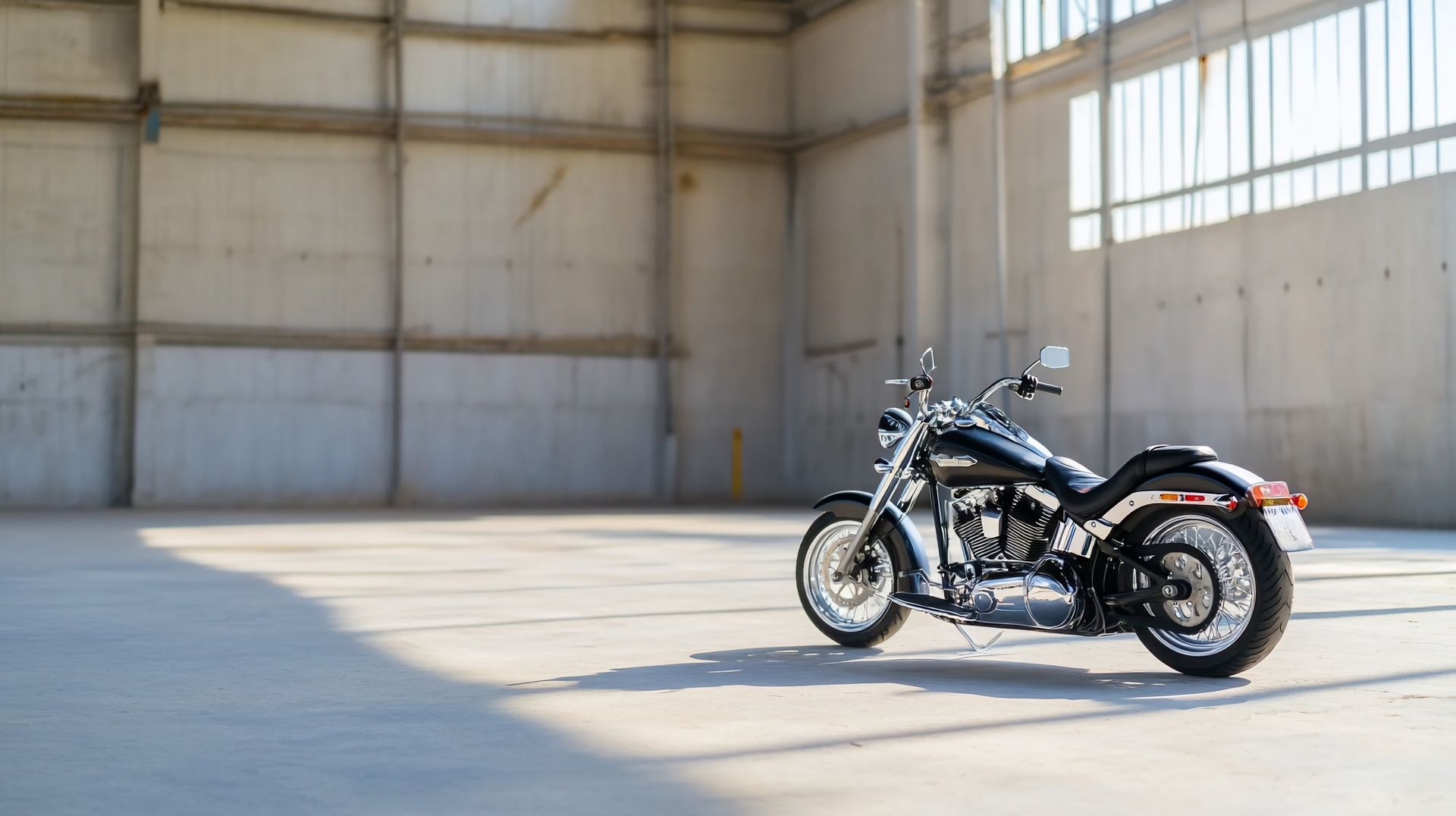
Indian Motorcycle is one of America’s most iconic motorcycle brands, but its ownership history is complex. This guide breaks down who owns Indian today, traces its storied past, and explains what it means for riders. Budget-conscious buyers will learn how modern Indian motorcycles under Polaris combine heritage, reliability, and value, helping them make informed purchasing decisions.
Indian Motorcycle: An Overview
Indian Motorcycle is one of the most iconic names in American motorcycling, known for its rich history, distinctive design, and strong cultural presence. Founded in 1901, it predates many of the brands that dominate the market today, earning a reputation as a pioneer in motorcycle engineering and design. For riders on a budget, understanding this legacy can help when evaluating used Indian motorcycles at auctions or dealerships, as heritage models often retain value and appeal.
Why the Brand Is Iconic in American Motorcycling
Indian Motorcycle was the first American company to mass-produce motorcycles, setting a standard for performance, innovation, and style. Classic models like the Indian Scout and Chief became symbols of freedom on the open road, often celebrated in movies, rallies, and motorcycle clubs. Even today, owning an Indian motorcycle carries a sense of pride and tradition, which appeals to both enthusiasts and collectors.
For budget buyers, this means there’s an active secondary market where well-maintained older models can be acquired at reasonable prices, especially through online auctions or local sellers. With proper research, buyers can find a motorcycle that balances affordability with history and quality.
Reputation, Legacy, and Loyal Fan Base
Indian Motorcycles are known for their durable engineering and stylish design, creating a loyal fan base that spans generations. Riders often stick with the brand for life, forming communities and clubs dedicated to Indian motorcycles. This strong following ensures that parts, accessories, and service knowledge are relatively easy to find, even for older or budget-friendly bikes.
Example: A 2015 Indian Scout purchased at an online auction might be much more affordable than a brand-new model but still provide the classic riding experience and style that make Indian motorcycles legendary. For budget-conscious buyers, this combination of heritage, community support, and available inventory makes Indian motorcycles an attractive option.
Early History and Founding
Understanding the early history of Indian Motorcycle helps buyers appreciate why this brand remains iconic and how its legacy affects value in the used bike market.
The Birth of Indian Motorcycle (1901–1910)
Indian Motorcycle was founded in 1901 in Springfield, Massachusetts, making it the first mass-produced American motorcycle brand. Designed by George M. Hendee and Oscar Hedstrom, the early Indian models combined reliability, innovation, and style—qualities that still attract buyers today. For budget-conscious riders, early Indian models set a precedent: even older or used bikes retain collector appeal if maintained well.
Example: A 1910 Indian Single Cylinder model, while long out of production, set engineering standards that influenced decades of motorcycle design, inspiring modern versions like the Scout. Knowing this heritage helps buyers spot historically significant models at auctions.
The Role of Indian Racing in Brand Growth
Indian quickly gained attention through motorcycle racing. Winning competitions on speed, endurance, and reliability helped the brand build credibility and a strong fan base. Racing achievements not only boosted sales but also cemented Indian’s reputation for performance—a selling point that resonates with buyers today.
Example: Early victories in races like the 1909 Isle of Man-style competitions demonstrated that Indian motorcycles could compete with top brands globally, making used race-inspired models attractive for collectors on a budget.
Contribution to WWI Efforts
During World War I, Indian Motorcycle supplied bikes to the U.S. military, showcasing durability and dependability under extreme conditions. This not only solidified the brand’s national reputation but also contributed to technological improvements that influenced future civilian models.
Mid-Century Decline and Discontinuation
While Indian Motorcycle began as a trailblazer, the brand faced significant challenges in the mid-20th century, affecting production, availability, and collector interest for decades. Understanding this period helps buyers make informed choices when considering vintage or budget-friendly Indian motorcycles.
Challenges After WWII (1940s–1950s)
After World War II, Indian struggled to compete with emerging competitors, particularly Harley-Davidson, which had strengthened its position during the war years. Several factors contributed to Indian’s decline:
- Financial difficulties: Post-war economic pressures and management challenges limited Indian’s ability to invest in new designs.
- Shifts in consumer demand: Riders increasingly preferred reliable, modern, and mass-produced motorcycles. Indian’s older designs started to seem outdated.
- Labor and production issues: Strikes and inefficiencies reduced output and slowed innovation.
For budget-conscious buyers today, this history explains why vintage mid-century Indian motorcycles can be rare and more expensive, but also why later restored or reproduced models may offer a more affordable route to owning an iconic bike.
1953: Official Discontinuation of Production
By 1953, Indian Motorcycle officially ceased production, ending a golden era of American motorcycling. The brand’s disappearance left a gap in the market, which later inspired revivals and buyback opportunities.
Example: A collector or enthusiast looking for a 1950s Indian Chief today may face higher prices at auctions, but knowing the historical scarcity helps justify budget purchases of reproduced or modern Indian models that capture the same style and performance.
The Fight for Survival – Revival Attempts and Ownership Changes
After Indian Motorcycle’s official discontinuation in 1953, several companies tried to revive the iconic brand, but each faced unique challenges. Understanding this period helps buyers assess modern Indian motorcycles’ value and make informed choices at auctions or dealerships.
Gilroy Indian Motorcycle Company (1999–2003)
The first major revival attempt came with the Gilroy Indian Motorcycle Company in California. The company aimed to relaunch Indian motorcycles using updated designs while maintaining the brand’s classic appeal. However, limited production, financial instability, and inconsistent quality hindered their success.
- Budget buyers should note that Gilroy-era Indians can sometimes be found at lower prices, but maintenance and parts availability can be a concern.
- Example: A Gilroy Scout replica may be affordable at auction, but buyers need to factor in potential repairs and sourcing parts.
Stellican Limited and the Kings Mountain Era (2006–2011)
In 2006, Stellican Limited acquired Indian Motorcycle, moving operations to Kings Mountain, North Carolina. This period focused on modernizing the lineup, introducing bikes like the Roadmaster and Chief, blending heritage design with contemporary technology.
- While Stellican improved design and craftsmanship, production was still limited, and market competition from Harley-Davidson and emerging Japanese brands remained tough.
- For budget-conscious buyers, Stellican-era Indians can offer modern features at a discount, but resale and parts availability should be checked before purchasing.
Key Struggles with Quality and Market Competition
Throughout these revival attempts, Indian faced persistent quality control issues, inconsistent production numbers, and stiff competition.
- Many early revival models required post-purchase adjustments or upgrades to meet riders’ expectations.
- Buyers on a budget should be aware that while these motorcycles carry the Indian name and style, the experience may differ depending on the era and ownership history.
Polaris Industries Acquisition
In 2011, Polaris Industries, a leader in powersports vehicles, acquired Indian Motorcycle. This acquisition marked a turning point for the brand, finally stabilizing production, improving quality, and re-establishing Indian as a serious competitor in the motorcycle market. For budget-conscious buyers, understanding Polaris’s role helps evaluate modern Indian models and potential value at auctions.
Revitalization Under Polaris (2011–Present)
Polaris invested heavily in design, engineering, and production, transforming Indian motorcycles into reliable, high-quality machines that appeal to both enthusiasts and budget buyers. The brand regained consistency, durability, and modern performance, while maintaining the classic Indian style that made it legendary.
Launch of New Models (Scout, Chief, Chieftain, FTR, etc.)
Polaris introduced several new models that blend heritage and modern technology:
- Scout: Lightweight and versatile, great for new riders and city commuting.
- Chief & Chieftain: Classic touring motorcycles with premium features.
- FTR: Sport-oriented bike inspired by flat-track racing.
Practical takeaway: Budget buyers can often find pre-owned versions of these models at online auctions or dealerships, offering modern reliability and style without paying full MSRP.
Innovation and Technological Advancements
Under Polaris, Indian motorcycles benefited from:
- Improved engine performance and fuel efficiency
- Advanced suspension systems for smoother rides
- Electronic rider aids such as ABS, traction control, and ride modes
These upgrades mean that even older Polaris-era Indians tend to require less maintenance than earlier revival models, making them safer and more cost-effective for budget buyers.
Global Expansion and Market Position
Polaris also focused on global distribution, expanding Indian motorcycles to markets in Europe, Asia, and Australia. Today, Indian competes directly with Harley-Davidson and premium Japanese brands, offering variety in style, price, and performance.
Indian Motorcycles Today
Indian Motorcycle is no longer just a historic brand—it’s a thriving modern company with a strong lineup and global presence. Understanding its current structure and offerings helps budget-conscious buyers make informed decisions when looking for pre-owned or auction vehicles.
Current Ownership and Corporate Structure
Today, Indian Motorcycle is a subsidiary of Polaris Industries, a U.S.-based leader in powersports vehicles. Polaris oversees production, marketing, and global distribution, ensuring that Indian motorcycles maintain high-quality standards. For buyers, this means that modern Indian motorcycles are generally more reliable and easier to maintain than vintage revival-era models.
Leadership and Management by Polaris
Under Polaris, Indian benefits from experienced leadership and investment in technology. The management team focuses on combining heritage design with modern engineering, ensuring that each model appeals to both enthusiasts and practical riders. This structured approach has helped Indian maintain consistent quality, which is a major factor for budget buyers considering used Polaris-era models.
Modern Indian Motorcycles in the Market
The current lineup includes a mix of touring, cruiser, and performance motorcycles, such as:
- Scout and Scout Bobber – lightweight and versatile, ideal for city and short trips
- Chieftain and Chieftain Limited – touring motorcycles with premium features
- FTR 1200 – flat-track inspired, sporty and agile
- Chief Vintage – classic design with modern reliability
Practical takeaway: Budget-conscious buyers can find used Polaris-era Indians at online auctions or dealerships, combining modern reliability with the iconic Indian style at a lower cost than brand-new models.
How Indian Competes with Harley-Davidson
Indian’s main competitor in the U.S. market is Harley-Davidson. Indian differentiates itself by offering:
- Modern technology and electronics (ride modes, traction control)
- Variety in style (classic, performance, and touring)
- Competitive pricing, often slightly below Harley for similar features
For buyers watching their budget, this means that used Indian motorcycles can offer comparable performance and prestige at a better price, especially when sourced through auctions or pre-owned channels.
FAQs About Indian Motorcycle Ownership
If you’re considering buying an Indian motorcycle, it’s natural to have questions about ownership, origin, and value. Here’s what every budget-conscious buyer should know.
Is Indian still an American company?
Yes, Indian Motorcycle remains an American brand. While it has changed hands several times over its long history, it is currently owned and managed by Polaris Industries, which is headquartered in Minnesota, USA. For buyers, this means that Indian motorcycles retain American design and production standards, even if certain components are sourced globally.
Who owns Polaris Industries?
Polaris Industries is a publicly traded company on the NASDAQ stock exchange (ticker: PII). Polaris owns a portfolio of powersports brands, including Indian Motorcycle, Slingshot, and Polaris Off-Road Vehicles. For Indian buyers, this backing ensures financial stability, consistent production, and access to parts and service networks, which is particularly important for budget-conscious riders seeking used motorcycles with long-term support.
Are Indian Motorcycles made in the USA?
Yes. Polaris assembles Indian motorcycles at their Kings Mountain, North Carolina factory. While some components are sourced internationally, the bikes are designed, engineered, and assembled in the U.S., maintaining the brand’s American heritage. This also means that buyers can access domestic warranty service and parts more easily than with purely imported motorcycles.
How do Indian bikes compare to Harley in reliability and price?
- Reliability: Polaris-era Indian motorcycles are considered reliable and well-built, often incorporating modern technology such as ABS, traction control, and ride modes. Harley-Davidson has a long-standing reputation for durability but can sometimes lag in tech features compared to Indian.
- Price: Indian motorcycles are often priced slightly lower than equivalent Harley models, especially in the used market, making them attractive for budget-conscious buyers who want American style without overspending.
Conclusion: Riding into the Future
Indian Motorcycle has a storied past and a strong modern presence, making it an appealing option for riders who value both heritage and reliability. Understanding the brand today helps budget-conscious buyers make smart decisions at auctions or when shopping for used models.
What the Future Holds for Indian Motorcycles
Under Polaris Industries, Indian Motorcycle is well-positioned for growth and innovation. The company continues to expand its lineup, introducing models with:
- Modern safety and tech features like ABS, ride modes, and traction control
- Variety in styles from cruisers and touring bikes to sportier options like the FTR
- Global availability, giving buyers access to parts, service, and pre-owned inventory worldwide
For budget buyers, this means there will likely be more affordable used Polaris-era Indian motorcycles on the market in the coming years, offering modern reliability and classic styling at lower prices than new models.
Why Polaris Ownership Matters for Budget-Conscious Riders
Polaris’s ownership brings stability, quality control, and consistent production to Indian motorcycles. For riders looking to save money:
- Used Indian bikes are more reliable than pre-Polaris revival models
- Parts and service networks are accessible, reducing long-term maintenance costs
- Resale value is more predictable, giving confidence to buyers who plan to sell or trade later
Key takeaway: Polaris has transformed Indian motorcycles into a modern, dependable, and stylish choice. Budget-conscious riders can enjoy the prestige of owning an American icon without paying full MSRP, especially when shopping used or at online auctions.
Are you interested in buying a vehicle from Online Auto Auctions?
With this being said – you can still export vehicles and save up a few thousand dollars with Bidndrive. We have an inventory of over 150k plus vehicles with titles you can export for you to choose from. Once you have placed your bid and won the auction a Bill of Sale document is then emailed to you as proof of purchase – after full payments have been made.
To gain access and get started on your purchase, sign up for free.