
Vehicle Finder
Popular Makes
- Ford21,908
- Toyota21,402
- Chevrolet18,809
- Honda15,779
- Nissan13,688
- Hyundai9,568
- Kia7,713
- Jeep6,904
- Dodge5,675
- Gmc4,645
- Subaru4,581
- Mercedes-Benz4,402
- Bmw4,145
- Volkswagen3,713
- Ram3,323
- Lexus3,261
- Mazda2,958
- Buick2,483
- Audi2,472
- Chrysler2,451
- Cadillac1,856
- Acura1,807
- Infiniti1,779
- Tesla1,515
- Mitsubishi1,277
- Volvo1,180
- Lincoln1,165
- Land Rover1,108
Vehicle Types
7 am to 6 pm EST Mon - Fri


7 am to 6 pm EST Mon - Fri
- Ford21,908
- Toyota21,402
- Chevrolet18,809
- Honda15,779
- Nissan13,688
- Hyundai9,568
- Kia7,713
- Jeep6,904
- Dodge5,675
- Gmc4,645
- Subaru4,581
- Mercedes-Benz4,402
- Bmw4,145
- Volkswagen3,713
- Ram3,323
- Lexus3,261
- Mazda2,958
- Buick2,483
- Audi2,472
- Chrysler2,451
- Cadillac1,856
- Acura1,807
- Infiniti1,779
- Tesla1,515
- Mitsubishi1,277
- Volvo1,180
- Lincoln1,165
- Land Rover1,108
Car Auctions in Louisiana

Do You Have
Any Questions?
Ask Question 
Showing result: 1 - 24 of 2,092
Sale Date (recent)
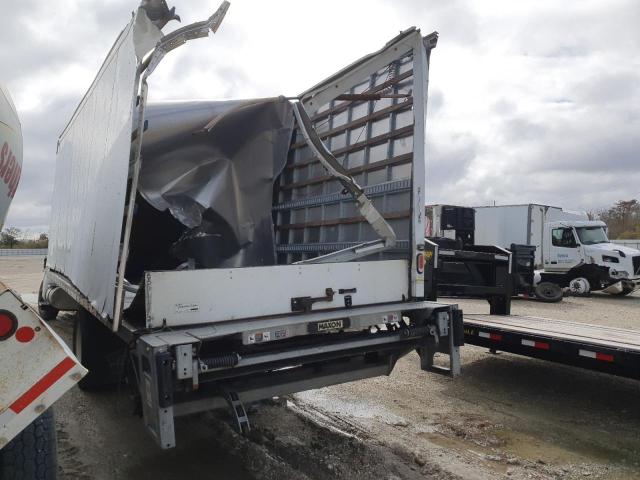 415415353HAEUMML2NL869985
0
All Over
Non-Repairable
41541535
3HAEUMML2NL869985
0
All Over
Non-Repairable
7/7/2026, 12:00:00 AM
$100
$4,900
$100
$4,900
07/07/2026

Clean Title
The clean title definition indicates that the vehicle has never been deemed a total loss but in some states a vehicle with clean title can have total loss history. it is the User’s responsibility 1) to check the car's history and any notes on salvage records or Total loss ( for example NMVTIS report) 2) to verify with their specific state or jurisdiction that the vehicle can be legally titled and registered.We cannot guarantee that any vehicle purchased through our site will be able to be reconstructed or titled in any specific state or country. We are not responsible for any difficulties in passing inspection and registering your car in your state. Please get more info about the reconstruction process before purchasing any vehicle. Each state has different guidelines for salvage titles.
50053076WD3PE7CDXHP5315790
Normal Wear
Clean
50053076
WD3PE7CDXHP531579
0
Normal Wear
Clean
7/7/2026, 12:00:00 AM
$2,500
$5,400
$2,500
$5,400
07/07/2026

Run & Drive
When a vehicle arrives at an auction’s yard, the auction confirms that the vehicle starts, can be put into gear and can move forward under its own power. These functions are not guaranteed at pickup or delivery, and the vehicle may not be roadworthy.
Clean Title
The clean title definition indicates that the vehicle has never been deemed a total loss but in some states a vehicle with clean title can have total loss history. it is the User’s responsibility 1) to check the car's history and any notes on salvage records or Total loss ( for example NMVTIS report) 2) to verify with their specific state or jurisdiction that the vehicle can be legally titled and registered.We cannot guarantee that any vehicle purchased through our site will be able to be reconstructed or titled in any specific state or country. We are not responsible for any difficulties in passing inspection and registering your car in your state. Please get more info about the reconstruction process before purchasing any vehicle. Each state has different guidelines for salvage titles.
511079061FD0W5HT7GEB9902066,444
Mechanical
Clean
51107906
1FD0W5HT7GEB99020
66,444
Mechanical
Clean
7/7/2026, 12:00:00 AM
$4,050
$9,400
$4,050
$9,400
07/07/2026
Run & Drive
When a vehicle arrives at an auction’s yard, the auction confirms that the vehicle starts, can be put into gear and can move forward under its own power. These functions are not guaranteed at pickup or delivery, and the vehicle may not be roadworthy.
Clean Title
The clean title definition indicates that the vehicle has never been deemed a total loss but in some states a vehicle with clean title can have total loss history. it is the User’s responsibility 1) to check the car's history and any notes on salvage records or Total loss ( for example NMVTIS report) 2) to verify with their specific state or jurisdiction that the vehicle can be legally titled and registered.We cannot guarantee that any vehicle purchased through our site will be able to be reconstructed or titled in any specific state or country. We are not responsible for any difficulties in passing inspection and registering your car in your state. Please get more info about the reconstruction process before purchasing any vehicle. Each state has different guidelines for salvage titles.
51839056WD3PE8CB0C5688417216,471
Front End
Clean
51839056
WD3PE8CB0C5688417
216,471
Front End
Clean
7/7/2026, 12:00:00 AM
$575
$2,800
$575
$2,800
07/07/2026
Run & Drive
When a vehicle arrives at an auction’s yard, the auction confirms that the vehicle starts, can be put into gear and can move forward under its own power. These functions are not guaranteed at pickup or delivery, and the vehicle may not be roadworthy.
Clean Title
The clean title definition indicates that the vehicle has never been deemed a total loss but in some states a vehicle with clean title can have total loss history. it is the User’s responsibility 1) to check the car's history and any notes on salvage records or Total loss ( for example NMVTIS report) 2) to verify with their specific state or jurisdiction that the vehicle can be legally titled and registered.We cannot guarantee that any vehicle purchased through our site will be able to be reconstructed or titled in any specific state or country. We are not responsible for any difficulties in passing inspection and registering your car in your state. Please get more info about the reconstruction process before purchasing any vehicle. Each state has different guidelines for salvage titles.
498580951YVHP80C275M47010213,924
Mechanical
Clean
49858095
1YVHP80C275M47010
213,924
Mechanical
Clean
7/7/2026, 12:00:00 AM
$250
$900
$250
$900
07/07/2026
Clean Title
The clean title definition indicates that the vehicle has never been deemed a total loss but in some states a vehicle with clean title can have total loss history. it is the User’s responsibility 1) to check the car's history and any notes on salvage records or Total loss ( for example NMVTIS report) 2) to verify with their specific state or jurisdiction that the vehicle can be legally titled and registered.We cannot guarantee that any vehicle purchased through our site will be able to be reconstructed or titled in any specific state or country. We are not responsible for any difficulties in passing inspection and registering your car in your state. Please get more info about the reconstruction process before purchasing any vehicle. Each state has different guidelines for salvage titles.
515286761G1JA6SH2G41706400
Front End
Clean
51528676
1G1JA6SH2G4170640
0
Front End
Clean
7/7/2026, 12:00:00 AM
$175
$450
$175
$450
07/07/2026
Clean Title
The clean title definition indicates that the vehicle has never been deemed a total loss but in some states a vehicle with clean title can have total loss history. it is the User’s responsibility 1) to check the car's history and any notes on salvage records or Total loss ( for example NMVTIS report) 2) to verify with their specific state or jurisdiction that the vehicle can be legally titled and registered.We cannot guarantee that any vehicle purchased through our site will be able to be reconstructed or titled in any specific state or country. We are not responsible for any difficulties in passing inspection and registering your car in your state. Please get more info about the reconstruction process before purchasing any vehicle. Each state has different guidelines for salvage titles.
53898566JTHBB1BA8B20438590
Rear End
Clean
53898566
JTHBB1BA8B2043859
0
Rear End
Clean
7/7/2026, 12:00:00 AM
$2,100
$2,200
$2,100
$2,200
07/07/2026
Clean Title
The clean title definition indicates that the vehicle has never been deemed a total loss but in some states a vehicle with clean title can have total loss history. it is the User’s responsibility 1) to check the car's history and any notes on salvage records or Total loss ( for example NMVTIS report) 2) to verify with their specific state or jurisdiction that the vehicle can be legally titled and registered.We cannot guarantee that any vehicle purchased through our site will be able to be reconstructed or titled in any specific state or country. We are not responsible for any difficulties in passing inspection and registering your car in your state. Please get more info about the reconstruction process before purchasing any vehicle. Each state has different guidelines for salvage titles.
544547262FMPK4K84HBC700170
Normal Wear
Clean
54454726
2FMPK4K84HBC70017
0
Normal Wear
Clean
7/7/2026, 12:00:00 AM
$650
$1,850
$650
$1,850
07/07/2026
Run & Drive
When a vehicle arrives at an auction’s yard, the auction confirms that the vehicle starts, can be put into gear and can move forward under its own power. These functions are not guaranteed at pickup or delivery, and the vehicle may not be roadworthy.
561035664T1B11HK7KU24892059,309
Minor Dent/Scratches
Salvage
56103566
4T1B11HK7KU248920
59,309
Minor Dent/Scratches
Salvage
7/7/2026, 12:00:00 AM
$6,300
$9,800
$6,300
$9,800
07/07/2026
Clean Title
The clean title definition indicates that the vehicle has never been deemed a total loss but in some states a vehicle with clean title can have total loss history. it is the User’s responsibility 1) to check the car's history and any notes on salvage records or Total loss ( for example NMVTIS report) 2) to verify with their specific state or jurisdiction that the vehicle can be legally titled and registered.We cannot guarantee that any vehicle purchased through our site will be able to be reconstructed or titled in any specific state or country. We are not responsible for any difficulties in passing inspection and registering your car in your state. Please get more info about the reconstruction process before purchasing any vehicle. Each state has different guidelines for salvage titles.
554984165J8TC2H52ML02735290,359
Front End
Clean
55498416
5J8TC2H52ML027352
90,359
Front End
Clean
7/7/2026, 12:00:00 AM
$2,150
$5,500
$2,150
$5,500
07/07/2026
Run & Drive
When a vehicle arrives at an auction’s yard, the auction confirms that the vehicle starts, can be put into gear and can move forward under its own power. These functions are not guaranteed at pickup or delivery, and the vehicle may not be roadworthy.
562805265N1AL0MN3DC334816188,969
Minor Dent/Scratches
Salvage
56280526
5N1AL0MN3DC334816
188,969
Minor Dent/Scratches
Salvage
7/7/2026, 12:00:00 AM
$625
$625
07/07/2026
Run & Drive
When a vehicle arrives at an auction’s yard, the auction confirms that the vehicle starts, can be put into gear and can move forward under its own power. These functions are not guaranteed at pickup or delivery, and the vehicle may not be roadworthy.
Clean Title
The clean title definition indicates that the vehicle has never been deemed a total loss but in some states a vehicle with clean title can have total loss history. it is the User’s responsibility 1) to check the car's history and any notes on salvage records or Total loss ( for example NMVTIS report) 2) to verify with their specific state or jurisdiction that the vehicle can be legally titled and registered.We cannot guarantee that any vehicle purchased through our site will be able to be reconstructed or titled in any specific state or country. We are not responsible for any difficulties in passing inspection and registering your car in your state. Please get more info about the reconstruction process before purchasing any vehicle. Each state has different guidelines for salvage titles.
56293776WDDNG7DB3CA432317149,858
Front End
Clean
56293776
WDDNG7DB3CA432317
149,858
Front End
Clean
7/7/2026, 12:00:00 AM
$2,200
$4,100
$2,200
$4,100
07/07/2026
Clean Title
The clean title definition indicates that the vehicle has never been deemed a total loss but in some states a vehicle with clean title can have total loss history. it is the User’s responsibility 1) to check the car's history and any notes on salvage records or Total loss ( for example NMVTIS report) 2) to verify with their specific state or jurisdiction that the vehicle can be legally titled and registered.We cannot guarantee that any vehicle purchased through our site will be able to be reconstructed or titled in any specific state or country. We are not responsible for any difficulties in passing inspection and registering your car in your state. Please get more info about the reconstruction process before purchasing any vehicle. Each state has different guidelines for salvage titles.
565428263C4PDCAB3GT157779124,036
Mechanical
Clean
56542826
3C4PDCAB3GT157779
124,036
Mechanical
Clean
7/7/2026, 12:00:00 AM
$525
$1,800
$525
$1,800
07/07/2026
Run & Drive
When a vehicle arrives at an auction’s yard, the auction confirms that the vehicle starts, can be put into gear and can move forward under its own power. These functions are not guaranteed at pickup or delivery, and the vehicle may not be roadworthy.
Clean Title
The clean title definition indicates that the vehicle has never been deemed a total loss but in some states a vehicle with clean title can have total loss history. it is the User’s responsibility 1) to check the car's history and any notes on salvage records or Total loss ( for example NMVTIS report) 2) to verify with their specific state or jurisdiction that the vehicle can be legally titled and registered.We cannot guarantee that any vehicle purchased through our site will be able to be reconstructed or titled in any specific state or country. We are not responsible for any difficulties in passing inspection and registering your car in your state. Please get more info about the reconstruction process before purchasing any vehicle. Each state has different guidelines for salvage titles.
565428565LMJJ2H51DEL06901169,070
Rear End
Clean
56542856
5LMJJ2H51DEL06901
169,070
Rear End
Clean
7/7/2026, 12:00:00 AM
$225
$2,200
$225
$2,200
07/07/2026
Run & Drive
When a vehicle arrives at an auction’s yard, the auction confirms that the vehicle starts, can be put into gear and can move forward under its own power. These functions are not guaranteed at pickup or delivery, and the vehicle may not be roadworthy.
Clean Title
The clean title definition indicates that the vehicle has never been deemed a total loss but in some states a vehicle with clean title can have total loss history. it is the User’s responsibility 1) to check the car's history and any notes on salvage records or Total loss ( for example NMVTIS report) 2) to verify with their specific state or jurisdiction that the vehicle can be legally titled and registered.We cannot guarantee that any vehicle purchased through our site will be able to be reconstructed or titled in any specific state or country. We are not responsible for any difficulties in passing inspection and registering your car in your state. Please get more info about the reconstruction process before purchasing any vehicle. Each state has different guidelines for salvage titles.
548537464JGFD6BB4MA18477448,453
Minor Dent/Scratches
Clean
54853746
4JGFD6BB4MA184774
48,453
Minor Dent/Scratches
Clean
7/7/2026, 12:00:00 AM
$53,500
$58,000
$53,500
$58,000
07/07/2026
Clean Title
The clean title definition indicates that the vehicle has never been deemed a total loss but in some states a vehicle with clean title can have total loss history. it is the User’s responsibility 1) to check the car's history and any notes on salvage records or Total loss ( for example NMVTIS report) 2) to verify with their specific state or jurisdiction that the vehicle can be legally titled and registered.We cannot guarantee that any vehicle purchased through our site will be able to be reconstructed or titled in any specific state or country. We are not responsible for any difficulties in passing inspection and registering your car in your state. Please get more info about the reconstruction process before purchasing any vehicle. Each state has different guidelines for salvage titles.
547161661FMEU6DE5AUA307480
Minor Dent/Scratches
Clean
54716166
1FMEU6DE5AUA30748
0
Minor Dent/Scratches
Clean
7/7/2026, 12:00:00 AM
$425
$650
$425
$650
07/07/2026
Clean Title
The clean title definition indicates that the vehicle has never been deemed a total loss but in some states a vehicle with clean title can have total loss history. it is the User’s responsibility 1) to check the car's history and any notes on salvage records or Total loss ( for example NMVTIS report) 2) to verify with their specific state or jurisdiction that the vehicle can be legally titled and registered.We cannot guarantee that any vehicle purchased through our site will be able to be reconstructed or titled in any specific state or country. We are not responsible for any difficulties in passing inspection and registering your car in your state. Please get more info about the reconstruction process before purchasing any vehicle. Each state has different guidelines for salvage titles.
532429463EUTB2224N10117600
Side
Clean
53242946
3EUTB2224N1011760
0
Side
Clean
7/7/2026, 12:00:00 AM
$3,200
$6,400
$3,200
$6,400
07/07/2026
Clean Title
The clean title definition indicates that the vehicle has never been deemed a total loss but in some states a vehicle with clean title can have total loss history. it is the User’s responsibility 1) to check the car's history and any notes on salvage records or Total loss ( for example NMVTIS report) 2) to verify with their specific state or jurisdiction that the vehicle can be legally titled and registered.We cannot guarantee that any vehicle purchased through our site will be able to be reconstructed or titled in any specific state or country. We are not responsible for any difficulties in passing inspection and registering your car in your state. Please get more info about the reconstruction process before purchasing any vehicle. Each state has different guidelines for salvage titles.
573283365XYZUDLA3DG004972159,783
Minor Dent/Scratches
Clean
57328336
5XYZUDLA3DG004972
159,783
Minor Dent/Scratches
Clean
7/7/2026, 12:00:00 AM
$1,350
$2,550
$1,350
$2,550
07/07/2026 57391736KNDPB3AC7G7871983
0
Top/Roof
Salvage
57391736
KNDPB3AC7G7871983
0
Top/Roof
Salvage
7/7/2026, 12:00:00 AM
$850
$3,000
$850
$3,000
07/07/2026
Run & Drive
When a vehicle arrives at an auction’s yard, the auction confirms that the vehicle starts, can be put into gear and can move forward under its own power. These functions are not guaranteed at pickup or delivery, and the vehicle may not be roadworthy.
Clean Title
The clean title definition indicates that the vehicle has never been deemed a total loss but in some states a vehicle with clean title can have total loss history. it is the User’s responsibility 1) to check the car's history and any notes on salvage records or Total loss ( for example NMVTIS report) 2) to verify with their specific state or jurisdiction that the vehicle can be legally titled and registered.We cannot guarantee that any vehicle purchased through our site will be able to be reconstructed or titled in any specific state or country. We are not responsible for any difficulties in passing inspection and registering your car in your state. Please get more info about the reconstruction process before purchasing any vehicle. Each state has different guidelines for salvage titles.
574229261J4RR4GT6BC646417157,485
Minor Dent/Scratches
Clean
57422926
1J4RR4GT6BC646417
157,485
Minor Dent/Scratches
Clean
7/7/2026, 12:00:00 AM
$1,950
$1,950
07/07/2026
Run & Drive
When a vehicle arrives at an auction’s yard, the auction confirms that the vehicle starts, can be put into gear and can move forward under its own power. These functions are not guaranteed at pickup or delivery, and the vehicle may not be roadworthy.
Clean Title
The clean title definition indicates that the vehicle has never been deemed a total loss but in some states a vehicle with clean title can have total loss history. it is the User’s responsibility 1) to check the car's history and any notes on salvage records or Total loss ( for example NMVTIS report) 2) to verify with their specific state or jurisdiction that the vehicle can be legally titled and registered.We cannot guarantee that any vehicle purchased through our site will be able to be reconstructed or titled in any specific state or country. We are not responsible for any difficulties in passing inspection and registering your car in your state. Please get more info about the reconstruction process before purchasing any vehicle. Each state has different guidelines for salvage titles.
576921061N4AL3APXJC274529153,385
Minor Dent/Scratches
Clean
57692106
1N4AL3APXJC274529
153,385
Minor Dent/Scratches
Clean
7/7/2026, 12:00:00 AM
$1,900
$4,500
$1,900
$4,500
07/07/2026 542367062C3CDZL98NH136920
23,900
Front End
Salvage
54236706
2C3CDZL98NH136920
23,900
Front End
Salvage
7/7/2026, 12:00:00 AM
$23,000
$23,000
07/07/2026
Clean Title
The clean title definition indicates that the vehicle has never been deemed a total loss but in some states a vehicle with clean title can have total loss history. it is the User’s responsibility 1) to check the car's history and any notes on salvage records or Total loss ( for example NMVTIS report) 2) to verify with their specific state or jurisdiction that the vehicle can be legally titled and registered.We cannot guarantee that any vehicle purchased through our site will be able to be reconstructed or titled in any specific state or country. We are not responsible for any difficulties in passing inspection and registering your car in your state. Please get more info about the reconstruction process before purchasing any vehicle. Each state has different guidelines for salvage titles.
56337916JA4AD2A30GZ039569165,813
Minor Dent/Scratches
Clean
56337916
JA4AD2A30GZ039569
165,813
Minor Dent/Scratches
Clean
7/7/2026, 12:00:00 AM
$1,700
$1,900
$1,700
$1,900
07/07/2026
Clean Title
The clean title definition indicates that the vehicle has never been deemed a total loss but in some states a vehicle with clean title can have total loss history. it is the User’s responsibility 1) to check the car's history and any notes on salvage records or Total loss ( for example NMVTIS report) 2) to verify with their specific state or jurisdiction that the vehicle can be legally titled and registered.We cannot guarantee that any vehicle purchased through our site will be able to be reconstructed or titled in any specific state or country. We are not responsible for any difficulties in passing inspection and registering your car in your state. Please get more info about the reconstruction process before purchasing any vehicle. Each state has different guidelines for salvage titles.
51146396SALWS2SU5KA874558139,716
Side
Clean
51146396
SALWS2SU5KA874558
139,716
Side
Clean
7/7/2026, 12:00:00 AM
$7,300
$13,500
$7,300
$13,500
07/07/2026
Salvage Cars for Sale in Louisiana — Wrecked & Repairable Vehicle Auctions
Finding the right vehicle in Louisiana doesn't have to mean paying full price at a dealership. BidNDrive gives public buyers direct access to thousands of salvage, wrecked, and repairable cars available at online auctions across the state — no dealer license required, free registration, and no membership fees. Whether you're searching for a budget daily driver in Baton Rouge, a project vehicle in New Orleans, or a truck to rebuild near the Lafayette oil corridor, you'll find the selection and pricing here that traditional car buying simply can't match.
What Are Salvage Cars and Why Are They So Popular in Louisiana?
Louisiana defines a salvage vehicle as one where repair costs equal or exceed 75% of the vehicle's market value, determined using the most current NADA (National Automobile Dealers Association) Handbook values — not an insurer's internal estimate. This NADA-based standard provides a specific, verifiable reference point for the ACV calculation, which is unusual among states that typically give insurers more discretion in determining ACV. Once an insurer determines a vehicle meets this threshold, it must report the total loss to the Louisiana Office of Motor Vehicles (OMV) and apply for a salvage title.
Louisiana also recognizes a Certificate of Destruction for vehicles that are non-repairable and suitable only for parts or scrap — these can never be registered or driven again in the state. The standard rebuilt designation in Louisiana is called a "reconstructed vehicle" title, issued after the vehicle is repaired and passes OMV inspection requirements. Like all states, Louisiana's rebuilt brand is permanent and appears on every subsequent title issued for the vehicle.
Flood damage is uniquely prevalent in Louisiana's salvage market — more so than virtually any other state. Louisiana's geography places it at the intersection of Gulf Coast hurricane exposure, Mississippi River flood risk, and extensive bayou and coastal waterway systems. Major storm events — Katrina, Rita, Ike, Harvey, Ida — have historically pushed thousands of flood-damaged vehicles into Louisiana auction yards in the months following each storm. Buyers in Louisiana need to assess flood inventory with particular expertise and care, and flood-branded titles should always be treated as requiring specialist evaluation.
How Does the Online Auction Process Work on BidNDrive?
BidNDrive is a licensed auto broker that connects public buyers with vehicles listed at major auction houses across the US, including Copart and IAAI locations throughout Louisiana. The process is fully online: you register for free, browse listings filtered by city, damage type, make, or price, and place bids directly through the platform.
You don't need a dealer license to bid. Registration takes a few minutes — provide your basic details and set up your account. To participate in a live auction, a refundable security deposit of 10% of your intended maximum bid is required, with a minimum of $600. That deposit is returned after the auction concludes, whether you win the vehicle or not.
Once you've won a vehicle, BidNDrive handles the broker process between you and the auction house. Payment is typically due within 24–48 hours of the auction close. Louisiana buyers are served by Copart Baton Rouge at 13000 Florida Boulevard, Baton Rouge LA 70815 (phone: 225-490-7677) — the state's primary Copart location; IAA Baton Rouge with regular public auctions serving the capital region; IAA New Orleans East serving the greater New Orleans metro; and IAA Lafayette at the exit 97 off I-10 with Wednesday auctions at 9:30am CT, preview available Tuesday from 10am to 2pm. Louisiana's compact geography along the I-10 corridor means buyers can access multiple yards within a short drive.
Can You Inspect a Salvage Car Before Bidding in Louisiana?
Yes — and in Louisiana, flood damage assessment makes in-person inspection particularly valuable. Physical inspection is available at Louisiana auction yards up until approximately one hour before the sale ends. IAA Lafayette holds Wednesday auctions with preview available Tuesday from 10am to 2pm, accessible from New Orleans or Baton Rouge via I-10 West.
If you can't visit in person, order the third-party inspection report from the lot listing page at least three days before the auction closes. For Louisiana listings, flood damage is the most critical inspection focus. Request explicit documentation of: water line marks on interior panels and door sills; corrosion on electrical connectors, fuse boxes, and harnesses; moisture or mold in carpet, seating, and trunk; and evidence of prior electrical failure or component replacement consistent with flood exposure. Standard auction photos rarely capture these indicators — the inspection report is not optional on any Louisiana flood-branded vehicle.
Louisiana's OMV may require a safety inspection as part of the reconstructed vehicle titling process — the OMV advises buyers on a case-by-case basis whether their specific vehicle needs one. Call the Louisiana OMV at (877) 368-5463 before starting repairs to confirm the inspection requirement for your vehicle.
What Types of Vehicles Can You Find at Louisiana Auctions?
Louisiana's salvage market reflects the state's diverse economic geography — from New Orleans's tourism and service economy to Baton Rouge's government and petrochemical sector to Lafayette's oil and gas industry. Ford F-150, Chevrolet Silverado, and Ram 1500 dominate the truck volume categories at all Louisiana yards — the state's petrochemical, construction, and agricultural sectors drive exceptionally high work truck ownership. Louisiana trucks appear in auction listings with collision, hail, and storm damage consistently throughout the year.
Toyota Camry, Honda CR-V, and Nissan Altima lead the mainstream sedan and crossover categories. Chevrolet Tahoe, GMC Yukon, and Ford Expedition appear regularly — Louisiana's family culture and large-vehicle preference makes full-size SUVs a stronger part of the market here than in smaller-vehicle markets. Jeep Wrangler and Jeep Gladiator appear consistently at New Orleans and Baton Rouge yards given Louisiana's outdoor recreation culture in the bayou and coastal areas.
Flood inventory — while requiring careful evaluation — also presents specialized opportunities for buyers with the expertise to assess and restore water-damaged vehicles. Louisiana's post-hurricane flood inventory occasionally includes late-model, low-mileage vehicles that were submerged but otherwise sustained no structural damage. These require complete electrical system restoration and thorough corrosion treatment, but the right vehicle at the right price can be a viable project for experienced buyers.
Why Louisiana Is a Strong Market for Salvage Car Buyers
Louisiana's position on the Gulf Coast creates export advantages for buyers targeting Caribbean and Latin American markets. The Port of New Orleans — one of the largest ports in the US by tonnage — handles significant vehicle export traffic to Central America, the Caribbean, and South America. Vehicles purchased at Louisiana auction yards can reach the Port of New Orleans efficiently, giving export-oriented buyers access to markets that are geographically closer from Louisiana than from any other major US auction state.
The state's below-average repair labor rates make rebuild economics favorable for buyers who plan to restore and resell locally. Louisiana's cost of living is among the lowest in the South, and body shop and mechanical labor rates reflect that — giving buyers a cost structure that is more forgiving of repair surprises than coastal or northeastern markets.
Louisiana's petrochemical and oil industry creates strong demand for rebuilt work trucks in the New Orleans, Baton Rouge, and Lafayette markets — rebuilt Silverados and F-150s that would fetch modest prices in other markets can command stronger pricing in communities where truck demand is driven by industry needs rather than lifestyle preferences alone.
What Are the Real Costs of Buying a Salvage Car in Louisiana?
The auction price is just one line in the budget. The buyer's premium charged by the auction platform typically runs 10–25% on top of the hammer price. Transport within Louisiana is manageable — the state's I-10 corridor connects all major auction yards efficiently.
Louisiana's reconstructed vehicle title requires a notarized affidavit affirming compliance with state regulations, a $68.50 title fee, and applicable taxes and registration costs. If the OMV determines a safety inspection is required, the Affidavit of Physical Inspection completed by the inspector must be submitted with the title application. The salvage title application must be submitted within 30 days of the insurance claim settlement if you choose to retain the vehicle. Submit applications and documentation to your local Louisiana OMV office. Louisiana OMV: (877) 368-5463 | expresslane.dps.louisiana.gov.
Apply the standard benchmark: all-in cost below 60–65% of clean-title Louisiana market value. Louisiana's low labor rates improve the rebuild economics, but flood damage restoration costs can be substantial and must be estimated before bidding on any water-damaged vehicle.
What Damage Types Should You Prioritize — and Avoid?
Collision damage is the most predictable damage type at Louisiana yards. Front-end and rear-end impacts on the I-10, I-12, and I-55 corridors produce consistent bolt-on repair inventory at Baton Rouge and New Orleans area yards. Frame assessment is always the priority check.
Hail damage appears in Louisiana during spring and summer storm seasons and represents strong value when found — particularly at Lafayette and Baton Rouge yards. Hail-damaged vehicles from Louisiana storm seasons are cosmetically damaged but mechanically intact, and PDR shops throughout the state can address dents efficiently.
Flood damage is Louisiana's defining risk category and requires the most expertise to evaluate. Gulf Coast hurricane seasons and Mississippi River flooding events produce flood-damaged inventory with regularity. The corrosion, electrical failure, and mold risks from Louisiana flood exposure are genuine — water in this climate is warm, humid, and biologically active, which accelerates deterioration faster than flood damage in colder states. Approach flood inventory with specialist knowledge, get a comprehensive inspection report, and budget realistically for complete electrical system evaluation before bidding.
Pros and Cons of Buying Salvage Cars in Louisiana: An Honest Assessment
On the upside: Louisiana's below-average labor rates improve rebuild economics. The Port of New Orleans provides Gulf Coast export access to Caribbean and Latin American markets. Work truck demand from the petrochemical industry supports rebuilt truck pricing. And the reconstructed title fee of $68.50 is among the more reasonable in the South.
On the downside: Louisiana's flood damage risk — driven by Gulf Coast hurricane exposure — is the most significant and recurring risk category in the state's salvage market. Flood restoration costs can be substantial and unpredictable. The NADA-based ACV standard means some vehicles may be priced higher than buyers expect relative to insurer-determined ACV in other states. And as always, financing is difficult and rebuilt titles carry a permanent resale discount.
How to Register and Start Bidding on Louisiana Salvage Cars Today
Getting started with BidNDrive takes minutes. Register free, browse Louisiana inventory filtered by New Orleans, Baton Rouge, Lafayette, or Shreveport, and place your maximum bid.
Key Things to Remember Before Your First Louisiana Auction Bid
- No dealer license needed — BidNDrive auctions are open to all public buyers
- Registration is free; a refundable 10% deposit is required to bid, minimum $600
- Louisiana threshold: 75% of NADA book value — specific, verifiable reference point
- Apply for salvage title within 30 days of insurance claim settlement if retaining the vehicle
- Reconstructed vehicle title requires notarized affidavit + $68.50 title fee + applicable taxes
- OMV may require safety inspection — call (877) 368-5463 before starting repairs to confirm
- Flood damage is Louisiana's most significant risk category — warm, humid climate accelerates deterioration
- Port of New Orleans provides Gulf Coast export access to Caribbean and Latin America
- Louisiana labor rates are among the lowest in the South — favorable rebuild economics
- Louisiana OMV: (877) 368-5463 | expresslane.dps.louisiana.gov