



A dealer principal is the key decision-maker behind every successful dealership. Whether you buy cars from auctions or run a small operation, your choices directly affect profit and risk. This guide explains the role, responsibilities, and skills needed to succeed—helping you avoid costly mistakes, manage your business better, and grow with confidence.
Introduction to the Dealer Principal Role
Behind every successful dealership, there is one person responsible for the big picture—the dealer principal. This role is not just about selling cars. It’s about making the right decisions, controlling costs, building a strong team, and ensuring the business stays profitable. For small dealers and auction buyers, understanding this role can help you avoid common mistakes and grow faster.

What Is a Dealer Principal?
A dealer principal is the owner or top executive responsible for the entire dealership. This person makes the final decisions on strategy, finances, operations, and growth.
In simple terms, the dealer principal is the one who:
- Decides what cars to buy
- Controls spending and budgets
- Hires key staff
- Sets business goals
Example:
You buy cars from auctions and resell them. If you decide to focus on cheaper vehicles to attract budget buyers, that’s a dealer principal decision. If you overpay at auctions or ignore hidden costs, that also comes back to this role.
Even in a small operation, if you are the one making decisions—you are acting as the dealer principal.
Why This Role Is Critical in the Automotive Industry
The automotive business has tight margins and many moving parts. One bad decision can wipe out profit from several good deals.
The dealer principal plays a key role in:
- Managing financial risk
- Choosing the right inventory
- Setting pricing strategies
- Building a reliable team
Example:
You find a car at auction that looks like a great deal. But without checking full costs (fees, transport, repairs), it turns into a loss. A strong dealer principal avoids this by focusing on total cost—not just the price.
This role is critical because:
- It connects all parts of the business
- It ensures decisions are based on real numbers
- It protects the dealership from costly mistakes
Dealer Principal vs General Manager: Key Differences
Many people confuse the dealer principal with a general manager (GM), but they are not the same.
The dealer principal focuses on:
- Big decisions
- Long-term strategy
- Financial control
- Overall business performance
The general manager focuses on:
- Daily operations
- Managing staff
- Meeting sales targets
- Solving day-to-day issues
Example:
The dealer principal decides to expand inventory and invest more in auctions. The general manager makes sure the team sells those cars efficiently.
In small dealerships, one person may handle both roles. But as the business grows, separating them helps:
- Improve focus
- Increase efficiency
- Reduce mistakes
How the Role Impacts Dealership Profitability
The dealer principal has the biggest influence on whether the business makes money or not.
Every key decision affects profit:
- What cars you buy
- How much you pay
- How you price them
- How you control expenses
Example:
Two dealers buy similar cars at auction:
- One tracks all costs and prices correctly → makes consistent profit
- The other ignores fees and repair costs → struggles to make money
The difference is not luck—it’s management.
A strong dealer principal:
- Knows the true cost of every vehicle
- Avoids emotional buying decisions
- Focuses on margins, not just volume
- Adjusts strategy based on results
Avoid Costly Mistakes When Buying Cars at Auction
Many new dealers lose money not because of bad luck—but because they don’t understand total vehicle cost and risk. With BidNDrive, you get access to real auction data, history reports, and tools that help you make informed decisions before you place a bid.
- ✅ Access to 200,000+ auction vehicles across the USA
- ✅ Free vehicle history reports with past sales and photos
- ✅ Clear understanding of total cost before bidding
- ✅ Support for beginners and experienced buyers
Core Responsibilities of a Dealer Principal
The dealer principal is responsible for every major part of the dealership. This role is not about doing everything personally, but about making sure everything works together. From strategy to daily operations, every decision affects profit, risk, and growth. For small dealers and auction buyers, understanding these responsibilities helps you avoid chaos and build a stable business.
Strategic Leadership and Vision
A dealership without direction quickly becomes inconsistent. One month you focus on cheap cars, the next on higher-end inventory—with no clear plan. Strategic leadership means setting a clear path and sticking to it.
Setting Business Goals and Direction
The dealer principal defines what the business is trying to achieve.
This includes:
- Target vehicle types (budget cars, SUVs, etc.)
- Price range focus
- Sales volume goals
- Profit targets per vehicle
Example:
If your goal is to serve budget buyers, you might focus on cars under $6,000 with quick turnover. Without this direction, you may end up buying random vehicles that don’t sell well.
Clear goals help you:
- Make better buying decisions
- Stay consistent in pricing
- Avoid wasting money on the wrong inventory
Long-Term Growth Planning
Beyond daily sales, the dealer principal must think ahead.
This includes planning for:
- Expanding inventory
- Increasing monthly sales volume
- Entering new markets (local or export)
- Improving processes and systems
Example:
You start with 3 cars per month. Without planning, jumping to 10 cars may create cash flow problems. With a plan, you scale step by step while controlling risk.
Long-term planning ensures:
- Sustainable growth
- Better use of capital
- Fewer surprises as the business expands
Financial Oversight and Performance
Money management is one of the most important responsibilities. Even strong sales cannot fix poor financial control.
Revenue, Profit, and Cost Control
The dealer principal must understand exactly where money comes from and where it goes.
This includes:
- Tracking profit per vehicle
- Monitoring total expenses
- Controlling unnecessary costs
Example:
You sell many cars, but profits remain low. After reviewing numbers, you realize transport and repair costs are too high.
Cost control helps you:
- Protect margins
- Identify hidden expenses
- Improve overall profitability
Without this oversight, you may be busy—but not profitable.
Budgeting and Forecasting
Budgeting is about planning how much you can spend. Forecasting is about predicting results.
Example:
You have $25,000 available. Instead of spending it all on inventory, you plan:
- $18,000 for cars
- $5,000 for repairs and transport
- $2,000 as a safety buffer
Forecasting helps you estimate:
- Monthly sales
- Expected profit
- Cash flow needs
This prevents:
- Overspending
- Running out of cash
- Missing good auction opportunities
Operations Management
Daily operations must run smoothly for the dealership to succeed. The dealer principal ensures that each department performs effectively.
Sales Department Oversight
The sales team directly impacts revenue. The dealer principal ensures:
- Cars are priced correctly
- Sales processes are efficient
- Customers are handled properly
Example:
If cars are overpriced, they sit too long. If underpriced, you lose profit. Finding the balance is key.
Strong oversight helps:
- Increase conversion rates
- Reduce time cars sit in inventory
- Improve customer satisfaction
Service and Parts Department Supervision
Repairs and reconditioning affect both cost and quality.
The dealer principal must ensure:
- Repairs are done efficiently
- Costs are controlled
- Vehicles are ready for sale quickly
Example:
A car that could be fixed for $400 ends up costing $900 due to poor supervision. This directly reduces profit.
Managing this area helps:
- Keep repair costs predictable
- Improve vehicle quality
- Speed up sales readiness
Inventory and Procurement Strategy
Buying the right cars is one of the most important decisions in the business.
The dealer principal must:
- Choose where to source vehicles (auctions, dealers, private sellers)
- Set buying limits
- Evaluate risk vs potential profit
Example:
You see a cheap car at auction and bid aggressively. Later, hidden issues increase costs and reduce profit.
A strong procurement strategy helps you:
- Avoid bad deals
- Focus on profitable vehicles
- Maintain healthy inventory turnover
Team Leadership and HR Management
A dealership is only as strong as the people running it. Even if you find great cars at auctions, poor team performance can destroy your results. The dealer principal must build, manage, and support a team that works efficiently and consistently.
Hiring and Retaining Key Staff
Hiring the right people is one of the most important decisions you make.
Key roles may include:
- Salespeople
- Mechanics or service partners
- Office/admin staff
Example:
You hire a salesperson who promises strong results but doesn’t follow up with customers. Leads are lost, and cars sit longer in inventory.
Good hiring focuses on:
- Reliability and accountability
- Basic industry understanding
- Willingness to learn
Retention is just as important. Constant staff turnover leads to:
- Lost time
- Training costs
- Inconsistent performance
Keeping strong employees helps you build a stable and predictable business.
Building a Strong Management Team
As your dealership grows, you can’t manage everything yourself. You need people you trust to handle different areas.
This may include:
- Sales manager
- Operations manager
- Finance or office manager
Example:
Instead of handling every deal, you rely on a sales manager to oversee the team while you focus on strategy and inventory.
A strong management team helps you:
- Delegate responsibilities
- Improve efficiency
- Scale the business without losing control
Without this structure, growth becomes chaotic and harder to manage.
Training and Performance Monitoring
Even good employees need guidance and clear expectations.
Training should cover:
- Sales process
- Customer communication
- Basic understanding of pricing and costs
Example:
If a salesperson doesn’t understand profit margins, they may offer unnecessary discounts just to close a deal.
Performance monitoring includes:
- Tracking sales numbers
- Measuring conversion rates
- Reviewing customer feedback
This helps you:
- Identify top performers
- Spot problems early
- Improve overall results
Consistent training and monitoring turn average staff into a strong team.
Customer Experience and Reputation
In today’s market, customer experience is just as important as price. Buyers have many options, especially online. A poor experience can cost you future sales.
Ensuring Customer Satisfaction
Satisfied customers are more likely to:
- Complete the purchase
- Recommend your dealership
- Return for future deals
Example:
You sell a car at a good price, but the process is slow and unclear. The customer leaves frustrated and may not come back.
Focus on:
- Clear communication
- Honest pricing
- Smooth buying process
Even budget buyers expect professionalism and transparency.
Managing Online Reviews and Brand Image
Most customers check reviews before contacting a dealership.
Your online reputation affects:
- Trust
- Lead volume
- Conversion rates
Example:
Two dealerships offer similar cars. One has strong positive reviews, the other has complaints about hidden costs. Most buyers will choose the first.
Managing your reputation includes:
- Responding to reviews
- Solving customer issues quickly
- Maintaining a consistent brand image
A strong reputation helps you sell faster and build long-term trust.
Compliance and Legal Responsibility
The dealer principal is responsible for ensuring the business follows all legal and regulatory requirements. Ignoring this area can lead to fines, delays, or serious problems.
Regulatory Compliance
Dealerships must follow rules related to:
- Sales tax
- Licensing
- Consumer protection laws
Example:
If you incorrectly handle sales tax, you may face penalties or have to pay the difference yourself.
Staying compliant requires:
- Accurate record-keeping
- Understanding local regulations
- Regular updates on rule changes
This protects your business from unnecessary risk.
Contracts, Titles, and Documentation
Every deal involves paperwork. Mistakes in documentation can delay or even cancel a sale.
Key documents include:
- Sales contracts
- Vehicle titles
- Registration forms
Example:
You sell a car, but the title transfer is incorrect. The buyer cannot register the vehicle, leading to complaints and possible legal issues.
Proper document management ensures:
- Smooth transactions
- Legal protection
- Faster deal completion
Key Skills and Qualifications of a Successful Dealer Principal
Running a dealership is not just about buying and selling cars. It requires a combination of skills that help you make smart decisions, manage risk, and stay profitable. For small dealers and auction buyers, these skills are often the difference between steady growth and constant losses.
Leadership and Decision-Making Skills
A dealer principal must lead the business with confidence and clarity. Every major decision—from what cars to buy to how to price them—comes back to this role.
Example:
You see a car at auction that looks like a great deal. A strong leader doesn’t rush. They check total cost, demand, and risk before bidding.
Good leadership helps you:
- Stay disciplined in buying decisions
- Set clear direction for your team
- Avoid emotional or impulsive choices
Strong decision-making is especially important when working with tight budgets, where mistakes are costly.
Financial and Business Acumen
Understanding numbers is critical. You don’t need to be an accountant, but you must know how money flows through your business.
This includes:
- Calculating true vehicle cost
- Understanding profit margins
- Tracking expenses and cash flow
Example:
Two dealers sell cars at the same price. One makes consistent profit because they track all costs. The other struggles because they ignore hidden expenses.
Financial awareness helps you:
- Price cars correctly
- Control costs
- Make smarter investment decisions
Without this skill, it’s easy to stay busy but not profitable.
Sales and Negotiation Expertise
Sales is at the core of the dealership business. Even if you have a sales team, you must understand how deals are made.
This includes:
- Negotiating purchase prices at auctions
- Setting competitive sale prices
- Handling customer objections
Example:
At an auction, a small difference in bidding—$200 or $300—can determine whether a deal is profitable or not.
Strong negotiation skills help you:
- Buy at the right price
- Protect your margins
- Close deals more effectively
Communication and Relationship Building
A dealership depends on relationships—with customers, employees, vendors, and partners.
Good communication helps you:
- Build trust with buyers
- Manage your team effectively
- Maintain strong vendor relationships
Example:
A reliable transport partner may prioritize your shipments if you maintain a good relationship, helping you reduce delays and costs.
Clear communication also prevents misunderstandings that can lead to lost deals or unhappy customers.
Problem-Solving and Crisis Management
Problems are part of the business. Cars may have unexpected issues, deals may fall through, or costs may increase.
Example:
You buy a car expecting $400 in repairs, but the real cost is $1,000. A strong dealer principal quickly adjusts pricing or strategy instead of ignoring the issue.
Problem-solving skills help you:
- React quickly to unexpected situations
- Minimize losses
- Keep operations running smoothly
Staying calm and focused during challenges is essential.
Adaptability and Strategic Thinking
The automotive market changes constantly. Prices shift, demand changes, and new opportunities appear.
A successful dealer principal must adapt:
- Adjust inventory based on market demand
- Change pricing strategies when needed
- Explore new sales channels
Example:
If demand for certain vehicles drops, continuing to buy them will lead to slow sales and tied-up cash.
Strategic thinking helps you:
- Plan ahead
- Identify new opportunities
- Stay competitive
In simple terms, these skills allow you to control your business instead of reacting to it. The stronger your skill set, the more consistent and predictable your results will be.
Напиши развернуто текст для блока [H2 Daily Activities and Workflow of a Dealer Principal H3 Monitoring Sales and KPIs H3 Reviewing Financial Reports H3 Meeting with Department Managers H3 Handling High-Level Negotiations H3 Addressing Operational Issues ]. К подзаголовкам H2, H3 применяй правильное заголовочное форматирование (H2 - Заголовок 2, H3 - Заголовок 3). Не пиши H2 и H3 перед подзаголовком. Пиши на английском языке
Daily Activities and Workflow of a Dealer Principal
The dealer principal’s day is not about one task—it’s about staying on top of everything that affects profit and operations. From checking sales numbers to solving problems, each activity helps keep the dealership running smoothly. For small dealers and auction buyers, having a structured daily workflow prevents mistakes and keeps the business under control.
Monitoring Sales and KPIs
One of the first things a dealer principal should check daily is performance.
Key metrics include:
- Number of cars sold
- Profit per vehicle
- Leads and conversions
- Days cars spend in inventory
Example:
You sold 3 cars this week, but profit per car dropped. This could mean higher costs or too many discounts.
Tracking KPIs daily helps you:
- Spot problems early
- Adjust pricing or strategy quickly
- Stay focused on profitability, not just volume
Without this, issues can go unnoticed until it’s too late.
Reviewing Financial Reports
Even if you don’t analyze full reports every day, you should regularly check key financial data.
This includes:
- Cash balance
- Recent expenses
- Incoming payments
Example:
You notice transport costs increasing over the past few deals. This signals a need to review your logistics strategy.
Regular financial review helps you:
- Stay aware of your cash position
- Avoid overspending
- Make informed decisions
For budget-focused businesses, this habit is essential.
Meeting with Department Managers
If you have a team, communication is critical. Daily or regular check-ins keep everyone aligned.
Discussions may include:
- Sales performance
- Inventory status
- Ongoing repairs
- Customer issues
Example:
Your sales manager reports that certain cars are not getting interest. You may decide to adjust pricing or improve listings.
These meetings help:
- Solve problems faster
- Keep departments coordinated
- Ensure everyone is working toward the same goals
Without communication, small issues can grow into bigger problems.
Handling High-Level Negotiations
The dealer principal often steps in for important deals.
This may include:
- Negotiating bulk purchases at auctions
- Finalizing high-value sales
- Working with partners or suppliers
Example:
You find an opportunity to buy multiple vehicles at a better price. A strong negotiation can significantly increase your margins.
Handling key negotiations helps you:
- Secure better deals
- Control major expenses
- Improve overall profitability
These decisions often have a bigger impact than routine transactions.
Addressing Operational Issues
Problems happen every day. The dealer principal must identify and resolve them quickly.
Common issues include:
- Delays in transport
- Unexpected repair costs
- Customer complaints
- Inventory shortages
Example:
A car is ready to sell, but transport is delayed. This affects cash flow and inventory turnover. Acting quickly helps minimize the impact.
Addressing issues early helps you:
- Reduce losses
- Keep operations smooth
- Maintain customer satisfaction
5 Habits of a Successful Dealer Principal
Success in the auto business is not about luck. It comes from consistent habits that keep your dealership organized, profitable, and competitive. For small dealers and auction buyers, these habits help avoid costly mistakes and build a stable business over time.
Relying on a Strong Team
Trying to do everything yourself is one of the fastest ways to burn out and lose control.
A successful dealer principal:
- Trusts their team
- Delegates daily tasks
- Focuses on strategy and key decisions
Example:
If you handle every sale, every repair, and every purchase, you will miss opportunities. But with a reliable team, you can focus on finding better deals and improving margins.
Building trust in your team helps:
- Increase efficiency
- Reduce workload
- Improve overall performance
Identifying and Solving Problems Early
Small problems become big losses if ignored.
A successful dealer principal pays attention to warning signs:
- Cars sitting too long in inventory
- Rising repair costs
- Decreasing profit margins
Example:
If you notice that recent vehicles require more repairs than expected, it may be time to change your buying strategy.
Acting early helps you:
- Minimize losses
- Stay ahead of issues
- Keep operations running smoothly
The key is not to wait until the problem affects your finances.
Staying on Top of Industry Trends
The automotive market changes constantly. Prices, demand, and customer preferences shift over time.
A strong dealer principal stays informed about:
- Popular vehicle types
- Auction price trends
- Changes in customer behavior
Example:
If demand for fuel-efficient cars increases, focusing on large, high-consumption vehicles may slow your sales.
Staying updated helps you:
- Buy the right inventory
- Adjust pricing strategies
- Stay competitive
Ignoring trends can leave you stuck with cars that don’t sell.
Setting Clear Goals and Making Data-Driven Decisions
Successful dealers don’t guess—they rely on data.
This includes setting goals for:
- Monthly sales volume
- Profit per vehicle
- Inventory turnover
Example:
Instead of buying random cars, you aim for vehicles that bring at least $800 profit and sell within 30 days.
Using data helps you:
- Make smarter decisions
- Measure performance accurately
- Improve results over time
Clear goals give direction and prevent costly mistakes.
Focusing on Customer Needs and Experience
Even the best-priced car won’t sell if the customer experience is poor.
A successful dealer principal ensures:
- Clear communication
- Honest pricing
- Smooth buying process
Example:
A customer finds a good deal but experiences delays or unclear information. They may walk away—even if the price is right.
Focusing on customers helps you:
- Build trust
- Increase repeat business
- Improve your reputation
In today’s market, experience matters as much as price.
Challenges and Risks in the Dealer Principal Role
Being a dealer principal means dealing with constant uncertainty. The auto business moves fast, margins are tight, and small mistakes can lead to real losses. Understanding the main risks helps you prepare, react faster, and protect your business—especially if you are working with limited capital.
Market Fluctuations and Economic Pressure
Car prices and demand change all the time. What sells quickly today may sit for weeks next month.
Factors that affect the market:
- Fuel prices
- Interest rates
- Seasonal demand
- Economic conditions
Example:
You buy several SUVs expecting strong demand. Suddenly fuel prices rise, and buyers shift to smaller, more efficient cars. Your inventory slows down.
This creates risks:
- Cars sit longer
- Prices must be reduced
- Profit margins shrink
A strong dealer principal watches the market and adjusts buying strategy quickly.
Managing Inventory Costs and Turnover
Inventory is your biggest investment—and your biggest risk.
The longer a car sits:
- The more it costs (storage, financing, depreciation)
- The harder it becomes to sell at a good price
Example:
You buy a car expecting to sell it in 2 weeks. After 2 months, you lower the price just to move it. Your profit disappears.
Common challenges include:
- Overpaying at auctions
- Buying the wrong vehicles
- Holding inventory too long
Managing inventory effectively helps you:
- Keep cash flowing
- Reduce losses
- Maintain consistent profit
Staff Turnover and Team Performance Issues
Your team directly affects your results. Weak performance or frequent staff changes can slow down your business.
Common issues:
- Salespeople not following up with leads
- Poor communication with customers
- High employee turnover
Example:
A good salesperson leaves, and sales drop immediately. New staff need time to learn, and mistakes increase.
This creates:
- Lost deals
- Lower efficiency
- Higher training costs
A strong dealer principal focuses on building a stable, reliable team and monitoring performance closely.
Regulatory and Compliance Risks
The automotive industry is heavily regulated. Mistakes in compliance can lead to fines, delays, or legal problems.
Key areas include:
- Sales tax reporting
- Title and registration processes
- Licensing requirements
Example:
If you incorrectly handle a title transfer, the buyer cannot register the vehicle. This damages your reputation and may create legal issues.
Compliance risks include:
- Financial penalties
- Deal cancellations
- Damage to business credibility
Staying organized and informed helps reduce these risks.
Competition from Online and Auction Platforms
The way people buy cars is changing. Online platforms and auctions give buyers more options and price transparency.
This creates challenges such as:
- Increased competition
- Pressure to lower prices
- Faster decision-making by buyers
Example:
A customer compares your price with multiple online listings and finds a similar car cheaper. If your pricing or value is unclear, you lose the sale.
Competition also affects sourcing:
- More buyers at auctions
- Higher bidding prices
- Reduced margins
To stay competitive, you must:
- Buy smarter
- Price correctly
- Offer better customer experience
Strategies for Success as a Dealer Principal
Success in the auto business is not about doing more—it’s about doing the right things consistently. A strong dealer principal focuses on systems, people, and data to improve results over time. These strategies help you stay profitable, reduce risk, and grow your dealership in a controlled way.
Building a High-Performance Team
Your team directly impacts your sales, customer experience, and efficiency. Even the best inventory won’t sell if your team is weak.
A high-performance team means:
- Hiring reliable and motivated staff
- Setting clear expectations
- Holding people accountable
Example:
If your sales team responds quickly and communicates clearly, customers are more likely to complete the purchase. If they delay or provide unclear information, deals are lost.
To improve team performance:
- Track individual results
- Provide regular feedback
- Reward strong performance
A strong team allows you to focus on strategy instead of daily problems.
Using Data and Analytics for Decisions
Successful dealer principals don’t rely on guesswork—they rely on numbers.
Key data points include:
- Profit per vehicle
- Average days to sell
- Cost breakdown per deal
- Sales conversion rates
Example:
You notice that cars from a certain auction consistently have higher repair costs. With this insight, you adjust your sourcing strategy.
Using data helps you:
- Identify what works and what doesn’t
- Reduce unnecessary risks
- Make faster and smarter decisions
Without data, you are reacting. With data, you are controlling the business.
Improving Sales Processes and Conversions
Selling more cars is not just about getting more leads—it’s about converting the leads you already have.
Improving your process includes:
- Responding quickly to inquiries
- Providing clear and honest information
- Simplifying the buying process
Example:
A customer asks about a car online. If they get a fast and clear response, they are more likely to move forward. If they wait too long, they go to another dealer.
Focus on:
- Speed of communication
- Transparency in pricing
- Smooth transaction process
Small improvements here can significantly increase your sales without increasing inventory.
Investing in Marketing and Digital Channels
Today, most buyers start their search online. If your cars are not visible, they won’t sell quickly.
Effective marketing includes:
- Online listings with clear photos and details
- Social media presence
- Paid advertising (Google, Facebook, etc.)
Example:
Two similar cars are listed at the same price. One has high-quality photos and clear information. The other has poor images. The first one sells faster.
Investing in digital channels helps you:
- Reach more buyers
- Sell inventory faster
- Stay competitive
Even a small budget can bring strong results if used correctly.
Maintaining Strong Vendor and Partner Relationships
Your business depends on partners such as:
- Auction platforms
- Transport companies
- Repair shops
Strong relationships can improve both cost and efficiency.
Example:
A reliable transport partner may offer faster delivery or better pricing. A trusted repair shop may prioritize your vehicles and reduce downtime.
Maintaining these relationships helps you:
- Reduce delays
- Control costs
- Improve overall workflow
Good partnerships often lead to better deals and smoother operations.
How to Become a Dealer Principal: Step-by-Step Roadmap
Becoming a dealer principal is not just about buying a dealership—it’s about building a business you can manage and grow. For many budget-conscious buyers, this journey starts small, often with auction purchases, and scales over time. This step-by-step roadmap helps you understand what it takes and how to avoid common mistakes.
Step 1: Define Your Ownership Vision
Start by deciding what kind of dealership you want to build.
Ask yourself:
- Will you focus on budget vehicles or higher-end cars?
- Will you sell locally, online, or export?
- What is your target monthly volume?
Example:
If your goal is to serve budget buyers, you may focus on cars under $6,000 with fast turnover.
A clear vision helps you:
- Stay focused
- Make consistent decisions
- Avoid wasting money on the wrong strategy
Step 2: Assess Your Readiness
Before investing, evaluate your current situation.
Consider:
- Your experience in buying and selling cars
- Your understanding of costs and risks
- Your ability to manage operations
Example:
If you have only bought a few cars from auctions, you may need more experience before scaling up.
This step helps you:
- Identify gaps in knowledge
- Avoid rushing into large investments
- Prepare more effectively
Step 3: Build Your Financial Foundation
You need capital—not just to buy cars, but to cover all related costs.
This includes:
- Vehicle purchases
- Auction fees
- Transport and repairs
- Operating expenses
Example:
You plan to invest $20,000. If you spend it all on inventory without reserving funds for repairs and transport, you may run into cash flow problems.
A strong financial base helps you:
- Stay stable
- Handle unexpected costs
- Grow without stress
Step 4: Understand OEM Requirements
If you plan to operate a franchised dealership, you must meet manufacturer (OEM) requirements.
These may include:
- Financial qualifications
- Facility standards
- Experience in the industry
Example:
OEMs may require proof of capital, business plans, and operational capability.
Even if you start independently, understanding these standards helps you:
- Prepare for future growth
- Build a more professional operation
Step 5: Assemble Your Deal Team
You don’t do this alone. You need a team of professionals to support the process.
Your team may include:
- Accountant or CPA
- Legal advisor
- Financial partner or lender
- Business consultant
Example:
A CPA can help structure your finances, while a lawyer reviews contracts and protects your interests.
A strong team helps you:
- Avoid costly mistakes
- Make better decisions
- Navigate complex processes
Step 6: Source and Evaluate Dealership Opportunities
Look for opportunities that match your budget and goals.
This could include:
- Buying an existing dealership
- Starting small with auction-based sales
- Partnering with an existing business
Example:
Instead of buying a large dealership immediately, you may start by flipping cars from auctions and reinvesting profits.
When evaluating opportunities, consider:
- Location and demand
- Existing inventory
- Financial performance
This helps you choose the right starting point.
Step 7: Structure Your Offer and Letter of Intent (LOI)
Once you find an opportunity, you need to make a formal offer.
The LOI outlines:
- Purchase price
- Key terms
- Conditions of the deal
Example:
You may include conditions based on inspection results or financial review.
A well-structured offer helps:
- Clarify expectations
- Protect your interests
- Move negotiations forward
Step 8: Conduct Due Diligence Thoroughly
Before finalizing any deal, verify all information.
This includes:
- Financial records
- Inventory condition
- Legal compliance
- Existing liabilities
Example:
A dealership may show strong revenue, but hidden debts or poor inventory quality can reduce its value.
Due diligence helps you:
- Avoid bad investments
- Confirm real business performance
- Make informed decisions
Step 9: Secure Financing and OEM Approval
After due diligence, finalize your financing.
Options may include:
- Personal capital
- Bank loans
- Floor plan financing
If applicable, you also need OEM approval.
Example:
Lenders may review your business plan and financial stability before approving funds.
This step ensures:
- You have the resources to operate
- You meet all requirements to proceed
Step 10: Govern, Grow, and Avoid Pitfalls
Once you become a dealer principal, the real work begins.
Focus on:
- Controlling costs
- Managing inventory carefully
- Building a strong team
- Tracking performance
Example:
Many new owners fail not because of bad opportunities, but because of poor management after purchase.
To succeed:
- Stay disciplined
- Use data for decisions
- Learn from every deal
Know the Real Cost Before You Bid
Winning a bid is easy. Making a profit is not. BidNDrive helps you calculate the true cost of every vehicle—including fees, transport, and repair risks—so you can set the right maximum bid and protect your margins.
- ✅ Accurate cost estimation before placing bids
- ✅ Breakdown of auction fees and additional expenses
- ✅ Insights to avoid overpaying at auctions
- ✅ Better control over profit margins
Dealer Principal in Auction-Based Business (BidNDrive Perspective)
Running a dealership based on auction purchases is very different from a traditional model. Prices change fast, costs are not always obvious, and risk is higher. For a dealer principal, success depends on controlling every step—from selecting the right cars to calculating the true cost. This is especially important for buyers working with limited budgets, where one bad deal can erase profits from several good ones.
Managing Vehicle Sourcing from Auctions
Sourcing inventory from auctions is one of the most critical responsibilities. It directly affects your profit, cash flow, and risk level.
Evaluating Inventory Quality and Risk
Not every “cheap” car is a good deal. A strong dealer principal looks beyond the price and evaluates the full picture.
This includes:
- Vehicle condition (damage, mechanical issues)
- Mileage and usage history
- Title status (clean, salvage, rebuilt)
- Potential repair costs
Example:
You see a car priced well below market value. It looks like an easy profit. But after purchase, you discover hidden damage that doubles your repair cost.
To reduce risk:
- Review photos carefully
- Check vehicle history reports
- Estimate repair costs before bidding
Good evaluation helps you:
- Avoid high-risk purchases
- Predict total cost more accurately
- Maintain consistent profit margins
Understanding Auction Fees and Pricing
Auction pricing is not just the winning bid. Additional fees can significantly increase your total cost.
Common fees include:
- Buyer’s premium
- Internet bidding fees
- Gate or processing fees
Example:
You win a car for $4,000. After adding $700 in fees, your cost becomes $4,700 before transport and repairs.
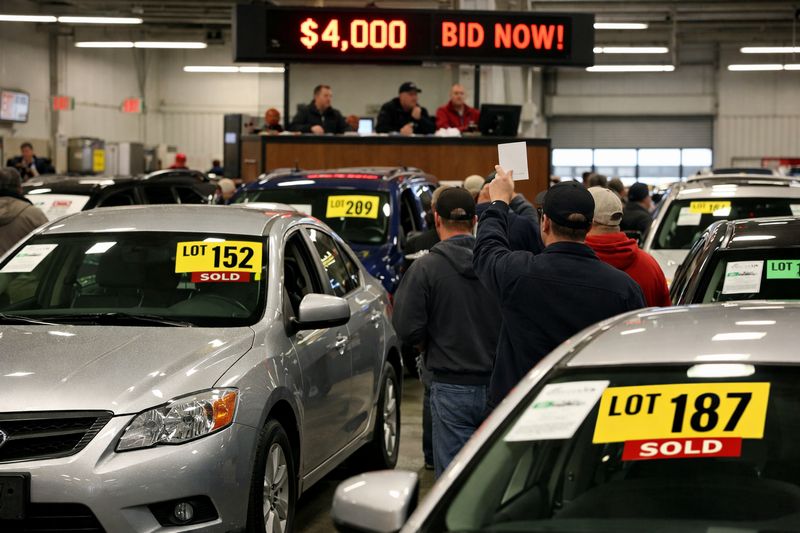
If you ignore these costs:
- You overpay without realizing it
- Your profit disappears
A strong dealer principal always calculates:
- Total cost before bidding
- Maximum bid limit based on expected resale price
This discipline prevents emotional buying and protects your margins.
Maximizing Profit Margins
Profit in auction-based businesses comes from precision. Small mistakes in cost or pricing can significantly affect your results.
Calculating Total Vehicle Cost
Before you decide how much to pay or how to price a car, you must know its full cost.
This includes:
- Purchase price
- Auction fees
- Transportation
- Repairs and reconditioning
Example:
- Purchase price: $3,500
- Fees: $650
- Transport: $700
- Repairs: $500
Total cost = $5,350
Without this calculation, you may price the car too low or overestimate profit.
Accurate cost tracking helps you:
- Set realistic expectations
- Avoid underpricing
- Compare deals effectively
Pricing Strategy for Budget Buyers
When your target audience is budget-conscious buyers, pricing becomes even more important.
You need to balance:
- Competitive pricing
- Reasonable profit margins
- Fast inventory turnover
Example:
You price a car too high—it sits for weeks. You lower the price and lose profit.
Or you price it too low—you sell fast but leave money on the table.
A strong pricing strategy includes:
- Understanding local market prices
- Considering total cost and desired margin
- Adjusting price based on demand and time in inventory
For budget buyers, transparency also matters. Clear pricing builds trust and helps close deals faster.
In simple terms, success in auction-based dealerships depends on discipline. The dealer principal must control costs, evaluate risk carefully, and price vehicles strategically. When done right, even small investments can generate consistent and reliable profit.
Напиши развернуто текст для блока [H3 Reducing Risk in Purchases H4 Using Vehicle History Reports H4 Avoiding Bad Deals and Hidden Issues H3 Scaling an Auction-Based Dealership H4 Expanding Inventory Selection H4 Managing Logistics and Transportation ]. К подзаголовкам H2, H3 применяй правильное заголовочное форматирование (H2 - Заголовок 2, H3 - Заголовок 3). Не пиши H2 и H3 перед подзаголовком. Пиши на английском языке
Reducing Risk in Purchases
Buying from auctions always involves uncertainty. You don’t inspect every car in person, and conditions can vary. A strong dealer principal focuses on reducing risk before placing a bid. The goal is not to avoid risk completely—but to control it and make informed decisions.
Using Vehicle History Reports
Vehicle history reports are one of the most important tools when buying from auctions.
They provide information such as:
- Previous accidents or damage
- Mileage history
- Ownership records
- Title status (clean, salvage, rebuilt)
- Past auction sales and photos
Example:
You find a car that looks clean in photos. The report shows it was previously sold with major front-end damage. This tells you repair costs may be higher than expected.
Using reports helps you:
- Estimate real repair costs
- Identify high-risk vehicles
- Avoid surprises after purchase
For budget buyers, this step is critical. Spending a small amount on a report can save hundreds or even thousands later.
Avoiding Bad Deals and Hidden Issues
Not all risks are visible at first glance. Hidden costs are one of the biggest reasons dealers lose money.
Common hidden issues include:
- Mechanical problems not shown in photos
- Frame or structural damage
- Electrical issues
- Storage or delay fees
Example:
You buy a car expecting $400 in repairs. After inspection, the real cost is $1,200. Your expected profit disappears.
To avoid bad deals:
- Set a strict maximum bid based on total cost
- Always include a repair buffer in your calculations
- Avoid emotional bidding during auctions
A disciplined approach helps you:
- Protect your margins
- Reduce unexpected losses
- Build more predictable results
Scaling an Auction-Based Dealership
Once you understand how to buy and sell profitably, the next step is growth. Scaling means increasing volume without losing control over costs and quality.
Expanding Inventory Selection
Growing your inventory allows you to:
- Offer more choices to buyers
- Increase sales volume
- Reduce dependency on a few vehicles
Example:
Instead of selling 3 cars per month, you increase to 10. This creates more opportunities for profit—but also increases risk.
To expand safely:
- Stick to vehicle types you understand
- Maintain consistent profit targets
- Avoid buying too many high-risk cars at once
Expanding inventory should be gradual. Rapid growth without control often leads to cash flow problems.
Managing Logistics and Transportation
As your inventory grows, logistics becomes more complex.
You need to manage:
- Vehicle transportation from auctions
- Delivery timelines
- Costs for different routes and distances
Example:
You buy multiple cars from different states. Without proper planning, transport delays increase holding time and reduce profit.
Efficient logistics helps you:
- Get cars ready for sale faster
- Reduce storage and delay costs
- Improve overall turnover
Building relationships with reliable transport providers is also key. Faster and more predictable delivery improves your entire operation.
Tools and Technology for Dealer Principals
Running a dealership without the right tools quickly leads to confusion, missed deals, and lost profit. Technology helps you stay organized, track performance, and make faster decisions. For small dealers and auction buyers, even simple tools can create a big advantage by saving time and reducing costly mistakes.
CRM Systems for Customer Management
A CRM (Customer Relationship Management system) helps you track and manage all customer interactions.
It allows you to:
- Store customer information
- Track inquiries and leads
- Follow up with potential buyers
- Manage communication history
Example:
A customer asks about a car but doesn’t buy immediately. Without a CRM, you may forget to follow up. With a system, you can remind them later and close the deal.
Using a CRM helps you:
- Improve response time
- Increase conversion rates
- Build long-term customer relationships
For budget buyers, fast and clear communication often makes the difference between winning and losing a sale.
Inventory Management Tools
Inventory is the core of your business. Managing it manually becomes difficult as you grow.
Inventory tools help you:
- Track each vehicle individually
- Record purchase cost and expenses
- Monitor status (available, in repair, sold)
- Track how long each car stays in stock
Example:
You have 10 cars. Without proper tracking, you may forget which ones are ready for sale or which need repairs.
Good inventory management helps you:
- Avoid missing or incorrect data
- Price vehicles accurately
- Improve turnover speed
This is especially important for auction-based businesses where every car has different costs.
Accounting and Financial Software
Accounting software helps you track money accurately and understand your business performance.
It allows you to:
- Record income and expenses
- Calculate profit per vehicle
- Monitor cash flow
- Generate financial reports
Example:
Instead of guessing your profit, you can see exactly how much each car earned after all costs.
Using accounting tools helps you:
- Avoid financial mistakes
- Stay organized
- Make better decisions based on real numbers
Even basic software is far more reliable than manual calculations.
Analytics and Reporting Platforms
Data is one of your most valuable assets. Analytics tools turn your data into insights you can use.
They help you track:
- Sales performance
- Profit margins
- Inventory turnover
- Customer behavior
Example:
You may discover that certain types of cars sell faster or bring higher profit. With this insight, you adjust your buying strategy.
Analytics tools help you:
- Identify trends
- Improve decision-making
- Increase efficiency
Without reporting, you are guessing. With it, you are managing your business with clarity.
The Future of the Dealer Principal Role
The auto business is changing fast. Technology, online platforms, and new buyer behavior are reshaping how cars are bought and sold. For a dealer principal, this means one thing: adapt or fall behind. The role is no longer just about managing a physical lot—it’s about running a flexible, data-driven, and customer-focused business.
Shift Toward Digital Retail and Online Sales
More buyers start—and often finish—their car search online. This trend continues to grow, especially among budget-conscious customers who compare prices across multiple platforms.
Today, a dealer principal must think beyond the showroom:
- Online listings must be clear and competitive
- Communication must be fast
- Deals may be completed remotely
Example:
A buyer sees your car online and compares it with 10 similar listings. If your photos, price, or response time are weak, you lose the sale instantly.
Digital retail means:
- Faster decision-making
- More competition
- Greater transparency
Adapting to online sales helps you:
- Reach more buyers
- Sell inventory faster
- Stay competitive in a crowded market
Impact of Software-Defined Vehicles and Technology
Modern vehicles are becoming more technology-driven. Features are controlled by software, and updates can change how a car performs over time.
For a dealer principal, this creates new challenges:
- Understanding vehicle technology
- Evaluating long-term reliability
- Explaining features to customers
Example:
Two cars may look similar, but one has advanced software features that increase its value. If you don’t understand this, you may price it incorrectly.
Technology also affects:
- Diagnostics and repairs
- Customer expectations
- Vehicle resale value
Staying informed helps you:
- Make better buying decisions
- Price vehicles more accurately
- Build trust with customers
Changing Customer Expectations
Today’s buyers are more informed and more demanding.
They expect:
- Transparent pricing
- Fast responses
- Clear information
- Smooth buying experience
Example:
A customer sends a message about a car. If they don’t get a reply within a short time, they move on to another seller.
Budget buyers also expect:
- No hidden fees
- Honest descriptions
- Fair deals
Meeting these expectations helps you:
- Increase conversions
- Build strong reputation
- Generate repeat business
Ignoring them leads to lost sales—even if your prices are competitive.
New Revenue Streams and Business Models
The dealership model is evolving. Profit is no longer limited to selling cars.
New opportunities include:
- Online sales and delivery
- Exporting vehicles to international markets
- Selling warranties and service packages
- Partnering with logistics or financing providers
Example:
You buy cars from auctions and sell them not only locally, but also to buyers in other countries. This expands your market and increases sales potential.
Exploring new revenue streams helps you:
- Diversify income
- Reduce dependency on one market
- Increase overall profitability
Common Mistakes to Avoid as a Dealer Principal
Even experienced dealer principals make mistakes. The difference is whether those mistakes are caught early or allowed to grow into serious losses. For small dealers and auction buyers, avoiding these common errors can protect your margins and keep your business stable.
Poor Financial Oversight
Not knowing your numbers is one of the most dangerous mistakes.
Many dealers focus on sales volume but ignore:
- Total cost per vehicle
- Hidden expenses (fees, transport, repairs)
- Actual profit margins
Example:
You sell multiple cars in a month and feel successful. But after reviewing the numbers, you realize most of the profit was eaten by unexpected costs.
Poor financial oversight leads to:
- Incorrect pricing
- Cash flow problems
- Low or negative profit
A strong dealer principal tracks every dollar and makes decisions based on real data—not assumptions.
Weak Team Management
Your team can either drive your business forward or hold it back.
Common issues include:
- Lack of clear roles and responsibilities
- Poor communication
- No performance tracking
Example:
A salesperson doesn’t follow up with leads, but no one notices. Over time, this results in lost sales and slower inventory turnover.
Weak management leads to:
- Inconsistent results
- Lower efficiency
- Frustration within the team
Strong leadership ensures everyone understands their role and is accountable for results.
Ignoring Market Trends
The automotive market changes constantly. Ignoring trends can leave you stuck with inventory that doesn’t sell.
Common mistakes:
- Buying cars that are no longer in demand
- Ignoring price shifts at auctions
- Failing to adapt to customer preferences
Example:
You continue buying large vehicles when demand shifts toward smaller, fuel-efficient cars. Sales slow down, and inventory sits longer.
Ignoring trends leads to:
- Slower turnover
- Increased holding costs
- Reduced profit
A successful dealer principal monitors the market and adjusts strategy accordingly.
Lack of Process Standardization
Without clear processes, your business becomes inconsistent and difficult to manage.
This includes:
- How you buy vehicles
- How you record costs
- How you handle sales and customer communication
Example:
One deal includes all costs properly, while another misses transport or repair expenses. Your reports become unreliable.
Lack of standardization leads to:
- Errors in accounting
- Confusion in operations
- Poor decision-making
Simple, repeatable processes ensure:
- Consistency
- Accuracy
- Better control over the business
Underestimating Customer Experience
Many dealers think price is everything. In reality, customer experience plays a major role in closing deals.
Common mistakes:
- Slow responses to inquiries
- Unclear or incomplete information
- Poor communication during the sale
Example:
A customer finds a good deal but gets delayed responses or unclear answers. They move on to another seller—even if your price is better.
Ignoring customer experience leads to:
- Lost sales
- Negative reviews
- Weak reputation
Focusing on the customer helps you:
- Build trust
- Increase conversions
- Create repeat business
Conclusion: Leading a Dealership to Long-Term Success
Success in the auto business is not about one good deal—it’s about building a system that works every day. The dealer principal is the person who sets that system, controls the risks, and drives growth. For auction buyers and small dealers, long-term success comes from discipline, smart decisions, and consistent execution.
Key Takeaways
The role of a dealer principal comes down to a few essential principles:
- Always understand the true cost of each vehicle
- Focus on profit margins, not just sales volume
- Build and rely on a strong, accountable team
- Use data and numbers to guide decisions
- Stay flexible and adapt to market changes
Example:
Two dealers may buy similar cars. One tracks costs, manages inventory, and adjusts pricing—while the other relies on guesswork. Over time, the first grows steadily, while the second struggles.
These fundamentals create stability and reduce unnecessary risk.
Building a Sustainable and Profitable Business
A sustainable dealership is one that can grow without constant financial pressure.
This means:
- Managing inventory carefully
- Controlling expenses
- Maintaining steady cash flow
- Avoiding risky or emotional decisions
Example:
Instead of chasing every “cheap” auction deal, a disciplined dealer principal focuses on cars with predictable costs and steady demand.
Sustainability also comes from:
- Consistent processes
- Reliable partnerships
- Clear financial tracking
When these elements are in place, growth becomes controlled and predictable—not risky.
Why Strong Leadership Defines Dealership Success
At the center of everything is leadership. The dealer principal sets the tone for the entire business.
Strong leadership means:
- Making informed decisions
- Staying disciplined under pressure
- Holding the team accountable
- Focusing on long-term results
Example:
In a difficult market, a strong leader adjusts strategy, controls costs, and protects cash flow. A weak leader reacts too late and suffers losses.
The difference is not the market—it’s the decisions.
In simple terms, a dealership reflects its leader. When the dealer principal is focused, informed, and consistent, the business becomes more stable, more efficient, and more profitable over time.
Build a Profitable Dealership with BidNDrive
Whether you're just starting or scaling your dealership, success comes down to smart buying decisions. With BidNDrive, you get the tools, data, and support you need to reduce risk, control costs, and grow consistently.
- ✅ Direct access to major US auto auctions
- ✅ Export and transportation support worldwide
- ✅ Real sold price data for better decisions
- ✅ Dedicated support from purchase to delivery
Further Reading:
How Dealer Auto Auctions Work: A Beginner’s Guide to Great Deals
Automotive Ecommerce: Complete Guide to Selling Cars and Parts Online
Vehicle Acquisition: Complete Guide to Buying Cars Smart and Saving Money
Why Do Used Cars Go to Auction? Process & Benefits Explained
Frequently Asked Questions
- What does it mean dealer principal?
- What's the highest position in a dealership?
- Is a dealer a principal?