


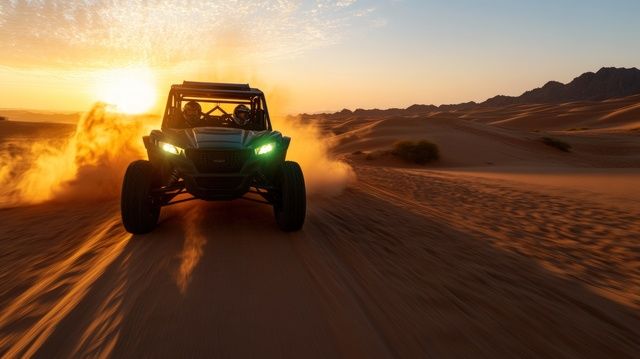
Choosing between an ATV and a UTV can be confusing, especially for first-time buyers on a budget. This quick guide breaks down the key differences, costs, and uses of each vehicle, helping you make an informed decision. Learn which option fits your riding style, work needs, or recreational goals, so you can buy smarter and ride safer.
What Is an ATV (All-Terrain Vehicle)?
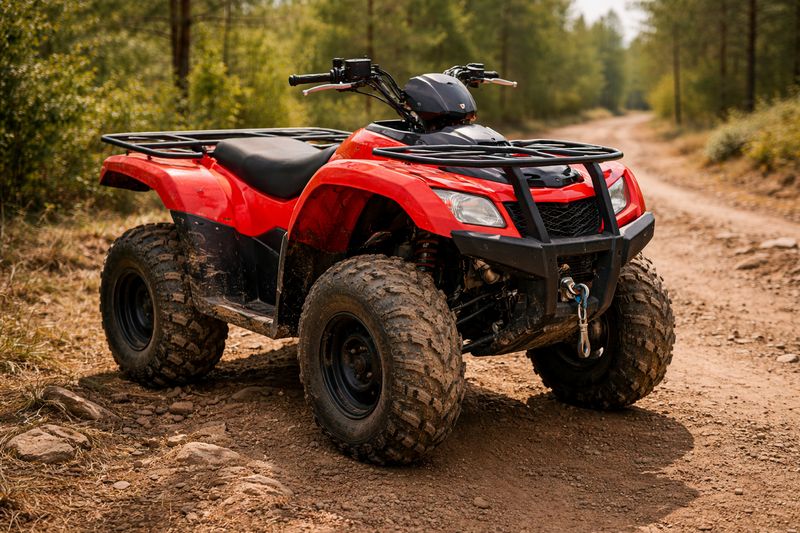
An ATV, or All-Terrain Vehicle, is a small off-road machine designed to handle rough ground, dirt roads, mud, sand, and trails. It is built for one rider in most cases and focuses on simplicity, maneuverability, and low ownership costs. For buyers on a tight budget, ATVs are often the most affordable way to get reliable off-road transport from online auctions.
Basic Definition and Purpose
An ATV is a compact, open vehicle with four wheels and handlebars instead of a steering wheel. Its main purpose is to move easily across terrain where regular cars or trucks struggle. People use ATVs for recreation, light work, and access to remote areas.
For example, if you need a cheap vehicle to check land, reach a fishing spot, or ride trails on weekends, an ATV is usually enough without overpaying.
Wheels and Tires
ATVs use wide, low-pressure tires with deep tread. These tires are designed to grip loose surfaces like dirt, gravel, mud, and snow. The wheels are smaller than car wheels, which helps keep the vehicle light and stable on uneven ground.
For budget buyers, this means fewer expensive tire replacements and better performance without needing upgrades.
Steering and Controls
ATVs are controlled using handlebars, similar to a motorcycle. You steer by turning the bars and shifting your body weight. Throttle and brakes are operated by hand or foot controls.
This simple setup keeps repair costs low. There are fewer parts compared to vehicles with steering wheels, power steering, or electronic systems.
Seating and Passenger Capacity
Most ATVs are designed for one rider only. The seat is narrow and centered over the frame. Some models allow a passenger, but they are less common and not ideal for beginners.
If you usually ride alone and don’t need to carry others, an ATV is a practical and cheaper choice.
Speed and Handling
ATVs are quick and responsive, especially on trails and open ground. Their light weight allows sharp turns and fast acceleration. However, they require rider balance and attention.
If you enjoy active riding and don’t mind leaning into turns, an ATV feels fun and direct. If you want a relaxed, car-like ride, this may feel tiring.
Braking and Acceleration
Most ATVs use disc brakes and have strong stopping power for their size. Acceleration is fast due to low weight and simple engines.
From a cost perspective, braking systems are basic and inexpensive to service compared to larger off-road vehicles.
Safety Equipment
Standard ATVs usually do not have seat belts, doors, or roll cages. Safety depends heavily on the rider’s experience and protective gear like helmets and gloves.
This is important for budget buyers: you save money on the vehicle itself, but you should invest in proper riding gear.
Typical Uses
ATVs are commonly used for:
- Trail riding and recreation
- Hunting and fishing trips
- Property checks and light farm work
- Reaching remote or hard-to-access areas
If you need something simple for occasional use rather than daily work, an ATV fits well.
Cost and Ownership Expenses
ATVs are usually cheaper to buy at auctions than UTVs or trucks. They also cost less to maintain due to:
- Smaller engines
- Fewer mechanical parts
- Lower fuel consumption
What Is a UTV (Utility Task Vehicle)?
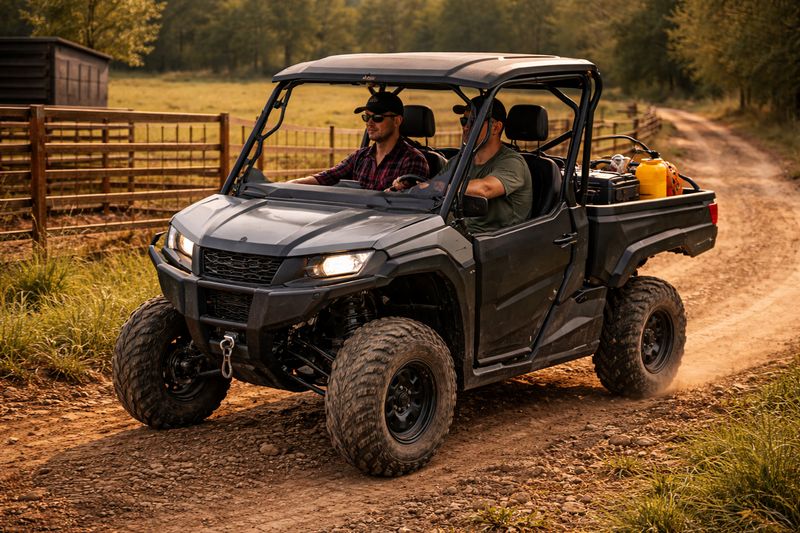
A UTV, also known as a side-by-side, is a larger off-road vehicle designed for both work and recreation. It looks and feels more like a small car than a quad bike. UTVs are built to carry people, tools, and cargo across rough terrain. For buyers with limited budgets, a UTV can be useful—but only if its features are truly needed.
Basic Definition and Purpose
A UTV is an off-road vehicle with a steering wheel, pedals, seats, and a protective frame. The main purpose is utility work combined with off-road driving.
If you need a vehicle to help around a farm, job site, or large property—and not just for fun—a UTV is designed for that role.
Wheels and Tires
UTVs use larger and stronger tires than ATVs. These tires are built to support more weight and handle heavy loads. They perform well on dirt, gravel, mud, and uneven ground.
The downside for budget buyers is cost: tires and wheels are bigger and more expensive to replace.
Steering and Controls
UTVs are driven like cars. They have a steering wheel, gas and brake pedals, and usually an automatic transmission.
This makes them easier to drive for beginners. If you don’t want to learn body balance or handlebar control, a UTV feels familiar right away.
Seating and Passenger Capacity
Most UTVs can carry two to six people, depending on the model. Seats are wider and more comfortable than ATV seats.
For families, work crews, or anyone who rides with passengers, this is a major advantage. But extra seats also mean higher purchase and fuel costs.
Speed and Handling
UTVs are stable and predictable, especially at low and medium speeds. They don’t feel as agile as ATVs, but they handle bumps and rough ground with confidence.
They are best for controlled driving, not aggressive trail riding.
Braking and Acceleration
UTVs have stronger braking systems to handle extra weight. Acceleration is smooth rather than fast.
From a budget point of view, repairs can cost more because braking and drivetrain parts are heavier and more complex.
Safety Equipment
Safety is one of the biggest advantages of a UTV. Most models include:
- Seat belts
- Roll cage
- Roof or windshield (on some models)
For buyers worried about stability or riding with passengers, this added protection can justify the higher price.
Cabin and Comfort Features
Many UTVs offer features you won’t find on ATVs, such as:
- Enclosed cabins
- Heaters
- Windshields
- Doors
These features make UTVs usable year-round, but they also increase maintenance and repair costs.
Typical Uses
UTVs are commonly used for:
- Farm and ranch work
- Construction and maintenance jobs
- Carrying tools or materials
- Property management
- Recreational riding with passengers
If your off-road vehicle replaces real work, a UTV can earn its keep.
Cost and Ownership Expenses
UTVs are more expensive than ATVs at auctions and cost more to own. Expect higher expenses for:
- Fuel
- Tires and brakes
- Replacement parts
What Is a Side-by-Side (SxS)?
A Side-by-Side, often written as SxS, is an off-road vehicle where the driver and passenger sit next to each other. Unlike ATVs, where you sit on top of the vehicle, a Side-by-Side feels more like sitting inside a small car. It has seats, a steering wheel, pedals, and usually a roll cage.
For budget-focused buyers browsing online auctions, the term “Side-by-Side” can be confusing. Many listings use SxS and UTV interchangeably, even though the meaning is not always identical.
Why UTVs Are Often Called Side-by-Sides
Most UTVs (Utility Task Vehicles) are designed with side-by-side seating. That’s why people often shorten the name and simply call them Side-by-Sides.
In everyday use:
- Farmers say “Side-by-Side”
- Dealers say “UTV”
- Auction listings often use both
They usually mean the same type of vehicle: a utility-focused off-road machine that carries passengers and cargo.
For example, if you’re searching auctions and see “UTV / SxS,” it’s typically one vehicle category, not two different ones.
Are There Side-by-Sides That Aren’t UTVs?
Yes, but this is where buyers need to be careful.
Some Side-by-Sides are built more for sport and recreation than utility work. These models:
- Focus on speed and suspension
- Have little or no cargo bed
- Are designed for trail riding or desert racing
They still seat people side by side, so they are SxS vehicles, but they may not be practical for work or hauling.
For budget buyers, this matters. A sport Side-by-Side may look exciting, but it can cost more to maintain and may not solve real needs like carrying tools, supplies, or gear.
Simple rule:
- If you need work and utility → look for a UTV
- If you want fun and speed → a sport SxS might fit, but expect higher costs
ATV vs UTV: Key Differences Explained
ATVs and UTVs are both off-road vehicles, but they are built for very different users. If you are shopping with a limited budget, understanding these differences helps you avoid paying for features you don’t really need.
Design and Size
ATVs are smaller, lighter, and more compact. They are easy to store and transport, even on a small trailer.
UTVs are larger and heavier, with a frame that looks more like a small car. They take up more space and usually need a bigger trailer.
For budget buyers with limited garage space, an ATV is often the simpler option.
Riding Position
On an ATV, you sit on top of the vehicle and control it with handlebars. Your body movement plays a big role in steering and balance.
In a UTV, you sit inside, use a steering wheel, and press pedals like in a car.
If you prefer active riding, an ATV feels more engaging. If you want a familiar, relaxed driving position, a UTV feels easier.
Passenger Capacity
Most ATVs are made for one rider. Some models allow a passenger, but space is limited.
UTVs usually seat two or more people side by side.
If you ride alone, an ATV saves money. If you often carry passengers, a UTV may be necessary.
Storage and Cargo Capabilities
ATVs have very limited storage. You can add small racks or boxes, but capacity is minimal.
UTVs often come with a cargo bed and can carry tools, gear, or supplies.
For light personal use, ATV storage is enough. For work tasks, UTV cargo space makes a big difference.
Power and Towing Capacity
ATVs have enough power for trails and light towing, such as a small trailer or equipment.
UTVs are built to tow more weight and handle heavier loads.
Higher power also means higher fuel use and maintenance costs, which matters for buyers watching expenses.
Safety and Stability
ATVs rely on rider skill and balance. They usually do not have seat belts or roll cages.
UTVs offer more built-in safety, including seat belts and protective frames.
If safety and stability are a top concern—especially with passengers—a UTV has a clear advantage.
Ease of Use for Beginners
ATVs require learning balance and control, which can be challenging for beginners.
UTVs are easier to drive right away, especially for people used to cars.
ATV vs UTV: Pros and Cons
Both ATVs and UTVs have clear advantages and drawbacks. For buyers on a tight budget, the best choice is not the most powerful vehicle, but the one that fits real-life needs without adding extra costs.
ATV Pros
ATVs are usually cheaper to buy, especially at online auctions. This makes them attractive to first-time buyers or anyone trying to save money.
They are lightweight and compact, which means:
- Easier transport on small trailers
- Less storage space needed
- Better fuel efficiency
ATVs also have simpler mechanics, leading to lower repair and maintenance costs. For solo riders who want fun or basic off-road access, ATVs offer strong value for the price.
ATV Cons
Most ATVs are designed for one rider only, which limits passenger use. Carrying another person can be uncomfortable or unsafe.
They offer limited cargo space. While racks can be added, they cannot match a UTV’s cargo bed.
Safety features are minimal. There are usually no seat belts or roll cages, so rider skill and protective gear are essential.
UTV Pros
UTVs provide more seating and space, making them ideal for families, work crews, or anyone who rides with passengers.
They are safer and more stable, thanks to:
- Seat belts
- Roll cages
- Wider stance
UTVs also handle work tasks better, with cargo beds and stronger towing capacity. For people who rely on their off-road vehicle daily, these benefits can justify the higher cost.
UTV Cons
UTVs are more expensive to purchase and own. Auction prices, fuel use, and repair costs are all higher than with ATVs.
They are larger and heavier, making transport and storage more difficult. You may need a bigger trailer or more garage space.
Using an ATV vs UTV: When to Choose Each
Choosing between an ATV and a UTV depends on how you actually plan to use the vehicle. For budget-conscious buyers, the goal is simple: spend less and still get a machine that fits daily needs. In many cases, an ATV is the smarter choice.
Use an ATV When:
An ATV is best when you want a lightweight, simple, and affordable off-road vehicle. It works well when comfort and cargo are less important than flexibility and low costs.
Trail Riding and Recreation
ATVs are made for fun on trails. They are quick, agile, and easy to maneuver on dirt paths and open land.
If your idea of a weekend is riding trails, exploring woods, or reaching fishing and hunting spots, an ATV does the job without the high price of a UTV.
Narrow Trails and Tight Spaces
Because ATVs are smaller, they can fit where UTVs cannot. Narrow forest trails, tight turns, and wooded areas are much easier to handle on an ATV.
For buyers who ride on public trails with width limits, this can be a deciding factor.
Solo Riding and Sport Use
ATVs are designed for one rider and offer a more active riding experience. You control the vehicle with your body and handlebars, which many riders enjoy.
If you usually ride alone and don’t need to carry passengers or tools, an ATV keeps things simple and affordable.
Use a UTV When:
A UTV is the right choice when you need an off-road vehicle that goes beyond fun and recreation. It excels at work tasks, carrying passengers, and hauling equipment—areas where an ATV falls short. For buyers looking to get the most utility for their money, a UTV often justifies the higher upfront cost.
Work on Farms, Ranches, or Construction Sites
UTVs are built for heavy-duty work. Their strong frames, durable suspension, and cargo beds make them ideal for tasks like moving tools, feed, fencing materials, or construction supplies across rough terrain. On a farm or large property, a UTV can replace multiple trips on an ATV or even reduce the need for a truck, saving time and effort. For construction or maintenance jobs, it provides a reliable vehicle to carry crew and materials efficiently.
Hauling Cargo or Towing Equipment
One of the key advantages of a UTV is its cargo capacity and towing strength. Most UTVs come with a cargo bed that can carry tools, supplies, or harvested materials. Many models can also tow trailers, small machinery, or utility carts. For budget-conscious buyers, investing in a UTV makes sense if you regularly haul gear or need to move heavy loads, as it can handle tasks that would otherwise require a larger vehicle.
Riding With Passengers
Unlike ATVs, UTVs are designed to carry two or more people safely. Seats are side-by-side, and most models come equipped with seat belts and roll cages. This makes them ideal for family rides, work crews, or friends who want to ride together. If you plan to regularly transport passengers over rough terrain, a UTV provides the comfort, stability, and safety features that an ATV simply cannot offer.
ATV vs UTV for Specific Activities
Different off-road vehicles shine in different situations. Understanding how ATVs and UTVs perform in specific tasks helps budget-conscious buyers choose the right vehicle for their needs.
ATV vs UTV for Trail Riding
ATVs are typically better for trail riding because of their smaller size and agility. They can navigate narrow paths, sharp turns, and dense woods where a UTV might struggle. Their lighter weight also makes them easier to lift or recover if stuck in mud or sand.
UTVs, while stable and comfortable, are larger and less maneuverable, which can be a drawback on tight trails. They are better suited for wider paths or open off-road areas where room for two or more riders is needed.
ATV vs UTV for Hunting and Outdoor Work
For solo hunting trips or small outdoor projects, ATVs are ideal. They are quiet, nimble, and can reach remote spots quickly. Limited cargo space may restrict larger equipment, but they are efficient for transporting a single rider and small gear.
UTVs excel when carrying multiple passengers or heavy hunting gear. Their cargo beds and towing capability allow hunters to move equipment, harvested game, or supplies in one trip. For landowners or outdoor workers needing to transport tools or personnel, a UTV is often the more practical choice.
ATV vs UTV for Snow Plowing
ATVs can handle light snow plowing with attachments but struggle with larger areas or heavy snow. Their smaller size is good for narrow driveways, sidewalks, or compact spaces.
UTVs are better for serious snow removal. Their weight, traction, and power allow them to push larger amounts of snow, handle slopes safely, and tow equipment if needed. For property owners who deal with heavy winter conditions, a UTV provides efficiency and safety that an ATV cannot match.
ATV vs UTV for Property Maintenance
ATVs are sufficient for quick checks, small tasks, and light hauling. They are cheap to run, easy to maneuver around tight corners, and excellent for solo work.
UTVs are ideal for ongoing maintenance, carrying tools, supplies, or multiple passengers. Tasks like fence repair, landscaping, or moving larger loads are easier with the UTV’s cargo bed, towing ability, and comfortable seating. For large properties or frequent work, the UTV can save time and effort despite its higher cost.
Safety Considerations for ATVs and UTVs
Safety is a critical factor when choosing between an ATV and a UTV. Both vehicles can provide fun and utility, but each comes with unique risks. Budget-conscious buyers should consider safety carefully, as accidents can result in costly medical bills or vehicle damage.
Common ATV Safety Risks
ATVs are smaller and lighter, which makes them highly maneuverable but also more prone to rollovers and tipping. Riders must balance their weight, especially on uneven terrain or when turning sharply. Other common risks include collisions with trees, rocks, or other vehicles, and injuries from being thrown off the ATV. Inexperienced riders, particularly those who ride without protective gear, face the highest risk.
Common UTV Safety Risks
UTVs are larger and more stable than ATVs, but they can still roll over, particularly on slopes, uneven ground, or during aggressive maneuvers. Many riders feel overconfident because UTVs have seat belts and roll cages, which can lead to careless driving. UTVs also carry multiple passengers, increasing the potential for injury if the vehicle tips or if occupants lean outside the roll cage.
Helmets, Seatbelts, and Protective Gear
Proper protective gear is essential for both ATVs and UTVs. ATV riders should always wear helmets, gloves, goggles, and protective clothing. UTV riders benefit from seat belts, helmets, and optional full-cab enclosures. Investing in safety gear may increase upfront costs slightly, but it significantly reduces the risk of injury and long-term medical expenses, making it a smart choice for budget-conscious buyers.
Insurance and Legal Requirements
When buying an ATV or UTV, understanding insurance and legal requirements is important. Rules vary by state, and failing to comply can result in fines, denied claims, or legal trouble. Budget-conscious buyers should factor these costs into their total purchase decision.
ATV Insurance Needs
ATV insurance is usually optional, but it is strongly recommended. Coverage can include:
- Liability for damage or injury to others
- Collision coverage for accidents
- Comprehensive protection for theft or vandalism
Insurance costs for ATVs are generally lower than UTVs due to their smaller size and lower purchase price. For budget buyers, basic liability coverage may be sufficient, while additional coverage depends on how often and where the ATV will be used.
UTV Insurance Needs
UTVs often require insurance, especially if carrying passengers or used on public lands. Policies can cover:
- Liability for passengers and property damage
- Collision and comprehensive protection
- Towing coverage if the UTV hauls trailers or equipment
Insurance premiums for UTVs are higher due to their size, greater value, and multiple passenger capacity. Buyers should compare quotes to ensure they get coverage that fits their budget without compromising protection.
Registration and Off-Road Regulations
Legal requirements for ATVs and UTVs vary by state and region. Some areas require registration or license plates, especially if vehicles cross public roads. Others have rules for helmet use, age restrictions, and approved riding areas. UTVs often have stricter requirements due to passenger seating and higher power.
Cost Comparison: ATV vs UTV
Understanding the cost differences between ATVs and UTVs is crucial for budget-conscious buyers. Both vehicles serve off-road purposes, but their purchase price, maintenance, and long-term costs vary significantly.
Purchase Price Differences
ATVs are generally cheaper to buy than UTVs. Online auctions often list ATVs at prices well below their retail value, making them attractive for first-time buyers or those on a tight budget. UTVs, due to their larger size, multiple seats, and added safety features, typically command higher prices. Buyers should consider whether they truly need the extra space and features before spending more on a UTV.
Maintenance and Repair Costs
ATVs have simpler mechanical systems, which translates to lower repair and maintenance costs. Smaller engines, fewer components, and lighter frames mean parts are cheaper and easier to replace. UTVs, while more durable for heavy-duty work, have more complex systems, including larger engines, transmissions, and suspension components, which can result in higher maintenance expenses over time.
Fuel Efficiency and Operating Costs
ATVs are more fuel-efficient due to their smaller engines and lighter weight. They consume less fuel per mile, making them cheaper to operate for recreational use or light work. UTVs, with heavier frames and more powerful engines, use more fuel, especially when towing or carrying cargo. Buyers who plan to use their vehicle frequently should factor in fuel costs when deciding between an ATV and a UTV.
Long-Term Ownership Costs
Over time, UTVs generally cost more to own. Higher fuel consumption, larger tires, more expensive parts, and insurance premiums all add up. ATVs, on the other hand, remain budget-friendly for long-term ownership, particularly for riders who use them for recreation or light-duty work. Evaluating both initial and ongoing costs helps buyers make a practical decision that fits their financial situation.
Buying an ATV or UTV at Auction
Buying an ATV or UTV at an online or in-person auction can save you a lot of money compared to retail prices. However, auctions come with their own set of rules, risks, and considerations. Understanding what to look for and how to bid safely ensures a good deal without unexpected costs.
Why Auctions Are Popular With Budget Buyers
Auctions are appealing because they often list vehicles below market value. Salvage, repossessed, or lightly used ATVs and UTVs are common, allowing buyers to access higher-quality machines for less. For people on a tight budget, auctions offer variety, competitive pricing, and the chance to buy a vehicle that might otherwise be out of reach.
What to Check Before Bidding
Before placing a bid, examine the listing carefully. Key factors include:
- Vehicle condition: Look for damage, rust, or worn parts.
- Mileage and usage hours: High hours can indicate more wear.
- Maintenance history: Well-maintained vehicles often cost less in the long run.
- Missing parts or accessories: Ensure essential components are present.
- Transport requirements: Factor in trailer size or towing costs.
Researching these details beforehand prevents overpaying for a vehicle with hidden problems.
Common Auction Risks and How to Avoid Them
Buying at auction carries risks, including overbidding, undisclosed damage, or hidden fees. To minimize these:
- Set a strict budget and stick to it.
- Attend pre-auction inspections if possible.
- Read the auction terms carefully for fees and return policies.
- Avoid emotional bidding; prioritize value over excitement.
Should You Buy an ATV or a UTV?
Choosing between an ATV and a UTV depends on your needs, budget, and how you plan to use the vehicle. Both have unique advantages, so understanding your priorities ensures you make a purchase that delivers value without unnecessary costs.
Best Choice for Budget-Conscious Buyers
For buyers focused on saving money, an ATV is usually the better option. ATVs have lower purchase prices, cheaper maintenance, and better fuel efficiency. They are perfect for solo riders, weekend recreation, and light off-road use. If your goal is to enjoy trails or reach remote areas without breaking the bank, an ATV provides reliable performance at a fraction of the cost of a UTV.
Best Choice for Work and Utility
If your primary need is work, hauling, or transporting passengers, a UTV is the smarter choice. Its cargo bed, towing capacity, and side-by-side seating allow it to handle heavier loads and multiple passengers safely. UTVs are ideal for farms, ranches, construction sites, and property maintenance where efficiency and utility outweigh initial cost.
Best Choice for Recreation and Trails
For fun on trails, sports riding, and solo adventures, ATVs often offer a more thrilling and engaging experience. They are nimble, lightweight, and easier to maneuver in tight spaces. While UTVs can be used for recreational purposes, their size and weight make them less agile on narrow trails. Budget-conscious recreational riders will typically find that an ATV delivers more excitement for less money.
Final Thoughts: ATV or UTV—Know More, Ride Smarter
Choosing the right off-road vehicle requires more than just picking the flashiest model. Understanding the differences between ATVs and UTVs, evaluating your actual needs, and planning your purchase carefully can save money and improve your riding experience.
Matching the Vehicle to Your Needs
The key to a smart purchase is matching the vehicle to how you’ll use it. ATVs are ideal for solo riders, narrow trails, and recreational use, while UTVs shine in work, hauling, towing, and transporting passengers. Consider the terrain, number of riders, and types of tasks before making a choice. Avoid overpaying for features you won’t use, especially when working with a limited budget.
How to Save Money by Buying Through Auctions
Auctions can be a budget-friendly way to buy an ATV or UTV. Vehicles are often priced below market value, and you can find quality machines that meet your needs. To save money and avoid risks: research listings, inspect vehicles if possible, set a strict bidding limit, and account for transport costs. Auctions require preparation, but a smart strategy can lead to excellent deals.
Smart Tips for First-Time Buyers
First-time buyers should focus on practicality over excitement. Tips include:
- Start with a vehicle that fits your budget and experience level.
- Prioritize safety features such as helmets, seat belts, and roll cages.
- Factor in maintenance, fuel, and insurance costs before purchasing.
- Consider auctions for potential savings but bid cautiously.
By following these guidelines, you can make a confident choice between an ATV and a UTV, ensuring a fun and cost-effective off-road experience.
Are you interested in buying a vehicle from Online Auto Auctions?
With this being said – you can still export vehicles and save up a few thousand dollars with Bidndrive. We have an inventory of over 150k plus vehicles with titles you can export for you to choose from. Once you have placed your bid and won the auction a Bill of Sale document is then emailed to you as proof of purchase – after full payments have been made.
To gain access and get started on your purchase, sign up for free.
Further Reading:
Best SUVs for Towing in 2025: Everything You Need to Know
Affordable Honda Dirt Bikes
How to Make a Dirt Bike Street-Legal in the USA
How to Modify a Land Rover for Off-Road Expeditions on a Budget
Frequently Asked Questions
- How Much Does an ATV Weigh?
- How Much Does a UTV or Side-by-Side Weigh?
- Which Is Easier to Maintain?
- Which Is Better for Beginners?