



Export-only vehicles can be a budget-friendly way to buy cars at U.S. auctions, but not every title allows international shipping. This guide explains what “Export Only” means, which vehicles you can export, and common pitfalls to avoid, helping you save money while staying compliant with export rules. Perfect for buyers looking to ship cars overseas safely and efficiently.
Introduction to Export-Only Titles
Export-only titles are common in U.S. auto auctions, especially for vehicles that cannot be legally registered or driven in the United States but may still be sold and used in other countries. For budget buyers and international dealers, these vehicles often come at much lower prices. However, buying export-only cars without understanding the rules can lead to serious problems, including blocked shipments, customs delays, or vehicles that cannot be imported into your destination country.
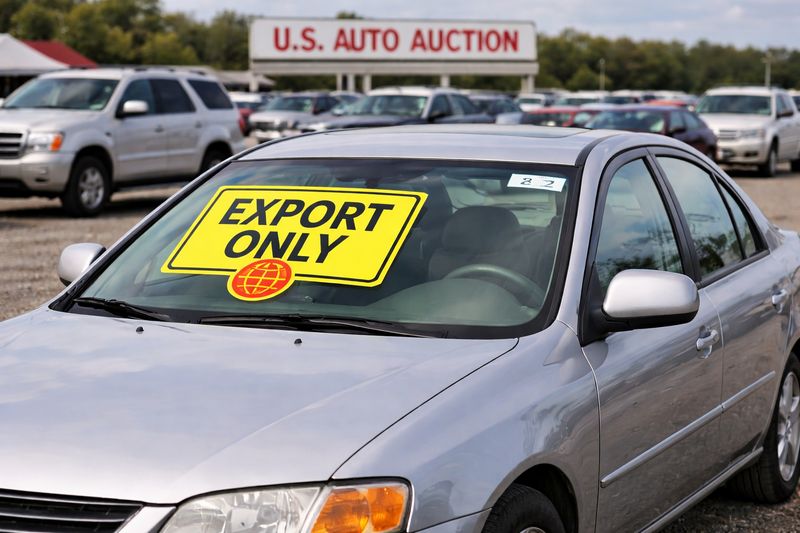
Understanding how export-only titles work helps you avoid costly mistakes and ensures the car you buy can actually be shipped and sold overseas.
What “Export Only” Means in Vehicle Auctions
When a vehicle is marked “Export Only” at an auction, it means the car is restricted from domestic registration in the U.S. You cannot title, register, or legally drive this vehicle in the United States. The auction and DMV rules limit the car strictly to international export.
Common reasons a vehicle is labeled export only include:
- Missing or non-registrable title documents
- Severe damage that makes the car non-compliant with U.S. safety rules
- State DMV restrictions that block domestic registration
- Legal or paperwork issues that prevent a clean U.S. title
Example: A budget buyer sees a luxury SUV listed at a very low price. The auction shows it as “Export Only.” While it looks like a great deal, it cannot be registered in the U.S. This makes it perfect for export, but useless for local driving or resale.
Why This Guide Matters for Budget Buyers
For budget-conscious buyers, export-only vehicles can look like huge bargains. Prices are often much lower than clean-title or even salvage vehicles. But lower price also means higher risk if you don’t understand export rules.
This guide helps budget buyers:
- Know which titles and documents are accepted for export
- Avoid buying vehicles that will be rejected by customs
- Reduce delays and extra fees at ports
- Make sure the car can be legally imported and sold in the destination country
Understanding Vehicle Titles for Export
When exporting a vehicle from the United States, the title is one of the most important documents in the entire process. For budget buyers and exporters, misunderstandings about titles are one of the main reasons shipments get delayed, rejected, or stuck at ports. Knowing how titles work helps you choose the right vehicles and avoid paying for cars you can’t legally ship or sell overseas.
What Is a Vehicle Title?
A vehicle title is a legal document that proves ownership of a car. It includes key information such as:
- Vehicle Identification Number (VIN)
- Owner’s name or company
- Title brand (clean, salvage, rebuilt, junk, flood, etc.)
- Lien status (whether money is still owed on the car)
For exporters, the title is proof that the vehicle can be legally transferred and shipped. Without the correct title or certificate, U.S. Customs and foreign authorities may refuse to clear the vehicle.
Example: A budget buyer wins a car at auction but receives incomplete title paperwork. Even though the car is paid for, customs may block the export because ownership cannot be properly verified.
Why Titles Are Critical for International Shipping
Titles are required for U.S. Customs export clearance and for import approval in the destination country. Customs officials use the title to confirm:
- The vehicle is not stolen
- Ownership is valid
- There are no open liens
- The vehicle is legally allowed to leave the U.S.
If the title is missing, incorrect, or not accepted, the vehicle can be held at the port, leading to:
- Storage fees
- Missed shipping schedules
- Extra paperwork costs
- Risk of shipment cancellation
For budget buyers, these delays can quickly erase any savings from buying a cheap export-only vehicle.
Export Rules vs Domestic Registration Rules
Export rules and domestic U.S. registration rules are not the same. A vehicle that cannot be registered or driven in the U.S. may still be legal to export, depending on the title type and destination country rules.
Key differences include:
- Domestic rules: Focus on safety, emissions, and state DMV compliance for driving on U.S. roads.
- Export rules: Focus on ownership, customs clearance, and acceptance by the importing country.
Example: A car with a non-repairable or export-only title may be blocked from U.S. registration but still accepted for export to certain countries for parts, resale, or repair.
What Is an Export Only Title?
An export only title is a special designation used by auctions and state authorities to indicate that a vehicle cannot be registered or legally driven in the United States, but may still be sold for export to other countries. These vehicles are restricted to international shipping only and are not eligible for normal U.S. DMV registration.
For budget buyers and international resellers, export-only vehicles often come with much lower prices, but they also carry higher paperwork and compliance risks. Understanding what export only really means helps you avoid buying a car that you can’t legally use or ship.
How Export Only Titles Are Issued
Export only status is usually applied by:
- Auto auctions, based on the documents they receive
- State DMVs, when a vehicle does not qualify for domestic registration
- Insurance companies, when paperwork or title conditions prevent normal titling
A vehicle may be flagged as export only at the auction listing stage, even before you bid. This is a warning that the car is not eligible for U.S. road use and is intended strictly for international markets.
Example: A buyer sees a late-model sedan with very low auction pricing. The listing shows “Export Only” because the title documents do not meet state DMV requirements. The car can be shipped overseas, but it cannot be titled in the U.S.
Why Some Vehicles Are Restricted to Export Only
Vehicles are restricted to export only for several common reasons. These usually relate to safety, legal, or documentation problems that make U.S. registration impossible.
Safety and Compliance Issues
Some vehicles fail to meet U.S. safety or emissions standards. This can happen with:
- Severe structural damage
- Airbag or restraint system failures
- Emissions systems that are missing or non-functional
If a vehicle cannot be made compliant with U.S. regulations at a reasonable cost, it may be labeled export only. While it may still be usable in other countries with different rules, it is blocked from U.S. road use.
State DMV Restrictions
Each state has its own DMV rules for titling and registering vehicles. In some cases, a state may:
- Refuse to issue a registrable title
- Limit the title to non-road use
- Require documents that are missing or unavailable
When state DMV rules prevent normal registration, auctions often mark the vehicle as export only to avoid legal problems for buyers.
Missing or Non-Registrable Documents
One of the most common reasons for export only status is missing or invalid paperwork, such as:
- Lost or incomplete titles
- Documents that cannot be transferred to a new owner
- Titles that are not accepted by certain states
Example: A buyer purchases a car with incomplete title history. The auction cannot issue a normal transferable title, so the car is labeled export only. The vehicle can still be shipped overseas, but it cannot be legally registered in the U.S.
Types of Vehicle Titles and Export Eligibility
Understanding different title types is critical when buying cars at auction—especially if your plan includes exporting the vehicle. Each title affects whether a car can be registered in the U.S., exported abroad, or used only for parts. Below is a clear breakdown for budget buyers.
Clean Title
A clean title means the vehicle has not been declared a total loss by an insurance company. These cars are usually eligible for both U.S. registration and export. For buyers, this is the easiest and lowest-risk option. Clean title vehicles are simpler to insure, resell, and ship internationally with fewer restrictions from customs or destination countries.
Salvage Title
A salvage title is issued when a car has been damaged and declared a total loss by an insurance company. In many cases, salvage vehicles can be exported, but rules vary by state and destination country. Some countries accept salvage vehicles for repair, while others restrict them. Salvage cars are popular with budget buyers because of low prices, but you must check export and import rules carefully.
Rebuilt Title
A rebuilt (or reconstructed) title means a salvage vehicle was repaired and passed a state inspection. These cars are often eligible for both domestic registration and export. However, some countries may still treat rebuilt vehicles with caution. For exporters, rebuilt titles can be a good balance between lower cost and wider eligibility.
Junk Title
A junk title usually means the vehicle is not intended to be repaired or registered again. In many states, junk title vehicles are restricted to parts or scrap. Export eligibility is limited and often depends on whether the destination country allows parts vehicles. For most buyers, junk titles are best for dismantling, not for road use or full export.
Non-Repairable Title
A non-repairable (or non-rebuildable) title means the vehicle can never be legally registered or driven again in the U.S. These vehicles are typically for parts only. Export rules vary, but many auctions mark these as export-only or parts-only. Budget buyers should be careful—these cars are cheap, but options are very limited.
Flood Title
Flood title vehicles were damaged by water. Some can be repaired and even rebuilt, but many countries have strict import rules for flood-damaged cars. Electrical and corrosion issues can be long-term and expensive. While flood cars may be exportable, they carry higher risk and lower resale value in many markets.
Lemon Title
A lemon title (or manufacturer buyback) means the vehicle was returned to the manufacturer due to repeated defects. These cars may be legally repaired and resold. Export eligibility is often allowed, but some countries and buyers view lemon vehicles negatively. Prices can be attractive, but transparency and documentation are important for resale and customs clearance.
Titles and Certificates Eligible for Export
Not all vehicle documents are treated the same when it comes to international shipping. Some titles and certificates are widely accepted for export, while others depend on state laws and destination country rules. For budget buyers, understanding these differences helps avoid buying a car that cannot be legally shipped or cleared through customs.
Standard Eligible Titles and Certificates
These are the most common document types that are typically accepted for export, especially when buying from U.S. auto auctions. Always confirm with the auction platform and your freight forwarder before bidding.
All States Salvage Certificates
Salvage certificates from all U.S. states are generally eligible for export. Many countries allow the import of salvage vehicles for repair or parts. However, acceptance depends on local regulations. Some destinations require additional inspection, photos of damage, or proof that the vehicle is being imported for reconstruction only.
Non-Repairable Certificates (State-Specific Rules)
Non-repairable or non-rebuildable certificates are often exportable, but this depends heavily on the issuing state and the destination country. In the U.S., these vehicles cannot be registered for road use. Internationally, some countries allow them for parts or limited use, while others ban them completely. These are high-risk purchases for inexperienced exporters.
Certificates of Destruction
A Certificate of Destruction usually means the vehicle is intended for dismantling or scrap. In many cases, these vehicles can still be exported, but only for parts or recycling—not for road use. Customs authorities in the destination country may require clear documentation that the vehicle will not be registered or driven.
Junking and Scrap Certificates
Junk and scrap certificates indicate the vehicle is legally designated for dismantling. Export is sometimes allowed, but typically limited to parts vehicles. Many countries restrict or prohibit the import of scrap vehicles due to environmental and safety regulations. Buyers should treat these as parts-only purchases.
Permit to Dismantle Documents
A Permit to Dismantle is issued when a vehicle is approved for dismantling instead of being titled. These vehicles are usually not eligible for U.S. registration. Export may be possible in some cases, but most often they are accepted only for parts. Some shipping lines and countries may refuse these documents entirely.
State-Specific Export-Approved Documents
Export rules in the U.S. are not fully uniform. Some states issue special documents that are commonly accepted for export, while others apply extra restrictions. For budget buyers, this means a car that looks like a good deal can turn into a problem if the state paperwork is not accepted by your destination country or by U.S. Customs.
California, Florida, New York, Illinois, Michigan
These states are among the most active in vehicle auctions and exports, and their documents are widely recognized by shipping companies and customs brokers. In many cases, the following documents from these states are commonly accepted for export:
- Salvage Certificates
- Non-Repairable or Non-Rebuildable Certificates (export or parts-only, depending on destination)
- Certificates of Destruction
- Insurance-branded titles (such as flood, theft recovery, or hail)
However, each state has its own format and wording. Even if two documents sound similar, customs officials may treat them differently. Always review a copy of the actual title or certificate before you finalize payment.
Kansas and California Non-Repairable Exceptions
Kansas and California are known for specific rules around non-repairable vehicles. In some cases, non-repairable certificates from these states may still be approved for export, even though the vehicle cannot be registered or rebuilt in the U.S.
For example, certain California Non-Repairable titles may be accepted for export as parts or for restricted use in other countries. Kansas documents can also have special classifications that affect export eligibility. These exceptions can create opportunities for budget buyers—but they also increase risk if you don’t confirm acceptance with your exporter and destination customs.
Rhode Island Bill of Sale (2000 and Older Vehicles)
Rhode Island has a unique rule for older vehicles. For vehicles from model year 2000 and older, Rhode Island may issue only a Bill of Sale instead of a traditional title. In some export scenarios, this Bill of Sale can be accepted for international shipping.
Additional Eligible Certificates (With Fees)
Some export-eligible documents are accepted only with extra processing, special handling, or additional fees. These documents can still be useful for budget buyers, but they usually come with more restrictions and higher risk. Understanding how they work helps you avoid surprises after you win an auction.
Parts Only Bill of Sale (By State)
A Parts Only Bill of Sale is issued when a vehicle is sold strictly for dismantling or parts. In many states, this document clearly states that the car cannot be titled or registered for road use in the U.S.
For export, some countries and ports may accept a Parts Only Bill of Sale, especially if the vehicle is being shipped as parts or for dismantling. However, acceptance varies by state and by destination country. Extra documentation and fees are often required to process these shipments, and some shipping lines may refuse them entirely. For budget buyers, this option can be cheap—but only if your export partner confirms acceptance in advance.
Insurance-Branded and Claim-Paid Titles
Insurance-branded titles, such as claim-paid, total loss, theft recovery, or severe damage titles, may still be eligible for export in many cases. These documents show that an insurance company has settled a claim and transferred ownership.
While these titles are commonly seen at auctions, they often require additional verification and handling for export. Customs and shipping companies may charge extra fees to review and process them. Some destination countries may also apply stricter import rules or higher taxes for insurance-branded vehicles. This makes them affordable at auction, but potentially more expensive by the time the car reaches your country.
MV907A – Parts Only (Without Liens)
The MV907A is a New York State form often used for parts-only or dismantler transactions. When marked as “Parts Only” and issued without liens, it may be accepted for export in certain situations.
Critical Notes About Liens and Auction Paperwork
Open Liens and Unsatisfied Liens
An open or unsatisfied lien means a bank, lender, or other legal party still has a financial claim on the vehicle. Even if you win the car at auction, the lien holder may still have legal rights to the vehicle until the debt is fully paid and officially cleared.
For export buyers, open liens are a major red flag. Many ports, shipping companies, and customs authorities will not release or export a vehicle with an active lien. This can lead to long delays, extra storage fees, or even cancellation of the shipment. What looks like a cheap deal can quickly turn into an expensive problem if the lien is not resolved.
Why Lien Release Letters Matter
A lien release letter is an official document from the lender confirming that the debt has been paid and the lien has been removed. This letter is often required to prove clear ownership, even if the auction listing says the vehicle is ready for sale.
Without a proper lien release, export paperwork may be rejected by customs or the shipping line. Some destination countries also require proof that no financial claims exist on the vehicle. For budget buyers, this is critical: always confirm that a valid lien release is included or available before bidding. It can save you from costly delays and legal issues later.
Risks of Buying Export Titles With Incomplete Documents
Incomplete paperwork is one of the most common causes of export problems. Missing signatures, incorrect VINs, wrong title types, or absent lien releases can stop a shipment at the port.
Non-Acceptable Titles for Export
Prohibited Titles and Certificates
Not every title or certificate can be used for exporting vehicles. Some documents are strictly prohibited because they indicate severe damage, legal restrictions, or ownership disputes. Attempting to export a vehicle with these titles can lead to shipment rejection, customs fines, or legal complications. Budget buyers need to know which documents to avoid to prevent wasted money and time.
Flood Titles
Flood-damaged vehicles carry high risk for hidden mechanical and electrical issues. Most countries and ports refuse to accept flood titles because water damage can make a car unsafe and hard to insure. Exporting a flood-damaged car is generally not allowed, even if it looks repaired, making these titles non-exportable.
Parts Only Documents From Restricted States
Parts Only bills of sale from certain states cannot be exported for full-vehicle use. These documents indicate the car is sold only for dismantling, and shipping it intact violates state and international regulations. Buyers must check state-specific rules before considering any parts-only vehicles.
Repossession and Lien Sale Paperwork
Vehicles sold through repossession or lien sale often have unresolved financial claims. Exporting a car with open liens is illegal in many cases, and ports may block shipment. Without a full lien release, the vehicle cannot legally leave the country, making these titles unacceptable for export.
Cash for Clunkers and Theft-Branded Titles
Cars from programs like Cash for Clunkers, or those flagged as theft-recovered, are usually restricted. These titles indicate legal or compliance issues that prevent resale or export. Customs authorities and shipping companies rarely allow these vehicles to leave the U.S., even if the car appears functional.
Dismantler-Only and Scrap Receipts
Documents designating a vehicle for dismantling or scrap are strictly non-exportable. These vehicles are intended to be recycled or parted out, not resold internationally. Attempting to ship them can result in rejected shipments or penalties at the port.
Common Challenges When Exporting Export-Only Vehicles
Customs and Port Clearance Issues
Exporting a vehicle requires passing through customs and port authorities, and this can be tricky for export-only titles. Customs officers carefully review the vehicle’s paperwork to ensure it meets legal requirements and ownership is clear. Missing documents, mismatched VINs, or unclear title status can lead to denied entry or long delays at the port. For budget buyers, a vehicle that seems cheap at auction can become costly if it gets stuck due to clearance issues.
Country-Specific Import Restrictions
Every country has its own import rules for vehicles. Some countries ban salvage or export-only titles entirely, while others require additional inspections, modifications, or certifications before accepting the vehicle. Not knowing these rules can result in a car being turned away at the destination port, forcing expensive return shipping or disposal. Researching the target country’s import regulations is essential to avoid unexpected setbacks.
Delays Due to Incorrect Documentation
Incomplete, incorrect, or inconsistent paperwork is one of the most common causes of export delays. Even small errors, like a missing lien release, an incorrect title type, or an improperly signed document, can stop a shipment in its tracks. Auctions sometimes provide unclear or partial records, so buyers must verify every document before purchase. These delays can rack up storage and administrative fees, cutting into any savings from buying a cheap export-only car.
Market Value and Resale Limitations
Export-only vehicles often sell at a discount because they cannot be registered or driven domestically. While this makes them appealing for international buyers, it also limits their market. Reselling an export-only car overseas can be challenging if the buyer faces import restrictions or requires extra compliance paperwork. Budget-conscious buyers should consider not just the purchase price but also the potential resale value and effort required to move the vehicle abroad.
How to Verify If a Vehicle Is Eligible for Export
Checking Auction Listings and Disclosures
The first step in verifying a vehicle’s export eligibility is to carefully review the auction listing. Most online auto auctions clearly indicate whether a car has an export-only title, salvage restrictions, or other export limitations. Look for notes on title type, lien status, and any state-specific restrictions. Auctions often include disclaimers for budget buyers, but it’s important to read the fine print—some cars may seem eligible but have hidden restrictions that can block shipment.
Reviewing Title Copies After Purchase
Once you’ve purchased a vehicle, always review the actual title copy before arranging shipping. Check for the title type, any lien or ownership claims, and whether the document matches the auction disclosures. Ensure that all signatures, stamps, and supporting paperwork are in order. A mismatch between the auction listing and the title can create major problems at customs, potentially preventing the car from being exported until the issue is resolved.
Working With Export Professionals
For first-time or budget-conscious buyers, working with an export professional can save time, money, and stress. Experienced brokers or shipping companies understand which titles are accepted internationally and can verify documentation before the vehicle leaves the U.S. They can also advise on customs requirements, port clearance procedures, and country-specific import rules. This professional guidance ensures that you don’t invest in a car that can’t be shipped abroad, protecting both your budget and your purchase.
Tips for Budget Buyers Purchasing Export Only Vehicles
When Export Only Cars Make Sense
Export-only vehicles can be a smart choice for buyers who plan to ship cars overseas or use them for parts. For example, if you’re looking to sell cars in markets where U.S. vehicles are in high demand, buying an export-only car at auction can save thousands compared to a clean domestic title. They also make sense for buyers who don’t need to register or drive the vehicle locally, such as mechanics, parts resellers, or international dealers looking to flip vehicles abroad. The lower upfront price can help stretch a tight budget while still allowing access to newer or high-demand models.
Red Flags to Avoid at Auctions
Even budget-conscious buyers need to watch for warning signs at auctions. Avoid vehicles with unclear or missing export documents, unresolved liens, or multiple ownership transfers that could complicate shipping. Be cautious with cars labeled “parts only” from restricted states or with titles that don’t match the auction listing. Also, check for damage history that could reduce the vehicle’s resale value overseas. Skipping these checks can lead to costly delays or even a car that can’t be exported at all.
How to Reduce Financial Risk
There are several ways to minimize risk when purchasing export-only vehicles. Always verify auction disclosures against the actual title and supporting documents. If possible, get a pre-purchase inspection to confirm mechanical condition. Working with experienced export brokers or shipping companies ensures the car meets international requirements. Finally, budget for unexpected fees, including customs, port handling, or paperwork corrections. Careful planning and verification help ensure you get a vehicle that’s truly export-ready without surprises draining your budget.
Export Only Titles and International Shipping
Required Documents for Customs Clearance
When shipping an export-only vehicle overseas, having the right paperwork is crucial. Customs authorities require a clear export title or approved certificate showing the vehicle is legally eligible for export. Common documents include the auction bill of sale, the export-only title or certificate, lien release letters if applicable, and any state-specific permits. Some countries may also require additional forms, like a notarized power of attorney or proof of compliance with emission and safety standards. Without these documents, your vehicle can be held at the port, delayed, or even denied entry, leading to extra fees and frustration.
Timeline From Auction to Overseas Delivery
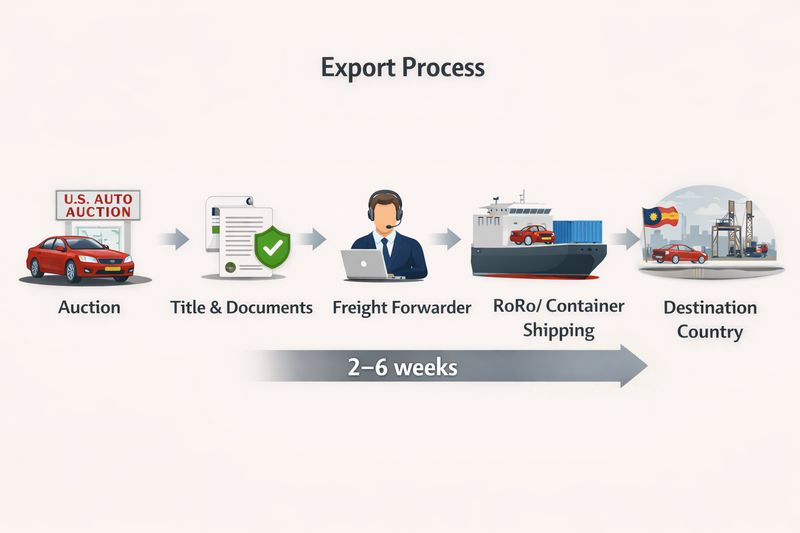
The process from winning a car at auction to receiving it overseas can take several weeks. After purchase, the auction house typically provides the necessary title and documents, which you then submit to a freight forwarder or shipping company. Depending on the port, customs processing, and the chosen shipping method—roll-on/roll-off (RoRo) or container—the vehicle can take 2–6 weeks to reach its destination. Delays can occur if documents are incomplete, if inspections are required, or if the destination country has strict import rules. Planning ahead and working with experienced exporters helps ensure a smoother, predictable timeline and reduces unexpected costs for budget buyers.
An “Export Only” title places clear restrictions on how a vehicle can be used, registered, or resold within the United States. While these vehicles are legally designated for export, misunderstandings around this title type often lead to costly mistakes for buyers who plan to keep or drive the car domestically.
For U.S.-based buyers, it’s essential to recognize export-only title limitations before bidding at auction and to understand how they affect ownership options, resale value, and compliance. BidNDrive helps buyers navigate U.S. auto auctions by providing transparent vehicle information and access to listings where title status is clearly disclosed, allowing buyers to make informed decisions upfront.
If you want to review auction vehicles and better understand how title types affect your buying options in the U.S. market, you can create a free account with BidNDrive and explore current listings.
Further Reading:
Clean Title vs. Clear Title: Understanding the Difference
Bonded Title Guide: What It Is and How to Get One in the USA
What Is a Branded Title? What It Means, Types, and Risks
Navigating Title Types: A Guide to Clean, Rebuilt, and Salvage Titles for Smart Buyers
Frequently Asked Questions
- What are the 4 types of export?
- What does "export only" mean on tires?
- Can I import a brand new car?