


Choosing a family car is about more than finding enough seats. You need a vehicle that keeps your loved ones safe, fits your daily routine, and stays within your budget. This guide explores 10 family-friendly options that offer the right balance of safety, space, reliability, and value. You'll also learn how to compare SUVs and minivans, estimate ownership costs, and save money when buying your next family vehicle.
What Makes a Good Family Car?
Choosing a family car is about much more than finding enough seats. The right vehicle should help make everyday life easier, whether you're driving children to school, packing for a weekend trip, or trying to keep fuel and maintenance costs under control. For families on a budget, finding the right balance between safety, practicality, reliability, and value is especially important.

Safety Ratings and Crash Test Performance
Safety should be one of the first things families consider when shopping for a vehicle. A family car is responsible for protecting the people who matter most, so understanding crash test ratings can help narrow down the options.
Modern vehicles often include advanced safety technologies such as automatic emergency braking, lane departure warnings, blind spot monitoring, and adaptive cruise control. However, independent crash testing remains one of the best ways to evaluate how well a vehicle protects occupants during an accident.
IIHS Top Safety Pick and Top Safety Pick+ Awards
The Insurance Institute for Highway Safety (IIHS) conducts a variety of crash tests and safety evaluations. Vehicles that perform exceptionally well may receive Top Safety Pick or Top Safety Pick+ awards.
These awards consider factors such as:
- Front and side crash protection;
- Roof strength;
- Headlight performance;
- Pedestrian crash prevention systems;
- Seat belt effectiveness.
For example, if you are deciding between two similarly priced SUVs, choosing the one with stronger IIHS ratings may provide additional peace of mind during daily commutes and family road trips.
NHTSA Safety Ratings Explained
The National Highway Traffic Safety Administration (NHTSA) uses a five-star rating system to evaluate vehicle safety.
These ratings assess:
- Frontal crash performance;
- Side-impact protection;
- Rollover resistance.
A five-star overall rating indicates strong performance in government crash testing.
For families buying used vehicles, checking both IIHS and NHTSA ratings can help identify safer choices within a limited budget.
Interior Space and Seating Capacity
The amount of space your family needs today may not be the same as what you'll need a few years from now.
A couple with one child may find a compact SUV perfectly adequate. A growing family with three children, grandparents who occasionally travel with them, or multiple car seats may benefit from a three-row SUV or a minivan.
Ask yourself:
- How many people ride in the vehicle regularly?
- Do you need third-row seating?
- Will teenagers eventually need more legroom?
- Do grandparents often join family outings?
Choosing too little space can lead to frustration, while buying more vehicle than necessary may increase ownership costs.
Cargo Room for Strollers, Sports Gear, and Luggage
Family vehicles often serve many purposes beyond transporting passengers.
One day, the cargo area may hold a stroller and diaper bag. The next weekend, it may need to fit soccer equipment, camping supplies, or several suitcases for a vacation.
When evaluating cargo space, think about your family's real-life routines.
For example, a compact crossover might work well for a family with one child, but parents with twins and a large double stroller may quickly discover they need more room.
Flexible seating configurations and fold-flat rear seats can significantly improve practicality.
Reliability and Long-Term Durability
A family car should be dependable.
Unexpected breakdowns can disrupt work schedules, school activities, and family plans. They can also create major financial stress, especially for households carefully managing their budgets.
Brands with strong reputations for reliability often attract families because they may require fewer major repairs over time.
When shopping used, research common issues for the specific model year you are considering. A slightly older vehicle with a strong reliability record may provide better long-term value than a newer vehicle with known problems.
Fuel Efficiency and Running Costs
The purchase price is only one part of vehicle ownership.
Fuel expenses, maintenance costs, insurance premiums, and repairs all affect the family budget.
For example, a larger SUV may offer more space but consume significantly more fuel than a midsize crossover or hybrid minivan.
Families with long daily commutes may benefit from vehicles with better fuel economy. Even saving a few dollars each week at the gas station can add up substantially over several years.
When comparing vehicles, consider the total cost of ownership rather than focusing only on the initial purchase price.
Ease of Installing Child Safety Seats
Parents with young children know that car seats can quickly become a source of frustration.
Some vehicles make installation simple, while others require awkward positioning and considerable patience.
Features that improve child seat usability include:
- Easily accessible LATCH anchors;
- Wide rear door openings;
- Spacious second-row seating;
- Multiple tether anchor locations.
Families with two or three children should also consider whether multiple car seats can fit comfortably across the second row.
Testing car seat compatibility before purchasing a vehicle can prevent unpleasant surprises later.
Family-Friendly Technology and Convenience Features
Modern family vehicles offer numerous features designed to make daily life easier.
While luxury options can increase the purchase price, several practical technologies provide genuine value for families.
Rear Seat Reminder Systems
Rear seat reminder systems help reduce the risk of accidentally leaving children or important belongings in the back seat.
These systems typically alert the driver to check the rear seats before exiting the vehicle.
For busy parents juggling daycare drop-offs, grocery shopping, and work responsibilities, this additional reminder can provide valuable peace of mind.
Built-In Sunshades and Rear Climate Controls
Small comfort features can make a noticeable difference during long drives.
Built-in sunshades help protect rear passengers from direct sunlight, reducing glare and improving comfort.
Rear climate controls allow back-seat occupants to adjust airflow and temperature independently from the front passengers.
For families traveling with infants, toddlers, or teenagers, maintaining a comfortable cabin environment can make road trips much more enjoyable.
Smartphone Connectivity and Entertainment Systems
Smartphone integration has become increasingly important for modern families.
Features such as Apple CarPlay and Android Auto allow drivers to access navigation, calls, music, and messaging functions more conveniently.
Rear-seat entertainment systems may also help keep children occupied during longer journeys.
For example, a six-hour vacation drive often feels much shorter when passengers have access to movies, audiobooks, or educational content.
While entertainment features are not essential, they can significantly improve the overall ownership experience.
Affordability and Overall Value
A good family car should fit both your lifestyle and your budget.
The least expensive vehicle is not always the best value if it comes with high repair costs, poor fuel economy, or weak resale value. Likewise, paying extra for features you rarely use may not make financial sense.
Families shopping on a limited budget should focus on vehicles that offer:
- Strong safety ratings;
- Proven reliability;
- Reasonable ownership costs;
- Practical interior space;
- Family-friendly features that meet their actual needs.
For many buyers, used vehicles provide the best balance between affordability and functionality. Purchasing through online auto auctions may also open the door to additional savings compared to traditional dealerships.
How to Choose the Right Family Car
Choosing a family car is not just about picking the most popular SUV or the newest model on the market. Every family has different needs, budgets, and lifestyles. The vehicle that works perfectly for a family of three may not suit a household with four children and an active travel schedule.
Before making a decision, think about how you will use the vehicle every day. Consider your current situation, future plans, and the long-term costs of ownership. Taking the time to answer these questions can help you avoid buying too much car—or not enough.
How Many Children Do You Need to Accommodate?
One of the simplest ways to narrow your options is to think about how many children regularly travel with you.
A family with one child may find a compact SUV such as a Honda CR-V or Toyota RAV4 more than adequate. These vehicles offer good fuel economy, lower ownership costs, and enough room for everyday needs.
However, families with three or more children often benefit from larger vehicles. Once multiple car seats enter the picture, space becomes much more important.
Ask yourself:
- How many children do you currently have?
- Do you frequently transport friends or relatives?
- Will grandparents occasionally travel with you?
- Are more children part of your future plans?
For example, a couple expecting their second child may initially think a two-row SUV is enough. But adding a double stroller, diaper bags, and two rear-facing car seats can quickly change that perspective.
Buying with the future in mind can save money by preventing an early vehicle upgrade.
2-Row vs. 3-Row Family Vehicles
Both two-row and three-row vehicles have advantages.
Two-row SUVs tend to offer:
- Better fuel economy;
- Lower purchase prices;
- Easier parking and maneuverability;
- Lower maintenance costs.
Three-row vehicles often provide:
- Seating for larger families;
- More flexibility when transporting passengers;
- Extra room for carpooling;
- Greater convenience during family vacations.
However, third rows vary significantly between vehicles.
Some SUVs provide adult-friendly third-row seating, while others are suitable only for small children during shorter trips.
Families should test all seating positions before purchasing.
For example, if your children regularly participate in sports and often bring teammates home after practice, a three-row SUV may become a necessity rather than a luxury.
SUV vs. Minivan: Which Is Better for Families?
Many families automatically choose SUVs because they look more stylish. However, minivans remain some of the most practical family vehicles available.
SUV advantages include:
- Higher driving position;
- Available all-wheel drive;
- Strong resale value in many markets;
- Wider variety of sizes.
Minivan advantages include:
- Sliding doors that simplify child loading;
- Easier access in tight parking spaces;
- Spacious third rows;
- Exceptional cargo flexibility.
Imagine trying to buckle three young children into car seats while parked between two vehicles at a busy shopping center. Sliding doors can make that task considerably easier.
Families focused primarily on practicality often discover that minivans deliver outstanding value, especially when purchased used.
That said, SUVs may better suit families who prioritize towing capabilities, occasional off-road use, or all-weather confidence.
Neither option is universally better. The right choice depends on how your family lives.
Should You Buy New or Used?
For many budget-conscious families, buying used provides the strongest value.
New vehicles offer:
- Full manufacturer warranties;
- The latest technology;
- No previous ownership history;
- Updated safety systems.
Used vehicles often provide:
- Lower purchase prices;
- Reduced depreciation;
- Lower insurance premiums;
- Access to higher trim levels for less money.
For example, the price difference between a brand-new midsize SUV and a three-year-old certified used model can sometimes reach thousands of dollars.
Those savings may help cover:
- Childcare expenses;
- School activities;
- Family vacations;
- Emergency savings.
Families considering used vehicles should prioritize reliability, maintenance history, and professional inspections before purchasing.
Buying through online auto auctions may also provide opportunities to save money when approached carefully and with proper research.
Setting a Realistic Budget
A family vehicle should support your lifestyle—not strain your finances.
When establishing a budget, look beyond the monthly payment.
Additional costs include:
- Insurance;
- Fuel expenses;
- Registration fees;
- Routine maintenance;
- Tires and brakes;
- Unexpected repairs.
For example, a larger SUV may fit comfortably within your purchase budget but generate significantly higher fuel and insurance costs over several years.
Ask yourself:
- What monthly payment feels comfortable?
- How much do you currently spend on transportation?
- Could you manage unexpected repair expenses?
- Would a slightly older vehicle improve your financial flexibility?
Families often benefit from choosing a reliable vehicle that costs less than the maximum amount they qualify to finance.
Having room in the budget for life's unexpected expenses can reduce stress considerably.
Considering Future Family Needs
Your family's needs may change faster than you expect.
Children grow. Activities multiply. Work situations evolve.
A vehicle that fits perfectly today might feel restrictive in only a few years.
Think about questions such as:
- Will your family likely expand?
- Do your children participate in sports requiring equipment?
- Do you frequently take road trips?
- Will teenagers soon require additional legroom?
- Could elderly relatives eventually travel with you more often?
For example, a family purchasing a vehicle while expecting their first child may initially prioritize fuel economy and affordability. A few years later, they may wish they had considered a slightly larger option with more cargo flexibility.
Planning ahead does not necessarily mean buying the largest vehicle available. Instead, it means choosing a car that can adapt to your family's likely future needs without creating unnecessary financial pressure.
What to Look for When Buying a Used Family Car
Buying a used family car can be a smart way to save money, but only if the vehicle is safe, reliable, and practical for daily life. A low price is not enough. Families need a car that can handle school runs, grocery trips, weekend activities, and long drives without creating surprise repair bills.
Before buying, take time to check the vehicle’s history, condition, safety features, and ownership costs. This is especially important when shopping at auctions, where the price may be attractive but the buyer must understand the vehicle before placing a bid.
Review the Vehicle History Report
A vehicle history report is one of the first things to review when buying a used family car.
The report may show important details such as accident history, title status, mileage records, prior ownership, auction records, and possible damage events.
For a family vehicle, this information matters because hidden problems can affect safety and long-term value.
For example, a used SUV may look clean in photos, but the history report may show a previous severe accident or a branded title. That does not always mean the vehicle is a bad choice, but it should affect the price and your repair expectations.
Pay close attention to:
- Title status;
- Accident history;
- Odometer records;
- Flood damage or fire damage;
- Prior auction sales;
- Number of previous owners.
If something looks unclear, do not ignore it. A cheap family car can become expensive quickly if the history is risky.
Check Maintenance Records
Maintenance records can tell you how well the previous owner cared for the vehicle.
A family car with regular oil changes, brake service, tire replacements, and scheduled maintenance is usually a safer choice than a vehicle with no service history.
For example, a used minivan with 90,000 miles may still be a strong option if it has clear maintenance records. But the same minivan with no records, worn tires, and overdue service may need costly work soon after purchase.
Look for records showing:
- Oil and filter changes;
- Transmission service;
- Brake repairs;
- Tire replacements;
- Battery replacement;
- Cooling system service;
- Timing belt or chain-related maintenance when applicable.
For budget-conscious families, maintenance history can be just as important as mileage. A well-maintained older vehicle may be a better value than a newer vehicle that was neglected.
Inspect Safety Features and Recalls
A good family car should have working safety features.
Before buying, confirm that the vehicle’s airbags, seat belts, backup camera, blind spot monitoring, automatic emergency braking, lane assistance, and other safety systems are functioning properly.
Also check for open recalls. A recall means the manufacturer has identified a safety or mechanical issue that may need repair.
For example, a family may find a great deal on a used SUV, but if it has an open recall related to airbags or seat belts, that issue should be addressed before regular use.
Important safety items to check include:
- Airbag warning lights;
- Seat belt condition;
- Backup camera operation;
- Blind spot warning system;
- Automatic emergency braking;
- Child lock operation;
- LATCH anchors;
- Open manufacturer recalls.
Safety features add value only when they work correctly.
Evaluate Tire and Brake Condition
Tires and brakes are easy to overlook, but they are critical for family safety.
Worn tires can reduce traction in rain, snow, or emergency braking. Bad brakes can increase stopping distance and create a major safety risk.
For example, a used crossover may be priced attractively, but if it needs four tires and a full brake job right away, the real cost of the vehicle is much higher than the purchase price.
Check for:
- Uneven tire wear;
- Low tread depth;
- Cracks or sidewall damage;
- Brake noise;
- Vibration while braking;
- Soft brake pedal feel;
- Brake warning lights.
Tires and brakes are normal wear items, but their condition should be included in your budget before buying.
Test Cargo Flexibility and Seat Functionality
A family car must work in real life, not just on paper.
Before buying, test how the seats fold, slide, recline, and lock into place. Check whether the cargo area fits the items your family actually uses.
For example, if you have young children, make sure the cargo area can hold a stroller, diaper bags, groceries, and sports gear at the same time. If you have older children, test whether backpacks, instruments, and activity equipment fit comfortably.
Check:
- Second-row seat movement;
- Third-row access;
- Fold-flat seat function;
- Cargo floor height;
- Power liftgate operation;
- Storage bins and cupholders;
- Rear door opening width.
A vehicle may have enough seats but still feel inconvenient if the layout does not match your family’s daily routine.
Schedule a Pre-Purchase Inspection
A pre-purchase inspection can help you avoid costly mistakes.
A qualified mechanic can check the engine, transmission, suspension, brakes, tires, electronics, leaks, underbody condition, and signs of previous repairs.
This step is especially useful for auction vehicles or private-party purchases, where return options may be limited.
For example, a used family SUV may drive fine during a short test drive but still have hidden transmission issues, worn suspension parts, or repaired accident damage. A professional inspection can reveal problems before you commit.
The inspection may cost money upfront, but it can save much more if it helps you avoid a bad purchase.
For families on a tight budget, this is one of the smartest steps before buying.
Estimate Ownership Costs Before Buying
The real cost of a used family car does not end with the purchase price.
Families should estimate fuel, insurance, maintenance, repairs, registration, taxes, and possible financing costs before making a decision.
For example, a large SUV may offer excellent space, but it may also cost more in fuel, tires, brakes, and insurance than a midsize crossover or minivan.
Before buying, compare:
- Fuel economy;
- Insurance quotes;
- Typical repair costs;
- Tire replacement cost;
- Brake service cost;
- Registration and taxes;
- Expected depreciation.
This helps prevent budget surprises after the vehicle is already in your driveway.
A good used family car should be safe, practical, reliable, and affordable to own. By checking the history report, maintenance records, recalls, safety systems, tires, brakes, and total ownership costs, families can make a smarter decision.
Shop Smarter Before You Buy a Family Vehicle
Finding the right family car means balancing safety, reliability, and affordability. BidNDrive helps buyers research vehicles more confidently by providing access to auction inventory, vehicle history information, and the tools needed to compare options beyond local dealerships.
- ✅ Free vehicle history reports with an active deposit
- ✅ Access to thousands of family vehicles nationwide
- ✅ Sold price reports to support smarter decisions
- ✅ Unlimited bidding opportunities
10 Good Family Cars Worth Considering
There is no single "perfect" family vehicle because every household has different priorities. Some families need three rows of seating for multiple children, while others want a comfortable SUV with enough room for groceries, strollers, and weekend trips. However, certain vehicles consistently stand out for their combination of safety, practicality, reliability, and overall value.
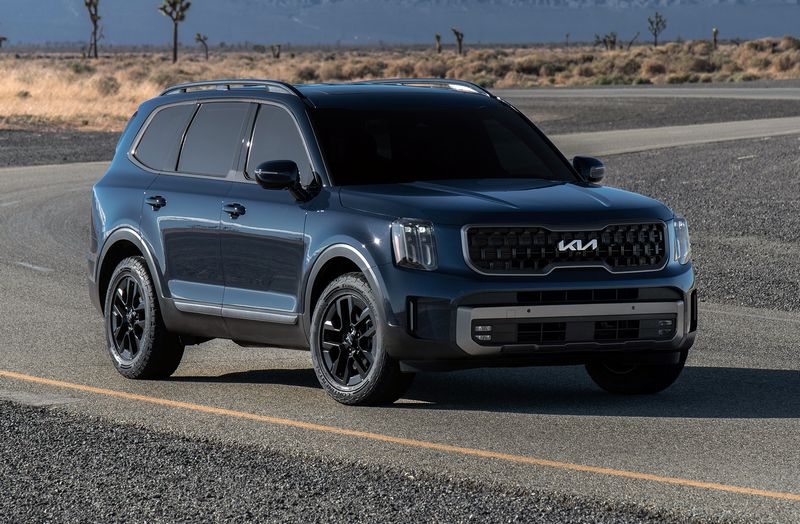
The Kia Telluride has become one of the most popular family SUVs in recent years. It offers upscale features, generous passenger space, and strong safety ratings at a price that is often lower than similarly equipped competitors.
2022–2023 Kia Telluride
The 2022–2023 Kia Telluride is a midsize three-row SUV designed with families in mind. It seats up to eight passengers and combines comfort, technology, and practicality in a package that appeals to both growing families and parents who simply want extra flexibility.
For families shopping on a budget, a used Telluride can offer many premium features without the cost of a brand-new luxury SUV.
Family-Friendly Features
The Telluride includes numerous features that simplify everyday family life.
Depending on the trim level, owners may find:
- Seating for seven or eight passengers;
- Multiple USB charging ports throughout the cabin;
- Tri-zone automatic climate control;
- Available captain's chairs in the second row;
- Rear-seat reminder systems;
- Large touchscreen infotainment systems;
- Apple CarPlay and Android Auto compatibility.
These features can make school drop-offs, sports practices, and road trips much more comfortable.
For example, parents traveling with teenagers often appreciate the additional charging ports and separate rear climate controls, while families with younger children may benefit from easier access to the third row.
Safety Ratings and Driver Assistance Technologies
Safety is one of the Telluride's strongest selling points.
The model earned excellent safety scores from independent testing organizations, helping it gain popularity among family buyers.
Available driver assistance technologies include:
- Forward collision avoidance assistance;
- Blind spot monitoring;
- Rear cross-traffic collision avoidance;
- Lane keeping assistance;
- Lane following assistance;
- Adaptive cruise control;
- Driver attention warning systems;
- Safe exit assist technology.
These systems are designed to support the driver and help reduce the likelihood of certain types of accidents.
For parents spending hours each week commuting between school, work, and extracurricular activities, these technologies can provide additional peace of mind.
Passenger and Cargo Space
One reason families continue to choose the Telluride is its impressive interior space.
Adults can comfortably use all three rows during shorter trips, while children often have ample room even during longer drives.
The cargo area is also practical.
Behind the third row, there is enough room for groceries, backpacks, or smaller strollers. Folding the third row significantly expands cargo capacity for larger items such as:
- Sports equipment;
- Vacation luggage;
- Folding wagons;
- Camping gear;
- Bulk shopping purchases.
Imagine loading the SUV for a family vacation with three children. The Telluride provides flexibility that many smaller crossovers simply cannot match.
Its combination of passenger comfort and cargo usability makes it particularly attractive to active families.
Reliability and Ownership Considerations
The Telluride has developed a solid reputation for owner satisfaction.
While no vehicle is completely free from maintenance needs, many owners report positive experiences related to overall dependability and comfort.
Routine maintenance costs are generally in line with other midsize SUVs in the segment.
However, families considering long-term ownership should still budget for:
- Tire replacements;
- Brake service;
- Fluid maintenance;
- Battery replacement;
- Unexpected repairs after warranty expiration.
As with any used vehicle purchase, individual ownership history matters significantly.
A well-maintained Telluride with documented service records may represent a better investment than a neglected vehicle with lower mileage.
What to Know Before Buying Used
The popularity of the Telluride means used examples can sometimes command higher prices than competing SUVs.
Because of this, buyers should avoid rushing into a purchase without proper research.
Before buying a used Telluride:
- Review the vehicle history report carefully;
- Confirm whether any recalls have been completed;
- Check maintenance documentation;
- Inspect tire and brake condition;
- Test all seating configurations and electronic features;
- Schedule a pre-purchase inspection with a trusted mechanic.
Families shopping through online auto auctions should pay close attention to title status, condition reports, and available photos before bidding.
Working with a service like BidNDrive can help buyers expand their search beyond local dealerships and potentially access better pricing opportunities. However, careful research remains essential.
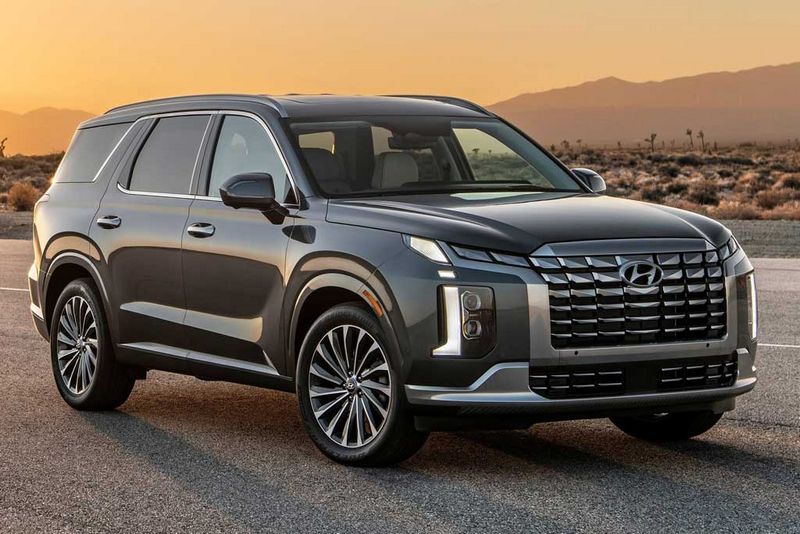
2022–2023 Hyundai Palisade
The 2022–2023 Hyundai Palisade has become a favorite among families looking for a comfortable and practical three-row SUV. It shares many similarities with the Kia Telluride but offers its own unique design and feature set. For parents who need plenty of passenger space without stepping into the luxury SUV market, the Palisade delivers impressive value.
Used Palisade models can be especially attractive for budget-conscious buyers because they often provide premium amenities at a lower price than new vehicles.
Family-Friendly Features
The Palisade was designed with families in mind. It offers flexible seating arrangements and numerous conveniences that simplify everyday routines.
Depending on the trim level, family-focused features may include:
- Seating for seven or eight passengers;
- Available second-row captain's chairs;
- Multiple USB charging ports;
- Rear-seat reminder systems;
- Power-folding third-row seats;
- Tri-zone automatic climate control;
- Hands-free power liftgate;
- Large touchscreen infotainment systems.
For busy households, these features can make daily life easier. Whether you're driving children to school, heading to soccer practice, or planning a weekend getaway, the Palisade adapts well to changing needs.
Families with several children often appreciate the generous number of cup holders, storage compartments, and charging options throughout the cabin.
Comfort and Convenience Highlights
One of the reasons many buyers choose the Palisade is its comfortable interior.
The cabin has an upscale feel, with high-quality materials and thoughtful design elements that make longer trips more enjoyable.
Comfort-focused highlights may include:
- Available heated and ventilated front seats;
- Heated second-row seats on higher trims;
- Quiet cabin insulation;
- Power-adjustable seating;
- Large windows that improve visibility;
- User-friendly controls and infotainment menus.
For example, parents taking a six-hour road trip with children may find that the Palisade's supportive seating and quiet ride significantly reduce travel fatigue.
Even during daily commuting, these comfort features contribute to a more pleasant ownership experience.
Child Seat Accessibility
Parents with young children know that installing car seats can quickly become frustrating if the vehicle layout is poorly designed.
Fortunately, the Palisade generally performs well in this area.
Features that improve child seat usability include:
- Easily accessible LATCH anchor points;
- Wide rear door openings;
- Spacious second-row seating;
- Available one-touch second-row access to the third row;
- Ample headroom for rear-facing car seats.
Families with multiple young children should still test their specific car seats before purchasing.
For example, a family with three children using a combination of infant carriers, convertible seats, and booster seats should verify that their preferred seating arrangement fits comfortably.
The Palisade's generous dimensions often make these situations easier to manage compared to smaller SUVs.
Common Ownership Considerations
While the Palisade has earned praise for its practicality and overall ownership experience, used-car shoppers should still perform careful research.
As with any vehicle, maintenance history and previous ownership matter.
Before purchasing, buyers should consider:
- Reviewing service records;
- Checking for completed recall work;
- Inspecting tire condition;
- Evaluating brake wear;
- Testing all electronic features;
- Reviewing the vehicle history report.
Routine ownership costs such as tires, brakes, oil changes, and scheduled maintenance should also be factored into the family budget.
Although the Palisade generally offers good overall value, higher trim levels with additional technology may involve greater repair costs if problems arise outside the warranty period.
Families shopping with a strict budget may wish to prioritize well-maintained mid-level trims that balance features and affordability.
Why It Appeals to Growing Families
The Hyundai Palisade appeals to growing families because it successfully combines comfort, flexibility, and practicality.
It works particularly well for households that:
- Have two or more children;
- Frequently transport grandparents or relatives;
- Participate in sports and extracurricular activities;
- Take regular family road trips;
- Need substantial cargo space without moving to a full-size SUV.
For example, parents expecting a third child may realize that their current two-row crossover no longer meets their needs. The Palisade offers additional seating and cargo flexibility without the intimidating size of some larger SUVs.
At the same time, families with only one or two children may appreciate the extra room as their children grow and activities expand.
The 2022–2023 Hyundai Palisade remains one of the strongest choices in the midsize family SUV segment. It delivers many of the features buyers expect from more expensive vehicles while maintaining a reputation for practicality and comfort.
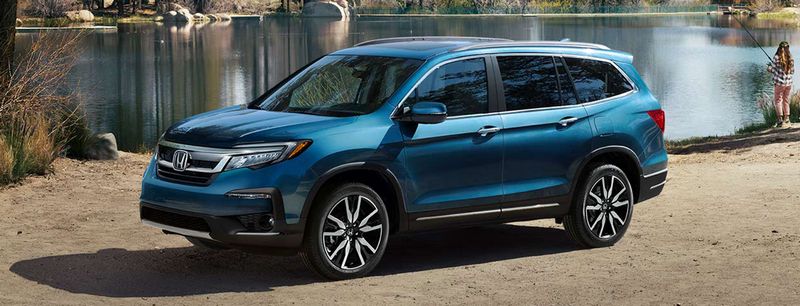
2022 Honda Pilot
The 2022 Honda Pilot is one of the most practical family SUVs in the midsize segment. Known for its reliability, spacious interior, and user-friendly design, the Pilot continues to attract families who want three rows of seating without the premium price tag of luxury SUVs.
For buyers focused on long-term value, the Pilot stands out as a vehicle that balances comfort, dependability, and everyday usability. A used 2022 Pilot can be especially appealing to families who need extra space but still want to keep ownership costs manageable.
Family-Friendly Features
Honda designed the Pilot with active families in mind. The SUV offers numerous features that simplify daily routines and improve comfort for both parents and children.
Family-oriented features may include:
- Seating for up to eight passengers;
- Available second-row captain's chairs;
- Tri-zone automatic climate control;
- Multiple USB charging ports;
- Rear-seat entertainment system on select trims;
- One-touch second-row seat access;
- Large center console storage area;
- Apple CarPlay and Android Auto compatibility.
These features support a variety of family activities, from school carpools to weekend road trips.
For example, parents transporting children to sports practice may appreciate the spacious cabin and multiple charging ports that help keep everyone's devices powered during busy days.
Third-Row Usability and Interior Versatility
One area where the Honda Pilot performs particularly well is interior flexibility.
Unlike some midsize SUVs that offer cramped third rows suitable only for occasional use, the Pilot provides a relatively accommodating third row for children and teenagers.
The second-row seats can slide and fold to improve access to the rear seats, making entry easier for younger passengers.
The Pilot's interior versatility includes:
- Configurable seating arrangements;
- Fold-flat rear seats;
- Multiple storage compartments;
- Wide rear door openings;
- Practical cargo management options.
For example, a family with three children may use the third row daily, while families with fewer passengers can fold the rear seats down to create additional cargo space for bicycles, camping equipment, or vacation luggage.
This adaptability is one reason the Pilot remains popular among growing families.
Safety and Reliability Reputation
Honda has built a strong reputation for producing reliable family vehicles, and the Pilot is no exception.
The 2022 Pilot offers numerous advanced safety technologies through Honda Sensing, which is standard on all trims.
Depending on the configuration, safety features may include:
- Collision mitigation braking system;
- Forward collision warning;
- Lane keeping assist;
- Road departure mitigation;
- Adaptive cruise control;
- Traffic sign recognition;
- Automatic high beams.
The Pilot has also performed well in various crash evaluations, making it a reassuring choice for families prioritizing occupant protection.
Beyond safety, reliability remains one of the Pilot's biggest strengths.
Many families specifically seek Honda vehicles because they believe regular maintenance will help them achieve years of dependable service.
For parents managing tight budgets, predictable reliability can be just as valuable as luxury amenities.
Fuel Economy Expectations
As a three-row SUV powered by a V6 engine, the Honda Pilot offers reasonable fuel efficiency for its size, although it is not the most economical option in the segment.
Fuel economy may vary depending on drivetrain configuration and driving habits.
Families should remember that:
- Frequent city driving generally increases fuel expenses;
- Highway travel often delivers better efficiency;
- All-wheel-drive models may consume slightly more fuel than front-wheel-drive versions.
For example, families who primarily use the Pilot for commuting and occasional road trips may find the operating costs acceptable. However, those with extremely long daily commutes may prefer hybrid alternatives if maximizing fuel savings is a top priority.
Even so, many buyers consider the Pilot's balance of space, performance, and efficiency to be a worthwhile trade-off.
What to Check Before Purchasing
If you are considering a used 2022 Honda Pilot, taking time to evaluate the vehicle carefully can help prevent expensive surprises later.
Important areas to review include:
- Vehicle history reports;
- Maintenance documentation;
- Tire condition and tread depth;
- Brake wear;
- Functionality of all safety systems;
- Operation of infotainment features;
- Third-row seat mechanisms;
- Condition of interior materials;
- Recall completion status.
A professional pre-purchase inspection is also highly recommended.
For example, a Pilot with complete maintenance records and a clean inspection report may represent a better investment than a lower-priced vehicle with an uncertain history.
Families purchasing through online auto auctions should pay particular attention to title information, condition reports, and available photographs before bidding.
Services like BidNDrive can help families access a broader selection of vehicles beyond local dealerships, potentially increasing the chances of finding a well-equipped Pilot at a competitive price.
2019–2022 Toyota Sienna
The 2019–2022 Toyota Sienna is one of the most practical family vehicles on the used market. While some buyers overlook minivans because they prefer the look of an SUV, the Sienna often makes more sense for real family life. It offers easy access, flexible seating, strong cargo space, and Toyota’s reputation for long-term durability.
For families trying to save money, a used Sienna can be a smart alternative to a large SUV. It gives you plenty of room without the same fuel and ownership costs that often come with bigger three-row vehicles.
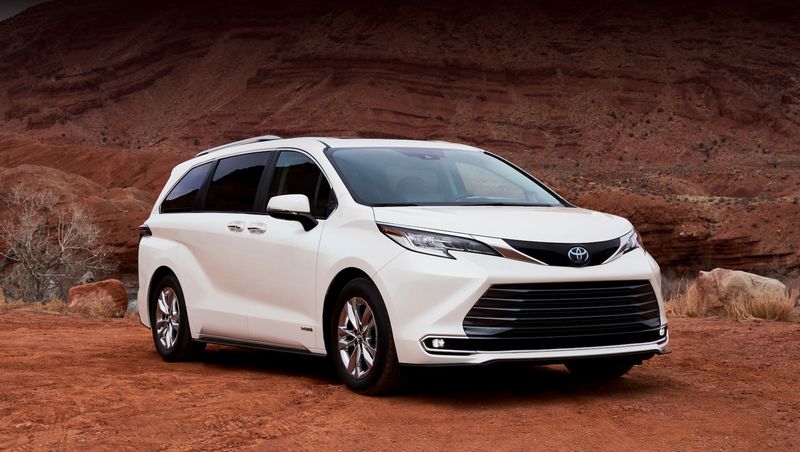
Family-Friendly Features
The Toyota Sienna is built around family convenience.
Depending on the model year and trim, it may include:
- Seating for seven or eight passengers;
- Dual sliding rear doors;
- Available power sliding doors;
- Tri-zone climate control;
- Multiple USB ports;
- Rear-seat entertainment on some trims;
- Available built-in navigation;
- Rearview camera;
- Driver assistance features on newer models.
The sliding doors are one of the biggest everyday advantages. In tight parking lots, parents can load children into car seats without worrying about wide doors hitting nearby vehicles.
For example, if you are buckling a toddler into a car seat while holding a diaper bag and groceries, a minivan layout can make the process much easier than a traditional SUV.
Advantages of a Minivan for Large Families
Minivans are often the most practical choice for large families.
The Sienna offers a low floor, wide door openings, and easier third-row access than many SUVs. This makes it helpful for children, grandparents, and anyone who does not want to climb into a higher vehicle.
Large families may appreciate:
- Easier access to the second and third rows;
- More comfortable passenger space;
- Better use of interior room;
- Lower step-in height;
- Wide cargo opening;
- Strong storage options throughout the cabin.
For families with three or more children, the Sienna can feel less crowded than many midsize SUVs.
It is also useful for carpooling, school runs, and family trips where every seat may be occupied.
Hybrid Efficiency Benefits
The 2019–2020 Toyota Sienna used a traditional gasoline V6 engine. Starting with the 2021 model year, the Sienna became hybrid-only.
This is important for used buyers because the 2021–2022 Sienna can offer much better fuel efficiency than many older minivans and large SUVs.
For families who drive often, fuel savings can be meaningful.
For example, parents who commute daily, drive children to school, attend sports practices, and take weekend trips may spend less on fuel with a hybrid Sienna compared to a larger gas-powered SUV.
The hybrid system also makes the Sienna appealing for families who want space but do not want high fuel bills.
However, buyers should still consider driving style, local fuel prices, and maintenance history before deciding.
Cargo Capacity and Seating Configurations
Cargo space is one of the Sienna’s strongest advantages.
Even with all seats in use, the Sienna offers practical room behind the third row. When the third row is folded, cargo capacity increases significantly.
This makes it useful for:
- Strollers;
- Groceries;
- Sports bags;
- School projects;
- Vacation luggage;
- Folding chairs;
- Camping gear.
The seating layout can also adapt to different needs.
Families may use all rows for passengers during the week, then fold seats for larger cargo on the weekend.
For example, one day the Sienna may carry children and friends to school. The next day, it may haul furniture, bikes, or supplies for a family event.
This flexibility is one reason many families keep minivans longer than expected.
Things to Consider When Buying Used
A used Toyota Sienna can be a strong value, but buyers should still inspect it carefully.
Start with the vehicle history report. Look for accidents, title issues, mileage records, and previous ownership details.
Also check:
- Maintenance records;
- Tire and brake condition;
- Sliding door operation;
- Power liftgate function if equipped;
- Seat folding mechanisms;
- Air conditioning performance;
- Hybrid system history on 2021–2022 models;
- Recall completion status.
For older 2019–2020 V6 models, check for smooth transmission operation and regular maintenance. For 2021–2022 hybrid models, confirm that the hybrid system has no warning lights and that all service records are available.
A pre-purchase inspection is strongly recommended, especially if buying through an auction.
Families using BidNDrive can search a wider selection of used Sienna models from online auto auctions, which may help them find better pricing than local dealerships. The key is to compare condition, mileage, title status, and total costs before bidding.
2019–2022 Honda Odyssey
The 2019–2022 Honda Odyssey is one of the most family-focused minivans available on the used market. It may not have the SUV image some buyers prefer, but for everyday parenting tasks, it is hard to beat. The Odyssey offers easy cabin access, smart seating, strong storage space, and practical features designed around real family needs.
For budget-conscious families, a used Odyssey can deliver excellent value. It gives you space and comfort without moving into a large SUV that may cost more to fuel, insure, and maintain.
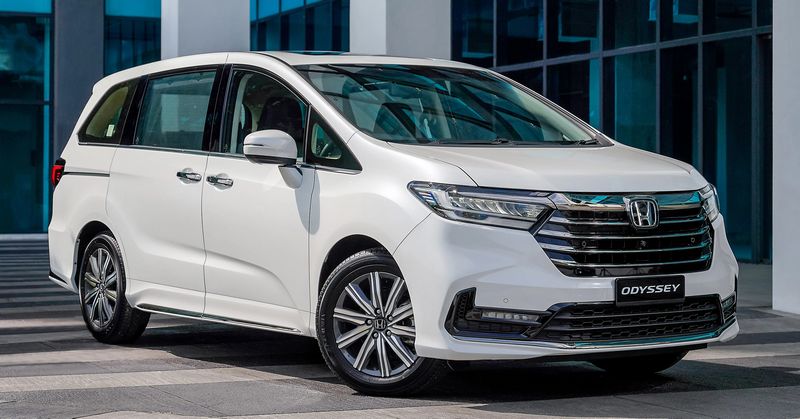
Family-Friendly Features
The Honda Odyssey is built to make family life easier.
Depending on the trim level, common family-friendly features may include:
- Seating for up to eight passengers;
- Dual sliding rear doors;
- Available power sliding doors;
- Tri-zone automatic climate control;
- Rear-seat entertainment system on some trims;
- CabinTalk in-car PA system on select trims;
- Multiple USB ports;
- Large storage areas;
- Rearview camera;
- Honda Sensing safety features on many models.
Sliding doors are one of the biggest benefits for parents. They make it easier to load children into car seats in tight parking spaces. They also reduce the risk of children opening rear doors into nearby cars.
For example, a parent doing daycare drop-off with a toddler, backpack, lunch bag, and stroller can move much more easily in an Odyssey than in many three-row SUVs.
Magic Slide Seating System Benefits
One of the Odyssey’s most useful features is the available Magic Slide second-row seating system.
This system allows the second-row seats to move side to side as well as forward and backward. For families, that flexibility can make a big difference.
The Magic Slide system can help with:
- Easier access to the third row;
- Better spacing between children;
- Simpler car seat installation;
- More flexible passenger arrangements;
- Easier reach for parents from the front seats.
For example, if one child is in a rear-facing car seat and another needs access to the third row, the Magic Slide system can help create a better layout without removing seats completely.
Families with multiple young children may find this feature especially valuable. It can reduce daily frustration and make the cabin feel more adaptable.
Entertainment and Convenience Features
Long drives with children are easier when the vehicle offers comfort and entertainment features.
Higher trims of the Odyssey may include a rear-seat entertainment system, built-in apps, wireless headphones, and family-focused communication features.
Convenience features may include:
- Apple CarPlay and Android Auto;
- Rear-seat entertainment screen;
- CabinWatch rear-seat camera on select trims;
- CabinTalk speaker system on select trims;
- Power liftgate;
- Built-in vacuum on some earlier trims;
- Multiple cup holders and storage bins.
For example, during a long road trip, rear entertainment can help keep children occupied while parents focus on driving. CabinTalk can also make it easier to speak to passengers in the back rows without raising your voice.
Not every family needs every feature. Buyers on a tighter budget may prefer a lower or mid-level trim with strong basics rather than paying more for options they rarely use.
Reliability and Maintenance Factors
The Honda Odyssey has a strong reputation as a dependable family minivan, but used buyers should still pay close attention to maintenance history.
Like any vehicle, its reliability depends heavily on how it was cared for by previous owners.
Important maintenance areas include:
- Regular oil changes;
- Transmission service history;
- Brake condition;
- Tire wear;
- Sliding door operation;
- Battery condition;
- Suspension components;
- Air conditioning performance.
Because minivans often serve as daily family workhorses, some used examples may show heavy interior wear. Check seat fabric or leather, carpets, door tracks, cup holders, and cargo areas carefully.
A used Odyssey with complete service records and a clean inspection report may be a much better buy than a cheaper one with missing history.
Families shopping through online auto auctions should also review title status, accident history, mileage, and photos before bidding.
Ideal Family Use Cases
The Honda Odyssey works especially well for families that prioritize practicality over image.
It is a strong choice for:
- Families with two or more children;
- Parents using multiple car seats;
- Households that carpool often;
- Families that take road trips;
- Buyers who need easy third-row access;
- Parents who carry strollers, sports gear, or luggage regularly.
For example, a family with three children may find that an Odyssey is easier to live with than a midsize SUV. The sliding doors, low floor, wide cabin, and flexible second row can make daily routines smoother.
It can also work well for families who regularly transport grandparents, friends, or teammates.
The 2019–2022 Honda Odyssey is not just a minivan. It is a practical family tool built around real-life needs. For buyers who want maximum space, easy access, strong comfort, and a reputation for long-term usability, the Odyssey remains one of the smartest used family vehicle choices.
2022 Toyota RAV4
The 2022 Toyota RAV4 is a strong choice for smaller families that want a practical SUV without moving into a larger and more expensive three-row vehicle. It offers good fuel economy, useful cargo space, Toyota’s reputation for reliability, and enough comfort for everyday driving.
For families with one or two children, the RAV4 can be a smart balance between price, space, and ownership costs. It is easier to park than larger SUVs, usually costs less to fuel, and still provides the flexibility many parents need.
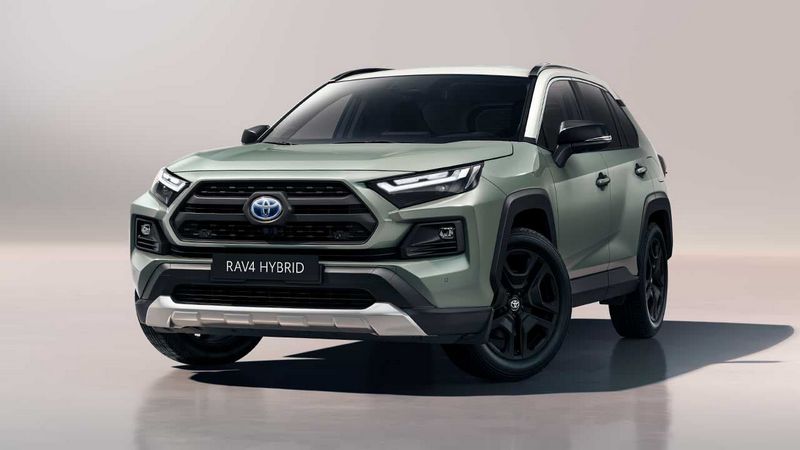
Family-Friendly Features
The 2022 RAV4 includes many features that work well for daily family use.
Depending on the trim level, family-friendly features may include:
- Seating for five passengers;
- Toyota Safety Sense driver assistance features;
- Apple CarPlay and Android Auto;
- Available all-wheel drive;
- Rearview camera;
- Available power liftgate;
- Multiple USB ports;
- Fold-flat rear seats;
- Good rear-seat space for a compact SUV.
For example, a parent who drives one child to school, stops for groceries, and commutes to work may find the RAV4 easy to live with. It has enough space for daily needs without the higher fuel and parking challenges of a larger SUV.
The cabin layout is simple and practical, which can be a major benefit for families who want a vehicle that feels easy to use.
Why It Works Well for Smaller Families
The RAV4 is best suited for smaller households.
It works especially well for:
- Couples with one child;
- Families with two younger children;
- Parents who do not need a third row;
- Drivers who want an easy-to-park SUV;
- Families with moderate cargo needs.
A family with one toddler may have enough room for a car seat, stroller, diaper bag, and groceries. A family with two school-age children may also find the space comfortable for daily use.
However, families with three children, multiple car seats, or frequent carpool needs may find the RAV4 too small. In those cases, a midsize SUV or minivan may be a better long-term choice.
The RAV4 is ideal when you want SUV practicality but do not want to pay for space you rarely use.
Fuel Economy and Hybrid Availability
Fuel economy is one of the RAV4’s biggest advantages over larger family vehicles.
The standard gasoline version offers competitive efficiency for a compact SUV, while the RAV4 Hybrid provides even better fuel savings.
For families driving often, this can make a real difference.
For example, parents who drive to school, work, grocery stores, and weekend activities every week may save noticeable money with a RAV4 Hybrid compared to a larger three-row SUV.
The hybrid model can be especially attractive for city driving because hybrid systems often perform well in stop-and-go traffic.
When buying used, compare the gasoline and hybrid versions carefully. Hybrid models may cost more upfront, but lower fuel expenses can help balance the difference over time.
Cargo Space and Everyday Practicality
The 2022 Toyota RAV4 offers practical cargo space for its size.
The rear cargo area can handle groceries, backpacks, small strollers, sports bags, and luggage for shorter family trips.
Folding the rear seats creates more room for larger items, such as:
- Camping gear;
- Small furniture;
- Bicycles with wheels removed;
- Bulk shopping items;
- Suitcases for a weekend trip.
For example, a family going on a short beach trip can usually fit bags, towels, toys, and a cooler without much trouble.
The cargo floor is also easy to load compared to taller SUVs. This helps when lifting heavy bags, boxes, or strollers.
For everyday family life, the RAV4 delivers a useful amount of space without feeling oversized.
Common Strengths and Weaknesses
The RAV4 has several strengths that make it appealing to families.
Key strengths include:
- Strong reliability reputation;
- Good fuel economy;
- Available hybrid model;
- Practical cargo area;
- Easy driving size;
- Strong resale value;
- Standard driver assistance features.
However, buyers should also consider its limitations.
Common weaknesses may include:
- No third-row seating;
- Less rear-seat space than midsize SUVs;
- Road noise on some trims;
- Higher used prices due to strong demand;
- Hybrid models may be more expensive to buy.
For budget-conscious families, the biggest challenge may be finding a used RAV4 at the right price. Because it holds value well, used examples can sometimes cost more than competing compact SUVs.
Before buying, review the vehicle history report, check maintenance records, inspect tire and brake condition, and confirm that all safety systems work properly.
Families shopping through BidNDrive may be able to compare RAV4 listings from online auto auctions and expand their search beyond local dealerships. This can help buyers find more options and potentially save money.
2023 Nissan Pathfinder
The 2023 Nissan Pathfinder is a practical three-row SUV for families that need more space than a compact crossover but do not want to move into a full-size SUV. It offers a strong V6 engine, flexible seating, useful safety features, and enough comfort for daily driving and family trips.
For budget-conscious buyers, a used Pathfinder can be worth considering because it may cost less than some high-demand rivals while still offering many family-friendly benefits.
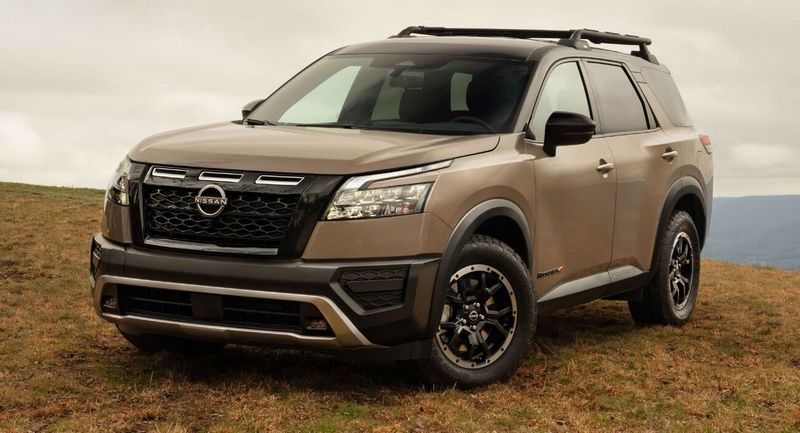
Family-Friendly Features
The 2023 Pathfinder includes many features that make it easier to live with as a family vehicle.
Depending on the trim level, family-friendly features may include:
- Seating for seven or eight passengers;
- Available second-row captain’s chairs;
- Tri-zone automatic climate control;
- Multiple USB ports;
- Apple CarPlay and Android Auto;
- Rear door alert system;
- Available panoramic moonroof;
- Available power liftgate;
- Easy-to-use infotainment controls.
For example, a family with two children and occasional grandparents riding along may appreciate the extra seating flexibility. During the week, the third row can stay folded for cargo space. On weekends, it can be used for relatives, friends, or school carpooling.
The Pathfinder also feels more manageable than many full-size SUVs, which helps in parking lots and city driving.
Three-Row Comfort and Accessibility
The Pathfinder provides three rows of seating, but families should think carefully about how often the third row will be used.
The first and second rows are comfortable for daily use. The third row is best suited for children or smaller passengers, especially on longer trips.
The available second-row captain’s chairs make third-row access easier. Some versions also allow easier second-row movement even with certain child seats installed, which can be helpful for parents.
Family-friendly seating advantages include:
- Flexible seven- or eight-passenger layouts;
- Easy access to the rear seats;
- Good second-row space;
- Fold-flat rear seats;
- Useful cargo room when the third row is folded.
For example, if your family has two children and often carries a friend after school, the Pathfinder can work very well. If you need all three rows filled every day with older children or adults, a larger SUV or minivan may be more comfortable.
Safety Technologies and Driver Assistance
The 2023 Nissan Pathfinder offers a strong list of safety and driver assistance features.
Depending on the trim, available or standard systems may include:
- Automatic emergency braking;
- Blind spot warning;
- Rear cross-traffic alert;
- Lane departure warning;
- Rear automatic braking;
- Intelligent cruise control;
- Around View Monitor on higher trims;
- ProPILOT Assist on select models.
These features can be especially useful for parents who spend a lot of time in traffic, parking lots, and school drop-off lines.
For example, blind spot warning and rear cross-traffic alert can help when backing out of a crowded parking space with limited visibility. Automatic emergency braking can add another layer of support during sudden stops.
Safety technology does not replace careful driving, but it can make daily family use less stressful.
Towing Capability for Active Families
One advantage of the Pathfinder is its towing capability.
When properly equipped, the 2023 Pathfinder can tow enough for many family recreation needs, such as a small camper, utility trailer, personal watercraft, or lightweight boat.
This can make it appealing for active families that enjoy weekend trips, camping, or outdoor hobbies.
For example, a family that wants one vehicle for school runs during the week and towing a small trailer on the weekend may find the Pathfinder more versatile than many smaller crossovers.
However, towing adds stress to a vehicle. Used buyers should check whether the vehicle was used for heavy towing and whether maintenance was performed on time.
If towing is part of your plan, confirm the exact tow rating for the specific trim and equipment package before buying.
What to Know Before Buying
Before buying a used 2023 Nissan Pathfinder, review the vehicle carefully.
Important checks include:
- Vehicle history report;
- Title status;
- Accident history;
- Maintenance records;
- Tire and brake condition;
- Transmission performance;
- Safety system operation;
- Third-row seat function;
- Recall completion status;
- Evidence of heavy towing use.
During a test drive, pay attention to smooth shifting, braking feel, steering response, and any unusual noises.
Families should also test the seating layout with their real needs in mind. Bring your child seats if possible, check third-row access, and make sure the cargo space works for strollers, sports gear, or luggage.
Because the Pathfinder may not hold resale value as strongly as some Toyota or Honda competitors, used buyers may find more attractive prices. That can be a benefit for families trying to save money.
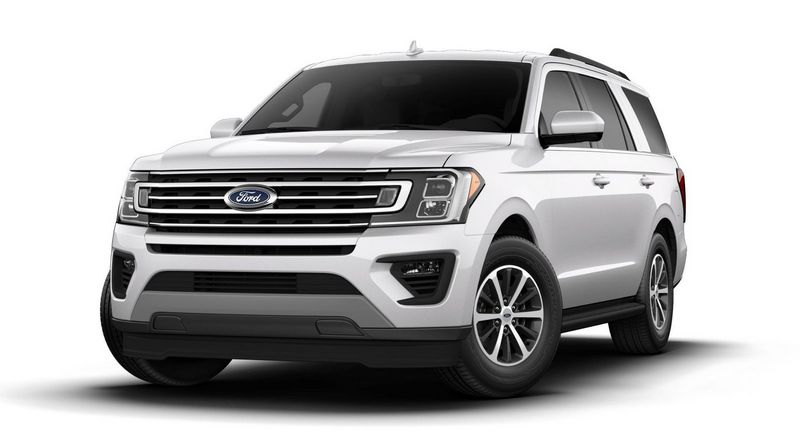
2020 Ford Expedition
The 2020 Ford Expedition is a full-size SUV built for families that need serious space, strong towing capability, and a comfortable cabin for long drives. It is much larger than most midsize SUVs, which makes it useful for big households, road trips, and active families with a lot of gear.
For budget-conscious buyers, a used Expedition can offer excellent utility, but it is important to understand the higher fuel, tire, maintenance, and insurance costs that may come with owning a vehicle this size.
Family-Friendly Features
The 2020 Expedition offers many features that make it practical for family use.
Depending on the trim level, family-friendly features may include:
- Seating for seven or eight passengers;
- Available second-row captain’s chairs;
- Tri-zone automatic climate control;
- Multiple USB ports;
- Apple CarPlay and Android Auto;
- Available rear-seat entertainment system;
- Power-folding third-row seats;
- Large center console storage;
- Available hands-free liftgate;
- Ford Co-Pilot360 driver assistance features.
For example, a family with four children may appreciate the ability to give everyone more personal space. Parents may also value the large storage areas for snacks, chargers, school items, and travel supplies.
The Expedition feels especially useful when every seat is occupied and there is still a need for usable cargo space.
Space Advantages for Larger Families
Space is one of the biggest reasons families choose the Expedition.
Unlike many midsize three-row SUVs, the Expedition offers a roomy third row that can work for older children, teenagers, and even adults on shorter or moderate trips.
The Expedition Max version provides even more cargo room behind the third row, which can be a major advantage for large families.
Space advantages include:
- Comfortable three-row seating;
- More third-row legroom than many midsize SUVs;
- Wide cabin layout;
- Strong cargo capacity;
- Easier packing for long trips;
- Flexible seat folding.
For example, a family of six going on vacation may struggle to fit passengers and luggage into a midsize SUV. The Expedition, especially the Max version, can make that same trip much easier.
This extra space can reduce stress during daily use and long-distance travel.
Cargo and Towing Capabilities
The Expedition is also a strong option for families that tow or carry heavy loads.
It can handle many recreational needs, including trailers, small boats, campers, and utility trailers when properly equipped.
This makes it useful for families who enjoy:
- Camping;
- Boating;
- Road trips;
- Sports tournaments;
- Outdoor recreation;
- Moving larger household items.
For example, a family that wants one vehicle for school drop-offs during the week and towing a camper on weekends may find the Expedition more capable than smaller SUVs.
The cargo area is also highly practical. Even with three rows in use, the Expedition provides useful space. Folding the rear seats opens up a large cargo area for luggage, sports gear, tools, or bulky items.
Before buying, confirm the exact towing capacity for the trim, drivetrain, and equipment package. Towing limits can vary depending on configuration.
Fuel Costs and Ownership Considerations
The Expedition is spacious and powerful, but it is not the cheapest family vehicle to own.
Families should budget for higher running costs compared to compact SUVs, midsize SUVs, and minivans.
Ownership costs may include:
- Higher fuel expenses;
- Larger tire replacement costs;
- Higher brake service costs;
- More expensive insurance;
- Higher maintenance costs;
- Possible repair costs after warranty expiration.
For example, a parent may find a used Expedition at an attractive auction price, but fuel costs can quickly become a concern if the vehicle is used for long daily commutes.
Parking and maneuverability should also be considered. The Expedition is large, so it may feel less convenient in tight city streets, narrow garages, and crowded school parking lots.
A pre-purchase inspection is important because repairs on full-size SUVs can become expensive.
Best Situations for Choosing an Expedition
The 2020 Ford Expedition makes the most sense for families that truly need its size and capability.
It can be a strong choice for:
- Large families;
- Families with teenagers;
- Buyers who tow trailers or boats;
- Households that take frequent road trips;
- Families needing real third-row comfort;
- Buyers who carry lots of gear;
- People who prefer SUV capability over a minivan.
It may not be the best fit for families with one or two children who mainly drive in the city and want low running costs. In that case, a Toyota RAV4, Honda CR-V, Toyota Sienna, or Honda Odyssey may be more practical and affordable.
However, for families that need maximum room and towing strength, the Expedition can be hard to beat.
When shopping for a used Expedition through BidNDrive or other online auction sources, compare title status, mileage, service history, accident records, and total cost after fees and transportation. A low purchase price only becomes a good deal if the vehicle is mechanically sound and fits your family’s real budget.
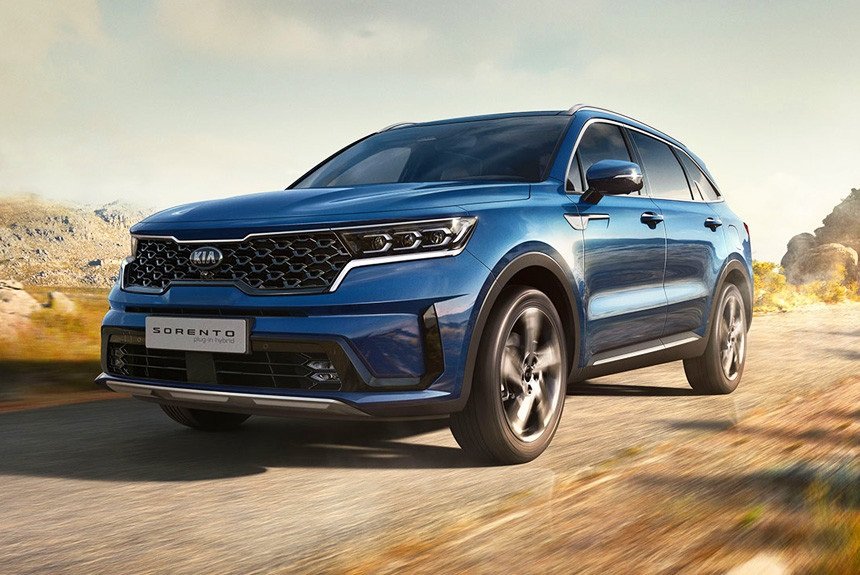
2024 Kia Sorento
The 2024 Kia Sorento is a good option for families that want three-row flexibility but do not need a large SUV every day. It is smaller than vehicles like the Kia Telluride, Hyundai Palisade, or Ford Expedition, which makes it easier to park and more manageable in city driving.
For budget-conscious families, the Sorento can be attractive because it offers modern technology, available fuel-saving powertrains, and occasional third-row seating without the size and cost of a full-size family SUV.
Family-Friendly Features
The 2024 Sorento offers many features that fit daily family life.
Depending on the trim level, family-friendly features may include:
- Seating for six or seven passengers;
- Available second-row captain’s chairs;
- Apple CarPlay and Android Auto;
- Multiple USB ports;
- Available wireless phone charging;
- Available power liftgate;
- Rear-seat reminder;
- Dual-zone or available advanced climate control;
- Fold-flat rear seating;
- Driver assistance features.
For example, a family with two children may use the third row only when a grandparent, cousin, or friend rides along. During normal weekdays, the third row can stay folded to create more cargo space for groceries, backpacks, and sports gear.
This makes the Sorento useful for families that want flexibility without buying a bigger SUV than they need.
Compact Size With Three-Row Flexibility
The Sorento’s biggest advantage is its balance of size and seating.
It is not as spacious as larger three-row SUVs, but that is also part of its appeal. It feels easier to drive, easier to park, and less bulky in daily traffic.
The third row is best for children or short trips. Adults may find it tight, especially on longer drives.
This layout works well for:
- Families with one or two children;
- Parents who occasionally need extra seats;
- Buyers who want lower ownership costs than a large SUV;
- City drivers who need easier parking;
- Families who do not use the third row every day.
For example, if you usually drive with two kids but sometimes pick up another child after school, the Sorento can be a smart fit. If you need three rows filled every day, a Telluride, Palisade, Sienna, or Odyssey may be more practical.
Technology and Safety Equipment
The 2024 Kia Sorento offers modern technology that can make family driving easier and safer.
Depending on the trim, available or standard safety features may include:
- Forward collision avoidance assistance;
- Blind spot collision warning;
- Rear cross-traffic collision avoidance;
- Lane keeping assist;
- Lane following assist;
- Driver attention warning;
- Safe exit assist;
- Adaptive cruise control on select trims;
- Surround-view camera on higher trims.
These features are helpful in common family driving situations, such as school zones, parking lots, highway traffic, and busy intersections.
For example, rear cross-traffic alert can help when backing out of a crowded grocery store parking space. Blind spot monitoring can be useful when changing lanes with children talking in the back seat.
Technology features may also include a large touchscreen, navigation on some trims, digital displays, and smartphone connectivity. For families, simple and reliable tech can make daily driving less stressful.
Available Powertrain Options
One reason the Sorento stands out is its range of powertrain options.
Depending on the model and availability, buyers may find gas, hybrid, and plug-in hybrid versions.
This gives families more flexibility based on their budget and driving habits.
Gas models may offer a lower purchase price and simpler ownership experience. Hybrid models can help reduce fuel costs, especially for families who drive often. Plug-in hybrid versions may be useful for short daily commutes if the owner can charge at home.
For example, a parent who drives short distances to school, work, and stores may benefit from a hybrid or plug-in hybrid Sorento. A family that wants the lowest upfront cost may choose a standard gas version instead.
When shopping used or at auction, compare the purchase price with expected fuel savings. A hybrid may save money over time, but only if the price difference makes sense for your driving needs.
Key Considerations for Buyers
The 2024 Kia Sorento is practical, but buyers should understand its limits before purchasing.
Key points to consider include:
- The third row is small compared to larger SUVs;
- Cargo space is limited when all seats are in use;
- Hybrid and plug-in hybrid models may cost more;
- Higher trims can become expensive;
- Availability may vary depending on market demand;
- Used prices may still be strong because the model is newer.
Before buying, families should test the seating layout carefully. Bring child seats if possible, check third-row access, and see how much cargo space remains with all rows raised.
Also review:
- Vehicle history report;
- Title status;
- Maintenance records;
- Tire and brake condition;
- Recall completion status;
- Warranty coverage;
- Battery warranty details on hybrid or plug-in hybrid versions.
For families shopping through BidNDrive, the Sorento can be a smart model to watch at online auto auctions. It may offer modern family features at a lower price than larger three-row SUVs, especially if you are flexible on trim, mileage, color, or location.
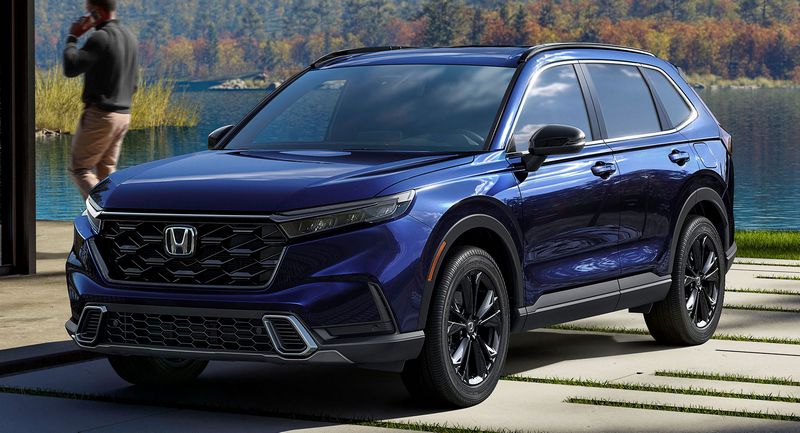
2022–2023 Honda CR-V
The 2022–2023 Honda CR-V is one of the most practical compact SUVs for families that do not need three rows of seating. It offers a comfortable cabin, strong cargo space for its size, good fuel economy, and Honda’s well-known reputation for long-term reliability.
For budget-conscious families, the CR-V can be a smart choice because it keeps ownership costs reasonable while still offering enough room for children, groceries, strollers, school bags, and weekend trips.
Family-Friendly Features
The Honda CR-V is designed around simple everyday usability.
Depending on the model year and trim level, family-friendly features may include:
- Seating for five passengers;
- Honda Sensing safety features;
- Apple CarPlay and Android Auto;
- Rearview camera;
- Available blind spot monitoring;
- Available power liftgate;
- Multiple USB ports;
- Spacious rear seats;
- Fold-flat rear seatbacks.
For example, a family with one or two children may find the CR-V easier to live with than a larger SUV. It has enough space for daily routines but still feels easy to park, fuel, and maintain.
Parents may also appreciate the wide rear door openings, which make it easier to load children into car seats.
Practicality and Everyday Comfort
The CR-V is popular because it does the basics very well.
It provides a smooth ride, comfortable seats, simple controls, and a cabin layout that feels easy to use. Families do not need to learn complicated systems just to adjust the climate control or connect a phone.
Everyday comfort matters when the vehicle is used for:
- School drop-offs;
- Work commutes;
- Grocery shopping;
- Doctor visits;
- Weekend activities;
- Short road trips.
The rear seat space is one of the CR-V’s biggest advantages in the compact SUV class. Children have room to grow, and adults can sit in the back comfortably on shorter trips.
The cargo area is also practical for a compact SUV. It can handle strollers, sports bags, luggage, and shopping bags without feeling cramped.
Reliability and Resale Value
Reliability is one of the main reasons families continue to choose the Honda CR-V.
Honda vehicles often appeal to buyers who want a car they can keep for many years with regular maintenance. This matters for families trying to avoid surprise repair bills and early replacement costs.
The CR-V also tends to hold its value well, which can help when it is time to sell or trade the vehicle.
For example, a family may pay more for a used CR-V than for some competing compact SUVs, but the stronger resale value and reliability reputation may help balance that cost over time.
When buying used, condition still matters. A well-maintained CR-V with service records is usually a better choice than a cheaper one with accident history, poor maintenance, or unclear mileage.
Fuel Efficiency Advantages
Fuel efficiency is another strong point for the CR-V.
Both 2022 and 2023 models offer reasonable fuel economy for family use, and hybrid versions are available for buyers who want even better efficiency.
This can be important for families who drive often.
For example, parents who commute daily and also handle school pickup, sports practice, grocery trips, and weekend errands can save money over time with a fuel-efficient SUV.
The CR-V Hybrid may be especially attractive for families who do a lot of city driving, where hybrid systems can help reduce fuel use.
Before choosing between gas and hybrid versions, compare the purchase price, expected fuel savings, maintenance history, and how many miles your family drives each year.
Why Families Continue to Choose the CR-V
Families choose the Honda CR-V because it is practical, dependable, and easy to own.
It is not the largest family vehicle, and it does not offer a third row. But for smaller families, it delivers a strong mix of space, safety, comfort, fuel economy, and long-term value.
The CR-V is a good fit for:
- Families with one or two children;
- Parents who want low running costs;
- Buyers who do not need towing capability;
- Drivers who want easy parking;
- Families looking for strong resale value;
- People who want a vehicle that feels simple and reliable.
For buyers shopping through online auto auctions, the CR-V can be a model worth watching. Demand is often strong, so prices may not always be the lowest. However, BidNDrive can help families compare more listings beyond local dealerships and look for better opportunities based on mileage, condition, title status, and location.
Family Car Categories: Which One Fits Your Lifestyle?
The best family car is the one that matches your real routine. A family with one child and a short commute may not need the same vehicle as a family of six that travels every weekend. Before choosing a model, it helps to understand the main family car categories and where each one makes the most sense.
Thinking by category can also help you avoid overspending. Instead of buying the biggest or newest vehicle available, focus on the type of car that gives your family enough safety, space, comfort, and value.
Best 2-Row Family SUVs
Two-row SUVs are a great fit for smaller families that need practical space but do not need a third row.
Popular options include models like the Honda CR-V, Toyota RAV4, Mazda CX-5, Subaru Forester, and Hyundai Tucson. These vehicles usually seat five people and offer enough cargo room for groceries, backpacks, strollers, sports bags, and weekend luggage.
A 2-row SUV may be the right choice if you:
- Have one or two children;
- Want better fuel economy than a larger SUV;
- Need easy parking;
- Do not carpool often;
- Want lower insurance and maintenance costs.
For example, a family with one toddler may find a Toyota RAV4 or Honda CR-V more than enough for school runs, daycare drop-offs, and family errands. Buying a larger three-row SUV in this situation may only add extra fuel costs and a higher purchase price.
For budget-conscious buyers, 2-row SUVs often provide one of the best balances between comfort and ownership cost.
Best 3-Row Family SUVs
Three-row SUVs are useful for families that need extra seats but still want SUV styling, higher ground clearance, and available towing capability.
Good examples include the Kia Telluride, Hyundai Palisade, Honda Pilot, Nissan Pathfinder, Toyota Highlander, and Ford Expedition.
A 3-row SUV may make sense if you:
- Have three or more children;
- Need room for grandparents or relatives;
- Participate in carpools;
- Take frequent road trips;
- Want more passenger flexibility;
- Need towing capacity for trailers or boats.
For example, a family with three school-age children may need a third row for daily comfort. A midsize SUV like a Honda Pilot or Hyundai Palisade can make the cabin feel less crowded than a compact crossover.
However, not all third rows are equal. Some are best for small children, while others can handle teenagers or adults more comfortably. Always test the third row before buying, especially if you plan to use it often.
Why Minivans Still Make Sense
Minivans may not look as rugged as SUVs, but they are often the most practical family vehicles available.
Models like the Toyota Sienna, Honda Odyssey, Chrysler Pacifica, and Kia Carnival are designed around family life. They offer wide sliding doors, low step-in height, spacious interiors, and excellent cargo flexibility.
A minivan may be the better choice if you:
- Have multiple young children;
- Use car seats every day;
- Need easy third-row access;
- Carry strollers or sports gear often;
- Want maximum space for the money;
- Take long family trips.
For example, loading two children into car seats in a tight parking lot is usually easier with sliding doors than with traditional SUV doors. A minivan also makes it easier for children to climb in and out by themselves.
For families trying to save money, a used minivan can sometimes offer more space and comfort than a similarly priced SUV.
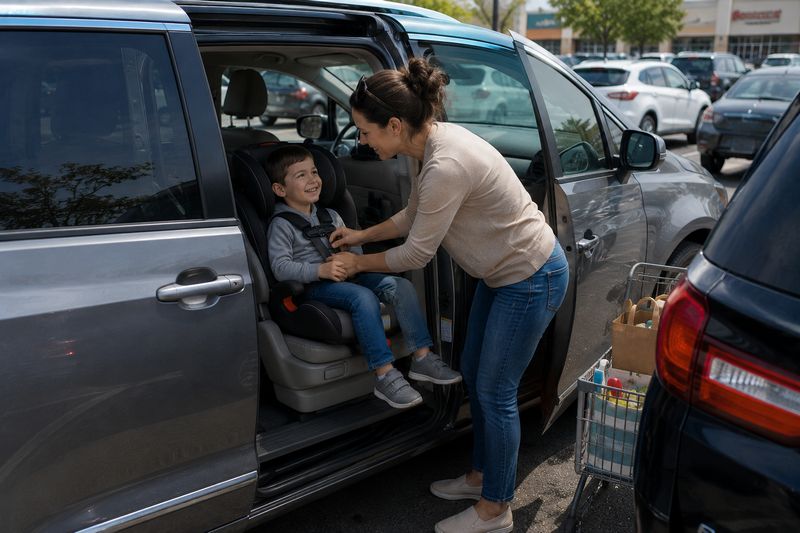
Are Hybrid Family Cars Worth Considering?
Hybrid family cars can be a smart choice for buyers who want lower fuel costs without giving up practicality.
Popular hybrid family options include the Toyota Sienna Hybrid, Toyota Highlander Hybrid, Toyota RAV4 Hybrid, Honda CR-V Hybrid, and Kia Sorento Hybrid.
A hybrid may be worth considering if you:
- Drive often;
- Spend a lot on fuel;
- Do a mix of city and highway driving;
- Want better efficiency than a large gas SUV;
- Plan to keep the vehicle for several years.
For example, a parent who drives children to school, commutes to work, runs errands, and travels on weekends may save money over time with a hybrid. The savings can be especially helpful when gas prices rise.
However, hybrids may cost more upfront. Used buyers should compare the purchase price with expected fuel savings. It is also important to check maintenance records, hybrid battery warranty coverage, and overall vehicle condition before buying.
Can Electric Vehicles Work for Families?
Electric vehicles can work well for some families, but they are not the right fit for everyone.
Family-friendly EV options may include models like the Tesla Model Y, Hyundai Ioniq 5, Kia EV6, Ford Mustang Mach-E, Volkswagen ID.4, and Chevrolet Bolt EUV.
An EV may make sense if you:
- Can charge at home;
- Drive mostly predictable daily routes;
- Want lower fuel costs;
- Have access to public charging nearby;
- Do not need frequent long-distance towing;
- Are comfortable planning longer trips around charging stops.
For example, a family that drives 30–50 miles per day and charges overnight at home may find an EV very convenient. The vehicle starts each morning with plenty of range, and fuel station visits become rare.
However, EVs require careful planning. Families should consider charging access, winter range loss, road trip needs, battery warranty, and repair costs before buying.
For budget-conscious buyers, used EVs can offer strong value, but battery condition and charging equipment should be checked carefully.
The right family car category depends on your lifestyle. A 2-row SUV may be perfect for a small family. A 3-row SUV may fit growing households. A minivan may be the most practical choice for parents with several children. Hybrids can help reduce fuel costs, while EVs can work well when charging is convenient.
Family Car Costs: What Should You Budget For?
A family car should fit your life, but it also needs to fit your monthly budget. The purchase price is only the first part of the cost. Families should also plan for insurance, fuel, maintenance, registration, taxes, and possible repairs.
This is especially important for buyers trying to save money. A low-priced SUV is not always a good deal if it has high fuel costs, expensive tires, or major repair needs. The best family car is the one you can afford to buy and keep.
Purchase Price Expectations
Family car prices vary widely depending on size, brand, age, mileage, condition, trim level, and title status.
A compact two-row SUV like a Honda CR-V or Toyota RAV4 will usually cost less to buy than a large three-row SUV like a Ford Expedition. A minivan may offer more space for the money than some popular SUVs. Hybrid models may cost more upfront but can save fuel over time.
When setting a purchase budget, think about:
- Vehicle age;
- Mileage;
- Accident history;
- Title type;
- Trim level;
- Warranty coverage;
- Condition;
- Auction fees or dealer fees.
For example, a family may find a used three-row SUV at a low auction price, but if it has a salvage title, missing service history, or repair needs, the real cost may be higher than expected.
Families buying through online auto auctions should also include buyer fees, transportation, inspection costs, and possible repairs in the total budget.
Insurance Costs for Family Vehicles
Insurance is another major cost to consider.
Insurance rates can change based on the vehicle type, value, safety features, repair costs, location, driver history, and coverage level.
A newer SUV with advanced technology may cost more to insure because cameras, sensors, bumpers, and headlights can be expensive to repair. A larger vehicle may also cost more than a smaller crossover.
Before buying, families should request insurance quotes for each vehicle they are considering.
For example, a family comparing a Honda CR-V, Kia Telluride, and Ford Expedition may discover that insurance costs are different for each model. That difference can affect the monthly budget.
Do not wait until after purchase to check insurance. Knowing the cost early helps avoid surprises.
Fuel and Energy Expenses
Fuel or energy costs depend on how much you drive and what type of vehicle you choose.
A large three-row SUV may offer excellent space, but it can use much more fuel than a compact SUV, hybrid minivan, or electric vehicle.
Families should consider:
- Daily commute distance;
- School drop-off and pickup routes;
- Weekend driving;
- Road trips;
- Local gas prices;
- Home charging access for EVs;
- Hybrid fuel savings.
For example, if a parent drives 60 miles per day for work and school routines, fuel economy matters a lot. A Toyota Sienna Hybrid or Honda CR-V Hybrid may save more money over time than a large gas-powered SUV.
For electric vehicles, charging at home is usually more convenient and predictable than relying only on public chargers. But families should also consider home charger installation costs if needed.
Maintenance and Repair Costs
Every family car needs maintenance.
Routine costs may include oil changes, filters, tires, brakes, batteries, fluids, alignments, and inspections. Larger vehicles often have more expensive tires and brakes than smaller cars.
Used vehicles may also need repairs after purchase, especially if they have high mileage or unclear service history.
Common costs to plan for include:
- Tire replacement;
- Brake service;
- Oil changes;
- Transmission service;
- Battery replacement;
- Suspension repairs;
- Air conditioning repairs;
- Hybrid or EV system checks when applicable.
For example, a used family SUV may look affordable at first, but if it needs four tires, new brakes, and suspension work, the first few months of ownership can become expensive.
A pre-purchase inspection can help families understand likely repair costs before committing.
Registration, Taxes, and Other Ownership Costs
Registration, taxes, and local fees can also affect the final budget.
These costs vary by state, county, vehicle value, and vehicle type. Some areas may charge higher fees for heavier vehicles, newer vehicles, or certain fuel types.
Families should also plan for smaller ownership costs, such as:
- Title fees;
- Registration fees;
- Sales tax;
- Emissions testing;
- Inspection fees;
- Parking permits;
- Toll passes;
- Financing fees;
- Extended warranty costs if selected.
For auction purchases, buyers should also consider documentation fees, storage fees if payment is delayed, and transportation from the auction location.
For example, a family may win a vehicle at auction for a price that looks affordable, but after taxes, fees, shipping, and registration, the total amount may be much higher.
How to Estimate Total Cost of Ownership
Total cost of ownership means the full cost of buying and using the vehicle over time.
To estimate it, look beyond the sale price and calculate the main monthly and yearly expenses.
A simple estimate should include:
- Purchase price or monthly payment;
- Insurance;
- Fuel or charging;
- Maintenance;
- Repairs;
- Registration and taxes;
- Tires and brakes;
- Depreciation;
- Financing interest if applicable.
For example, compare two family vehicles over three years. One may cost less to buy but use more fuel and need more repairs. Another may cost more upfront but offer better fuel economy and fewer maintenance needs.
The better deal is not always the cheapest vehicle on day one.
For budget-conscious families, the goal is to find a car that fits the household without creating financial pressure. BidNDrive can help buyers compare family vehicles from online auto auctions, but the smartest approach is to calculate the full cost before bidding.
Safety Features Every Family Car Should Have
A good family car should do more than move people from one place to another. It should help protect passengers, support the driver, and reduce stress in everyday situations like school drop-off lines, parking lots, highway traffic, and long road trips.
For families shopping on a budget, safety features should be treated as essentials, not luxury extras. A lower price is not worth it if the vehicle lacks the protection and driver assistance features your family needs.
Automatic Emergency Braking
Automatic emergency braking can help reduce the risk of a front-end collision.
This system uses cameras, radar, or sensors to monitor traffic ahead. If the vehicle detects a possible crash and the driver does not react quickly enough, it can warn the driver and may apply the brakes automatically.
For families, this can be especially useful in stop-and-go traffic, school zones, and busy intersections.
For example, a parent may be driving home after work with children talking in the back seat. If traffic suddenly stops ahead, automatic emergency braking can provide an extra layer of support.
This feature does not replace careful driving, but it can help in moments when reaction time matters.
Blind Spot Monitoring
Blind spot monitoring helps alert the driver when another vehicle is in an area that is difficult to see.
This is especially helpful in SUVs and minivans, where rear visibility may be limited by large pillars, headrests, passengers, or cargo.
The system usually displays a warning light in the side mirror. Some vehicles also provide a sound or steering warning if the driver signals a lane change while another vehicle is in the blind spot.
For example, when driving on a highway with children in the car, blind spot monitoring can make lane changes less stressful.
Families who frequently drive in heavy traffic should strongly consider this feature.
Rear Cross-Traffic Alert
Rear cross-traffic alert is useful when backing out of parking spaces.
The system detects vehicles approaching from the side while the car is in reverse. It can warn the driver before the approaching vehicle becomes easy to see.
This feature is especially helpful in grocery store parking lots, school parking areas, apartment complexes, and shopping centers.
For example, a parent backing out between two large SUVs may not see a car coming down the aisle. Rear cross-traffic alert can provide an early warning and help prevent a collision.
For families, this is one of the most practical everyday safety features.
Adaptive Cruise Control
Adaptive cruise control helps maintain a set speed and following distance from the vehicle ahead.
Unlike regular cruise control, it can slow down and speed up based on traffic conditions.
This feature is especially useful during highway driving and long road trips. It can reduce driver fatigue and make steady traffic easier to manage.
For example, a family driving several hours for vacation may find adaptive cruise control helpful on long highway stretches. The system can adjust speed as traffic changes, allowing the driver to stay more relaxed and focused.
Families should still remain alert and keep hands on the wheel. Adaptive cruise control is a support feature, not self-driving technology.
Lane Keeping Assistance
Lane keeping assistance helps the vehicle stay centered or avoid drifting out of its lane.
If the system detects that the vehicle is leaving the lane without a turn signal, it may provide steering correction, vibration, or a warning.
This can be useful during highway driving, long commutes, and late-night trips when fatigue can become a concern.
For example, a parent driving home after a long day may briefly lose focus. Lane keeping assistance can help alert the driver before the vehicle moves too far from its lane.
When paired with adaptive cruise control, this feature can make highway driving smoother and less tiring.
Rear-Seat Occupant Alerts
Rear-seat occupant alerts remind the driver to check the back seat before leaving the vehicle.
This feature can be especially important for families with young children, infants, or pets.
Many systems activate when a rear door is opened before the trip. After the drive, the vehicle displays a reminder to check the rear seats.
For busy parents juggling work, daycare, groceries, and phone calls, a simple reminder can be valuable.
For example, if a parent places a sleeping child in the back seat during a hectic morning, a rear-seat alert can serve as an added safety reminder at the destination.
Multiple LATCH Anchors for Child Seats
LATCH anchors help secure child safety seats without relying only on the seat belt system.
A family car should have accessible and well-placed LATCH anchors, especially if multiple child seats are needed.
Parents should check:
- How many LATCH positions are available;
- Whether anchors are easy to reach;
- Whether tether anchors are clearly marked;
- If multiple car seats can fit side by side;
- Whether third-row seats have child seat support.
For example, a family with two toddlers and a baby may need to install three child seats at the same time. Not every SUV can handle that layout comfortably.
Before buying, families should test their actual car seats in the vehicle whenever possible.
Surround-View Camera Systems
A surround-view camera system gives the driver a better view around the vehicle.
It uses multiple cameras to create a bird’s-eye-style image on the screen. This can help when parking, backing up, or maneuvering in tight spaces.
This feature is especially useful for larger SUVs and minivans.
For example, a parent driving a three-row SUV in a crowded school parking lot may find a surround-view camera helpful for avoiding curbs, shopping carts, bicycles, and nearby vehicles.
A standard rearview camera is useful, but a surround-view system offers more visibility and confidence.
Safety features can make a family car easier and safer to use every day. Automatic emergency braking, blind spot monitoring, rear cross-traffic alert, adaptive cruise control, lane keeping assistance, rear-seat alerts, LATCH anchors, and camera systems all add practical value.
Tips for Saving Money on a Family Car
Saving money on a family car does not always mean buying the cheapest vehicle available. A truly smart purchase gives your family the space, safety, and reliability you need without creating expensive problems later. The goal is to lower the total cost, not just the price on the listing.
Families on a budget should compare different buying options, avoid unnecessary upgrades, and focus on vehicles that are affordable to own long term.
Consider Buying Through Auto Auctions
Online auto auctions can be a useful option for families looking for better prices than traditional dealerships.
Auction vehicles may include lease returns, repossessions, fleet vehicles, insurance vehicles, dealer trade-ins, and used cars from many different locations. This can give buyers access to more choices and, in some cases, lower prices.
For example, a family searching for a used Honda CR-V or Toyota Sienna locally may find only a few expensive options nearby. Through an online auction, they may be able to compare similar vehicles from different states and find one that better fits their budget.
However, auction buying requires careful research. Buyers should review photos, title status, condition reports, vehicle history, auction fees, and transportation costs before bidding.
BidNDrive helps families access online auto auctions and understand the buying process, which can make auction shopping easier for first-time buyers.
Compare Multiple Vehicle Options
Many families start shopping with one specific model in mind. That can be useful, but it may also limit savings.
Instead of focusing only on one vehicle, compare several similar options.
For example, if you want a three-row SUV, compare the Kia Telluride, Hyundai Palisade, Honda Pilot, Nissan Pathfinder, and Toyota Highlander. If you need a compact SUV, compare the Honda CR-V, Toyota RAV4, Subaru Forester, Mazda CX-5, and Hyundai Tucson.
Comparing multiple vehicles helps you understand:
- Which models offer better value;
- Which ones have lower ownership costs;
- Which ones are overpriced in your market;
- Which trims include the features you actually need;
- Which vehicles are available at auction.
A flexible buyer often has a better chance of finding a good deal.
Avoid Paying for Unnecessary Features
Family cars often come with many optional features, but not all of them are worth paying extra for.
Luxury trims may include larger wheels, panoramic roofs, premium sound systems, leather seats, heated rear seats, advanced screens, or decorative upgrades. Some of these features are nice, but they may not improve safety, reliability, or daily practicality.
For a budget-conscious family, the better choice may be a mid-level trim with strong safety features and good maintenance history.
For example, a used minivan with power sliding doors, blind spot monitoring, and clean service records may be a better value than a higher-trim version with luxury extras but higher mileage or accident history.
Focus first on essentials:
- Safety features;
- Reliable engine and transmission;
- Comfortable seating;
- Cargo space;
- Fuel economy;
- Maintenance history;
- Child-seat compatibility.
Paying less for features you do not need can leave more money for insurance, repairs, registration, or family expenses.
Focus on Reliability Over Luxury
A family vehicle should be dependable before it is impressive.
Luxury features can be attractive, but they may also increase repair costs. More electronics, larger wheels, power accessories, air suspension, panoramic roofs, and advanced screens can become expensive if they fail after the warranty expires.
For example, a family may be tempted by a luxury SUV with a low purchase price. But if repairs are expensive and parts are costly, the vehicle may become a financial burden.
Reliable mainstream models are often better choices for families trying to control long-term costs.
Vehicles like the Honda CR-V, Toyota RAV4, Toyota Sienna, Honda Odyssey, and Honda Pilot are popular partly because many families trust them for long-term use.
The best value is often a well-maintained vehicle with practical features, not the most luxurious one available.
Expand Your Search Beyond Local Dealerships
Shopping only at nearby dealerships can limit your options.
Local inventory may be small, prices may be high, and the exact vehicle you need may not be available. Expanding your search can help you find better combinations of price, mileage, condition, and features.
Online auto auctions allow buyers to search vehicles from different locations, which can create more opportunities.
For example, a family in one city may not find an affordable Toyota Sienna nearby, but a similar vehicle may be available at auction in another state. Even after transportation costs, the total price may still be competitive.
When expanding your search, remember to include:
- Shipping or transportation cost;
- Auction fees;
- Title type;
- Vehicle condition;
- State registration requirements;
- Possible inspection costs.
BidNDrive can help buyers compare vehicles across a wider auction market instead of relying only on local dealership inventory.
Get a Pre-Purchase Inspection Before Committing
A pre-purchase inspection can save families from expensive mistakes.
A qualified mechanic can check the engine, transmission, brakes, suspension, tires, electrical systems, frame condition, leaks, and signs of previous damage.
This is especially important for used vehicles and auction purchases, where return options may be limited.
For example, a used SUV may look clean in photos but need tires, brakes, suspension repairs, or hidden bodywork. Those costs can quickly reduce or erase the savings from a low purchase price.
A pre-purchase inspection is not free, but it can protect your budget.
For families with limited money to spend, avoiding one bad vehicle is often more valuable than finding the lowest possible bid.
Explore Auto Auctions for Better Family Car Deals
Families willing to expand their search beyond traditional dealerships may discover more inventory and better pricing opportunities. BidNDrive provides access to major U.S. auto auctions, helping buyers compare family SUVs, minivans, and crossovers from across the country.
- ✅ Access to Copart and IAA auctions
- ✅ Compare vehicles from multiple states
- ✅ No fees for auctions you don't win
- ✅ Bidding guidance for first-time buyers
Buying a Family Car at Auction: What to Know
Online auto auctions have become an increasingly popular option for families looking to stretch their budgets. With access to thousands of vehicles across the country, auctions can provide opportunities to find reliable family SUVs, minivans, and crossovers at competitive prices. However, auction buying requires preparation and research.
Understanding how the process works can help families avoid costly mistakes and make confident decisions.
Why Auction Vehicles Can Offer Better Value
One of the biggest advantages of auto auctions is the potential to save money compared to traditional dealerships.
Auction inventory may include:
- Lease returns;
- Repossessed vehicles;
- Dealer trade-ins;
- Fleet vehicles;
- Insurance vehicles;
- Bank-owned vehicles.
Because these vehicles come from different sources, buyers often have access to a wider range of prices and conditions.
For example, a family searching for a Honda Odyssey locally may only find two or three options at nearby dealerships. Through an auction platform, they may be able to compare dozens of similar vehicles from multiple states.
Auctions can also provide access to higher trim levels that might otherwise fall outside the family's budget.
However, lower purchase prices do not automatically mean lower overall costs. Families should always evaluate the complete financial picture before bidding.
How to Research a Family Vehicle Before Bidding
Research is one of the most important parts of buying through an auction.
Families should never place a bid based solely on photos or the listed price.
Before bidding, review:
- Vehicle history reports;
- Available condition reports;
- Title status;
- Mileage records;
- Service history when available;
- Auction photos;
- Estimated repair costs;
- Market values for similar vehicles.
For example, a Toyota Sienna with slightly higher mileage but excellent maintenance history may represent a better value than a lower-mileage vehicle with accident history and missing records.
Families should also research common problems associated with the specific model year they are considering.
Questions to ask include:
- Does this vehicle have a strong reliability reputation?
- Are replacement parts affordable?
- Are there known transmission or engine concerns?
- Does it fit our family's seating and cargo needs?
The more information you gather before bidding, the more likely you are to find a vehicle that supports your family's long-term needs.
Understanding Auction Fees and Additional Costs
The winning bid is not the final amount you will pay.
Families considering auction purchases should budget for several additional expenses.
These may include:
- Buyer fees;
- Documentation fees;
- Transportation costs;
- Storage charges if deadlines are missed;
- Vehicle inspections;
- Registration fees;
- Sales taxes;
- Repair expenses;
- Title processing costs.
For example, a family may win a 2022 Honda Pilot at a price significantly below local dealership listings. However, after transportation, registration, auction fees, and minor repairs, the total cost could be several thousand dollars higher than the winning bid.
This does not mean the purchase is no longer a good deal. It simply highlights the importance of calculating the true cost before participating.
Families should establish a maximum budget that includes all expected expenses.
The Importance of Vehicle History Reports
A vehicle history report can provide valuable insight into a car's past.
For families, this information is especially important because safety and reliability often take priority over appearance.
A history report may reveal:
- Previous accidents;
- Title brands;
- Odometer records;
- Number of prior owners;
- Flood damage indicators;
- Service records when available;
- Previous auction activity.
For example, two nearly identical family SUVs may appear equally attractive. However, one may have a clean history while the other has multiple reported accidents and inconsistent mileage records.
That information can significantly influence both value and future ownership costs.
History reports should never be the only research tool used, but they remain one of the most valuable resources available to auction buyers.
How BidNDrive Helps Families Save on Vehicle Purchases
Buying a family vehicle through an auction for the first time can feel overwhelming.
BidNDrive helps simplify the process by giving buyers access to online auto auctions and the tools needed to make informed decisions.
Families can benefit from:
- Access to a large selection of vehicles;
- Opportunities to compare prices beyond local dealerships;
- Vehicle history information;
- Auction bidding support;
- Guidance throughout the purchasing process;
- Assistance understanding auction requirements and timelines.
For example, a family searching for a used Kia Telluride, Toyota Sienna, or Honda CR-V may discover more affordable options by expanding their search through BidNDrive's auction network.
This broader selection can increase the chances of finding a vehicle that meets both practical needs and financial goals.
While auctions require careful research, they can offer excellent value for prepared buyers. Families that understand the process, calculate the total cost of ownership, and prioritize safety and reliability may find that auction purchases provide meaningful savings.
With the right strategy and support from BidNDrive, buying a family car at auction can become an effective way to secure a dependable vehicle while staying within budget.
Start Exploring Family Vehicles With BidNDrive
Whether you're searching for a Honda CR-V, Toyota Sienna, Kia Telluride, or another family-friendly vehicle, BidNDrive helps you access auction inventory that may offer significant savings compared to retail pricing. Register for free and start comparing vehicles that fit your family's needs and budget.
- ✅ Dealer auction access without a dealer license
- ✅ Free registration and unlimited bidding
- ✅ Free history reports available with an active deposit
- ✅ Support from vehicle selection to final purchase
Further Reading:
Best Used Cars Under $5,000: Smart Picks for Budget Buyers
Best Websites for Used Cars: Top Picks for Budget-Savvy Buyers
How to Get a Pre-Purchase Inspection When Buying a Used Car
Car Report: Everything You Need to Know Before Buying a Used Car
Frequently Asked Questions
- What is the best family car to buy?
- What is the best reliable family car to buy?
- What is the best cheapest family car?
- What color car gets stolen the least?