


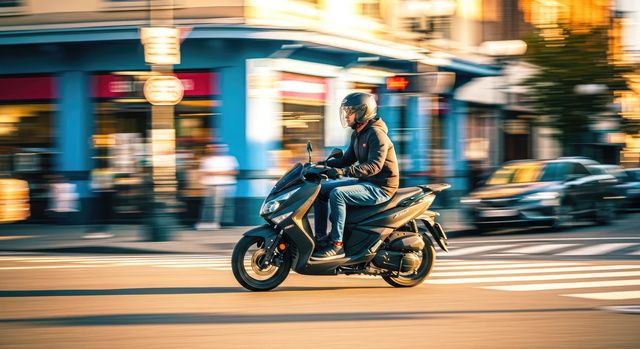
Choosing between a moped and a scooter can be confusing, especially for budget-conscious riders. Both offer affordable, fuel-efficient ways to get around, but they differ in speed, comfort, and usability. This guide breaks down the key differences, pros and cons, and practical tips so you can pick the right vehicle for your daily commute, errands, or city adventures—without overspending.
What Is a Moped?
A moped is a small, low-powered two-wheeled vehicle designed for short-distance travel and maximum fuel savings. It’s often seen as one of the cheapest ways to get around, especially for people who don’t want the costs of owning a car. Mopeds are simple, easy to ride, and ideal for city use where speed isn’t the main priority.
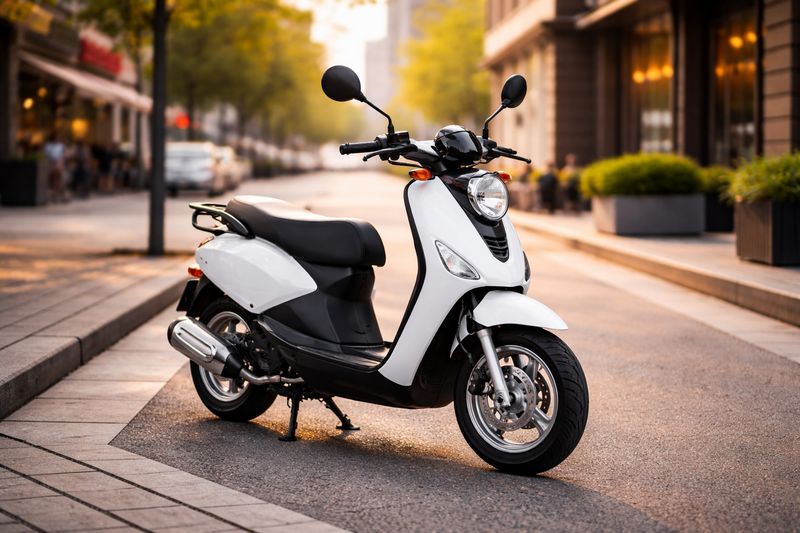
For someone on a tight budget—like a student or a worker commuting a few miles every day—a moped can be a practical and affordable solution.
Definition of a moped
A moped is typically defined as a motorized bike with a small engine and limited top speed. The word “moped” originally comes from “motor” and “pedal,” because early models had bicycle-style pedals that could be used if the engine wasn’t running.
In most regions, mopeds are legally classified based on engine size and speed limits, which are lower than motorcycles or larger scooters. This often means simpler licensing requirements and lower insurance costs.
Key features (pedals, small engine, lightweight design)
Mopeds are built with simplicity in mind. Some of their most common features include:
- Pedals (on some models): Older or classic mopeds may have pedals, allowing the rider to assist the engine or ride like a bicycle. Modern mopeds may not always include them, but the concept remains part of the definition.
- Small engine: Mopeds usually have low-powered engines, which keeps fuel consumption low.
- Lightweight design: They are easy to handle, park, and maneuver in traffic, making them beginner-friendly.
For example, if you live in a busy city and just need a cheap way to get to work or the store, a lightweight moped can save time and money compared to driving a car.
Typical engine size and power limits
Most mopeds come with engines up to 50cc (cubic centimeters). This limited engine size keeps the speed relatively low, usually around 25–35 mph (40–55 km/h), depending on local laws.
Because of these limits, mopeds are not designed for highways or long-distance travel. Instead, they are perfect for short urban trips where fuel efficiency matters more than speed.
Common use cases for mopeds
Mopeds are best suited for simple, everyday transportation needs:
- Short commutes: Getting to work, school, or nearby shops
- City riding: Navigating traffic and finding parking easily
- Budget transportation: Saving money on fuel, insurance, and maintenance
For example, someone working a 10–15 minute drive from home might choose a moped to cut fuel costs and avoid expensive car repairs. Instead of spending hundreds on gas and maintenance each month, they can keep expenses low while still getting where they need to go.
What Is a Scooter?
A scooter is a motorized two-wheeled vehicle designed for convenience, comfort, and easy everyday use. It’s one of the most popular choices for people who want affordable transportation without the complexity of a motorcycle. Scooters are simple to ride, require less effort to learn, and are well-suited for both city streets and short highway trips, depending on the engine size.
For budget-conscious buyers, scooters offer a balance between low cost and better performance compared to mopeds.
Definition of a scooter
A scooter is defined as a small motorcycle with a step-through frame and a platform for your feet. Unlike mopeds, scooters do not have pedals and rely entirely on the engine for movement. They are built for ease of use, making them a popular option for beginners and daily commuters.
Scooters are usually classified by engine size, which can vary widely—from small, moped-like models to more powerful versions capable of highway speeds.
Key features (step-through frame, automatic transmission)
Scooters are designed with practicality and comfort in mind. Key features include:
- Step-through frame: Instead of swinging your leg over like on a motorcycle, you simply step through the frame. This makes getting on and off easier, especially in city traffic.
- Automatic transmission: Most scooters don’t require manual gear shifting. You just twist the throttle and go, which is ideal for beginners or anyone who wants a stress-free ride.
- Comfortable seating: Scooters often have wider seats and a more relaxed riding position compared to mopeds.
For example, if you’re commuting daily and dealing with stop-and-go traffic, an automatic scooter makes the ride smoother and less tiring.
Engine size range and performance
Scooters come in a wide range of engine sizes, typically from 50cc up to 300cc or more.
- 50cc scooters: Similar to mopeds in speed, usually around 30–40 mph
- 125cc–150cc scooters: Faster and more versatile, good for city and short highway rides
- 200cc+ scooters: Powerful enough for longer trips and higher speeds
This range makes scooters more flexible than mopeds. A buyer can choose a model based on their needs—whether it’s short city rides or longer commutes.
Common use cases for scooters
Scooters are a great fit for a variety of everyday situations:
- Daily commuting: Getting to work or school quickly and efficiently
- City travel: Easy parking and smooth handling in traffic
- Short highway trips: Possible with mid- or higher-powered models
- Affordable alternative to a car: Lower fuel, maintenance, and insurance costs
For example, someone working across town might choose a 125cc scooter to avoid traffic and save money on fuel. Instead of paying for parking and gas in a car, they can cut monthly expenses while still traveling comfortably.
Key Differences Between Mopeds and Scooters
At first glance, mopeds and scooters may look similar, but they are built for different needs. Understanding the key differences helps budget-conscious buyers choose the right option based on speed, comfort, and daily use. The biggest differences come down to engine power, speed, design, and overall riding experience.
Engine size and power comparison
Mopeds usually have small engines, typically up to 50cc. This keeps power low and limits how fast they can go. They are designed mainly for short, simple trips.
Scooters, on the other hand, come with a wider range of engine sizes—from 50cc to 300cc or more. This gives them more power and flexibility. For example, a 125cc scooter can easily handle longer commutes, while a moped may struggle outside of short city rides.
For buyers on a budget, this means mopeds are cheaper upfront, but scooters offer more performance if you need it.
Top speed differences
Speed is one of the most noticeable differences. Mopeds are usually limited to around 25–35 mph (40–55 km/h), depending on local laws. This makes them ideal for local streets but not for highways.
Scooters can go much faster, depending on engine size:
- 50cc scooters: around 30–40 mph
- 125cc scooters: 50–60 mph
- Larger scooters: 70+ mph
If your daily route includes faster roads or longer distances, a scooter is usually the better choice.
Design and frame structure
Mopeds often have a simpler, more basic design. Some older models include pedals, and the frame is usually lightweight and minimal.
Scooters feature a step-through frame with a flat floorboard where you place your feet. This design is more comfortable and practical, especially when getting on and off frequently in city traffic. Scooters also tend to have better storage options, such as space under the seat.
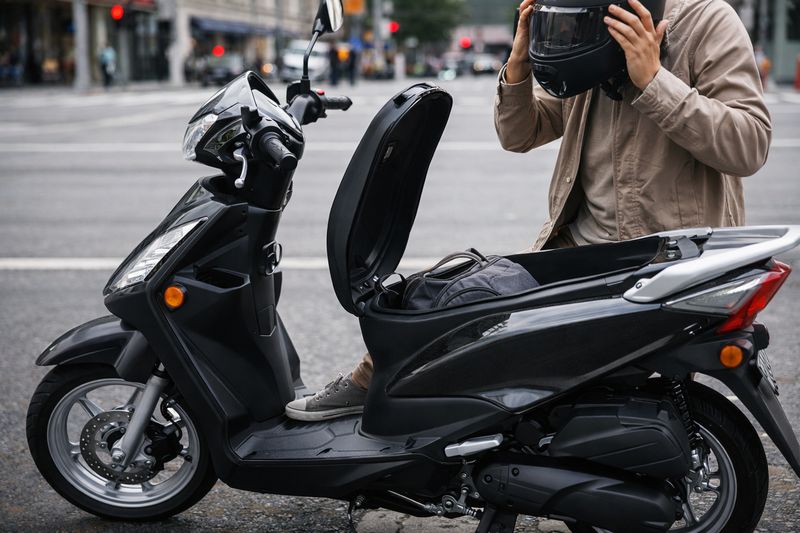
For example, if you need to carry a backpack or groceries, a scooter will be more convenient than a moped.
Transmission and gear systems
Most mopeds have simple transmissions. Some older models may require basic gear shifting, while others are automatic.
Scooters almost always come with automatic transmissions. This means you don’t need to worry about changing gears—you just twist the throttle and ride.
For beginners or anyone who wants a hassle-free experience, scooters are usually easier to handle.
Weight and handling
Mopeds are lighter and more compact, making them very easy to maneuver and park. This is great for tight city streets or crowded areas.
Scooters are slightly heavier, especially models with larger engines. However, they offer better stability at higher speeds and feel more solid on the road.
For example, a student riding short distances in a busy neighborhood might prefer a lightweight moped, while someone commuting across town may feel safer and more comfortable on a scooter.
Do Mopeds and Scooters Have Gears?
One of the biggest questions for beginners is whether mopeds and scooters have gears. The answer depends on the type and model, but in most cases, both are designed to be simple and easy to ride. For budget-conscious buyers who want a hassle-free option, understanding how gears work can help you choose the right vehicle.
Do mopeds have gears?
Mopeds can have gears, but not always. Older or traditional mopeds often come with simple manual gear systems, usually with 2–3 gears. These require the rider to shift gears while riding, similar to a small motorcycle, but much simpler.
However, many modern mopeds are automatic, meaning they don’t require any gear shifting. These models are easier to use, especially for beginners who don’t want to learn manual controls.
For example, if you’re buying an older, low-cost moped from an auction, there’s a good chance it may have manual gears. Newer models are more likely to be fully automatic.
Do scooters have gears?
Most scooters do not have manual gears. They use an automatic transmission system, which adjusts the power and speed without any input from the rider. You simply twist the throttle to accelerate and use the brakes to slow down.
This makes scooters very beginner-friendly. There’s no clutch, no gear shifting, and no need to think about engine speed. For someone commuting daily or riding in traffic, this simplicity can make a big difference in comfort and ease of use.
Manual vs automatic riding experience
The difference between manual and automatic riding comes down to control versus convenience:
- Manual (some mopeds):
- More control over speed and engine performance
- Slightly more engaging to ride
- Requires learning how to shift gears properly
- Automatic (most scooters and many mopeds):
- Easier to learn and use
- Less effort in stop-and-go traffic
- Ideal for beginners and daily commuting
For example, if you just need a simple and cheap way to get to work without thinking about gear changes, an automatic scooter is usually the better choice. But if you’re comfortable with basic mechanics and want a slightly more hands-on experience, a manual moped could still work for you.
Speed and Performance Comparison
Speed and performance are key factors when choosing between a moped and a scooter. While both are designed for affordable transportation, they deliver very different experiences on the road. For budget-conscious buyers, it’s important to match performance with your daily needs—whether that’s short city trips or longer commutes.
How fast can a moped go?
Mopeds are built for low-speed travel. Most models are limited to around 25–35 mph (40–55 km/h), depending on local laws and engine size. This makes them perfect for neighborhood streets, small towns, and short commutes.
However, this speed limit also means mopeds are not suitable for highways or faster roads. For example, if your daily route includes roads with higher speed limits, a moped may feel too slow and even unsafe in traffic.
How fast can a scooter go?
Scooters offer a much wider range of speeds because of their larger engine options:
- 50cc scooters: around 30–40 mph
- 125cc–150cc scooters: around 50–60 mph
- 200cc+ scooters: 70 mph or more
This flexibility allows scooters to handle both city streets and, in some cases, highways. For someone commuting across town or covering longer distances, a scooter provides enough speed to keep up with traffic comfortably.
Acceleration and urban usability
Acceleration is just as important as top speed, especially in city traffic. Mopeds have slower acceleration due to their small engines, which can make it harder to quickly merge or move through busy intersections.
Scooters, even smaller ones, usually have better acceleration. This makes them more practical in stop-and-go traffic, where quick starts and smooth movement are important.
For example, imagine commuting during rush hour. A scooter allows you to move with traffic more easily, while a moped may feel underpowered when starting from a stoplight.
Fuel Efficiency and Running Costs
One of the biggest reasons people choose mopeds or scooters is to save money. Compared to cars, both options are much cheaper to run. But there are still differences between them when it comes to fuel efficiency, maintenance, and overall costs. For budget-conscious buyers, these small differences can add up over time.
Gas mileage comparison
Mopeds are extremely fuel-efficient because of their small engines. Many models can get around 80–120 miles per gallon (mpg), making them one of the cheapest ways to travel daily.
Scooters are also fuel-efficient, but mileage depends on engine size:
- 50cc scooters: around 80–100 mpg
- 125cc–150cc scooters: around 60–80 mpg
- Larger scooters: 40–60 mpg
For example, if you’re commuting a few miles to work every day, both options will save you a lot compared to a car. However, mopeds usually win when it comes to maximum fuel savings.
Maintenance costs
Both mopeds and scooters are cheaper to maintain than cars, but mopeds are usually slightly more affordable. Their simple design means fewer parts that can break and lower service costs.
Scooters may require a bit more maintenance, especially models with larger engines. You’ll still need regular oil changes, brake checks, and tire replacements, but parts and labor are generally inexpensive compared to cars.
For example, basic maintenance on a scooter might cost a fraction of what you’d pay for car repairs, making it a good option for someone trying to reduce monthly expenses.
Repair affordability for budget riders
Repairs on mopeds and scooters are usually affordable, which is a big advantage for budget buyers. Parts are widely available, and many fixes are simple enough to handle without expensive labor.
- Mopeds: Lower repair costs due to simple mechanics
- Scooters: Slightly higher costs, but still budget-friendly
For someone buying from an auction, this is important. Even if the vehicle needs small repairs—like a new battery, tires, or brakes—the total cost is still much lower than fixing a car.
In real life, this means you can buy a used scooter or moped at a low price, invest a little in repairs, and still come out ahead compared to owning a car.
Cost of Buying a Moped vs Scooter
When choosing between a moped and a scooter, the purchase price is often one of the biggest deciding factors. Both options are much cheaper than buying a car, but there are still clear differences in upfront cost and long-term value. For budget-conscious buyers, understanding these costs helps avoid overspending and find the best deal.
Average purchase price
Mopeds are usually the cheapest option. A basic model can cost anywhere from $800 to $2,500, depending on condition, brand, and age. Because of their simple design and small engines, they are often the most affordable way to get motorized transportation.
Scooters typically cost more because they offer better performance and features. Prices usually range from $1,500 to $5,000 or more:
- Small 50cc scooters: closer to the lower end
- Mid-range scooters (125cc–150cc): mid-range pricing
- Larger scooters: higher prices due to added power and comfort
For example, if you just need a cheap ride for short trips, a moped may be enough. But if you want more speed and flexibility, paying extra for a scooter can be worth it.
New vs used options
Buying new gives you reliability and warranty coverage, but it comes at a higher cost. For someone on a tight budget, this isn’t always the best option.
Used mopeds and scooters are much more affordable and can offer great value if chosen carefully. Many used models are available at a fraction of the original price, especially if they have minor cosmetic issues or need small repairs.
For example, instead of paying $2,500 for a new moped, you might find a used one for under $1,000 and spend a little on basic maintenance. This approach helps stretch your budget further.
Buying from auctions to save money
Online auto auctions are one of the best ways to save money on mopeds and scooters. Many vehicles are sold below market value because they come from repossessions, insurance claims, or trade-ins.
For budget buyers, this creates an opportunity to get a better model for less money. You might find a scooter that normally costs $3,000 on the market but buy it at auction for significantly less. Even after minor repairs, the total cost can still be much lower than buying from a dealer.
However, it’s important to review listings carefully and understand the condition before bidding.
Tips for finding budget-friendly deals
- Set a clear budget: Include the purchase price plus potential repair costs
- Check photos and descriptions: Look for signs of damage or neglect
- Start with simpler models: Basic mopeds and small scooters are cheaper to fix
- Avoid overbidding: Stick to your limit to keep the deal affordable
- Factor in repairs: Tires, batteries, and fluids may need replacement
For example, a buyer on a tight budget might win a scooter at auction for a low price, spend a few hundred dollars on repairs, and still save a significant amount compared to buying from a dealership.
Find Mopeds and Scooters at Better Prices Through Online Auctions
If you are comparing a moped vs scooter mainly based on budget, online auctions can help you lower the purchase price. BidNDrive gives you access to auction inventory, cost estimation tools, and support so you can evaluate the deal before you commit.
- ✅ Access to a large selection of auction vehicles
- ✅ Cost estimation tools on each lot page
- ✅ Free auction history reports for qualified buyers
- ✅ Support with bidding, transport, and export
Licensing Requirements
Before buying a moped or scooter, it’s important to understand the licensing rules. These rules can affect what you’re allowed to ride, how fast you can go, and even how much you’ll spend overall. For budget-conscious buyers, choosing a vehicle with simpler licensing requirements can save both time and money.
Keep in mind that laws vary by country and state, so always check local regulations before making a purchase.
Do you need a license for a moped?
In many places, mopeds have simpler licensing requirements than scooters or motorcycles. For small mopeds (usually up to 50cc), you may only need a basic driver’s license, or in some cases, no license at all—just a permit or registration.
This makes mopeds attractive for beginners or younger riders who want a cheap and easy way to get around without going through a full motorcycle licensing process. However, some regions still require a special moped license, so it’s important to verify local rules.
Do you need a license for a scooter?
Scooters usually require a license, especially if the engine is larger than 50cc. Small scooters (50cc) may fall under the same rules as mopeds in some areas, but more powerful scooters are typically classified as motorcycles.
This means you may need a motorcycle license, which involves passing written and practical tests. While this adds a step, it also allows you to ride faster and more powerful vehicles.
The AM moped licence
The AM license is commonly used in many countries for mopeds and small scooters up to 50cc. It usually allows riders to operate vehicles with limited speed (around 25–45 km/h).
This type of license is often easier and cheaper to obtain than a full motorcycle license. It’s a good option for younger riders or anyone looking for simple, low-cost transportation.
The A1 motorcycle licence
The A1 license is designed for small motorcycles and scooters, typically up to 125cc. It allows riders to operate faster and more powerful vehicles compared to mopeds.
Getting an A1 license usually requires both theory and practical tests, but it opens up more options for commuting, including riding on faster roads. For someone who needs more speed and flexibility, this license can be worth the extra effort.
Age restrictions and local regulations
Age requirements vary depending on the type of vehicle and license:
- Mopeds (AM license): often allowed from age 14–16 in many regions
- Scooters (A1 license): usually require age 16–18 or older
Local laws may also define where you can ride, whether you need insurance, and what safety gear is required.
For example, a younger rider with a limited budget might choose a moped because it’s easier to access legally. On the other hand, someone older with a longer commute may invest in a scooter and get the proper license for better performance.
Insurance for Mopeds vs Scooters
Insurance is an important part of owning any vehicle, even a small one like a moped or scooter. While these vehicles are cheaper to insure than cars, the exact cost and requirements depend on engine size, location, and how the vehicle is used. For budget-conscious buyers, understanding insurance can help avoid unexpected expenses and keep overall costs low.
Is insurance required?
In many regions, insurance is required for both mopeds and scooters, especially if they are used on public roads. However, the rules can vary:
- Mopeds (up to 50cc): In some areas, insurance requirements are minimal or cheaper due to lower speed and risk.
- Scooters (especially above 50cc): Usually require standard motorcycle insurance.
Even if insurance is not strictly required, having at least basic coverage is a smart choice. It protects you from paying out of pocket in case of accidents, theft, or damage.
Differences in insurance costs
Mopeds are generally cheaper to insure than scooters. Their lower speed and engine size reduce the risk for insurers, which keeps premiums low.
Scooters, especially those with larger engines (125cc and above), cost more to insure because they can travel faster and are often used on busier roads.
For example, a basic moped insurance policy might cost very little per month, while a mid-sized scooter could cost more—but still far less than insuring a car. For budget buyers, this difference can influence which option makes more sense.
Coverage options and limitations
Insurance for mopeds and scooters usually comes in several levels:
- Liability coverage: Covers damage or injury to others (often required by law)
- Collision coverage: Pays for damage to your vehicle after an accident
- Comprehensive coverage: Protects against theft, vandalism, or weather damage
Lower-cost policies may only include liability coverage, which keeps premiums down but offers limited protection. Higher coverage plans cost more but provide better financial security.
For example, if you buy a low-cost scooter from an auction, you might choose basic liability coverage to keep expenses low. But if the vehicle is newer or more valuable, adding extra coverage could be worth it.
Tips to lower insurance costs
There are several ways to keep insurance affordable:
- Choose a smaller engine size: 50cc vehicles are cheaper to insure
- Maintain a clean driving record: Fewer violations mean lower premiums
- Take a safety course: Some insurers offer discounts for trained riders
- Bundle insurance policies: Combining policies can reduce costs
- Opt for basic coverage: If the vehicle is inexpensive, full coverage may not be necessary
For example, a budget buyer might choose a 50cc scooter with basic liability insurance to keep monthly costs as low as possible.
Legal Differences and Road Rules
Knowing the legal rules for mopeds and scooters is essential before buying one. Even though they are small and inexpensive, both vehicles are subject to regulations that affect where you can ride, registration, and safety requirements. Following these rules keeps you on the right side of the law and ensures a safer riding experience.
Registration requirements
Most regions require mopeds and scooters to be registered with the local motor vehicle authority. Registration rules may vary depending on engine size:
- Mopeds (up to 50cc): Often have simpler registration processes, sometimes similar to bicycles or motorized bicycles. Fees are usually low.
- Scooters (50cc+): Usually require standard vehicle registration, similar to motorcycles. Larger scooters may also require license plates.
For example, a budget-conscious buyer might choose a 50cc moped because registration fees are cheaper and less paperwork is involved.
Where you can legally ride (roads, bike lanes)
Mopeds and scooters are often restricted in where they can legally travel:
- Mopeds: In many areas, they are allowed on city streets and smaller roads but may be prohibited on highways. Some regions even allow mopeds on certain bike lanes.
- Scooters: Small scooters (50cc) may follow similar rules to mopeds, while mid- and high-powered scooters can ride on most roads, including some highways, depending on local laws.
For example, if your daily commute is mostly on busy city streets, either option may work. But if your route includes a highway, a larger scooter may be your only legal choice.
Helmet laws and safety requirements
Helmet laws are stricter than ever for mopeds and scooters. In most regions, wearing a helmet is mandatory for all riders, regardless of age or engine size. Other safety requirements may include:
- Protective clothing (gloves, jackets, closed shoes)
- Working lights and reflectors
- Turn signals and horns
Even if the law does not require full gear, wearing it is strongly recommended for safety. For example, a rider commuting to work on a busy street should always wear a helmet and gloves to reduce the risk of injury in case of an accident.
Safety Considerations
Safety is a critical factor when choosing between a moped and a scooter. While both are convenient and budget-friendly, they are also smaller and less protected than cars, making proper precautions essential. Understanding the risks and taking steps to stay safe can help prevent accidents and injuries, especially for new riders or those commuting in busy urban areas.
Are mopeds or scooters safer?
Neither mopeds nor scooters are inherently “safer” than the other; the risk depends on how you ride and the vehicle’s features. Mopeds are lighter and slower, which can make them easier to maneuver at low speeds but less stable in strong winds or heavy traffic. Scooters, especially larger ones, are heavier and more stable at higher speeds, which can improve control on main roads.
For budget riders, choosing the vehicle that matches your daily route and riding experience is key. For example, a slower moped may be fine for short city trips, while a scooter is better for longer commutes with mixed traffic conditions.
Risk of accidents and stability
Both vehicles carry higher accident risk than cars because they offer less protection in a crash. Common risks include:
- Loss of balance in tight turns or slippery conditions
- Reduced visibility to other drivers
- Vulnerability in collisions with larger vehicles
Scooters generally handle better at higher speeds due to their weight and frame design, while mopeds are easier to park and maneuver but can feel unstable on uneven roads. For urban riders, staying aware of surroundings and riding defensively is critical.
Recommended safety gear
Wearing the right gear significantly reduces the risk of injury. This includes:
Helmets, gloves, and protective clothing
- Helmet: Always wear a certified helmet to protect your head in case of a fall or collision. Full-face helmets provide the best coverage.
- Gloves: Protect your hands from scrapes, cold, and weather while improving grip.
- Protective clothing: Jackets, pants, and boots made for motorized riding reduce injury from abrasions and impacts.
Even if a law only requires a helmet, adding gloves and protective clothing is a smart choice for anyone riding regularly, especially in traffic-heavy areas.
Comfort and Practicality
When choosing between a moped and a scooter, comfort and practicality are just as important as cost or speed. After all, a ride that’s uncomfortable or inconvenient can quickly become a hassle, especially if you plan to use it daily for commuting or errands. Understanding the ergonomics, storage options, and overall usability helps you pick the right vehicle for your needs.
Seating position and ergonomics
Scooters and mopeds have different seating designs that affect comfort.
- Mopeds: Usually have a simple, upright seating position. While this is fine for short trips, longer rides can become tiring because the seat is often smaller and the suspension basic.
- Scooters: Offer more ergonomic designs with wider seats and better cushioning. Many scooters also allow the rider to place their feet flat on the floorboard, which reduces fatigue on longer rides.
For example, if you commute 5–10 miles daily, a scooter may be more comfortable, while a moped is adequate for quick rides around town.
Storage options
Scooters generally provide better storage solutions than mopeds. Many models include under-seat storage large enough for a helmet, groceries, or a backpack. Some even have optional top cases for extra capacity.
Mopeds, on the other hand, usually lack built-in storage. Riders often need to attach a small basket or backpack for carrying items. For budget-conscious buyers, this is something to consider—especially if you plan to use your vehicle for errands or small shopping trips.
Passenger capability
Scooters usually allow for a passenger, with a longer seat and footrests. Some models are designed specifically for two people. Mopeds are often limited to a single rider due to their compact size and frame strength.
For example, if you occasionally need to give a friend a short ride, a scooter provides more flexibility. Mopeds are best suited for solo travel.
Daily commuting convenience
Both mopeds and scooters excel in city commuting. They are easy to park, navigate through traffic, and maneuver in tight spaces. However, scooters often win in overall convenience:
- Better acceleration and handling in traffic
- More comfortable for slightly longer commutes
- Storage for personal items or groceries
For someone on a budget, a moped can still serve as a reliable and cheap daily commuter. But if comfort and practicality matter—especially for longer rides or carrying small cargo—a scooter is usually the better investment.
Is a Vespa a Scooter or a Moped?
Vespa is one of the most recognizable names in two-wheeled vehicles, but there’s often confusion about whether it’s classified as a scooter or a moped. Understanding Vespa’s classification can help budget-conscious buyers choose the right model for their needs, legal requirements, and daily commuting.
Understanding Vespa classification
Most Vespas are classified as scooters due to their design and engine size. They feature the classic step-through frame, automatic transmission, and enclosed bodywork typical of scooters. However, Vespa also produces smaller 50cc models that technically qualify as mopeds in some regions.
The distinction often depends on engine displacement:
- 50cc Vespa: Often legally a moped, suitable for short city trips and lower-speed roads.
- 125cc and above: Classified as scooters, offering higher speed, more power, and highway capability in some areas.
This classification affects licensing, insurance, and road access. For example, a 50cc Vespa may only require a basic moped license, while a 125cc Vespa often requires a motorcycle license.
Popular Vespa models explained
Some popular Vespa models include:
- Vespa Primavera 50: A small, lightweight model perfect for city commuting, usually considered a moped.
- Vespa Sprint 150: Offers more power and comfort, classified as a scooter and suitable for longer rides or slightly faster roads.
- Vespa GTS 300: A high-performance scooter with a larger engine, ideal for riders who want speed, stability, and longer trips.
For budget riders, smaller Vespa models provide an affordable and stylish way to navigate the city, while larger models deliver more power and comfort at a higher price.
How to Choose Between a Moped and a Scooter
Choosing between a moped and a scooter comes down to understanding your personal needs, budget, and riding habits. Both are affordable options for budget-conscious buyers, but the right choice depends on how you plan to use the vehicle and the features that matter most.
How you plan to use the vehicle
Consider where and how often you’ll ride.
- Short city trips: Mopeds are ideal for quick errands and short commutes. Their small size and light weight make them easy to park and navigate through traffic.
- Longer commutes or mixed roads: Scooters are better for slightly longer distances or roads with faster traffic. They offer higher speeds, more stability, and better comfort for sustained rides.
For example, someone living in a busy downtown area may find a moped perfect for short trips, while a suburban rider who travels 10–15 miles daily might benefit more from a scooter.
Budget considerations
Cost is often a key factor when choosing a two-wheeler.
- Mopeds: Generally cheaper upfront and less expensive to insure and maintain. Great for those on a tight budget.
- Scooters: Higher purchase price, slightly higher insurance, but better performance and versatility.
If your goal is to save money while still having reliable transport, a moped is usually the more economical choice. A scooter may be worth the extra investment if you want added speed, comfort, or carrying capacity.
Comfort and riding experience
Riding comfort can affect how much you enjoy your vehicle, especially if you use it daily.
- Mopeds: Offer basic seating and simple ergonomics, suitable for short rides.
- Scooters: Typically provide wider seats, better suspension, and more ergonomic foot positioning. They are more comfortable for longer commutes or carrying a passenger.
For example, a rider commuting in heavy traffic every day may prefer the smoother, more comfortable ride of a scooter.
Ease of maintenance
Maintenance and repair costs are important for budget riders.
- Mopeds: Simple engines and fewer features make them easier and cheaper to maintain. Parts are usually inexpensive and widely available.
- Scooters: Slightly more complex engines, especially larger models, can cost more to repair and maintain. However, routine maintenance is still relatively affordable compared to cars.
If you want a low-maintenance vehicle with minimal expenses, a moped is a good choice. For those willing to spend a little extra for comfort and performance, a scooter can be worth it.
Check Auction Listings and Choose the Right Fit for Your Budget
Once you know whether a moped or scooter fits your needs better, the next step is finding the right unit at the right price. BidNDrive helps buyers compare auction listings, estimate total costs, and avoid overpaying on entry-level transportation.
- ✅ Browse affordable mopeds and scooters in one place
- ✅ Estimate auction, transport, and export costs in advance
- ✅ Review vehicle history before making a decision
- ✅ Get help choosing a practical budget-friendly option
Where to Buy a Moped or Scooter
Finding the right place to buy a moped or scooter is just as important as choosing the model itself. Your purchase location can affect the price, condition, and reliability of the vehicle. For budget-conscious buyers, weighing options between dealerships, private sellers, and online auctions helps you get the best deal without compromising quality.
Dealerships vs private sellers
Dealerships: Buying from a dealership often provides peace of mind. Dealerships usually inspect vehicles, offer warranties, and handle registration paperwork. You also have the chance to test ride and compare multiple models in one location. The downside is that dealerships may charge higher prices, which can be a concern for buyers on a tight budget.
Private sellers: Purchasing from a private seller is often cheaper, sometimes significantly. However, it comes with more risk. There may be hidden issues, incomplete maintenance history, or unclear titles. Buyers must be extra careful, check the vehicle thoroughly, and ideally bring a mechanic to inspect the scooter or moped.
For example, a budget buyer looking to save $500–$1,000 might explore private listings but should be prepared to inspect the vehicle carefully before committing.
Buying from online auctions
Online auctions are becoming a popular option for budget-conscious buyers. Websites like eBay Motors or specialized vehicle auction platforms often list used mopeds and scooters at lower prices than traditional dealerships.
Advantages:
- Potentially lower prices than retail
- Access to a wide variety of models
- Opportunity to bid on rare or well-maintained vehicles
Risks:
- Limited ability to inspect the vehicle in person
- Shipping costs and logistics for delivery
- Some auctions require knowledge of the platform to avoid overpaying
For example, a buyer might find a 125cc scooter in excellent condition at an auction for a fraction of its dealership price—but they must check the auction’s history and read the fine print carefully.
What to check before buying
Regardless of where you buy, inspecting the vehicle before purchase is crucial:
- Engine and transmission: Ensure it starts smoothly and shifts correctly.
- Brakes and suspension: Check for wear or damage.
- Tires and wheels: Look for cracks or uneven wear.
- Documentation: Verify the title, registration, and maintenance records.
- Test ride: If possible, ride the vehicle to confirm performance and comfort.
Pros and Cons of Mopeds
Mopeds are popular among budget-conscious riders who want a simple, efficient way to get around. However, like any vehicle, they come with advantages and disadvantages. Understanding these can help you decide if a moped is the right choice for your lifestyle and commuting needs.
Pros
- Affordability: Mopeds are usually cheaper to buy than scooters or motorcycles. Both new and used options can fit tight budgets, making them ideal for first-time riders.
- Fuel efficiency: With small engines, mopeds consume very little gas, often exceeding 100 miles per gallon, which keeps running costs extremely low.
- Easy to ride: Lightweight design and low top speeds make mopeds easy to handle, especially for beginners.
- Parking convenience: Their compact size allows for easy parking in crowded urban areas or even apartment complexes.
- Low maintenance: Simple engines and fewer components mean repairs are typically less frequent and cheaper.
For example, a college student or someone commuting a few miles to work may find a moped perfect for city trips, saving both time and money.
Cons
- Limited speed: Most mopeds have top speeds between 25–35 mph, making them unsuitable for highways or long-distance commuting.
- Passenger limitations: Many mopeds are designed for a single rider, so taking a passenger is often not recommended or safe.
- Less stability: Lightweight frames can feel unstable in strong winds or uneven road conditions.
- Limited storage: Mopeds usually have minimal built-in storage, requiring extra accessories like baskets or backpacks.
- Exposure to weather and traffic: Riding a moped offers no protection from rain, wind, or collisions, increasing safety risks.
Pros and Cons of Scooters
Scooters are a versatile option for riders who want more power, comfort, and practicality than a moped. They are especially popular among city commuters and budget-conscious individuals looking for an affordable yet reliable mode of transportation. However, like any vehicle, scooters have both benefits and drawbacks that should be considered before buying.
Pros
- Better performance: Scooters usually have larger engines than mopeds, offering higher top speeds and smoother acceleration. This makes them suitable for longer commutes and urban traffic.
- Comfortable riding experience: Wider seats, better suspension, and ergonomic foot placement make scooters more comfortable for daily rides or longer trips.
- Passenger-friendly: Most scooters are designed to carry a passenger safely, with longer seats and footrests.
- Storage options: Many scooters come with under-seat storage or the option to add a top case, making it convenient for groceries, backpacks, or work items.
- Ease of use: Automatic transmissions make scooters beginner-friendly, allowing riders to focus on the road without worrying about manual gear shifts.
For example, a budget-conscious commuter who travels 10–15 miles daily will appreciate a scooter’s comfort, storage space, and higher speed compared to a small moped.
Cons
- Higher purchase price: Scooters are usually more expensive than mopeds, which can be a concern for first-time riders or those on a tight budget.
- Slightly higher maintenance costs: More complex engines and additional components, like storage compartments, can increase maintenance expenses over time.
- Weight and maneuverability: Larger scooters are heavier than mopeds, making them slightly harder to maneuver in tight city spaces or park in small areas.
- Fuel efficiency: While still fuel-efficient, scooters typically consume more gas than a 50cc moped, especially larger models.
- Exposure to weather and traffic: Like mopeds, scooters offer no protection from rain, wind, or collisions, so safety gear is essential.
Final Thoughts: Which Is Better for You?
Deciding between a moped and a scooter comes down to your lifestyle, riding needs, and budget. Both vehicles offer affordable, efficient ways to get around, but each has unique strengths and limitations. Understanding these differences ensures you pick the right option that matches your daily routine and long-term goals.
If your main priority is low cost and simplicity, a moped is an excellent choice. Its lightweight design, low purchase price, and minimal maintenance make it ideal for short city trips, quick errands, or commuting just a few miles a day. For example, a college student or someone running daily errands in tight urban streets will find a moped perfect for these tasks.
On the other hand, if you need more power, comfort, and versatility, a scooter is usually the better option. Scooters handle longer commutes, carry passengers, and provide storage for groceries or work items. Their automatic transmission and ergonomic design make them beginner-friendly while offering a smoother, more stable ride in mixed traffic. A daily commuter who travels 10–15 miles each way or wants the option to carry a friend or cargo will benefit from a scooter’s features.
Ultimately, the “best” choice depends on your personal priorities: budget, distance, comfort, and daily use. For tight city streets and ultra-budget-friendly travel, mopeds shine. For longer rides, better comfort, and extra practicality, scooters come out ahead. By weighing these factors carefully, you can confidently choose the vehicle that fits your lifestyle and keeps your commuting simple, affordable, and enjoyable.
Start Searching for a Budget-Friendly Moped or Scooter Today
Whether you decide on a simple moped or a more versatile scooter, buying through auction can be a practical way to save money. BidNDrive helps you search available units, estimate the real total cost, and move forward with more confidence.
- ✅ Affordable auction access for budget-conscious buyers
- ✅ Clear cost estimates before you bid
- ✅ Help reviewing listings and condition details
- ✅ Assistance with purchase, transport, and export logistics
Further Reading:
Difference Between ATV and UTV: Which One Is Right for You?
Affordable Honda Dirt Bikes
Top 3 Mid-Range Motorcycles Ideal for Teenage Riders in 2026
Fastest Street-Legal Motorcycles You Can Buy in 2026 (Budget Buyer Guide)
Frequently Asked Questions
- What is the main difference between a moped and a scooter?
- Can I ride a moped or scooter without a license?
- Which is more cost-effective: a moped or a scooter?
- Are mopeds and scooters safe to ride in city traffic?
- Can I carry a passenger on a moped or scooter?